
A vehicle’s insurance costs depend on more than its purchase price, safety equipment, or repair expenses. Insurers also examine how frequently owners file claims and how much those claims cost to settle.
The Highway Loss Data Institute (HLDI) provides valuable insight through its insurance loss data, comparing hundreds of vehicles across six coverage categories. Some models consistently generate lower insurance losses than competing vehicles in their respective classes.
These findings can help American buyers make more informed purchasing decisions, although lower claim losses do not guarantee the cheapest individual insurance premium.
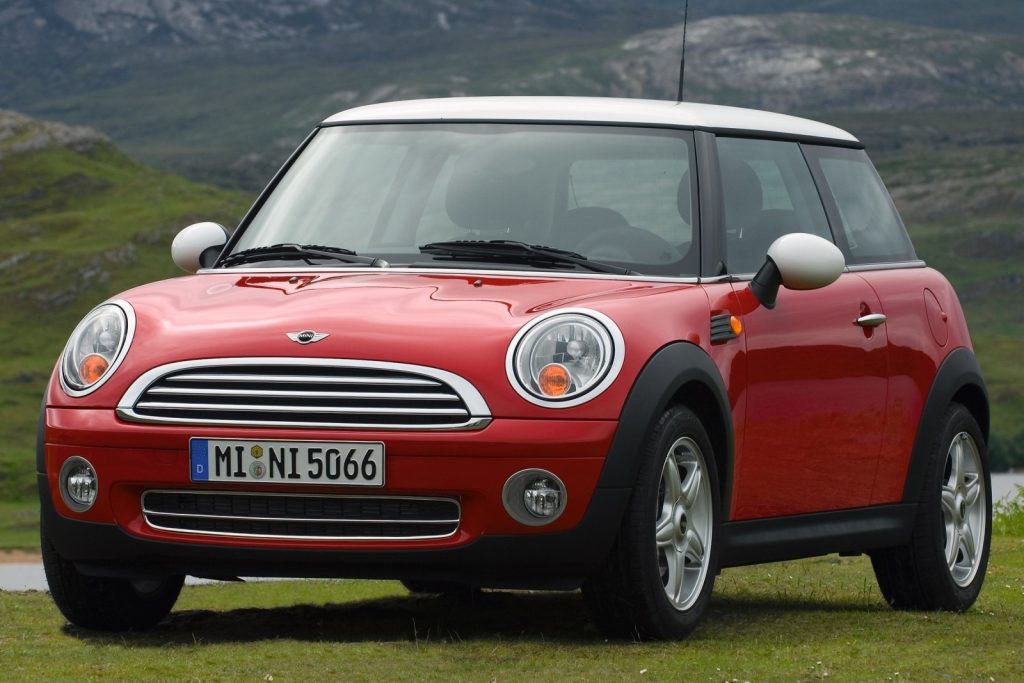
1. Mini Cooper
Vehicle class: Mini two-door cars | Combined insurance losses: 35% below average
The Mini Cooper takes the top position in this selection, recording the lowest combined insurance losses among the seven vehicles examined. According to the 2022–2024 model-year HLDI data, its combined losses were 35% below the average for all passenger vehicles.
This is an interesting result because small cars are not automatically cheaper for insurers to cover. Repair expenses, accident frequency, theft exposure, and injury claims all influence the final figures.
The Mini’s performance suggests that its insurance experience has been comparatively favorable across several coverage categories.
It’s important to note that HLDI assesses six types of insurance coverage, including collision, property damage liability, comprehensive, personal injury protection, medical payments, and bodily injury liability. The Mini’s combined rating accounts for its performance across all these categories, not just the expense of repairing the vehicle after a collision.
Its compact dimensions also make it a distinctive choice in the American market. The two-door Cooper is designed primarily for urban transportation, where maneuverability and relatively small parking requirements are practical advantages. Buyers also have access to different powertrain and equipment configurations, depending on model year.
However, lower insurance losses should not be confused with a guaranteed low premium. A driver’s age, location, claims history, deductible, and selected coverage can substantially change the price quoted by an insurer.
The Mini Cooper’s 35% below-average result makes it a compelling example of how a relatively small vehicle can generate favorable insurance outcomes. For shoppers comparing compact cars, its HLDI performance is worth considering alongside purchase price, repair availability, and independent safety evaluations.
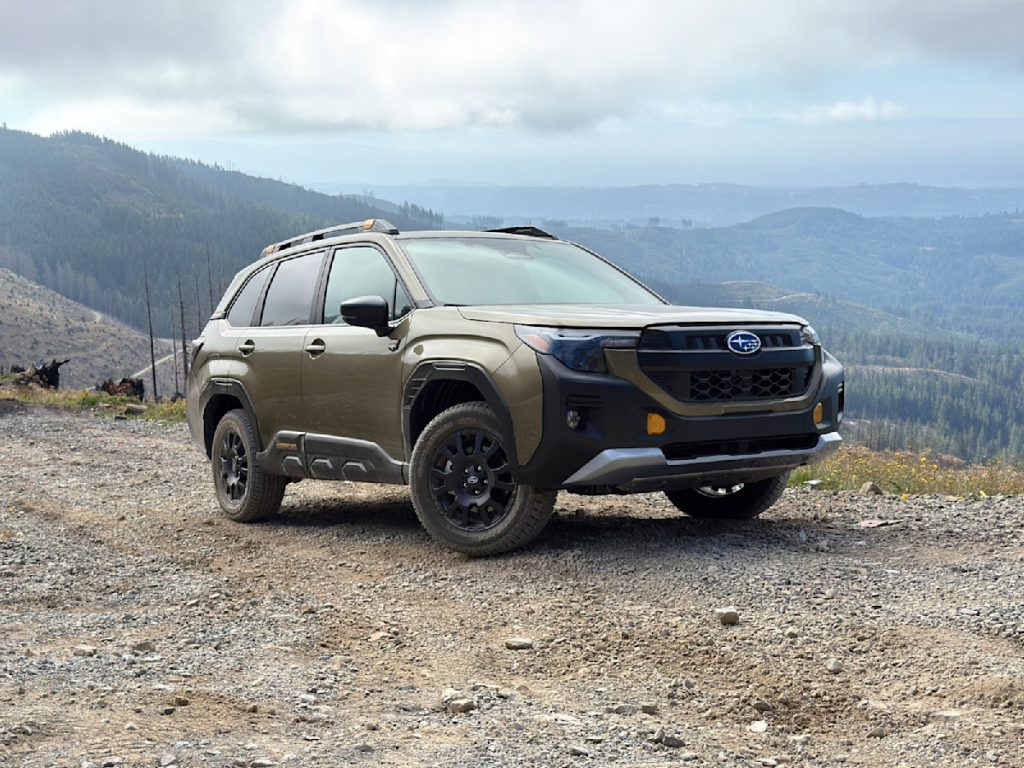
2. Subaru Forester
Vehicle class: Small SUVs | Combined insurance losses: 34% below average
The Subaru Forester delivers one of the strongest insurance-loss performances among small SUVs in the HLDI dataset. The 2022–2024 model-year data identifies the four-wheel-drive Forester equipped with EyeSight as having combined insurance losses 34% below the average for all passenger vehicles.
This is particularly noteworthy in a segment where vehicles often carry substantial repair costs because of their larger body structures, advanced driver-assistance equipment, and expensive exterior components.
EyeSight is an important part of the Forester’s equipment package. Subaru’s driver-assistance technology uses cameras and supporting systems to provide features such as pre-collision braking, adaptive cruise control, and lane-related assistance.
These technologies are designed to help drivers avoid certain accidents or reduce their severity. However, the HLDI combined figure should not be interpreted as proof that EyeSight alone produced the Forester’s favorable insurance results. The reported figure reflects the vehicle’s experience across six coverage categories.
Mechanically, the American-market Forester has traditionally used Subaru’s horizontally opposed four-cylinder engines and standard Symmetrical All-Wheel Drive.
Its engineering focuses on everyday usability, predictable handling, and traction in challenging weather. Those characteristics make it attractive to households in areas that regularly experience rain, snow, and slippery roads.
The Forester also stands out for its everyday practicality. Its upright design offers generous passenger room, clear outward visibility, and a versatile cargo area while maintaining the manageable size of a compact SUV.
The 34% below-average combined result makes this Subaru particularly interesting for insurance-conscious shoppers. Nevertheless, individual premiums will still depend on location, driver history, coverage limits, and the specific vehicle configuration being insured.
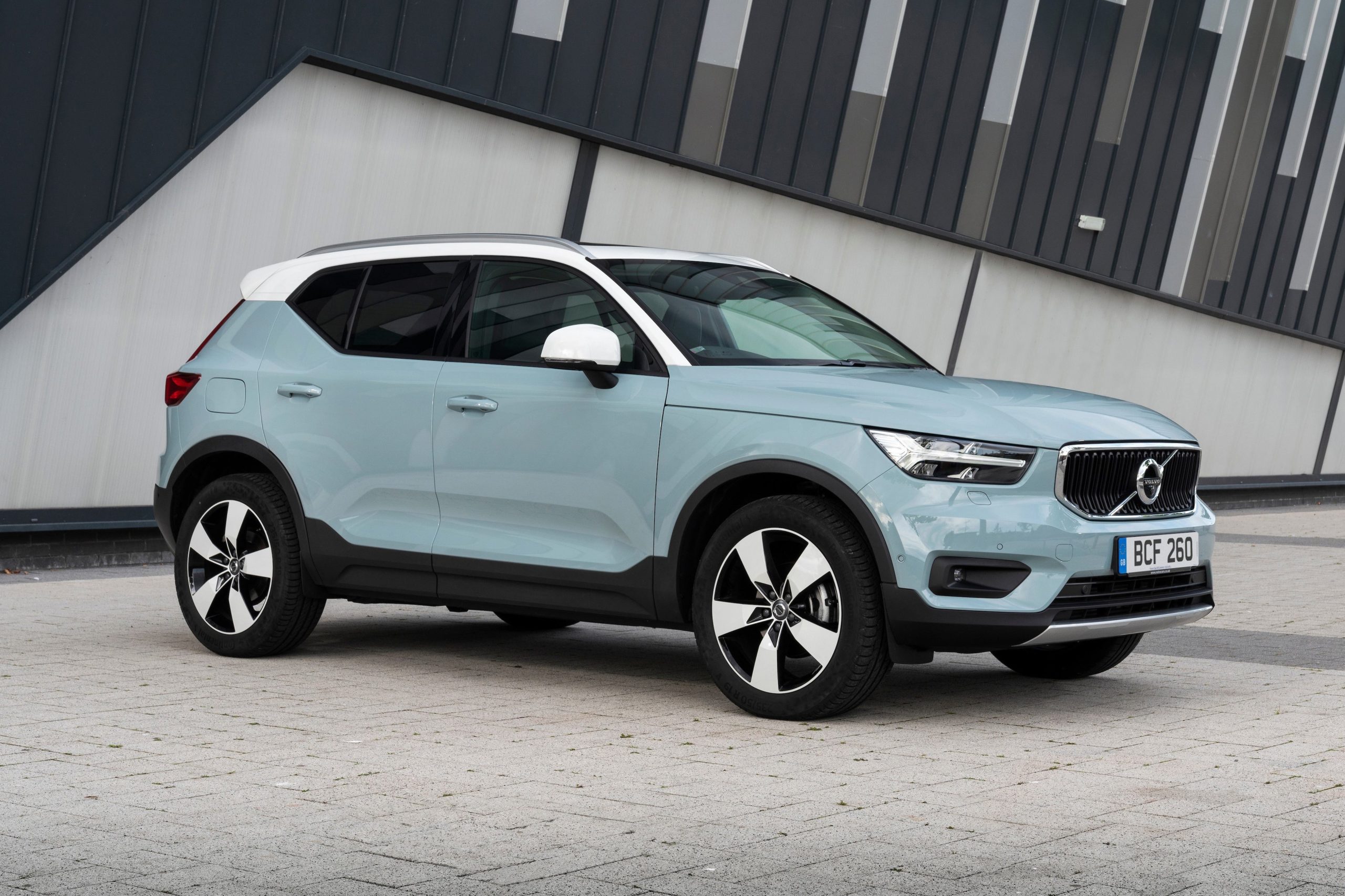
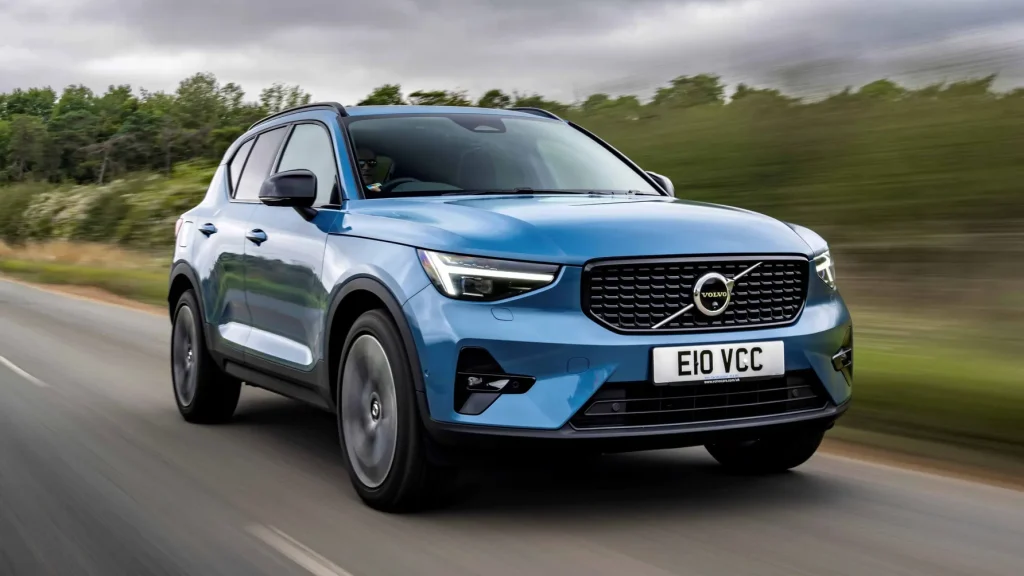
3. Volvo XC40
Vehicle class: Small luxury SUVs | Combined insurance losses: 34% below average
Luxury vehicles are often associated with higher insurance expenses because replacement parts, specialized repairs, and advanced technology can increase the financial consequences of an accident. The Volvo XC40 challenges that expectation in HLDI’s insurance-loss data.
The 2022–2024 model-year four-wheel-drive XC40 recorded combined insurance losses 34% below the average for all passenger vehicles, placing it among the strongest performers in this selection. Its result is particularly impressive within the small luxury SUV category, where repair costs can be a significant consideration.
Volvo’s approach to vehicle development places considerable emphasis on occupant protection and accident prevention. The XC40 comes with a range of driver-assistance technologies, depending on model year and trim, including automatic emergency braking, lane-keeping assistance, and collision avoidance features.
These systems are intended to help drivers recognize potential hazards and respond before a collision becomes more serious.
The vehicle also offers a relatively compact footprint compared with larger luxury SUVs. That makes it suitable for buyers who want premium cabin materials, elevated seating, and practical cargo space without purchasing a considerably bigger vehicle.
American versions have been offered with turbocharged gasoline powertrains and, in selected model years, electrified alternatives.
The important point is that HLDI measures actual insurance experience rather than simply awarding points for safety equipment. Its combined figure incorporates losses across six coverage types, making the XC40’s performance more meaningful than a comparison based solely on crash-test results.
For buyers considering a premium compact SUV, the XC40 deserves attention beyond its interior design and safety reputation. Its favorable insurance-loss record provides another measurable advantage, although actual premiums can vary substantially between drivers and insurance companies.
4. Subaru Outback
Vehicle class: Midsize station wagons | Combined insurance losses: 33% below average
The Subaru Outback occupies an unusual position in the American automotive market. It combines the practicality of a station wagon with the ground clearance and standard all-wheel-drive capability commonly associated with SUVs.
These qualities have made the Outback appealing to families, outdoor enthusiasts, and drivers who frequently face varying road conditions. Its insurance record is also noteworthy. According to HLDI data for 2022–2024 model years, the Outback equipped with EyeSight had combined insurance losses 33% below the average for all passenger vehicles.
Rather than relying on a tall, bulky SUV design, Subaru gives the Outback a relatively low roofline and elongated cargo area. This layout provides useful luggage capacity while retaining a driving experience closer to a traditional passenger car.
Its standard symmetrical all-wheel drive also makes it a practical option for customers living in snowy regions of the United States.
Engine choices vary by model year. Recent American versions have offered a naturally aspirated 2.5-liter four-cylinder producing 182 horsepower, alongside a turbocharged 2.4-liter engine delivering 260 horsepower in selected trims.
The available EyeSight system adds driver-assistance functions intended to reduce the likelihood or severity of certain collisions.
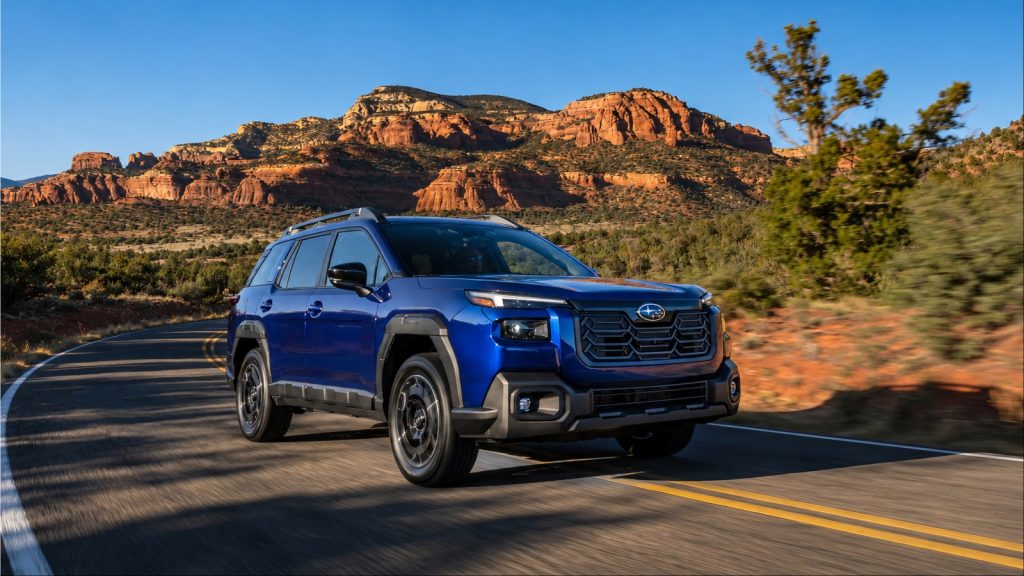
The Outback’s insurance result is especially noteworthy because its practical design does not come at the expense of favorable claims experience. HLDI evaluates collision, comprehensive, liability, and injury-related coverages, so the 33% figure represents a broader insurance-loss comparison.
For families comparing midsize SUVs and wagons, the Outback offers an alternative worth considering. Its combination of cargo flexibility, all-weather traction, and favorable insurance data makes it a strong candidate, although individual insurance quotes remain dependent on personal circumstances.
5. Subaru Crosstrek
Vehicle class: Small station wagons | Combined insurance losses: 32% below average
The Subaru Crosstrek demonstrates that a compact vehicle designed for everyday transportation can also deliver favorable insurance results.
HLDI’s 2022–2024 model-year data place the four-wheel-drive Crosstrek equipped with EyeSight among the strongest performers, with combined insurance losses 32% below the average for all passenger vehicles.
Its position is particularly interesting because the Crosstrek competes in a category where buyers frequently compare vehicles based on practicality, affordability, and all-weather capability rather than luxury features.
Subaru developed the Crosstrek around the idea of providing additional ground clearance and all-wheel-drive capability without making the vehicle unnecessarily large. Its dimensions make it easier to park and maneuver than many midsize SUVs, while its raised ride height provides greater flexibility on uneven roads and light trails.
The American-market model has offered a 2.0-liter four-cylinder engine in earlier configurations and a more powerful 2.5-liter engine in selected versions.
The latter produces 182 horsepower and is paired with a continuously variable transmission. Subaru also offers EyeSight driver-assistance technology, which includes features such as automatic emergency braking and adaptive cruise control.
The insurance data deserves careful interpretation. HLDI’s combined result incorporates six coverage categories, including collision, comprehensive, and liability-related losses.
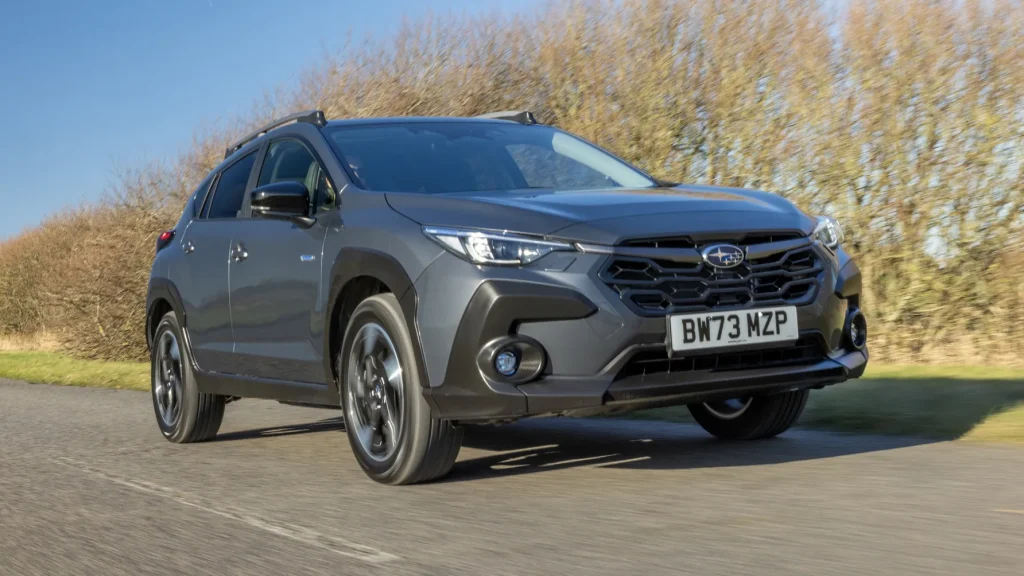
It does not mean that every Crosstrek owner will experience 32% lower insurance premiums. Instead, it indicates that the model’s adjusted insurance losses have been considerably lower than the passenger-vehicle benchmark.
For American shoppers wanting a compact vehicle with useful ground clearance, standard all-wheel drive and a favorable insurance record, the Crosstrek makes a convincing case. Its relatively practical design also gives it an advantage among buyers who do not need the additional space of a larger SUV.
6. Volvo XC60
Vehicle class: Midsize luxury SUVs | Combined insurance losses: 32% below average
The Volvo XC60 brings a more premium approach to this list, yet its insurance-loss performance is remarkably competitive. According to HLDI’s 2022–2024 model-year data, the four-wheel-drive XC60 recorded combined insurance losses 32% below the average for all passenger vehicles.
This places it among the seven strongest performers in the selected comparison, despite competing in a segment where advanced equipment and expensive replacement components can influence insurance claims.
Volvo’s midsize SUV is designed around a combination of passenger comfort, interior quality and safety-focused engineering. Its cabin offers seating for five, a practical cargo compartment and a technology-focused dashboard.
For American families, the XC60 occupies a useful middle ground between smaller premium crossovers and larger three-row luxury SUVs.
Powertrain choices have changed across the model years included in the insurance study. Depending on production year and configuration, American buyers could choose turbocharged gasoline engines or plug-in hybrid versions.
More recent examples of the XC60 Recharge combine a turbocharged and supercharged 2.0-liter gasoline engine with electric assistance, producing substantially more power than the standard mild-hybrid configurations.
Safety technology is another major part of the vehicle’s identity. Available and standard equipment, depending on trim and year, includes automatic emergency braking, collision avoidance assistance and blind-spot monitoring. These systems are designed to support the driver rather than replace careful driving.
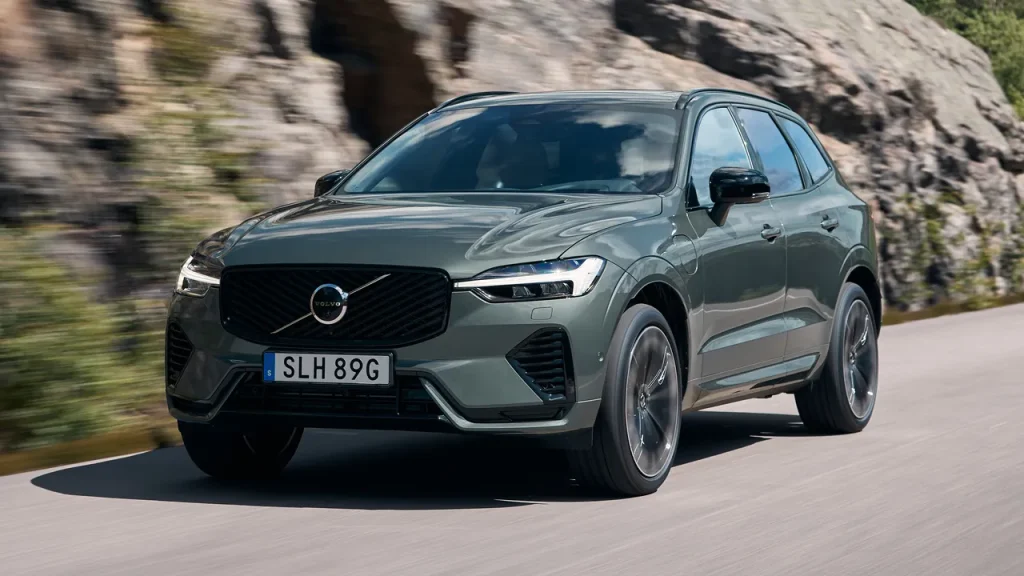
The XC60’s 32% below-average combined insurance-loss result is especially valuable because it comes from real insurance claims rather than a manufacturer’s promotional reliability statement. Still, luxury repair costs and individual insurance pricing remain important considerations.
For buyers who want a comfortable premium SUV without overlooking insurance-related ownership expenses, the XC60 deserves a place on the shortlist. Its HLDI performance provides a useful additional reason to consider it.
7. Subaru Ascent
Vehicle class: Midsize SUVs | Combined insurance losses: 31% below average
The Subaru Ascent completes this selection with a particularly encouraging insurance-loss result for a three-row family SUV. HLDI’s 2022–2024 model-year data shows that the four-wheel-drive Ascent equipped with EyeSight recorded combined insurance losses 31% below the average for all passenger vehicles.
Its performance is noteworthy because larger family vehicles can involve substantial repair bills following collisions, particularly when body panels, sensors and other advanced components need replacement.
Unlike the smaller Subaru models featured earlier, the Ascent is designed specifically for households that need additional passenger capacity. Its three-row layout accommodates up to eight occupants in appropriately configured versions, making it a practical alternative to larger domestic SUVs.
The cabin also provides flexible seating arrangements and useful cargo space, depending on how the second and third rows are positioned.
American-market Ascents use a 2.4-liter turbocharged BOXER four-cylinder engine producing 260 horsepower and 277 lb-ft of torque. Subaru pairs it with a continuously variable transmission and standard Symmetrical All-Wheel Drive.
This combination provides the traction required for difficult weather while delivering the performance expected from a midsize family vehicle.
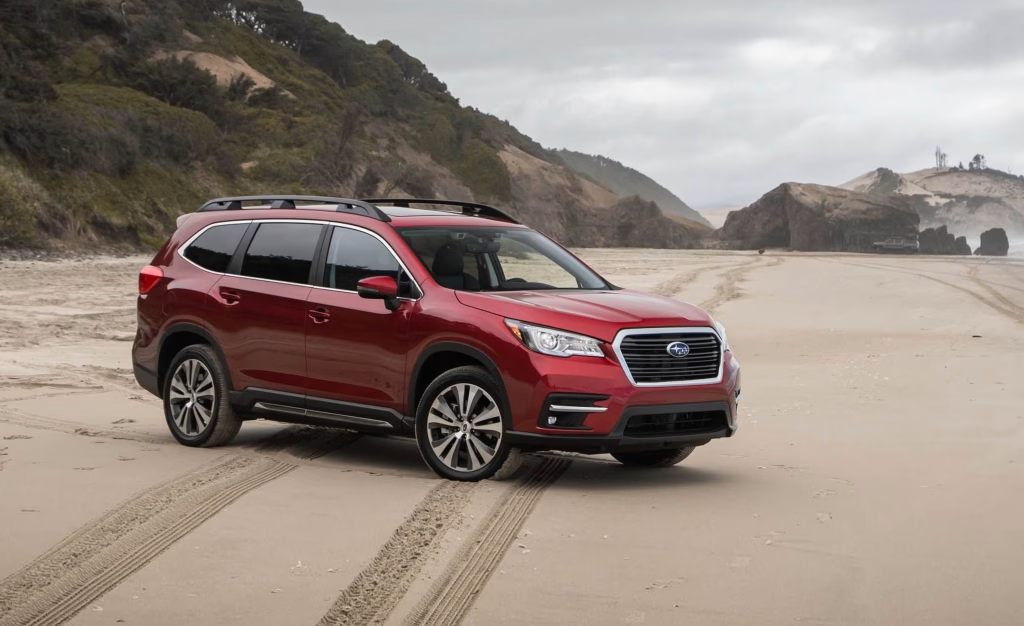
EyeSight is another important part of its equipment package. The system incorporates driver-assistance functions intended to help prevent or reduce the severity of certain accidents. However, the Ascent’s favorable insurance result cannot be attributed to one particular feature because HLDI evaluates the vehicle’s experience across six coverage categories.
For American families comparing three-row SUVs, the Ascent offers an interesting combination of passenger capacity, turbocharged performance and favorable insurance-loss data.
Its 31% below-average result makes it a worthwhile candidate for buyers who want to consider potential insurance-related expenses alongside purchase price and maintenance costs.
