
Engine reliability is one of the biggest factors influencing long-term vehicle ownership, repair expenses, and buyer confidence. Some automakers have developed reputations for producing powertrains that withstand years of regular use, but reputation alone does not establish reliability.
Consumer Reports’ December 2025 reliability study provides useful evidence, drawing on feedback covering approximately 380,000 vehicles.
Toyota, Subaru, Lexus, Honda, BMW, and Nissan occupied the first six positions in their brand reliability rankings. However, these scores measure vehicle reliability across multiple problem areas, including engines, rather than ranking engines independently.
1. Toyota
Consumer Reports reliability score: 66/100 | Rank: 1st
Toyota’s position at the top of Consumer Reports’ December 2025 reliability rankings reflects a manufacturing strategy built around consistency rather than constantly introducing complicated new technology.
The Japanese automaker achieved a score of 66 out of 100, leading all 26 brands included in the survey. Its performance was supported by several dependable models, including the 4Runner, Camry, Corolla, and Prius.
Consumer Reports also highlighted Toyota’s practice of sharing components across its vehicle lineup and making relatively conservative changes during redesigns.
Engine durability is an important part of this reputation. Toyota has developed a broad range of naturally aspirated gasoline engines and hybrid powertrains, with many models using established mechanical architectures across multiple product generations.
Its Dynamic Force engine family, for example, incorporates technologies such as direct and port fuel injection, variable valve timing, and high thermal efficiency. These engineering choices aim to balance performance, emissions, and fuel consumption without relying exclusively on extreme engine outputs.
Toyota’s hybrid systems deserve particular attention. Models such as the Prius and RAV4 Hybrid combine gasoline engines with electric motors, allowing the powertrain to operate efficiently in city traffic.
Consumer Reports has consistently found conventional hybrids more reliable than many plug-in hybrids and fully electric vehicles in its surveys.
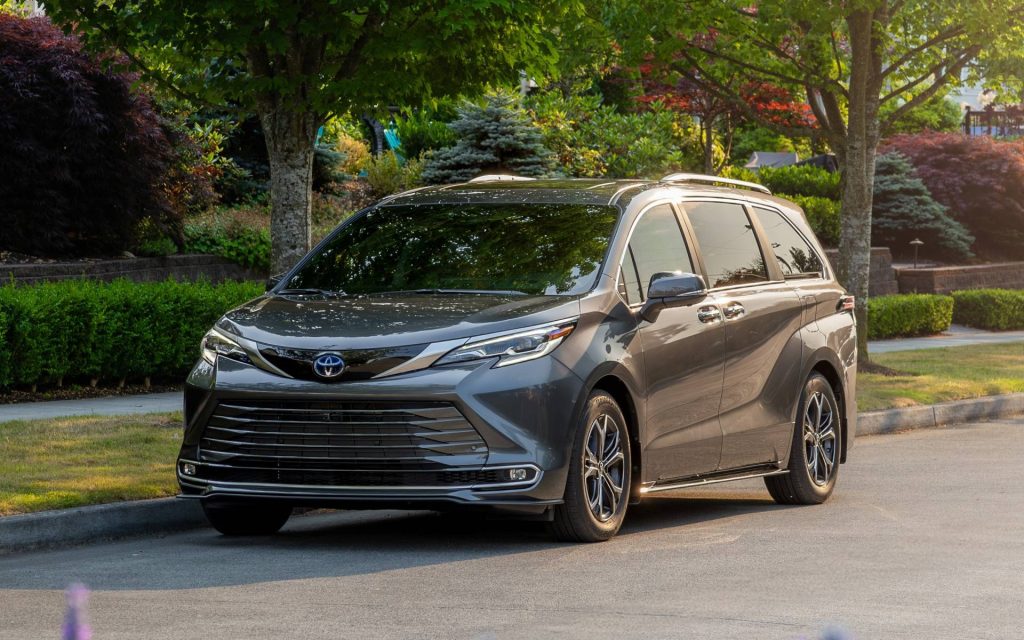
However, Toyota should not be treated as immune to mechanical problems. Consumer Reports identified reliability concerns with certain redesigned models in previous surveys, including the Tundra.
Its latest improvement illustrates why buyers should examine individual model-year records rather than assume every Toyota engine is equally dependable.
For American buyers prioritizing long-term ownership, Toyota remains a strong starting point, particularly when choosing established powertrain configurations with a documented reliability history.
2. Subaru
Consumer Reports reliability score: 63/100 | Rank: 2nd
Subaru secured second place in Consumer Reports’ December 2025 reliability rankings with a score of 63 out of 100. Its performance is particularly interesting because the company builds vehicles around a distinctive engineering philosophy.
Most of its gasoline-powered models use horizontally opposed boxer engines, where the cylinders lie flat on opposite sides of the crankshaft. This arrangement creates a lower center of gravity than many conventional inline-engine layouts, contributing to the handling characteristics associated with the brand.
The Impreza was Subaru’s highest-rated model in the reliability study, scoring 80, while the Crosstrek also performed strongly. Consumer Reports identified both as important contributors to the manufacturer’s position near the top of its rankings.
The Ascent, by comparison, received a score of 41, demonstrating that reliability can vary considerably between models from the same company.
Subaru’s naturally aspirated 2.5-liter boxer four-cylinder engine is used in several American-market vehicles, including versions of the Forester and Outback. Turbocharged alternatives are available in selected models, providing stronger acceleration for customers who need additional performance.
The company’s engineering approach emphasizes established mechanical layouts, although boxer engines require specific maintenance considerations, including attention to oil leaks and proper servicing.
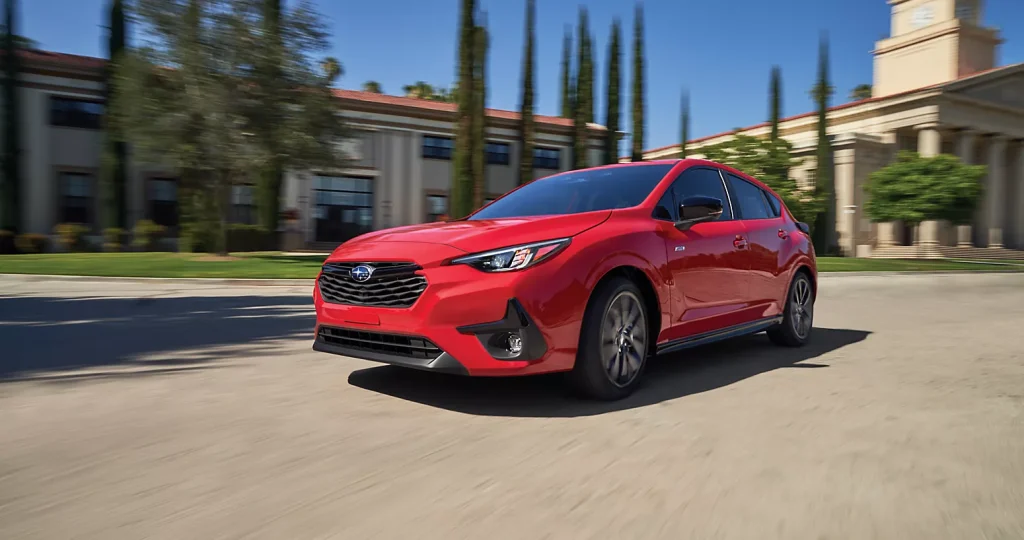
Another important element is Subaru’s Symmetrical All-Wheel Drive system, which is standard on most of its American passenger vehicles. While this technology does not directly establish engine reliability, it contributes to the brand’s practical appeal in regions experiencing snow, rain, and challenging road conditions.
Subaru’s second-place result suggests that its combination of established engine designs and consistent vehicle engineering continues to satisfy owners. Nevertheless, buyers should compare individual models and production years before making a purchase decision.
3. Lexus
Consumer Reports reliability score: 60/100 | Rank: 3rd
Lexus demonstrates that luxury vehicles do not necessarily have to sacrifice dependability for refinement and performance. Toyota’s premium division achieved 60 out of 100 in Consumer Reports’ December 2025 reliability rankings, securing third place among the 26 brands evaluated.
One particularly notable finding was that every Lexus model included in the study received an average or better reliability rating. The IS sedan led the brand’s performance with a score of 84, while several of its SUVs also delivered encouraging results.
A major advantage for Lexus is its access to Toyota’s established engineering resources. Several vehicles share platforms, components, and powertrain technologies with mainstream Toyota models.
This approach allows Lexus to introduce premium interiors, additional comfort equipment, and more sophisticated features without developing every mechanical component from scratch.
The brand’s naturally aspirated V6 engines have historically been important to its reputation. The 3.5-liter V6 used in various Lexus models, including earlier generations of the RX and ES, became known for delivering smooth power and refined operation.
More recent lineups have increasingly adopted turbocharged four-cylinder engines and hybrid systems, reflecting changing emissions and efficiency requirements.

Lexus hybrids are particularly relevant to buyers seeking luxury without unnecessarily high fuel consumption. The NX Hybrid and RX Hybrid combine gasoline engines with electric motors, offering smooth acceleration and reduced fuel use in urban driving. These systems also benefit from Toyota’s extensive hybrid development experience.
Still, a Lexus badge is not a guarantee against expensive repairs. Advanced suspension systems, electronics, and premium equipment can increase maintenance costs as vehicles age. The reliability advantage is strongest when buyers select well-established powertrains and maintain them according to factory recommendations.
Its third-place ranking makes Lexus an attractive option for customers who want refinement supported by a strong reliability record.
4. Honda
Consumer Reports reliability score: 59/100 | Rank: 4th
Honda’s fourth-place finish in Consumer Reports’ December 2025 reliability rankings reinforces the company’s reputation for building practical vehicles with durable mechanical components. It received 59 out of 100, placing it just one point behind Lexus.
The manufacturer’s success has historically been closely associated with its four-cylinder gasoline engines, particularly those used in the Civic and Accord. These powertrains have helped Honda establish a strong presence among American commuters looking for dependable transportation without excessive operating expenses.
One of Honda’s most recognizable engine families is the Earth Dreams range, developed to improve fuel efficiency while maintaining useful performance.
Depending on the model, American customers can find naturally aspirated 2.0-liter engines, turbocharged 1.5-liter units, and larger hybrid powertrains. The company has also invested heavily in improving combustion efficiency, reducing internal friction, and optimizing transmission integration.
Honda’s hybrid technology deserves attention because it uses a different operating approach from many conventional hybrid systems.
In vehicles such as the Accord Hybrid and CR-V Hybrid, electric motors provide much of the propulsion during certain driving conditions, while the gasoline engine supports the system when additional power or efficient cruising is required.
The reliability results also show why checking individual vehicles matters. The Passport achieved an impressive model reliability score of 97 in Consumer Reports’ study, while the Prologue received only 25. These figures illustrate the substantial differences that can exist within one manufacturer’s lineup.

For American buyers, Honda offers a compelling combination of accessible servicing, efficient engines, and established engineering. However, regular oil changes, correct fluid specifications, and timely maintenance remain essential.
Its fourth-place position provides encouraging evidence, but the strongest purchasing decisions still begin with checking the reliability history of the exact engine and model year.
5. BMW
Consumer Reports reliability score: 58/100 | Rank: 5th
BMW’s appearance in fifth place is an interesting result because the German manufacturer is frequently associated with performance engineering rather than inexpensive ownership.
Consumer Reports awarded the brand 58 out of 100 in its December 2025 reliability rankings, making it the highest-ranked European automaker in the survey.
Its position also demonstrates that sophisticated powertrains do not automatically translate into poor reliability, particularly when manufacturers refine existing engine architectures over multiple generations.
The B-series engine family is central to BMW’s modern gasoline lineup. Its B48 2.0-liter turbocharged four-cylinder and B58 3.0-liter turbocharged inline-six are used across several BMW vehicles.
The B58, in particular, has become well known among enthusiasts for combining strong performance with a smooth delivery of power. Depending on application, these engines receive different calibrations and supporting hardware.
The 2025 BMW 330i, for example, uses a 2.0-liter turbocharged four-cylinder producing 255 horsepower and 295 lb-ft of torque. Customers seeking more performance can consider vehicles equipped with the B58 inline-six, although outputs vary considerably between models and versions.
Consumer Reports’ model-level findings provide additional context. The BMW 2 Series received a reliability score of 73, while the X3 scored 42. This difference reinforces the importance of checking individual models instead of assuming that every vehicle benefits equally from the manufacturer’s ranking.
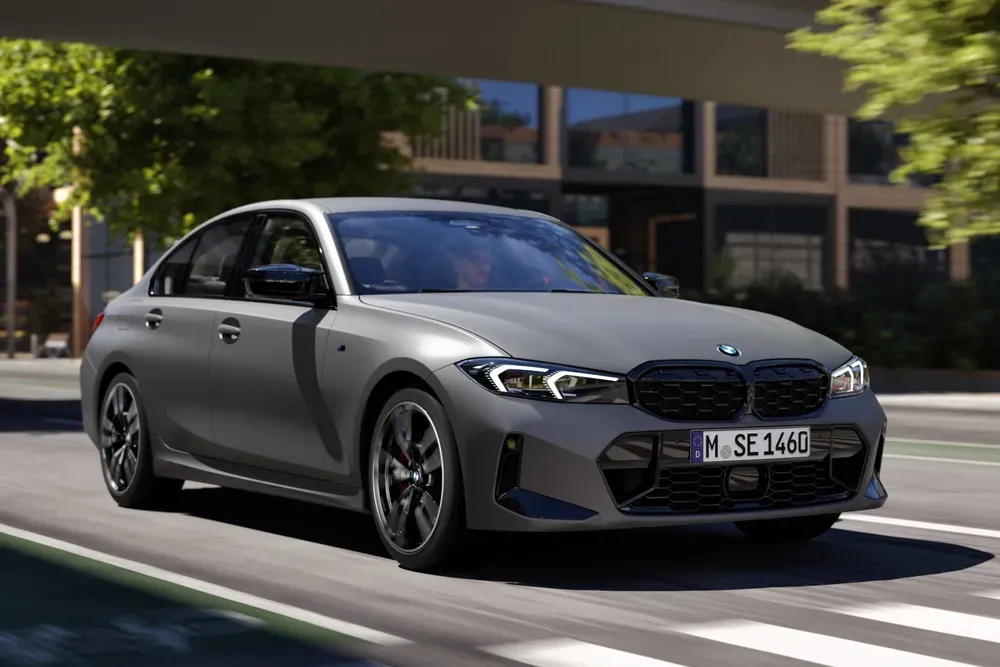
BMW ownership also requires attention to maintenance costs. Turbocharged engines depend on appropriate oil quality, cooling-system condition, and timely servicing. Repairs involving advanced electronics or specialized components can become expensive outside warranty coverage.
Its fifth-place ranking makes BMW an interesting choice for buyers wanting European performance, but a complete service history is particularly important when purchasing one used.
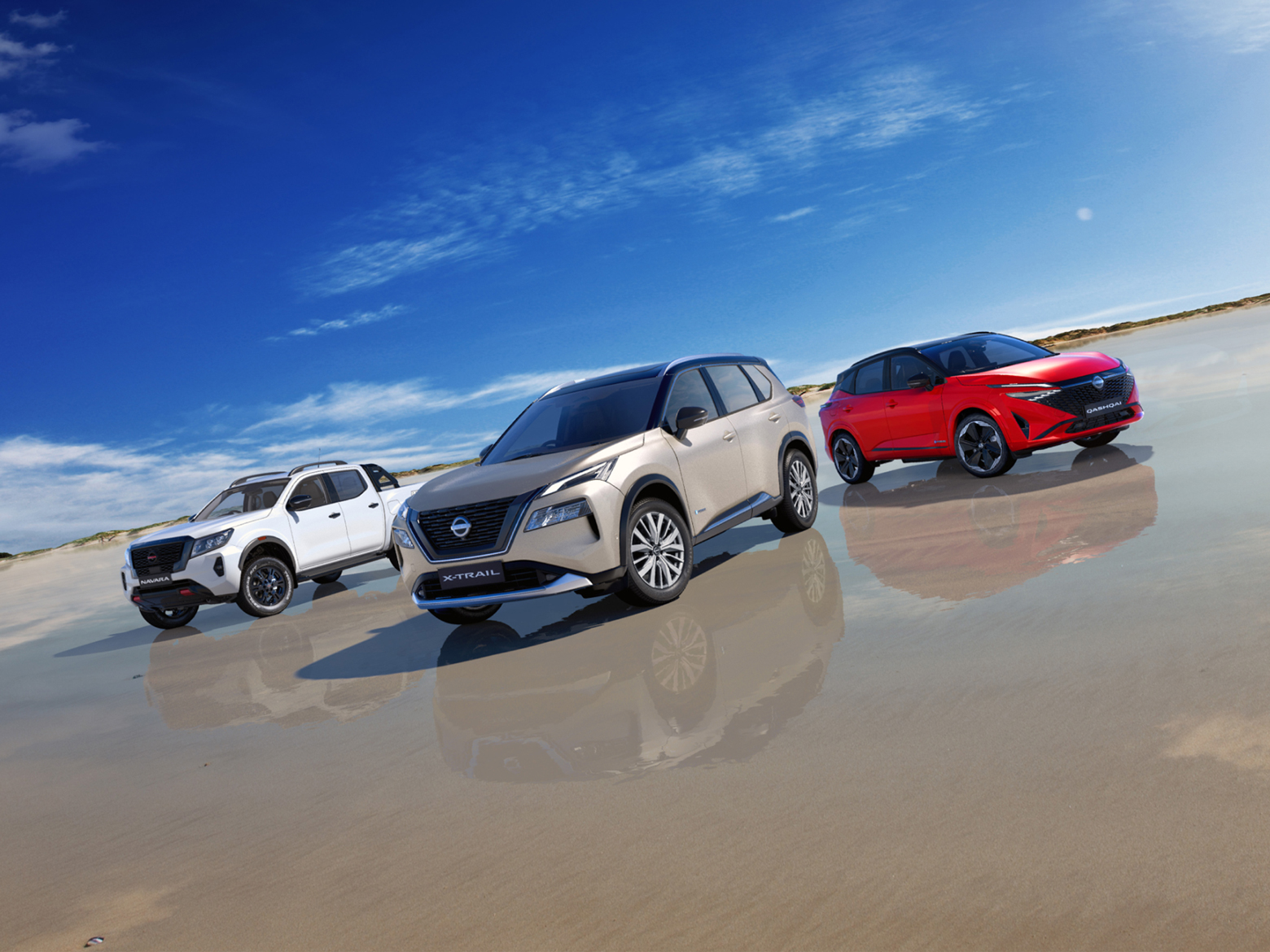
6. Nissan
Consumer Reports reliability score: 57/100 | Rank: 6th
Nissan completes this list with a reliability score of 57 out of 100, placing sixth in Consumer Reports’ December 2025 brand rankings. Its position is noteworthy because the manufacturer has experienced significant changes in its product lineup, powertrain technology and business strategy in recent years.
Despite those challenges, Nissan continues to offer several established gasoline engines that appeal to American customers seeking practical transportation. Its performance in the survey also represents an improvement over its previous position in the rankings.
One important part of Nissan’s engine history is the VQ V6 family. The 3.5-liter VQ35 engine has appeared in numerous Nissan and Infiniti vehicles, including earlier generations of the Altima, Maxima and Murano.
Its combination of naturally aspirated power delivery and relatively straightforward mechanical architecture helped establish a strong reputation among owners. Although newer models have moved toward different powertrain configurations, the VQ family remains an important example of Nissan’s engineering history.
Nissan’s current American lineup also includes turbocharged four-cylinder engines and the company’s variable-compression turbocharged technology. The VC-Turbo engine can adjust its compression ratio according to operating conditions, balancing efficiency and performance.
However, its additional mechanical complexity means buyers should pay close attention to model-specific reliability information rather than assuming every Nissan powertrain shares the same durability characteristics.
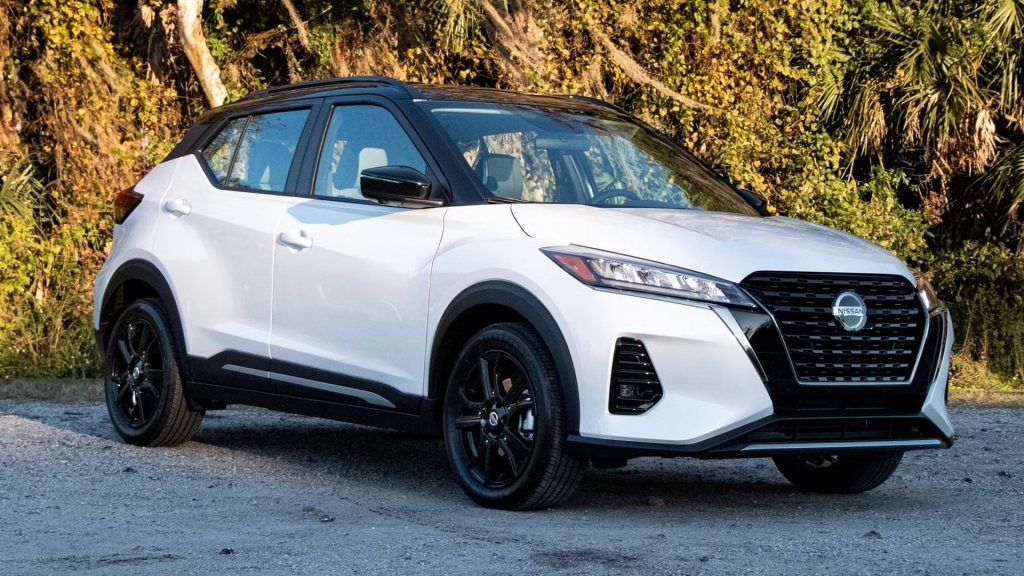
Consumer Reports’ model scores illustrate this variation. The Kicks achieved 76, while the Murano received 41 in the December 2025 study. These differences make individual vehicle research particularly important.
For customers considering a Nissan, the brand’s sixth-place result offers encouraging evidence, but engine choice, transmission history and maintenance records should remain central to purchasing decisions. A properly serviced vehicle with an established powertrain can be a sensible long-term purchase.
