A strong safety reputation means little without independent evidence behind it. In 2026, six vehicles stand out for meeting demanding standards from both the Insurance Institute for Highway Safety (IIHS) and Consumer Reports.
The two organizations approach vehicle safety differently. IIHS places a strong emphasis on crash protection and collision prevention, whereas Consumer Reports also examines braking performance, handling, control layout, and the availability of standard safety features.
This comparison uses their joint 2026 safety recommendations, highlighting vehicles that earned IIHS awards and Consumer Reports’ highest Safety Verdict, rather than relying on manufacturer claims or reputation.
1. Mazda 3
2026 model | IIHS Top Safety Pick+ | Consumer Reports Safety Verdict: Best
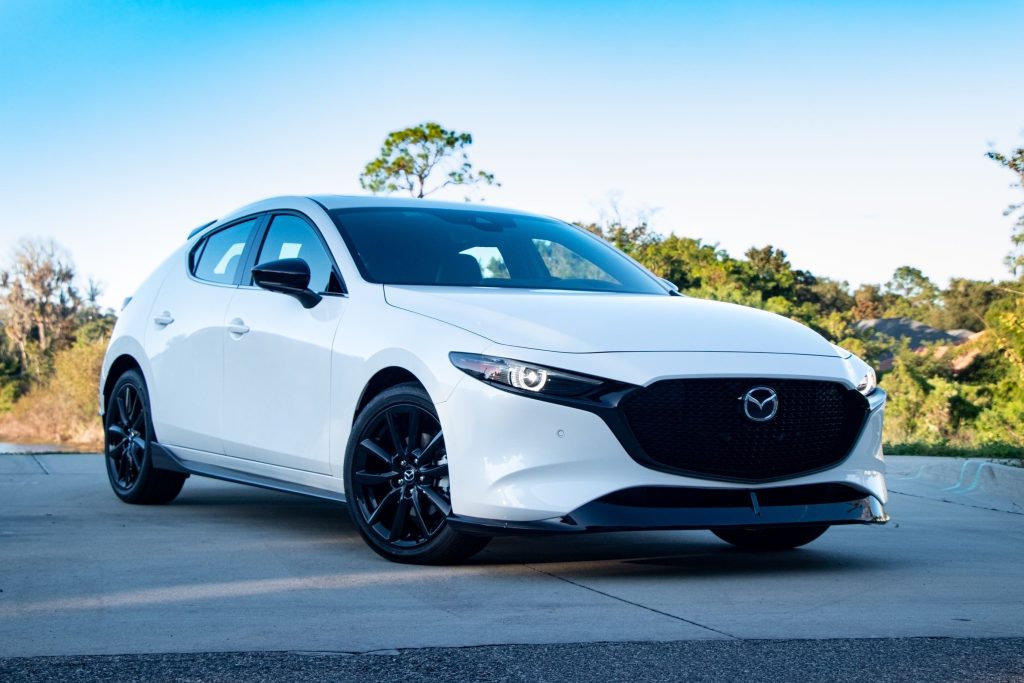
The Mazda 3 earns its place on this list by combining strong crash protection with a broad set of standard driver-assistance features. Available as both a sedan and hatchback, it gives buyers two body styles without sacrificing its safety credentials.
Consumer Reports assigns it a safety verdict of “best,” its highest category, and records a 5-out-of-5 safety score. The verdict means the car meets federal safety requirements as well as Consumer Reports’ core and advanced safety requirements.
IIHS gives the 2026 Mazda 3 its Top Safety Pick+ award. Its small overlap front, updated moderate overlap front, and updated side crash tests all received good ratings.
The updated moderate overlap assessment is particularly valuable because it evaluates protection for a rear-seat passenger as well as the driver. The Mazda 3 also earned “Good” for pedestrian front crash prevention and “Good” for seatbelt reminders.
Its crash-avoidance results are not perfect, however. The standard vehicle-to-vehicle front crash prevention system received an Acceptable rating, while headlights vary by trim, with Good and Acceptable results. This is worth checking when comparing versions, especially for drivers who regularly travel on poorly lit roads.
Consumer Reports lists the 2026 Mazda 3’s U.S. starting price at $24,650, with the range extending to $38,090 before destination charges. That keeps every listed configuration below the $45,000 price ceiling used in the joint IIHS and Consumer Reports recommendations.
The Mazda 3 is not the roomiest small car, and its compact rear seating may not suit every family. Still, its combination of high crash-test grades, pedestrian protection, and Consumer Reports’ highest safety verdict makes it a particularly convincing choice for buyers who want a smaller vehicle.
2. Toyota Prius
2026 model | IIHS Top Safety Pick+ | Consumer Reports Safety Verdict: Best
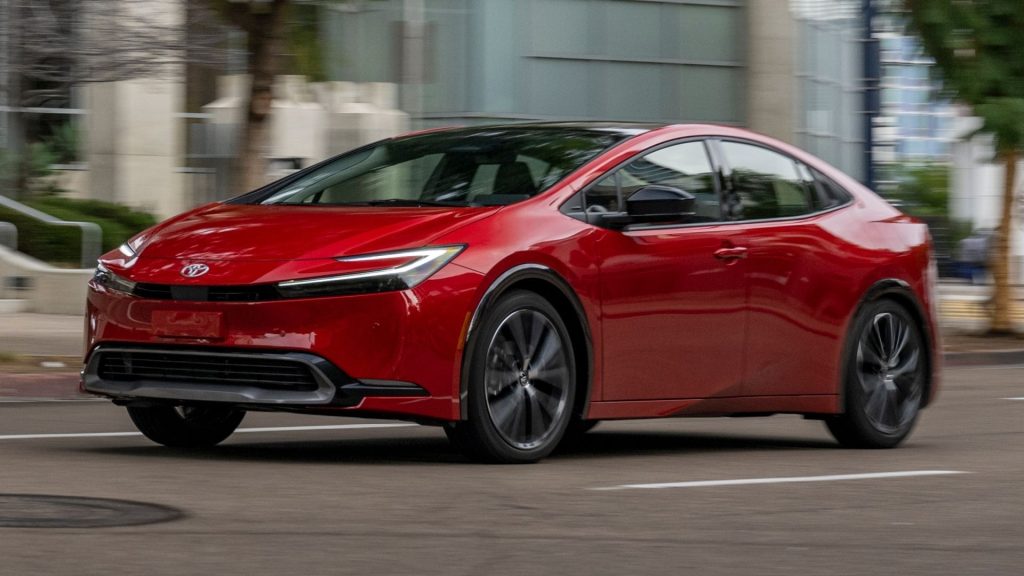
The Toyota Prius has developed from a fuel-economy specialist into a vehicle with a substantial safety case. For 2026, it appears on the joint IIHS and Consumer Reports list, earning both an IIHS Top Safety Pick+ award and Consumer Reports’ Best Safety Verdict.
The latter is not simply a crash-test score. Consumer Reports considers whether a vehicle meets federal requirements and its own core and advanced safety standards, including the availability of important crash-prevention features.
The Prius received Good ratings across all three key IIHS crashworthiness tests, including the small overlap front, updated moderate overlap front, and updated side impact evaluations.
Its updated moderate overlap result is especially noteworthy because it includes rear-seat occupant protection. The car also earned good ratings for both vehicle-to-vehicle and pedestrian front crash prevention, along with a good seatbelt reminder rating.
One point worth noting is that the Prius headlights earned an Acceptable rating instead of Good. Although this did not affect its Top Safety Pick+ designation, the result falls short of the stronger headlight ratings achieved by some other vehicles in this group.
IIHS also lists blind-spot detection and lane departure warning and prevention as standard, while rear automatic braking is optional.
Consumer Reports gives the 2026 Prius a 5-out-of-5 Safety Verdict score. Its published U.S. starting price is $28,550, rising to $36,965 before destination charges. The model also includes standard forward collision warning, automatic emergency braking with pedestrian detection, blind-spot warning, and rear cross-traffic warning.
For buyers who want a hybrid hatchback rather than a conventional sedan or SUV, the Prius is a strong safety-focused option. Its headlights are a modest weakness, but its crash-test performance and extensive standard safety equipment support its place among this year’s joint recommendations.
3. Hyundai Sonata
2026 model | IIHS Top Safety Pick+ | Consumer Reports Safety Verdict: Best
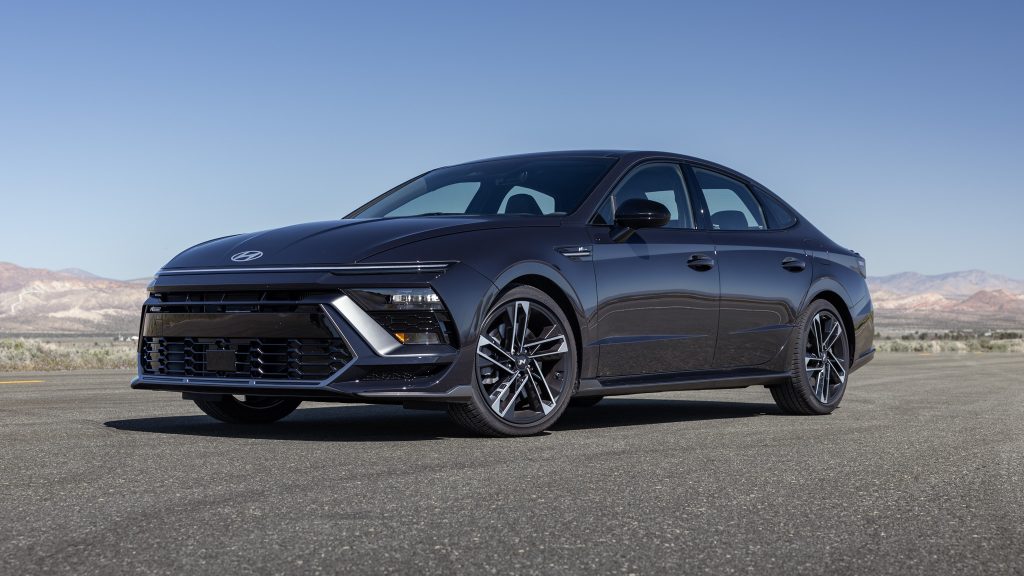
The Hyundai Sonata stands out as a midsize sedan that pairs strong crash-test performance with a substantial collection of standard driver-assistance features. Consumer Reports gives the 2026 model its Best Safety Verdict, with a score of 5 out of 5.
This means the Sonata meets federal safety requirements and Consumer Reports’ core and advanced safety requirements. Its inclusion is particularly relevant for buyers who want a conventional family sedan rather than an SUV.
IIHS awarded the 2026 Sonata Top Safety Pick+ recognition. It received good ratings in the small overlap front, updated moderate overlap front, and updated side crash tests.
The updated moderate overlap test is important because it evaluates protection for a rear-seat passenger as well as the driver. The Sonata earned good ratings for the rear passenger’s head and neck and thigh protection, while chest protection and rear-passenger restraints received acceptable grades.
Its crash-prevention performance is more nuanced. The standard pedestrian front crash prevention system received a Good rating, but the standard vehicle-to-vehicle system was rated Acceptable.
Headlights earned Good, and seat-belt reminders also received Good. Blind-spot detection, lane departure warning and prevention, and rear automatic braking are standard equipment.
There is a production-date detail buyers should check. IIHS says the updated moderate overlap rating applies to 2025-26 models built after November 2024. The certification label on the driver’s door or adjacent pillar identifies when a particular car was manufactured.
Consumer Reports also lists automatic emergency braking with pedestrian detection, forward collision warning, blind-spot warning, and rear cross-traffic warning as standard. The Sonata’s combination of strong crashworthiness and extensive standard assistance technology makes it one of the more convincing sedans in this joint safety selection.
4. Hyundai Ioniq 5
2026 model | IIHS Top Safety Pick+ | Consumer Reports Safety Verdict: Best
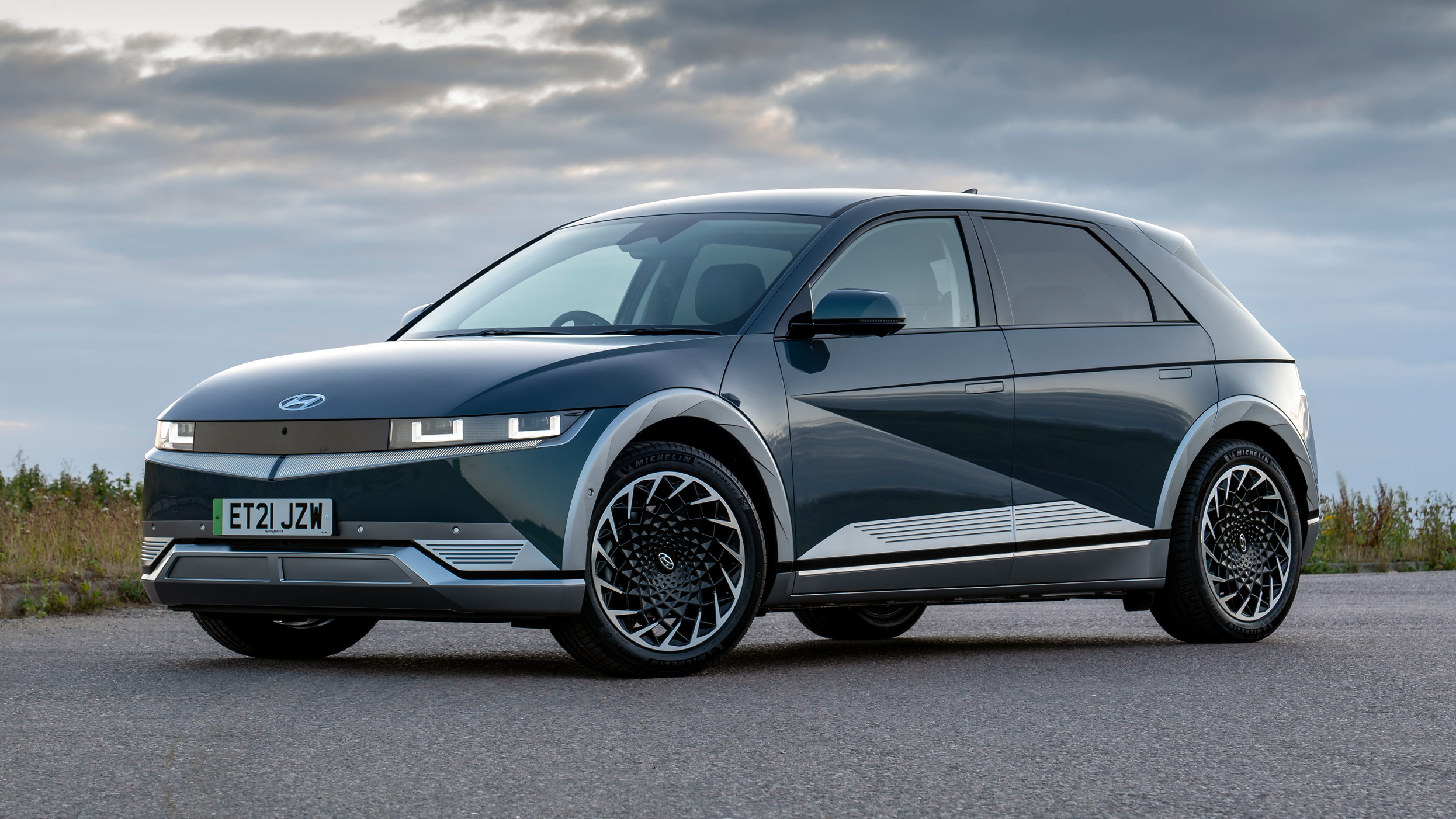
The Hyundai Ioniq 5 brings an electric powertrain and a spacious crossover layout to this safety-focused group. Its inclusion is significant because electric vehicles must meet the same occupant-protection expectations as conventional models, despite having different platform layouts and substantial battery packs.
The Ioniq 5 has earned strong IIHS crashworthiness grades, while Consumer Reports gives it the Best Safety Verdict, indicating that it meets the organization’s federal, core, and advanced safety requirements.
IIHS awarded the 2026 Ioniq 5 Top Safety Pick+ status. It received good ratings in the small overlap front, updated moderate overlap front, and updated side crash tests. Its whiplash-prevention evaluation was also good.
The Ioniq 5 performed especially well in the updated moderate overlap test, earning Good ratings for rear-passenger head, chest, and thigh injury measures. Its rear-seat restraints and dummy movement also received Good ratings.
Some of its active-safety results are less impressive. The standard vehicle-to-vehicle front crash prevention system received an acceptable rating, while pedestrian front crash prevention was rated good.
Headlight ratings vary by trim, with good and acceptable results. Blind-spot detection, lane departure warning and prevention, and rear automatic braking are standard.
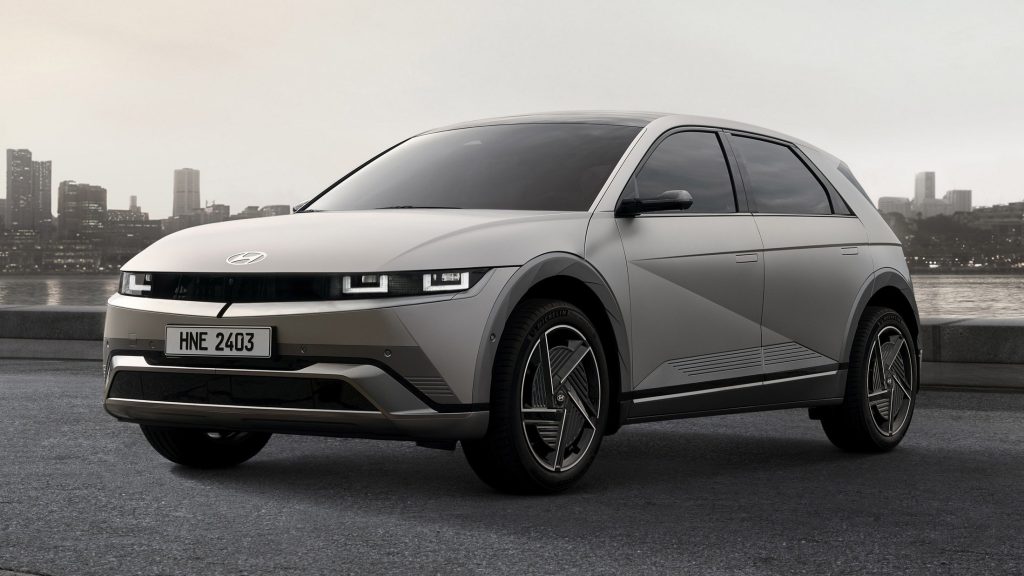
Consumer Reports’ 2026 safety assessment gives the Ioniq 5 a 5-out-of-5 safety verdict. That rating reflects the presence and performance of required safety systems, not simply its IIHS crash-test results. Buyers should still check the specific trim’s headlights and equipment because those details can change the ratings and features available.
The Ioniq 5 is a strong choice for shoppers who want an electric crossover with independently verified crash protection. Its good ratings across the three principal crashworthiness tests are particularly persuasive, while its variable headlight results and acceptable vehicle-to-vehicle prevention grade are worth considering before purchase.
5. Toyota Camry
2026 model | IIHS Top Safety Pick+ | Consumer Reports Safety Verdict: Best
The Toyota Camry earns its place among the six joint recommendations through a particularly consistent performance in crash testing. For 2026, IIHS awarded it Top Safety Pick+, while Consumer Reports assigned it a Best Safety Verdict, its highest safety category.
The combination is important because the organizations assess vehicles differently. IIHS examines crashworthiness and crash prevention, while Consumer Reports considers whether a vehicle meets federal requirements and its own core and advanced safety standards.
The Camry received good ratings in the small overlap front, updated moderate overlap front, and updated side crash tests. Its updated moderate overlap result is especially encouraging for families because it evaluates rear-seat occupant protection.
The rear passenger received good ratings for head and neck, chest, and thigh injury measures. Restraints and dummy movement were rated acceptable, showing that the result is strong without being perfect.
Toyota Safety Sense 3.0 is standard. IIHS rated the Camry’s vehicle-to-vehicle and pedestrian front crash prevention systems as good. Blind-spot detection and lane departure warning and prevention are also standard.
Its headlights received Acceptable rather than Good, however, so buyers who frequently drive on dark roads should consider that result when comparing vehicles.
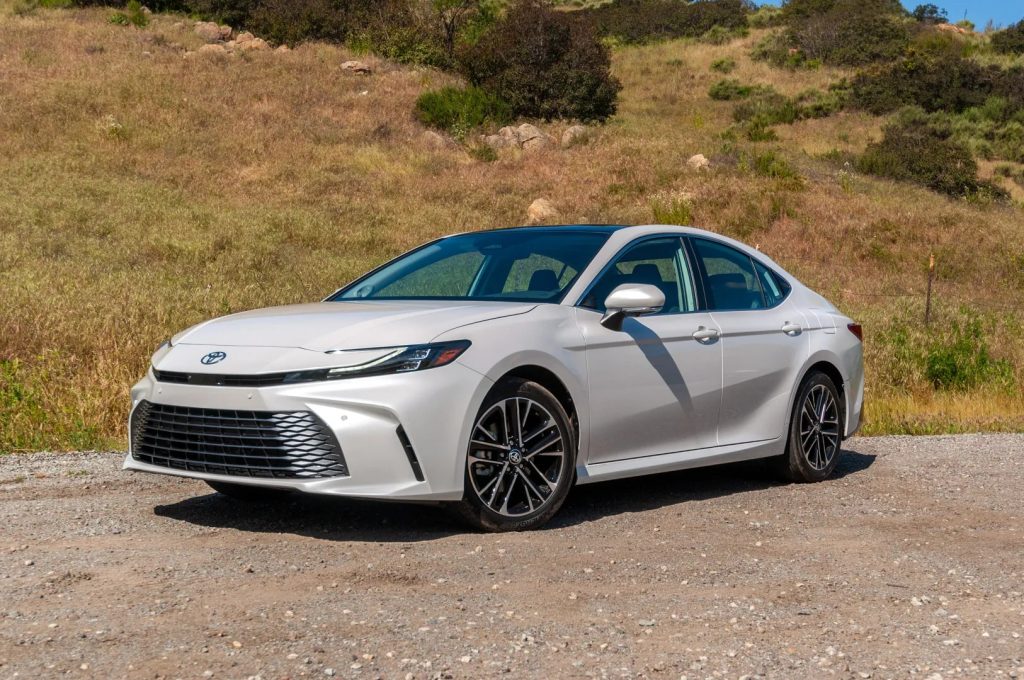
Consumer Reports gives the 2026 Camry a 5-out-of-5 Safety Verdict. Its assessment confirms that the sedan meets federal safety requirements and all of Consumer Reports’ core and advanced safety requirements.
The Camry is now hybrid-only, which means buyers can choose among hybrid configurations rather than a conventional gasoline version.
For shoppers who want a midsize sedan, the Camry delivers an impressive combination of crash protection and standard collision-avoidance technology. Its headlight rating is a minor drawback, but its strong results across the major IIHS crash tests make it a convincing joint recommendation.
6. Hyundai Tucson
2026 model | IIHS Top Safety Pick+ | Consumer Reports Safety Verdict: Best
The Hyundai Tucson completes this six-car selection with a safety profile that combines strong crashworthiness and useful standard assistance technology. Consumer Reports gives the 2026 model its Best Safety Verdict, with a 5-out-of-5 rating.
The organization confirms that the Tucson meets federal safety requirements as well as its core and advanced safety standards. IIHS also recognizes the 2026 SUV with a Top Safety Pick+ award.
The Tucson received Good ratings in the small overlap front, updated moderate overlap front and updated side crash tests. These results are important because they cover different impact directions and include assessments of rear-seat protection.
In the updated moderate overlap test, the rear passenger’s chest and thigh injury measures were Good, while head and neck protection and restraint performance received Acceptable ratings.
Its crash-prevention equipment delivers some particularly strong results. IIHS rated the standard vehicle-to-vehicle and pedestrian front crash prevention systems Good.
Blind-spot detection, lane departure warning and prevention, and rear automatic braking are also standard. Headlight ratings vary by trim, ranging from Good to Acceptable, so the exact configuration matters when comparing Tucson models.
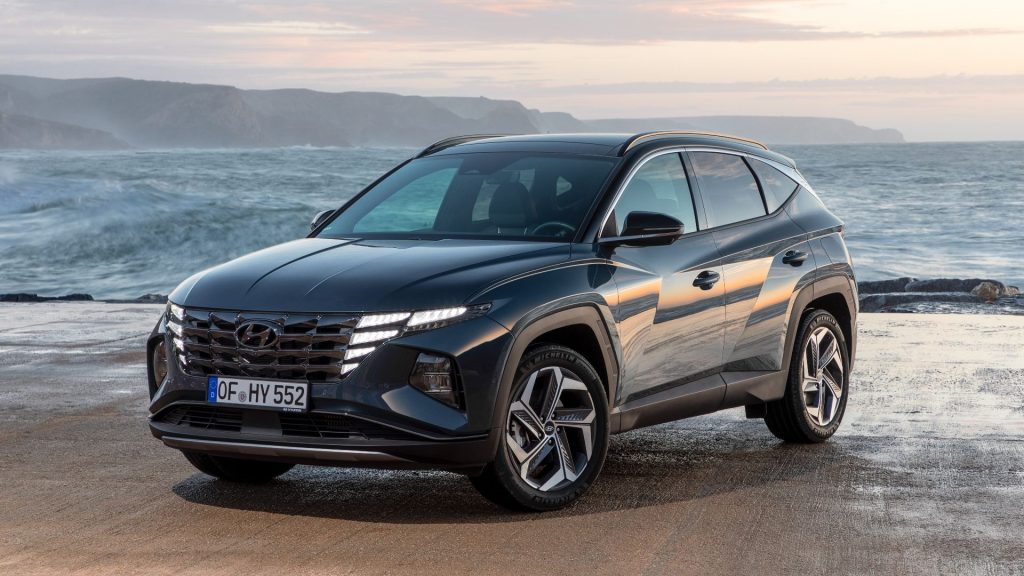
One significant drawback is the Poor rating given to the tested seat’s whiplash protection. Although this assessment is separate from the main crashworthiness tests, it remains important because rear-end collisions can cause neck injuries even when the passenger cabin stays intact. The LATCH system’s ease of use received an Acceptable rating.
The Tucson’s strength comes from its Good ratings across all three major crashworthiness tests and its standard collision-avoidance equipment.
Its Poor whiplash result should not be ignored, but it does not erase the vehicle’s strong performance in the principal crash evaluations. Together with Consumer Reports’ highest safety verdict, the Tucson provides a well-supported option for buyers considering a compact SUV.