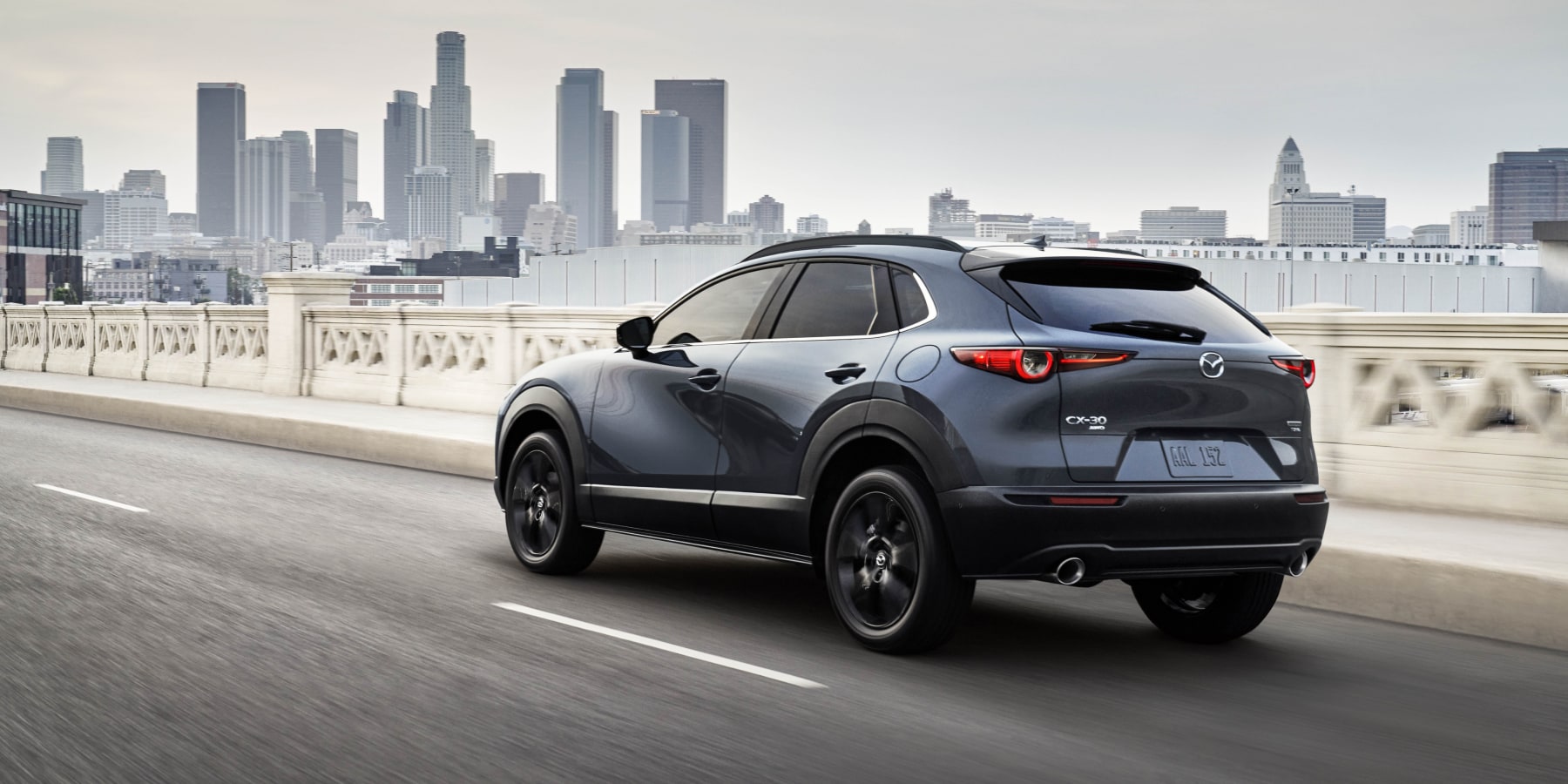
Advanced driver-assistance technology has become an important part of buying a new vehicle, but not every manufacturer includes the same equipment at the entry-level price.
Some automakers provide features such as blind-spot monitoring, adaptive cruise control, rear cross-traffic alerts, and automatic emergency braking without requiring buyers to purchase expensive packages or higher trims.
Others reserve comparable technology for premium versions. Examining American-market manufacturer specifications reveals several vehicles that deliver particularly generous standard safety equipment.
These seven examples stand out because they offer useful protection and driver assistance from the base trim, giving buyers more technology without paying extra.
1. Toyota Corolla
Model year: 2026 | Starting MSRP: $22,925
Toyota gives the 2026 Corolla a meaningful equipment advantage by including a blind spot monitor with rear cross-traffic alert as standard equipment.
These features are particularly useful during lane changes and when reversing out of parking spaces, situations where surrounding vehicles can easily disappear from the driver’s direct field of vision.
Toyota’s 2026 specifications confirm their inclusion across the Corolla lineup, rather than restricting them to a more expensive appearance or technology package.
The distinction becomes clearer when comparing the Corolla with the entry-level Honda Civic. The 2026 Civic LX includes Honda Sensing technologies such as adaptive cruise control, lane-keeping assistance, and collision mitigation braking, but its Blind Spot Information System and Cross Traffic Monitor are not included on that base trim.
Buyers must move up to a higher Civic version to obtain those additional monitoring features. Toyota also equips every 2026 Corolla with Toyota Safety Sense 3.0. Its functions include a pre-collision system with pedestrian detection, dynamic radar cruise control, lane departure alert with steering assist, lane tracing assist, and automatic high beams.
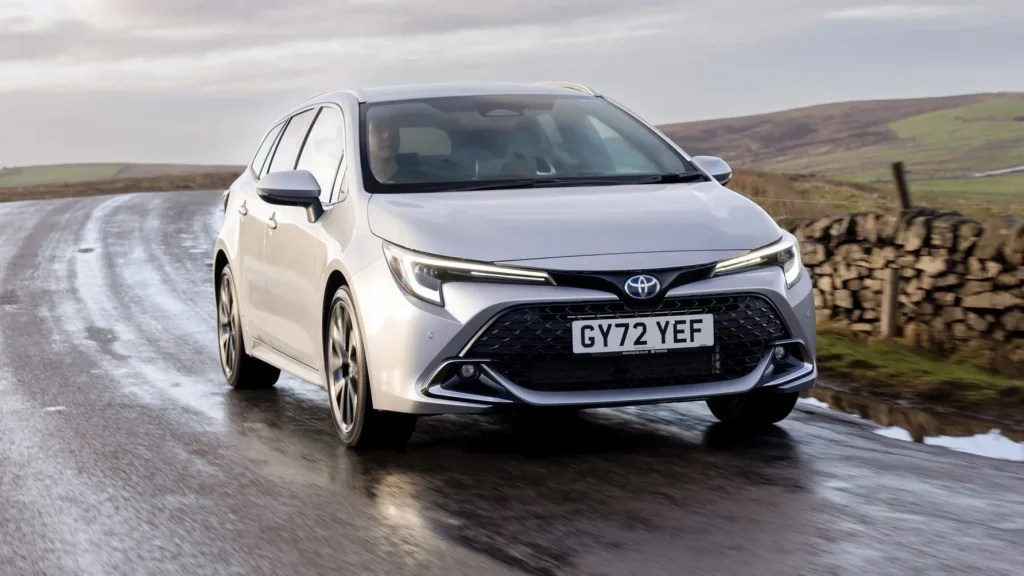
Another useful inclusion is the standard ten-airbag configuration, protecting the front and rear seating positions. These features make the Corolla particularly appealing to customers who do not want to compromise on driver assistance when choosing an affordable trim.
The important advantage is not simply the number of technologies included but the fact that buyers receive blind-spot and rear cross-traffic monitoring without paying for a more expensive Corolla configuration.
2. Hyundai Elantra
Model year: 2026 | Standard equipment: Blind-spot Collision Warning and Rear Cross-Traffic Collision-Avoidance Assist
Hyundai takes a different approach with the 2026 Elantra by making several useful monitoring systems standard even on its entry-level SE trim. Two particularly valuable inclusions are Blind-Spot Collision Warning and Rear Cross-Traffic Collision-Avoidance Assist.
The first alerts drivers when another vehicle enters a difficult-to-see area beside the car, while the second monitors approaching traffic when reversing out of a parking space. Hyundai’s American specifications confirm both features as standard on the SE.
This equipment becomes more interesting when compared with the base Honda Civic LX. Honda includes its Honda Sensing collision prevention and lane assistance technologies on that trim, but blind-spot information and cross-traffic monitoring are reserved for higher configurations.
Consequently, an Elantra SE buyer receives two monitoring functions that a Civic LX customer does not get at the entry-level specification.
The Elantra’s SmartSense package extends beyond those two systems. Standard equipment includes Forward Collision-Avoidance Assist with pedestrian detection, Lane Keeping Assist, Lane Following Assist, Driver Attention Warning, Safe Exit Assist, and High Beam Assist.
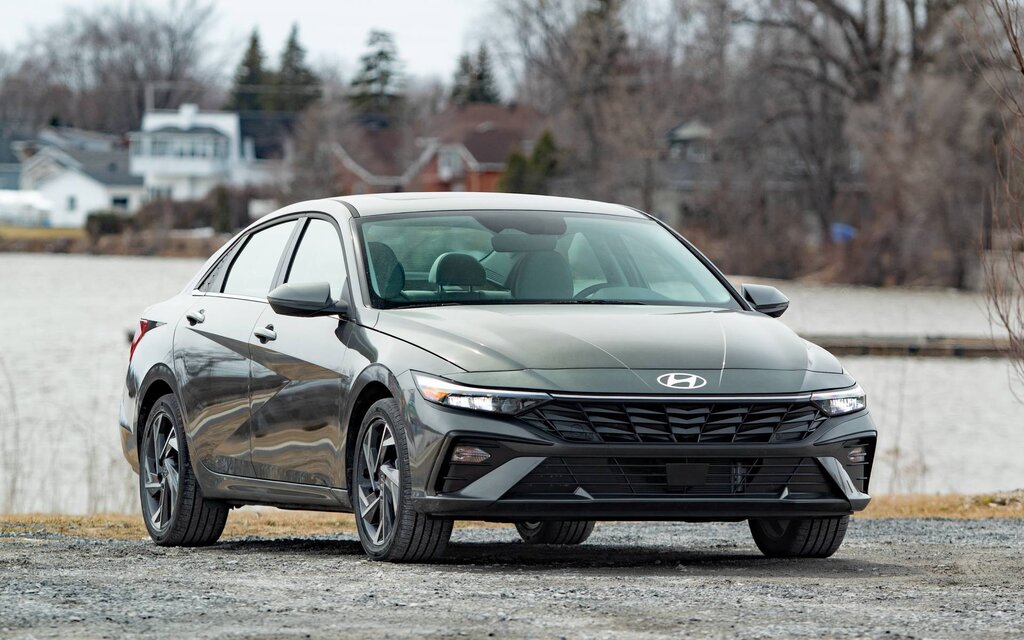
These functions address different situations, from detecting potential forward collisions to helping maintain lane position on clearly marked roads.
One detail worth noting is that the SE does not come with Hyundai’s Smart Cruise Control with Stop and Go, as this feature is available only on select higher trims. Even so, the Elantra offers an impressive range of standard equipment, especially its blind-spot and rear parking assistance systems. However, buyers should not assume that every advanced driver-assistance feature is included.
For buyers comparing affordable compact sedans, the Elantra offers a useful combination of collision warnings, lane assistance, and rear monitoring without requiring an expensive upgrade.
3. Nissan Sentra
Model year: 2026 | Standard equipment: Safety Shield 360 and Intelligent Cruise Control
Nissan gives the redesigned 2026 Sentra a particularly strong standard safety package, making it an interesting option for buyers who spend considerable time in heavy traffic.
Its Safety Shield 360 technology includes Automatic Emergency Braking with Pedestrian Detection, Blind Spot Warning, Blind Spot Intervention, Rear Cross Traffic Alert, Lane Departure Warning, and High Beam Assist.
These features are included across the American Sentra lineup rather than being restricted to the most expensive version.
A particularly valuable addition is Intelligent Cruise Control, which Nissan confirms is standard on every 2026 Sentra grade. The system adjusts cruising speed to help maintain a selected distance from traffic ahead, reducing the need for repeated manual speed adjustments during highway journeys.
By comparison, the base 2026 Hyundai Elantra SE does not include Smart Cruise Control with Stop and Go. Hyundai reserves that convenience technology for selected higher configurations.
The Sentra also goes beyond simply warning drivers about vehicles in adjacent lanes. Blind Spot Intervention can actively assist when the driver attempts to change lanes while another vehicle occupies the monitored area.
Rear Cross Traffic Alert provides additional awareness when backing out of parking spaces, while Rear Automatic Braking is standard on selected higher grades.
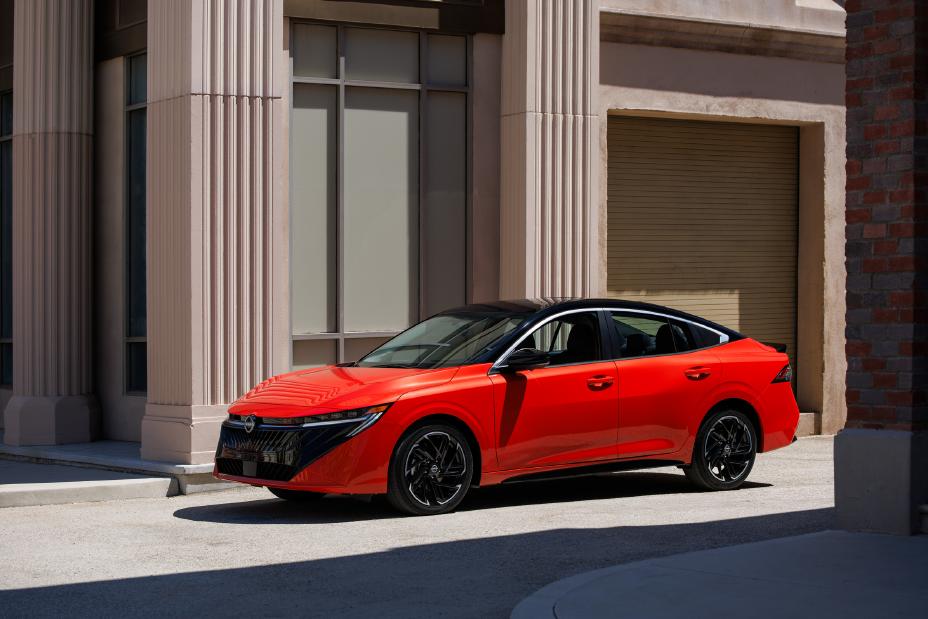
Nissan has also included ten airbags, adding another important element to its safety equipment. Buyers receive a comprehensive combination of collision prevention, driver monitoring, and cruise assistance without needing to purchase an optional technology package.
The Sentra’s strongest selling point is the breadth of its standard equipment. Rather than concentrating its most useful driver-assistance features in a premium trim, Nissan makes several advanced functions accessible from the entry-level version.
4. Volkswagen Jetta
Model year: 2025 | Standard equipment: IQ. DRIVE driver-assistance suite
The Volkswagen Jetta takes a more comprehensive approach to standard driver assistance by including its IQ. DRIVE technology suite across the 2025 American lineup, including the entry-level S trim.
This gives buyers access to features that are frequently associated with more expensive vehicles, particularly adaptive cruise control, active blind-spot monitoring, and rear traffic alert. Volkswagen’s system also includes Travel Assist, Lane Assist, Front Assist, and Emergency Assist.
Travel Assist is arguably the most interesting inclusion. It combines adaptive cruise control with lane-centering assistance, helping the vehicle manage speed and steering support on suitable roads. The driver must remain attentive and keep control of the vehicle, but the technology can reduce some of the workload associated with extended highway journeys.
The equipment comparison is revealing. The entry-level 2026 Honda Civic LX includes adaptive cruise control and lane-keeping assistance but does not include its Blind Spot Information System or Cross Traffic Monitor.
The Jetta S therefore provides a broader combination of blind-spot and rear-traffic monitoring at its base specification.
Volkswagen also includes Front Assist, which provides forward collision warning and automatic emergency braking with pedestrian monitoring. Active Blind Spot Monitor can provide steering assistance when the system detects a potential collision during a lane change.
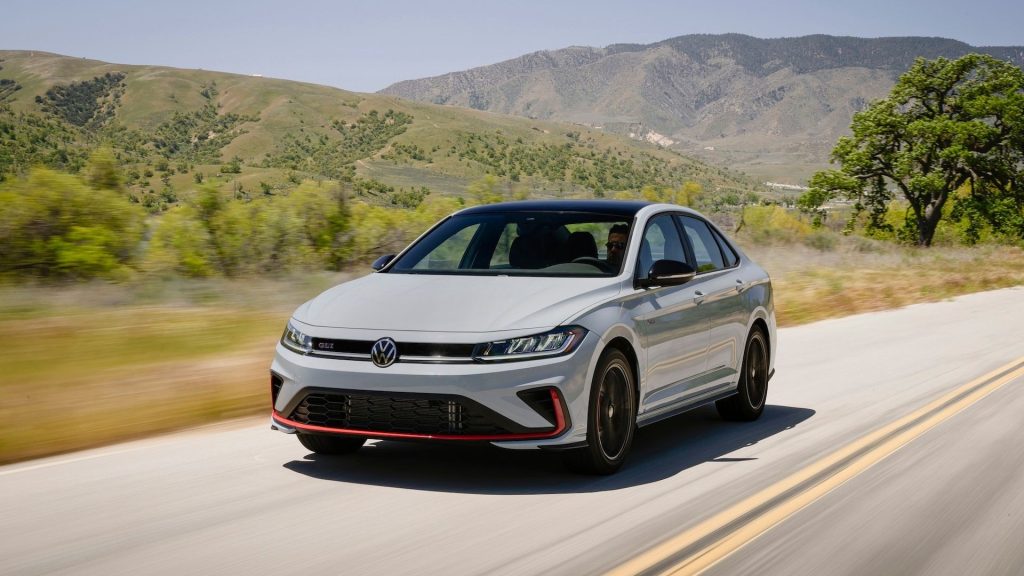
There is an important distinction between driver assistance and autonomous driving. IQ. DRIVE does not make the Jetta self-driving, and the driver remains responsible for steering, braking, and monitoring traffic.
For customers comparing compact sedans, the Jetta’s standard equipment is notable because buyers do not have to move to an upper trim simply to obtain a comprehensive collection of highway and collision-prevention technologies.
5. Mazda CX-30
Model year: 2026 | Standard equipment: i-Activsense safety technology and i-Activ AWD
Mazda has made the 2026 CX-30 particularly attractive by combining standard all-wheel drive with a substantial collection of driver-assistance features. Every American-market version receives Mazda’s i-Activ AWD system, meaning buyers do not need to purchase an expensive upper trim to obtain additional traction.
More importantly for this comparison, the entry-level 2.5 S also includes blind spot monitoring with rear cross traffic alert and Mazda radar cruise control with stop and go.
The difference becomes apparent when comparing it with less comprehensively equipped entry-level competitors. For example, the 2026 Honda Civic LX does not include blind spot information or cross traffic monitor, while Mazda provides both monitoring functions on the base CX-30.
Its standard adaptive cruise control also adds convenience during highway driving by helping maintain a selected distance from traffic ahead.
Mazda’s standard safety equipment extends to Smart Brake Support, High Beam Control, Lane Departure Warning with Lane Keep Assist, Driver Attention Alert, Rear Seat Alert, and Vehicle Exit Warning. These technologies address different situations, from potential forward collisions to hazards approaching when occupants open their doors.
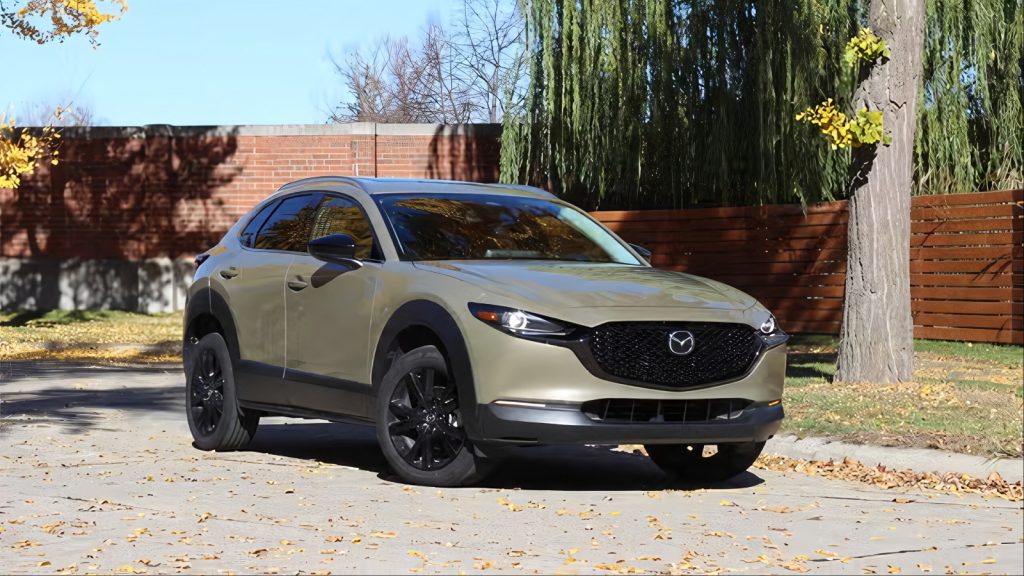
The CX-30 also uses a 2.5-liter naturally aspirated four-cylinder engine producing 186 horsepower and 186 lb-ft of torque. Its standard all-wheel-drive system continuously monitors vehicle dynamics and adjusts torque distribution to help maintain traction.
What makes this package especially compelling is that Mazda does not reserve its main safety and traction technologies for the expensive turbocharged models. Even customers purchasing the least expensive CX-30 receive a well-equipped vehicle.
For buyers in areas with changing weather, this combination of standard driver assistance and all-wheel drive offers practical value without requiring additional equipment purchases.
6. Subaru Impreza
Model year: 2026 | Standard equipment: EyeSight and Symmetrical All-Wheel Drive
The Subaru Impreza stands out for more than its advanced safety technology. One of its biggest advantages is that every 2026 model comes standard with Subaru’s Symmetrical All-Wheel Drive system.
Many competing compact cars offer front-wheel drive as their basic configuration and require buyers to move to a more expensive model or optional package for all-wheel-drive capability. Subaru takes that additional cost out of the initial decision by including its system across the Impreza lineup.
The advantage is particularly relevant for drivers who regularly encounter snow-covered streets, wet highways, or slippery rural roads. All-wheel drive can help distribute engine power between the wheels to improve traction during acceleration, although it does not replace suitable tires, careful driving or the vehicle’s braking systems.
Subaru also makes EyeSight Driver Assist Technology standard on both 2026 Impreza trims. The system includes features such as Pre-Collision Braking, Adaptive Cruise Control, and Lane Departure and Sway Warning. These technologies help monitor traffic conditions and support the driver during everyday journeys.
There is a useful distinction between the standard and optional equipment. Blind-Spot Detection with Lane Change Assist and Rear Cross-Traffic Alert are optional on the base trim but standard on the higher Impreza configuration. Buyers should therefore avoid assuming that every monitoring feature is included regardless of trim.
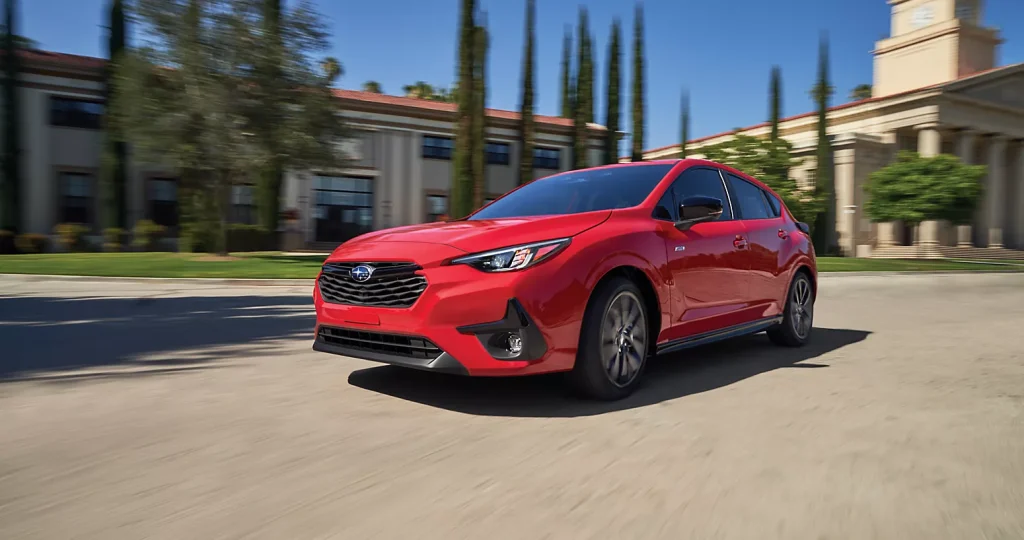
The comparison with conventional compact sedans is straightforward. Models such as the Honda Civic and Toyota Corolla do not offer the same standard all-wheel-drive arrangement across their American lineups.
The Impreza consequently provides a combination of traction hardware and driver assistance that can require a more expensive vehicle choice elsewhere.
For shoppers who prioritize year-round driving confidence, the Impreza offers substantial value from its entry-level specification.
7. Kia K4
Model year: 2026 | Standard equipment: Smart Cruise Control with Stop and Go
The 2026 Kia K4 offers a feature that is uncommon among budget-friendly compact sedans. Even the entry-level LX trim comes standard with Smart Cruise Control with Stop and Go, giving buyers access to this advanced convenience feature without paying for a higher trim.
This system helps maintain a selected following distance from the vehicle ahead and can bring the car to a stop in certain traffic conditions before resuming when traffic moves again. It is particularly useful for commuters who regularly encounter congested highways and stop-and-go traffic.
The difference becomes clear when comparing the K4 LX with the entry-level 2026 Hyundai Elantra SE. Hyundai provides extensive standard collision-prevention and lane-assistance technology, but its Smart Cruise Control with Stop and Go is not available on the SE.
Customers must select a higher Elantra configuration to receive that particular convenience feature. The K4 therefore offers an additional highway-driving technology without requiring an expensive trim upgrade.
Its standard equipment list also includes Auto Emergency Braking Technology with pedestrian, cyclist and junction-turning detection, Lane Keeping Assist, Lane Following Assist and High Beam Assist.
Together, these technologies provide assistance in several different driving situations, from monitoring potential forward collisions to helping the vehicle remain centered within clearly marked lanes.
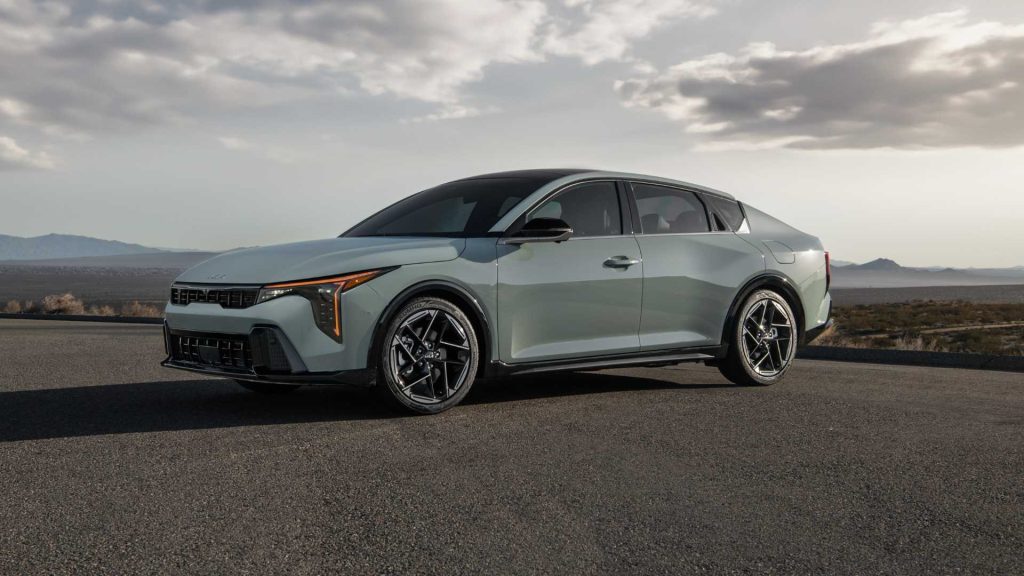
There is, however, an important trim distinction. Blind-Spot Detection and Rear Cross-Traffic Collision-Avoidance Assist are standard on the K4 LXS and above, not the entry-level LX. Buyers should check the exact specification rather than assume every safety feature comes with the cheapest version.
The K4’s appeal comes from making adaptive cruise control and several collision-prevention technologies accessible at its starting configuration. For budget-conscious American buyers, that represents meaningful equipment value without automatically requiring a premium package.