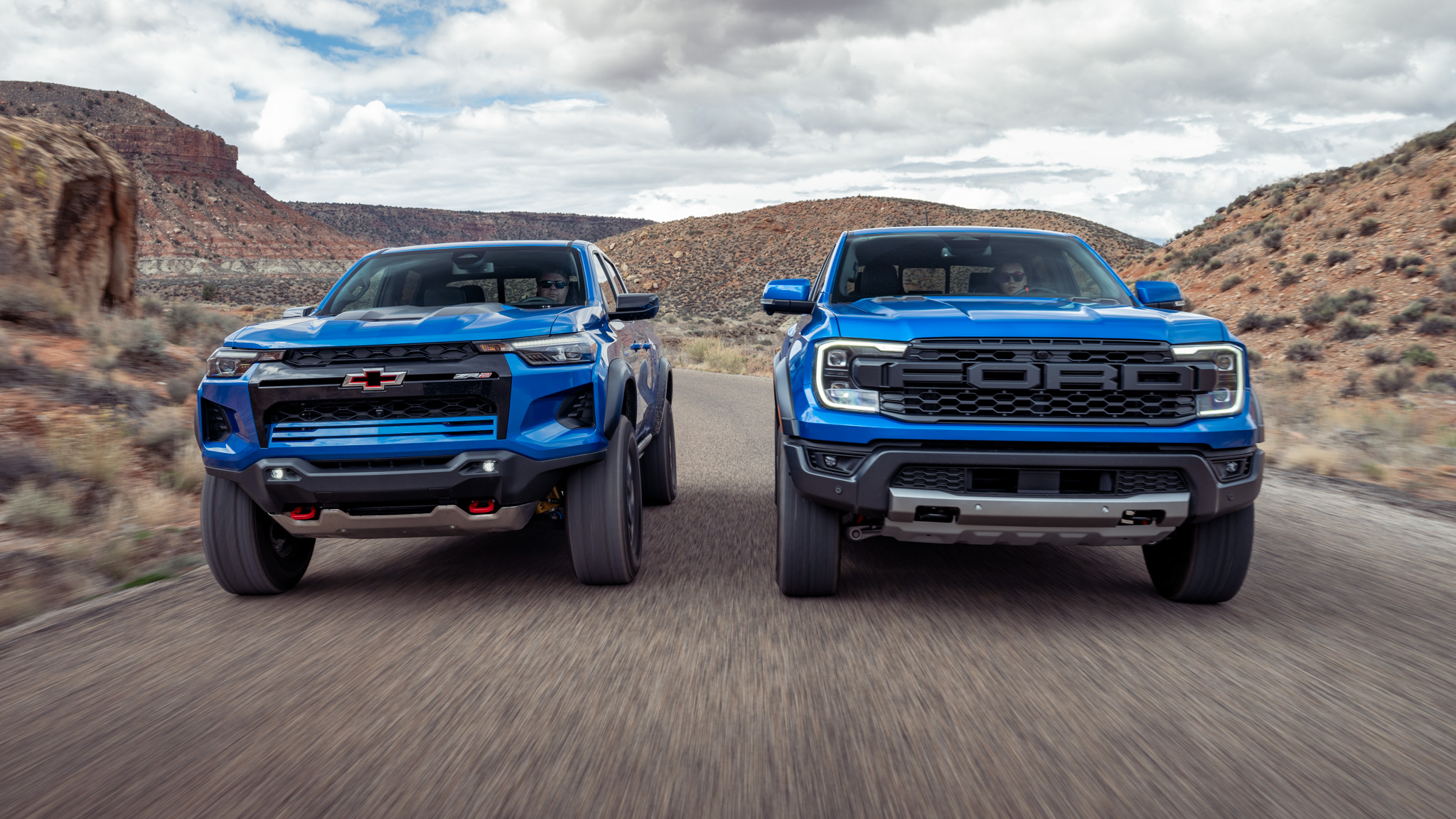
Ford and Chevrolet have spent decades competing across America’s vehicle market, producing everything from hardworking pickup trucks to family sedans and performance cars.
Both manufacturers have built models capable of delivering dependable service beyond 100,000 miles, but their reliability records vary depending on the vehicle, engine, and maintenance history.
Some Fords have better reliability ratings, while certain Chevrolets offer lower average repair expenses. This comparison examines five direct matchups, considering RepairPal ratings, annual repair costs, engine choices, and known mechanical weaknesses to determine which manufacturer offers better long-term ownership prospects.
How This Ford vs. Chevrolet Comparison Works
Comparing manufacturers through brand reputation alone rarely provides enough information for a sensible used-car purchase. Ford and Chevrolet have both produced dependable vehicles, but each also has models with expensive mechanical problems.
The comparison covers five vehicle segments, including full-size and midsize pickups, midsize sedans, compact SUVs, and performance coupes.
RepairPal reliability ratings provide a useful basis for comparison. Its system considers repair frequency, repair severity, and average annual repair expenses.
These figures are model-wide averages, not guaranteed costs for specific model years. Engine selection, maintenance records, transmission condition, and previous usage also influence long-term ownership.
The objective is to identify which vehicle deserves the advantage in each pairing rather than suggest that one manufacturer always produces more reliable vehicles.
1. Ford F-150: A Dependable Full-Size Pickup With Plenty of Engine Choices
Recommended used years: 2016–2017, particularly the 5.0-liter V8
The Ford F-150 remains one of America’s most recognizable pickup trucks because it combines working capability with everyday practicality. Its extensive availability, broad selection of configurations, and widespread parts support make it relatively easy to find a used example.
The 2016 and 2017 models equipped with the 5.0-liter naturally aspirated V8 deserve consideration. This engine avoids the additional turbocharger hardware found in EcoBoost alternatives while providing useful power for towing, hauling, and highway driving.
However, certain 3.5-liter EcoBoost models have experienced cam-phaser problems, while some 2015–2017 trucks have reported transmission concerns. The 2018–2020 5.0-liter versions also deserve investigation because of reported oil-consumption problems.
RepairPal gives the F-150 a 3.5-out-of-5 reliability rating, placing it seventh among 17 full-size trucks. Its average annual repair expense is $788.
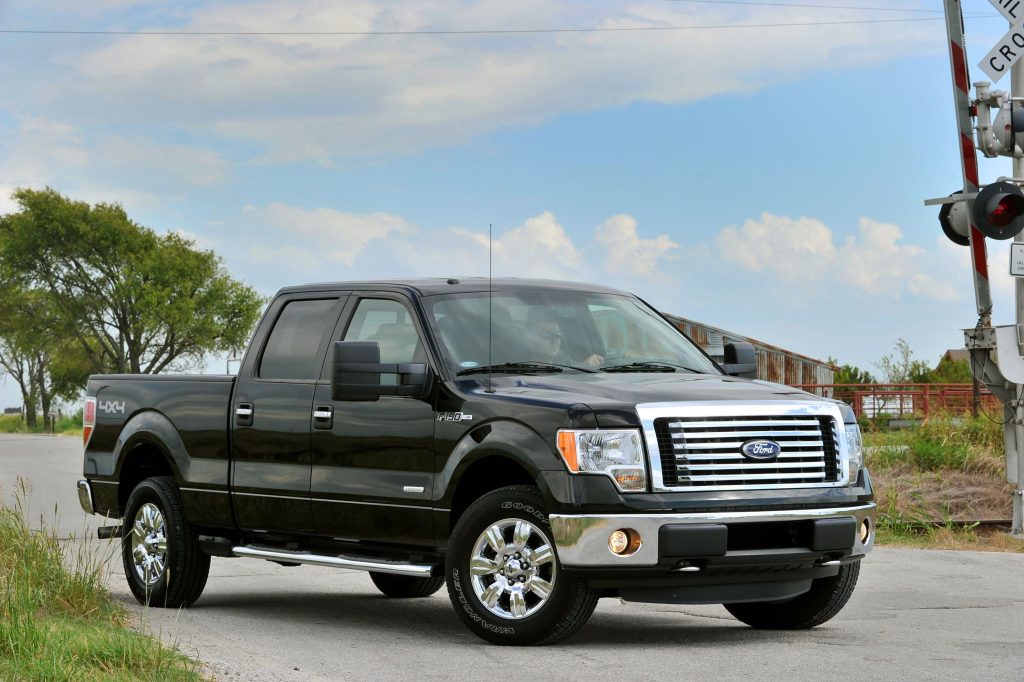
The F-150 makes sense for buyers who need a versatile work truck without sacrificing daily comfort. However, engine configuration and maintenance history should influence the purchase decision.
2. Chevrolet Silverado 1500: A Strong Alternative With Lower Repair Expenses
Recommended used years: 2016–2018, particularly the 5.3-liter V8
The Chevrolet Silverado 1500 combines traditional V8 power with practical cabin configurations and substantial working capability. Its widespread availability also makes maintenance and replacement parts relatively accessible.
The 2016–2018 models equipped with the 5.3-liter EcoTec3 V8 deserve attention. However, buyers should understand the implications of Active Fuel Management, which deactivates selected cylinders to improve fuel efficiency.
AFM-related lifter problems and oil consumption have been reported on certain engines. Buyers should listen for unusual ticking noises during cold starts and examine maintenance records.
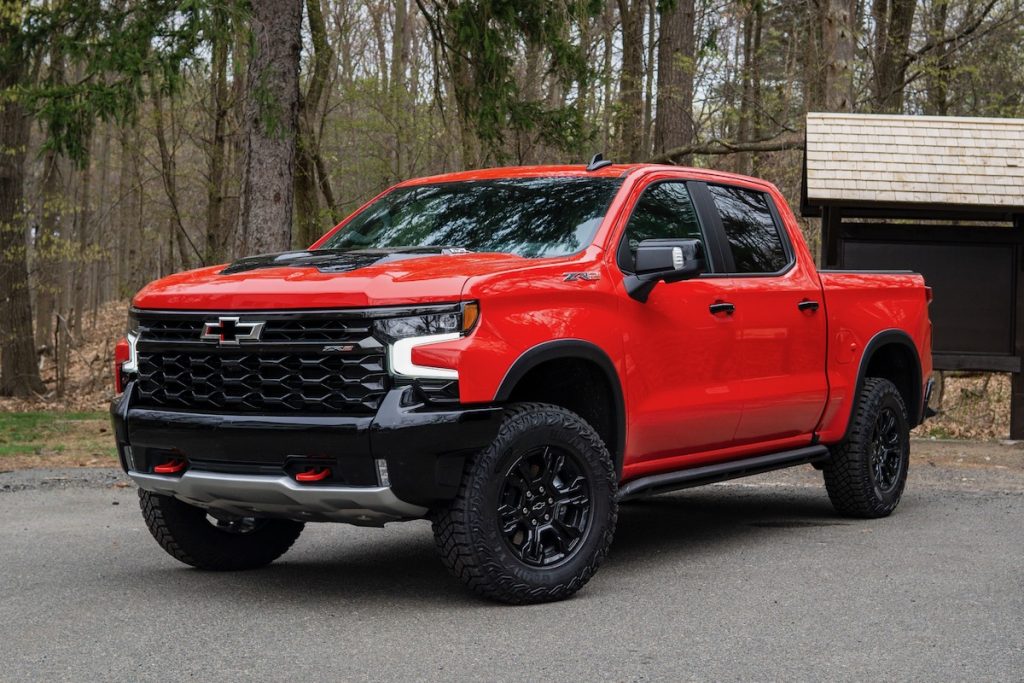
RepairPal gives the Silverado a 3.5-out-of-5 reliability rating, placing it fifth among 17 full-size trucks. Its average annual repair expense is $714, which is $74 less than the F-150’s figure.
F-150 vs. Silverado 1500: Head-to-Head Comparison
| Category | Ford F-150 | Silverado 1500 |
|---|---|---|
| Reliability rating | 3.5/5 | 3.5/5 |
| Category ranking | 7th of 17 | 5th of 17 |
| Annual repair cost | $788 | $714 |
| Engine to consider | 5.0 L V8 | 5.3L V8 |
| Recommended years | 2016–2017 | 2016–2018 |
| Main concern | Transmission and engine history | AFM lifters and oil consumption |
Edge: Chevrolet Silverado 1500
The Silverado wins because both trucks receive identical reliability ratings, but Chevrolet has a better category ranking and lower average annual repair expenses.
3. Ford Ranger: A Practical Midsize Truck With Strong Reliability Ratings
Recommended used years: 2020–2022, with the 2.3-liter EcoBoost engine
The Ford Ranger offers a practical alternative to full-size pickups. Its smaller dimensions make it easier to maneuver, while its pickup construction provides useful cargo and towing capability.
The modern American Ranger returned for 2019 with a 2.3-liter EcoBoost four-cylinder engine producing useful torque. It is paired with a 10-speed automatic transmission.
The 2020–2022 models are worth considering, although buyers should pay attention to transmission behavior. Harsh shifts, hesitation, and unusual noises should be investigated during a road test.
RepairPal gives the Ranger a 4.0-out-of-5 reliability rating, ranking it third among seven midsize trucks. Its average annual repair expense is $615, compared with $548 for the category average.
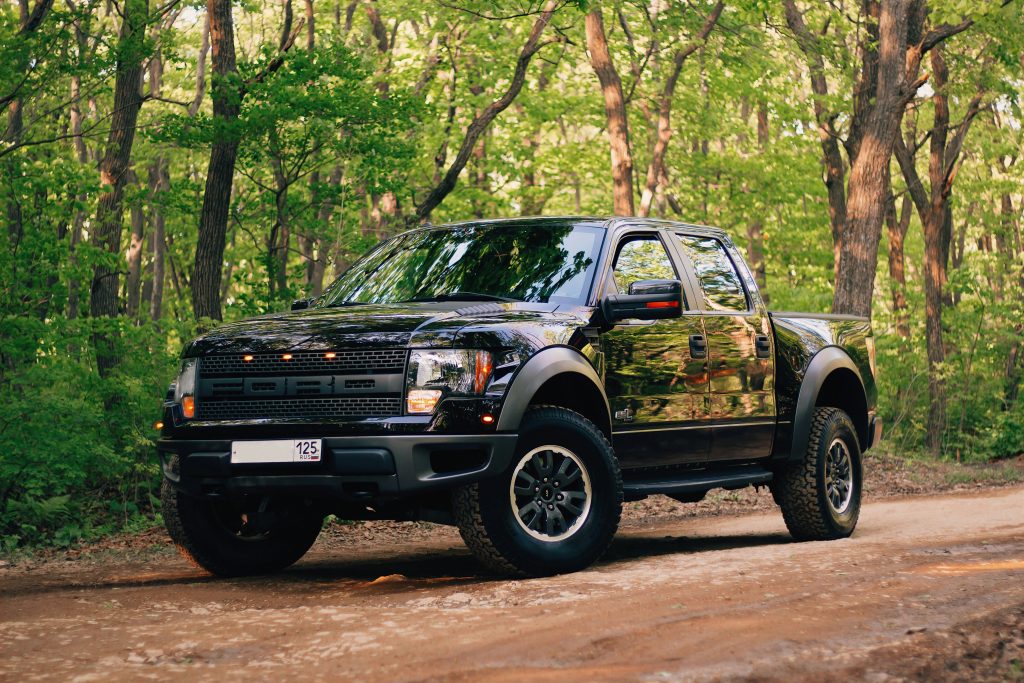
The Ranger’s main advantage is its combination of manageable dimensions and useful performance. Buyers should prioritize regular oil changes and documented maintenance, particularly on turbocharged examples.
4. Chevrolet Colorado: A Midsize Pickup With Established Trucking Credentials
Recommended used years: 2017–2020, particularly the 3.6-liter V6
The Chevrolet Colorado is a serious alternative for drivers who want pickup capability without the dimensions of a full-size truck.
Its 3.6-liter V6 provides stronger performance than smaller four-cylinder options and makes the Colorado useful for highway driving, carrying equipment, and moderate towing. A diesel version was also available, although its emissions equipment requires additional inspection.
Certain trucks have experienced automatic transmission shudder, making service records and road testing important.
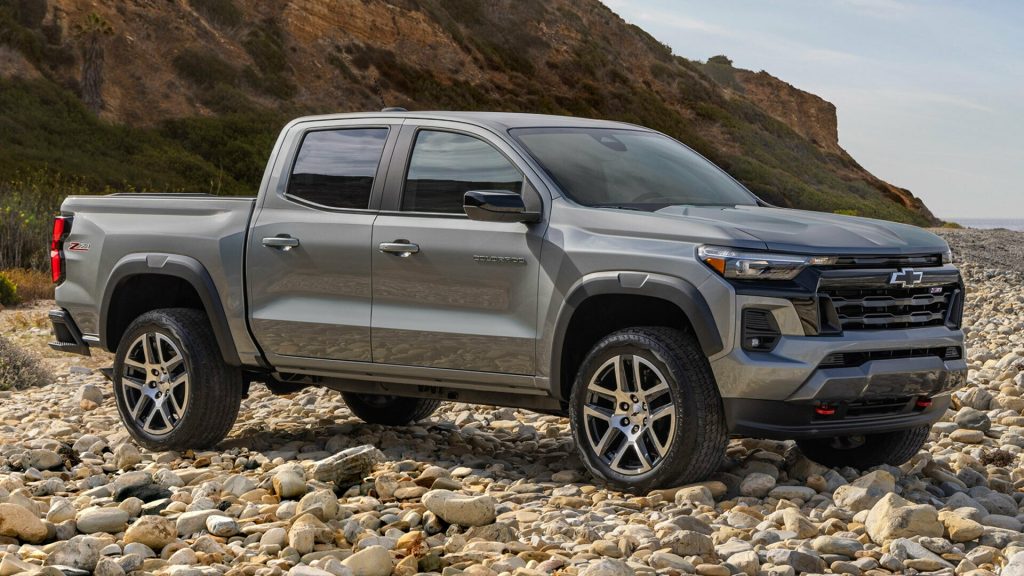
RepairPal gives the Colorado a 4.0-out-of-5 reliability rating, placing it fourth among seven midsize trucks. Its average annual repair expense is $599, slightly below the Ranger’s figure.
The Colorado also appeared among the top three midsize pickups in J.D. Power’s 2024 U.S. Vehicle Dependability Study.
Ranger vs. Colorado: Head-to-Head Comparison
| Category | Ford Ranger | Colorado |
|---|---|---|
| Reliability rating | 4.0/5 | 4.0/5 |
| Category ranking | 3rd of 7 | 4th of 7 |
| Annual repair cost | $615 | $599 |
| Engine to consider | 2.3L EcoBoost | 3.6L V6 |
| Recommended years | 2020–2022 | 2017–2020 |
| Main concern | 10-speed shifting | Transmission shudder |
Edge: Ford Ranger
The Ranger takes a narrow victory because it ranks higher in RepairPal’s midsize-truck category. The Colorado is slightly cheaper to maintain and has a favorable J.D. Power result, making this a particularly close comparison.
5. Ford Fusion: A Comfortable Sedan With a Sensible Engine Choice
Recommended used years: 2017–2019, particularly the 2.5-liter naturally aspirated engine
Although Ford discontinued the Fusion in the United States, it remains an interesting used option for buyers seeking an affordable and comfortable family sedan.
The 2.5-liter naturally aspirated four-cylinder deserves particular attention. It avoids some of the additional complexity associated with turbocharged alternatives and provides adequate performance for commuting and highway driving.
Certain EcoBoost-equipped Fusions have experienced coolant intrusion and related engine problems. Buyers should check for coolant loss, previous engine repairs, and unusual transmission behavior.
RepairPal gives the Fusion a 4.0-out-of-5 reliability rating, placing it 18th among 24 midsize cars. Its average annual repair expense is $581.
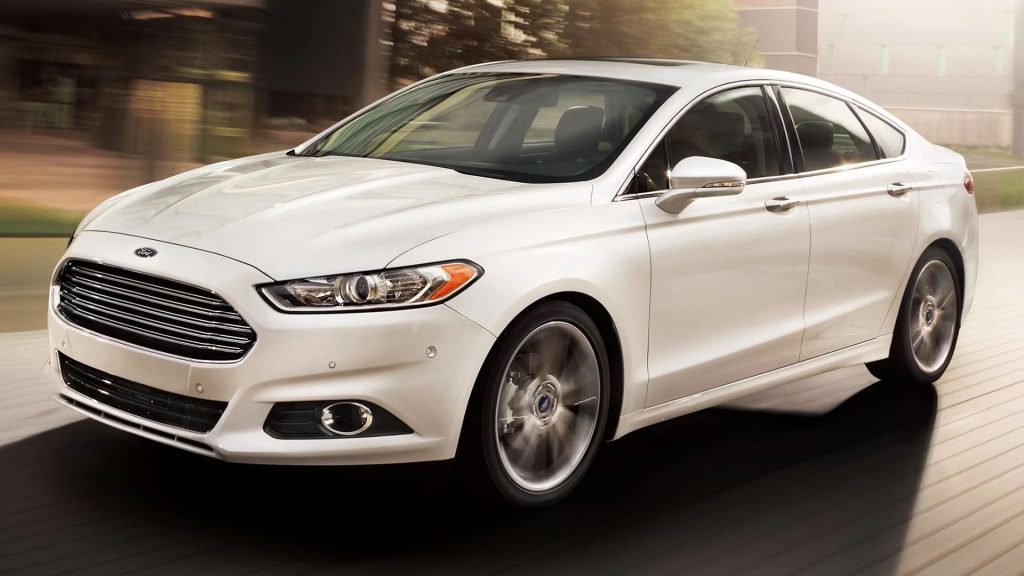
Consumer Reports describes the 2017 and 2018 models as having about average reliability compared with other vehicles from their respective model years.
The Fusion remains a practical choice, particularly with the 2.5-liter engine, but a complete maintenance history is essential.
6. Chevrolet Malibu: An Affordable Sedan With Competitive Repair Costs
Recommended used years: 2019–2021, with a complete maintenance history
The Chevrolet Malibu offers a comfortable driving experience, spacious cabin, and accessible used-car pricing. Its common modern engine option is a turbocharged 1.5-liter four-cylinder that prioritizes everyday efficiency.
The 2019–2021 models deserve consideration, although buyers should inspect the cooling system, turbocharger operation, transmission, and maintenance history.
The 2018 Malibu deserves additional caution because Consumer Reports describes it as less reliable than other vehicles from the same year. Reported concerns include fuel system and emissions components.
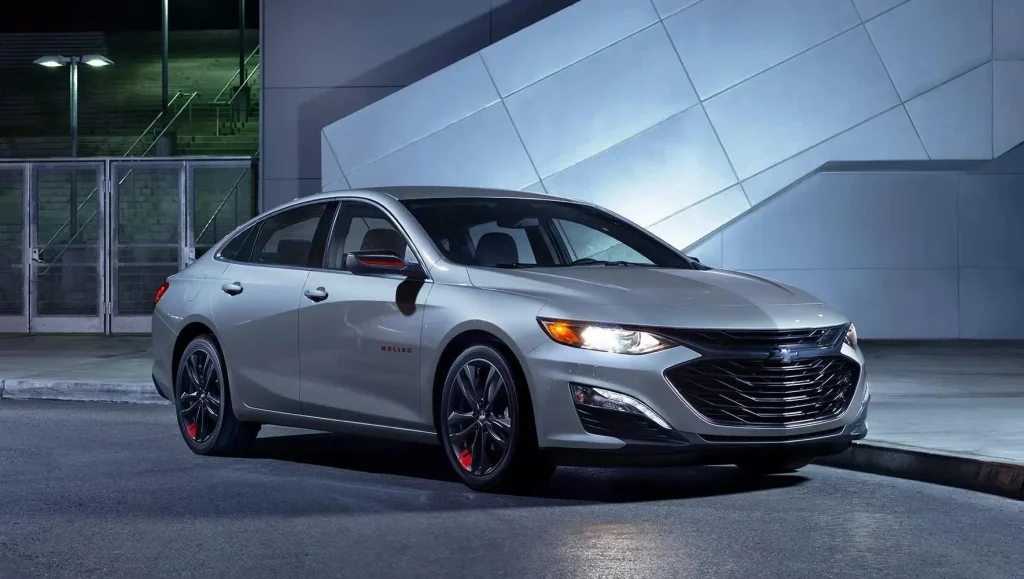
RepairPal gives the Malibu a 4.0-out-of-5 reliability rating, ranking it ninth among 24 midsize cars. Its average annual repair expense is $532, which is $49 less than the Fusion’s figure.
Fusion vs. Malibu: Head-to-Head Comparison
| Category | Ford Fusion | Chevrolet Malibu |
|---|---|---|
| Reliability rating | 4.0/5 | 4.0/5 |
| Category ranking | 18th of 24 | 9th of 24 |
| Annual repair cost | $581 | $532 |
| Engine to consider | 2.5L naturally aspirated | 1.5L turbo |
| Recommended years | 2017–2019 | 2019–2021 |
| Main concern | Coolant intrusion | Turbo and transmission |
Edge: Chevrolet Malibu
The Malibu stands out with a higher category ranking and lower average yearly repair costs. The Fusion remains a compelling option thanks to its 2.5-liter engine, but the Chevrolet delivers a more favorable comparison across the key criteria.
7. Ford Escape: A Compact SUV That Rewards Careful Engine Selection
Recommended used years: 2015–2019, particularly the 2.5-liter naturally aspirated engine
The Ford Escape is a practical compact SUV offering manageable dimensions, comfortable seating, and useful everyday versatility.
The 2.5-liter naturally aspirated four-cylinder deserves attention because it avoids the turbocharger-related complexity associated with certain EcoBoost versions.
However, the 1.6-liter and certain 1.5-liter and 2.0-liter EcoBoost engines have documented coolant-related concerns. Buyers should investigate overheating history, coolant loss, and previous engine repairs.
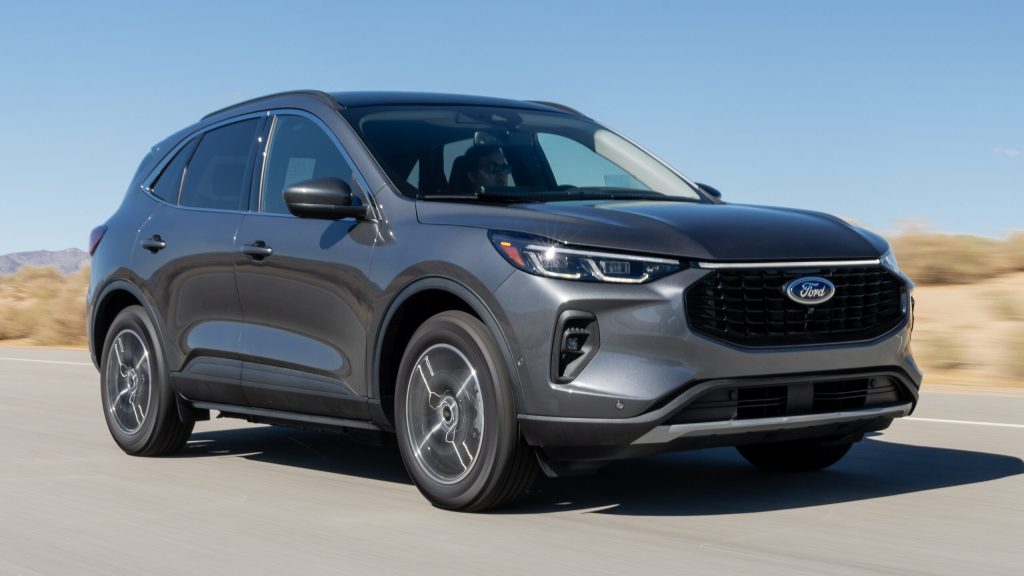
RepairPal gives the Escape a 4.0-out-of-5 reliability rating, ranking it 16th among 26 compact SUVs. Its average annual repair expense is $600, compared with the category average of $521.
The Escape is worth considering for families who want a practical vehicle with a relatively straightforward engine option. Transmission and cooling-system inspections remain important.
8. Chevrolet Equinox: Practical Family Transportation With Affordable Running Costs
Recommended used years: 2019–2021, with a complete service history
The Chevrolet Equinox offers passenger space, a comfortable ride, and everyday practicality without the size of a three-row SUV.
The third-generation model arrived for 2018 with turbocharged engine options. The 1.5-liter turbocharged four-cylinder provides reasonable performance for commuting and regular family use.
Buyers considering 2019–2021 examples should investigate oil maintenance, cooling-system condition, and transmission behaviour. A diagnostic scan can also help identify problems that might not appear during a short test drive.
RepairPal gives the Equinox a 3.5-out-of-5 reliability rating, placing it 23rd among 26 compact SUVs. Its average annual repair expense is $537, which is lower than the Escape’s $600 figure.
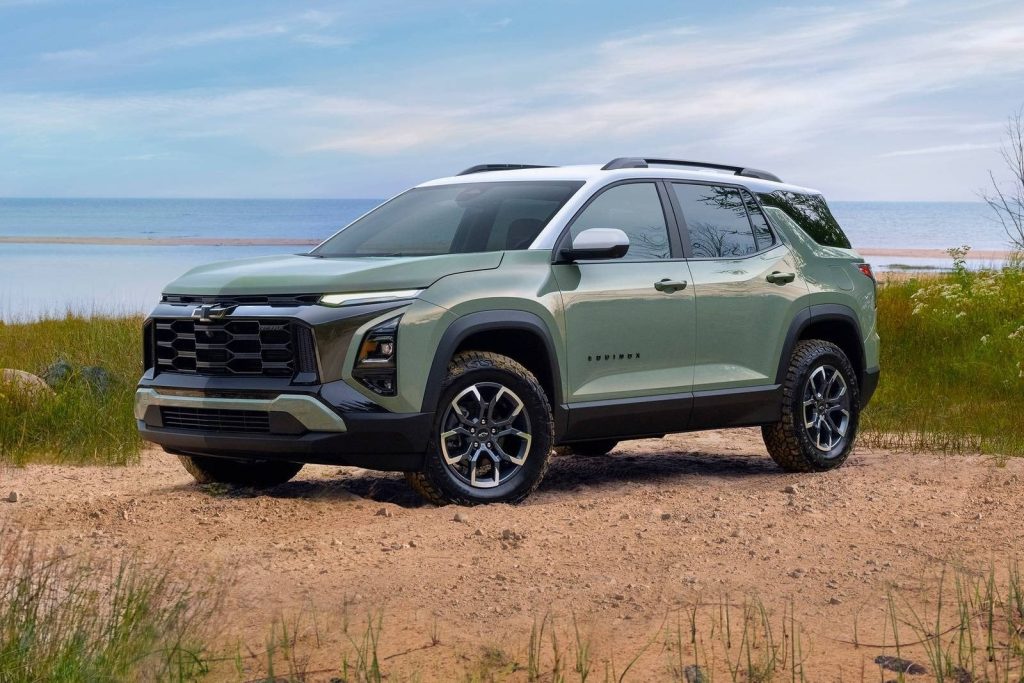
However, lower repair expenses do not automatically indicate better reliability. The Equinox’s weaker category ranking deserves consideration.
Escape vs. Equinox: Head-to-Head Comparison
| Category | Ford Escape | Chevrolet Equinox |
|---|---|---|
| Reliability rating | 4.0/5 | 3.5/5 |
| Category ranking | 16th of 26 | 23rd of 26 |
| Annual repair cost | $600 | $537 |
| Engine to consider | 2.5L naturally aspirated | 1.5L turbo |
| Recommended years | 2015–2019 | 2019–2021 |
| Main concern | Engine and coolant history | Oil condition and turbo system |
Edge: Ford Escape
The Escape wins because its reliability rating and category position are considerably stronger. The Equinox costs less to repair on average, but the Ford makes a more convincing case for buyers prioritising dependable ownership.
9. Ford Mustang: A Performance Car That Can Also Be a Long-Term Purchase
Recommended used years: 2015–2017, particularly the 5.0-liter V8
The Ford Mustang combines traditional American performance with relatively accessible ownership compared with specialised sports cars. Its popularity also provides buyers with a substantial selection of replacement parts and independent repair specialists.
The 2015–2017 generation brought independent rear suspension and two primary engine options, a turbocharged 2.3-liter EcoBoost four-cylinder and a naturally aspirated 5.0-liter V8.
The V8 is particularly attractive to enthusiasts seeking traditional muscle-car performance. However, its fuel consumption and maintenance expenses are naturally higher than those of an ordinary commuter sedan.
Manual versions should be checked for clutch wear and difficult gear engagement. Automatic examples also need an inspection for smooth shifts and previous transmission repairs.
RepairPal gives the Mustang a 3.5-out-of-5 reliability rating, placing it 20th among 24 midsize cars. Its average annual repair expense is $709.
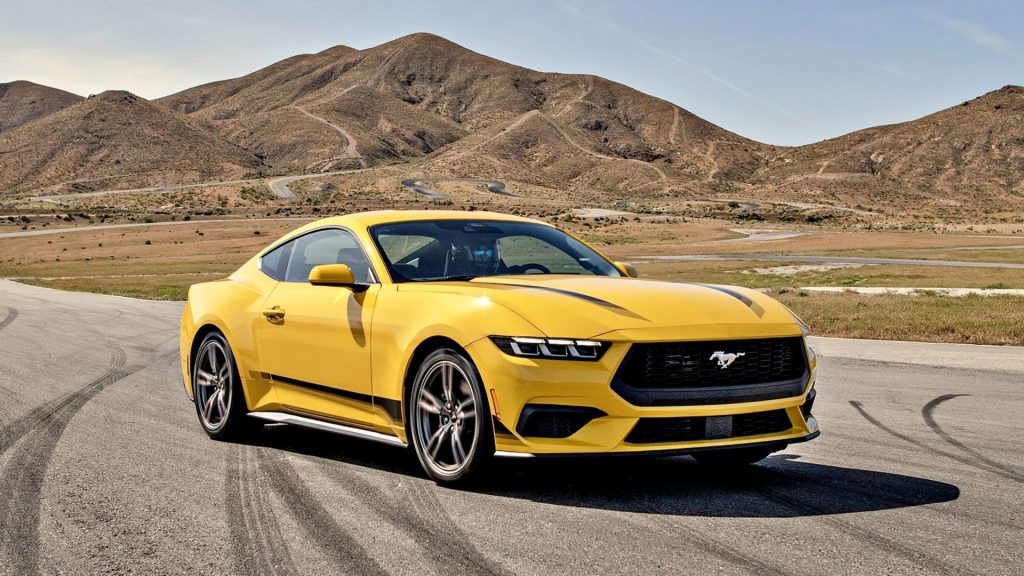
Its reported frequency of unscheduled repair visits is relatively low, while its repair-severity figure is lower than that of the Camaro.
A lightly modified Mustang with documented maintenance is a much better purchase than a heavily modified example with an uncertain driving history.
10. Chevrolet Camaro: A Serious Rival With Lower Average Repair Expenses
Recommended used years: 2017–2019, particularly the 6.2-liter V8 in SS models
The Chevrolet Camaro offers a different interpretation of American performance. Its low seating position, distinctive handling characteristics, and powerful engine choices make it an appealing alternative to the Mustang.
The sixth-generation Camaro offers a 2.0-liter turbocharged four-cylinder, a 3.6-liter V6, and a 6.2-liter V8 in SS models. The V8 is particularly appealing to buyers seeking traditional American muscle-car power.
Certain automatic-equipped V8 Camaros have experienced transmission shudder, making a proper road test and service-history review important. Manual versions also require inspection for clutch wear and previous track use.
RepairPal gives the Camaro a 3.5-out-of-5 reliability rating, placing it 21st among 24 midsize cars. Its average annual repair expense is $585, which is $124 less than the Mustang’s reported figure.
The Camaro also has a reported repair frequency of 0.2 unscheduled visits per year, matching the Mustang. However, its repair-severity figure is higher at 17%, compared with 14% for the Ford.
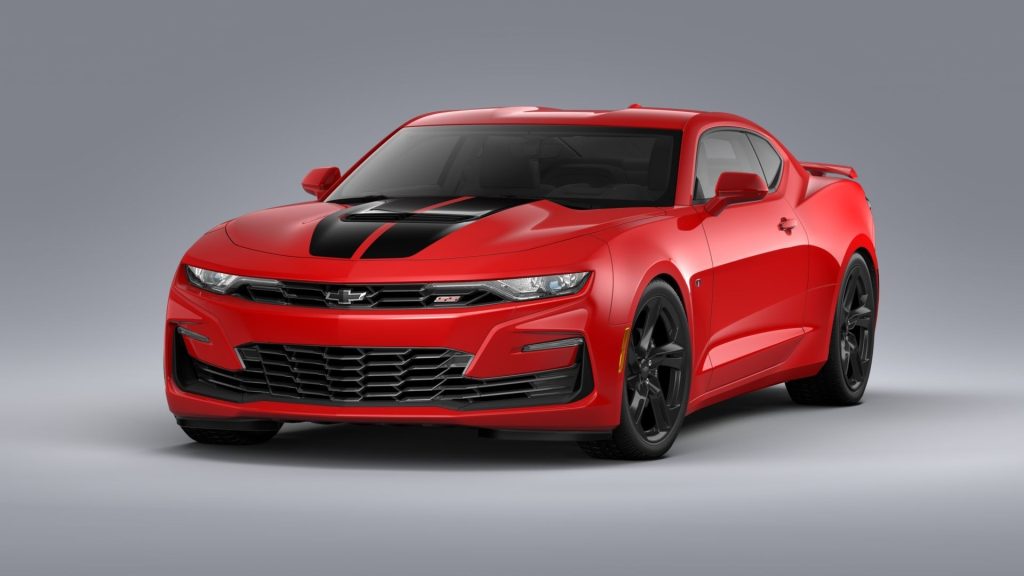
The Camaro’s lower average repair expense is appealing, although its restricted outward visibility can make everyday driving and parking more challenging.
Mustang vs. Camaro: Head-to-Head Comparison
| Category | Ford Mustang | Chevrolet Camaro |
|---|---|---|
| Reliability rating | 3.5/5 | 3.5/5 |
| Category ranking | 20th of 24 | 21st of 24 |
| Annual repair cost | $709 | $585 |
| Engine to consider | 5.0L V8 | 6.2L V8 |
| Recommended years | 2015–2017 | 2017–2019 |
| Main concern | Clutch, transmission and modifications | Automatic transmission and performance use |
| Repair severity | 14% | 17% |
Edge: Ford Mustang
The Mustang takes a narrow victory because its category position is slightly better and its reported repair severity is lower. The Camaro remains cheaper to maintain, making it attractive to buyers who prioritise repair expenses.
Final Scorecard: Which Brand Wins More Matchups?
After comparing five pairs, Ford takes three category victories, while Chevrolet wins two. However, the difference is relatively small, and the results depend on which ownership characteristics matter most to the buyer.
| Matchup | Winner | Main reason |
|---|---|---|
| F-150 vs. Silverado 1500 | Chevrolet | Lower repair costs and better category ranking |
| Ranger vs. Colorado | Ford | Higher RepairPal category position |
| Fusion vs. Malibu | Chevrolet | Better reliability ranking and lower repair costs |
| Escape vs. Equinox | Ford | Higher reliability rating |
| Mustang vs. Camaro | Ford | Better category position and lower repair severity |
Ford takes the lead with three wins, but Chevrolet offers lower average annual repair expenses in four of the five pairings. The Silverado 1500 and Malibu make particularly strong arguments through their lower repair expenses and favourable category rankings.
For used-car buyers, the most important lesson is that brand reputation should never replace an individual vehicle inspection. Engine condition, maintenance documentation, transmission behaviour, and previous usage can make a significant difference.
RepairPal’s annual figures are model-wide estimates, not guaranteed costs for particular model years. Buyers should check maintenance records, investigate outstanding recalls, and arrange an independent pre-purchase inspection.
Final verdict: Ford wins this comparison by three matchups to Chevrolet’s two, but Chevrolet offers lower average annual repair expenses in four categories. Neither manufacturer is an automatic winner. The best purchase is the specific vehicle with the right engine, documented maintenance, and a clean mechanical inspection.