BMW AG collected six model-level awards in the 2026 J.D. Power U.S. Automotive Performance, Execution and Layout (APEAL) Study, more than any other automaker group. The results place the German manufacturer ahead of Hyundai Motor Group, which earned five awards, and General Motors, which received three.
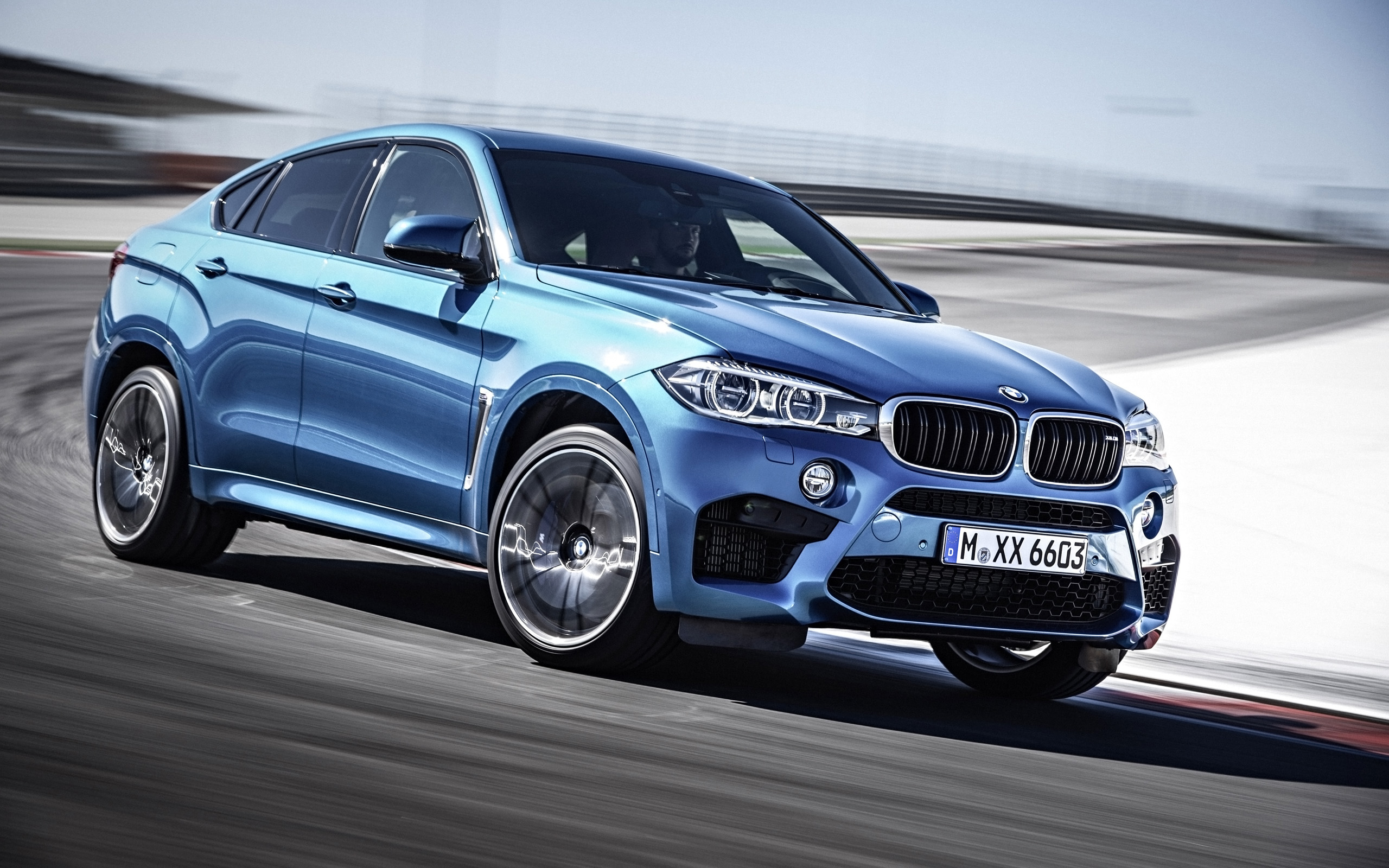
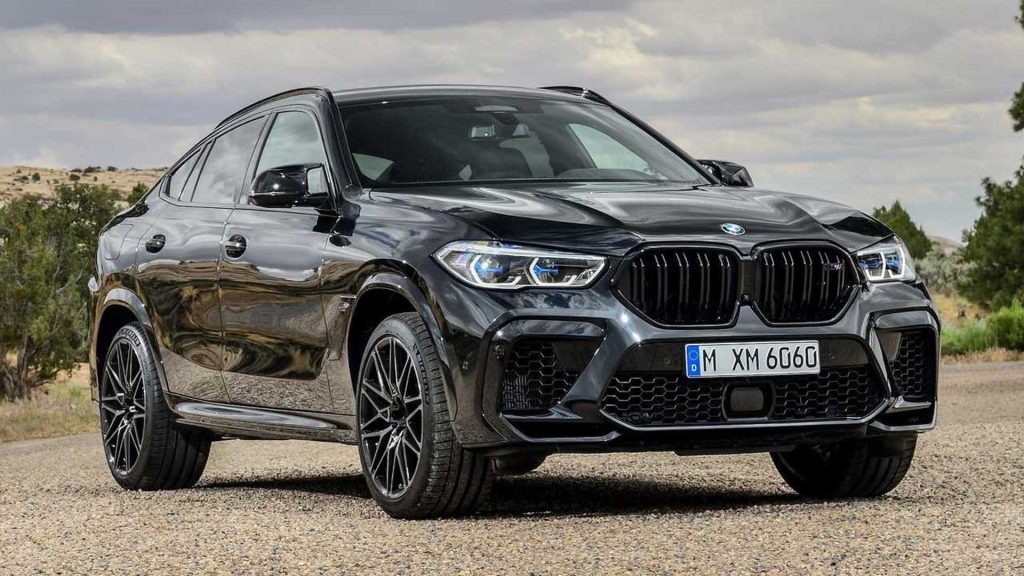
BMW’s winning lineup includes the X2, X6, 2 Series, 5 Series, and 7 Series, alongside the MINI Countryman. The BMW X6 and 7 Series also tied for the highest individual model ranking in the study. The achievement highlights strong owner enthusiasm across several vehicle categories, although it does not mean BMW topped every brand-level measure.
BMW AG Leads the 2026 APEAL Model Awards
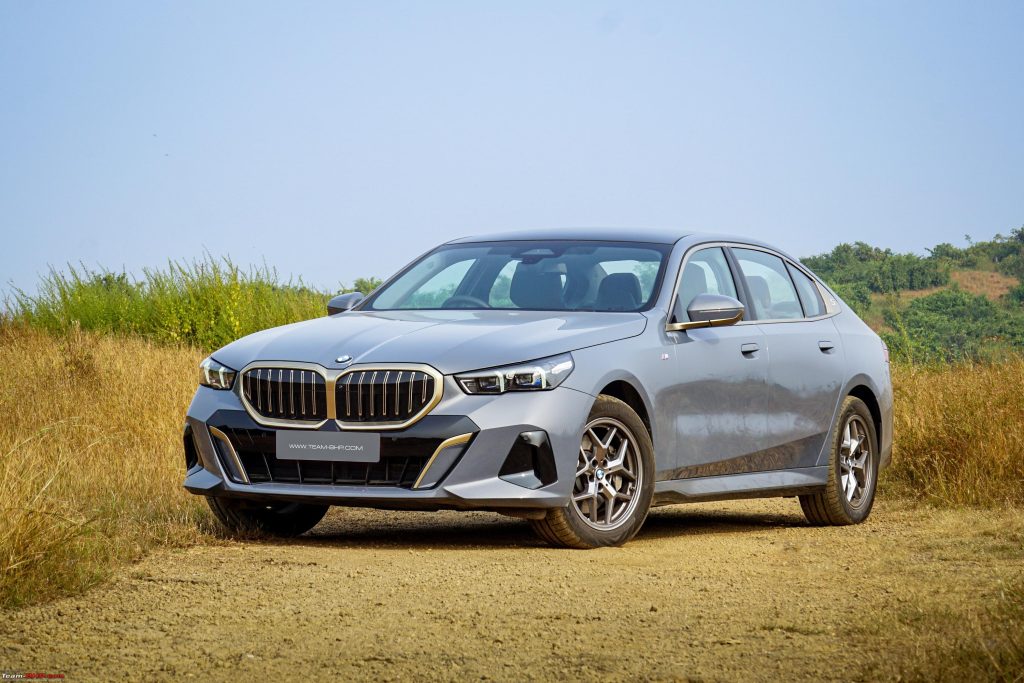
In the 2026 results, BMW AG secured the most model-level segment awards among automaker groups. Five of the six winning vehicles came from the BMW lineup, including the X2, X6, 2 Series, 5 Series, and 7 Series.
The sixth is the MINI Countryman, which is included because MINI is part of BMW Group. This distinction matters when interpreting the headline. BMW AG led the corporate tally, but the six awards were not all won by vehicles sold under the BMW name.
Hyundai Motor Group finished second with five awards. Its winning vehicles were the Hyundai Palisade and Santa Cruz, along with the Kia Carnival, K4, and K5. General Motors followed with three, awarded to the Chevrolet Blazer, GMC Yukon, and Cadillac Escalade.
Ford, JLR, Nissan, and Toyota each collected two model-level awards, while Mercedes-Benz, Stellantis, and Volkswagen each had one.
The BMW X6’s award is particularly notable because it won its segment for a second consecutive year. The MINI Countryman has now earned a segment award for four consecutive years.
The X2, 2 Series, 5 Series, and 7 Series add breadth to BMW AG’s result, covering different types of buyers rather than relying on one standout model. The 7 Series and X6 also tied as the highest-ranking individual models across the entire study, an especially strong result for two vehicles with very different purposes.
However, model-level awards and brand rankings measure different things. Porsche ranked highest among premium brands for the third consecutive year, scoring 896 points out of 1,000. MINI led the mass-market brands with 875 points, followed by Hyundai at 858 and Kia at 857.
BMW itself ranked fourth among premium brands, according to reporting on the study. Therefore, BMW AG’s six model awards should not be confused with BMW taking the top premium-brand position.
What the APEAL Study Measures About the Ownership Experience
APEAL stands for Automotive Performance, Execution, and Layout. J.D. Power designed the study to measure how emotionally attached owners feel to their new vehicles and how much excitement they experience after living with them.
It is not simply a horsepower contest, a reliability ranking, or a measurement of initial defects. Instead, it asks owners to assess 37 attributes spanning the experience of using and enjoying a vehicle, from comfort and design to technology and driving characteristics.
The 2026 study is based on responses from 78,514 owners of new 2026 model-year vehicles. Participants were surveyed after 90 days of ownership. The research was conducted from June 2025 through May 2026 and covered vehicles registered between March 2025 and February 2026.
That sample gives the findings a broad view of how buyers experience recently purchased vehicles, although the results represent owner feedback during the first three months rather than years of long-term use.
The distinction between APEAL and J.D. Power’s Initial Quality Study is important. Initial Quality focuses on problems owners experience during the early ownership period. APEAL looks at the emotional and practical satisfaction generated by the vehicle.
A car can have impressive performance figures yet disappoint owners through confusing controls, uncomfortable seating, or frustrating infotainment. Equally, a vehicle with moderate power can leave a positive impression through thoughtful design, ease of use, and a comfortable cabin.
This year, satisfaction across the industry reached 858 points on a 1,000-point scale, an increase of seven points from 2025. J.D. Power said it was the third consecutive annual improvement and the largest single-year gain since 2018. Interior experience recorded the biggest category improvement, rising 11 points.
Exterior styling and ease of getting in and out each improved by 10 points. The findings suggest that practical details, including storage, cupholder placement, and phone positioning, can influence how owners feel about a vehicle just as much as headline specifications.
Why BMW’s Results Matter as Premium and Mainstream Cars Converge
BMW AG’s six awards arrive at a time when the gap between premium and mainstream ownership experiences is narrowing. J.D. Power found that the satisfaction difference between premium brands, excluding Tesla, and mass-market brands had fallen to 29 points. In 2008, the gap was 66 points.
Mass-market vehicles have improved in areas that once helped luxury models stand apart, including infotainment, exterior design, driver-assistance systems, headlight performance, and the feel of closing a door.
That shift makes BMW’s model-level performance meaningful. Premium manufacturers can no longer rely only on brand reputation, expensive materials, or powerful engines to create a compelling ownership experience.
Buyers expect the entire vehicle to feel well executed. They want technology that works intuitively, storage that suits everyday use, comfortable seating, and controls that do not make routine tasks unnecessarily complicated. The APEAL results indicate that execution across these details can shape customer enthusiasm.
The study also identified a challenge for newly launched vehicles. For the fifth consecutive year, new models scored only slightly better than carryover models, with a difference of just two points across the study.
New premium models actually scored three points below their carryover counterparts, while new mass-market models scored 12 points higher. J.D. Power pointed to difficulties with infotainment systems, vehicle setup, and technology features as factors that can weaken the excitement surrounding a new model.
The results also offer context for the wider industry. Battery-electric vehicles recorded the largest year-over-year APEAL improvement, rising 22 points. They outperformed internal-combustion vehicles in nearly every category, with the largest advantage in powertrain satisfaction.
This suggests that electric vehicles are increasingly delivering an engaging ownership experience, even as manufacturers continue working through charging, software, and usability challenges.
BMW’s six awards are therefore an important measure of how its products connect with owners, but they are not a complete verdict on reliability, resale value, running costs, or long-term durability.
The survey captures impressions after 90 days, and those can change as vehicles age. Still, the result shows that BMW Group has several models delivering an experience that owners particularly appreciate in their respective segments.
The strongest takeaway is the breadth of the achievement. The X2, X6, 2 Series, 5 Series, 7 Series, and MINI Countryman span different price points and vehicle categories, while the X6 and 7 Series shared the study’s highest individual model ranking.
Porsche remained the premium-brand leader, and Hyundai Motor Group stayed close behind BMW AG in the corporate award count.
For BMW, the 2026 APEAL results provide substantial recognition, but maintaining that enthusiasm will require the company to keep its vehicles intuitive, comfortable, and rewarding as customer expectations continue to rise.