
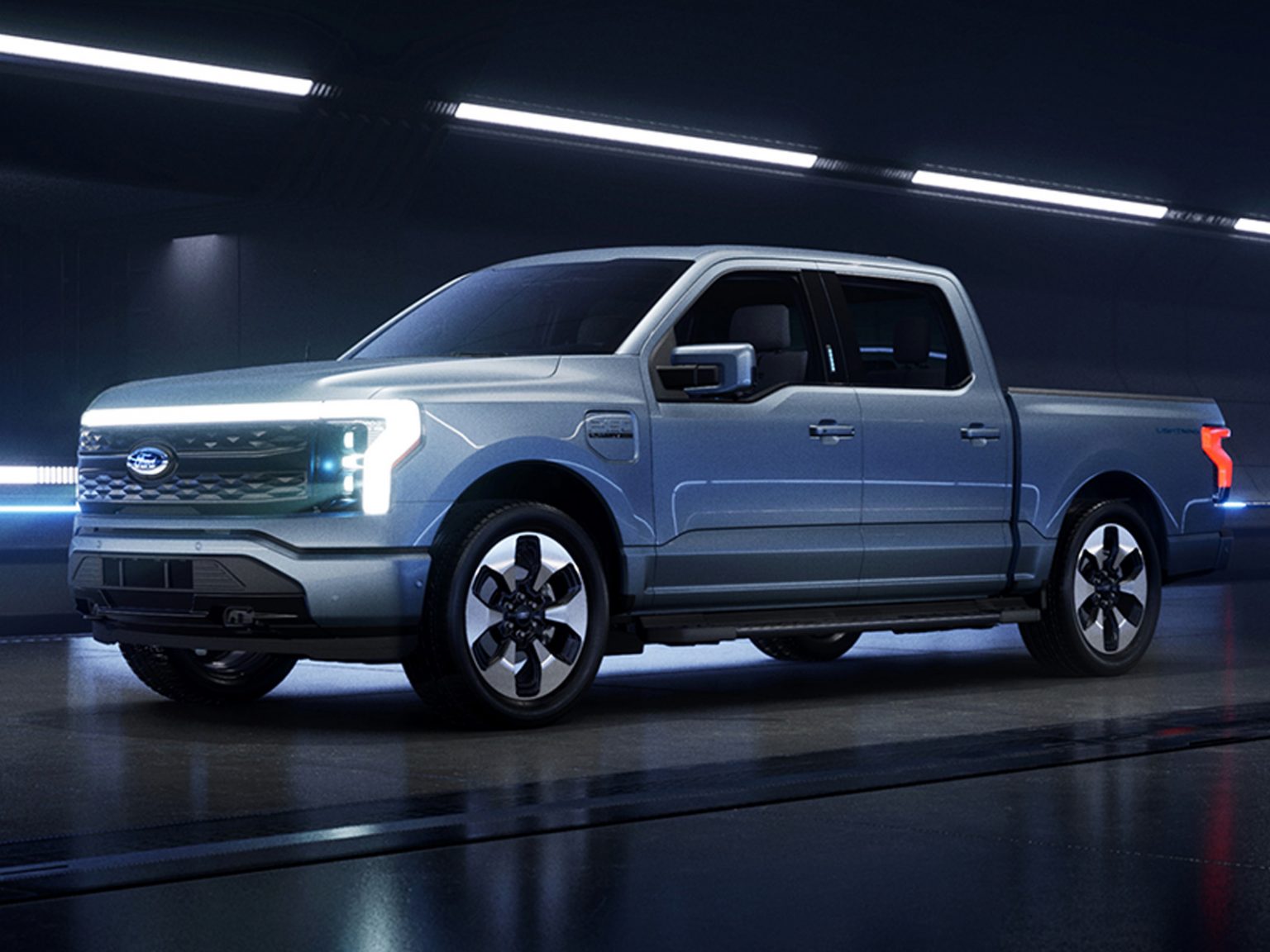
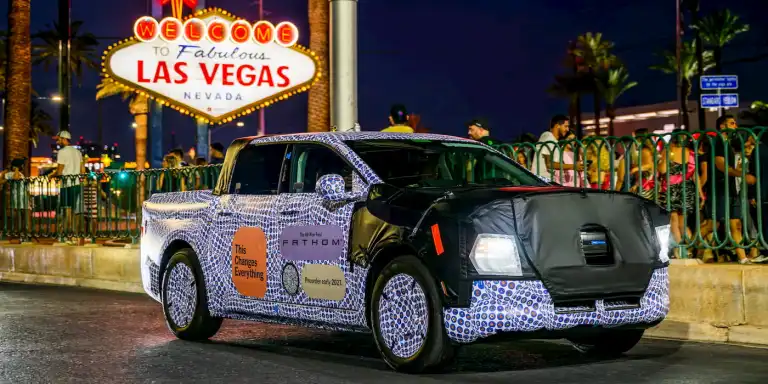
Ford has produced more than 5,000 large aluminum structural castings as it prepares the Fathom, its upcoming midsize electric pickup, for a planned 2027 launch. The milestone is significant because the truck’s design replaces 146 separate structural parts with just two large castings.
Ford says the approach can reduce vehicle mass and simplify assembly, while supporting a new production system at its Louisville, Kentucky, plant. The castings are not 5,000 completed truck components ready for customer vehicles.
They are part of the manufacturing development and prototype process, allowing Ford to test the parts, production methods, and quality checks before the new pickup enters production.
Ford Reaches 5,000 Castings Before the Fathom’s 2027 Launch
The company says the castings are being produced at its Shelbyville Technical Center in Kentucky. They are then sent to the Louisville Assembly Plant, where Ford is preparing to build Fathom prototypes.
The milestone was announced on October 28, 2026, and marks progress on a project that combines a new electric vehicle platform with a different approach to factory assembly. Ford says the Fathom is expected to launch in 2027, with preorders scheduled to begin early that year.
The two castings are intended to form major sections at the front and rear of the vehicle, replacing 146 individual structural parts. Conventional body structures use numerous stamped metal pieces joined and welded into larger assemblies.
A single casting for each section can reduce components and joining operations. It also allows structurally complete sections to be worked on before they are brought together.
Ford links the design to lower mass and improved energy efficiency. Weight matters in an electric pickup because the battery must move the vehicle, its occupants, and its payload.
Reducing structural mass can help energy efficiency, although Ford has not published a final EPA range estimate or quantified the castings’ weight savings. The reduction from 146 parts to two should not be mistaken for a confirmed range or cost figure.
The parts-count change is notable because body manufacturing is built around repeatable operations. Each separate stamped component needs to be formed, positioned, and joined, and every joint becomes another point that must be controlled during production. Consolidating many pieces into a casting can reduce handling and joining steps.
It may also help Ford manage dimensional consistency across major body sections. The benefit, however, depends on the casting machine producing parts that meet the required tolerances at a dependable rate. A simplified design only becomes a manufacturing advantage if quality remains consistent from one batch to the next.
The Fathom is the first vehicle planned for Ford’s Universal Electric Vehicle platform. Ford lists a starting MSRP of $28,350, excluding the $1,595 destination and delivery charge, taxes, and dealer fees. Preorders are scheduled to open in early 2027. The company has not yet published an EPA-estimated range.
How the Large Aluminum Castings Are Made and Inspected
Ford’s description of the process shows that producing a large casting involves much more than pouring molten aluminum into a mold. The process begins with aluminum ingots, which are fed into a furnace and heated to approximately 1,300 degrees Fahrenheit, or about 700 degrees Celsius.
Once melted, the aluminum is transferred to a holding furnace before being injected into a casting mold. The mold is designed to create either the front or rear structural section.
A robot removes the formed casting and transfers it to a quench tank for cooling. Excess material is trimmed before further preparation and machining. Careful control matters because a casting that looks acceptable externally may still contain internal flaws or dimensional problems.
Ford says operators visually inspect the castings, while measurement equipment checks their accuracy. A coordinate measuring machine examines dimensions, hole locations, and alignment.
The company also uses industrial X-ray equipment to look inside the aluminum and check for defects such as pores and voids. These are internal imperfections that may not be visible during a normal visual inspection.
An optical scanner maps the surface to verify dimensions, while samples from production batches undergo tensile testing to measure material strength. Separate laboratory checks confirm the chemical composition of the alloy. These inspections help establish whether the parts meet the requirements needed for their role in the vehicle structure.
Production batches remain on hold until required inspections are complete and the castings are approved for shipment to Louisville. Because these are structural parts, they must meet engineering requirements consistently. Ford also says they are designed for modular repairability.
Large castings also concentrate more responsibility in a single component. Damage to a structural casting could require a more involved repair than replacing a small stamped panel. Ford has not yet published Fathom-specific repair procedures, replacement costs, or insurance-repair guidance. Those details will matter to owners and collision repairers.
A New Production System Could Change How Ford Builds Electric Trucks
The castings are central to more than the truck’s body structure. Ford says they enable a new universal production system that divides vehicle assembly into three main branches. Rather than moving a largely complete vehicle down one traditional line while workers add components, the system allows major sections to be assembled separately and in parallel.
The front section, rear section, and battery-based central section can receive work at the same time before they are joined.
The castings act as complete structural sections, allowing components to be installed before the main sections are brought together. The battery serves as the floor for the central section. Ford says the three areas are joined using bolts and adhesives, while separate assembly gives workers better access.
Parallel assembly allows teams to work on separate vehicle sections at the same time rather than completing every operation in one long sequence. It may also improve access and ergonomics for factory workers. Ford describes the system as a fundamental change to how it plans to build vehicles on the Universal Electric Vehicle platform.
Ford has invested in a wider manufacturing rethink around the program. Its universal production system is intended to make vehicle sections in parallel, rather than relying entirely on a conventional line where a single body moves through a long sequence of stations.
Large castings and integrated battery structures make it possible to build major vehicle sections as separate modules before bringing them together. However, this manufacturing approach involves more than changing how aluminum parts are formed. It also requires adjustments to factory layouts, assembly processes, quality checks, and the way suppliers deliver components to production facilities.
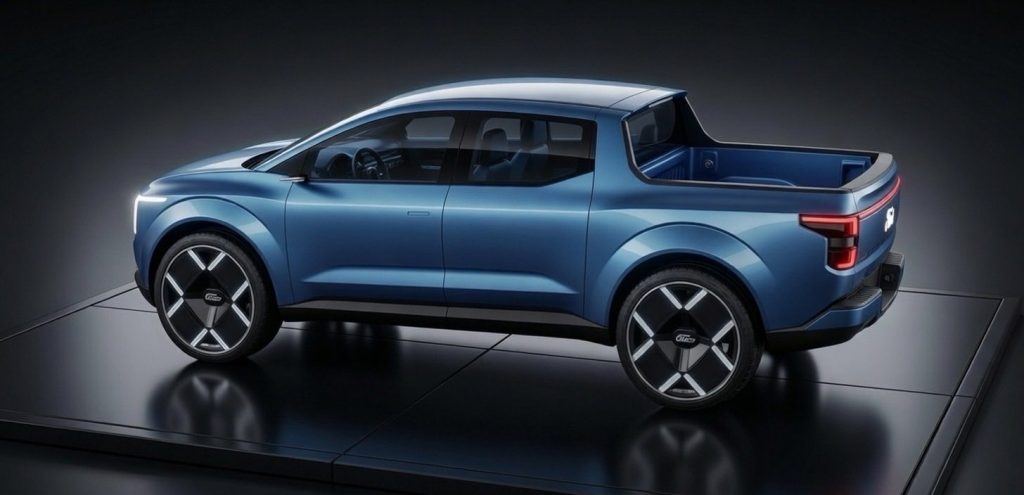
The process still has to prove itself at a production scale. Casting, inspections, supplier deliveries, joining operations, and final assembly must work together at the required speed. Producing thousands of castings gives engineers material to test but does not mean every production challenge has been resolved.
The Fathom’s commercial prospects will depend on more than manufacturing innovation. Buyers will also need final figures for range, charging, towing, payload, and bed dimensions. Ford says every Fathom will be BlueCruise capable, but its real-world competitiveness cannot be judged until the full specifications are released.
For Ford, the 5,000-casting milestone is evidence that the Fathom program has moved beyond early design work and into a more demanding phase of manufacturing validation. The company is testing a structural approach that cuts a large number of components down to two major castings while preparing a factory system built around parallel assembly.
If the process delivers the intended quality, efficiency, and repairability at a production scale, it could become an important part of Ford’s lower-cost electric vehicle strategy. The next test is whether the company can translate that engineering progress into a reliable truck that reaches customers on schedule in 2027.
