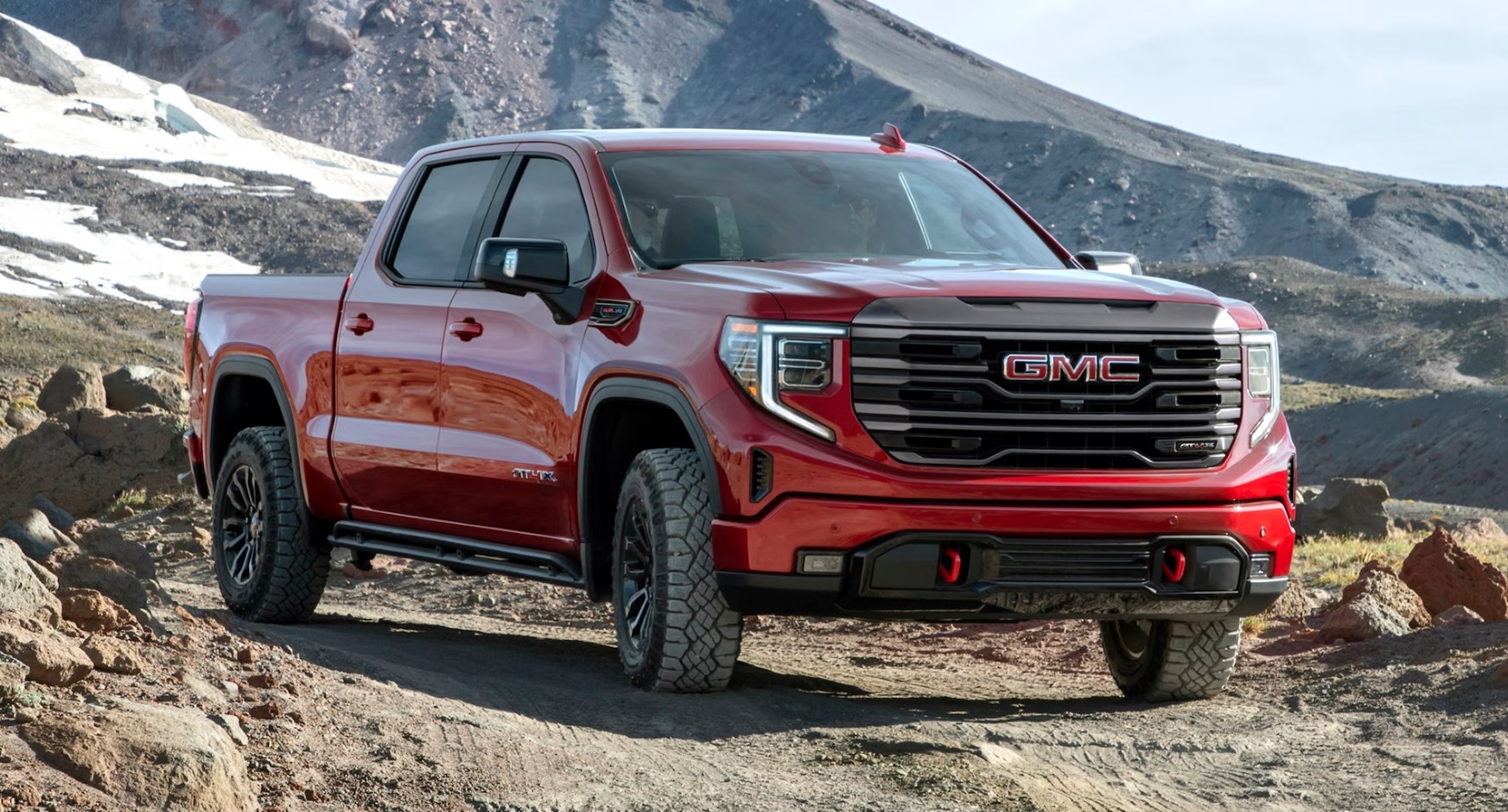
General Motors is recording its strongest year-to-date U.S. fleet sales since 2019, with commercial pickup demand and government purchases helping the automaker build momentum.
The performance stands out because GM’s wider U.S. deliveries declined during the third quarter, showing how fleet customers are providing an important source of demand even as retail conditions vary.
Full-size pickups account for about one-third of GM’s fleet business, and the company says commercial demand has driven record year-to-date deliveries of these trucks.
Government orders have also reached their highest level for the first nine months of a year since 2012. The results arrive as GM prepares redesigned Chevrolet Silverado 1500 and GMC Sierra 1500 models for a phased launch.
Fleet Sales Provide Strength While Retail Deliveries Face Pressure
GM’s fleet business achieved its best year-to-date sales performance since 2019, according to the company’s October 2026 update. In the first half of the year, fleet sales increased 12% compared with the same period in 2025.
GM also reported that its second-quarter fleet sales rose 16%, supported by demand from commercial and government customers. The company’s third-quarter update said it remained the industry’s fleet-sales leader in both the quarter and the year-to-date.
The company’s third-quarter financial filing provides further context. Fleet deliveries reached 853,000 vehicles globally during the first nine months of 2026, compared with 775,000 in the same period a year earlier. Fleet sales represented 20.7% of GM’s total vehicle sales, up from 17% in the first nine months of 2025.
The figures cover GM’s global fleet business, so they should not be confused with U.S.-only fleet sales. The U.S. performance is separately described by GM as its strongest year-to-date result since 2019.
Individual buyers often focus on monthly payments, interest rates, insurance costs, and incentives. Commercial operators make decisions based on utilization, operating expenses, vehicle availability, payload requirements, and the ability to keep vehicles working.
A contractor, energy company, or delivery operator may need multiple trucks to support daily operations, making fleet orders less dependent on the same shopping patterns as private retail purchases.
GM Global Vice President Ian Hucker said demand from commercial customers in stronger sectors, including oil and gas, has contributed to the increase. Rather than distributing limited production evenly across every customer group, GM is directing supply toward industries where demand is strongest.
That strategy can help protect factory utilization and sales volume, although it also means buyers in weaker sectors may face less availability or longer waits.
The government business is another important contributor. GM recorded its highest number of deliveries to government customers in the first nine months of a year since 2012. State and local government orders were particularly important, according to Hucker.
GM has expanded its fleet field team to strengthen relationships with public-sector buyers, while improved availability of the Chevrolet Tahoe has helped the company address a previous supply constraint.
Police departments, municipal agencies, and other public bodies often require vehicles suited to specific operational roles, so availability and the ability to configure vehicles for those jobs can influence purchasing decisions.
Full-Size Pickups Remain Central to GM’s Fleet Strategy
Pickups account for approximately one-third of GM’s fleet business, making the Chevrolet Silverado and GMC Sierra central to its commercial strategy. GM says year-to-date full-size pickup sales to fleet customers reached a record.
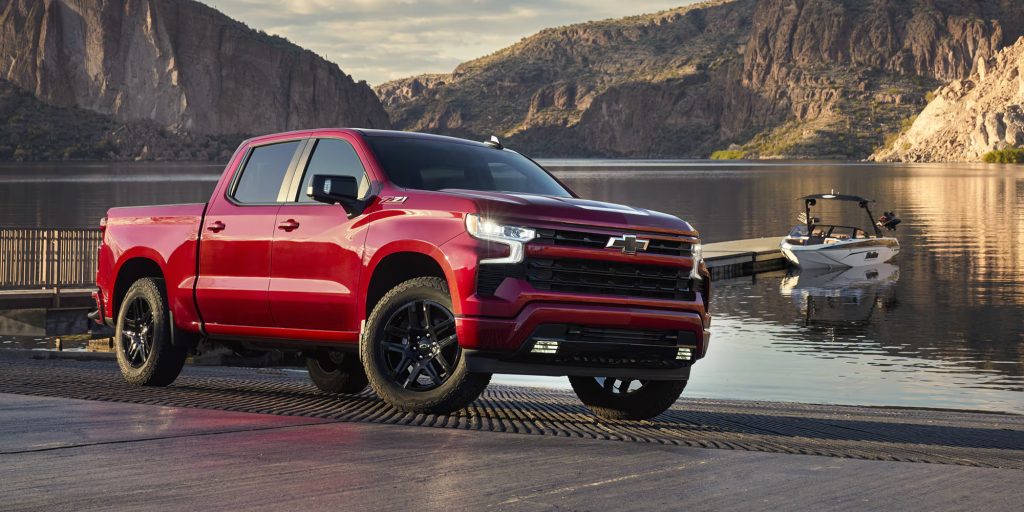
Its second-quarter update also identified the strongest first-half full-size pickup fleet sales in the company’s history. Commercial customers in industries such as construction, energy, agriculture, and infrastructure rely on trucks for towing, carrying equipment, and reaching work sites.
GM’s wider pickup performance provides additional context. In the third quarter, the company said its full-size pickup sales increased compared with the same period in 2025, while light-duty pickup sales rose 9%.
The Chevrolet Silverado and GMC Sierra remain important retail products as well as fleet vehicles. Their combined scale gives GM a broad customer base, but commercial buyers often have different priorities from private owners.
Fleet managers may emphasize durability, service access, payload, towing capability, and total cost of ownership over premium interior options.
The company is preparing redesigned 2027 Chevrolet Silverado 1500 and GMC Sierra 1500 models, with production ramping up through 2027. GM plans a phased rollout, starting with crew cab versions, followed by regular cab and double cab configurations.
This sequence is intended to provide dealer launch inventory, display vehicles, and demonstration trucks while continuing to supply commercial customers.
Maintaining fleet availability during a model change is important because businesses often replace vehicles according to planned schedules rather than waiting for a new generation to arrive.
Using multiple manufacturing facilities to support the transition gives GM more flexibility, but a redesign still creates execution risks. Production lines must be prepared for new parts and processes, suppliers need to deliver components on schedule, and workers must be trained for updated assembly procedures.
If the rollout is disrupted, both retail dealerships and fleet customers could experience delays. GM’s phased strategy is intended to reduce that risk by managing the introduction in stages rather than switching every configuration at once.
What the Fleet Momentum Means for GM
Fleet growth is especially relevant because GM’s total U.S. sales declined in the third quarter. The company delivered 670,974 vehicles in the United States during the period, down 6% from 710,347 a year earlier.
The decline reflected a smaller electric-vehicle market and discontinued models, while the company said demand for its highest-volume vehicles remained strong. Against that backdrop, fleet sales offer a source of resilience and help explain why GM can report a strong fleet year even when total deliveries are lower.
Fleet customers also create opportunities beyond the initial vehicle sale. GM said OnStar Fleet subscriptions reached 2.4 million in the third quarter, up 27% year over year.
The company also launched OnStar Fleet Intelligence, a platform using vehicle data and connected services to help businesses manage their vehicles.
Fleet operators can use connected tools for vehicle visibility, diagnostics, and maintenance planning, potentially reducing downtime and improving the efficiency of large vehicle groups. These services give GM a continuing relationship with customers after trucks and SUVs are delivered.
The financial value of fleet sales depends on more than volume. Large contracts can support production planning and factory utilization, but automakers must balance discounts, vehicle specifications, service commitments, and resale considerations.
GM reported that its consumer incentives averaged about 4.7% of suggested retail price in the second quarter, below the industry average of 6.3%. That figure refers to consumer incentives, not a direct measure of fleet discounts, and should not be used to assume that every fleet sale carries the same pricing.
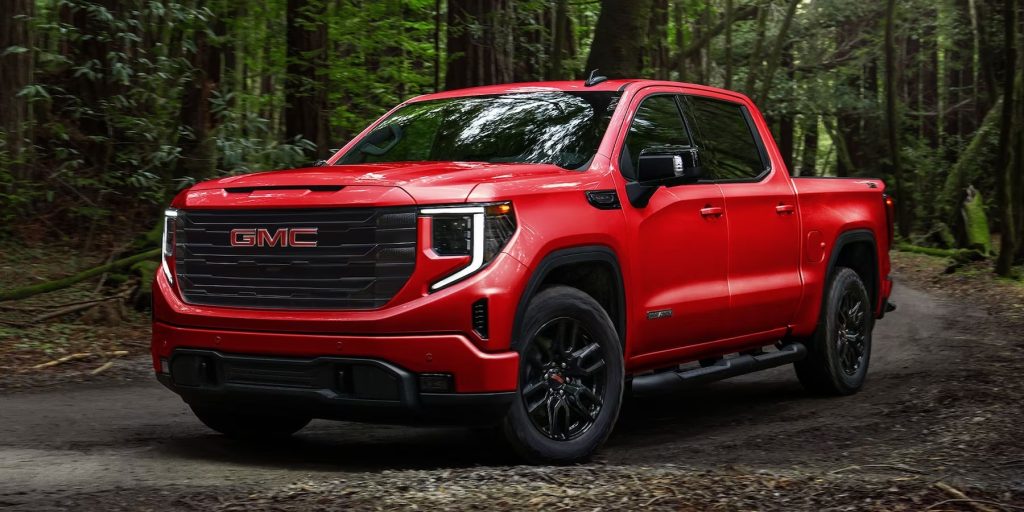
GM’s strategy also reflects the importance of keeping its strongest commercial products available during a major model transition. Full-size pickups remain a core part of its business, while government demand adds another customer base with recurring replacement needs.
The redesigned Silverado and Sierra will have to preserve the capabilities that commercial operators value while introducing the improvements expected from a new generation.
Retail affordability, changing EV demand, production costs, and competition will continue to influence results. The next test will be whether GM can carry its fleet momentum into 2027 while launching its redesigned pickups without interrupting supply. If it succeeds, commercial trucks and government contracts could remain an important stabilizer for its U.S. operations.