Getting into a vehicle should feel natural, not like a daily workout. Some cars require you to climb up, while others make you bend down. The most comfortable options allow you to slide straight into the seat with minimal effort. This matters especially for older drivers, people with stiff joints, parents carrying children, and anyone who values everyday convenience.
J.D. Power’s APEAL studies and automotive ergonomics research highlight the importance of hip height, which helps determine how easily occupants enter and exit a vehicle. Here are 11 vehicles recognized for their accessible seating positions and practical door designs, with approximate step-in measurements to help you compare your options.
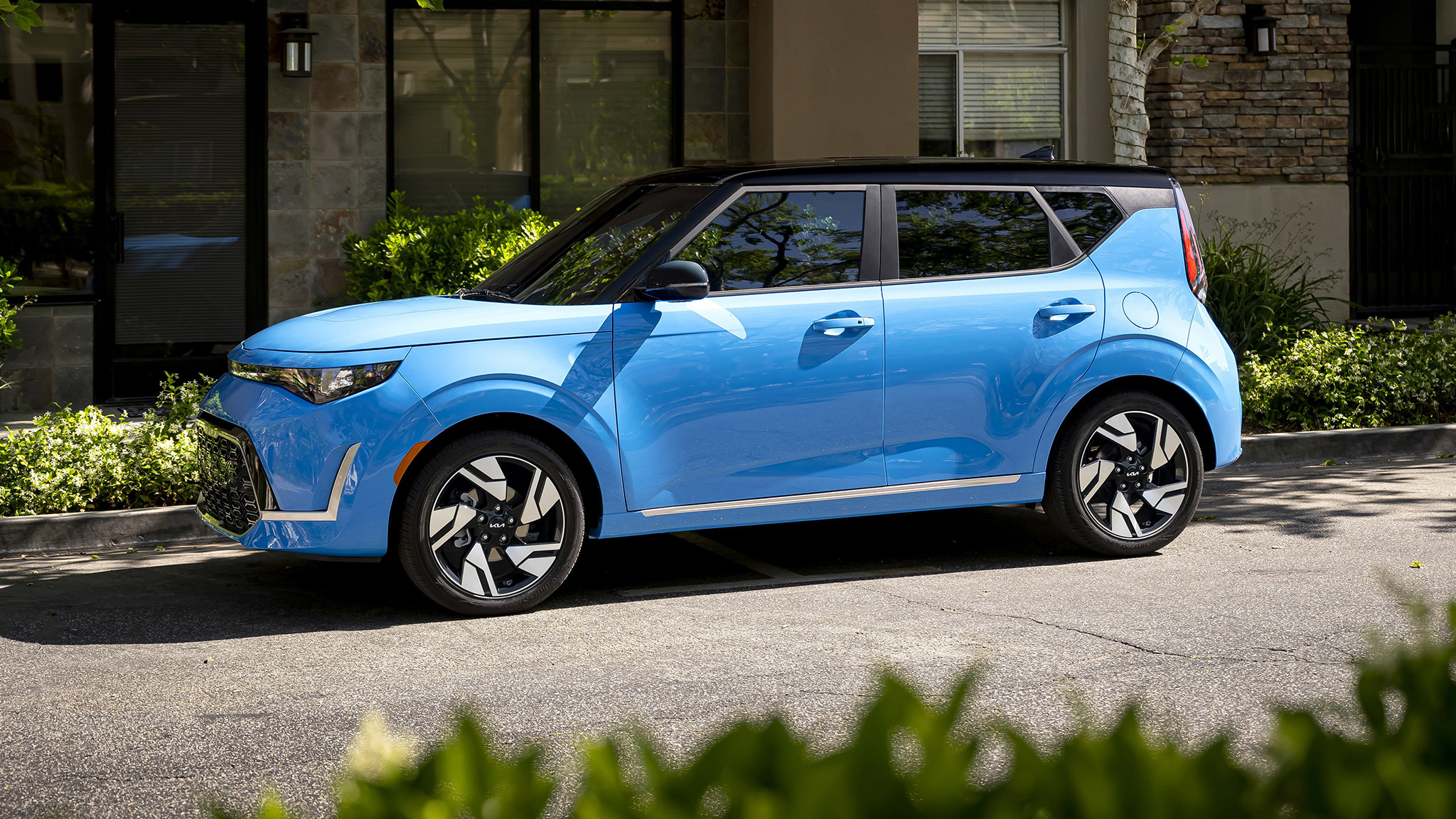
1. Kia Soul
The Kia Soul stands out for its boxy design, which provides generous headroom and wide door openings for easier entry and exit. Its upright body shape allows occupants to get inside without bending excessively or squeezing through a narrow entrance.
With an approximate step-in height of 15 to 16 inches, the seating position feels natural for many adults. Drivers can approach the door, turn toward the seat, and slide inside without having to climb up or lower themselves too far.
This makes everyday use more comfortable, particularly for people who enter and leave their vehicles frequently.
The upright door frames also provide extra head clearance, which taller passengers may appreciate. Inside, the Soul offers practical passenger space, accessible controls, and a straightforward cabin layout.
Despite its compact exterior dimensions, the vehicle makes good use of its interior space. Its manageable size also makes parking and driving through busy areas easier.
For drivers who value convenient access, the Kia Soul offers a useful combination of comfortable seating height, generous door openings, and practical cabin design.
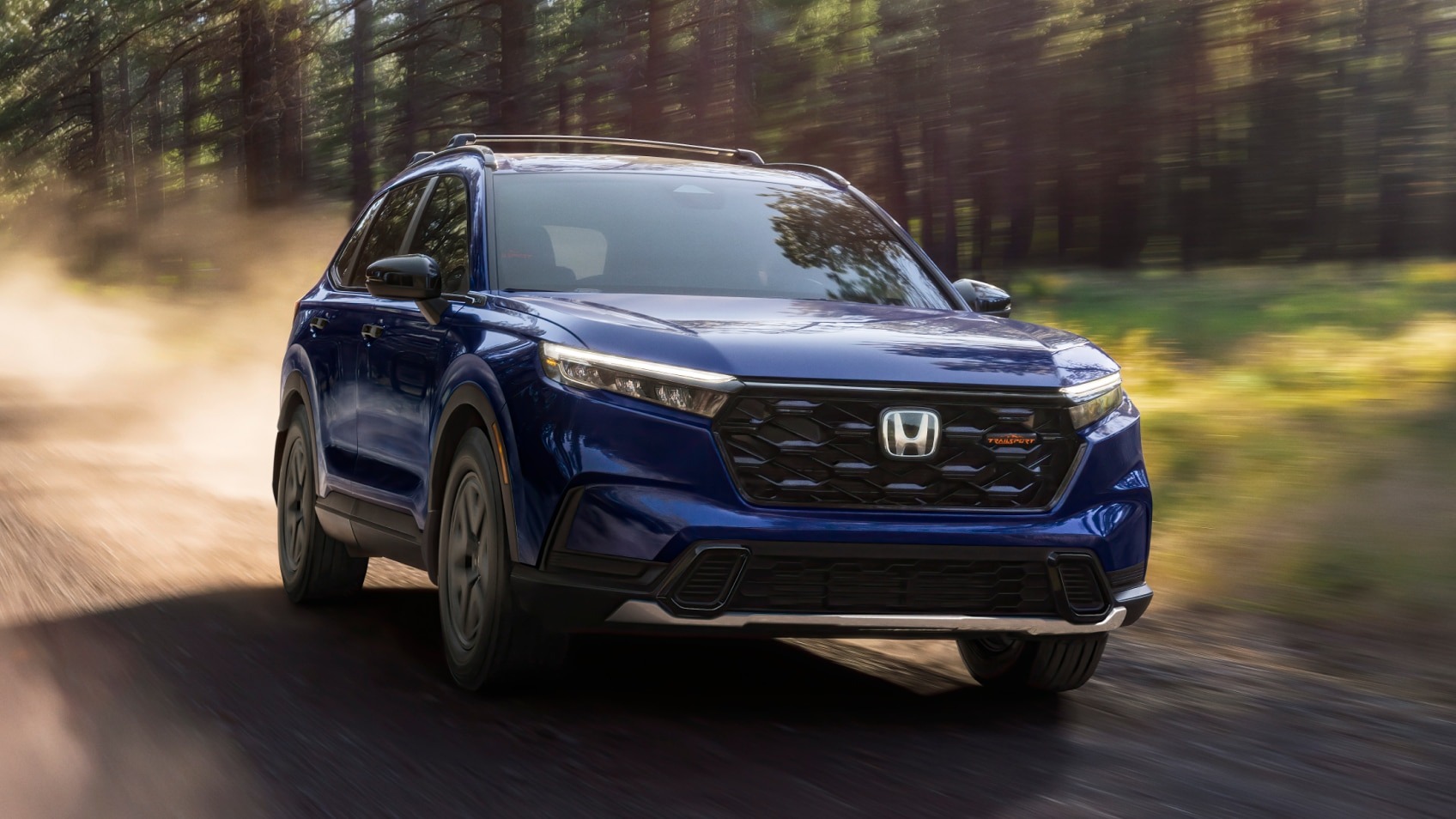
2. Honda CR-V
The Honda CR-V is regarded as the benchmark compact SUV for entry ergonomics, with a step-in height of about 16 inches. Benchmark is a big word, and it means other automakers measure themselves against it.
Three details earn the praise. The door handles are low-effort, so you do not need a firm tug to open them. The door opening is square, which leaves generous room for your head and shoulders
And the CR-V sits at a neutral height that avoids straining the knees, since you are neither lifting your legs high nor lowering yourself far.
Each detail sounds small. Together they make the first three seconds of every drive smoother, which is a lot of seconds across a year of ownership.
Here is a simple way to judge any compact SUV against the CR-V. Park the two side by side if you can. Open the doors and compare the handle effort, the shape of the opening, and how far your knee travels as you sit.
If you cannot feel a difference, great, you have another strong candidate. If you can, trust your body, because it is measuring things no brochure lists.
Remember that sizes and details can change when a model is redesigned, so check the exact model year you plan to buy. A quick visit to a dealer lot costs nothing and answers the question in minutes.
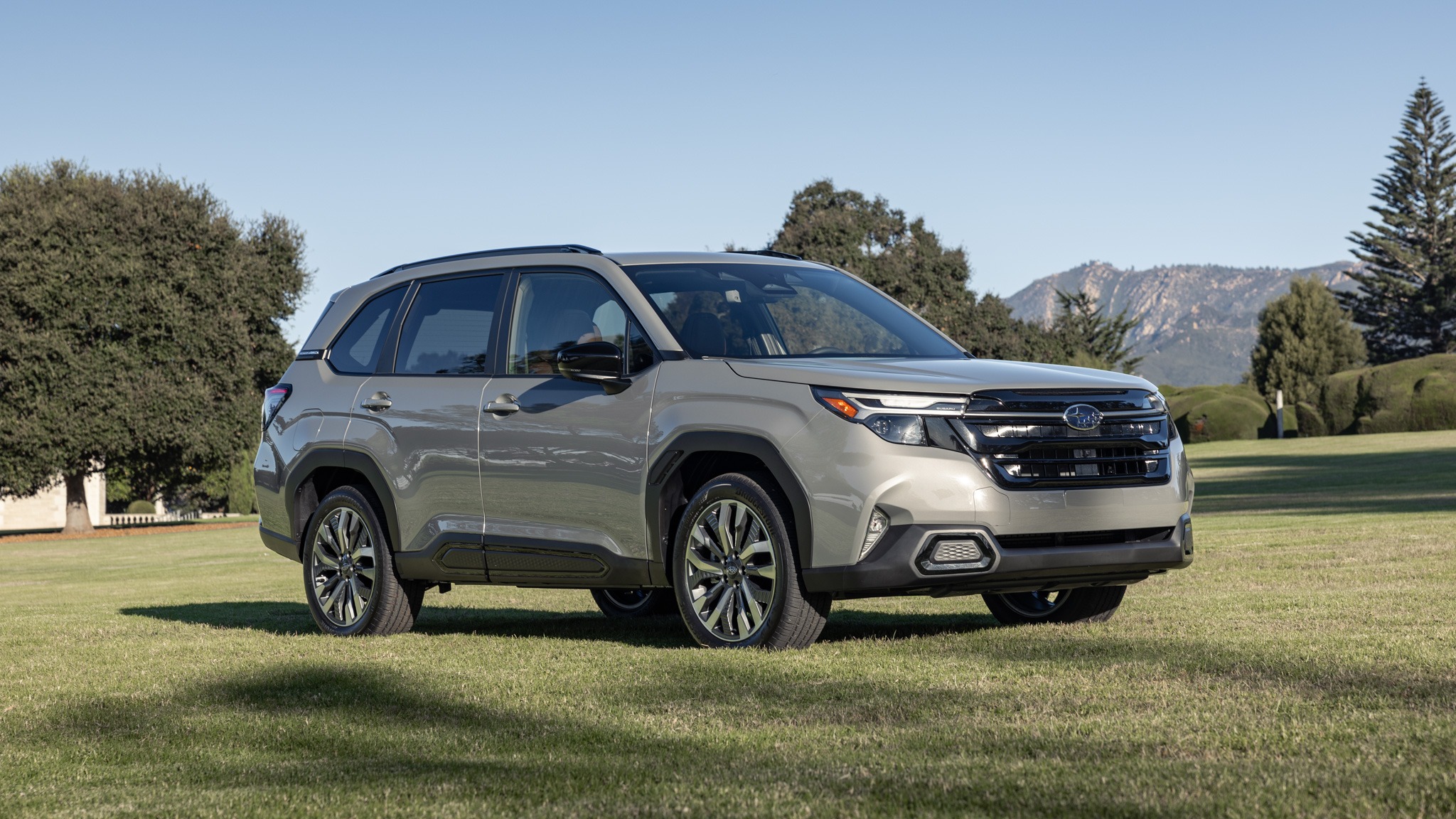
3. Subaru Forester
Imagine a tall passenger in a cowboy hat, a toddler in a car seat, and an older relative with a cane, all heading toward the same vehicle.
The Subaru Forester is the one that makes everyone smile. Its step-in height is about 16.5 inches, and it is noted for wide, exceptionally tall doorways and lower door sills.
Owners highly rate its ease of entry because the roofline stays flat instead of sloping down toward the back. That means no ducking, no stooping, and no bonking your head on the way in. The tall openings also help when you are leaning in to buckle a child or set a bag on the seat.
Lower sills matter too. A sill is the ledge you step over, and a lower one means less lifting for your foot and less dirt on your pant leg.
When you visit a dealer, bring the tallest person in your household. Have them climb in and out several times, and watch their head and shoulders as they go. Then try the back seat, since rear doors are where many SUVs get tight.
Flat rooflines can look plain to some shoppers, but daily comfort beats flashy styling most days. If your body is happier in the Forester, your car is doing its job.
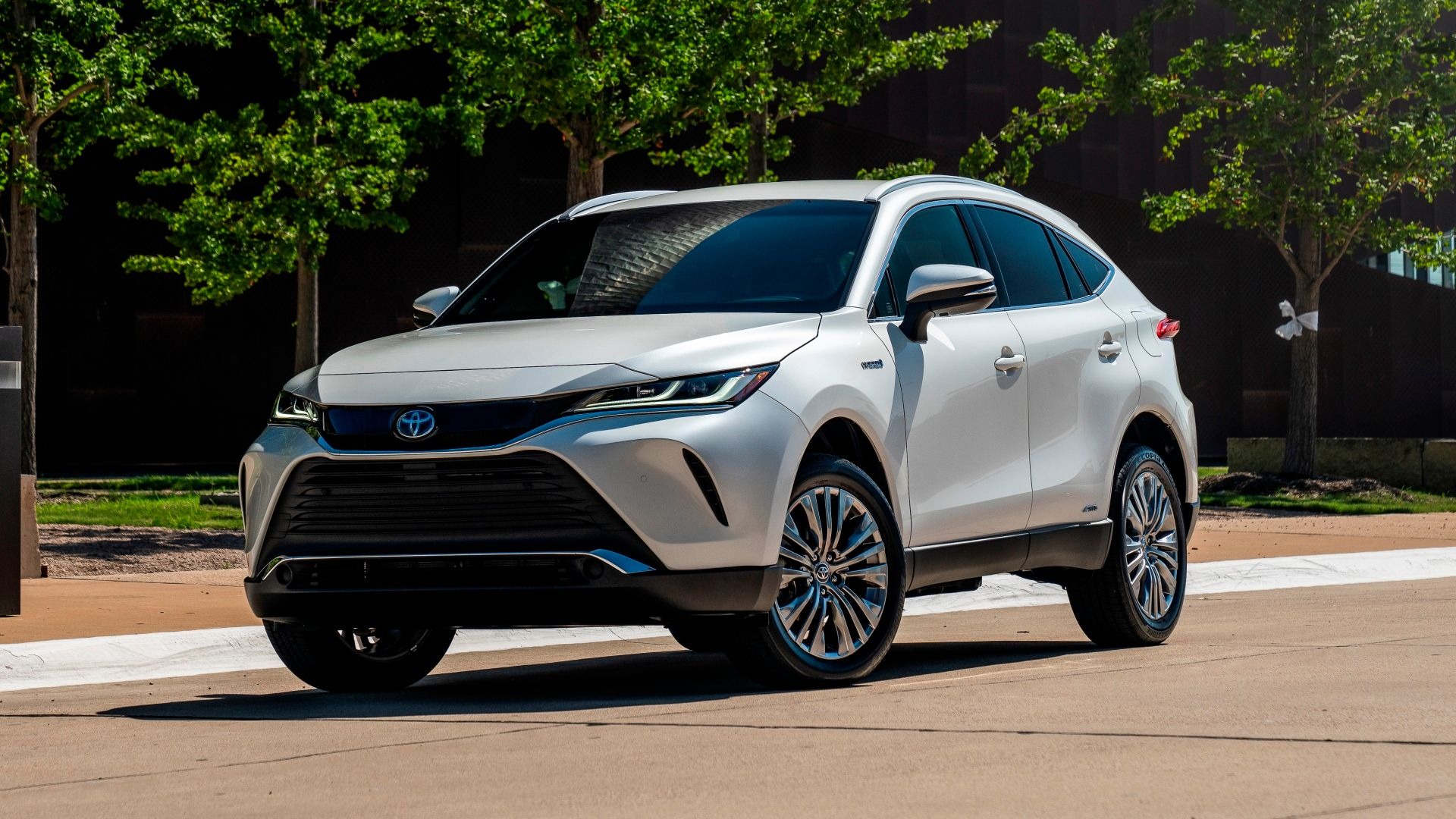
4. Toyota Venza
Ever heard the phrase hip height? It is the idea behind the Toyota Venza, and the source says the Venza was engineered explicitly around biomechanical seating at that height. Its step-in height is about 16.5 inches.
So what does hip height actually mean? Think about the motion of sitting down. You stand beside the car, turn, and lower your body onto the seat.
If the seat is too low, you drop and strain your thighs. If it is too high, you hoist yourself up like climbing onto a stool. Hip height aims for the middle, where the seat meets you almost exactly where your body expects it.
The result is a transition from standing to sitting that requires minimal vertical drop. In plain English, you barely move up or down. That is great news for anyone with stiff joints, and it makes a quick trip to the store feel less like a workout.
Want to test it? Stand next to the seat and notice where it lines up on your body. Then sit and see whether your hips, knees, and back all agree. If your body says yes, the Venza’s design is working for you.
Comfort is personal, so let your own hips vote.
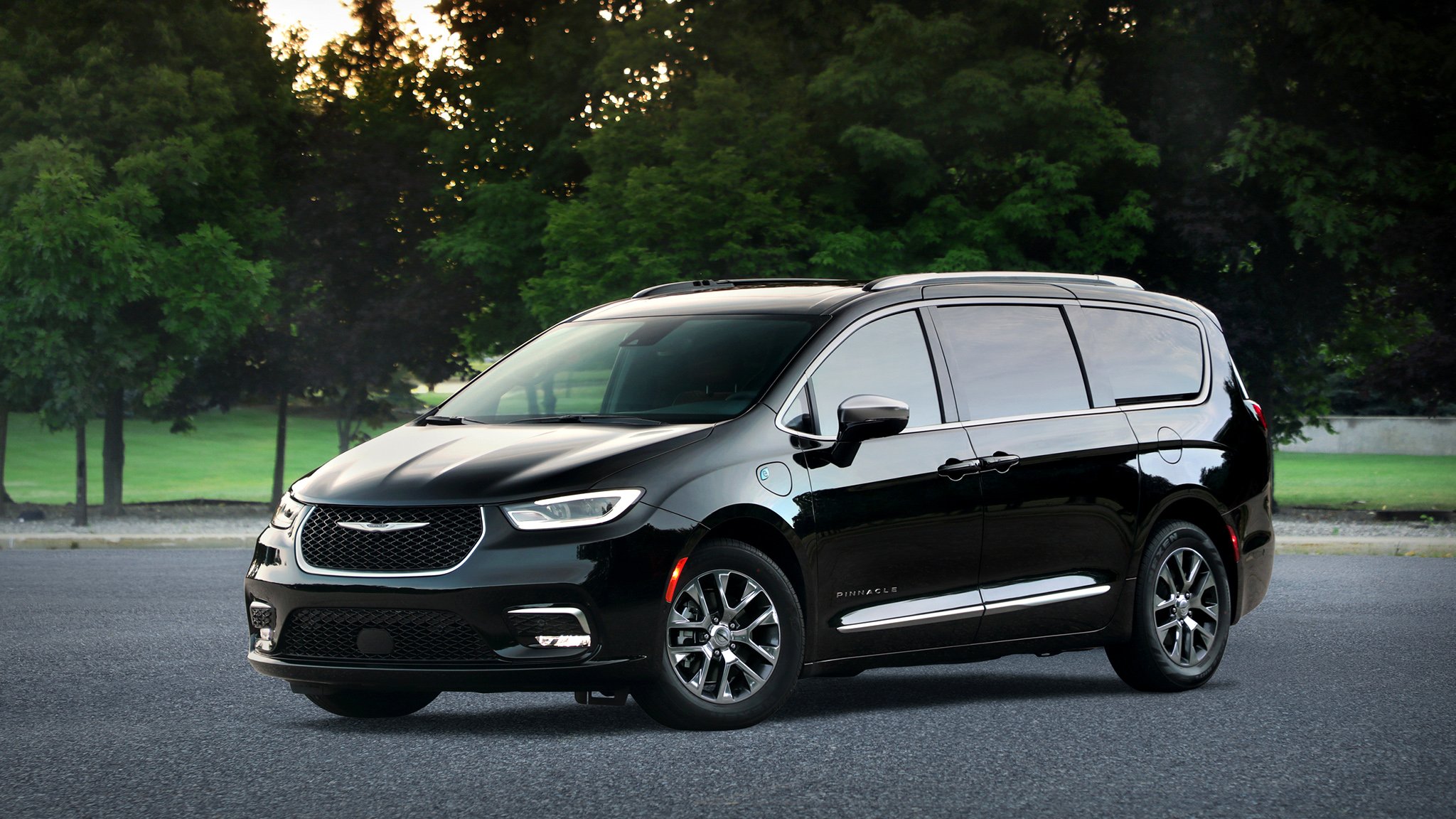
5. Chrysler Pacifica
Parents, this one is for you. The Chrysler Pacifica has a step-in height of about 14 to 15 inches, one of the lowest on this list, and minivans routinely sweep APEAL practicality ratings for entry.
The recipe is clever. A very low floor structure keeps the step small, while an exceptionally high ceiling gives you room to stand tall once you are inside.
Wide sliding doors add the final touch, letting you reach every seat without swinging a heavy door into a neighboring car in a tight parking lot.
Think of a typical school morning. One arm holds a backpack, the other holds a child, and a coffee is balanced somewhere in between.
A low step and a wide opening take a lot of stress out of that scene. You can lean in, buckle a car seat, and step back without twisting.
Sliding doors help older passengers, too. Grandparents often find the big step and tall seat of an SUV tiring, and a minivan removes both.
Before you decide, bring your actual car seats to the lot and install them. See how much room you have to reach the buckles, and check how easily the door glides open on a slight slope.
Practical wins like these rarely make headlines, but they shape daily happiness.
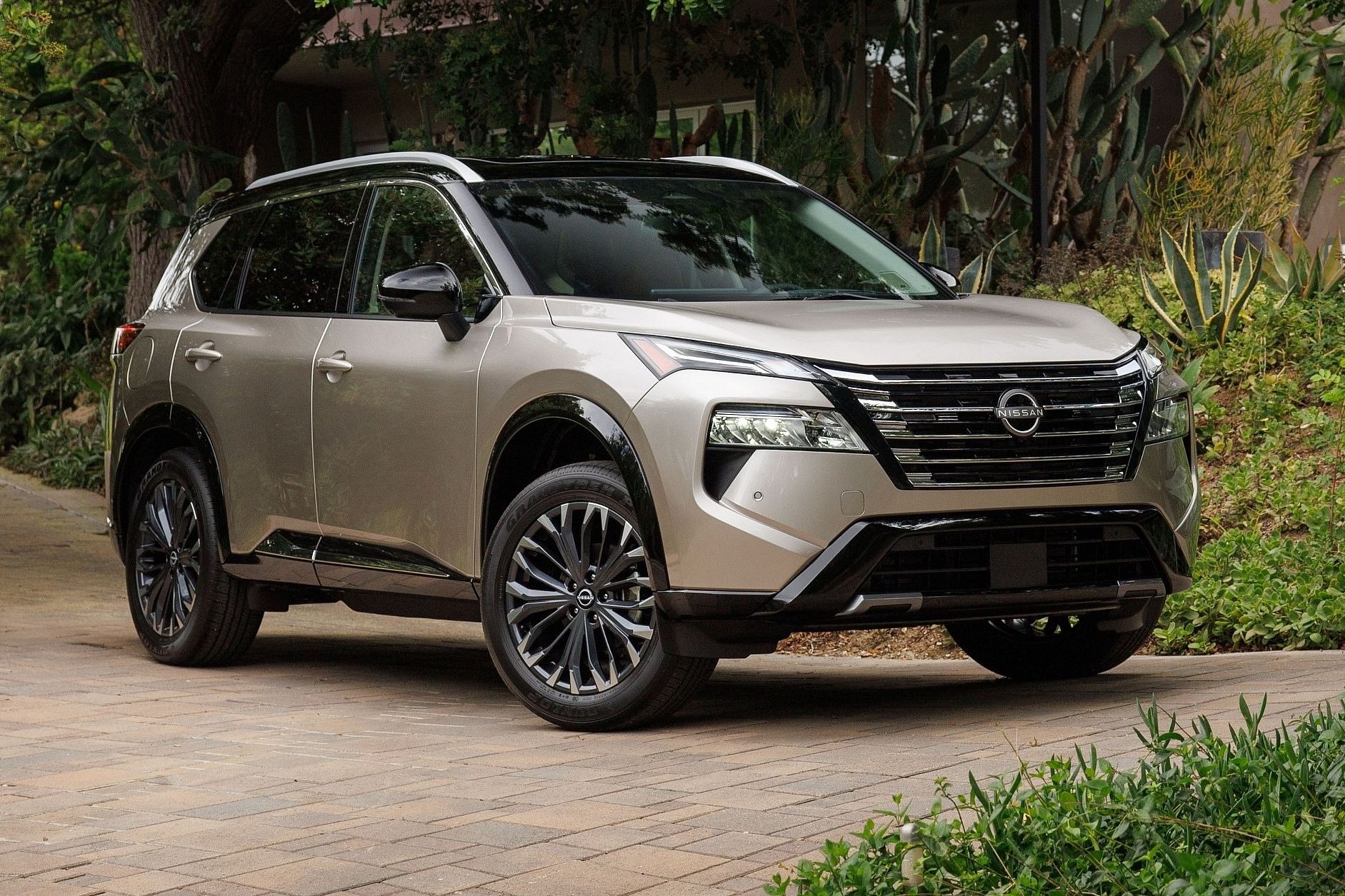
6. Nissan Rogue
A comfortable seat height is useful, but the size of the door opening can be just as important. The Nissan Rogue addresses both considerations with an accessible seating position and rear doors designed to provide generous entry space.
Its approximate 17-inch step-in height gives occupants a moderately elevated seating position. This helps reduce the amount of bending required compared with many traditional sedans, while avoiding the climbing effort associated with some larger SUVs.
One of the Rogue’s useful design features is its wide-opening rear doors. They can open to nearly 90 degrees, depending on the model and conditions, providing additional room for passengers entering or leaving the vehicle.
This is particularly helpful for parents installing child seats or helping younger passengers climb inside.
The generous door opening also benefits adults who need more room to move their legs. Rather than twisting awkwardly around a narrow entrance, passengers have additional space to position themselves before sitting down.
Inside, the Rogue provides a comfortable cabin with supportive seating and useful storage compartments. Its passenger-friendly layout makes it suitable for commuting, family transportation, and longer road trips.
The cargo area also provides practical space for shopping bags and travel equipment.
For shoppers comparing compact SUVs, the Rogue offers a combination of convenient door access and a comfortable seating position.
Its design shows why entry comfort depends on more than the distance between the ground and the seat. Door width, opening angle, and available legroom all contribute to an easier experience.
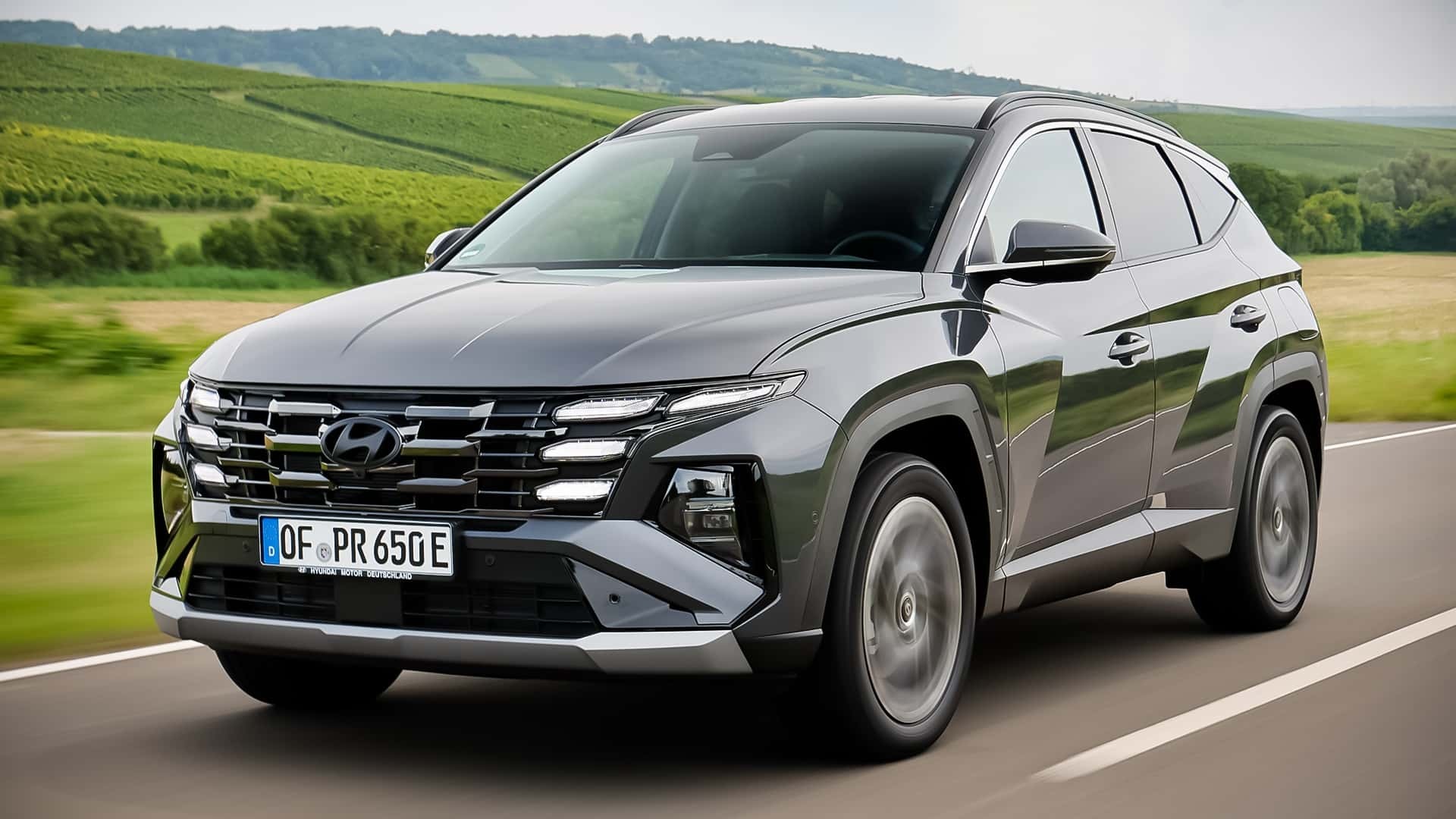
7. Hyundai Tucson
Not all SUVs sit the same way. The Hyundai Tucson has a step-in height of about 17 inches, and the source credits its car-based platform.
That platform sidesteps the thick, elevated side rails found on truck-based SUVs, which can feel like stepping over a curb every time you climb in.
According to the source, its step-in profile also matches the natural two-thirds ratio of an average walking stride. That is a nice claim, and it deserves a little caution since it is a general description, not a measurement you can check yourself.
But the idea makes sense. A step that resembles your normal stride feels natural, while a step that is too high or too low feels awkward.
So how do you check it? Walk up to the Tucson and pay attention to your first move. Do you lift your foot a little, a lot, or hardly at all? Does your leg feel like it is walking or climbing?
Compare it with a truck-based SUV on the same day if you can. The difference in the side rails is often easy to see and feel.
Car-based design brings a lower, friendlier approach to everyday SUV life. For many shoppers, that is exactly the point.
8. Honda Odyssey
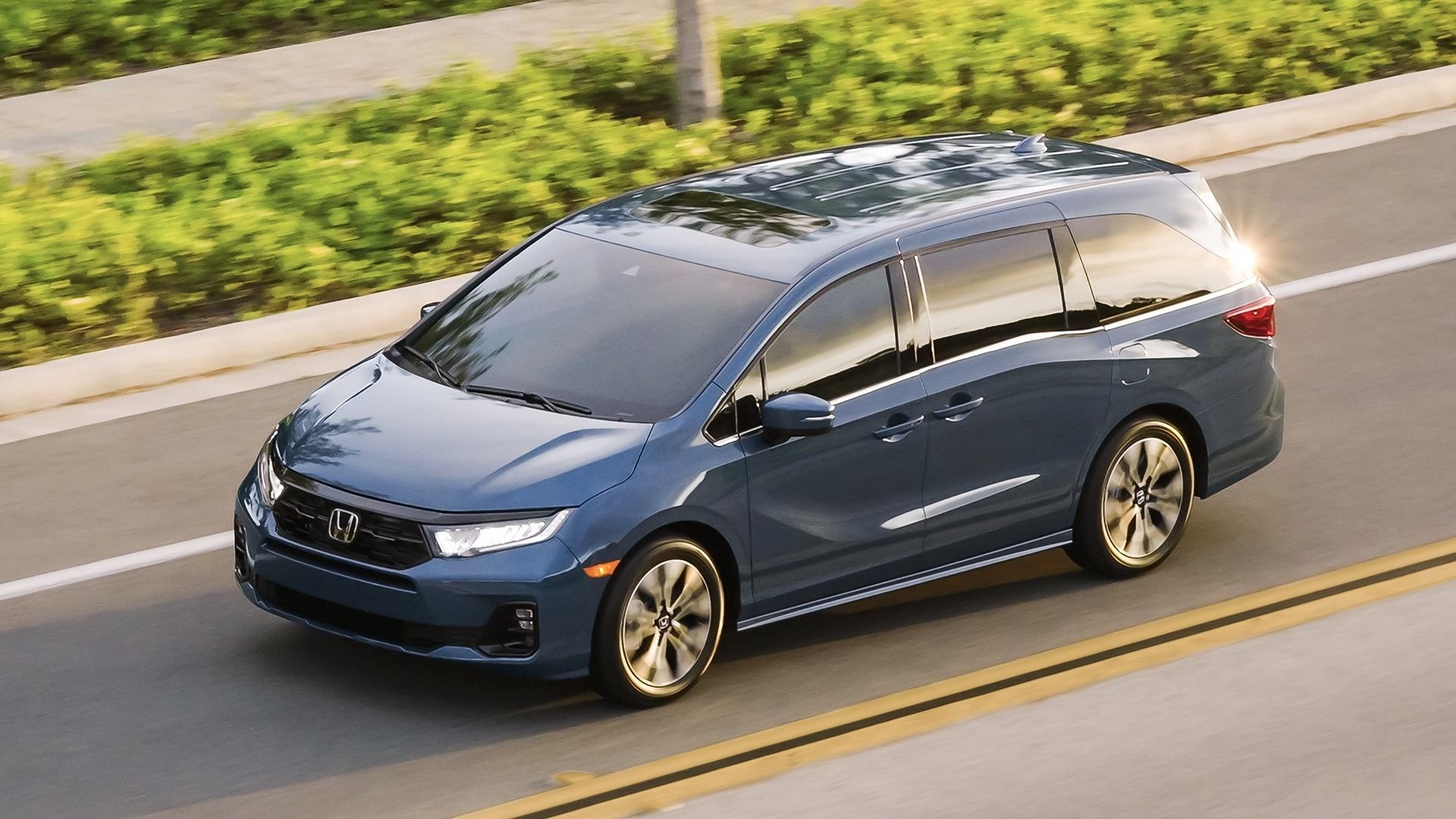
The Honda Odyssey has been designed around passenger convenience, and its approximately 15-inch step-in height helps make getting inside less demanding.
As a family minivan, it must accommodate children, adults, and passengers who may need additional assistance when entering or leaving the vehicle.
Its low floor is one of its strongest practical features. Instead of requiring occupants to climb onto a high platform, the Odyssey provides an entrance that allows passengers to step inside with relatively little effort.
The generous cabin height also gives occupants room to move comfortably after entering.
Wide sliding doors add another layer of convenience. They create a large entrance area and make it easier to access the rear seating rows.
Parents can appreciate the additional room when securing child safety seats, while older passengers benefit from having more space to position their feet and legs.
The flat floor design also helps passengers move between seating positions. This is particularly useful in a vehicle that regularly carries several occupants. Generous toe room makes it easier to position your feet without feeling restricted.
Inside, the Odyssey provides a spacious passenger compartment with flexible seating and useful storage. Its family-oriented features support everyday activities, including school transportation, shopping trips, and longer vacations.
For households that regularly carry several passengers, the Odyssey offers a practical combination of accessible entry, generous interior space, and convenient seating arrangements.
Its low step-in height is a major reason minivans remain attractive to families who value ease of access.
9. Toyota Camry
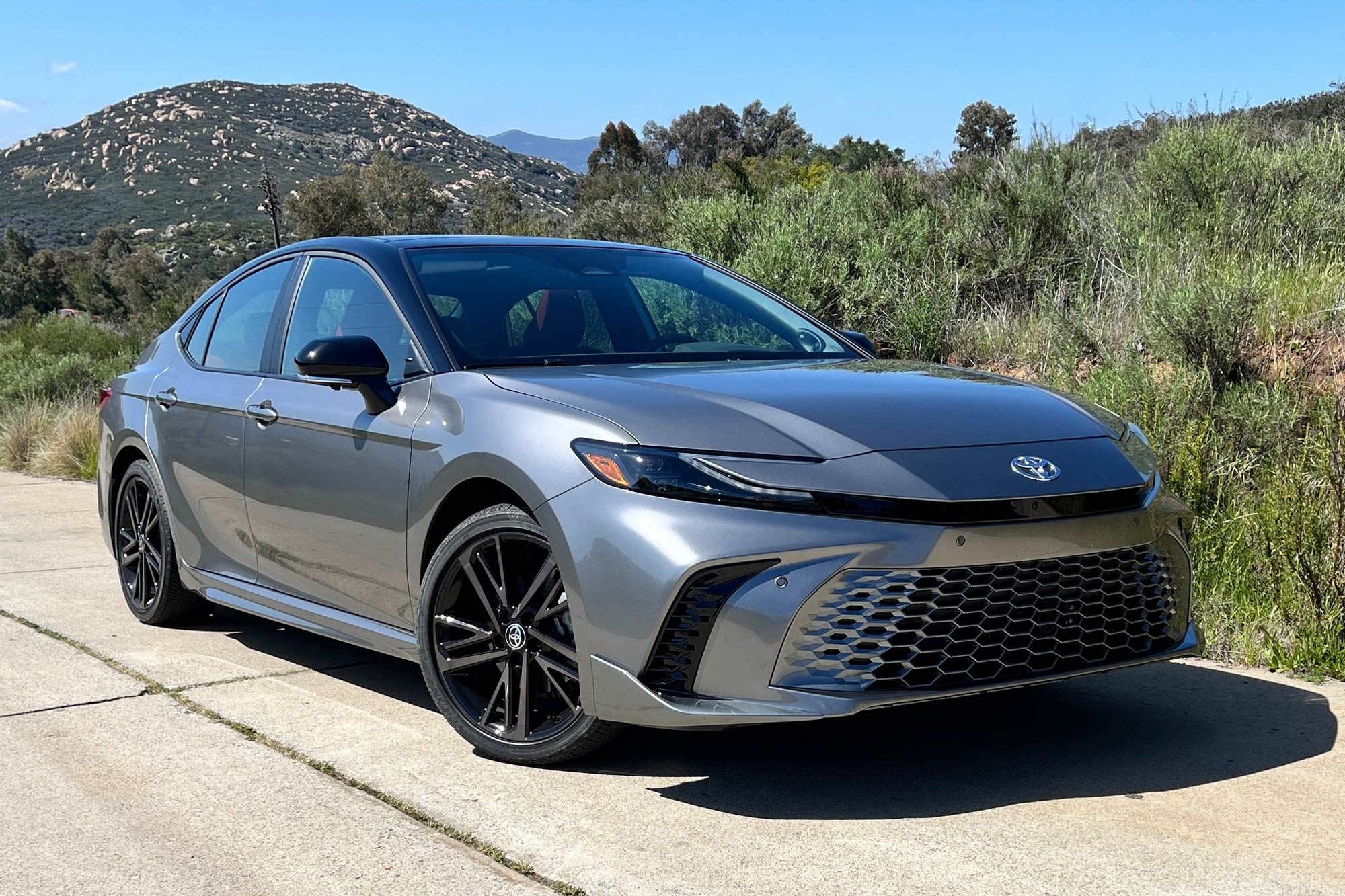
Some drivers prefer a traditional car stance, and the Toyota Camry is their reliable friend. Its step-in height is about 14 inches, the lowest on this list, so you sit down into it rather than climbing up.
Low sills are only part of the story. The source also points to exceptionally thin structural pillars, which makes it easy to clear the upper door line without bumping your head. Thinner pillars mean a bigger opening, so you can duck under less and see more.
There is a trade-off, of course. A low car puts you closer to the road, and some drivers like the high view of an SUV. But for people who value an easy, natural entry, a sedan may be the friendlier choice, especially for those who find tall step-ups tiring.
Here is a good test. Sit down and then stand up, five times in a row. Notice how your knees and back feel. Do it again in an SUV and compare. A car that feels easy once may feel even better after the fifth time.
The Camry shows that you do not need a tall vehicle for comfort. Sometimes a well-designed sedan fits the human body better than anything else on the lot.
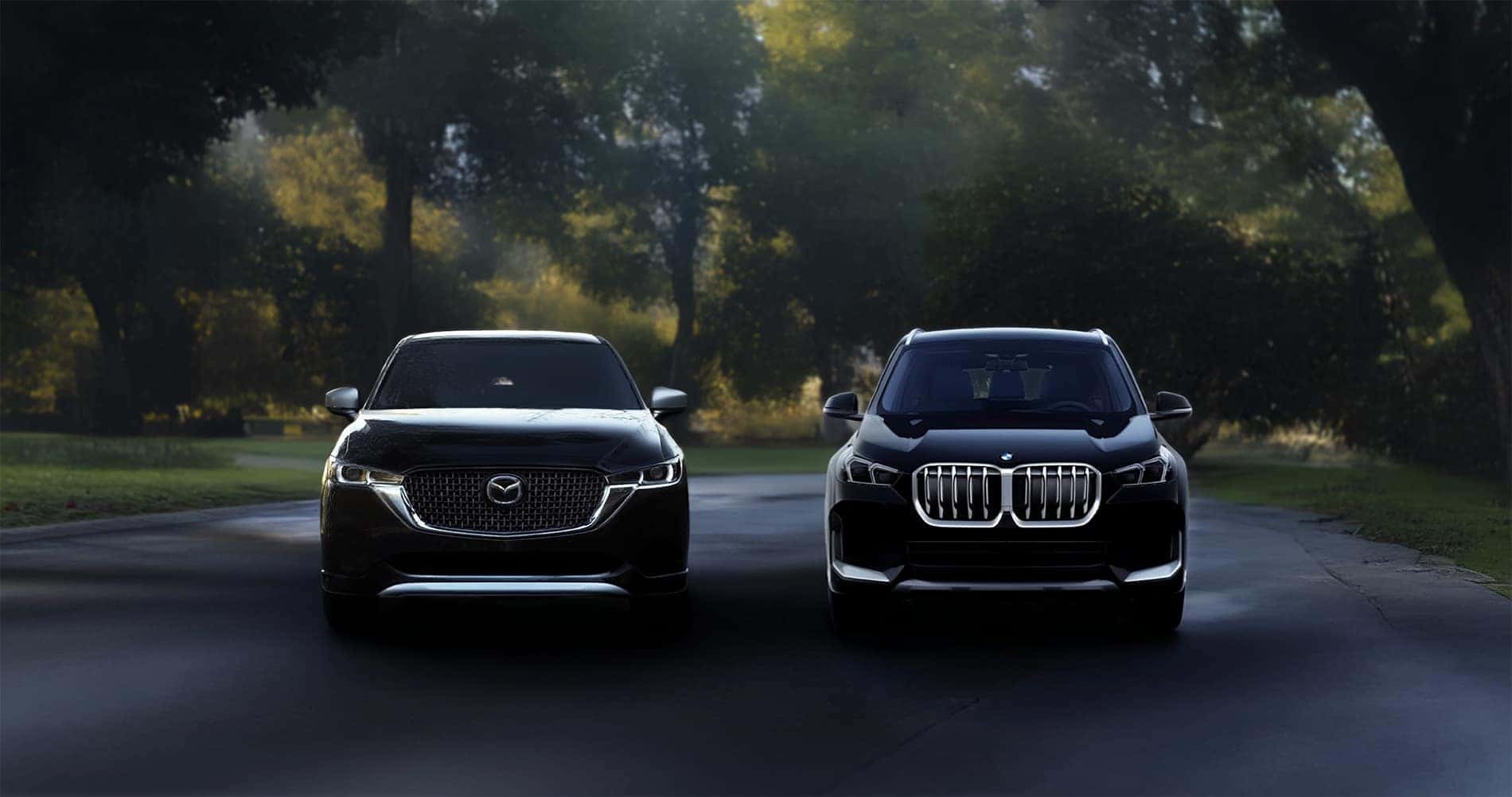
10. Mazda CX-5
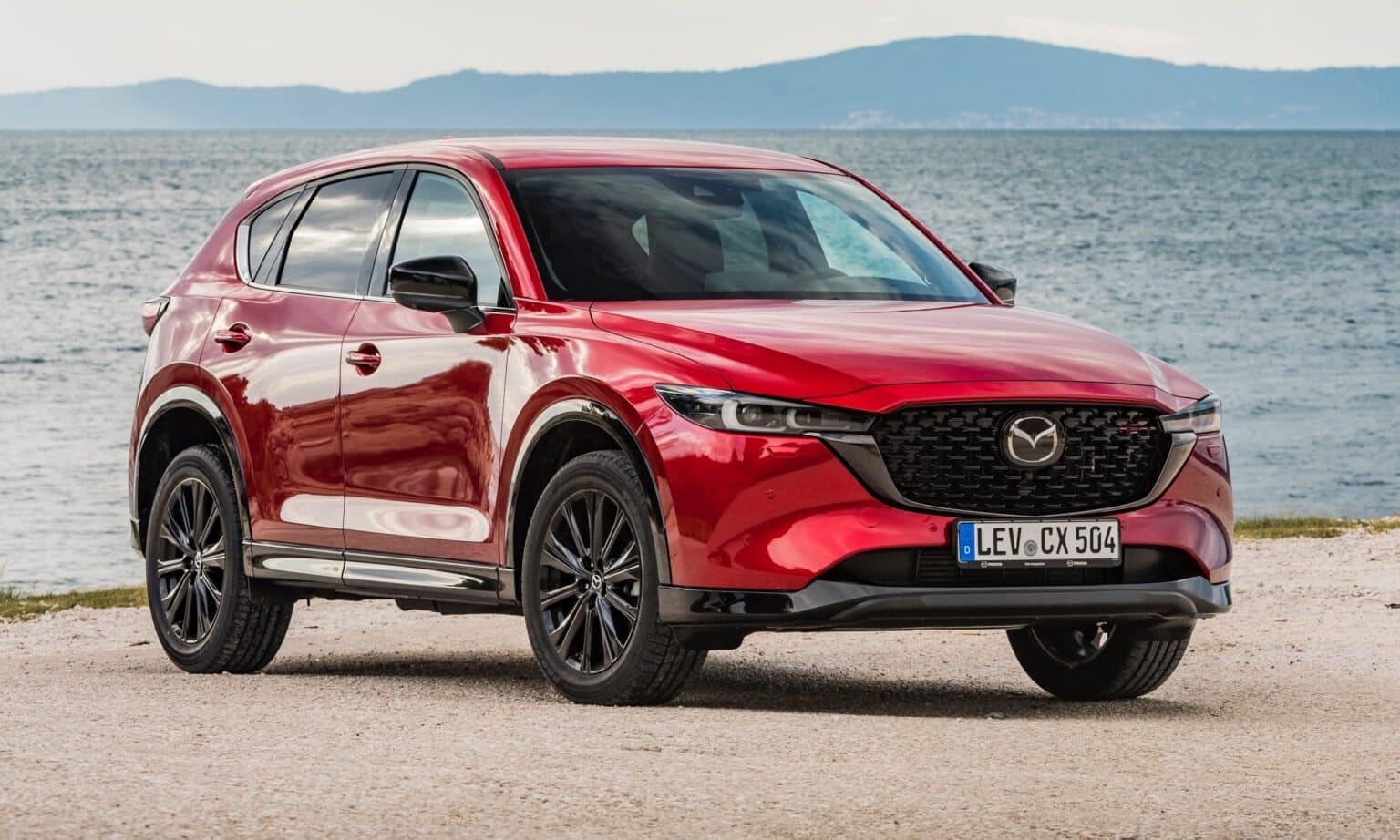
Look closely at a seat, and you will see something most shoppers miss. The Mazda CX-5, with a step-in height of about 17 inches, is celebrated for driver-focused ergonomics and tailored seat bolsters that do not present a rigid lip to climb over during entry and exit.
Bolsters are the raised side cushions that hold you in place during turns. They are great for support, but on some vehicles they stick out like a speed bump, and you have to lift your leg over them every time. Mazda shapes them so the edge is less of a barrier.
That means you can get in without catching your thigh, and get out without scraping your leg on the way. It is the sort of detail you only notice when it is wrong.
The step-in number is on the higher side of this list, yet owners praise the experience because the seat design helps. Another reminder that one figure never tells the whole story.
When you test drive, slide into the seat slowly and focus on how your legs move. Then slide out. Repeat with another vehicle on the same day. Your body will tell you which seat design is kinder.
A seat should hold you when you drive, and release you gently when you are done.
11. BMW X1
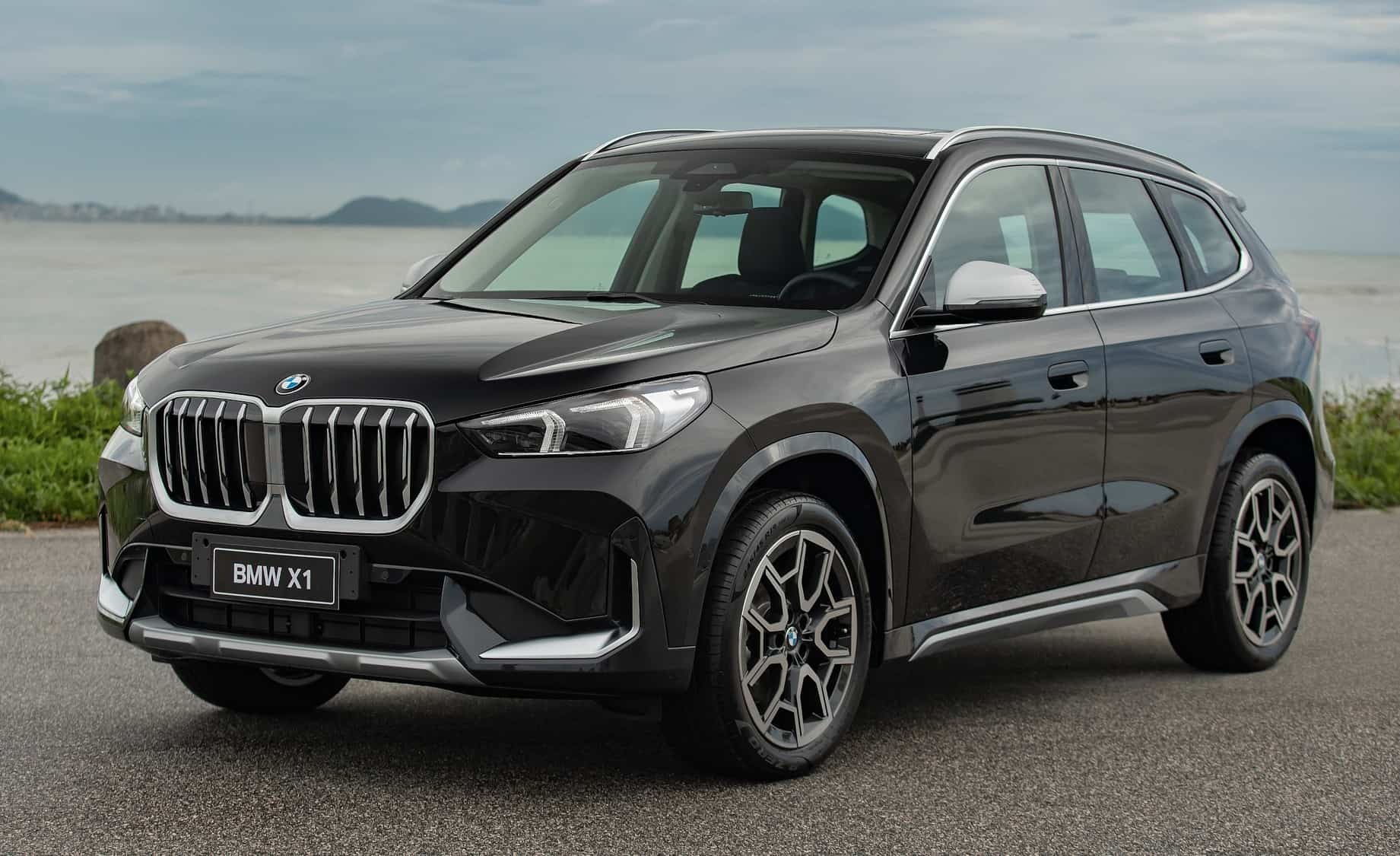
Luxury and easy entry do not always go together, which makes the BMW X1 interesting. Within the luxury subcompact crossover segment, it offers a highly optimized entry geometry, with a step-in height of about 16.5 inches.
The balance is the clever part. The seat tracks sit high enough for excellent visibility, so you can see over traffic and judge your surroundings with confidence. Yet the floor remains low enough for seamless step-in comfort, so getting in does not feel like a climb.
Many shoppers think they must choose between a commanding view and an easy entrance. The X1 aims to give you both. It will not suit everyone, but it shows that careful design can reduce the trade-off.
Subcompact crossovers are also easy to park and maneuver, which pairs nicely with a simple entry. City drivers who hop in and out all day may appreciate the combination.
Here is how to judge it. Sit in the X1, then check the view over the hood and the mirrors. After that, get out and notice how much effort it took. If both feel easy, you have your answer.
Price and features matter, of course, and luxury cars carry luxury costs. But comfort at the door is something you feel every single trip, which makes it worth a spot on your checklist.