
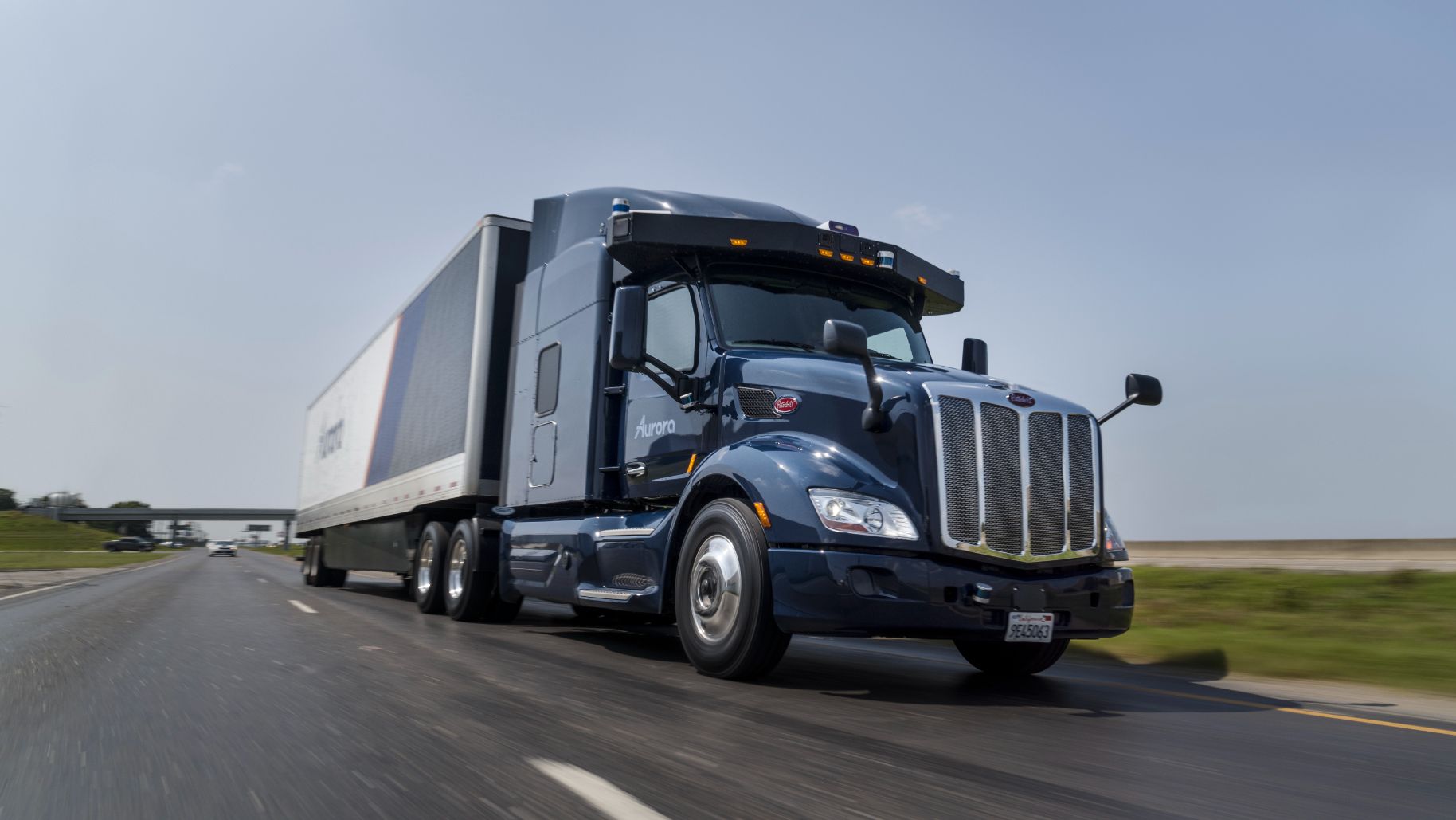
Autonomous trucking is moving closer to large-scale commercial use as Aurora Innovation and Charger Logistics plan to expand their partnership with a potential deployment of 500 driverless trucks across North America.
The agreement focuses on freight transportation along important routes near the U.S.-Mexico border, where cross-border trade creates substantial demand for reliable long-distance shipping.
The plan represents a significant opportunity for Aurora to expand beyond its initial commercial operations and for Charger Logistics to introduce autonomous technology into its transportation network.
However, the proposed fleet will depend on regulatory approvals, technical readiness, infrastructure, and customer demand before the full deployment becomes reality.
A Non-Binding Agreement Sets Out a 500-Truck Expansion.
The agreement is a memorandum of understanding, not a completed purchase order. Charger intends to buy up to 500 tractors equipped with Aurora’s self-driving system, with deliveries expected across 2027 and 2028.
The distinction is important because the companies have yet to secure definitive agreements or binding orders. Aurora cautions that the planned purchase and deployment could be delayed, scaled back, or never completed. The headline figure represents the program’s potential scope, not 500 trucks that have already been ordered or put into operation.
The expansion builds on a relationship that began earlier in 2026. In July, Charger agreed to use Aurora’s second-generation driverless trucks for freight operations starting on the Dallas-to-Laredo corridor in Texas.
The route is one of Charger’s busiest freight lanes and provides a starting point for testing autonomous operations in its network. The new MOU would extend that work to a larger fleet serving high-volume routes near the U.S.-Mexico border and elsewhere in North America.
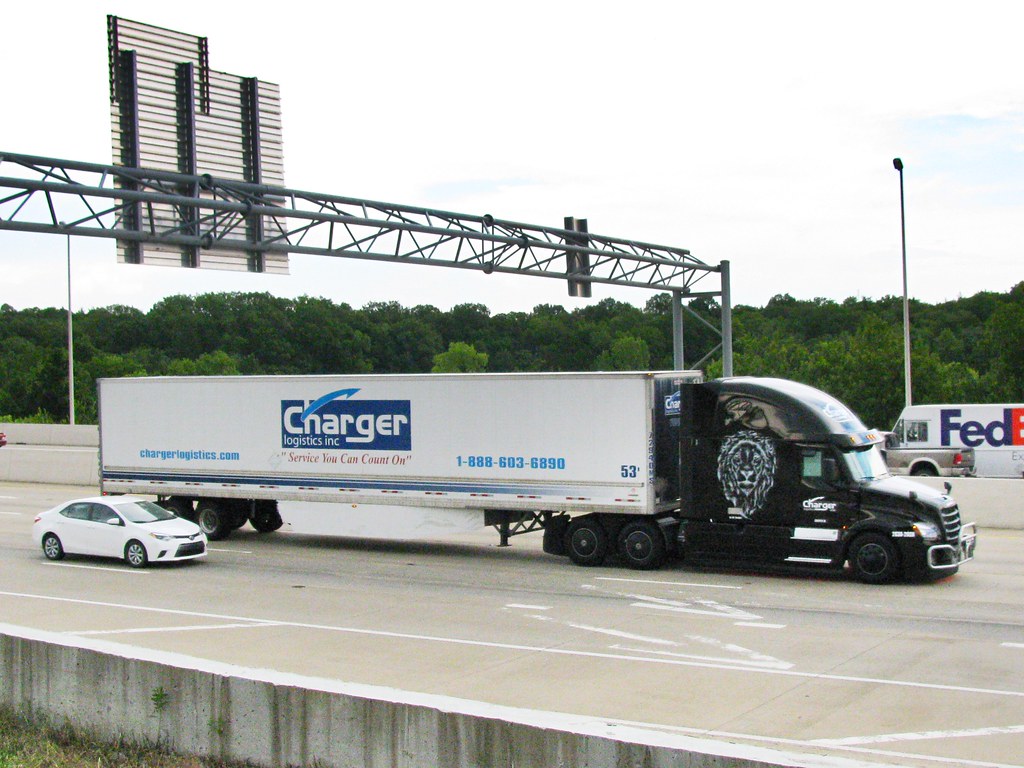
Charger is an asset-based transportation and logistics provider operating across the United States and Mexico. It serves food and beverage, pharmaceutical, automotive, and retail customers.
These industries depend on predictable transportation schedules, with shipments moving between distribution centers, factories, and border crossings. Driverless trucks could give the carrier another way to add capacity on routes with consistent freight demand.
Aurora’s third-quarter shareholder letter described the Charger MOU as a potential multi-year revenue stream worth hundreds of millions of dollars. That is a company estimate, not a guaranteed contract value. The final economics will depend on the number of trucks purchased, delivery timing, service fees, and vehicle utilization.
How Driver as a Service Changes the Trucking Business
The fleet would use Aurora’s Driver as a Service model, or DaaS. Charger would own the physical trucks and subscribe to Aurora’s autonomous-driving technology.
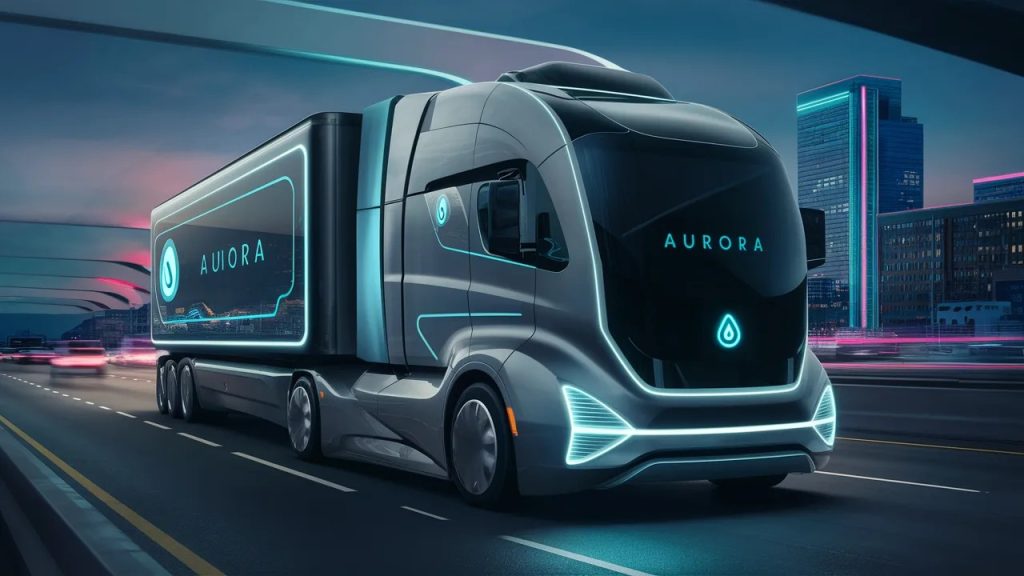
Aurora would provide the self-driving system and related services, while the carrier would control the vehicles and integrate them into its freight operations. This separates ownership of the truck from the technology performing the driving task.
The model supports Aurora’s plan to expand without purchasing and financing every truck itself. With customers owning the vehicles, Aurora can focus its capital on developing the Aurora Driver, supporting customers, and expanding the technology across truck platforms.
The company describes this as an asset-light route to growth. For carriers, owning the equipment may make it easier to integrate autonomous vehicles into existing fleets, maintenance arrangements, and transportation-management systems.
Charger says it wants to integrate autonomy from its transportation management system through to the road. Dispatch, load planning, shipment visibility, and delivery coordination must work with the autonomous truck’s schedule.
The technology cannot remain a separate experiment outside normal freight operations. It needs to fit into the network used to assign loads, communicate with customers, and manage delivery windows.
The arrangement also divides commercial responsibilities. Charger would invest in the physical assets and decide where they fit into its network. Aurora would maintain the autonomous system and provide the service agreed upon under a final contract.
Both companies have an incentive to keep trucks moving, but the financial benefits will depend on utilization, maintenance, insurance, energy costs, and service fees.
Aurora wants to scale to 30,000 driverless trucks by 2030, with customer-owned fleets and DaaS agreements central to that plan. The Charger proposal is one of its larger announced commitments, but not its only carrier relationship.
Aurora is seeking to make autonomous driving a service that established trucking companies can adopt without building a separate freight network.
The Technology Has to Prove Itself on Real Freight Routes
Aurora says its driverless trucks have accumulated commercial operating experience. In its third-quarter 2026 shareholder letter, the company reported that the Aurora Driver surpassed 500,000 commercial driverless miles in September while maintaining 100% on-time delivery.
Aurora also said it had more than 20 driverless trucks built and entering its fleet. These are company-reported figures from an operation still small compared with the North American trucking industry.
The Dallas-Laredo corridor connects a major Texas freight hub with an important border gateway. Cross-border trucking supports supply chains for vehicles, components, food, and manufactured goods.
Reliable capacity can be valuable when shippers need predictable delivery windows. Autonomous trucks could potentially operate for longer portions of a journey without conventional driver scheduling constraints, although they still require maintenance and operational support.
Border operations add complexity. A driverless tractor may handle a highway segment, but cross-border freight involves customs procedures, inspections, terminal access, and coordination among multiple parties.
The system must also navigate customer facilities, security checkpoints, and unfamiliar loading areas. Aurora has highlighted site-to-site driving and automated navigation through security checkpoints as important steps toward fitting its service into existing freight infrastructure.
Aurora says its second-generation hardware and truck program are intended to support the next stage of expansion. It has been working with manufacturing and vehicle partners to increase production capacity while improving the system’s ability to handle more operating situations.
Scaling the technology will require not only more trucks but also dependable hardware supply and service support.
Safety and regulation remain essential. Autonomous trucks must recognize hazards, respond to road conditions, and comply with rules in the jurisdictions where they operate. The companies will need plans for roadside assistance, breakdowns, emergency response, and interactions with law enforcement.
State requirements can differ, and routes crossing state lines create additional compliance work. A successful run on one corridor does not automatically qualify a fleet for nationwide deployment.
There is also a commercial test. Driverless technology must offer a compelling total cost of ownership compared with conventional trucks. Potential savings could come from higher utilization, fewer constraints tied to driver availability, and more consistent operations.
Those benefits must be weighed against specialized truck prices, autonomous-service fees, insurance, maintenance, and operational support. Economics will vary by route, freight type, and how consistently vehicles are loaded.
The agreement is an important vote of confidence, but it is not proof that autonomous trucking has reached mass adoption. Charger’s intention to acquire up to 500 trucks gives Aurora a potential path beyond its initial routes and signals interest from an established carrier.
The next milestones are definitive purchase agreements, deliveries beginning in 2027, and evidence that the vehicles can work reliably across more routes.
If the program advances as planned, driverless freight could become a more familiar part of North American logistics. For now, the 500-truck figure remains a target under a non-binding MOU.
Success will depend on how many trucks are delivered, how much freight they move, and whether the partnership can demonstrate dependable service at sustainable operating costs.
