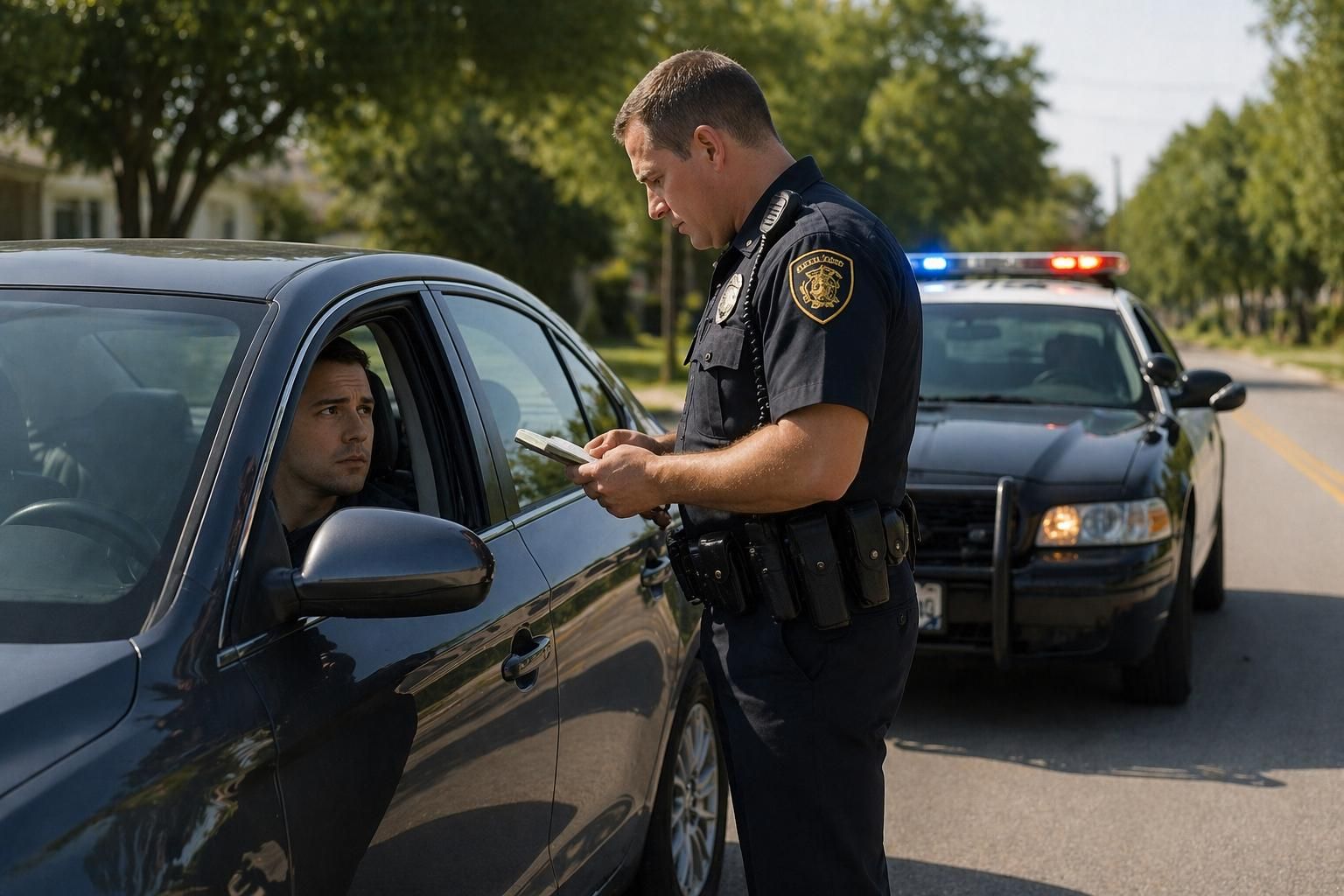
Most drivers worry about speeding tickets. Few think about what sits inside or on their car. Yet police write thousands of equipment citations every year. Many start with a small item the driver never thought twice about.
A dangling air freshener can be enough. So can a tinted plate cover or a bulb that burned out last week. These are often called pretext stops. An officer sees a minor violation. That gives legal grounds to pull you over.
From there, the stop can grow. The officer may check your license, registration, and insurance. A small fine can turn into a bigger problem. The rules also change from place to place. Tint limits in Texas differ from those in New York. Exhaust noise rules in California are stricter than in many other states.
That is why the details matter. This guide covers eight items that commonly lead to tickets. Each one comes with real numbers, the reason behind the rule, and a practical fix.
Laws change often. Always confirm local rules with your state motor vehicle agency. Treat this guide as a map, not legal advice. Let’s start with the one most drivers get wrong.
1. Window Tint That Is Too Dark
Tint is one of the most common equipment violations in the United States. Almost every state limits how dark it can be. The rule is based on VLT. That stands for visible light transmission. It is the percentage of light that passes through the glass.
A 35% tint lets 35% of light through. A lower number means a darker window. Limits vary widely. California requires at least 70% VLT on front side windows. Texas allows 25% on front sides. New York is also strict at 70% for front sides on most passenger cars.
Windshields have their own rule. Most states allow tint only on a strip across the top. Many mark this with the AS-1 line, a small label etched into the glass by the manufacturer.
Officers also check reflectivity. Mirror-like or metallic tint is banned in many states. Some states limit how reflective the film can be. Color matters too. Red, amber, and blue tints are restricted in several places. They can be confused with emergency or signal lights.
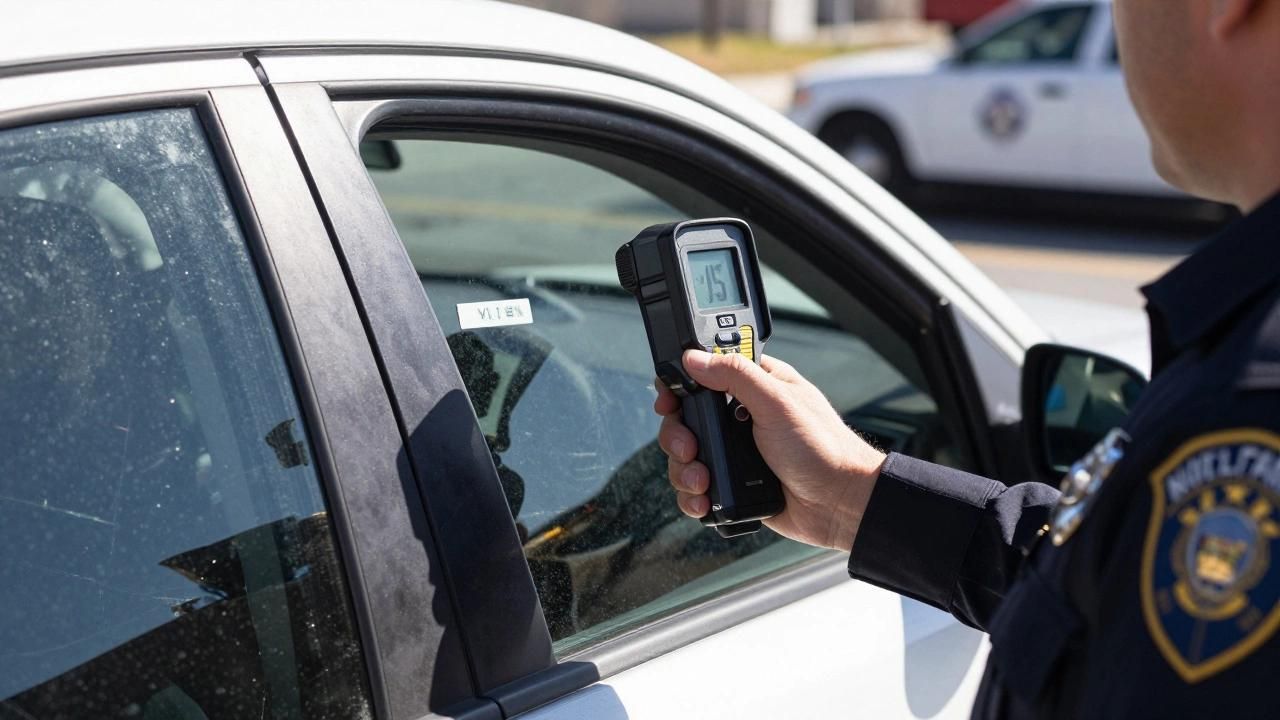
Officers carry small tint meters. They slide it over the glass and read the number in seconds. Your factory glass already blocks some light. Film on top of it lowers the number further.
Many drivers get caught this way. They buy a film rated at 35%. They apply it to glass that already measures 75%. The combined result can fall well below the legal limit.
Medical exemptions exist in many states. Conditions like lupus or severe light sensitivity can qualify. You usually need a doctor’s statement and an approved permit in the car.
Out-of-state rules can also bite you. A tint that is legal at home may be illegal where you are driving. Officers can ticket you under local law. Penalties range from a simple fix-it ticket to fines of a few hundred dollars.
Some states also add points or require proof that the tint was removed. The fix is simple. Ask your installer for a meter reading after the job. Keep the receipt and the film’s specification sheet in your glovebox.
2. Underglow and Aftermarket Lighting
Neon underglow looks great at a car meet. On a public road, it can get you stopped fast. Laws on lighting are strict for a reason. Drivers rely on light color to read what a vehicle is doing. Red means brake or stop. White means forward or reverse. Amber means signal.
Extra colors blur those signals. That is why many states restrict them. Blue and red lights are the biggest problem. They are tied to police and emergency vehicles. Showing them on a civilian car can lead to a citation in almost every state.
Flashing lights are also banned in most places. Even a legal color can become illegal when it blinks or pulses. Some states ban underglow outright while driving. Others allow it only in certain colors. A few allow it only when parked at a show.
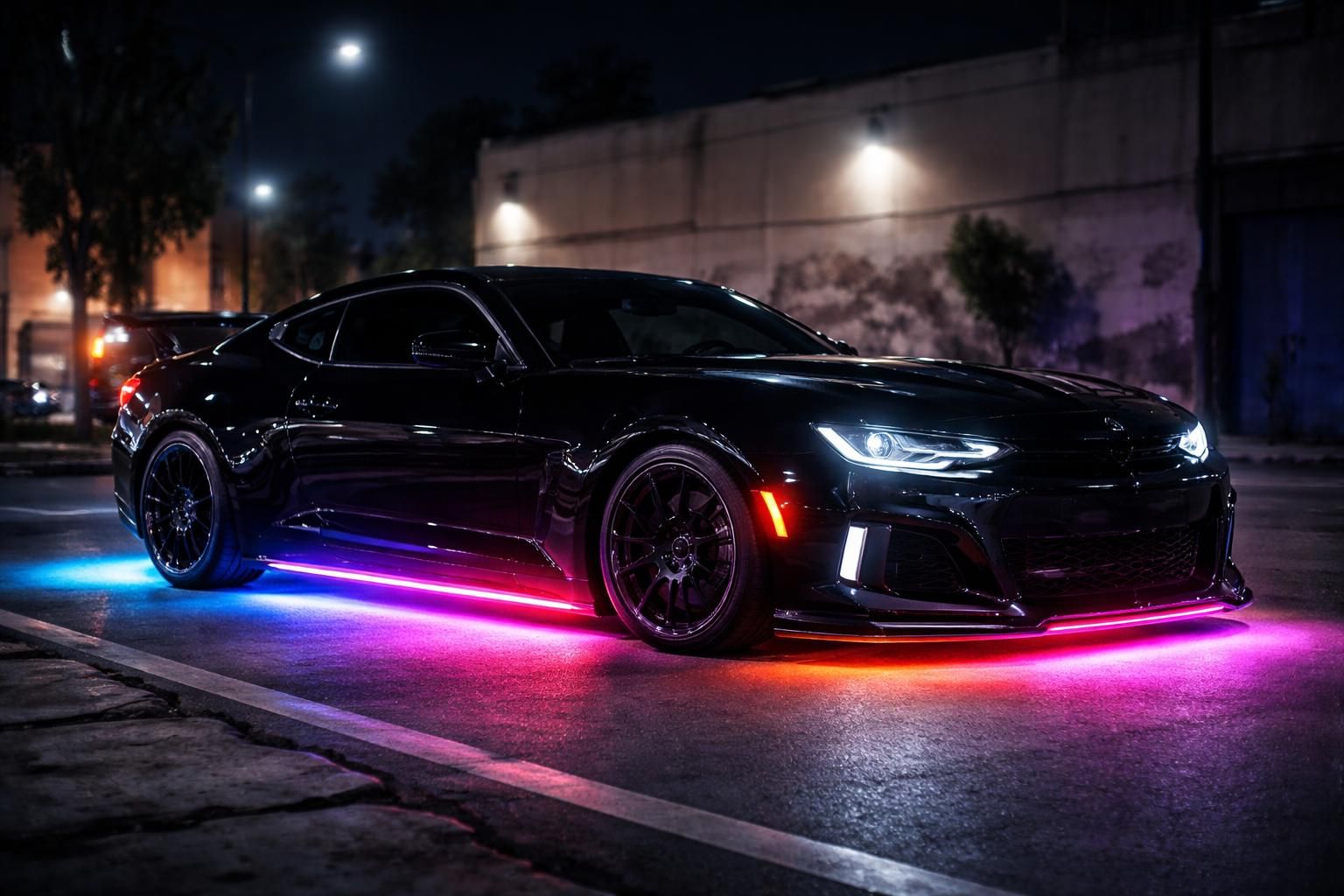
Visibility of the bulb is another point. Some laws say you cannot see the light source itself. They allow only the glow on the ground. Exposed LED strips can still be a violation.
Headlight upgrades carry risk too. Blue-tinted HID or LED bulbs often fail legal standards. In the United States, headlights must meet federal motor vehicle safety rules. Many cheap kits are not made for that.
Poorly aimed bulbs are a problem. A bright LED placed in a housing built for halogen can scatter light. This glares at oncoming drivers. Officers can cite you for it.
Other add-ons draw attention as well. These include light bars, fog lights used in clear weather, and extra brake lights. Many states limit the number of forward-facing lights that can be on at once.
Penalties vary. Many states treat it as an equipment violation with a fine. Some give a short window to fix it. Repeat offenses can cost more. The safest path is to check your state code before buying.
Look for terms like “prohibited lights” and “color restrictions.” Choose parts marked as street legal. Look for DOT or SAE approval on the lens. If you want underglow, use it only on private property.
3. Objects Blocking Your View
Many drivers hang something from the mirror without a second thought. A parking pass, a pair of fuzzy dice, or a pine tree air freshener are common examples.
Most states have a law against objects that block your view. The wording is often broad. It covers anything that obstructs the windshield or side windows.
California is a well-known example. Its law has long limited what can sit on the windshield. Items on the dashboard and mirror can also draw a stop.
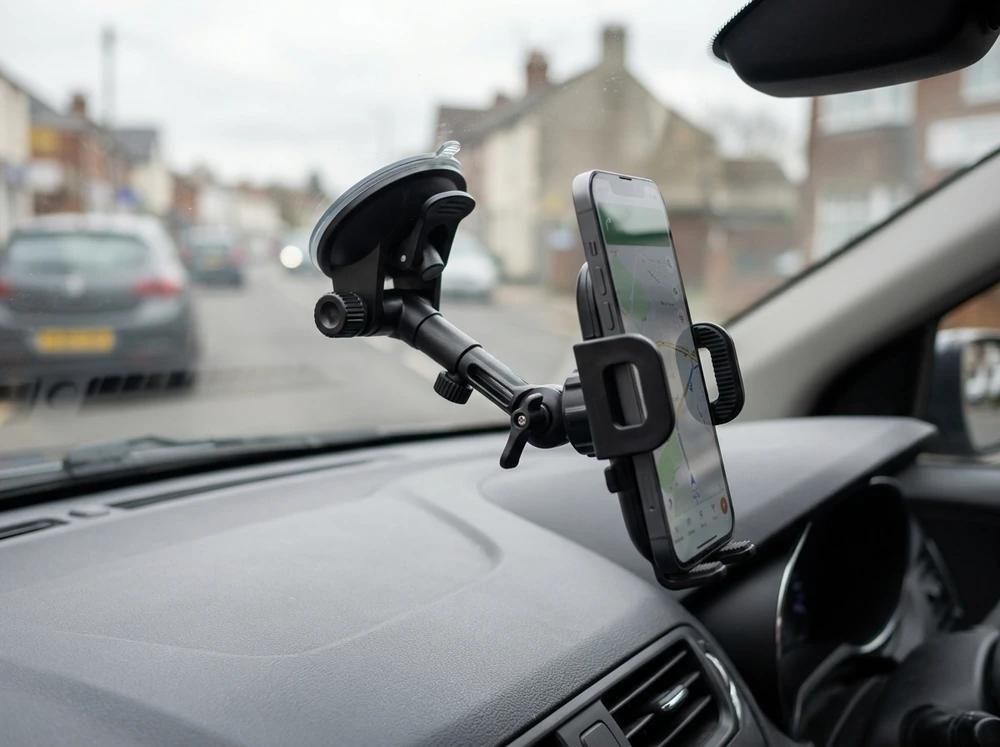
The logic is about blind spots. Even a small object can hide a pedestrian or a cyclist. The effect grows at an angle, such as when you are turning. Phone mounts are a modern trigger. A holder stuck to the middle of the windshield can break the rules. Many states allow it only in small, set zones. These are often the lower corners.
Dash cams follow the same logic. Place them behind the rearview mirror. That keeps them out of your main line of sight. Cracks count as well. A long crack across the driver’s view can fail inspection. Some states ban any crack that reaches the wipers’ sweep area. Others allow small chips.
Stickers can cause trouble too. Parking permits and toll tags have approved spots. Placing them elsewhere may lead to a ticket. Frost, snow, and fog also fall under this rule. Driving with a small peephole cleared in the ice is illegal in many places. Officers can ticket you for it.
Cargo can block the view as well. Boxes stacked high in the back seat may hide the rear window. Keep items below the window line. Fines vary. Many are modest. But a view-obstruction stop can lead to more checks. That is why officers like it as a reason to talk to you.
To stay safe, keep the windshield clear. Put passes in the glovebox when not in use. Mount your phone low on the dash or on a vent clip. If you have a crack, get it repaired soon. Many insurers cover windshield repair at low or no cost.
4. A Loud or Modified Exhaust
A deep exhaust note is a favorite upgrade. It is also a favorite target. Noise laws come in two forms. Some set a decibel limit. Others use general language like “excessive or unusual noise.”
California sets a 95 dB limit for most passenger cars. Many other states use a similar number. Some use lower figures, especially for cars made after a certain year.
Testing methods are standardized in some places. One common test is SAE J1492. It measures sound at a set distance with the engine at a set speed.
Officers do not always use a meter. In many states, they can cite you by ear. Your car may simply sound too loud. Removing parts is another trap. Taking out the muffler is illegal in nearly every state. The same goes for resonators in some places.
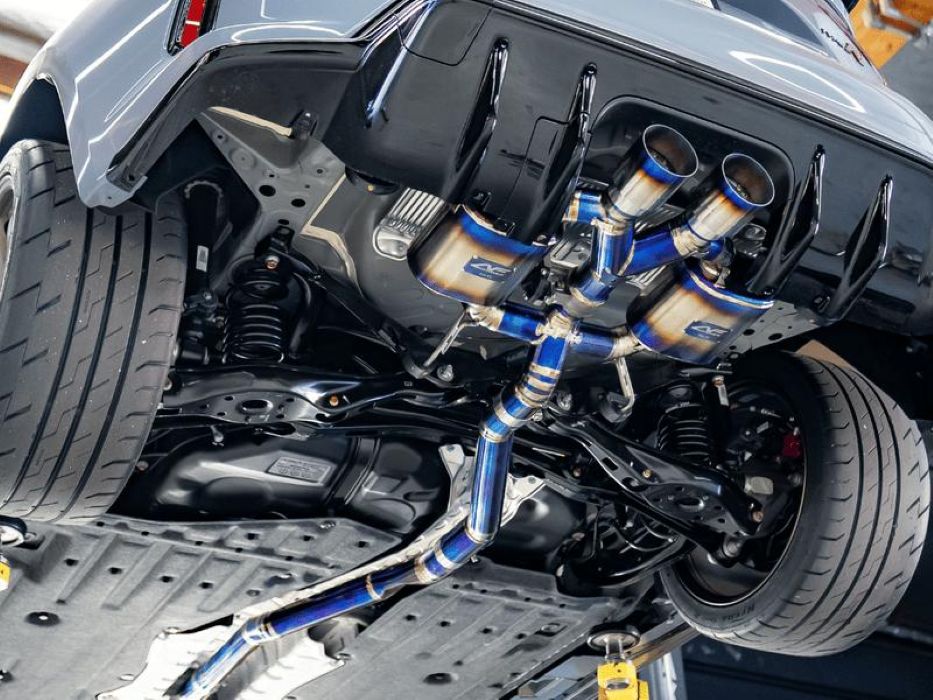
Catalytic converters are a bigger issue. Federal law bans removing or disabling emissions equipment on road vehicles. This includes “test pipes” and “cat deletes.” State penalties can be steep.
Many drivers also buy “straight pipe” kits. These are often sold as “for off-road use only.” That label does not make them legal on public roads. Cutout valves are common too. They let you switch between quiet and loud modes. Some states treat any loud mode as a violation. Others allow it if the car passes a test.
California has made noise enforcement more active. Some cities there use noise-camera pilots. These record a vehicle’s sound level and flag plates for review.
Penalties range widely. A first offense may bring a fix-it ticket. Repeat offenses can lead to fines of several hundred dollars. Some states can fail your inspection too.
Emissions penalties are tougher. Tampering can lead to large fines under federal rules. Shops that sell these parts face even bigger penalties. If you want a better sound, look for a cat-back system with certification.
Choose one with a stated decibel rating. Keep the paperwork in the car. Ask the shop whether the system is approved in your state. Some parts carry a specific legal label for use in California.
5. License Plate Covers and Frames
A license plate has one job. It must be easy to read. Many states have strict rules for this. A cover or frame can break those rules in several ways. Tinted covers are a common problem. Smoked or colored plastic lowers visibility. Many states ban any cover that dims the plate.
Even clear covers can cause trouble. Some are glossy and create glare. Others warp with heat and blur the numbers. Frames can hide key details. Many states require the state name, the registration stickers, and the plate number to be fully visible. A thick frame may cover one of these.
Anti-camera products are the riskiest. These include sprays, shields, and covers sold as ways to block red-light and toll cameras. They are illegal in many states. Using one can bring fines that go well beyond a standard equipment ticket.
Dirt and snow are also an issue. A plate covered in grime can lead to a stop. Many laws require the plate to be “clean and legible.” Mounting position matters as well. Plates must usually sit at a set height and be fixed firmly. A plate that dangles from one screw may be cited.
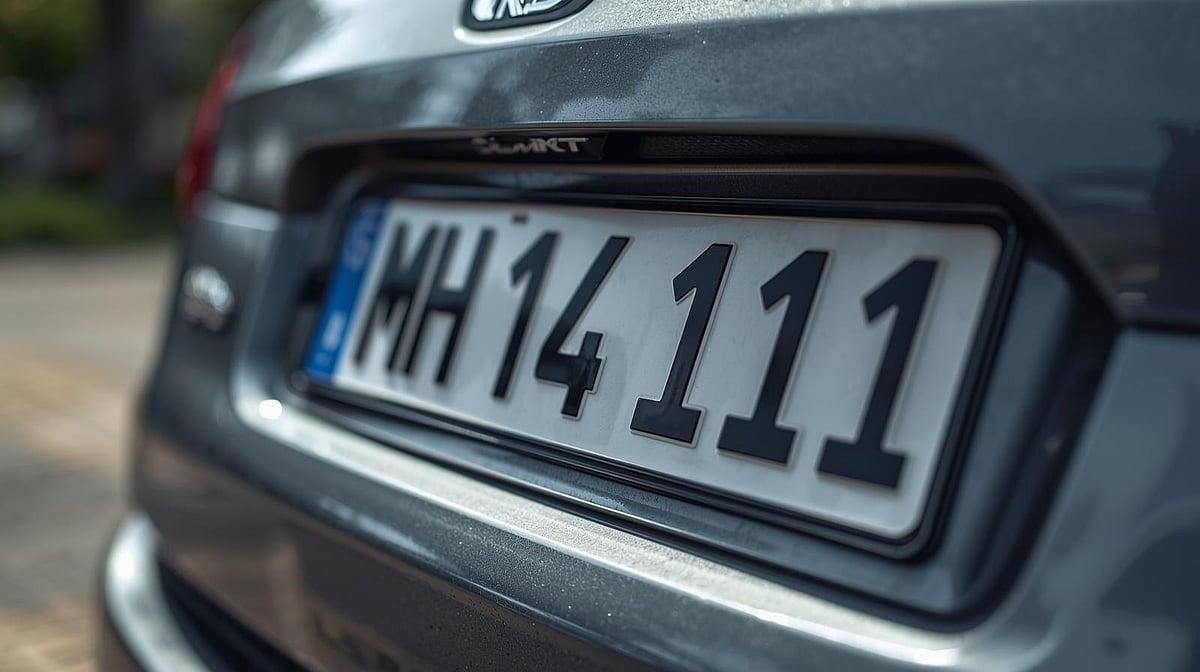
Some states require two plates. Others require only a rear plate. Missing a required front plate is a common ticket in states like Texas and California.
Bike racks and trailer hitches can also block plates. A rack that hides the number can lead to a citation. Many states ask you to install a plate holder on the rack.
Stickers matter too. Registration tags must be current and placed in the right spot. An expired tag is one of the easiest violations for an officer to spot.
Officers often see these issues from a distance. They can read a plate quickly. A hidden number raises suspicion. Fines vary by state. Many fall in the range of a few dozen to a few hundred dollars. Some offer a chance to correct it for a smaller fee. The fix is easy. Use a slim frame. Skip tinted covers. Wash your plate often. Check your tag date before it expires.
6. Radar Detectors
Radar detectors are legal in most of the United States. But not everywhere. Virginia bans them for all drivers. So does Washington, D.C. Drivers there can be fined if one is found in the car.
Federal rules add another layer. Radar detectors are banned in commercial vehicles over 10,000 pounds. This applies in every state. Truck drivers can face fines and out-of-service orders.
Some states also restrict where you can mount them. A detector stuck to the windshield may count as an obstruction. That ties back to the view rules in many states.
Military bases have their own policies. Some prohibit detectors on post. Drivers entering these areas should check the rules. Laser jammers are a different matter. These devices actively block police lidar guns. Many states ban them outright.
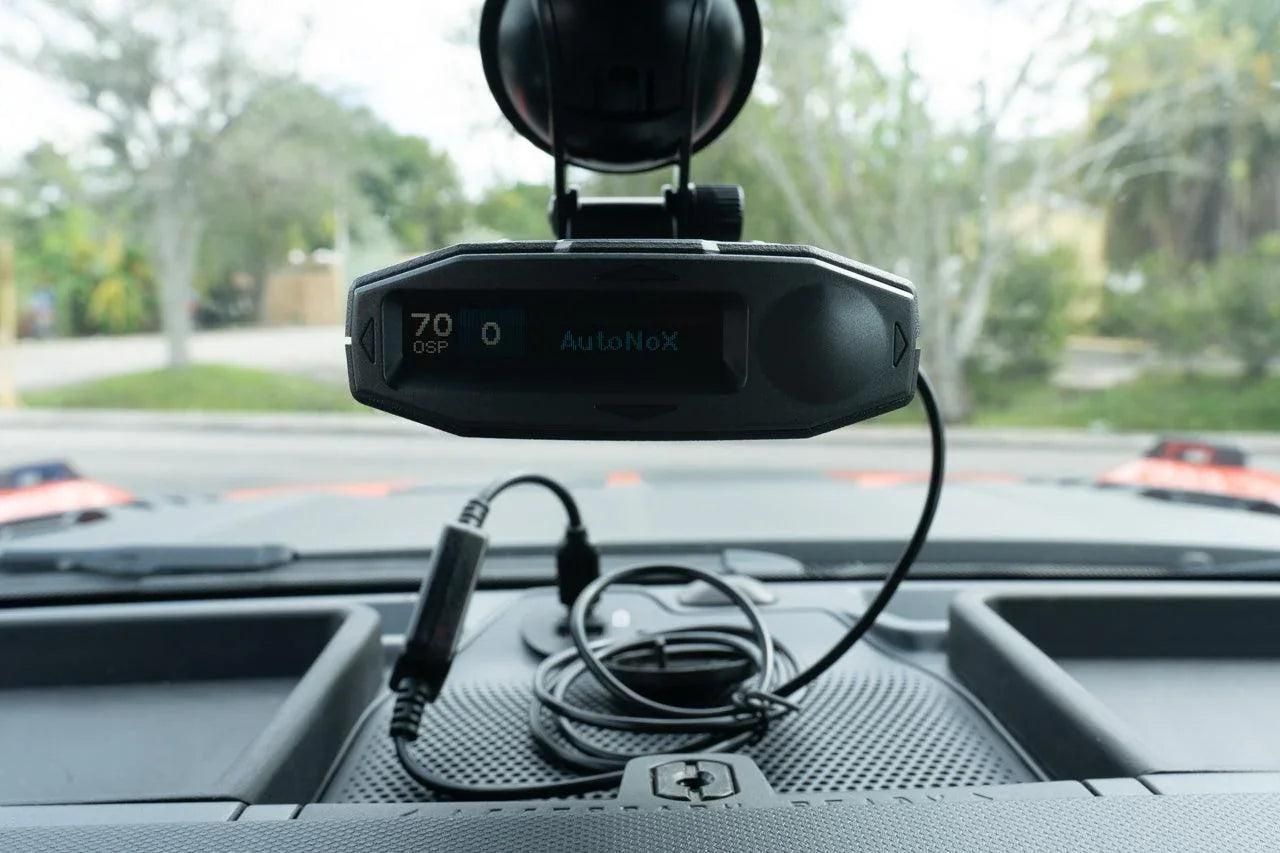
They can bring higher fines than a detector. Radar jammers are illegal under federal law. They interfere with radio signals. Selling or using them can bring serious penalties.
Do not confuse a detector with a jammer. A detector only listens and alerts you. A jammer sends out a signal. The law treats them very differently.
Officers know what to look for. They may spot a cord leading to the dash. They may also use a device that can sense a detector’s emissions. Some Virginia officers have used such tools.
In Virginia, a detector can also lead to seizure. The device may be taken. Courts have upheld such rules in the past. Penalties vary. In Virginia, a first offense can cost a few hundred dollars. Some states treat jammers as criminal misdemeanors.
There is a point many drivers miss. A detector does not protect you from a ticket. It only warns you. Newer police systems can be hard to detect in time.
Crossing a state border can change your status. A detector that is legal at home can be illegal ahead. Always check before a road trip. If you travel through Virginia or D.C., remove the unit. Store it out of sight or leave it at home. Keep it simple and avoid the fine.
7. Burnt-Out or Mismatched Lights
A single bulb can cost you a ticket. This is one of the most common stops in the country. Brake lights are a top reason. Officers see them every day. A dead brake light is easy to spot from behind.
License plate lights matter too. Many states require a white light that makes the plate readable at night. A burnt-out bulb here is a frequent violation.
Headlights come with their own rules. Most states require them from sunset to sunrise. Many also require them in rain or fog. Some states link the rule to wiper use.
Daytime running lights are not the same as headlights. They may not turn on your taillights. Drivers sometimes assume the car is fully lit when it is not.
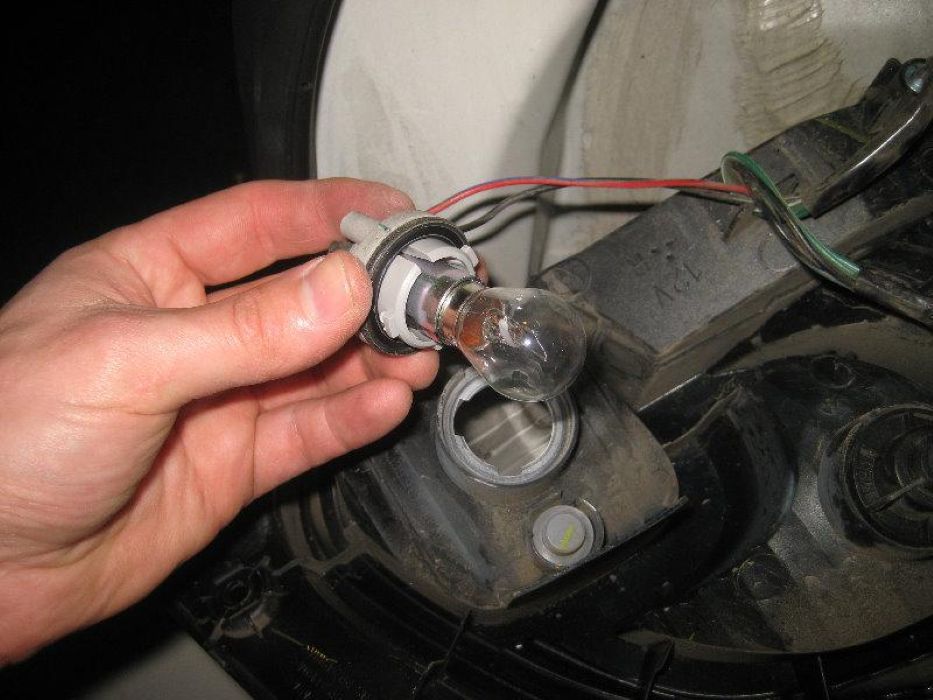
Turn signals follow a pattern. Fast blinking often means a bulb is out. This is a helpful clue. Fix it quickly. Color is also checked. Rear lights must be red. Turn signals at the rear can be red or amber, depending on the model.
Clear or smoked lenses can break the rules if they dim the color too much. Aftermarket taillights can be risky. Smoked lenses look sleek. But many states set a minimum brightness. A dark lens can fail that test.
Some LED swaps cause problems. Older cars may flash fast after the swap. This happens when the system reads low resistance. Add resistors or a proper flasher.
Brake light count matters too. A third brake light is required on most cars made after 1986. A dead one can still draw a ticket in some places. Many officers hand out warnings for a single bulb. Others write a “fix-it” ticket. You then show proof of repair to have it cleared.
Penalties differ. Fines may be small. But repeated offenses can raise the cost. Some states add points for lighting violations. Make it a habit to check your lights monthly. Ask a friend to watch as you press the brake.
Or back up to a wall and look at the reflection. Keep spare bulbs in the glovebox. Many are simple to replace in minutes. Check your owner’s manual for the right type.
8. Open Containers of Alcohol
Alcohol in the car is a surprising source of tickets. The rules cover more than drinking and driving. Most states ban open containers in the passenger area. An open container means a bottle or can with a broken seal. Even a partly empty bottle counts.
Federal law pushed this change. States that did not pass compliant laws risked losing some highway funds. That led most to adopt a ban. Some states differ on passengers. A few allow passengers to drink in certain settings. Examples include some limousines and buses.
Rules for private cars are stricter. The passenger area is defined by law. It usually includes the seats and the glovebox. Items in the trunk are usually fine.
For vehicles without a trunk, the rule shifts. SUVs often require containers to be behind the last row. Many states say a locked compartment is another option.
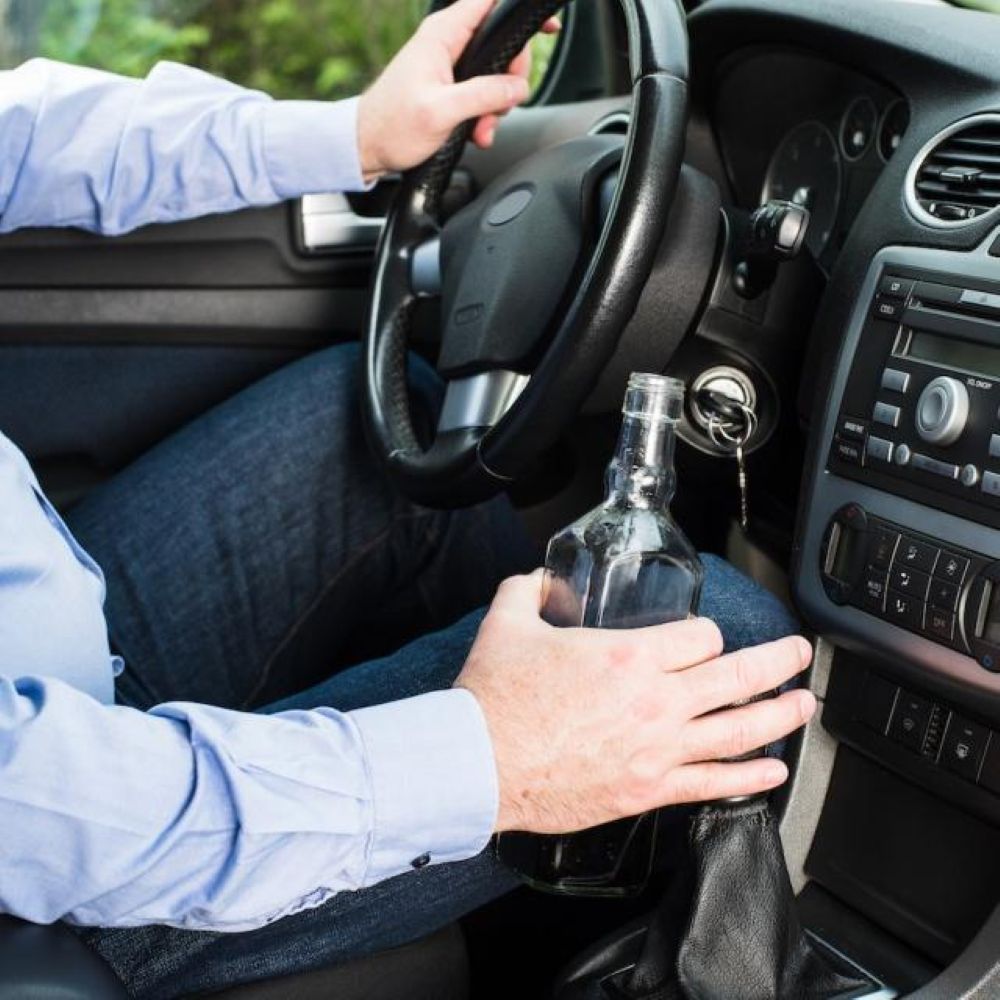
This means a bottle on the back seat is risky. So is one on the floor. Even a bottle in a bag can be cited if it is open. Resealed bottles can cause trouble. A cork pushed back into a wine bottle still counts as open in many places. Some states allow it if it is in a sealed bag in the trunk.
Officers may check for open containers during other stops. If they smell alcohol, they can search the car in many cases. That can lead to more charges.
The penalty is often a fine. It can also bring points or a court date. In some states, it is a misdemeanor. Repeat offenses can be costly. Open container violations can affect your insurance too. They may signal risky behavior. Rates can rise after a conviction.
Rideshare drivers face extra scrutiny. Passengers who bring open drinks can put the driver at risk. Many companies ban alcohol in the car. The fix is simple.
Keep sealed bottles in the trunk. Recork nothing. Throw away empties right away. If you buy wine on a trip, pack it in a case in the cargo area. Do this before you start driving.