Choosing a car’s color is usually a matter of personal taste, but it can also influence how much money you recover when selling or trading in your vehicle. According to an iSeeCars study analyzing more than 1.2 million three-year-old used vehicles in the United States, depreciation varies noticeably between exterior colors.
Gold, white, and black vehicles recorded some of the highest value losses, while less common shades generally performed better. These findings suggest that an attractive showroom color may not always be the smartest financial decision for buyers planning to resell.
1. Gold: 34.4% Three-Year Depreciation
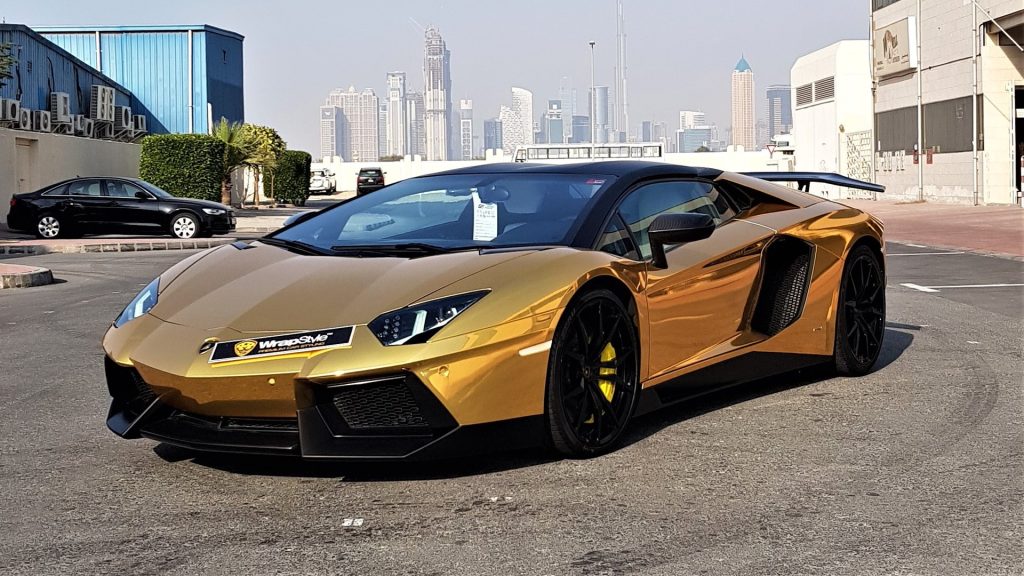
Gold takes the top position among the ten colors examined, with vehicles in this shade losing an average of 34.4% of their value over three years.
The iSeeCars study estimates an average dollar loss of $16,679, which is $2,319 more than the broader market average of $14,360. That makes gold a particularly interesting choice for buyers who intend to sell their vehicles relatively soon after purchasing them.
Unlike conventional exterior shades, gold has a more specific visual appeal. Some buyers appreciate its distinctive appearance, particularly on luxury sedans and larger SUVs, but its audience can be narrower than the market for neutral colors. When a used vehicle attracts fewer interested shoppers, sellers may have to compete more aggressively on price.
There is also a difference between choosing gold on a premium vehicle and selecting it on an affordable everyday model. A luxury car with distinctive styling may attract buyers who appreciate unusual paint finishes, while a practical commuter vehicle could face a smaller audience when offered in a less conventional shade.
The depreciation figures do not establish that gold paint directly causes the entire value loss. Vehicle age, original pricing, mileage, equipment, and demand also influence resale prices. Nevertheless, the study identifies gold as the weakest-performing color across the national dataset.
For someone purchasing a new vehicle with resale value in mind, gold deserves careful consideration. Its appearance may stand out in a dealership showroom, but the available U.S. market data suggests that owners have historically recovered a smaller share of their original investment when selling.
2. White: 32.1% Three-Year Depreciation
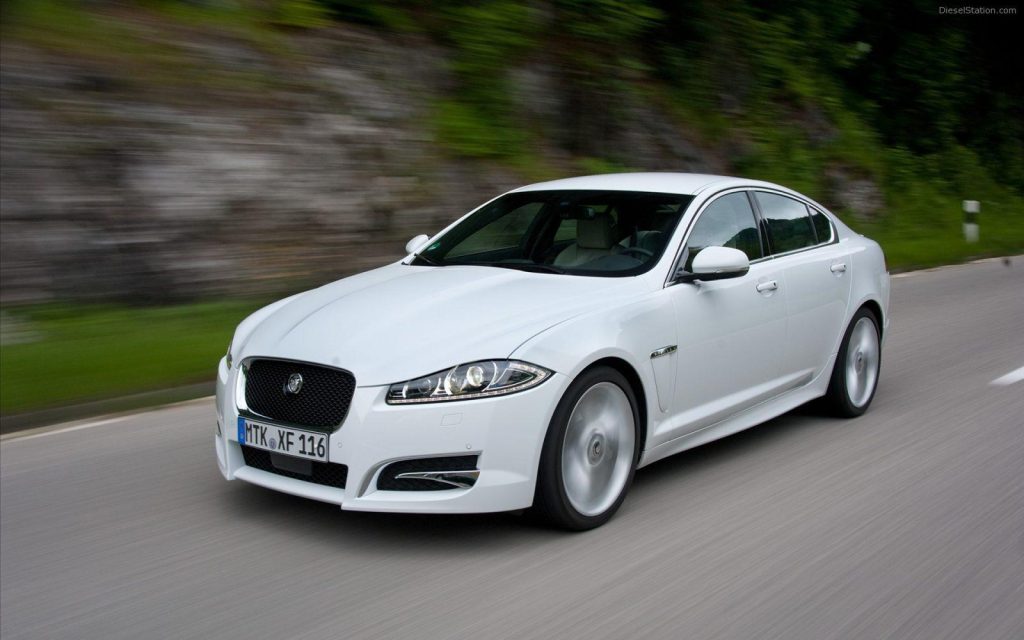
White might seem like one of the safest exterior colors because it is widely available across almost every vehicle category. However, the iSeeCars study places it second among the ten colors with the highest depreciation, recording a 32.1% value loss over three years. Its average dollar depreciation reaches $15,557, which is $1,197 above the market average.
The interesting part is that white is not necessarily an unpopular color. In fact, its widespread availability is precisely what can make it less advantageous in the secondhand market.
Buyers searching for a used white vehicle often have plenty of alternatives, particularly when comparing similar models with comparable mileage and equipment. That abundance can make it harder for an individual seller to command a premium.
White is also common across different vehicle categories, from family SUVs and commercial vehicles to luxury sedans. Its practical appeal includes a clean appearance and the ability to complement different styling designs. However, these advantages do not automatically translate into stronger resale performance.
The SUV figures offer another useful perspective. White SUVs recorded 33.2% depreciation, compared with the segment average of 32.7%. This suggests that the color’s resale performance can vary depending on the type of vehicle rather than following one universal pattern.
For buyers planning to trade in their vehicles after a few years, white remains a reasonable personal choice, but it should not be assumed to protect resale value. The study suggests that its popularity does not necessarily create a pricing advantage when large numbers of similar used vehicles compete for attention.
3. Black: 31.9% Three-Year Depreciation
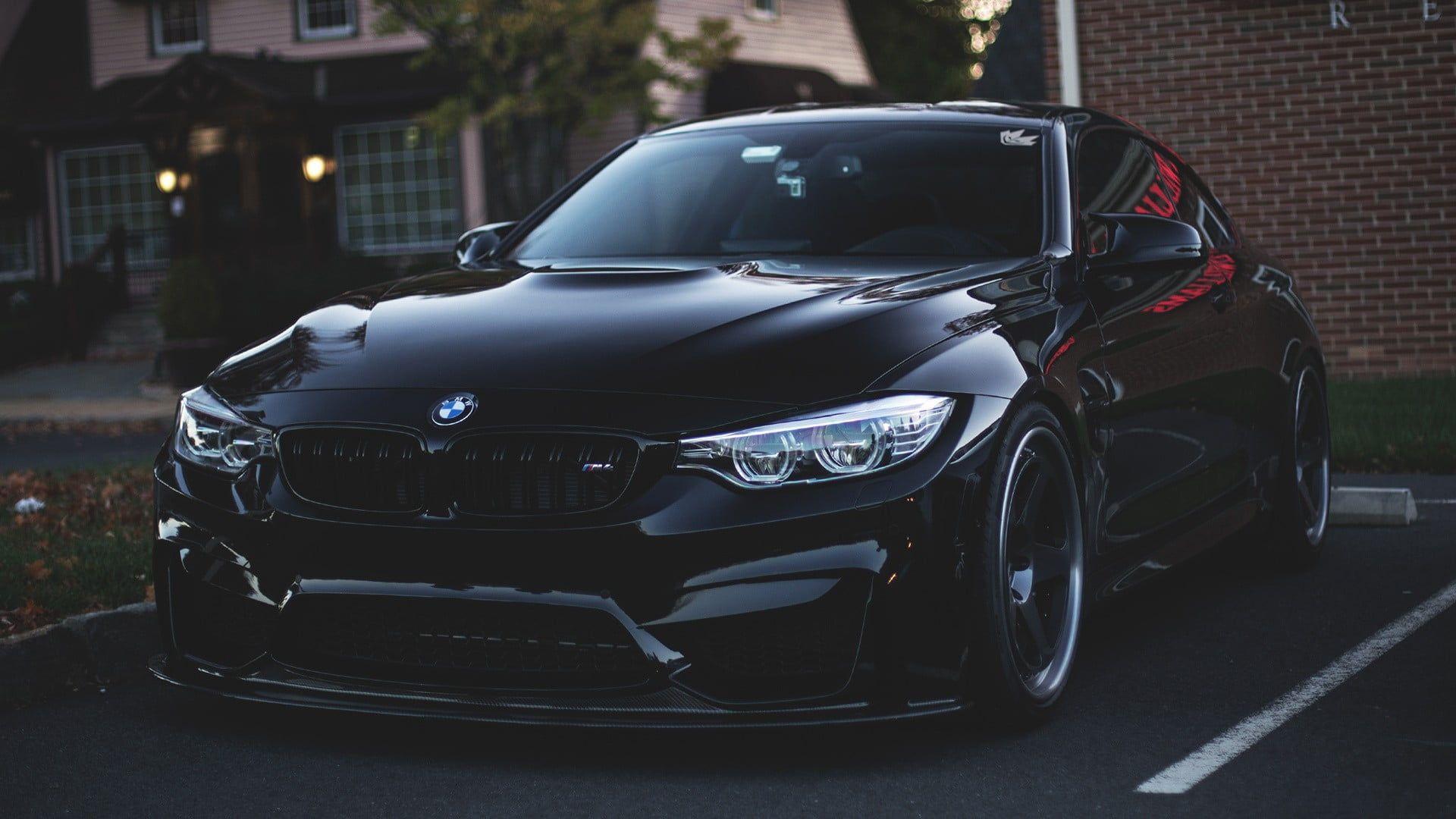
Black is one of the most recognizable exterior colors in the American automotive market, particularly among luxury sedans, SUVs, and premium pickup trucks. However, its popularity does not necessarily translate into stronger resale value.
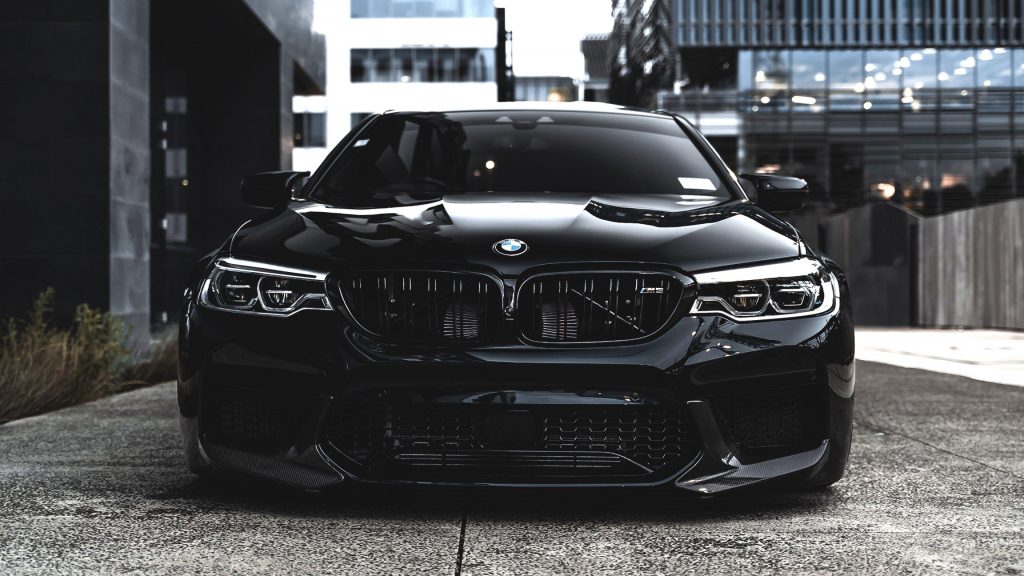
The iSeeCars study places black third among the colors experiencing the highest depreciation, with vehicles in this shade losing an average of 31.9% of their value over three years. The estimated dollar loss reaches $15,381, exceeding the market average of $14,360.
One possible explanation is the sheer number of black vehicles competing in the used-car market. When buyers have access to numerous similar vehicles in the same color, sellers have fewer opportunities to distinguish their listings through appearance alone.
This can encourage price competition, particularly when mileage, condition, and equipment are also comparable.
Black remains a popular choice for vehicles such as luxury SUVs and executive sedans because it creates a formal appearance and complements many exterior designs. Nevertheless, maintaining its appearance can require additional attention. Dust, water spots, and minor scratches can become particularly noticeable on darker paint finishes.
Interestingly, the SUV segment recorded an even higher depreciation rate for black vehicles at 33.6%, compared with its segment average of 32.7%. This suggests that the relationship between exterior color and resale value can change depending on body style.
For buyers concerned about future trade-in value, black is not necessarily a poor purchase, but its widespread availability offers little evidence of a resale advantage.
4. Blue: 30.9% Three-Year Depreciation
Blue occupies fourth place in this ranking, with a three-year depreciation rate of 30.9% and an average dollar loss of $13,994. Although this is slightly below the broader market’s 31.0% depreciation average, blue still belongs among the ten colors with the highest value losses in the iSeeCars comparison.
Its position is particularly interesting because blue covers a wide range of automotive finishes. Buyers can choose anything from understated navy and metallic blue to brighter shades commonly associated with performance-oriented vehicles.
These variations can appeal to different audiences, but the study groups the color into a single category rather than measuring every individual paint finish separately.
The vehicle segment also makes a difference. Blue SUVs recorded depreciation of 33.1%, higher than the SUV average of 32.7%. However, blue coupes performed considerably better, losing just 19.0% over three years compared with the coupe segment’s 22.6% average.
This contrast demonstrates why buyers should avoid assuming that a color will produce identical resale results across every type of vehicle.
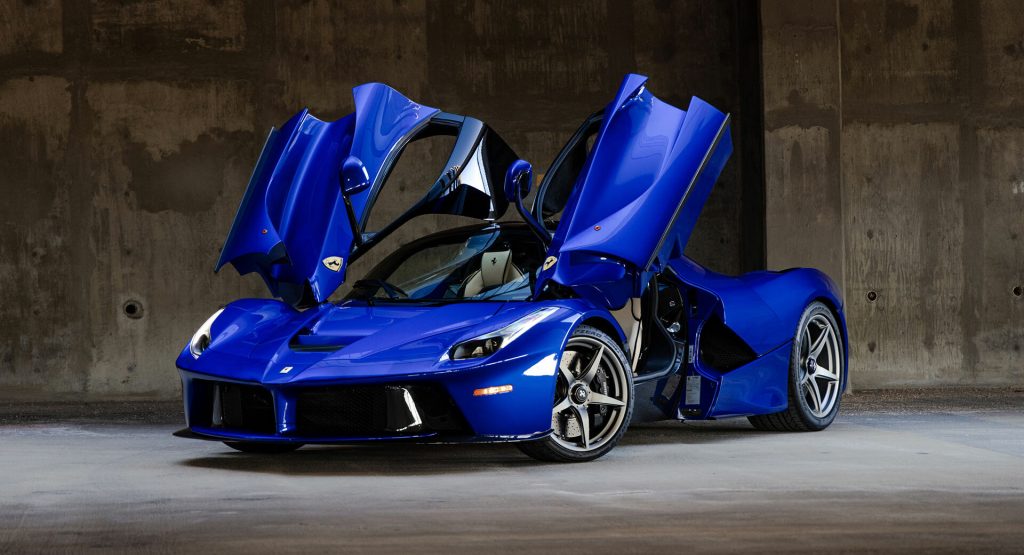
Blue can still be a sensible selection for someone who wants something different from the usual black, white, and gray combinations without choosing an extremely unusual finish. However, the national figures do not suggest that it provides a significant resale advantage.
If future selling value matters, buyers should consider the specific vehicle category alongside its paint color. A blue performance coupe may have a different audience from a blue family SUV, even though both share the same broad color classification.
5. Gray: 30.5% Three-Year Depreciation
Gray has become a familiar sight across American dealerships, appearing on everything from affordable commuter sedans to expensive luxury SUVs. Despite its understated appearance, it does not deliver the strongest resale performance in the iSeeCars study.
Gray vehicles lose an average of 30.5% of their value over three years, with an estimated dollar depreciation of $13,648. This places the color fifth among the ten selected shades.
One reason buyers gravitate toward gray is its relatively neutral appearance. It is less visually demanding than brighter exterior finishes and can complement a wide range of vehicle designs. For people who want something different from white or black without making a particularly bold statement, gray often represents a comfortable middle ground.
A vehicle’s popularity does not necessarily translate into stronger resale value. Gray SUVs offer a good example, depreciating by 31.7%, slightly less than the segment average of 32.7%.
Gray also recorded 29.3% depreciation among sedans, compared with the sedan average of 29.9%. These figures suggest that gray can perform reasonably well depending on the type of vehicle.
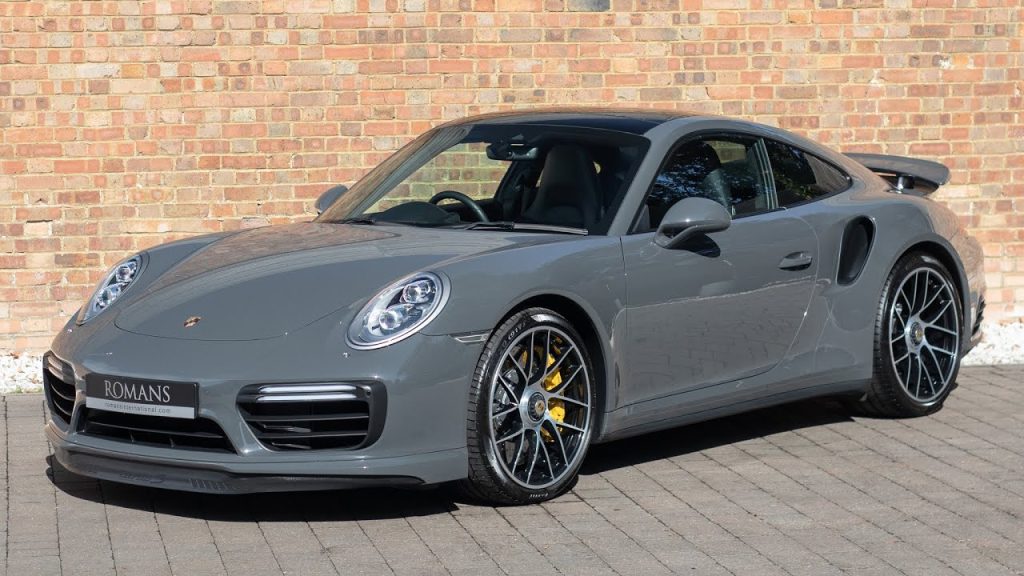
Another consideration is the difference between standard gray paint and more distinctive finishes. Manufacturers offer metallic, matte-inspired, and premium gray options, but the iSeeCars study does not provide separate depreciation figures for every individual shade or paint package.
For buyers planning to trade in their vehicles after a few years, gray remains a practical aesthetic choice. Its 30.5% depreciation is below the market average, although it does not offer the stronger value retention associated with several less common colors.
6. Brown: 30.4% Three-Year Depreciation
Brown vehicles record an average depreciation of 30.4% over three years, placing the color sixth among the ten shades in this comparison. According to iSeeCars, the average dollar loss reaches $14,197, slightly below the broader market’s $14,360 depreciation figure.
Although brown is often associated with traditional styling and understated luxury, its resale performance depends considerably on the type of vehicle carrying the finish.
The SUV segment provides an interesting example. Brown SUVs lose 33.4% of their value over three years, exceeding the segment average of 32.7%. However, brown sedans record 31.9% depreciation, compared with the sedan average of 29.9%. This suggests that the same exterior color can produce different resale outcomes depending on vehicle category.
Brown has traditionally appeared on family vehicles, larger SUVs and certain premium models. Some manufacturers also offer metallic brown finishes that give vehicles a distinctive appearance without relying on brighter paint options.
Nevertheless, buyers searching for used vehicles may have fewer reasons to pay extra for a particular brown finish when similar models are available in other colors.
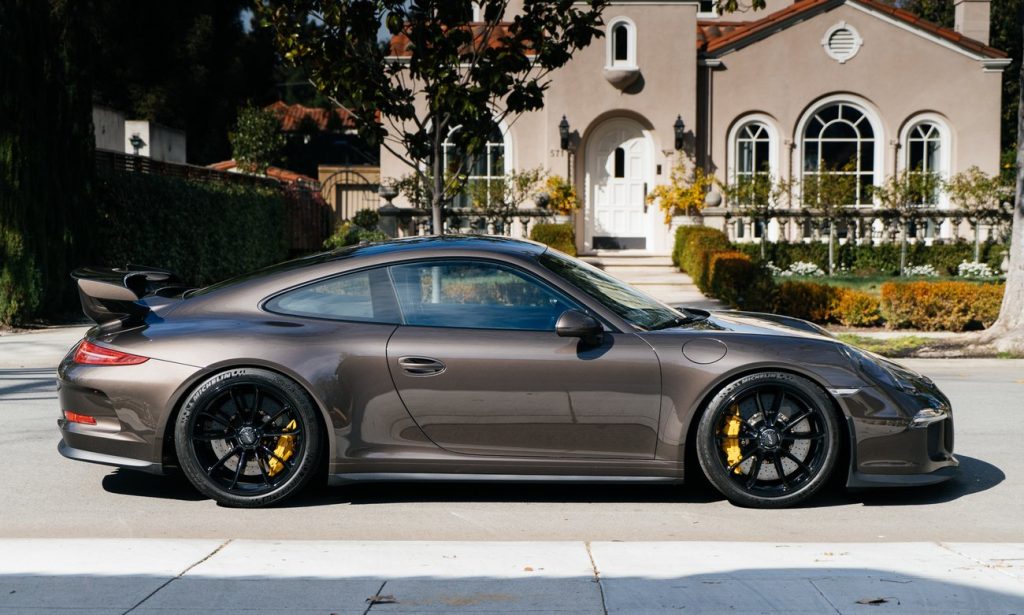
Another consideration is how manufacturers categorize their paint options. A shade marketed as bronze, mocha or metallic brown may not necessarily be classified identically in every vehicle database. The iSeeCars study groups colors into broader categories rather than examining every manufacturer’s individual paint name.
For buyers considering future resale value, brown deserves attention, particularly when choosing an SUV. Its national depreciation figure is relatively close to the market average, but its performance in certain vehicle segments shows that it may not always be the financially neutral choice owners expect.
7. Red: 29.8% Three-Year Depreciation
Red is often associated with sports cars, performance packages and vehicles designed to attract attention, but its resale performance is not limited to enthusiast models.
The iSeeCars study records 29.8% depreciation for red vehicles over three years, with an average dollar loss of $13,013. This places red below the national market average of 31.0%, meaning it actually retains slightly more value than the typical vehicle in the study.
Its performance becomes more interesting when examining different body styles. Red SUVs depreciate by 31.4%, compared with the SUV average of 32.7%. Red sedans perform even better, losing 28.3% against a segment average of 29.9%. These figures suggest that red can be a reasonably strong choice for buyers interested in either body style.
The color also has a recognizable connection with performance-oriented vehicles. Manufacturers frequently offer red paint on sportier versions of sedans, coupes and SUVs, giving buyers an opportunity to choose something more distinctive without selecting an extremely uncommon shade.
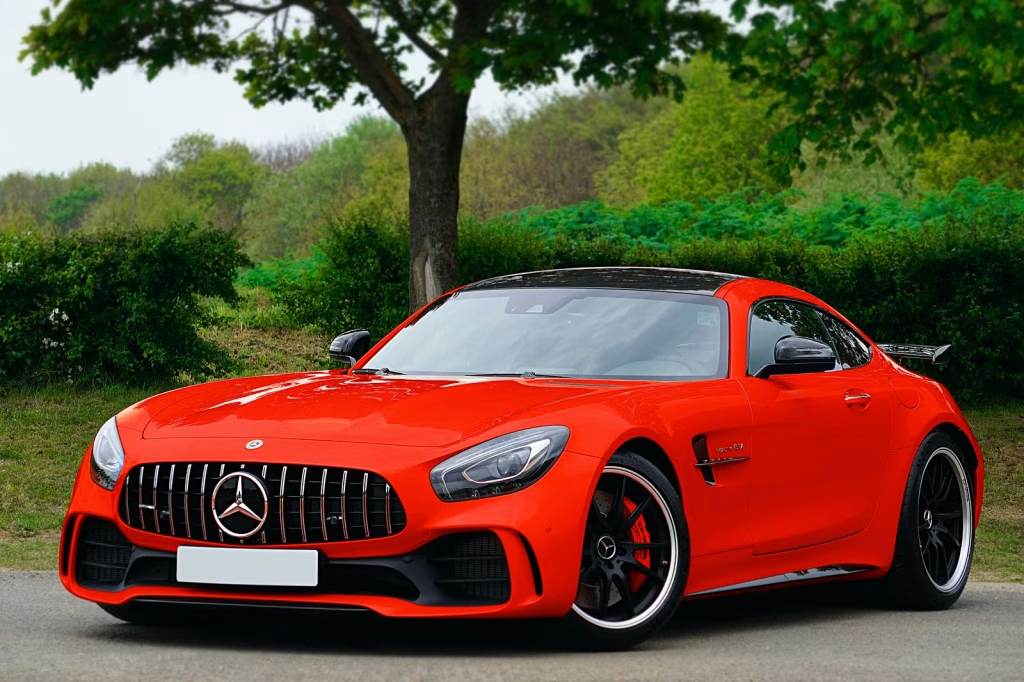
However, red does not automatically command a premium. A standard red family sedan and a limited-production performance vehicle attract different audiences, and their resale prices depend on much more than exterior appearance. Mileage, accident history, equipment and mechanical condition remain important considerations.
For someone purchasing a vehicle with a future trade-in in mind, red is not necessarily a color to avoid. Its 29.8% depreciation actually compares favorably with the national average. The important lesson is that buyers should consider the vehicle segment rather than assuming every bold exterior color will reduce resale value.
8. Silver: 29.8% Three-Year Depreciation
Silver shares the same three-year depreciation percentage as red, losing 29.8% of its original value, but its average dollar loss is slightly lower at $12,636. The iSeeCars study places silver among the colors performing better than the national average of 31.0%.
This makes its position particularly interesting because silver has long been a familiar choice for American car buyers.
One reason silver remains popular is its relatively neutral appearance. It works across different vehicle categories, including compact sedans, family SUVs, luxury vehicles and pickup trucks. Unlike more distinctive finishes, silver rarely dominates a vehicle’s styling, making it an appealing option for buyers who prefer a conventional appearance.
The vehicle-segment figures also provide useful context. Silver SUVs record 32.3% depreciation, slightly below the segment average of 32.7%. Silver sedans perform more strongly, losing 28.0% compared with the sedan average of 29.9%. These results suggest that silver can be a relatively sensible choice for buyers considering either type of vehicle.
However, there is a difference between being widely accepted and commanding a higher resale price. Silver vehicles may attract a broad audience, but that does not necessarily mean used-car shoppers will pay extra for the finish. Similar vehicles in other neutral shades can compete directly with silver examples.
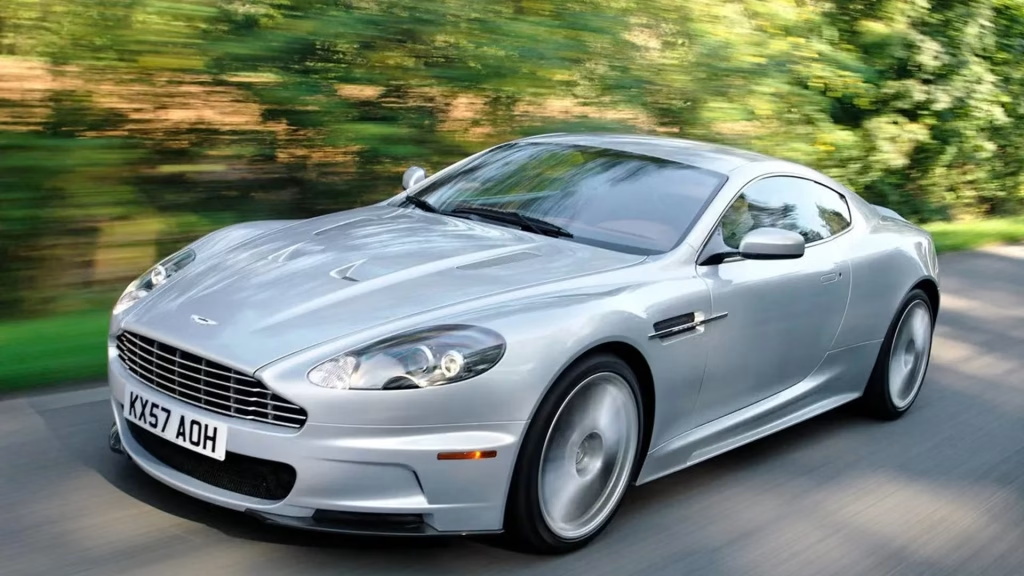
For owners planning to trade in their vehicles, silver offers a relatively balanced option. Its 29.8% depreciation is lower than the national average, although the figures do not guarantee a better dealer offer. Vehicle condition, mileage, equipment and local demand will still have a substantial influence on the final valuation.
9. Beige: 29.5% Three-Year Depreciation
Beige may not be the first color that comes to mind when choosing a new vehicle, but its resale performance is more interesting than its understated appearance suggests.
According to iSeeCars, beige vehicles lose 29.5% of their value over three years, with an average dollar depreciation of $18,455. Although the percentage is better than the national average of 31.0%, the dollar loss is considerably higher than the market’s $14,360 average.
This difference highlights why depreciation percentages and actual financial losses should not be treated as interchangeable. Beige vehicles in the study may have different original prices and vehicle-category distributions from those in other color groups. A higher dollar loss does not necessarily mean the color itself causes greater depreciation.
The SUV segment provides another useful comparison. Beige SUVs record 30.7% depreciation, outperforming the segment average of 32.7%. Beige sedans perform even better, losing 27.8% against the sedan average of 29.9%. These results suggest that beige can retain value reasonably well, particularly in traditional passenger-car applications.
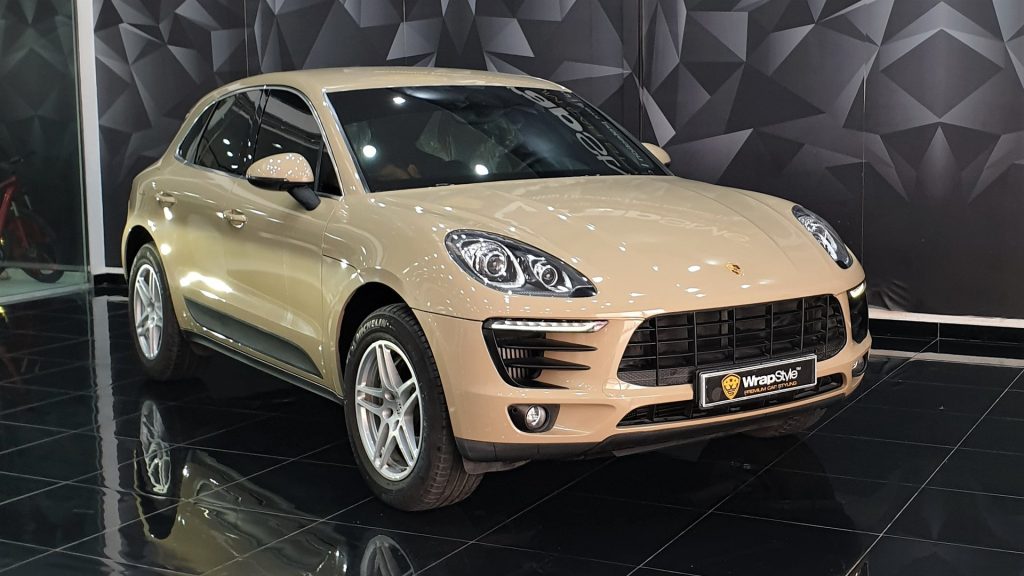
Beige also covers several manufacturer-specific finishes, including champagne, sand and metallic cream shades. Their appearance can vary considerably depending on lighting, body design and paint formulation. However, the study groups these finishes into broader color categories rather than evaluating every individual shade separately.
For buyers focused on resale value, beige should not automatically be considered a risky selection. Its percentage depreciation is below the national average. The larger dollar figure simply reinforces the importance of considering a vehicle’s original purchase price alongside its exterior color.
10. Green: 26.3% Three-Year Depreciation
Green rounds out the list with a three-year depreciation rate of 26.3% and an average loss of $13,152. However, the iSeeCars study does not classify green as a poorly performing color.
It ranks among the three strongest colors for resale-value retention, behind yellow and orange. Its inclusion here simply completes the ten-color selection after excluding those two better-performing shades.
Green’s performance challenges the assumption that buyers always prefer conventional exterior finishes. Although green is less common than white, black and gray, its relative scarcity can create a useful balance between available supply and buyer demand.
This is particularly relevant when a distinctive color is offered on a vehicle that already has an established following.
The SUV segment illustrates this advantage. Green SUVs lose 28.8% of their value over three years, substantially less than the segment average of 32.7%. Pickup trucks perform even better, with green examples recording 19.3% depreciation against the truck average of 27.1%.
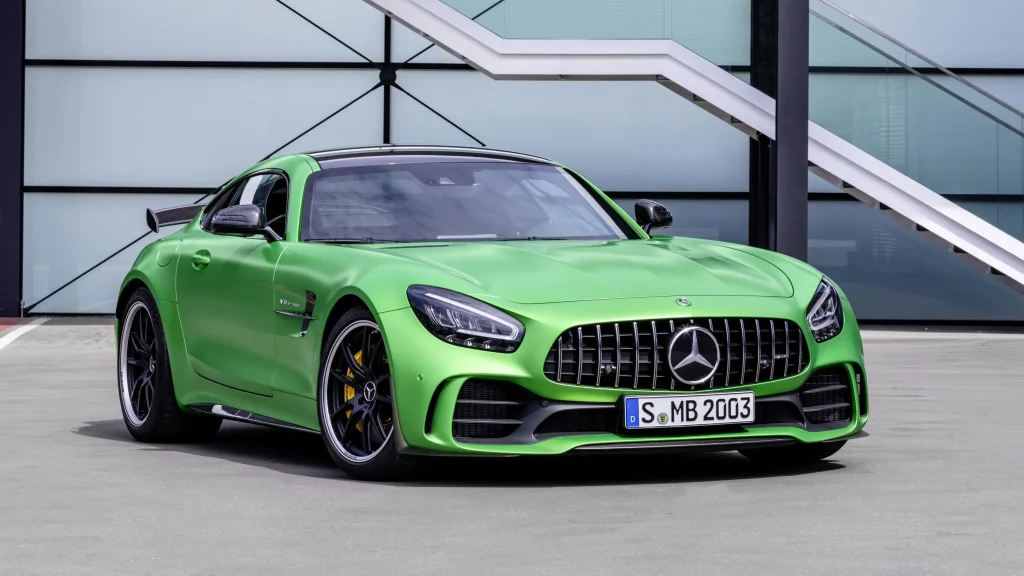
However, the results are not consistent across every body style. Green sedans lose 33.8% of their value, compared with the sedan average of 29.9%. This shows why exterior-color statistics should never be applied blindly to every vehicle category.
For buyers interested in future resale value, green deserves consideration rather than avoidance. Its national depreciation figure is considerably better than the market average, particularly for SUVs and pickup trucks.
The findings also demonstrate that choosing a less common color does not necessarily mean accepting weaker resale demand.