Repair expenses can make a significant difference to the cost of owning a vehicle, especially when a car stays in the same household for several years. According to RepairPal’s 2026 reliability data, the average annual repair and maintenance cost across all vehicle brands is $652.
However, several manufacturers perform considerably better, with some recording average yearly expenses below $450. These figures cover multiple models rather than one particular vehicle, making them useful for comparing manufacturers.
Here are ten car brands with lower annual repair costs than the national average, ranked using RepairPal’s published U.S. figures.
1. Honda: $428 Average Annual Repair Cost
Honda takes the first position in RepairPal’s brand-level comparison, with an estimated annual repair and maintenance cost of just $428. That is $224 below the $652 industry average, representing approximately 34% lower yearly expenses.
The result makes Honda an interesting choice for buyers who prioritize manageable ownership costs rather than focusing exclusively on a vehicle’s purchase price.
Its reliability rating is 4.0 out of 5.0, placing the manufacturer first among 32 brands in RepairPal’s ranking. Honda vehicles average approximately 0.3 unscheduled repair visits annually, compared with 0.4 across all brands. The estimated probability of a severe repair is also lower, at 10% against the industry figure of 12%.

Several popular American-market models contribute to Honda’s appeal. The Civic and Accord offer practical transportation for commuters, while the CR-V and HR-V provide SUV versatility. These different vehicle categories give buyers options without requiring them to move into a more expensive luxury division.
The $428 figure is a brand-wide average, not a guaranteed annual bill for every Honda owner. A high-mileage SUV may require considerably more spending than a well-maintained compact sedan. Nevertheless, the combination of relatively low repair expenses, fewer repair visits, and a lower severe-repair probability explains why Honda leads this comparison.
2. Toyota: $441 Average Annual Repair Cost
Toyota follows Honda closely, with RepairPal estimating its average annual repair and maintenance expenses at $441. The difference between the two manufacturers is only $13, but Toyota still performs $211 better than the $652 industry benchmark.
This represents approximately 32% lower annual repair spending, an advantage that can become meaningful over several years of ownership.
RepairPal assigns Toyota a reliability rating of 4.0 out of 5.0. Its vehicles average approximately 0.3 unscheduled repair visits annually, matching Honda and remaining below the industry average of 0.4. Toyota’s position also benefits from a broad American lineup that includes compact sedans, family SUVs, pickup trucks, and hybrid vehicles.
The Corolla and Camry remain familiar choices for drivers seeking practical daily transportation, while the RAV4 and Highlander serve households needing additional passenger or cargo space.
Toyota’s hybrid lineup also gives buyers alternatives for reducing fuel expenses, although fuel economy and repair costs are separate ownership considerations.
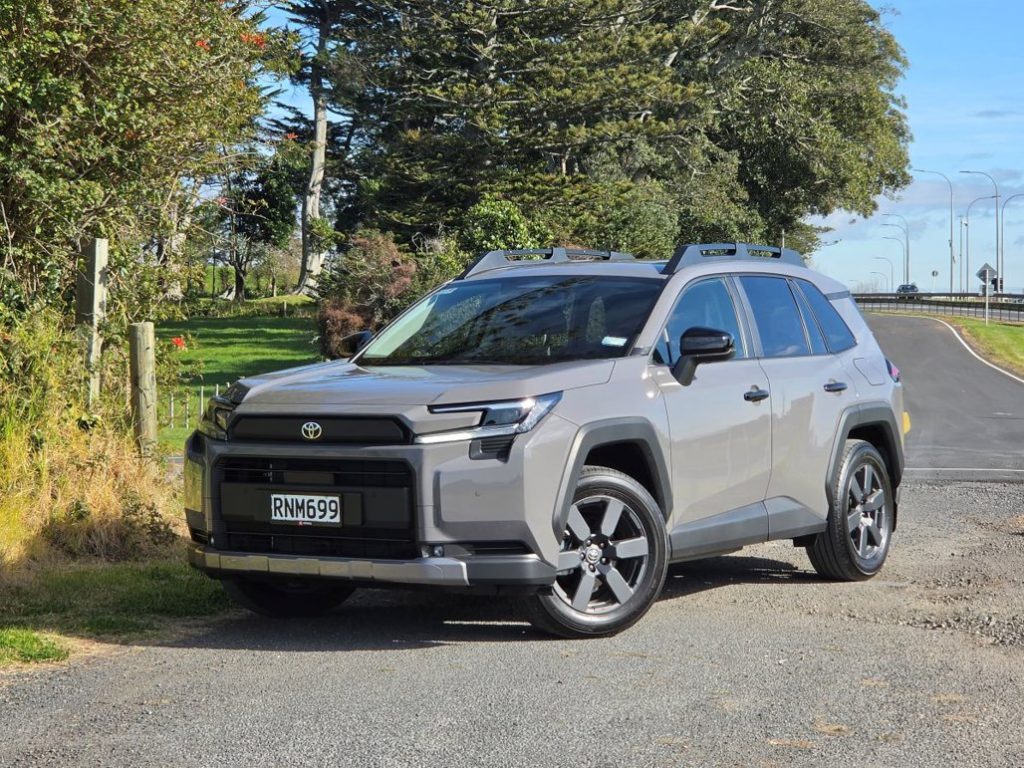
One important point is that a low brand average does not mean every Toyota model has identical reliability. Vehicle age, mileage, engine configuration, and maintenance history all influence repair requirements. A neglected vehicle can become expensive regardless of its manufacturer’s reputation.
Nevertheless, Toyota’s $441 annual estimate and relatively low repair frequency make it one of the strongest performers in RepairPal’s comparison.
3. Mazda: $462 Average Annual Repair Cost
Mazda occupies third place with an average annual repair and maintenance cost of $462. That is $190 below RepairPal’s $652 industry benchmark, giving the manufacturer an advantage of approximately 29%.
Its result is particularly interesting because Mazda combines relatively affordable ownership expenses with vehicles that often emphasize driving engagement and premium-inspired interior design.
RepairPal places Mazda fifth among 32 brands in its reliability ranking, with a rating of 4.0 out of 5.0. Its average annual repair cost is also supported by a relatively low frequency of unscheduled workshop visits.
This makes the brand worth considering for buyers who want something more driver-focused without automatically accepting luxury-car repair expenses.
The American lineup includes popular models such as the Mazda3, Mazda6, CX-30, CX-5, and CX-50. These vehicles cover several important segments, from compact commuter cars to family-oriented SUVs.
The CX-5, in particular, has helped Mazda compete with established mainstream crossovers by offering a well-finished cabin and composed road manners.
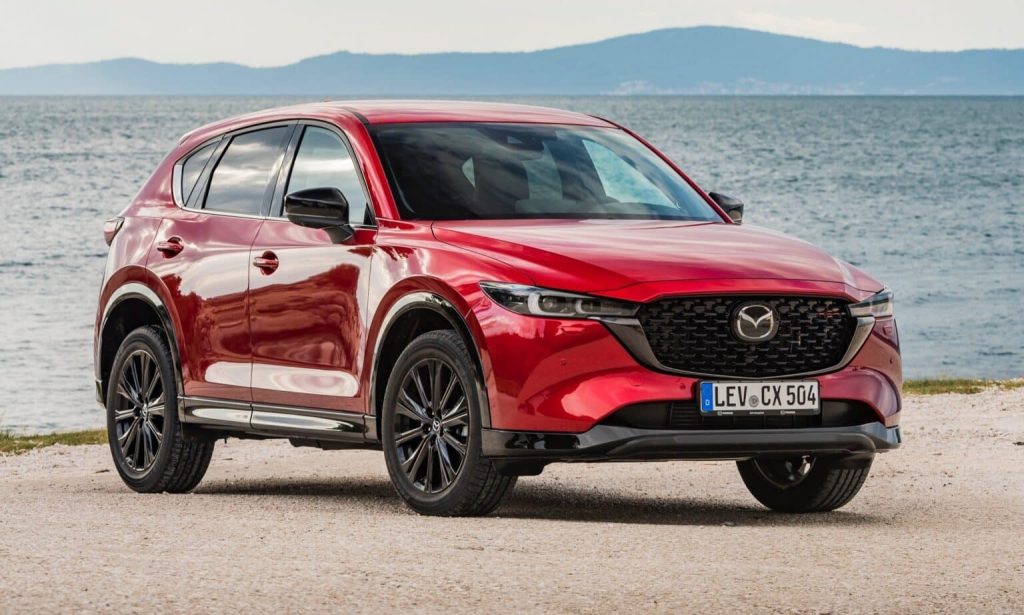
There are still differences between individual models. A turbocharged SUV, for example, may have different servicing requirements from a naturally aspirated compact sedan. Repair expenses can also rise as vehicles accumulate mileage or require suspension and electrical repairs.
Mazda’s $462 figure should therefore be viewed as a brand-wide estimate rather than a fixed annual ownership budget. Even so, its performance provides evidence that buyers do not necessarily need to sacrifice driving enjoyment to obtain comparatively manageable repair expenses.
4. Hyundai: $468 Average Annual Repair Cost
Hyundai records an average annual repair and maintenance expense of $468, placing it fourth in this comparison. That is $184 below the $652 industry average, or approximately 28% less. Its result puts it close to Mazda and Kia, showing how competitive several mainstream Asian manufacturers are when repair expenses are compared at the brand level.
The brand’s position is supported by a broad American vehicle lineup. The Elantra and Sonata serve sedan buyers, while the Tucson and Santa Fe target customers looking for practical SUVs. Hyundai also offers electrified models, including hybrids and battery-electric vehicles, giving shoppers additional powertrain choices.
RepairPal’s methodology considers more than the cost of individual repairs. It also examines how frequently vehicles require unscheduled workshop visits and how likely those repairs are to be severe. This distinction matters because a manufacturer can have relatively inexpensive individual repairs but still perform poorly if its vehicles frequently require attention.
Hyundai’s $468 annual figure suggests that its typical repair expenses remain substantially below the national benchmark. However, individual ownership costs can vary according to the model, engine, transmission, mileage, and maintenance history.

Buyers should also check whether a particular used vehicle has completed applicable recalls and received its scheduled servicing.
For households looking for a mainstream vehicle with comparatively manageable repair expenses, Hyundai deserves consideration. Its fourth-place result shows that modern styling, extensive equipment, and a wide range of vehicle choices do not necessarily require spending more than the industry average on repairs.
5. Kia: $474 Average Annual Repair Cost
Kia records an average annual repair and maintenance cost of $474, putting it fifth among the ten manufacturers featured here. That is $178 less than the $652 industry average, equivalent to approximately 27% lower yearly spending.
Although it sits slightly behind Hyundai, the difference between the two brands is only $6, making their repair-cost performance remarkably close.
RepairPal’s brand-level results place Kia among the manufacturers with comparatively affordable ownership expenses. Its lineup covers several popular American vehicle categories, including compact sedans, midsize sedans, subcompact SUVs, and three-row family crossovers.
Models such as the Forte, K5, Sportage, Sorento, and Soul give buyers different options depending on their passenger and cargo requirements.
Kia’s position is particularly relevant to budget-conscious households. A lower average repair bill can help reduce unexpected ownership expenses, especially when a vehicle is kept beyond its factory warranty period.
However, repair costs are only one part of the financial picture. Insurance premiums, depreciation, fuel consumption, and scheduled maintenance should also be considered before purchasing.
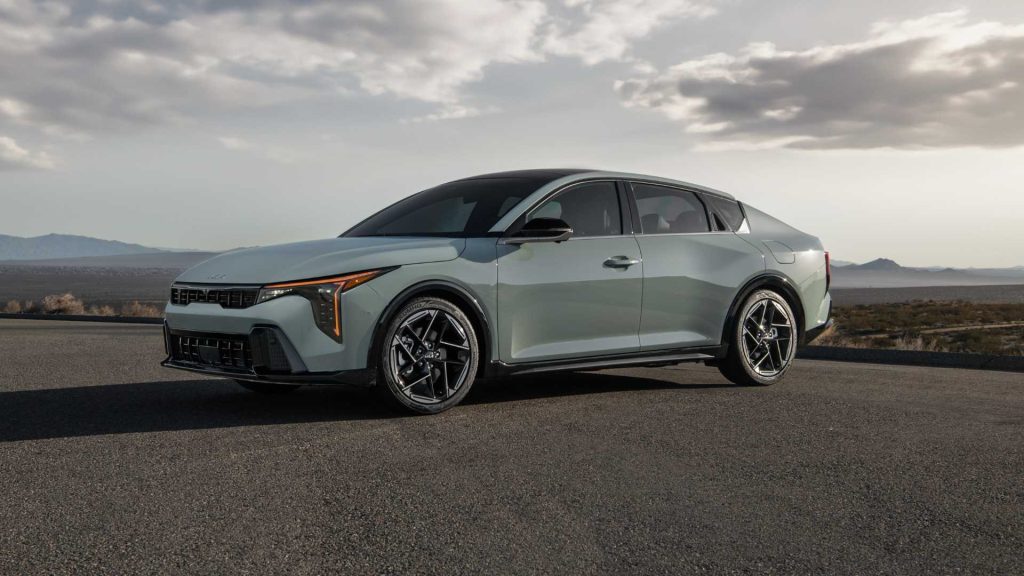
Individual Kia models can perform differently from the manufacturer’s average. Engine configuration, transmission type, mileage, and previous servicing all influence the likelihood of repairs.
A vehicle with an incomplete maintenance history should never be considered inexpensive to own simply because its brand performs well in RepairPal’s rankings.
At $474 annually, Kia demonstrates that buyers can find practical transportation with repair expenses substantially below the national average.
6. Nissan: $500 Average Annual Repair Cost
Nissan reaches sixth place with an estimated annual repair and maintenance cost of $500. Compared with the $652 industry average, that represents a saving of $152 per year, or approximately 23%. Its result is higher than the figures recorded by Honda, Toyota, Mazda, Hyundai, and Kia, but it still places Nissan comfortably below the national benchmark.
RepairPal’s reliability information also reports approximately 0.3 unscheduled repair visits per year for Nissan vehicles, compared with 0.4 across all brands. Its estimated probability of a severe repair is 13%, slightly above the industry average of 12%.
This distinction is important because lower repair spending does not automatically mean every reliability measure is better.
The American Nissan lineup includes several familiar models. The Sentra and Altima serve buyers looking for everyday sedans, while the Rogue offers a practical compact SUV alternative. The Frontier and Pathfinder cater to customers requiring pickup-truck capability or additional passenger space.
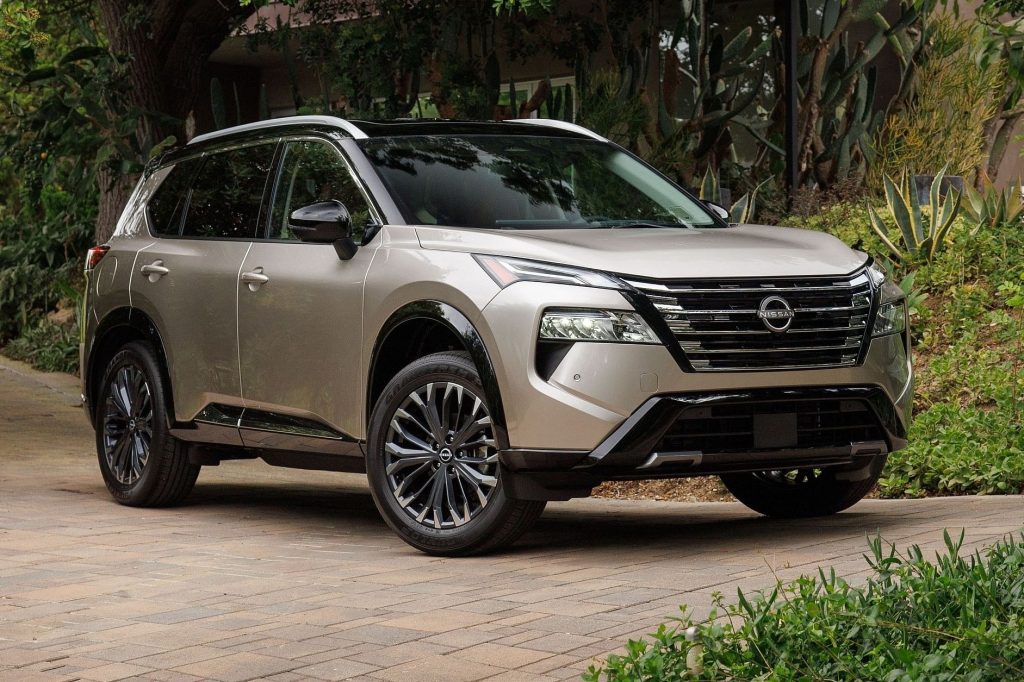
Nissan’s wide range of powertrains also means repair requirements can differ substantially. A conventional gasoline model, a hybrid and an electric vehicle do not share identical servicing needs. Buyers should therefore research the specific vehicle rather than relying entirely on the manufacturer’s average.
For someone shopping for a used vehicle, Nissan’s $500 figure provides a useful indication of its relatively affordable repair-cost position. Checking transmission servicing, engine maintenance and previous repair records remains essential, particularly on higher-mileage examples.
7. Acura: $501 Average Annual Repair Cost
Acura places seventh on this list, with an estimated annual repair cost of $501. That is $151 below RepairPal’s $652 industry average, giving owners a meaningful cost advantage over the typical vehicle.
As Honda’s luxury division, Acura combines premium features and more upscale interiors with engineering that shares some foundations with its mainstream parent brand. Its RepairPal ranking suggests that this approach does not necessarily bring the repair expenses associated with some other luxury manufacturers.
Acura models covered by RepairPal’s data include vehicles such as the Integra, TLX, RDX, and MDX. These cars and SUVs serve different buyers, from drivers seeking a compact premium sedan to families looking for a three-row luxury crossover.
Their repair needs naturally differ according to age, mileage, maintenance history, and mechanical condition, so the brand average should not be treated as a guaranteed ownership cost for every model.
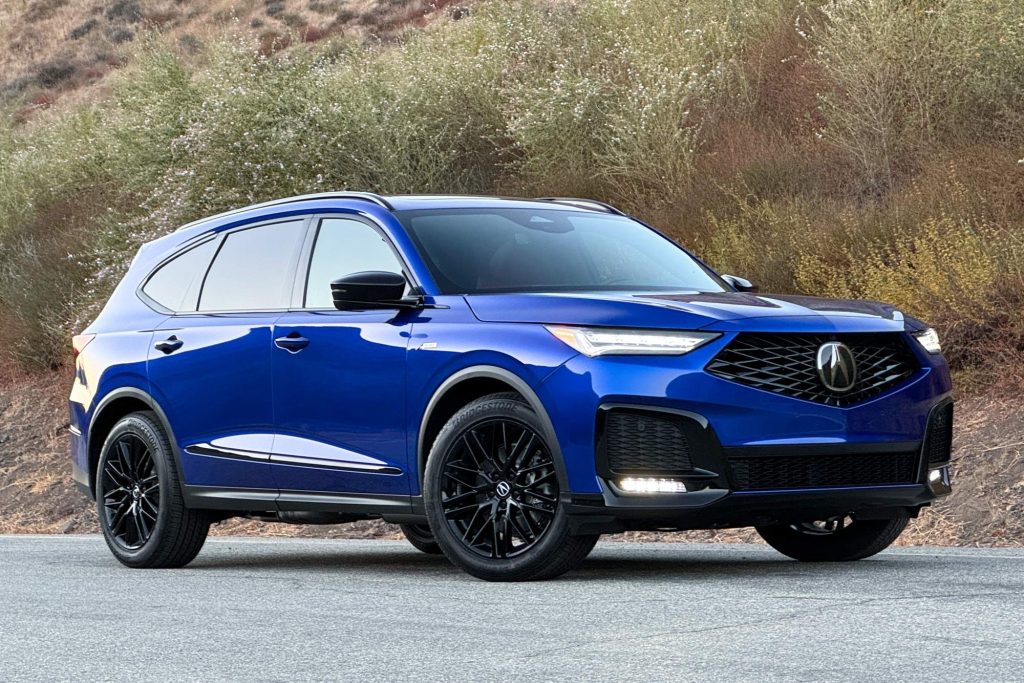
The $501 figure is particularly notable because luxury vehicles can involve more expensive components and specialized repair work than mainstream models. Acura’s position among the ten lowest-cost brands indicates that its estimated expenses remain comparatively manageable within the broader market.
Buyers considering a used Acura should still check service records and arrange an independent inspection, especially before purchasing an older vehicle with higher mileage.
8. Mitsubishi: $535 Average Annual Repair Cost
Mitsubishi records an estimated annual repair cost of $535, which is $117 below the $652 industry benchmark. RepairPal gives the manufacturer a 4.0 out of 5.0 reliability rating and places it sixth among 32 brands.
Its data also estimates approximately 0.2 unscheduled repair visits per year, with a 12% probability that a repair will be severe. These figures help explain why Mitsubishi earns a place among the more affordable brands to maintain.
The manufacturer’s U.S. lineup has included models such as the Outlander, Outlander Sport, Eclipse Cross, and Mirage. These vehicles cover several everyday needs, from compact city transportation to family-oriented SUV use.
Their different sizes and mechanical configurations mean that individual repair bills can vary, but the brand-level estimate provides a useful starting point when comparing potential ownership expenses.

Mitsubishi’s relatively low average is relevant to buyers who want to keep routine ownership costs under control. However, a lower brand average does not mean every repair will be inexpensive. Parts availability, vehicle age, local labor rates, driving conditions, and previous maintenance can all influence the final bill.
Anyone considering a used Mitsubishi should review its maintenance history and check for outstanding recalls before buying. Even with those precautions, its $535 estimate places it comfortably below the industry average.
9. Lexus: $551 Average Annual Repair Cost
Lexus demonstrates that owning a luxury vehicle does not automatically mean paying above-average repair bills. RepairPal estimates that Lexus owners spend approximately $551 annually on repairs, which is $101 less than the $652 industry benchmark.
The brand receives a reliability rating of 4.0 out of 5.0 and ranks seventh among 32 manufacturers. Its estimated repair frequency is 0.5 visits per year, while the probability of a severe repair stands at just 8%.
As Toyota’s luxury division, Lexus benefits from sharing engineering foundations with a manufacturer known for mainstream passenger cars and SUVs. Its range includes sedans such as the ES and IS, along with popular SUVs including the RX, NX, and GX.
These vehicles offer premium interiors, additional technology, and different powertrain choices, but their brand-wide repair estimate remains below the national average.
One important detail is that Lexus’s annual figure should be considered alongside the cost of luxury vehicle parts and labor. RepairPal notes that premium manufacturers can have higher repair expenses without necessarily having worse reliability.
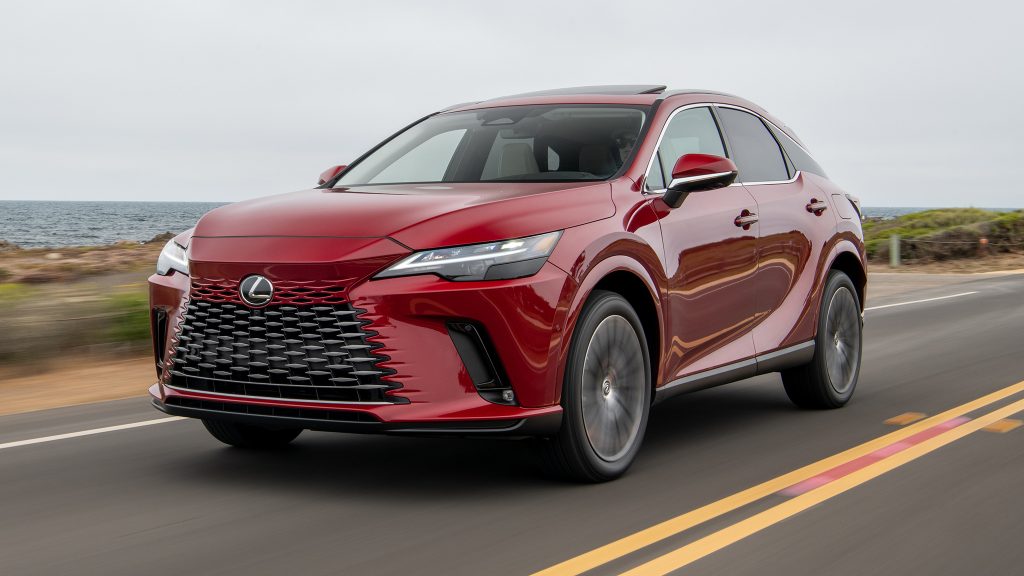
Lexus’s relatively low severe-repair probability is particularly encouraging for buyers concerned about unexpected major bills.
For used-car buyers, Lexus stands out by offering premium features without an above-average estimated repair cost. Reviewing service records and having the specific vehicle inspected are still important, but its $551 estimate puts the brand among the stronger performers in this comparison.
10. Buick: $608 Average Annual Repair Cost
Buick completes the list with an estimated annual repair cost of $608. It sits just $44 below RepairPal’s $652 industry average, making it the closest brand to the benchmark among these ten manufacturers.
RepairPal gives Buick a reliability rating of 3.5 out of 5.0 and ranks it 13th among 32 brands. Its data also estimates 0.3 repair visits per year and a 13% probability of a severe repair.
Buick occupies an interesting position in the American market. The brand offers a more upscale experience than many mainstream manufacturers, with models such as the Encore, Enclave, Envision, and Regal represented in RepairPal’s vehicle data.
Its vehicles appeal to buyers who want comfortable cabins and premium touches without moving into the pricing territory of some established luxury brands.
The $608 estimate suggests that Buick ownership costs are relatively close to the typical vehicle, rather than exceptionally inexpensive. Its average is considerably higher than Honda’s $428 or Toyota’s $441, but it remains below the industry benchmark.
The 13% severe-repair probability also deserves attention because it is slightly above the 12% figure RepairPal reports across all models.
Buyers considering a used Buick should pay particular attention to its service history, mileage, and condition. A well-maintained example can be a sensible purchase, but the brand’s position near the bottom of this ranking shows that beating the industry average does not necessarily mean having low repair expenses.
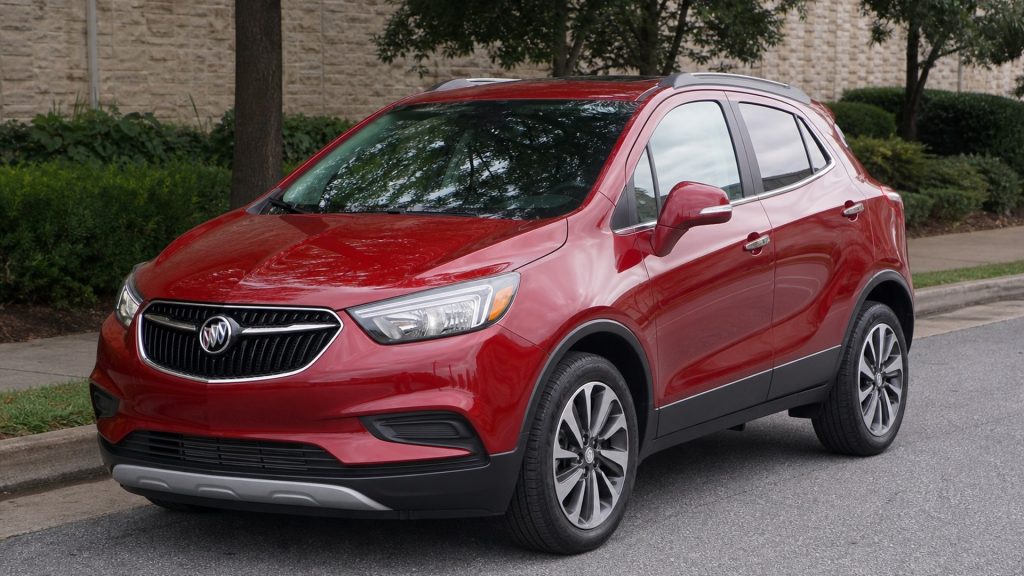
RepairPal’s figures show a substantial difference between the least expensive brands to repair and those sitting closer to the industry average. Honda and Toyota lead this selection, while Buick offers a much narrower cost advantage.
These numbers are brand-level estimates, not guaranteed bills for individual vehicles. Actual expenses depend on model, age, mileage, location, and maintenance history.
Before purchasing any used vehicle, buyers should compare model-specific repair records and arrange a professional inspection rather than relying on the manufacturer’s average alone.