Luxury vehicles often come with higher ownership expenses, and maintenance is one of the costs buyers need to consider before choosing a premium badge. However, Acura is challenging that expectation with comparatively affordable long-term upkeep.
According to CarEdge’s 10-year maintenance and repair estimates, owning an Acura is projected to cost $8,414 over a decade, compared with an average of $12,539 across luxury brands.
That creates a difference of $4,125, giving Acura a measurable cost advantage in a segment where expensive replacement parts, specialist servicing, and complex technology can increase ownership expenses. The figures also place Acura among the least expensive luxury brands to maintain.
Acura’s Ten-Year Maintenance Estimate Beats the Luxury Average
CarEdge’s luxury-brand maintenance rankings place Acura fourth among 15 manufacturers, with an estimated 10-year upkeep cost of $8,414. Only Tesla, Lexus, and Genesis have lower projected expenses in the published ranking.
The luxury-brand average is $12,539, meaning Acura owners are projected to spend $4,125 less over the same period. That represents approximately 32.9% below the segment average, a substantial difference for buyers planning to keep their vehicles beyond the typical financing period.
The comparison becomes clearer when Acura is placed alongside other premium manufacturers. Tesla leads the ranking at $4,281 over ten years, followed by Lexus at $7,110 and Genesis at $7,591.
Acura’s $8,414 estimate puts it ahead of Alfa Romeo at $8,712, Volvo at $10,082, and Audi at $10,211. Cadillac follows at $11,025, while Infiniti reaches $11,836. Mercedes-Benz is estimated at $12,942, BMW at $16,021, and Land Rover at $18,072. Bentley occupies the expensive end of the list at $36,400.
These figures show that Acura’s position is not simply the result of being cheaper than a handful of luxury competitors. Its projected maintenance expenses are also comfortably below the wider luxury-brand average.
The difference is particularly relevant because premium vehicles can require more expensive components, specialized diagnostic equipment, and labor from technicians familiar with particular powertrains and electronic systems.
However, CarEdge’s figures should be interpreted carefully. They are estimates of projected maintenance and repair expenses, not guaranteed bills for every Acura owner.
Actual spending depends on the vehicle’s model, mileage, age, driving conditions, service history, and location. A heavily driven MDX or an older vehicle requiring major component replacement may cost considerably more than the brand-level estimate.
It is also important to distinguish maintenance and repair expenses from total ownership costs. The $8,414 figure does not represent the purchase price, depreciation, insurance, fuel, and financing combined.
It focuses on the upkeep category used in CarEdge’s brand comparison. Buyers should therefore avoid treating the $4,125 difference as a guaranteed reduction in their complete ownership budget.
How Acura Compares With Lexus, Genesis, and Other Luxury Brands
Acura’s fourth-place position becomes more interesting when compared with manufacturers competing for similar customers. Lexus leads the traditional luxury-brand comparison with an estimated $7,110 in maintenance expenses over ten years.
Genesis follows at $7,591, while Acura sits at $8,414. Although Acura does not have the lowest projected cost, its position puts it ahead of several established European and American luxury manufacturers.
The difference between Acura and some competitors is particularly noticeable. Compared with Mercedes-Benz, which has a projected ten-year maintenance cost of $12,942, Acura is estimated to save owners $4,528. The gap becomes even wider against BMW, whose projected expenses reach $16,021. That is $7,607 more than Acura’s estimate.
Land Rover is considerably more expensive at $18,072, creating a difference of $9,658. These comparisons demonstrate why maintenance expenses deserve attention when comparing luxury vehicles with similar purchase prices.
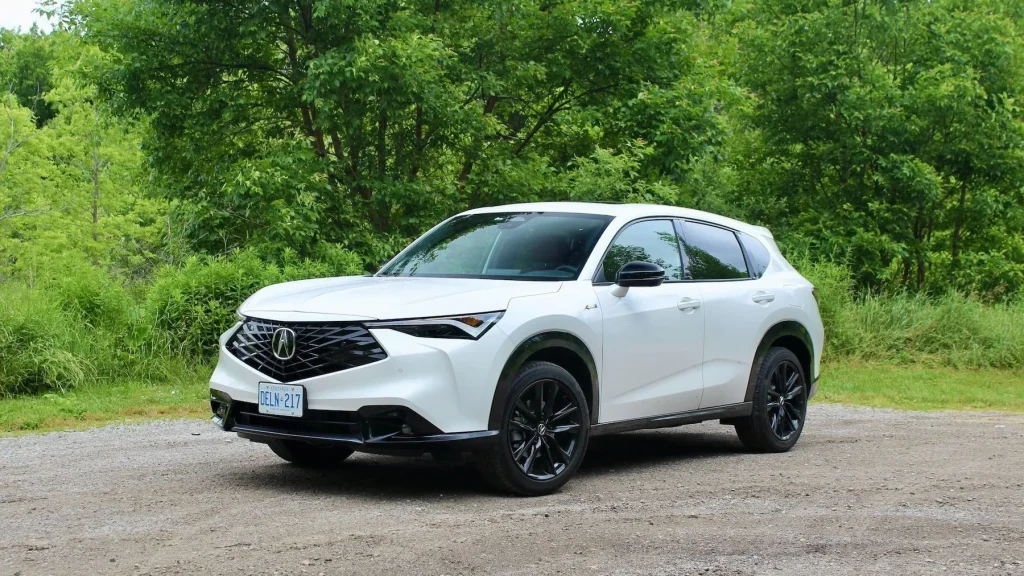
Acura’s position is also supported by the estimates for individual vehicles. CarEdge lists the Acura Integra at approximately $7,337 in projected ten-year maintenance expenses. The ZDX follows at $5,979, while the TLX reaches $7,896. Larger SUVs carry higher estimates, with the RDX at $10,296 and the MDX at $10,564.
This variation is important because it shows that not every Acura delivers the same ownership-cost advantage. The Integra and ZDX sit below the brand’s $8,414 average, while the RDX and MDX exceed it.
Buyers considering a larger luxury SUV should therefore avoid assuming that the brand average represents the likely cost of their particular vehicle.
The difference between sedan and SUV maintenance estimates is not unusual in the premium segment. Larger vehicles can require more expensive tires, have heavier braking components, and use additional equipment that may eventually need servicing. More complicated drivetrains and additional electronic features can also influence repair expenses.
For Acura, the advantage comes from offering premium-oriented vehicles without consistently reaching the projected maintenance expenses associated with some more expensive luxury competitors.
Its relationship with Honda also gives the brand access to a broader engineering and manufacturing ecosystem. Shared engineering foundations and components can potentially simplify certain servicing requirements, although this does not mean every Acura part is interchangeable with a Honda or that all repairs will be inexpensive.
The brand’s position makes it particularly relevant to buyers who want premium interiors, additional comfort features, and stronger performance without automatically accepting the highest long-term maintenance estimates in the luxury market.
What the $4,125 Difference Means for Long-Term Ownership
The financial implications become clearer when the projected savings are divided across the ownership period. Acura’s $8,414 estimate works out to approximately $841 per year over ten years. The luxury-brand average of $12,539 translates to approximately $1,254 annually. That creates an estimated difference of around $412 per year.
For someone purchasing a luxury vehicle and planning to keep it for a decade, that amount can contribute toward other ownership expenses. It could help cover replacement tires, routine servicing, insurance payments, or unexpected repairs.
However, these calculations simply distribute CarEdge’s ten-year estimates across individual years. They should not be interpreted as a fixed annual service bill.
Another important consideration is the difference between maintenance and complete ownership expenses. A vehicle with lower maintenance costs can still become expensive because of depreciation, insurance premiums, financing charges, and fuel consumption.
Acura buyers should consider these categories before deciding whether a particular model offers better financial value than a competitor.
Depreciation deserves particular attention. A luxury vehicle that costs less to maintain but loses a substantial percentage of its original purchase price may still become more expensive to own than a competing model with stronger resale value. Similarly, insurance costs can vary considerably depending on the driver’s age, location, driving history, and selected coverage.
Buyers should also consider how long they intend to keep their vehicles. Someone who changes cars every three years may not experience the same maintenance expenses as an owner who keeps a vehicle for ten years.
Factory warranty coverage can reduce exposure to certain unexpected repair bills during the initial ownership period, while expenses may become more significant as the vehicle ages.
CarEdge’s estimates are particularly useful for people comparing vehicles before purchasing them. Rather than focusing exclusively on monthly payments or the manufacturer’s suggested retail price, buyers can consider projected maintenance expenses as another part of their financial planning.
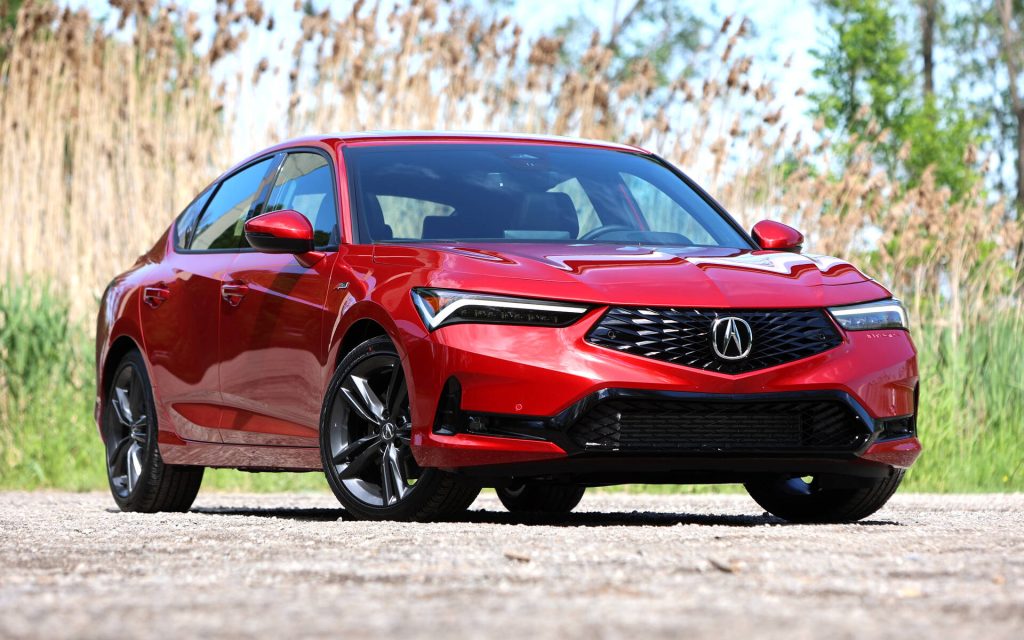
The data also reinforces the importance of choosing the right Acura model. The Integra may appeal to buyers seeking a smaller premium vehicle, while the MDX provides three-row practicality for families. Their maintenance estimates differ substantially, so comparing the specific models is more useful than relying exclusively on the manufacturer’s average.
For existing owners, regular servicing remains important. Following the manufacturer’s maintenance schedule, addressing warning lights promptly and maintaining accurate service records can help prevent avoidable problems.
Buyers considering used examples should also arrange an independent inspection before completing a purchase, particularly when the vehicle has substantial mileage or an incomplete service history.
Acura’s $8,414 projected ten-year maintenance cost places it among the more affordable manufacturers in CarEdge’s luxury-brand comparison. Its $4,125 advantage over the $12,539 segment average provides a meaningful reason for buyers to consider the brand when evaluating long-term ownership expenses.
The figures do not guarantee that every Acura will be inexpensive to maintain, and individual models can produce considerably different bills.
Nevertheless, the comparison challenges the assumption that premium ownership must automatically involve substantially higher servicing expenses. For buyers seeking luxury features while keeping an eye on long-term costs, Acura’s position offers a compelling financial consideration.