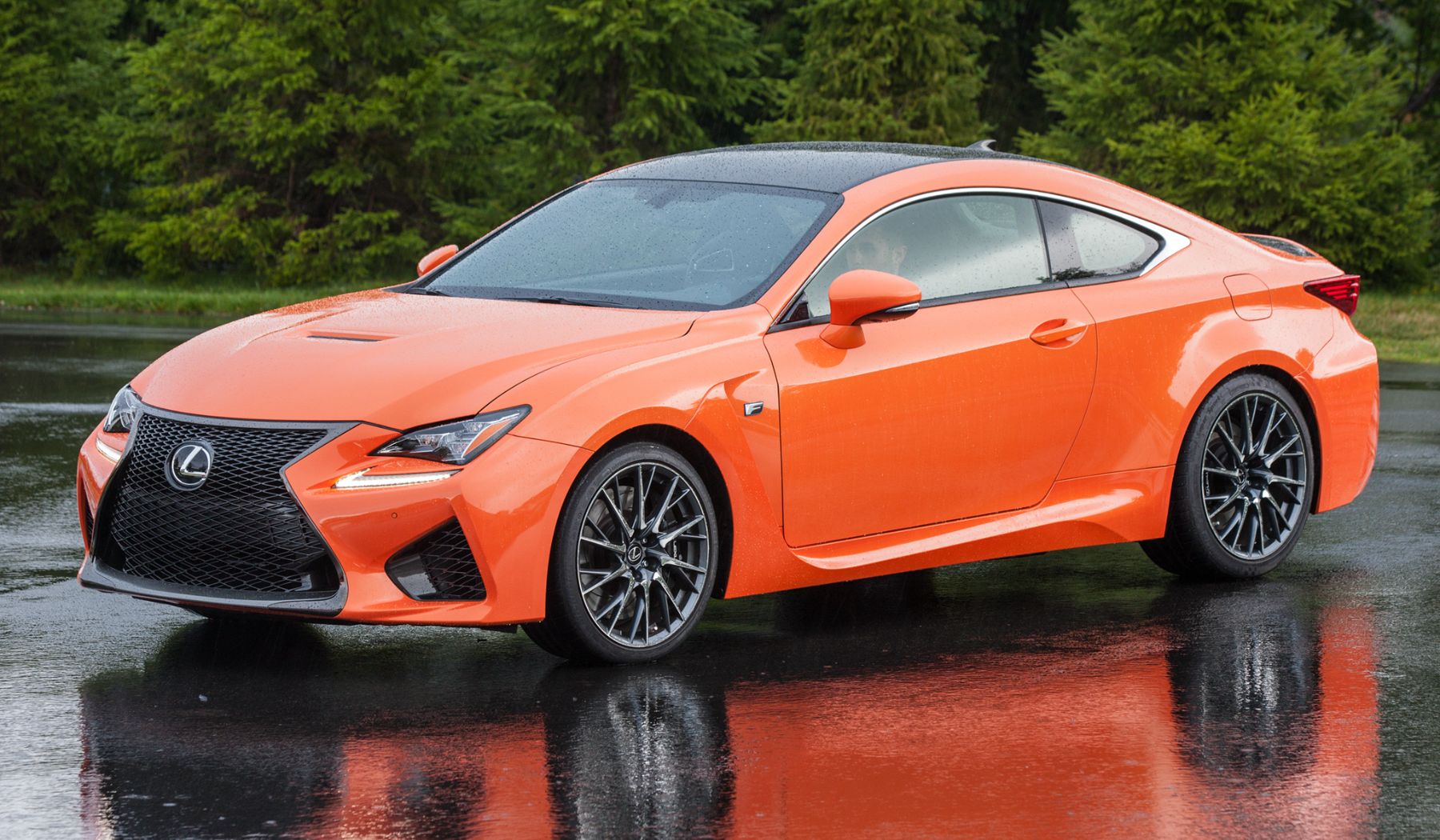
Luxury vehicles are usually associated with higher repair bills, but the latest brand-level figures from RepairPal offer an interesting exception. The service and repair data provider estimates that Lexus vehicles cost an average of $551 a year to repair and maintain, compared with $649 for Chevrolet.
This means the luxury brand costs $98 less than the mainstream American automaker, representing a difference of roughly 15%. The finding challenges the common belief that owning a premium vehicle always comes with higher expenses. However, some context is important. These figures reflect averages across multiple models and model years rather than specific repair or maintenance quotes for two individual vehicles.
RepairPal’s reliability ratings also consider how often repairs occur and how likely they are to be severe.
RepairPal’s Figures Put Lexus $98 Below Chevrolet
RepairPal’s published brand reliability pages list an average annual repair cost of $551 for Lexus and $649 for Chevrolet. The gap is $98 per year, or roughly 15.1% of Chevrolet’s figure. Put another way, the Lexus brand average is about 85% of Chevrolet’s.
The figures are not a direct comparison between similarly sized or similarly priced vehicles. They combine data across each manufacturer’s model range, so a small Lexus sedan and a large Chevrolet pickup both contribute to their respective brand averages.
The comparison is particularly striking because Lexus occupies the luxury end of the market. Its premium positioning can mean more expensive components or specialist labor, but RepairPal’s brand average places it below Chevrolet.
RepairPal currently gives Lexus a reliability rating of 4.0 out of 5.0, ranking it seventh among 32 brands. Chevrolet receives 3.5 out of 5.0 and ranks twentieth. Both brands are described as above average by RepairPal, but Lexus has the stronger combined score. The rating is based on cost, frequency, and severity of repairs rather than repair spending alone.
There is an important qualification in the underlying data. RepairPal says the reliability rating covers 2010 through 2019 model-year vehicles, with controls intended to ensure statistical confidence. The brand averages, therefore, should not be interpreted as a forecast for every new 2026 or 2027 vehicle.
They are historical, aggregated indicators drawn from the vehicles included in the dataset. Buyers should still check a specific model’s warranty, service schedule, and known issues.
The $98 difference is meaningful as a comparison, but it should not be mistaken for guaranteed annual savings. Repair costs vary with vehicle age, mileage, location, labor rates, parts availability, and the type of work required. A Lexus with a major failure can cost far more than a Chevrolet needing routine service.
Repair Frequency and Severity Explain More Than the Annual Bill
One of the most valuable aspects of RepairPal’s comparison is that it considers more than just average repair costs. Its reliability rating is based on three key factors, including maintenance and repair expenses, how often vehicles need unexpected trips to the repair shop, and the chances of requiring a major or costly repair.
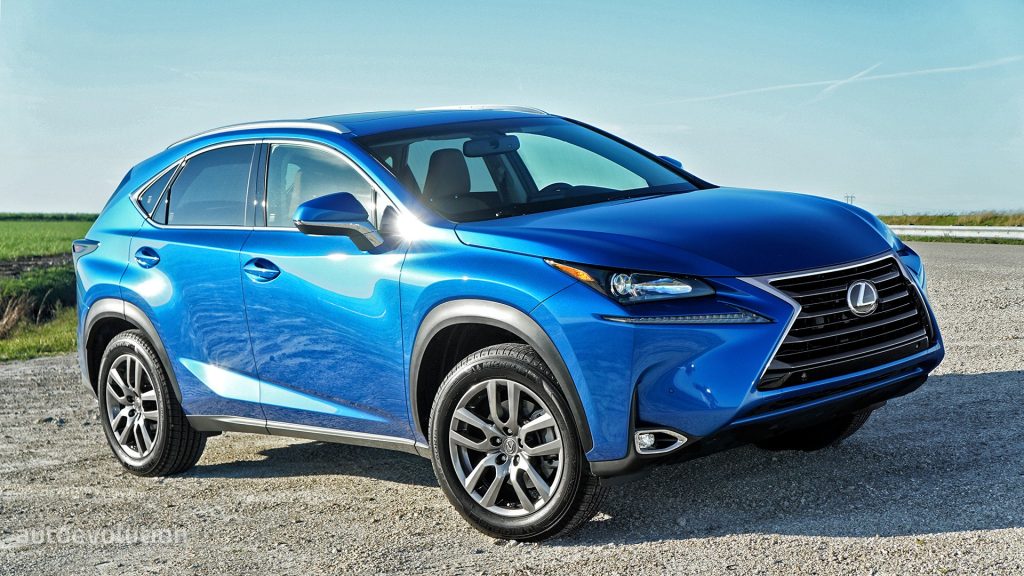
A brand can have expensive individual repairs but still perform well if major failures are uncommon.
According to RepairPal, Lexus vehicles average 0.5 unexpected repair shop visits per year, compared with just 0.3 for Chevrolet. This suggests that Lexus does not have an advantage when it comes to repair frequency. Its vehicles are more likely to require unscheduled attention, despite having lower average annual repair costs.
Severity moves the comparison in the other direction. RepairPal says 8% of Lexus repairs are considered severe, compared with 15% for Chevrolet. Its definition classifies a repair as severe when the cost reaches three times the average annual repair cost across all models.
RepairPal adjusts that threshold upward for premium and luxury brands, reflecting their typically higher parts and labor costs. The lower Lexus severity figure suggests that a smaller share of its recorded repair events crosses the provider’s major-cost threshold.
This combination helps explain why the luxury brand can have a lower average annual bill despite more frequent shop visits. Frequency counts unscheduled visits, excluding small routine stops such as oil changes.
Neither metric guarantees that a particular Lexus will be trouble-free, but together they provide more information than the annual average alone.
RepairPal says its reliability calculations draw on millions of repair invoices and additional automotive statistics and predictive data science.
It tracks vehicles over multiple years to estimate how often they enter a repair shop, then combines those findings with repair costs and severity. Parts and labor rates can therefore influence cost independently of dependability.
Chevrolet’s larger and more varied lineup also complicates a simple brand-versus-brand conclusion. Its lineup ranges from passenger cars and crossovers to performance models, vans, and full-size pickups.
Lexus has a different mix, concentrated in luxury cars and SUVs, so the averages reflect the types of vehicles each company sells as well as their repair records.
What the Difference Means for Buyers and Owners
A $98 annual gap may not transform the economics of buying a vehicle, but it can become more noticeable over a longer ownership period. If the current difference stayed constant for five years, it would add up to $490.
Over a decade, that difference would add up to $980. However, this is only a basic calculation rather than a prediction of future expenses. Repair costs may increase as vehicles get older, and actual spending will vary depending on the type of repairs needed and each owner’s driving habits and vehicle condition.
The figures also should not be confused with the total cost of ownership. RepairPal’s annual cost measure concerns repairs and maintenance, not the vehicle’s purchase price, financing, insurance, fuel, registration, taxes, or depreciation.
A Lexus generally costs more to buy than a comparable mainstream vehicle, so a lower repair average does not automatically make it the less expensive choice. The entire ownership budget matters.
For used-car shoppers, the brand averages are best treated as a starting point for research. A pre-purchase inspection, service records, and a recall check can reveal problems that a broad reliability score cannot.
On older vehicles, the condition of the transmission, cooling system, hybrid battery, where it is fitted, and electronics may matter more than the badge.
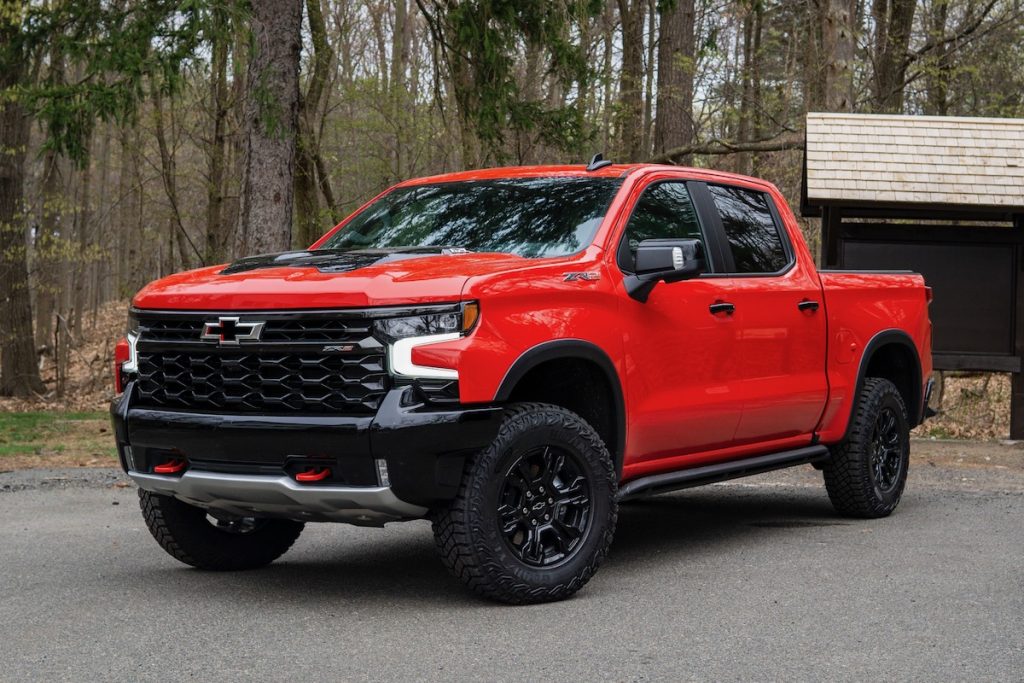
New-car shoppers should compare warranty coverage and scheduled maintenance requirements. Owners should follow the intervals in their specific manuals, since local labor rates and independent repair options can also change the cost calculation.
The fairest reading of RepairPal’s data is not that every Lexus is cheaper to fix than every Chevrolet. It is that the provider’s aggregated figures show Lexus with a lower average annual repair cost, a stronger reliability score, and a lower probability of severe repairs, while Chevrolet records fewer unscheduled shop visits.
That fuller picture makes the comparison more useful and less simplistic. For buyers who have assumed that a luxury badge automatically means higher repair bills, the $551 versus $649 comparison is worth a closer look.
Lexus’s result shows how repair frequency, severity, and the design of a vehicle lineup can matter as much as the price of individual parts. Chevrolet’s lower visit frequency is a counterpoint, and model-specific research remains essential.
The $98 difference is a useful signal, not a guarantee, but it demonstrates that premium ownership does not always translate into higher average repair spending.