Most drivers look after engine oil, tyres and brakes. The fuel filter rarely gets a thought until the car starts misbehaving. It is a small, cheap part hidden in the fuel line. Yet it protects some of the most expensive components in your car.
Every drop of petrol or diesel carries tiny particles of dirt. The filter catches them before they reach the engine. When it is never changed, it slowly clogs and starves the engine. The damage builds quietly over months and years.
Because the decline is gradual, most owners blame age or bad fuel. By then, the pump and injectors may already be suffering. This article explains what really happens when a fuel filter is ignored. It covers the warning signs, the hidden damage and the true costs.
You will also learn how often to replace it and how to protect your engine. A few hundred rupees spent on time can save you a very large repair bill. Read on to understand why this tiny part deserves your attention. A little knowledge now can keep your car running smoothly for years.
What a Fuel Filter Does and Why It Gets Clogged
A fuel filter sits between the tank and the engine. Its only job is to clean the fuel before it is burnt. Inside is a fine paper or synthetic element with microscopic pores. Fuel flows through, while dirt and rust stay trapped.
Fuel is never perfectly clean, even at a good station. Storage tanks and tankers add dust and moisture along the way. Your own tank contributes too. Rust flakes and sediment collect at the bottom as the years pass.
Modern injectors have openings thinner than a human hair. One speck of grit can block or scratch them. Petrol engines today use very precise injection systems. Small flaws in fuel delivery quickly show up in performance.
Diesel systems are even more delicate. They run at extremely high pressure with very tight tolerances. Water is a special enemy of diesel engines. It causes rust, poor lubrication and damage to the injection pump.
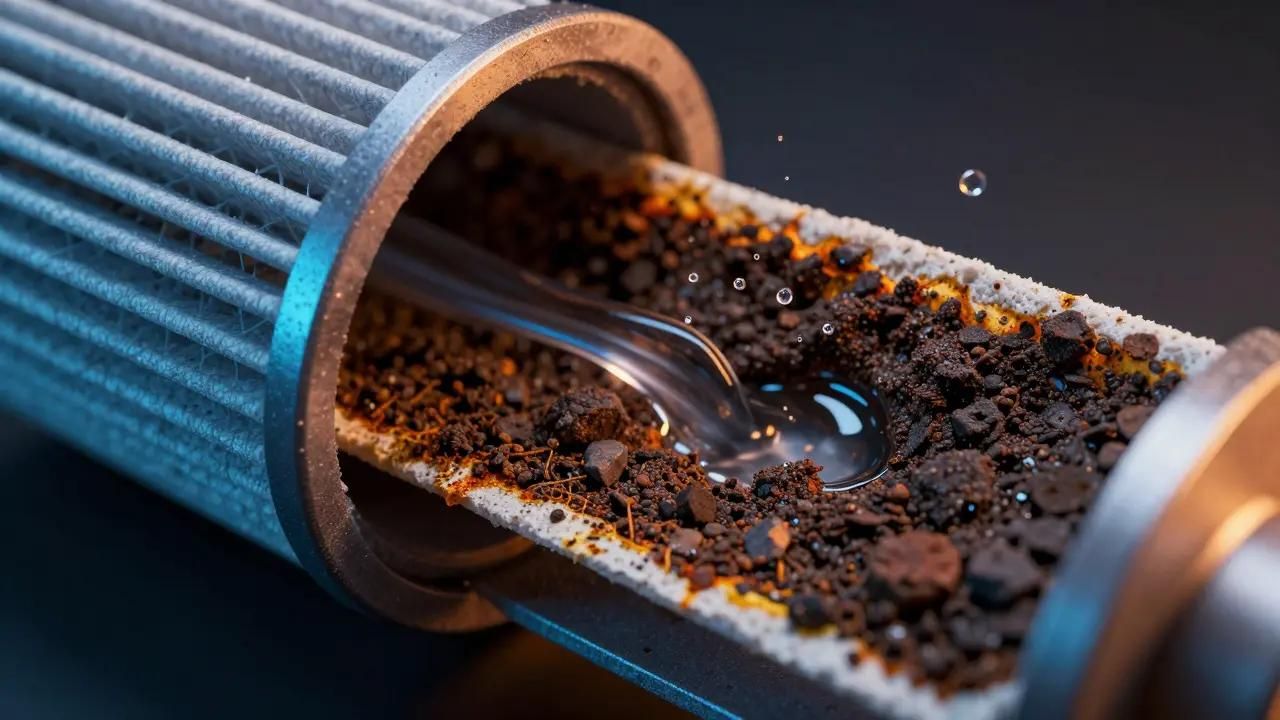
A filter can only hold a limited amount of dirt. After that, it cannot do its work properly. Think of a tea strainer that is never washed. After enough cups, the holes clog and the flow slows to a trickle.
A fuel filter behaves the same way, but with higher stakes. The engine is the one that goes thirsty. A clogged filter creates resistance in the fuel line. The pump must push harder to deliver the same amount of fuel.
Fuel pressure at the engine then drops. The computer tries to compensate, but it can only do so much. Some people believe in-tank filters last forever. Manufacturers often call them lifetime parts, but real roads tell another story.
Lifetime usually means the life of the pump assembly under ideal conditions. Dusty roads and poor fuel shorten that life greatly. Fuel quality differs from region to region. In areas with inconsistent standards, filters clog much faster.
Older cars face extra risk. Their tanks have had more years to build up rust and sludge. Cars that sit unused for long periods suffer too. Fuel degrades, moisture forms and gummy deposits can develop.
Ethanol-blended petrol can loosen old deposits inside a tank. Those deposits then travel straight to the filter. Ignoring the filter does not remove the problem. It only pushes the problem deeper into the engine.
Everything downstream of the filter then takes the hit. That includes the pump, the lines and the injectors. Older carburetted vehicles use filters too. Their tiny jets and float chambers clog just as easily.
Some diesel cars use a filter with a water separator. It needs draining and regular replacement to stay effective. A filter works silently and gives no reminder. That is exactly why many owners forget it exists.
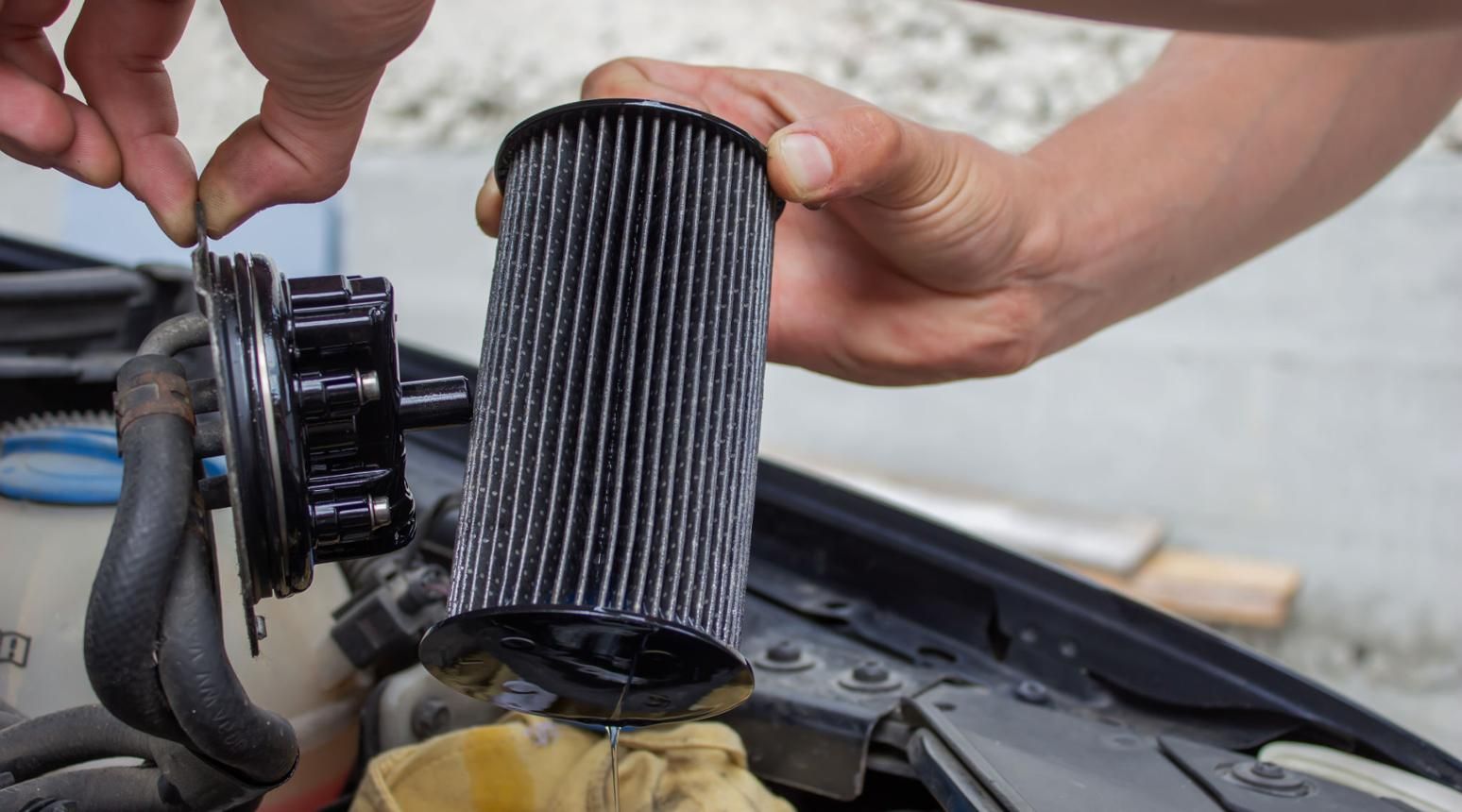
Mechanics often see filters that are black, soggy or half blocked. Owners are usually shocked at how bad they look. A clean filter looks pale and lets fuel pass easily. A neglected one looks like a lump of mud.
Understanding this chain makes maintenance easier to justify. A small part guards a very expensive system. Knowing what the filter does helps you take it seriously. Next, let us look at what happens when it starts to fail.
Warning Signs and the Engine Damage That Builds Up
The first sign is usually a slight loss of power. The car feels sluggish when you press the accelerator. Many drivers blame age or heavy traffic for this. The real cause is often a restricted fuel supply.
Hard starting is another early clue. The engine cranks for longer than usual before it fires. Rough idling often follows. The engine shakes or hums unevenly at traffic lights.
Hesitation during acceleration is very common. The car stumbles when you ask for more speed. A clogged filter cannot deliver fuel fast on demand. The engine gasps exactly when it needs fuel most.
Overtaking and hill climbs expose the problem clearly. These moments need the most fuel and the least delay. Poor mileage is a quieter symptom. You may find yourself visiting the pump more often.
The engine runs less efficiently when the fuel supply is weak. Wasted fuel then adds up over weeks. Sudden stalling is where things turn dangerous. The engine can cut out at low speed or even while driving.
Losing power on a busy highway is a real safety risk. Steering and braking feel heavier without engine assistance. Some cars throw a check engine light. Sensors detect a lean mixture or low fuel pressure.
That warning should never be brushed aside. It is often the last gentle alert before bigger trouble. Behind the scenes, the fuel pump suffers the most. It must push fuel through a clogged filter with extra force.
This extra load makes the pump run hot and wear out early. Electric pumps depend on flowing fuel to stay cool. Low flow means higher temperatures inside the pump. Over time the motor can burn out completely.
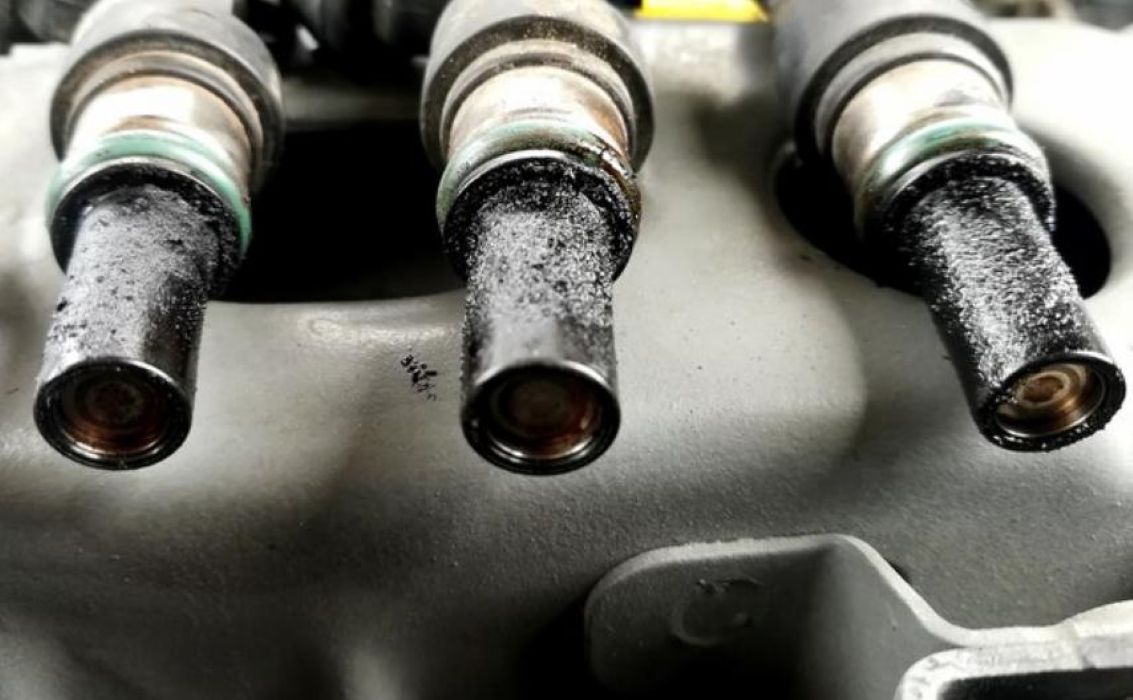
A failed fuel pump is far costlier than a filter. On many cars it sits inside the tank, which makes labour expensive. Injectors face a different kind of damage. Dirt that slips past a tired filter clogs their tiny nozzles.
The spray pattern then turns uneven and wasteful. Fuel enters the cylinder in droplets instead of a fine mist. Poor spray means incomplete burning of fuel. The engine produces more smoke and harmful emissions.
You may even fail a pollution test. That brings fines, retests and more repair visits. Carbon deposits then build up inside the engine. Valves and pistons collect sticky residue.
Performance drops further as deposits grow. Cleaning them is a bigger and costlier job. A lean mixture can cause something worse. When too little fuel mixes with air, combustion burns hotter.
Over time that extra heat can damage pistons and valves. In severe cases it can lead to engine knocking. In diesel cars, water is a serious threat. A saturated filter cannot separate water properly anymore.
Water inside a high-pressure pump causes rust and wear. A seized pump can send metal fragments through the whole system. Diesel injection pumps are among the costliest parts in a car. Replacing one can run into a very large bill.
A filter costing a few hundred rupees could have prevented it. That is the cruel maths of neglect. Eventually a badly clogged filter can stop the car completely. The engine starves and refuses to run. Many owners end up stranded and calling a tow truck. A simple service would have avoided the whole episode.
Costs, Replacement Intervals and How to Avoid the Problem
A new fuel filter is one of the cheapest parts you can buy. Prices are low for most petrol cars. Diesel filters cost a little more but remain affordable. They are still tiny compared with the parts they protect.
Labour is usually modest when the filter sits outside the tank. A mechanic can often finish the job quickly. In-tank filters take more time but are still manageable. The work is far cheaper than replacing a whole pump.
Now compare this with the cost of neglect. A new fuel pump, a set of injectors or a diesel pump costs many times more. The savings from skipping maintenance vanish immediately. You end up paying far more than you ever saved.
Repair costs also come with lost time. Your car may sit in a workshop for days. You pay for transport, missed work and plenty of stress. These hidden costs rarely appear on the final bill.
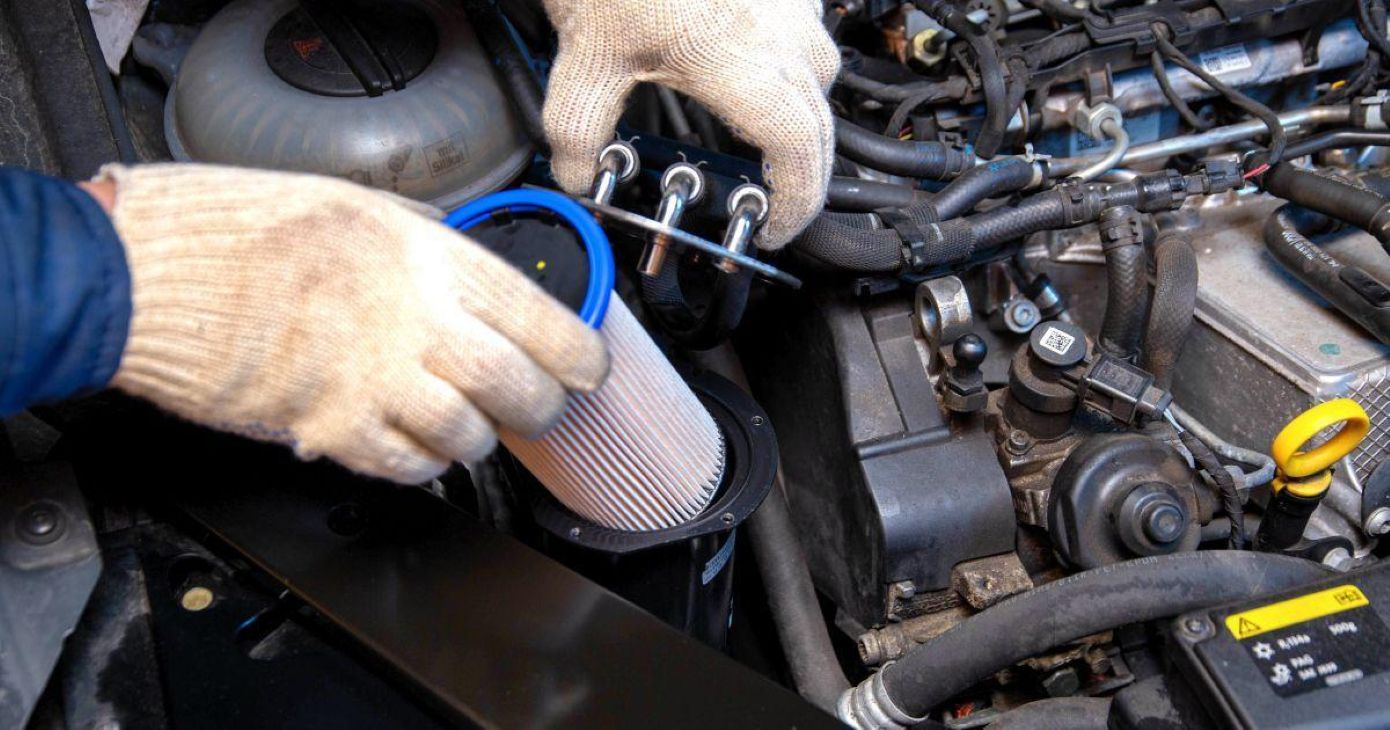
Replacement intervals differ from car to car. Many manufacturers suggest changing the filter every thirty to sixty thousand kilometres. Always check your owner’s manual for the exact figure. It is written for your specific engine.
Diesel vehicles usually need earlier changes. A common range is every fifteen to thirty thousand kilometres. Dirty fuel conditions can shorten this further. Be ready to change it sooner if the symptoms appear.
Some modern cars use a lifetime in-tank filter. The word lifetime often means the life of the pump assembly. Many mechanics still advise an inspection around one hundred thousand kilometres. Prevention is cheaper than a roadside breakdown.
Driving habits and conditions matter too. Dusty roads, stop-and-go traffic and cheap fuel all add load. A filter working under such conditions should be changed sooner. Treat the manual as a maximum, not a promise.
Buy fuel from trusted and busy stations. Their tanks turn over quickly and hold less old sediment. Avoid running your tank close to empty. Sediment settles at the bottom and gets pulled in when the level is low.
Keeping the tank at least a quarter full reduces this risk. It also helps keep the fuel pump cooler. Use good quality filters from the manufacturer or a trusted brand. Cheap copies may have weak paper or poor sealing.
A poor filter can be as bad as no filter at all. Always ask for the correct part number. Pay attention to small changes in how your car behaves. A hesitant start or weak pickup deserves a check.
Early action keeps the repair small and cheap. Waiting only makes the bill grow. Ask your mechanic to include the filter in every major service. Write down the date and the odometer reading.
A simple record prevents years of accidental neglect. Even a note on your phone will do. If your car is older and you do not know its history, change the filter now. It is a low-cost step that offers peace of mind.
Many second-hand buyers are surprised by how much it helps. Smoother starts and better pickup are common results. Never try to clean and reuse a disposable filter. Once the element is clogged, it is meant to be thrown away.
The lesson is simple and practical. A fuel filter costs little, but ignoring it can cost a fortune. Replace it on time and your engine will reward you with smooth, reliable miles. Your wallet will thank you too.