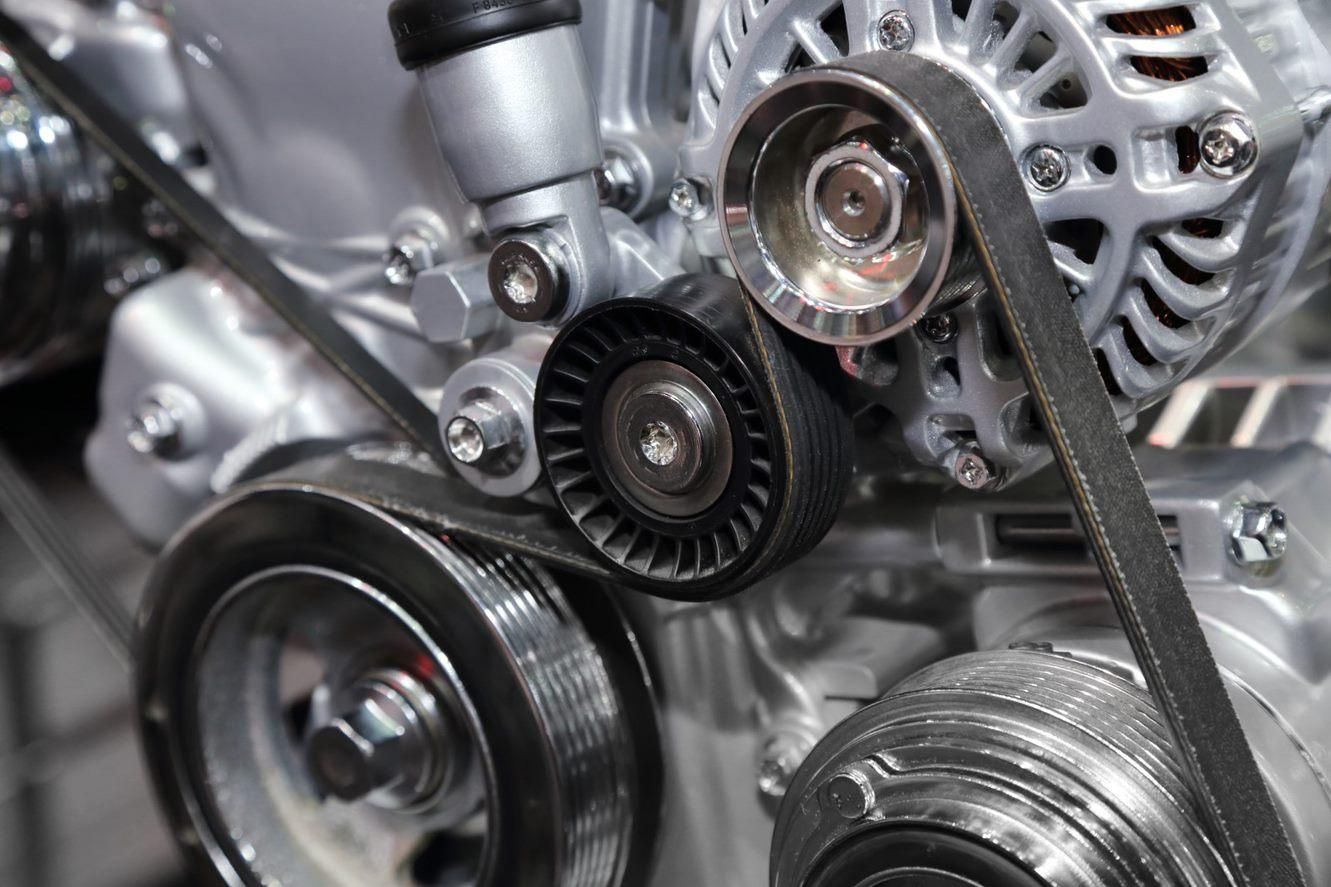
The serpentine belt is one of the most overlooked parts under your hood. It is a single, long ribbed belt that drives many accessories at once. Most drivers never think about it until something goes wrong.
This belt drives the alternator, power steering pump, and air conditioning compressor. On many engines, it also spins the water pump. When it works, you never notice it. When it fails, the whole car suffers.
Rubber does not last forever. Heat, oil, dust, and age slowly break it down. Most makers suggest replacement between 60,000 and 100,000 miles. Modern EPDM belts can last longer, but they still wear out.
Ignoring that schedule is a gamble. The belt rarely gives a loud warning before it fails. A small crack today can become a roadside breakdown tomorrow. Many owners learn this lesson the hard way. By then, the damage is often already done. Prevention costs far less.
In this article, we look at what truly happens when a serpentine belt is never replaced. We cover the early warning signs, the mechanical damage, and the safety risks. We also explain the real cost of waiting. Read on before a cheap part turns into an expensive repair.
The Slow Decline: How a Worn Belt Quietly Hurts Your Car
A serpentine belt does not fail overnight. It wears out slowly over thousands of miles. Every start, stop, and turn adds a little more stress. Engine heat bakes the rubber again and again. Cold mornings make it stiff and less flexible. Over time, the belt loses its grip on the pulleys.
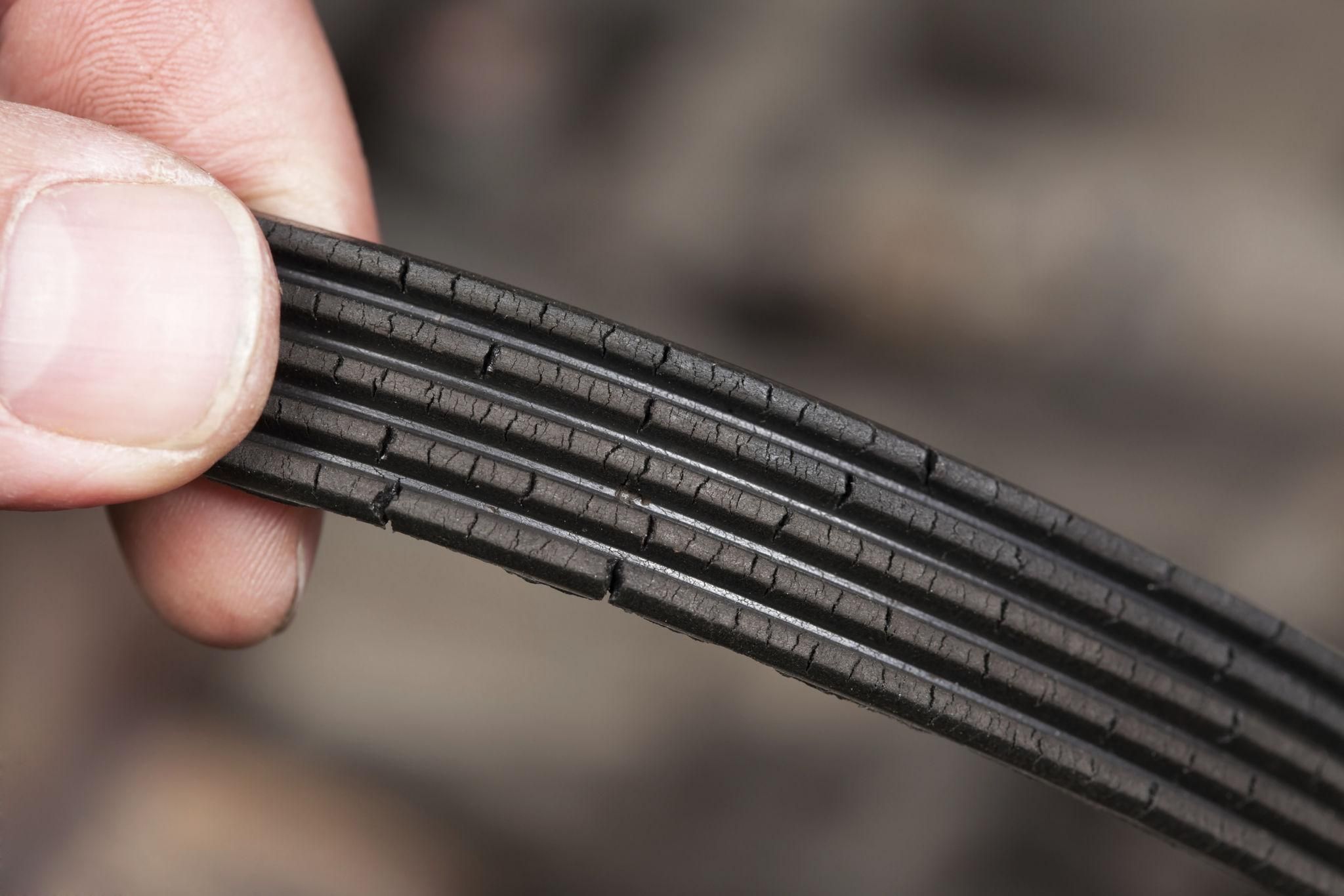
Older belts were made from neoprene. These tend to crack across the ribs as they age. Newer EPDM belts behave differently. They lose rubber from the ribs without showing obvious cracks. This makes them harder to judge by eye. Many owners think a smooth belt is a healthy belt. That belief can be costly.
The first sign is usually noise. A high-pitched squeal on startup is the classic warning. It often gets worse in cold or wet weather. Some drivers hear chirping at idle instead. Others hear a low grinding or rumbling sound. These noises mean the belt is slipping or a pulley is failing.
Slipping creates a chain of small problems. The alternator spins slower than it should. Your battery may not charge fully. Headlights can look dim at idle. The dashboard battery light may flicker on and off. Many people blame the battery and replace it, when the belt was the real cause.
The air conditioning also suffers early. A slipping belt cannot turn the compressor with full force. Cabin air turns warm on hot days. The compressor clutch may cycle on and off. Drivers often assume the refrigerant is low. They pay for a recharge that never fixes the issue.
Power steering can feel odd as well. On hydraulic systems, the pump slows down when the belt slips. The wheel may feel heavy at low speed. It may also feel jerky during parking turns. These changes are easy to ignore at first. They are clear signs that the belt is near the end.
Heat builds up quickly from all this slipping. Friction between the belt and pulleys wears both surfaces. The belt becomes glazed, shiny, and hard. Glazed rubber grips even worse than worn rubber. This creates a cycle that speeds up the damage. Each week without action pushes the belt closer to failure.
Other parts are also pulled into the problem. A worn belt puts uneven load on the tensioner. The tensioner is a spring-loaded arm that keeps the belt tight. When it weakens, the belt flaps and wobbles. Idler pulleys and bearings take extra strain. Soon, a cheap belt job becomes a larger repair list.
Contamination speeds up the decline. Oil leaks from a valve cover or crankshaft seal can drip onto the belt. Coolant leaks do the same. Both fluids soften rubber and cause slipping. A belt that looks fine from the top may be damaged underneath. A careful inspection should include both sides.
Mechanics use simple tools to check wear. A rib depth gauge shows how much rubber is left. Many shops also check belt tension and pulley alignment. This takes only a few minutes. It can reveal problems long before the belt breaks. Skipping this check is a quiet but common mistake.
When the Belt Finally Snaps: What Happens Under the Hood
If you never replace the belt, it will eventually break. The failure is usually sudden. One moment the engine runs normally. The next moment, every belt-driven part stops working. The change is often dramatic and immediate.
The first thing you may notice is a loud slap or bang. Then the dashboard lights up. The battery light, the temperature warning, and the power steering light may all appear. Some cars show a message on the screen. Others simply show a wall of red and amber symbols. These lights mean you should pull over right away.
Without the belt, the alternator stops charging. The car then runs only on battery power. The battery can power the engine for a short time. That window is often between 15 and 30 minutes, though it varies. Lights, radio, and wipers drain it faster. Once the battery dies, the engine shuts off.
Power steering is the next problem. In cars with hydraulic assist, the pump stops. The steering wheel suddenly feels much heavier. You can still turn it, but it takes real effort. At low speed, this can feel alarming. In a sharp corner or busy intersection, it can be dangerous.
The brakes still work, but they may feel different. Most brake boosters use engine vacuum, not the belt. So the pedal should still respond. However, some vehicles use belt-driven vacuum or hydraulic assist components. In those cases, braking effort can rise sharply. Drivers should leave extra stopping distance in any belt failure.
The water pump is the most serious concern. On many engines, the serpentine belt turns it directly. When the belt breaks, coolant stops moving through the engine. Temperatures then climb fast. The gauge can reach the red zone within minutes. Some drivers do not notice until steam appears.
Overheating can destroy an engine. Aluminum cylinder heads can warp under extreme heat. Head gaskets can fail and let coolant mix with oil. Pistons and cylinder walls may be scored. Even a short run with a hot engine can cause lasting harm. This is why a snapped belt on a water pump engine is an emergency.
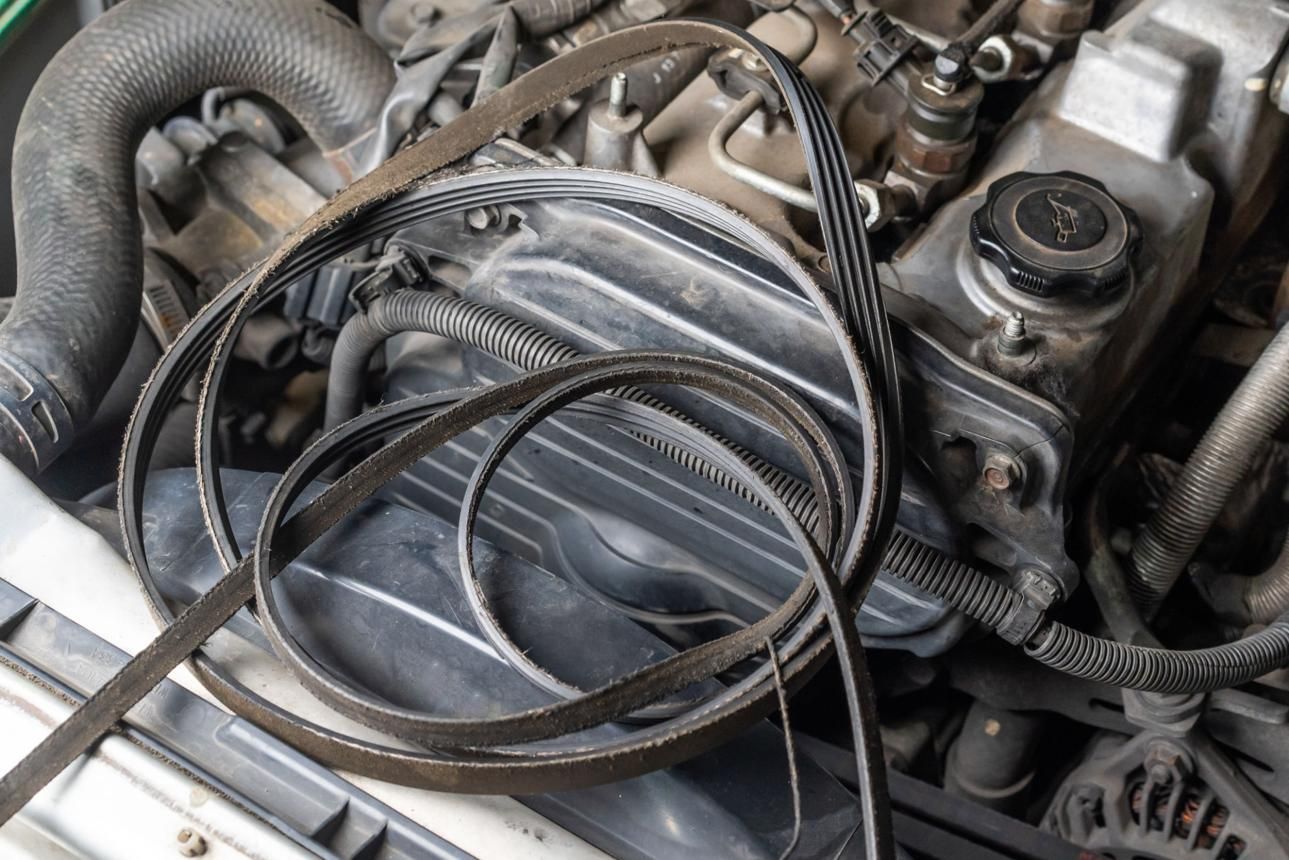
Broken belt pieces can cause secondary damage too. A loose belt may whip around the engine bay. It can cut hoses, wires, or plastic covers. It can also jam between a pulley and the engine. A tangled belt may lock up an accessory and break its bracket. These repairs add up quickly.
In rare cases, debris can reach other components. A flailing belt may damage a radiator fan or shroud. It may also harm a nearby sensor or wiring harness. Even small damage can trigger warning lights later. Diagnosing these issues takes time and money. A fresh belt would have avoided all of it.
If your belt breaks, stay calm. Turn on your hazard lights. Shift to neutral if needed, and steer to a safe place. Do not keep driving to reach home. Even a short drive can overheat the engine. Call a tow truck and have the car checked.
The Real Cost of Waiting: Safety, Repair Bills, and Smart Prevention
The biggest danger of an old belt is where it fails. A breakdown in a quiet driveway is a nuisance. A breakdown on a highway is something else. You may lose steering assist at speed. You may lose power to the electrical system in traffic. Stranded cars on busy roads create real safety risks.
Weather makes things worse. A failure in summer heat can lead to a fast overheat. A failure in winter can leave you stuck in freezing air. Heater output may fade as the engine cools. Night driving without charging is also risky. Headlights and wipers need power to keep you safe.
Now consider the money. A new serpentine belt is one of the cheapest parts on a car. The belt itself often costs between 25 and 75 dollars. Labor is usually modest on most vehicles. A typical replacement may land between 100 and 250 dollars in total. Prices vary by model and region.
Compare that with the repairs a snapped belt can trigger. A new tensioner may cost 150 to 400 dollars. A water pump replacement can run from 400 to over 1,000 dollars. A tow adds another 75 to 200 dollars. These are common costs after a belt failure. They are still minor compared to engine damage.
If the engine overheats, the bill grows fast. A head gasket repair often costs 1,500 to 3,000 dollars or more. A warped cylinder head may need machining or replacement. In severe cases, the whole engine is ruined. For an older car, that can mean the vehicle is no longer worth fixing. A 100-dollar part can end a car’s life.
Neglect also affects daily driving. A tired belt reduces fuel efficiency slightly because accessories run poorly. Weak charging stresses the battery and alternator. Both parts can wear out early. Repeated slipping can also damage pulleys. Each of these side effects adds hidden cost over time.
Resale value is another factor. Buyers and dealers notice squealing and dashboard warnings. A car with poor maintenance records loses value fast. A fresh belt shows care and attention. Service records help prove the car was looked after. That can support a higher price when you sell.
So how often should you replace it? Check your owner’s manual first. Many makers suggest inspection at 30,000 miles. Replacement usually falls between 60,000 and 100,000 miles. Hot climates, dusty roads, and short trips can shorten that range. When in doubt, inspect it earlier rather than later.
You can also do simple checks at home. Look at the ribbed side for cracks, missing chunks, or fraying. Check the edges for wear. Press the belt and see if it feels stiff or glazed. Listen for squeals at startup. If anything seems wrong, book an inspection right away.
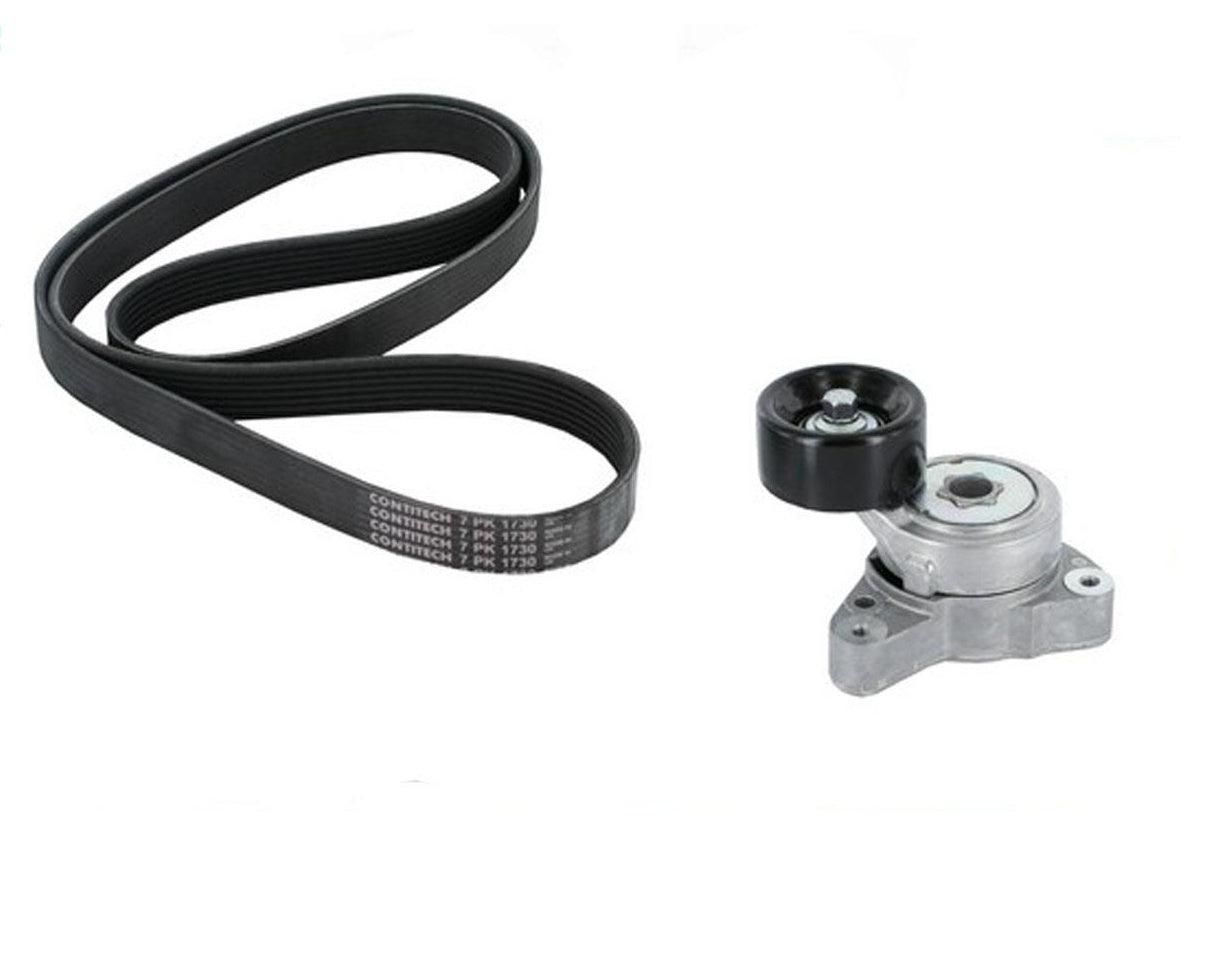
Replace the tensioner and idler pulleys when advised. Many shops suggest doing them together with the belt. A new belt on a weak tensioner will not last. Fix any oil or coolant leaks as well. Clean pulleys help the belt grip properly. This small extra effort protects your investment.
The lesson is simple. A serpentine belt is cheap, but its failure is not. Never replacing it invites noise, poor charging, overheating, and costly engine damage. Regular inspection takes only minutes. A timely replacement keeps your car safe, reliable, and far cheaper to own.