Many car buyers see an oil change package in the finance office. It looks like a small add-on to the deal. For the dealer, it is a steady and reliable source of profit.
A dealer does not earn money on the oil alone. The profit comes from labor, parts markup, and the visits that follow. One cheap service can turn into a long customer relationship.
An oil change package is a prepaid bundle of services. It usually covers two to four oil changes, and sometimes tire rotations and inspections. The buyer pays upfront, often rolled into the car loan.
Prices vary a lot by brand and region. A basic package may cost about 100 to 250 dollars. A luxury brand package with synthetic oil can reach 400 dollars or more.
Dealers love these packages for a simple reason. They lock in future service visits before the customer leaves the lot. That keeps the owner from drifting to a cheap quick-lube shop.
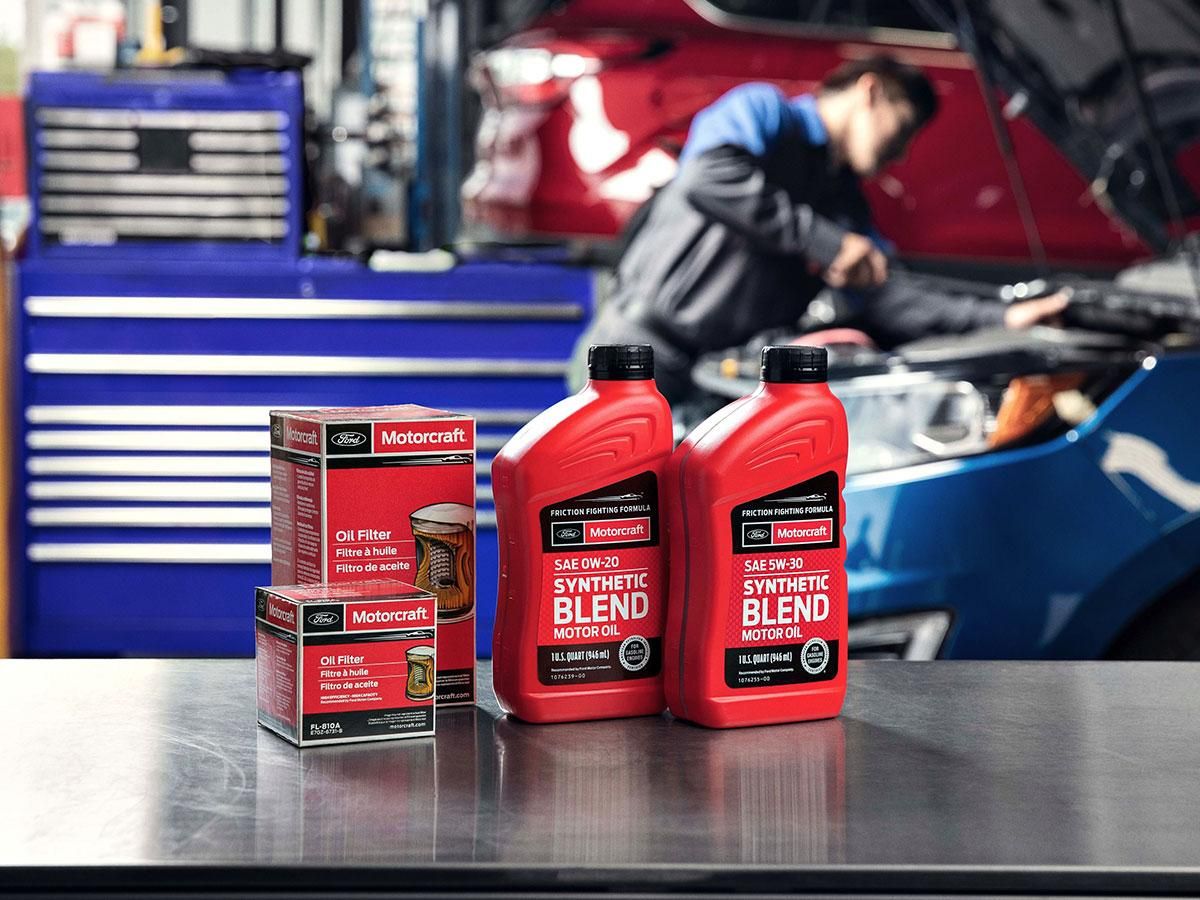
The real cost to the dealer is lower than most buyers assume. Oil and a filter often cost the dealer 20 to 35 dollars. Technician time adds a modest amount on top.
Retail prices for a single dealer oil change often run 70 to 130 dollars. Synthetic oil and premium brands push that higher. The gap between cost and price is where the margin lives.
This article breaks down the numbers in plain terms. It explains how much a dealer typically makes per package. It also covers what affects that profit and how buyers can protect themselves.
Keep in mind that exact figures differ by dealership. Brand, location, and plan type all change the math. The ranges below are realistic estimates, not fixed rules.
What Dealers Earn on Each Oil Change Package
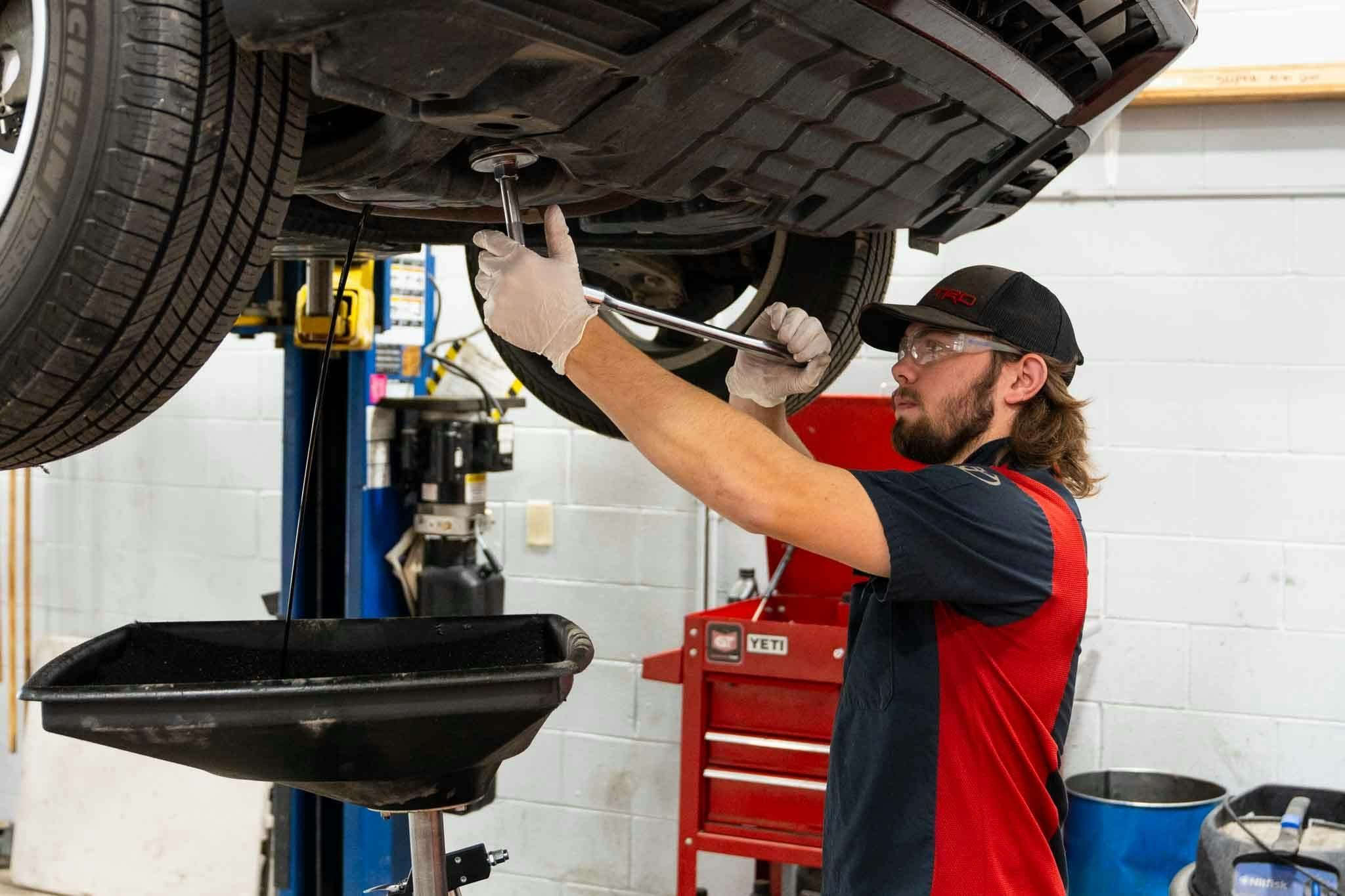
Start with the cost of one oil change at the dealership. Parts and oil usually run 20 to 35 dollars. Labor cost to the dealer is another 15 to 25 dollars.
That puts the total direct cost near 35 to 60 dollars. The customer pays far more at retail. The difference is the gross profit. A retail synthetic oil change at a dealer often sells for 90 to 120 dollars. Subtract roughly 50 dollars in cost. That leaves a profit of about 40 to 70 dollars per visit.
Now picture a package with three oil changes. The dealer might sell it for 250 to 350 dollars. The direct cost of delivering all three is about 150 dollars.
That leaves a gross profit near 100 to 200 dollars per package. This is a rough range. Some dealers make less, and some make much more. Prepaid packages add another source of income. Some customers never use every service they paid for. This is called breakage, and it is pure profit for the dealer.
Industry experts often say breakage can be 20 to 40 percent on some plans. It depends on how well the dealer follows up. A customer who forgets a visit still paid for it.
Tire rotations and inspections add more value. A rotation costs the dealer very little in time. Yet it is priced as a separate service with a healthy margin.
The finance manager also earns from the sale. Many receive a commission or bonus on each package sold. This is part of why the package is pushed so often.
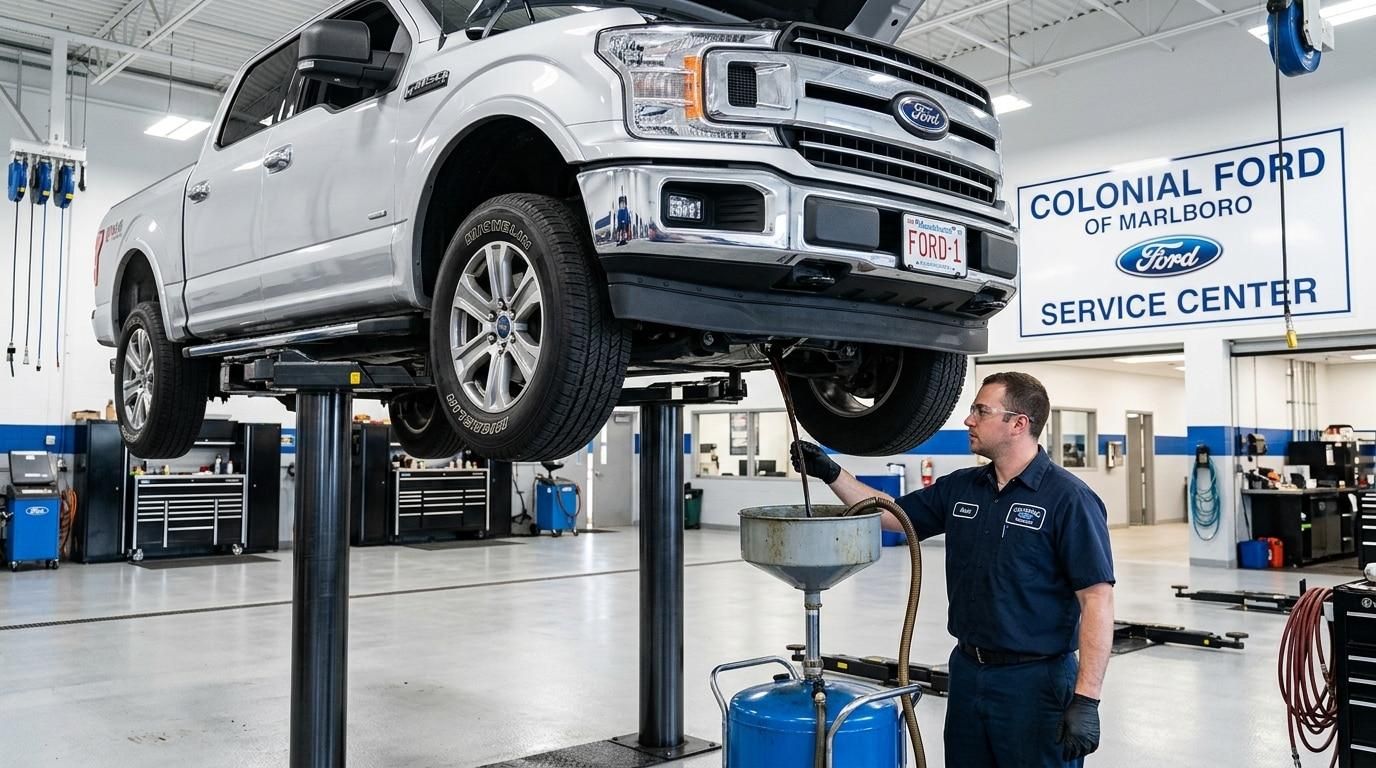
Dealership service departments are a major profit center. They often generate around half of a dealer’s gross profit. That happens even though they bring in a much smaller share of revenue.
Gross margins on service labor are often above 70 percent. Parts margins are lower but still solid. Oil changes sit in the middle of that range. A single dealership may sell hundreds of these packages each year. At 100 to 200 dollars of gross profit each, the totals add up fast. A busy store can earn tens of thousands of dollars from them annually.
Manufacturer-backed free maintenance works a bit differently. Brands like Toyota and BMW offer complimentary service plans on new cars. The manufacturer repays the dealer at a set rate per visit.
That reimbursement is usually lower than the retail price. It is still above the dealer’s real cost. So the dealer makes a smaller but guaranteed profit.
Dealers also use oil changes as a traffic builder. Cheap or free first services bring owners back in. Each visit is a chance to sell more work. During those visits, technicians inspect the whole car. They may find worn brakes, old filters, or tired batteries. The service advisor then offers extra repairs.
This is where oil changes pay off most. The package itself may yield 100 dollars. A single added repair can yield several hundred more. So the true value of the package is bigger than its own margin. It feeds the entire service department. That is why dealers sell it so hard.
Factors That Raise or Lower Dealer Profit
Brand matters a great deal. Luxury makes use of costly synthetic oil and special filters. They also charge much higher retail rates. A basic economy brand has lower prices and lower costs. The margin in dollars is smaller. The margin in percent can still look strong.
Location changes the math as well. Big city dealers pay higher wages and rent. They also charge more to cover those costs. Rural dealers may charge less. Their labor costs are lower too. Profit per visit can end up similar.
The type of oil is a big factor. Full synthetic costs more than conventional oil. Many modern engines require it, which raises both cost and price. Oil capacity matters too. A small four-cylinder uses about four to five quarts. A large truck engine can need eight or more.
Technician pay affects the cost side. Skilled techs at a luxury store earn more than those at a budget store. The dealer sets prices to cover that wage.
Flat-rate pay is common in dealer service. Techs are paid a set time for each job, not for hours worked. A fast tech can finish an oil change quicker than the book time.
That speed helps the dealer. The customer is billed for the full book time. The dealer pays the tech for the flat-rate time, so efficiency boosts profit.
Package structure changes the outcome. A plan that bundles three oil changes at a discount trims per-visit profit. But it guarantees the visits and often the extra sales.
Pricing games also play a role. Some dealers list a high retail price, then offer a “discount.” The package looks like a bargain next to an inflated menu price.
Competition keeps this in check. Independent shops and quick-lube chains charge less. Dealers must justify a premium with brand parts and expertise.
Promotions and coupons cut into profit. A 30-dollar oil change special may barely cover cost. Dealers accept that to draw customers in. Warranty rules matter too. Some brands require service records to keep coverage valid. Owners who believe this tend to stay loyal to the dealer.
Actually, a customer can usually service the car anywhere. Federal law does not force owners to use the dealer for warranty coverage. They only need proof that the work was done properly.
Still, many buyers do not know this. The dealer benefits from that confusion. It keeps more people inside the service lane. Customer follow-through is another factor. A package that is fully used earns less breakage. A package that is half used earns more.
Dealers with strong reminder systems lose some breakage. But they gain more repeat business. Most accept that trade. Financing matters as well. When a package is rolled into a loan, the buyer pays interest on it. That quietly raises the real cost over time.
The dealer may also get a small cut from the lender. This is separate from the package profit. It adds yet another layer to the deal. Economic conditions play a role, too.
When new car sales slow, service becomes the dealer’s lifeline. Stores push maintenance packages harder in those periods. Rising oil and parts prices squeeze margins slightly. Dealers often raise menu prices to compensate. Over time, the margin stays fairly stable.
How Buyers Can Get a Fair Deal
The first step is to know the real value. Check what a single oil change costs at the dealer. Multiply it by the number of visits in the package. Compare that total to the package price. If the package costs more than the sum, skip it. A real discount should be easy to see.
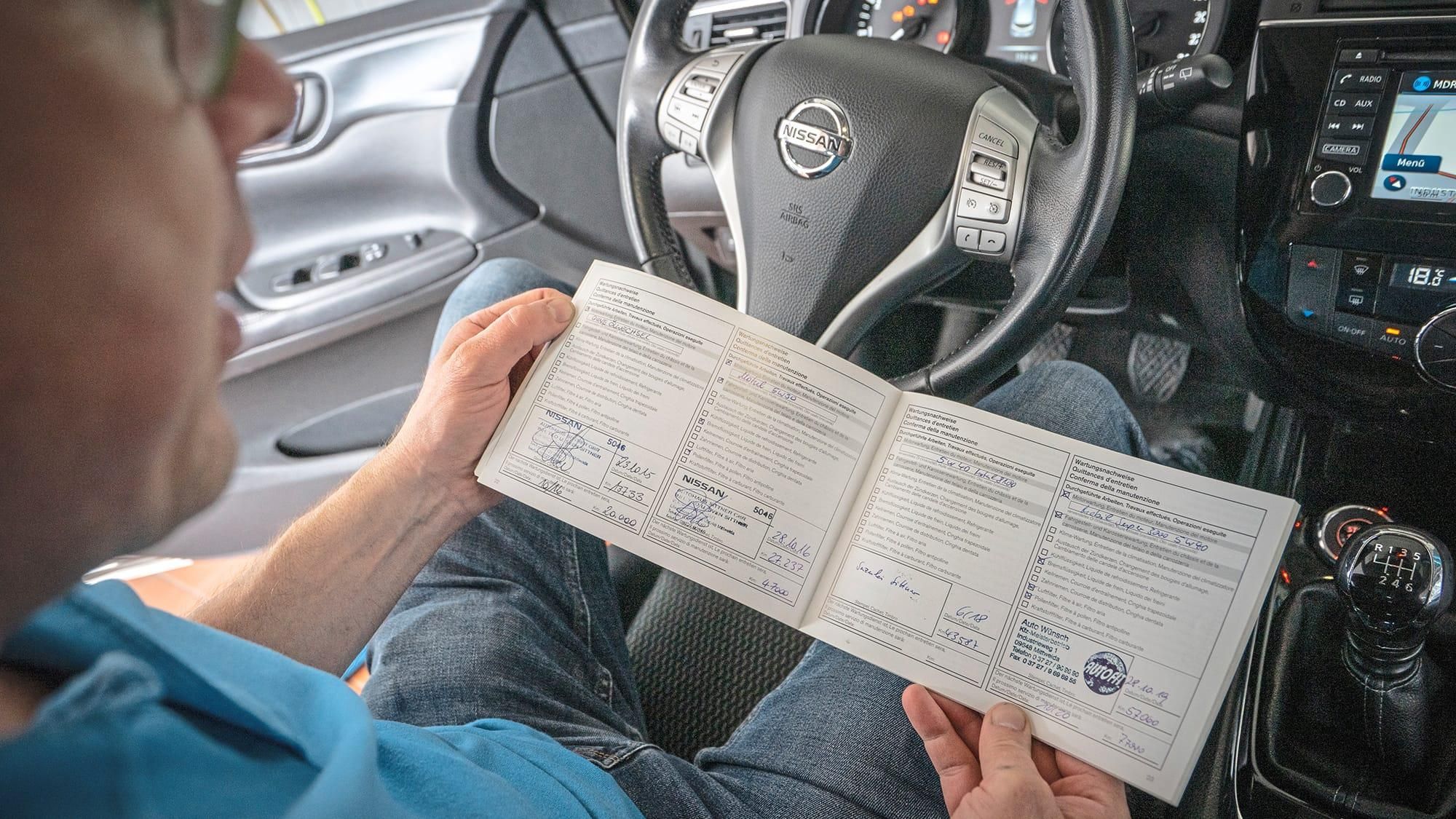
Next, ask what exactly is included. Find out the oil type, the filter, and any extra services. Make sure tire rotations and inspections are listed. Ask about expiration dates and mileage limits. Many plans expire after a set time. Unused visits are then lost for good.
Ask whether the plan is transferable. If you sell the car, a transferable plan adds value. A non-transferable one is wasted. Check if the plan is refundable. Many states allow a pro-rated refund of unused services. Get that policy in writing before signing.
Negotiate the price. Package prices in the finance office are rarely fixed. A polite counteroffer can cut the cost by a good margin. Consider your driving habits. If you drive little, you may not use three oil changes before the plan expires. A small package fits better than a large one.
Think about oil change intervals too. Modern synthetic oil can last 7,500 to 10,000 miles. Check your owner’s manual before buying a plan built on shorter intervals.
Be careful about being rolled into the loan. A 300-dollar package financed over six years costs more than 300 dollars. Paying separately may be smarter.
Compare outside options. Independent shops often charge 50 to 80 dollars for synthetic oil changes. Quick-lube chains run frequent coupons. Ask whether those shops keep proper records. Keep every receipt for warranty proof. A clean paper trail protects you if a claim arises.
Look at manufacturer free maintenance first. Some brands include two years of service in the car price. Never pay extra for something already included.
Read the contract carefully. Look for fees, cancellation rules, and transfer terms. Never sign something you have not fully read. Take your time in the finance office. Pressure is a common tactic there. A short pause can save you real money.
Remember that you can decline the package. It is an optional product. Saying no does not affect your loan approval or the car’s price. You can also buy later. Many dealers sell packages after delivery too. Waiting lets you think it over without pressure.
If you love the dealer’s service, the package can make sense. Convenience, loaner cars, and a trusted team have real value. Just make sure the price is fair.
For high-mileage drivers, a package can save money. If you will use every visit, the discount is real. The math works best when the plan is fully used.
In the end, dealers do make a healthy profit. A typical package yields roughly 100 to 200 dollars in gross profit. The extra repairs it brings in add far more.
That does not make packages bad deals. It means you should shop with your eyes open. Know the numbers, compare options, and negotiate. An informed buyer wins either way. You either save money or choose convenience on purpose. Both are smart decisions.