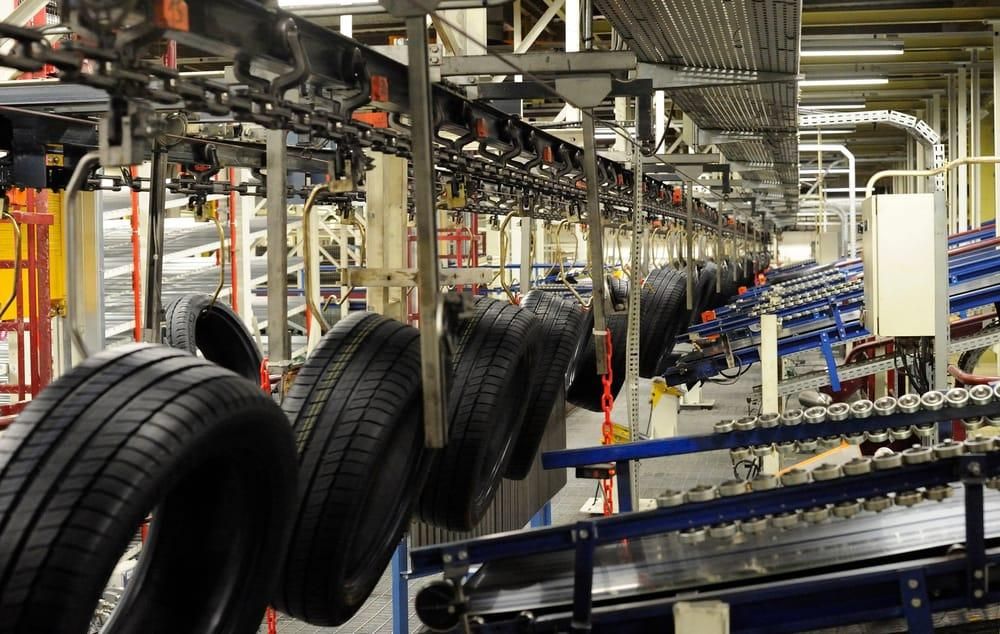
A tire looks like a simple black ring of rubber. Yet it is one of the most complex products on any vehicle. Every tire holds dozens of materials. Natural rubber, synthetic rubber, carbon black, silica, steel wire, and fabric all go inside.
Most drivers only see the final price on the shop invoice. That number often feels high for a product that seems so basic. The truth sits somewhere between the factory floor and the showroom counter. Many hands touch a tire before it reaches your wheel.
Making a tire costs far less than buying one. But the gap is not pure profit. Raw materials, energy, labor, research, shipping, dealer margins, and taxes all add up. Each layer pushes the final price higher.
This article breaks down that journey step by step. You will see what the factory spends and where the rest goes. By the end, you will know what you are really paying for. You will also learn how to spend your money more wisely.
What It Actually Costs to Make a Tire
A mid-range passenger car tire costs roughly 30 to 60 US dollars to manufacture. Premium and large tires cost much more. These are industry estimates, not exact figures. Each company keeps its true numbers private.
Raw materials make up the biggest share of the factory cost. They often account for about half to 60 percent of it. That makes the tire a materials-heavy product. Prices of inputs move the cost quickly.
Natural rubber comes from rubber trees in Southeast Asia. Thailand, Indonesia and Vietnam are major suppliers. Its price swings with weather, supply and demand. A bad harvest can raise costs within weeks.
Synthetic rubber is made from petroleum products. So crude oil prices affect tire prices indirectly. When oil rises, synthetic rubber becomes more expensive. Tire makers then feel the pressure on their margins.
Carbon black is another key ingredient. It gives tires their black color and strength. It also helps the rubber resist wear and heat. Without it, tires would wear out far faster.
Silica is used in many modern tires. It improves grip on wet roads and lowers rolling resistance. Silica compounds are harder to mix than carbon black. That adds cost to the process.
Steel cords form the belts under the tread. They give the tire shape, strength and puncture resistance. Steel prices matter here, especially for truck tires. Heavy tires use far more steel than car tires.
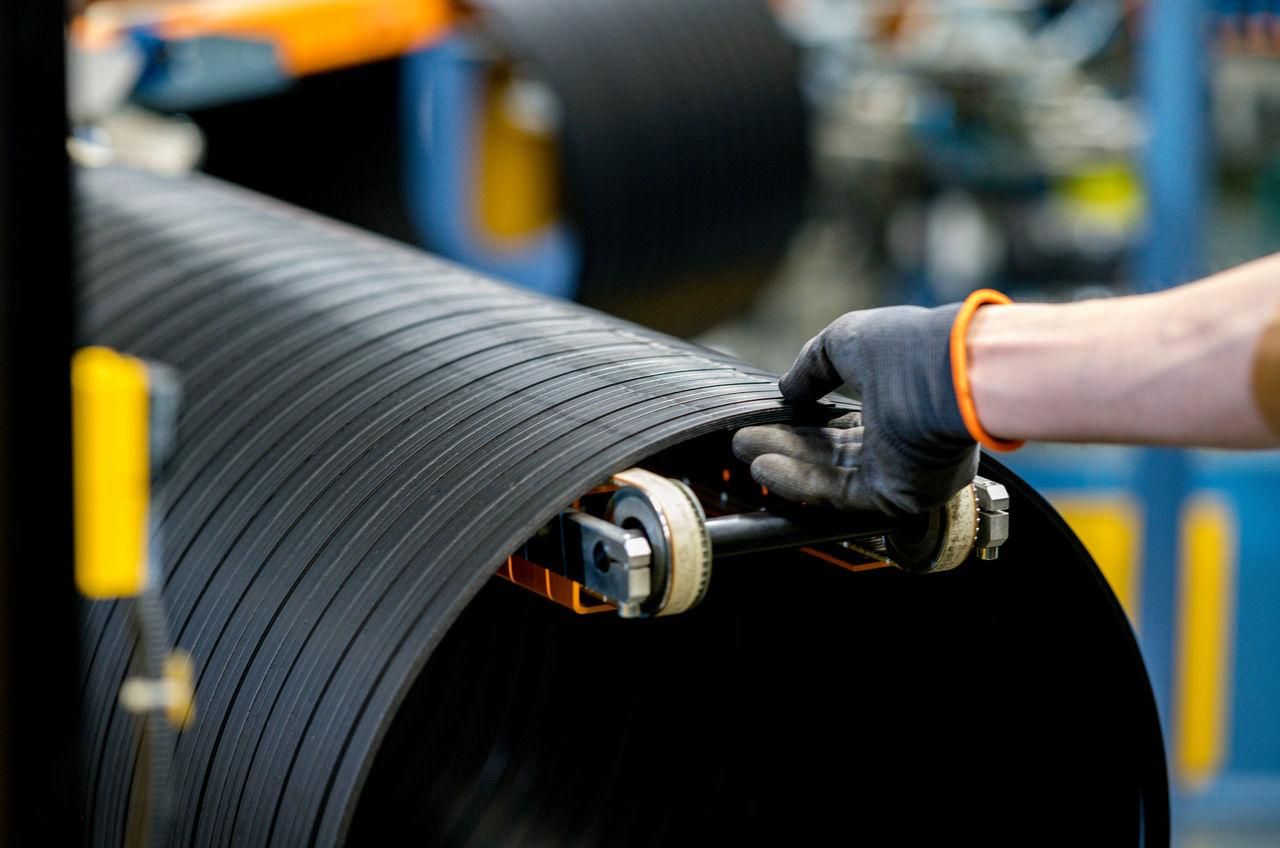
Fabric layers made of polyester or nylon add more strength. They hold the tire body together under pressure. Chemicals like sulfur, oils and antioxidants are also added. These small ingredients decide how the rubber behaves.
Mixing is the first step in the factory. Giant machines blend all the ingredients into a thick rubber compound. This step uses heavy machinery and lots of electricity. Precise recipes decide a tire’s grip and life.
Next, the compound is shaped into treads and sidewalls. Separate parts are made and then assembled together. The assembled tire is called a green tire. It is soft and not yet ready for use.
The green tire goes into a mold for curing. Heat and pressure fuse everything into the final product. Curing takes several minutes for a car tire. Large truck and mining tires take far longer.
Energy is a big part of this stage. Steam, electricity and compressed air run continuously. Labor is a smaller share than most people expect. Modern tire plants are heavily automated.
Quality checks follow after curing. Every tire is inspected, and many are tested for balance and uniformity. Defective tires are scrapped or downgraded. That waste is also built into the cost.
Factory overhead covers machines, maintenance and plant upkeep. Molds alone cost thousands of dollars each. Research and development is another cost. Companies spend years testing new compounds and tread designs. So the factory cost is only the beginning. The tire is still far from the customer.
Where the Extra Money Goes After the Factory
Once a tire leaves the plant, its price starts climbing. Each step adds a fresh layer of cost. The first addition is the manufacturer’s own margin. Tire companies usually earn modest operating profits, often around 8 to 15 percent.
That is not extreme compared with many industries. In bad years, margins can shrink sharply. Brand value adds to the price too. Famous names spend heavily on advertising and sponsorships.
Racing deals and celebrity campaigns cost millions. Those costs are recovered through tire sales. Logistics comes next. Tires are bulky and light, so they take up lots of truck and ship space.
Moving them across countries is expensive. Fuel, ports and warehouse fees all add up. Imported tires face customs duties as well. These duties differ from country to country.
Distributors then buy tires in bulk. They store them and supply local dealers. Distributors need a margin to cover warehousing and credit risk. This margin is built into the dealer’s purchase price.
The retail dealer is the next link. Dealers pay rent, staff salaries, electricity and equipment costs. A typical dealer margin can range from about 15 to 30 percent. It varies by brand and tire type.
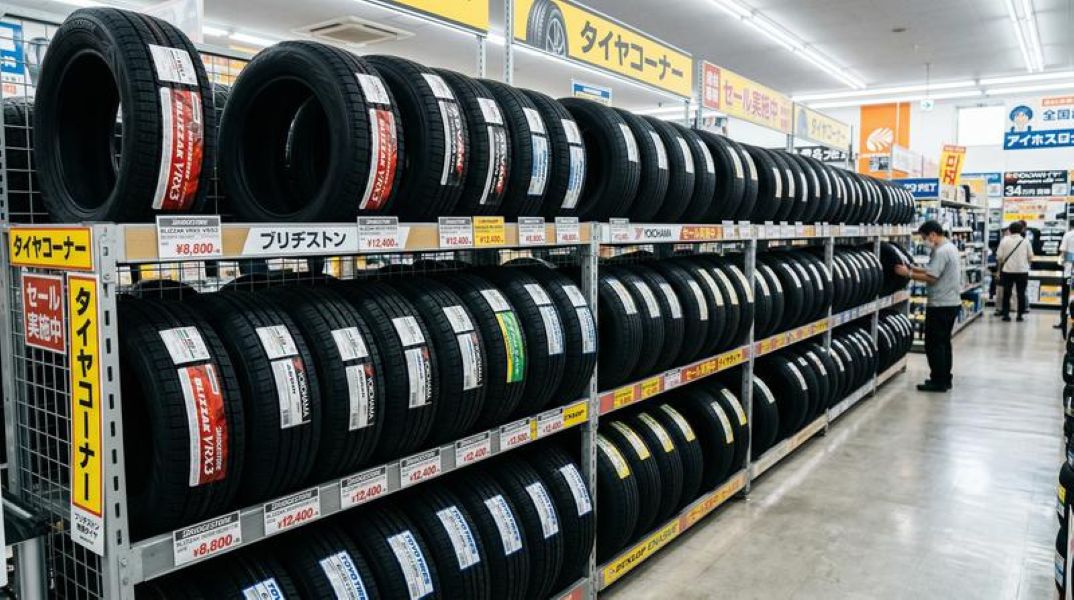
Dealers also offer fitting, balancing and alignment. These services need machines and trained workers. Many shops include basic fitting in the price. Others charge extra for each service.
Taxes take a large bite as well. In India, tires carry GST, which was lowered from 28 percent to 18 percent in late 2025. That cut helped reduce prices for many buyers. Rules can change, so check the current rate before buying.
Other countries add sales tax or VAT. Some also charge tire disposal fees. Warranties are another hidden cost. Brands set aside money for claims and replacements.
Road hazard cover and mileage guarantees also add to the price. Not every buyer uses them, but everyone helps pay. Inventory risk matters to sellers as well. Unsold tires sit on shelves for months.
Tires also age even when unused. Old stock may need discounts to clear. Put simply, a 50-dollar factory tire can sell for 120 to 200 dollars. In India, the same logic applies in rupees.
The markup looks big on paper. But much of it covers real costs, not just profit. Premium tires carry a higher markup. They sell on trust, safety and brand reputation.
Budget tires have smaller margins. Sellers rely on volume rather than high prices. Online sellers sometimes offer lower prices. They save on shop rent and display space.
However, you still need a fitter. That service may cost extra, so compare the full price. Seasonal demand also changes prices. Winter tires cost more just before the cold season. Festive sales and year-end clearances can bring discounts. Smart buyers wait for these windows.
Is the Price Fair, and How to Buy Smarter
So, is a tire overpriced? The honest answer is no, not by itself. The gap between making and buying is real. But most of it pays for genuine work. A tire is a safety product. It is the only part of your car touching the road. Four small patches of rubber carry your whole vehicle. Their grip decides how well you brake and turn.
Cheap tires can cut corners in compound quality. That may show up as longer braking distances in the wet. Premium tires often last longer and grip better. Their higher cost per kilometer can still be lower.
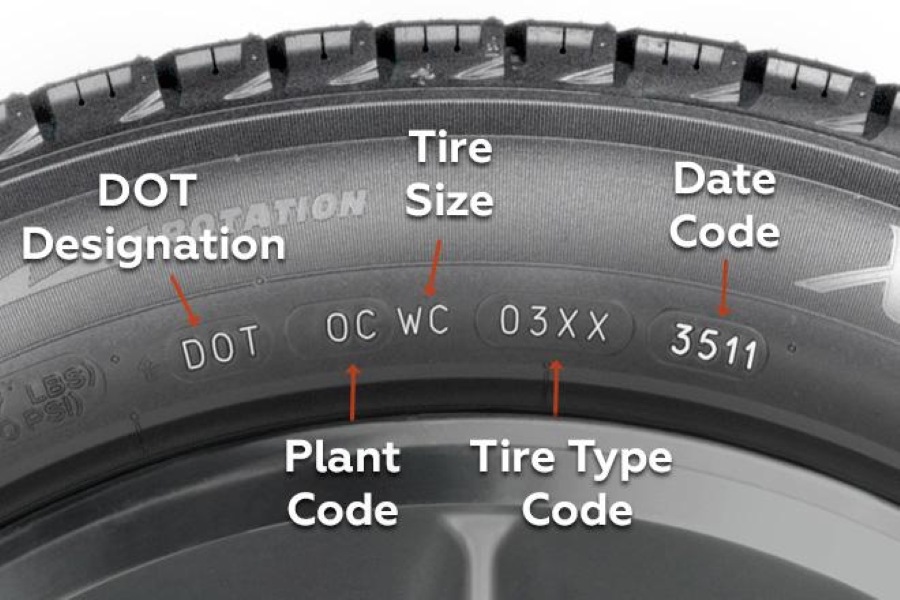
Look at cost per kilometer, not just the sticker price. A tire that lasts 60,000 km beats one that dies at 30,000. Check the manufacturing date on the sidewall. A four-digit code shows the week and year.
Avoid tires older than about three years when buying new. Rubber hardens with age, even in storage. Match the tire size to your vehicle’s manual. Wrong sizes affect safety, speedometer accuracy and mileage.
Do not choose purely on price. Consider your roads, climate and driving style. If you drive in heavy rain, wet grip matters most. If you cover long highway distances, look for durability and low rolling resistance.
Tire labels in many regions show ratings for grip and noise. Use them to compare brands fairly. Ask the dealer about the full cost. This includes fitting, balancing, valves and old tire disposal.
Compare at least three shops before paying. Prices for the same tire can differ noticeably. Negotiation often works at independent shops. Buying a set of four can earn a better deal.
Proper care also saves money. Keep pressure at the level your car maker recommends. Underinflated tires wear faster and burn more fuel. A cheap gauge pays for itself quickly.
Rotate your tires as advised in your manual. This evens out wear across all four. Get wheel alignment checked once a year. Poor alignment can ruin a new tire within months.
Inspect tread depth regularly. Replace tires before they reach the legal wear limit. Cracks, bulges, and uneven wear are warning signs. Never ignore them, even if the tread looks fine.
Avoid cheap used tires with unknown history. Hidden damage can cause sudden failure at speed. Retreaded tires suit some trucks and buses. For private cars, new tires are usually the safer choice.
Rising raw material costs may push prices higher in coming years. Sustainability rules and new technologies add further cost. Still, longer-lasting and more efficient tires are improving. Smart buying can offset price increases.
In the end, the price reflects materials, science, logistics, service and taxes. Profit is only a slice of it. Spend wisely, maintain your tires, and they will protect you for years. That is where real value lies.