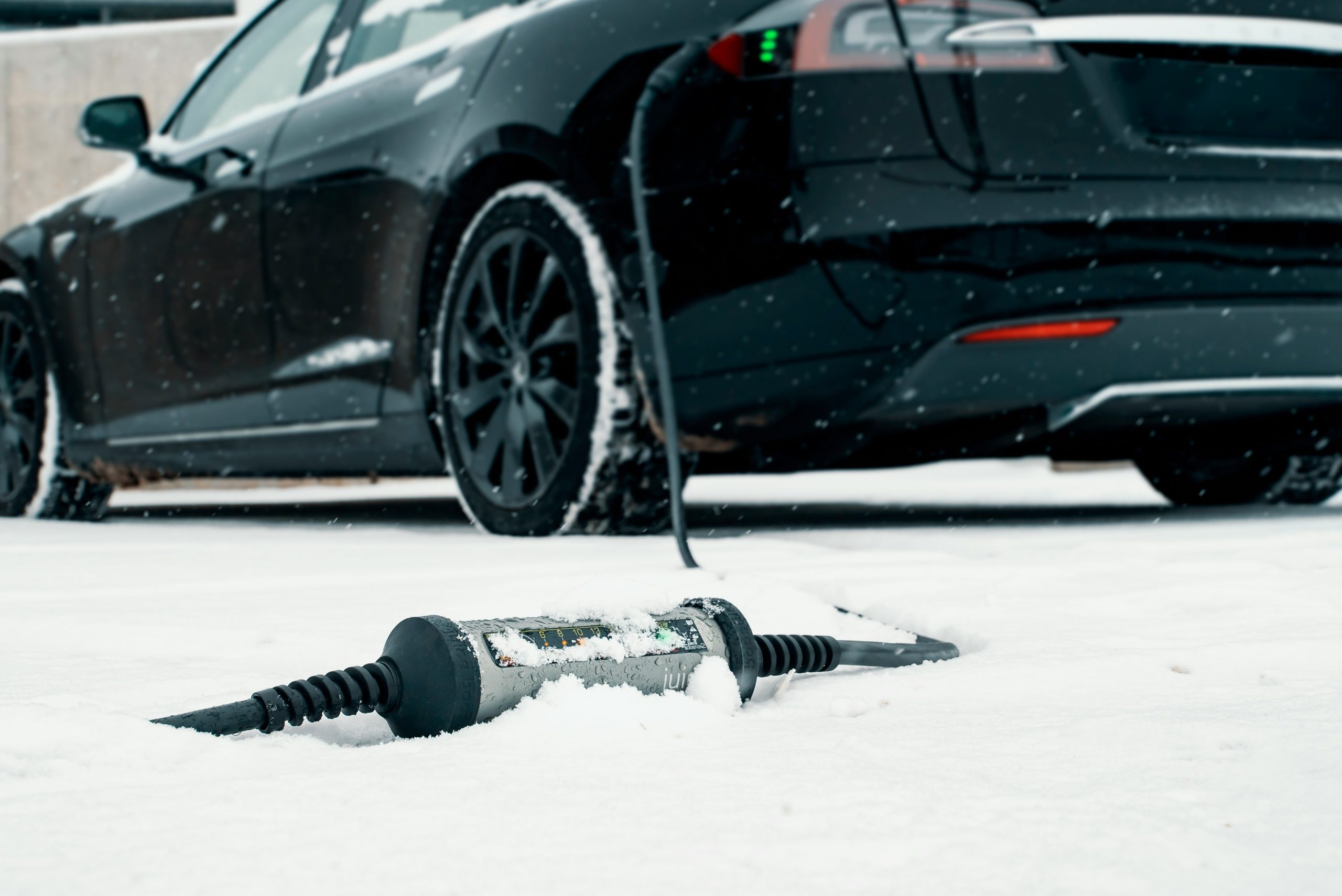
Cold weather can put unexpected pressure on your car’s electrical system, especially when the battery is already aging or struggling to hold its charge. Many drivers notice that their vehicles start perfectly well throughout warmer months, only to experience slow cranking, clicking sounds, or a completely dead battery when temperatures suddenly drop.
This change is not simply bad luck. Cold temperatures affect battery chemistry, engine resistance, charging performance, and electrical demand.
Understanding why a car battery dies when the weather turns cold can help you identify warning signs, prevent inconvenient breakdowns, and keep your vehicle dependable throughout winter.
1. Cold Temperatures Reduce Battery Performance
Cold weather directly affects the chemical reactions that allow a car battery to produce electrical energy. Most conventional vehicles use lead-acid batteries, which depend on chemical reactions between lead plates and an electrolyte solution to generate electricity.
When temperatures fall, these reactions slow down, reducing the battery’s ability to deliver the current needed to start an engine. A battery that performs normally during warmer weather may struggle considerably when exposed to freezing conditions.
The reduction in performance becomes particularly noticeable during the first few cold mornings of the season. Drivers may turn the ignition key and notice that the engine takes longer to crank than usual.
The headlights might also appear slightly dimmer while starting. These symptoms suggest that the battery is having difficulty supplying enough electrical power under colder conditions.
Temperature affects both the battery’s available capacity and its ability to deliver high starting current. According to commonly used battery performance references, a fully charged lead-acid battery can lose a substantial portion of its starting capability at freezing temperatures.
At approximately 0°F (-18°C), its available starting power can be significantly lower than at 80°F (27°C). This explains why a battery that seemed healthy in summer may fail during a sudden winter temperature drop.
The situation becomes more serious when the battery is already several years old. An aging battery has less reserve capacity than a newer unit, making it harder for the electrical system to cope with cold conditions.
The temperature reduction may not be enough to cause a healthy battery to fail immediately, but it can expose weaknesses that have been developing for months.
Drivers can reduce this risk by testing battery condition before winter begins. A professional battery test can measure its ability to deliver starting current and identify declining performance. Keeping the battery fully charged, checking its connections, and replacing a weak unit before freezing weather arrives can help prevent unexpected starting problems.
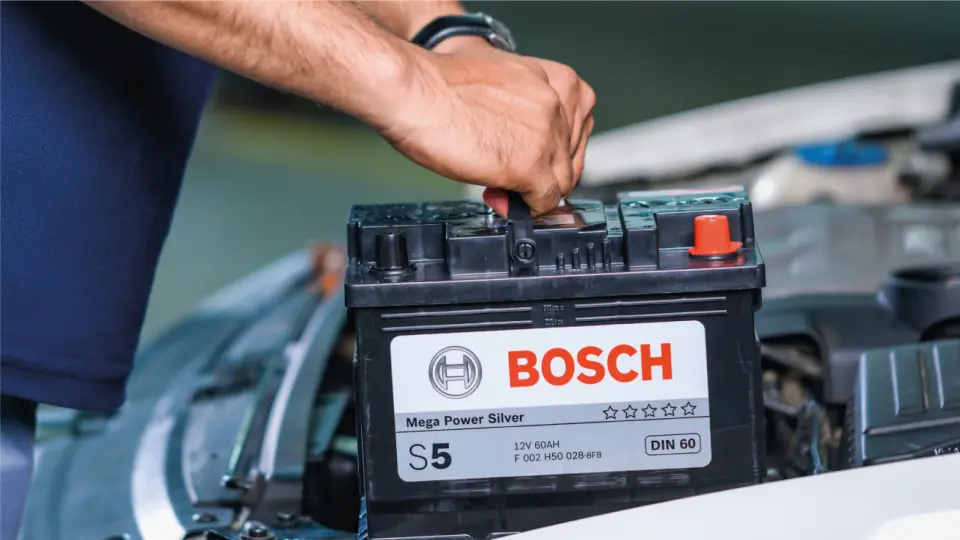
2. Your Car Battery Is Already Too Old
Car batteries have a limited service life, and their ability to store and deliver electricity gradually declines with age. Most conventional automotive batteries last approximately three to five years, depending on climate, driving habits, maintenance, and battery quality.
Some last longer, while others begin showing problems much earlier. When colder weather arrives, an older battery may no longer have enough strength to handle the additional starting demands.
Battery aging occurs because repeated charging and discharging gradually change the condition of the internal lead plates. Over time, active material can deteriorate, and sulfate crystals may accumulate on the plates. These changes reduce the battery’s effective capacity and make it harder to accept or deliver electrical energy efficiently.
A battery that has been operating normally for several years may appear completely reliable during mild weather.
The engine starts quickly, the dashboard lights work properly, and electrical accessories operate without noticeable problems. However, the first major temperature drop can reveal that the battery has lost much of its original starting ability.
Checking the manufacturing date or installation date is a practical first step. Many batteries carry a date code or label that helps identify their age.
If the battery is approaching the end of its expected service life, arranging a professional load or conductance test is sensible. This provides a clearer picture than relying on appearance or starting performance alone.
Replacing an aging battery before winter can prevent inconvenient roadside failures. Choose a replacement that meets the vehicle manufacturer’s requirements for battery size, terminal arrangement, and cold-cranking performance. Installing a battery with unsuitable specifications can create electrical and starting problems, even when it is brand new.
3. Short Drives Do Not Give the Alternator Enough Time to Recharge
Frequent short journeys can gradually weaken a car battery, particularly during colder months. Starting an engine requires a significant amount of electrical energy.
The alternator normally replaces much of that energy while the vehicle is running. However, a journey lasting only a few minutes may not provide enough time to restore the charge used during startup.
This problem becomes more noticeable when drivers use their vehicles for several short trips throughout the day. They may start the engine, drive to a nearby shop, switch it off, and repeat the process later. Each start places an additional demand on the battery, while the alternator receives limited time to replenish its charge.
Cold weather makes the situation harder because batteries accept charge less efficiently at low temperatures. The alternator also has to supply electricity to several accessories, including headlights, heating fans, rear-window defrosters, and heated seats. These systems can increase electrical demand during winter journeys.
Over time, repeated short trips can leave the battery in a partially charged condition. A partially charged battery has less reserve capacity and may struggle when temperatures fall further.
If this pattern continues, the battery may eventually become too weak to start the engine, even when it appeared to be working normally just days earlier.
Drivers who regularly make short journeys should pay attention to battery condition and charging-system performance.
A longer drive may help restore charge when conditions allow, but it is not a substitute for diagnosing a persistent charging problem. If the battery repeatedly loses power, a mechanic should test the alternator, charging connections, and battery itself.
4. The Alternator Is Not Charging the Battery Properly
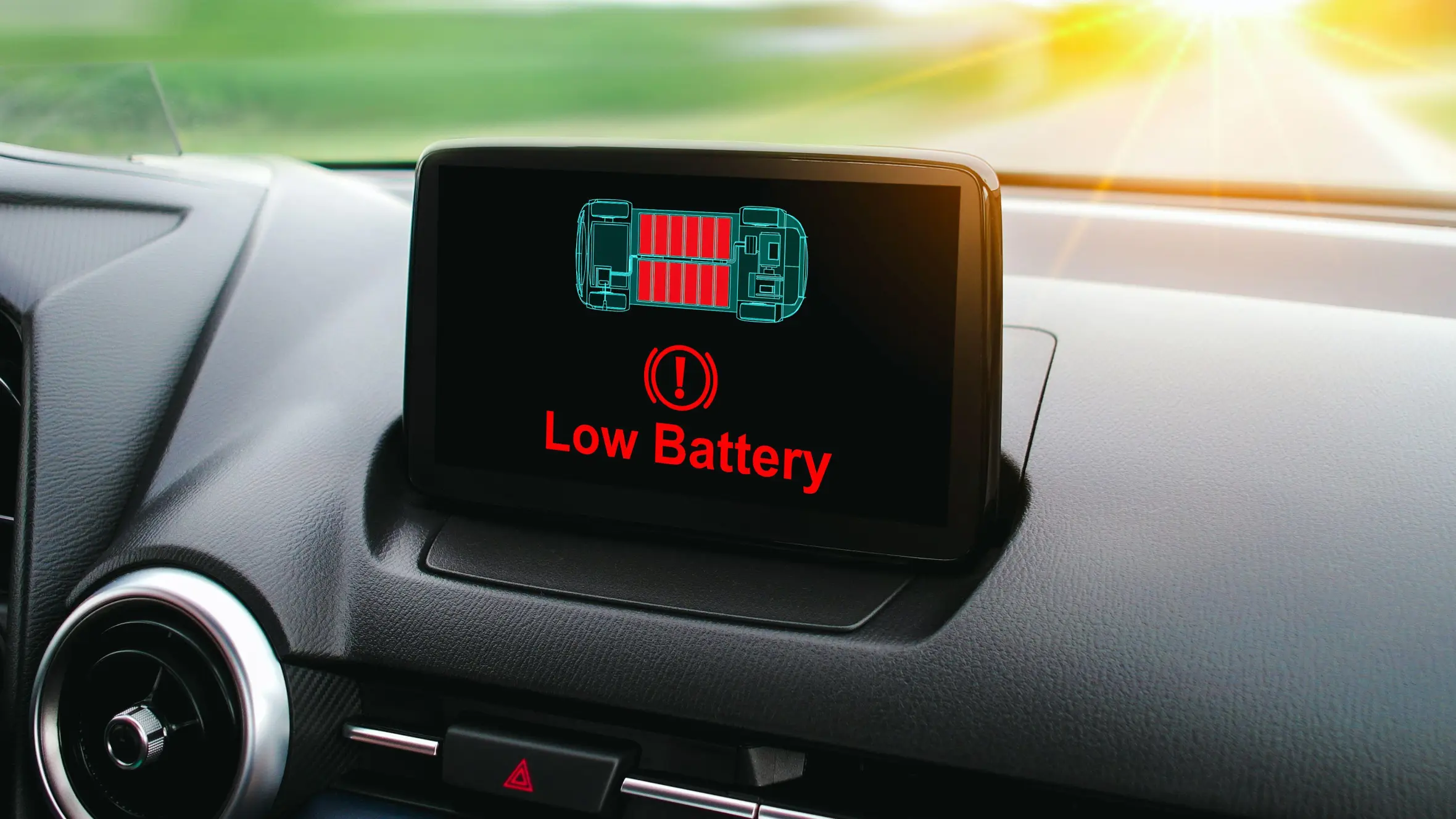
The alternator plays an essential role in keeping a vehicle’s electrical system operating while the engine runs. It generates electricity to power vehicle accessories and replenish the energy used by the battery during starting. If the alternator is not working correctly, the battery may gradually lose its charge until it can no longer turn the engine over.
Charging problems sometimes develop gradually rather than appearing suddenly. A worn alternator, damaged wiring, loose electrical connections, or a faulty voltage regulator can interfere with normal charging.
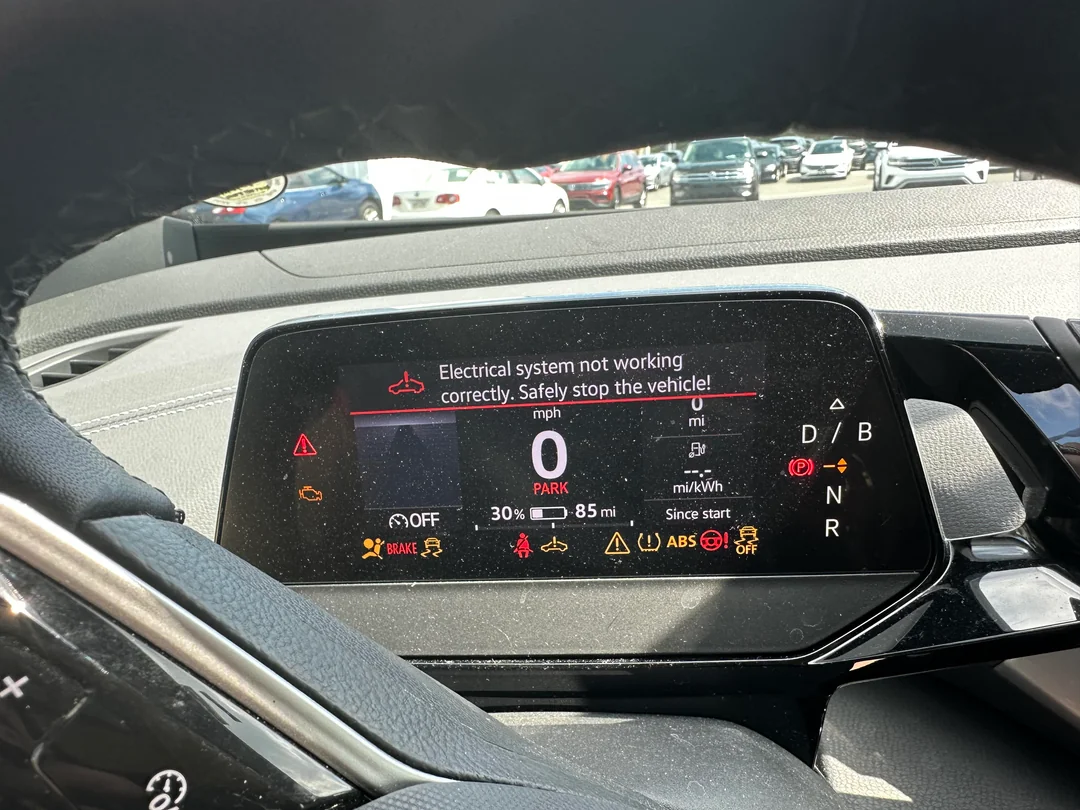
Drivers might notice a battery warning light, dim headlights, flickering dashboard illumination, or unusual electrical behaviour.
Winter conditions can expose an alternator problem that was already present. Cold starts require more electrical energy, while heating systems and defrosters increase the load on the charging system. A weak alternator may struggle to meet these demands, particularly when the vehicle is driven mainly on short journeys.
It is important to understand that a battery warning light does not always mean the battery itself is defective. In many vehicles, the warning indicates a problem with the charging system. Replacing the battery without checking the alternator can leave the original issue unresolved and cause the replacement battery to discharge as well.
A professional charging-system inspection can identify whether the alternator is producing the correct voltage and current under different operating conditions.
The technician can also inspect the drive belt, wiring, battery terminals, and voltage regulator. Addressing the underlying fault early helps protect the battery and maintain reliable vehicle operation.
5. Corroded Battery Terminals Restrict Electrical Flow
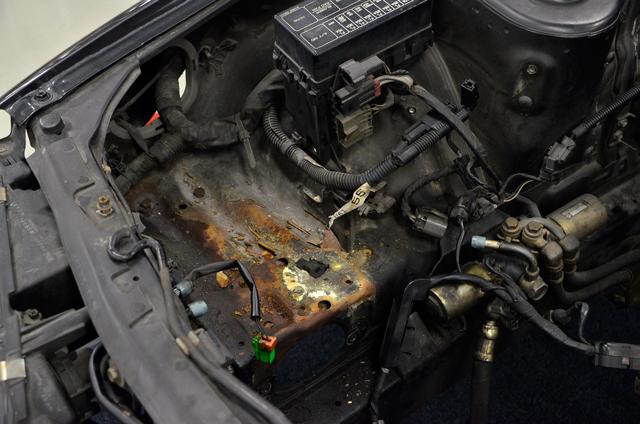
Battery terminals provide the electrical connection between the battery and the vehicle. When corrosion develops around these connections, electrical resistance can increase and interfere with the flow of current.
This may prevent the starter motor from receiving the power it needs, especially during a cold start when the engine requires more effort to turn.
Corrosion often appears as a white, blue, or greenish deposit around the battery posts and cable connectors. It can develop because of battery vapour, electrolyte leakage, moisture, or chemical reactions involving the battery terminals and surrounding metal. Even a relatively small amount of buildup can affect electrical contact if it becomes severe.
Drivers may notice several symptoms when terminal corrosion becomes problematic. The engine might crank slowly, the dashboard lights may flicker, or the vehicle may produce clicking sounds when the ignition is operated. Sometimes the car starts normally after several attempts, making the problem appear inconsistent.
Cold weather increases the importance of having clean and secure electrical connections. A battery may still contain sufficient energy, but poor contact can prevent that energy from reaching the starter motor effectively.
This is why a battery should not automatically be replaced whenever a vehicle experiences starting difficulties.
Terminal inspection and cleaning should be performed carefully, following the vehicle and battery manufacturer’s safety instructions.
The ignition should be switched off, and appropriate protective equipment should be used. If the terminals, cables, or battery posts are badly damaged, a qualified technician should repair or replace the affected components.
6. A Hidden Electrical Drain Is Slowly Emptying the Battery
A car battery can lose power even when the engine is switched off. Modern vehicles contain electronic systems that continue drawing small amounts of electricity while the vehicle is parked.
These systems may include security alarms, clocks, keyless entry modules, and computer memory. Normal standby consumption is usually limited, but an electrical fault can cause excessive battery drain.
A faulty interior light, malfunctioning glovebox switch, damaged relay, or incorrectly installed accessory may continue consuming electricity after the vehicle has been parked. A dash camera, aftermarket stereo, tracking device, or other electrical accessory can also contribute if it is not installed or configured correctly.
The problem may become noticeable when cold weather arrives because battery performance is already reduced.
A battery that could previously tolerate several days of normal standby consumption might struggle when an electrical component continues drawing power overnight. This is particularly concerning for vehicles that remain parked for extended periods.
Drivers may notice that the vehicle starts normally after a journey but refuses to start the following morning. Recharging or jump-starting the battery may temporarily solve the problem, but the same symptoms return after the vehicle has been parked. This repeated pattern often suggests that an electrical drain needs investigation.
A parasitic draw test performed by a qualified technician can identify whether the vehicle is consuming excessive current while switched off.
The inspection may involve checking individual circuits, relays, control modules, and aftermarket accessories. Finding the source of the drain is essential because replacing the battery alone will not correct the electrical fault.
7. Freezing Temperatures Can Affect a Partially Charged Battery
A partially discharged lead-acid battery is more vulnerable to freezing than a fully charged battery. The electrolyte in a conventional battery contains a mixture of sulfuric acid and water.
As the battery loses charge, the electrolyte becomes more diluted, increasing its freezing risk. Under sufficiently cold conditions, this can cause serious internal damage.
A fully charged conventional lead-acid battery has a much lower freezing point than plain water. However, the freezing point rises as the battery becomes discharged. This means a battery that has been repeatedly undercharged may face a greater risk during prolonged periods of severe cold.
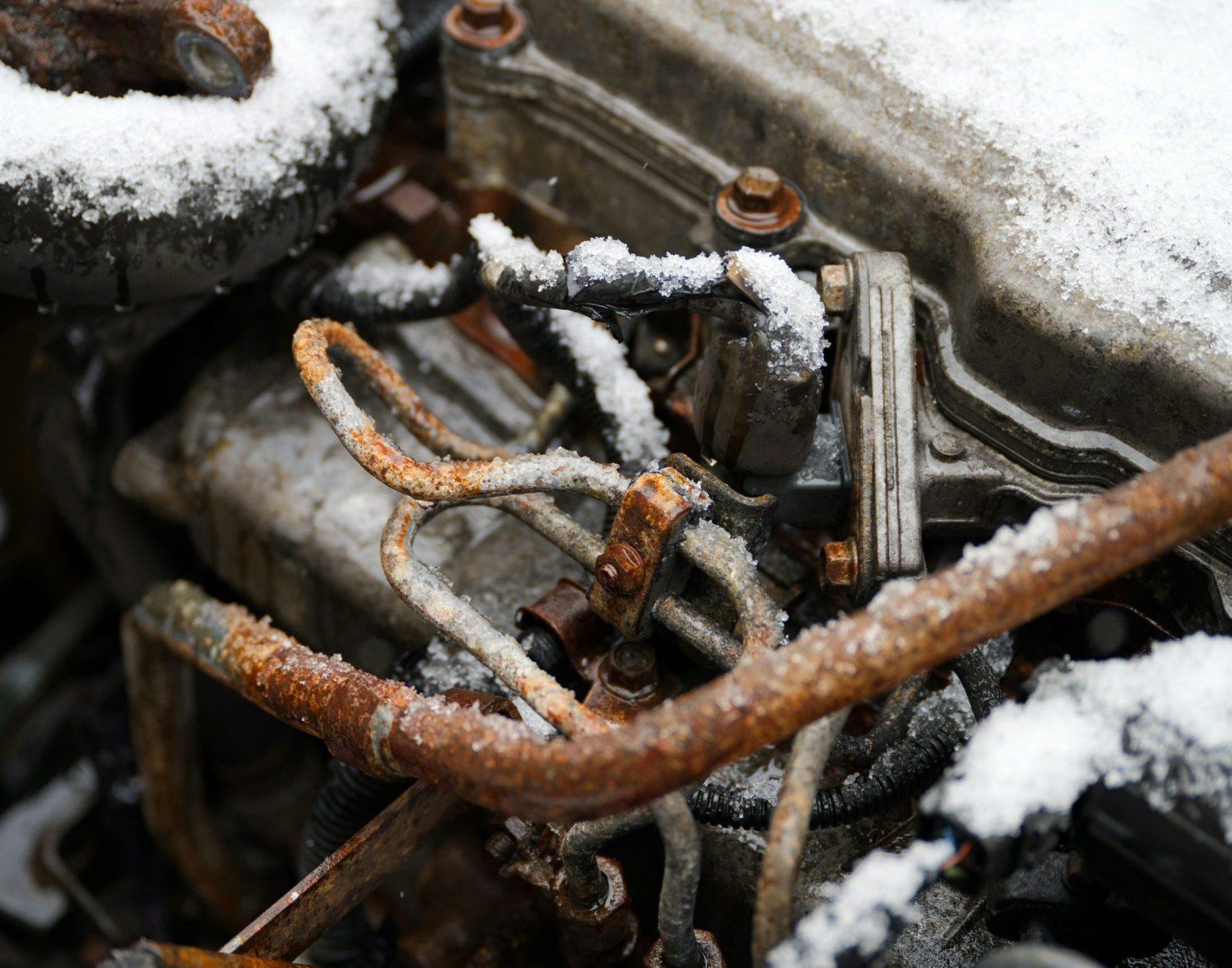
When the electrolyte freezes, it can expand and damage internal battery components. The battery case may crack, plates may become damaged, and electrolyte may leak. A frozen battery should never be jump-started or charged because attempting to do so can create serious safety hazards.
The risk is not limited to vehicles parked in extremely cold regions. A weak battery that remains partially discharged for several days can become increasingly vulnerable when temperatures fall sharply. Drivers who leave vehicles unused for extended periods should pay particular attention to battery charge and condition.
8. Thick Engine Oil Makes Starting More Difficult
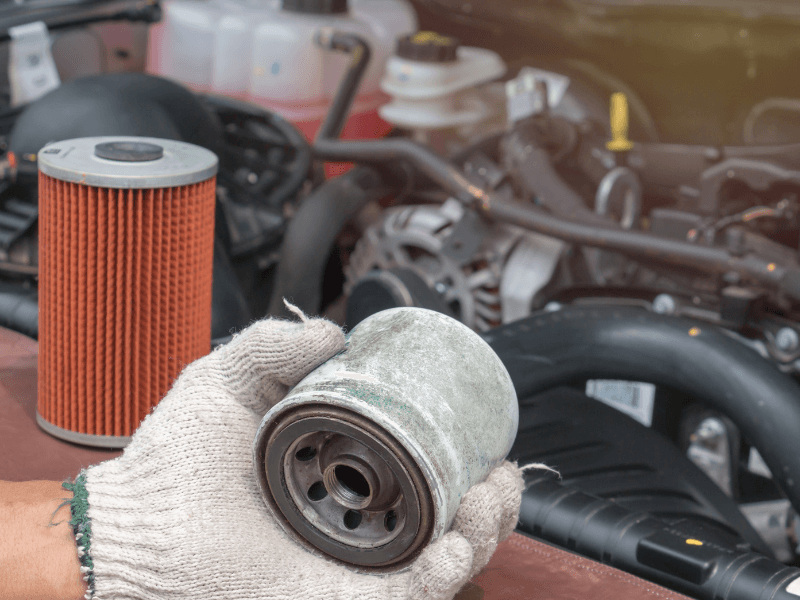
Engine oil becomes more viscous as temperatures decrease. This means it flows less easily through the engine when the vehicle is cold. During startup, the starter motor must overcome additional resistance as it turns the engine’s internal components through thicker oil. This increases the electrical demand placed on the battery.
The effect depends partly on the type and viscosity grade of engine oil being used. Oil with an unsuitable viscosity for the vehicle’s operating conditions may become excessively thick during cold weather. This can make the engine harder to turn, especially when temperatures drop below freezing.
Drivers may experience slow cranking on cold mornings even when the battery is relatively healthy. The starter motor may sound as though it is struggling, and the engine may take longer than usual to start. If the battery is already weak, the added mechanical resistance can be enough to prevent starting altogether.
Using the correct engine oil helps reduce unnecessary starting resistance. Vehicle manufacturers specify recommended oil grades based on engine design, operating conditions, and temperature requirements.
Many modern vehicles use multi-grade synthetic oils designed to maintain suitable flow characteristics across a broad temperature range.
9. Loose or Damaged Battery Cables Interrupt Power Delivery
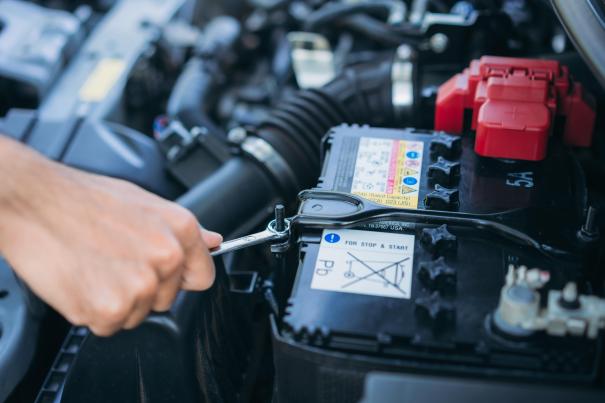
Battery cables carry electrical current between the battery, starter motor, alternator, and vehicle electrical system. When these cables become loose, damaged, or internally corroded, electricity may not flow properly.
The battery could be fully charged, but the vehicle may still struggle to start because the connection cannot deliver sufficient current.
Cable problems can develop gradually through vibration, ageing, exposure to moisture, and repeated temperature changes.
Terminal clamps may loosen over time, while corrosion can travel beneath the cable insulation and damage the metal strands inside. This type of deterioration is not always visible during a quick inspection.
Cold weather can make an existing connection problem more noticeable. Starting the engine requires substantial current, and even a small increase in resistance can reduce the power available to the starter motor.
Drivers might hear clicking, experience intermittent starting, or notice electrical accessories behaving unpredictably.
A loose connection may also create heat when electrical current passes through it. In severe cases, damaged cables or poor connections can produce sparks and create a fire risk. This is why unusual smells, visible melting, or damaged insulation should never be ignored.
10. Leaving Lights and Electrical Accessories On Drains the Battery
Leaving headlights, interior lights, or other electrical accessories switched on after parking can drain a battery surprisingly quickly.
The amount of time required depends on the battery’s capacity, the power consumption of the accessories, and the battery’s existing condition. A relatively healthy battery may tolerate a brief mistake, while an older battery may become completely discharged.
Winter creates more opportunities for this problem because drivers use additional electrical equipment. Heated seats, cabin blowers, rear-window defrosters, fog lights, and headlights are used more frequently during colder months.
These accessories are not usually a problem while the engine is running, but leaving them operating with the engine switched off can consume stored battery energy.
Some vehicles automatically switch off headlights and interior lights after a set period. However, this feature is not available in every model, and certain faults can prevent automatic shutdown.
A door that has not been closed properly or a faulty switch may also leave an interior light running without the driver’s knowledge.
Drivers should check that all lights and accessories are switched off before leaving the vehicle. It is also useful to confirm that doors, the boot, and the glovebox are fully closed. If a battery repeatedly goes flat after parking, a technician should investigate whether an electrical component is staying active.
Developing a simple parking routine can prevent unnecessary battery discharge. Check the dashboard, headlights, cabin lights, and connected accessories before walking away.
Where supported by the vehicle, automatic lighting and battery protection features can provide additional reassurance, but they should not replace basic checks.
11. Extreme Temperature Changes Expose an Existing Battery Problem
Sudden changes in outdoor temperature can reveal weaknesses that have been developing inside a car battery. A battery may perform adequately during mild conditions because its chemical reactions remain relatively efficient.
When temperatures fall sharply, its available starting power decreases, making existing problems much easier to notice.
The situation is especially common during seasonal transitions. Drivers may experience several weeks of comfortable temperatures before a sudden cold spell arrives. A battery that has been gradually losing capacity may continue operating during this period, giving the impression that it is still in good condition.
Temperature changes can also affect the physical components surrounding the battery. Battery cases, cable insulation, connectors, and mounting hardware are exposed to repeated expansion and contraction.
Ageing or poorly maintained components may become more vulnerable to cracking, loose connections, or other physical problems.
It is important to remember that cold weather is not necessarily the original cause of every battery failure. In many cases, the temperature drop simply exposes an existing weakness, such as reduced capacity, incomplete charging, internal deterioration, or a faulty electrical connection.
Understanding this distinction helps prevent unnecessary replacement of healthy components.