
Receiving approval for a car insurance claim can bring considerable relief after an accident, theft, or unexpected vehicle damage.
However, an approved claim does not always guarantee payment. In certain situations, insurance companies may reverse their decisions after reviewing additional documents, discovering inconsistencies, or identifying policy violations. This sudden change can leave vehicle owners confused, frustrated, and financially unprepared.
Understanding why an insurer may deny a previously approved claim helps drivers protect their rights and avoid unnecessary complications. Knowing the warning signs, reviewing policy conditions, and maintaining accurate records can make the claims process more transparent and manageable.
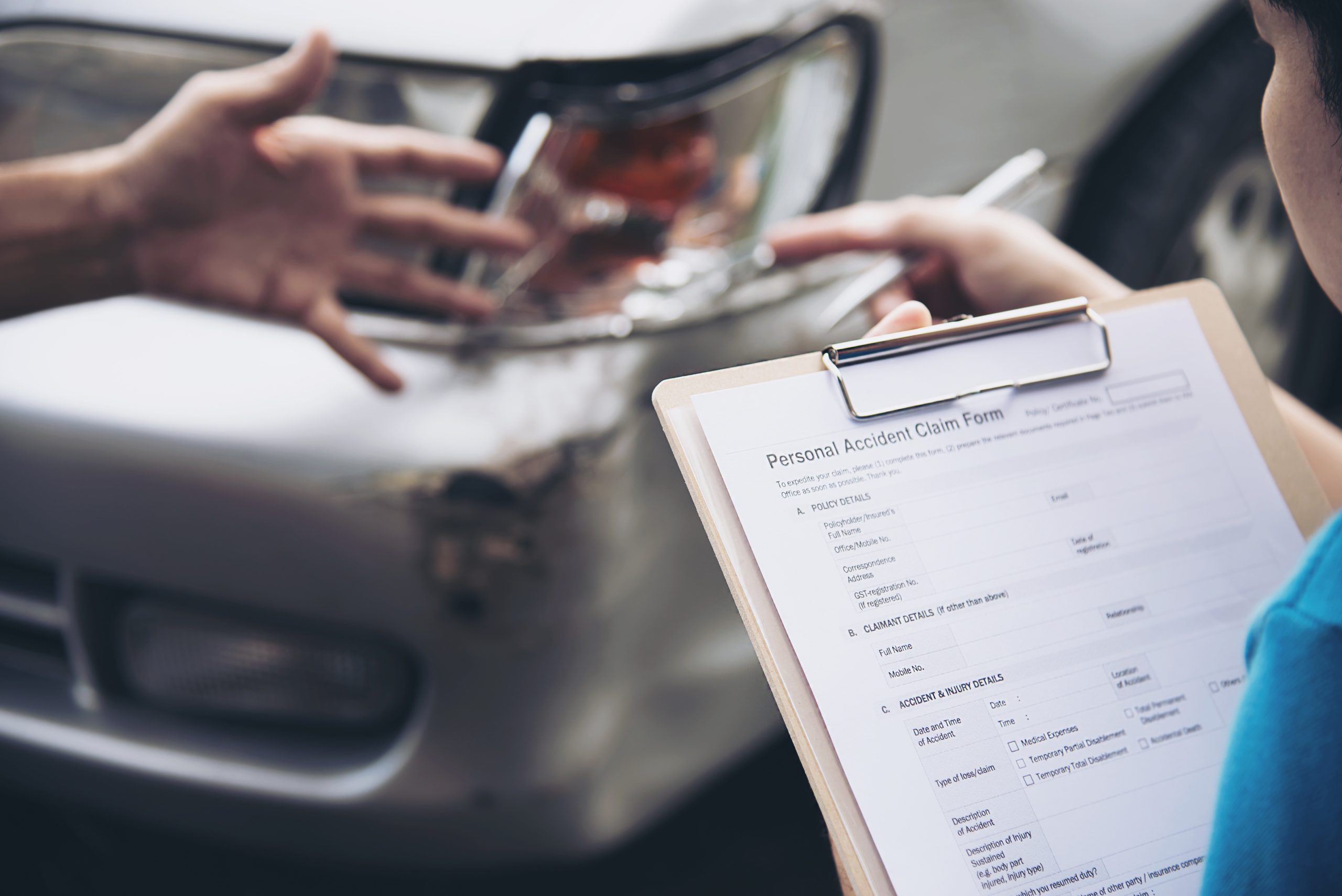
1. Incorrect or Misleading Information Provided During the Claim Process
Providing accurate information is essential when filing a car insurance claim. Insurance companies depend on the details supplied by policyholders to determine whether an incident qualifies for coverage. An initial review may result in approval because the available information appears complete and consistent.
However, further investigation can reveal inaccurate statements, missing details, or differences between the original accident report and the information submitted later. When these discrepancies affect the insurer’s assessment, the company may reconsider its earlier decision and refuse payment.
A common situation involves differences in the description of an accident. For example, a driver might initially report that another vehicle collided with their parked car. During a later investigation, security footage or witness statements may suggest that the vehicle was moving when the incident occurred.
This does not automatically establish dishonesty, but it can raise questions about the accuracy of the original report. Insurers may request additional explanations before deciding whether the claim remains eligible under the policy.
Incorrect information about the driver can also create complications. Insurance applications generally request details about the people who regularly operate the vehicle, their driving history, and sometimes their intended use of the car.
If the insurer discovers that the vehicle was being driven by someone who was not covered under the policy, the circumstances may affect eligibility. The same concern can arise when the policyholder provides incorrect information about the vehicle’s ownership, registration, or previous damage.
Another concern involves accidental mistakes that appear misleading during verification. A driver who forgets the exact time of an accident or provides an incorrect location may not intend to deceive the insurance company. However, conflicting information can delay the investigation and create doubts about the incident.
Policyholders should avoid guessing when answering questions. If they cannot remember a particular detail, explaining that uncertainty is safer than providing information that may later prove inaccurate.
The best way to prevent this problem is to review every claim document before submitting it. Accident photographs, police reports, repair estimates, witness details, and supporting statements should provide a consistent account of what happened.
If an error is discovered after submission, the policyholder should inform the insurer promptly and request that the information be corrected. Maintaining honest communication can help resolve misunderstandings before they develop into serious disputes.
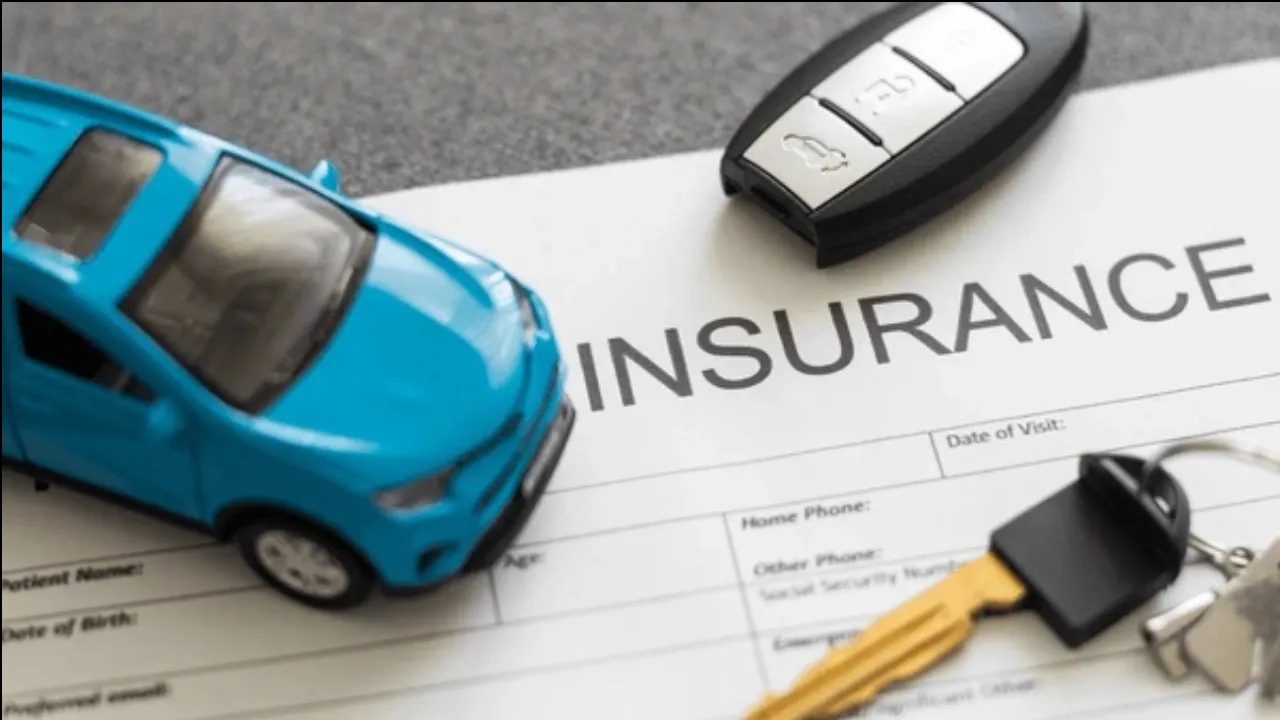
2. Important Policy Exclusions Discovered During Further Investigation
Car insurance policies contain specific conditions explaining which situations qualify for coverage and which are excluded. An insurance company may initially approve a claim based on the information available at the time.
Later, a detailed review may reveal that the incident falls under an exclusion mentioned in the policy. When this happens, the insurer may withdraw its approval or reject the payment request, depending on the applicable terms and legal requirements.
For example, certain policies exclude damage caused while a vehicle is being used for an unauthorised commercial purpose. A car insured for private use may have different coverage conditions from a vehicle regularly used for paid transportation or delivery services.
If the insurer discovers that the vehicle was being used outside the permitted category when the accident happened, it may examine whether the policy provides protection for that particular incident. The outcome depends on the wording of the contract and the circumstances involved.
Some policies also contain exclusions relating to intentional damage, illegal activities, or unauthorised vehicle modifications. If an investigation identifies evidence that the damage was deliberately caused, the insurance company may have grounds to deny coverage.
Similarly, modifications that materially affect the vehicle’s risk profile may create complications when they have not been disclosed as required. Not every modification automatically invalidates insurance, so the exact policy wording matters.
Natural disasters and environmental events can also create confusion. Comprehensive car insurance may cover certain events such as floods, storms, or falling objects, while other policy types provide more limited protection.
The extent of coverage depends on the specific contract, geographical conditions, and any applicable exclusions. A claim might initially receive approval before further examination reveals that the particular loss is not included in the policy.
Vehicle owners should carefully review their policy schedule, exclusions, endorsements, and coverage limits before assuming that every type of damage is insured. Asking the insurance provider to explain unclear conditions can prevent unpleasant surprises.
When a claim is questioned because of an exclusion, request the exact clause and a written explanation of how it applies to the incident. This information can help determine whether the insurer’s decision is consistent with the agreement.
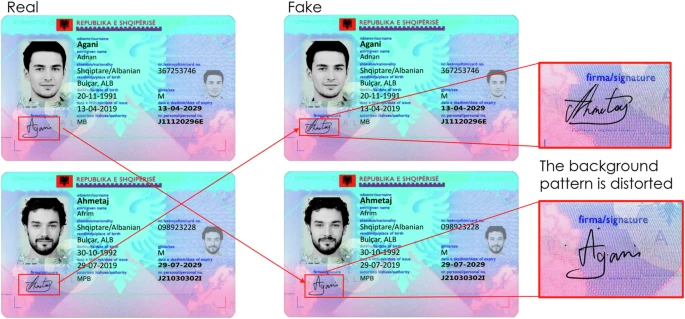
3. Missing Documents or Incomplete Supporting Evidence
Documentation plays an important role in the car insurance claims process. Insurance companies require evidence to establish that an accident occurred, identify the damaged vehicle, verify the policyholder’s details, and calculate the amount payable.
An initial approval may be issued while certain documents are still pending. However, if the required paperwork is not submitted within the specified period, the insurer may reconsider the claim or decline payment in accordance with the policy conditions.
Typical documents requested during a car insurance claim include the insurance policy, vehicle registration certificate, driving licence, claim form, repair estimate, and photographs of the damaged vehicle.
Depending on the incident, the insurer may also request a police report, theft complaint, accident details, or additional verification documents. Requirements can differ between insurance providers and claim categories. Submitting the correct paperwork at the beginning can reduce unnecessary delays.
Problems can arise when submitted documents contain missing pages, unclear photographs, incorrect registration details, or inconsistent information. For instance, an insurance company might approve a vehicle repair estimate before receiving a final inspection report.
If the inspection later identifies damage that was already present before the accident, the insurer may question whether the entire repair bill relates to the reported incident. This can result in a revised settlement or rejection of certain expenses.
The situation becomes more complicated when policyholders fail to respond to requests for additional evidence. Insurance companies may need clarification from the vehicle owner, repair workshop, or investigating officer before completing their assessment.
Ignoring emails, phone calls, or formal notices can create delays. If the policyholder repeatedly fails to provide essential information, the insurer may decide that the claim cannot be properly verified.
Keeping organised records can make a considerable difference. Vehicle owners should save copies of all submitted documents, inspection reports, repair estimates, communication records, and payment receipts. Photographs should clearly show the vehicle’s condition after the incident, preferably before repairs begin.
If documents are submitted electronically, retaining confirmation messages or acknowledgement receipts can help establish that the required information was provided within the requested timeframe.
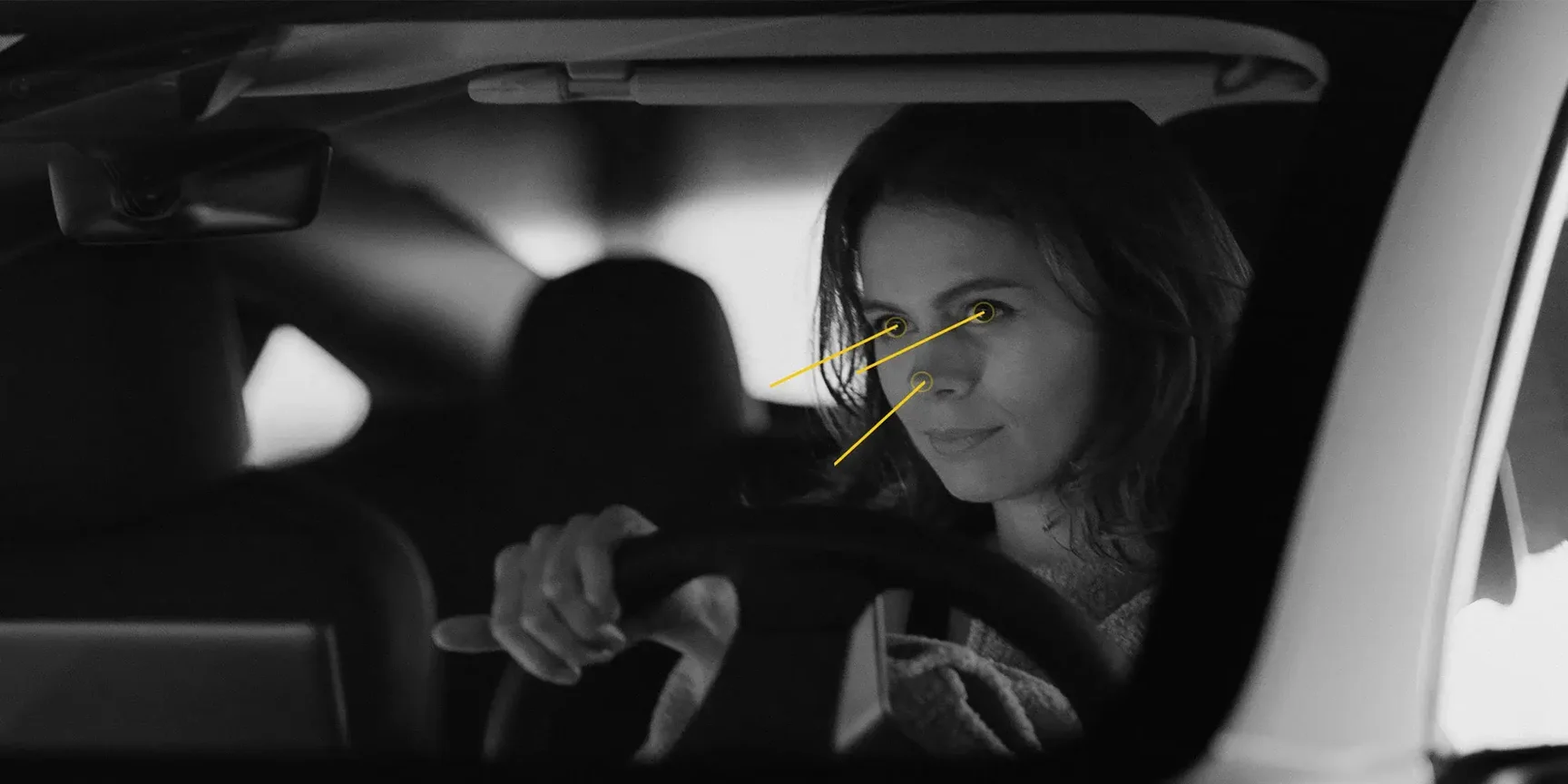
4. The Driver Was Not Legally Authorised to Drive the Vehicle
Car insurance coverage often depends on whether the person driving the vehicle at the time of an accident was legally permitted to operate it.
If an insurance company discovers that the driver did not have a valid driving licence or was otherwise unauthorised, it may question the validity of the claim. An initial approval based on incomplete information may therefore be reconsidered after the insurer verifies the driver’s legal status.
A valid driving licence is an important requirement for operating a motor vehicle. If the driver has never obtained the appropriate licence, is driving with an expired licence where renewal is required, or holds a licence that does not cover the relevant vehicle category, insurance complications may arise.
The legal and contractual consequences depend on the applicable traffic laws, policy conditions, and circumstances of the accident.
Allowing an inexperienced or unlicensed person to drive a vehicle can also create problems for the registered owner. For example, a car owner might permit a friend or relative to use the vehicle without checking whether they hold the appropriate licence.
If that individual becomes involved in an accident, the insurance company may investigate the circumstances and determine whether the policy conditions were breached.
There can also be situations involving restricted or suspended driving privileges. A driver whose licence has been suspended or revoked may not meet the legal requirements for driving.
Similarly, certain policies may contain conditions concerning authorised drivers or specific vehicle usage. Insurers can examine these details when reviewing an accident claim. However, the mere fact that someone other than the policyholder was driving does not automatically mean that the claim must be denied.
To avoid complications, vehicle owners should verify that anyone permitted to drive their car has the appropriate legal authorisation. They should also review the policy’s driver-related conditions and understand any restrictions.
If an insurer denies a claim because of a licensing issue, the policyholder should request the specific legal provision and policy clause supporting the decision. This can help establish whether the rejection is justified.
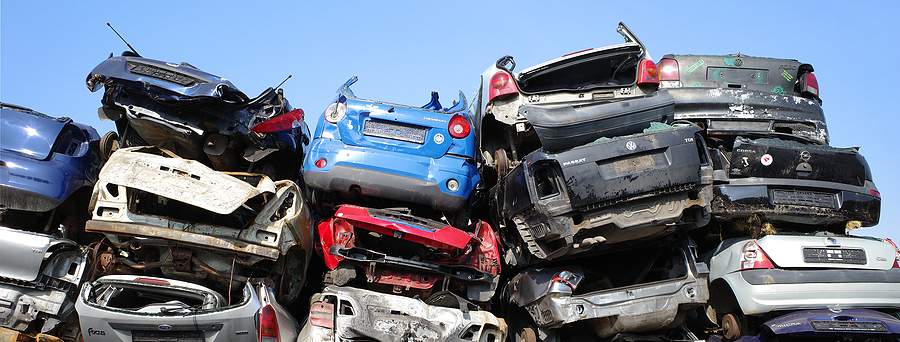
5. Late Accident Reporting or Failure to Follow Claim Procedures
Reporting an accident within the required timeframe is an important part of the insurance claims process. Most insurers specify procedures that policyholders must follow after an accident, theft, or other covered event. These requirements help the company investigate the incident while evidence is still available.
If the policyholder reports the incident late or ignores important instructions, the insurer may question the claim, particularly when the delay affects its ability to verify the circumstances.
For example, imagine a driver whose car is damaged in a parking area. Instead of informing the insurer immediately, the owner arranges repairs independently and submits the claim several weeks later.
During the investigation, the company may find it difficult to establish when the damage occurred or whether the reported incident caused it. The lack of timely photographs and inspection records could make verification more challenging.
Delayed reporting can be particularly serious in theft cases. If a vehicle disappears, the owner should promptly notify the police and the insurance company as required by the policy.
Waiting too long may affect the investigation, reduce the chances of recovering the vehicle, and create questions about the accuracy of the reported incident. Some insurance contracts establish specific notification requirements for theft and other major losses.
Following the insurer’s instructions during the claim process is equally important. A company may ask the policyholder to arrange an inspection before repairs begin, submit a particular form, or provide access to the damaged vehicle.
If the owner proceeds without following these instructions, the insurer may struggle to verify the original damage. This can affect the amount payable or the eligibility of certain repair expenses.
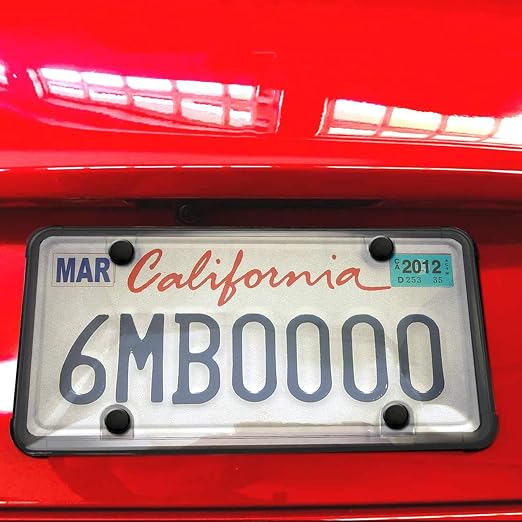
6. Fraud Indicators or Suspicious Activity Identified During Investigation
Insurance companies use verification procedures to identify potentially fraudulent claims. These checks may include reviewing accident reports, examining photographs, contacting repair workshops, verifying vehicle history, and comparing statements from different individuals.
A claim may receive preliminary approval before a detailed investigation identifies suspicious information. If the insurer finds credible evidence of fraud or deliberate misrepresentation, it may withdraw the approval and refuse payment under the applicable terms and law.
One common concern involves deliberately exaggerating the extent of vehicle damage. A car owner might submit a repair estimate that includes unrelated scratches, older dents, or mechanical problems that existed before the accident.
If an inspection reveals that some of the listed repairs are not connected to the reported incident, the insurer may challenge the estimate. Depending on the evidence, the company may reduce the approved amount or investigate whether the claim contains intentional misrepresentation.
False accident information can also attract scrutiny. For example, a vehicle owner may report damage from a recent collision when the actual damage occurred during an earlier incident.
Insurers can compare accident photographs, repair records, previous claims, and inspection findings to establish whether the reported event matches the physical condition of the vehicle. Significant differences may lead to further questioning.
Collusion between different parties can create additional complications. An insurer may investigate if statements from a driver, vehicle owner, repair workshop, or witness appear coordinated but conflict with independent evidence.
Suspicious repair invoices, altered photographs, fabricated police reports, or duplicate claims may also trigger closer examination. However, an investigation or suspicion alone does not prove that fraud occurred.

7. Policy Lapse, Premium Payment Issues, or Incorrect Coverage Details
An active insurance policy is essential for receiving coverage under a car insurance agreement. Sometimes, a claim receives preliminary approval before the insurer completes a detailed verification of the policy’s payment status.
If the company later discovers that the policy had expired, was cancelled, or was not active on the date of the accident, it may reconsider the approval. The exact outcome depends on the policy terms, payment records, and applicable insurance regulations.
Premium payment problems can arise for several reasons. A policyholder may assume that an automatic renewal has been completed when the payment actually failed.
Similarly, a bank transaction may remain pending, or a payment confirmation may not reflect successful receipt by the insurer. If the policy was not properly renewed before the incident, the company may determine that the vehicle did not have valid coverage at that time.
Incorrect policy details can also cause complications. For instance, a vehicle owner might enter the wrong registration number, select an incorrect vehicle variant, or provide inaccurate information about the insured vehicle.
Some mistakes can be corrected through an endorsement or policy amendment, while others may materially affect the insurance agreement. If an error changes the identity or risk details of the insured vehicle, the insurer may investigate whether the contract provides valid coverage.
Another issue involves differences between the policyholder’s expectations and the coverage actually purchased.
A third-party liability policy generally provides protection for specified liabilities involving other people and property, rather than comprehensive protection for damage to the policyholder’s own vehicle. A driver who assumes that all accident-related repair costs are covered may be disappointed when the insurer explains the limitations of the selected policy.
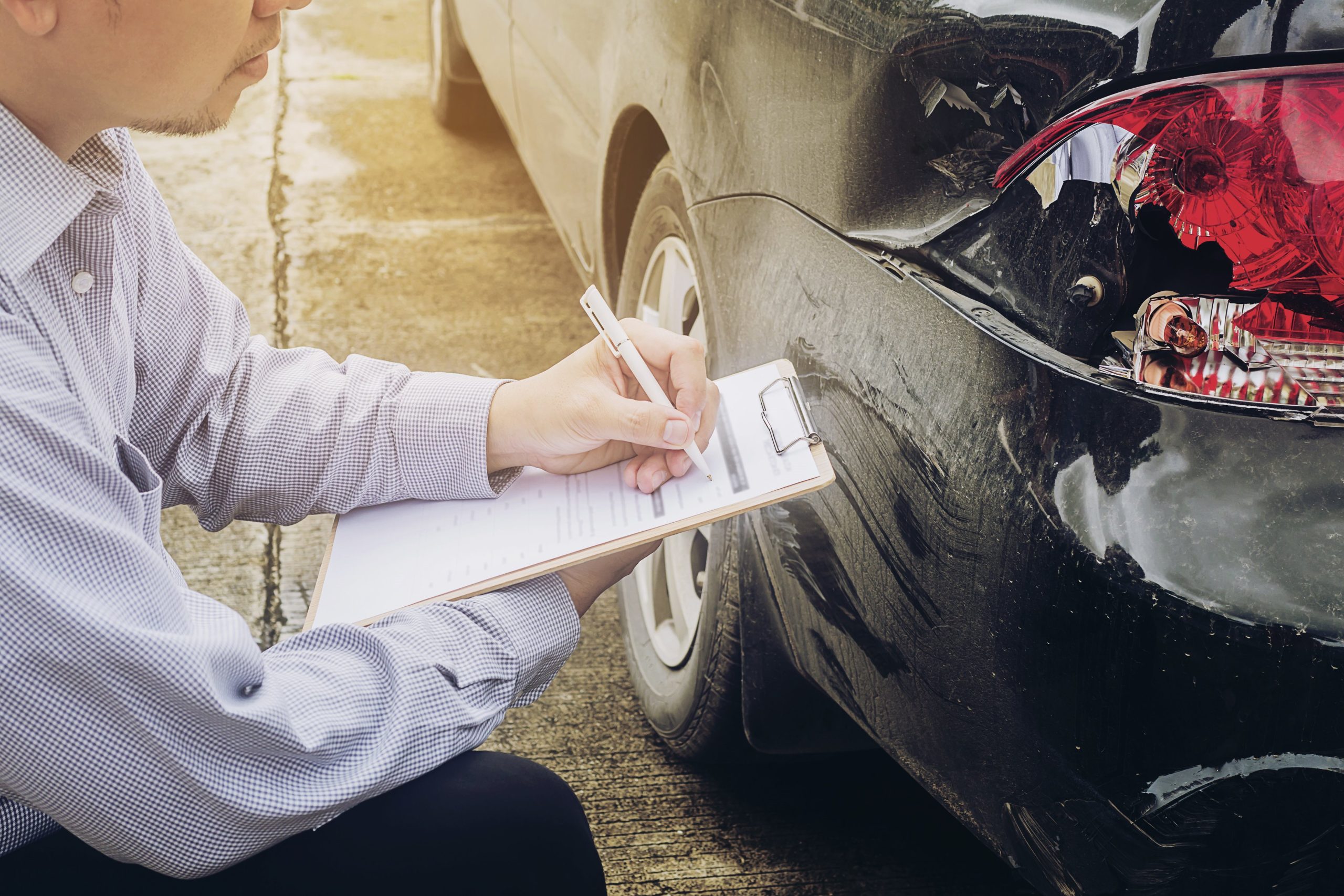
8. New Evidence or Inspection Findings Contradict the Initial Approval
An insurance claim may be approved based on preliminary photographs, a basic inspection, or the information available during the initial assessment. However, a more detailed investigation can reveal additional facts that change the insurer’s understanding of the incident.
If new evidence contradicts the original claim details or shows that certain damage is not covered, the company may revise its decision. This is particularly relevant when the initial approval was conditional rather than a final settlement commitment.
Vehicle inspections can identify damage that was not visible during the first assessment. For example, an accident might appear to have caused only minor exterior scratches, but a detailed examination could reveal unrelated mechanical problems or older structural damage.
The insurer may agree to pay for repairs directly connected to the accident while excluding other expenses. In more serious cases, new findings may affect the eligibility of the entire claim.
Independent reports can also influence a claim decision. An insurance company may obtain information from a vehicle inspection specialist, repair workshop, police investigation, or other relevant source.
If the findings indicate that the accident occurred differently from the original description, the insurer may request further clarification. For example, the damage pattern might not match the reported direction or severity of impact.
There can also be disputes involving the cost of repairs and replacement parts. An initial approval may cover an estimated amount, but the final workshop assessment might identify additional expenses.
The insurer may review whether those costs are reasonable, necessary, and included within the policy’s coverage. Some repair expenses may require additional authorisation before work proceeds. This is why vehicle owners should avoid assuming that approval of an initial estimate guarantees reimbursement for every subsequent expense.