
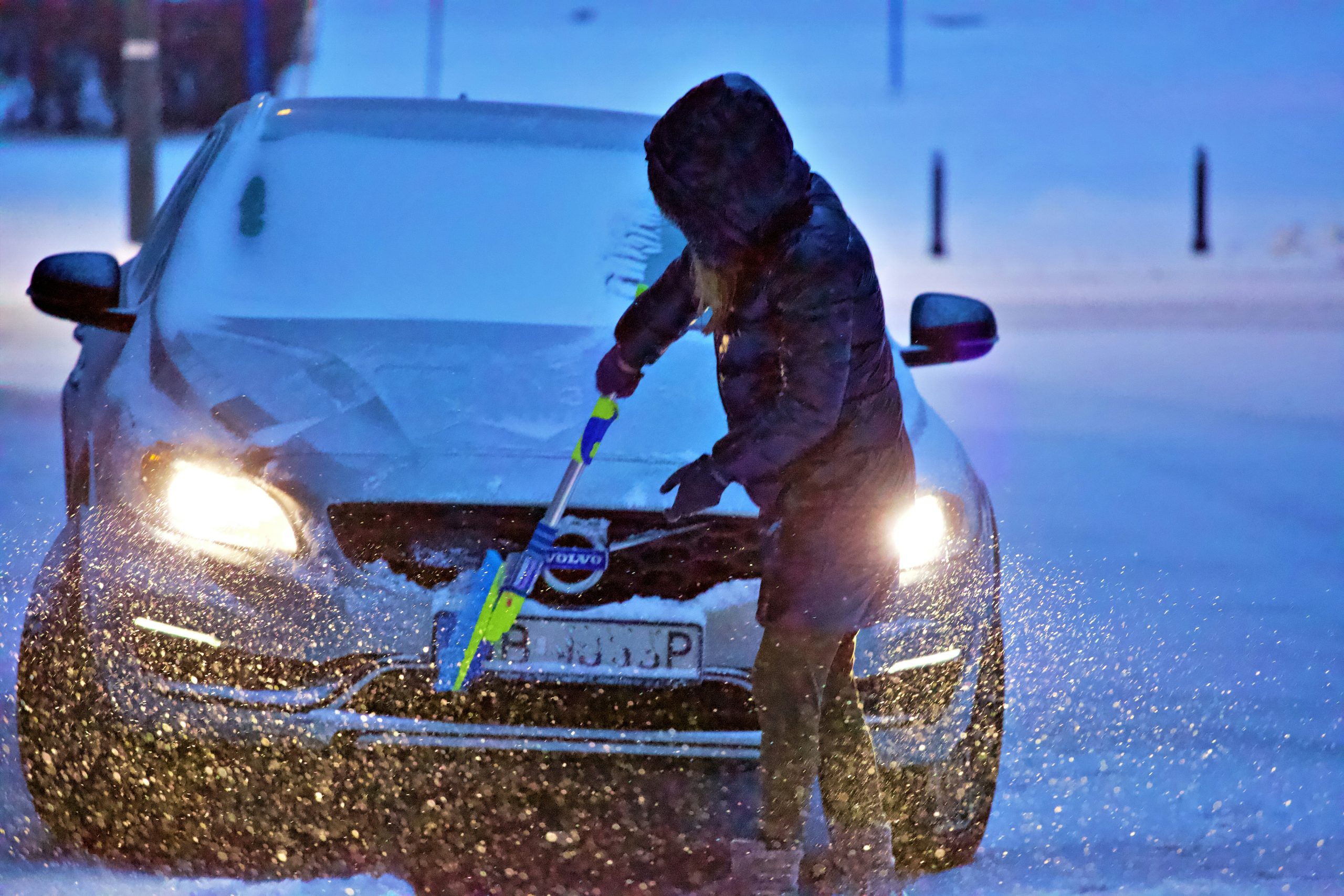
January can be an expensive month for car owners, particularly when winter temperatures expose hidden mechanical problems. Freezing mornings, icy roads, thick engine oil, weak batteries, and increased heating demands place extra pressure on essential vehicle components.
Repairs that might cost less during warmer months can become significantly more expensive when workshops face higher demand and replacement parts become harder to source.
Understanding which winter car repairs deserve attention before January arrives can help drivers avoid unnecessary expenses, unexpected breakdowns, and stressful garage visits. A little preventive maintenance can protect your vehicle, improve reliability, and keep repair bills under control.
1. Car Battery Replacement and Electrical System Repairs
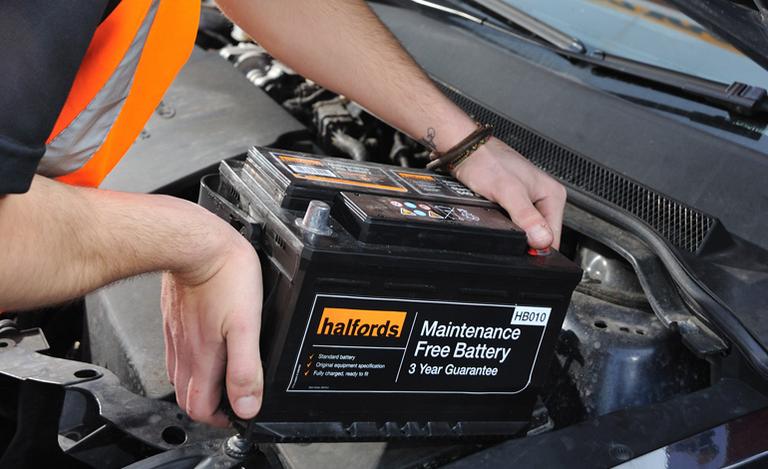
A failing car battery is among the most common reasons vehicles refuse to start during January. Cold weather reduces the chemical activity inside traditional lead-acid batteries, making it harder for them to deliver the electrical power needed to start an engine.
At the same time, engines require more starting power when temperatures drop because lubricants become thicker and internal components experience greater resistance.
A battery that performs adequately during autumn may struggle considerably when exposed to repeated freezing mornings. This combination can leave drivers stranded in parking lots, driveways, or unfamiliar locations.
Battery replacement costs can increase during January because demand rises when temperatures fall. Repair shops often receive more calls from motorists experiencing starting problems, while battery suppliers may experience temporary shortages of popular sizes.
Drivers who wait until their battery completely fails may have fewer opportunities to compare prices or choose a suitable replacement. Emergency roadside assistance can add further expenses, particularly when a vehicle needs towing or an urgent battery installation outside normal business hours.
Electrical system problems can also become more noticeable during winter. Alternators, starter motors, battery terminals, and charging cables must work together to maintain reliable starting performance.
Corroded connections can prevent electricity from flowing properly, while a failing alternator may gradually drain a healthy battery. Replacing the battery without investigating the charging system can create additional expenses because the replacement unit may also fail prematurely.
A professional electrical inspection helps identify the actual source of the problem before unnecessary components are purchased.
2. Engine Oil Replacement and Oil System Repairs
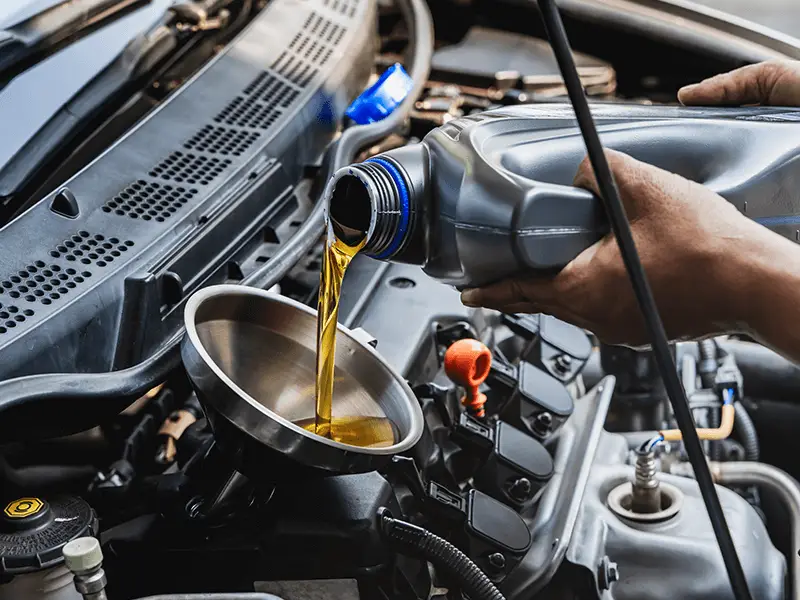
Engine oil plays an essential role in protecting moving engine components from friction, heat, and premature wear. During winter, low temperatures can increase oil viscosity, particularly when the wrong grade is being used.
Thicker oil takes longer to circulate through the engine after starting, which can increase wear during the first moments of operation. Vehicles that already have old, contaminated, or unsuitable engine oil may experience additional difficulties during January. Regular oil maintenance is therefore particularly important before temperatures reach their seasonal lows.
January can also become an expensive period for oil-related maintenance because workshops often receive more requests for winter servicing. Drivers who experience rough starting, unusual engine noises, or dashboard warning lights may require more than a routine oil change.
Problems involving oil filters, seals, gaskets, and lubrication passages can require additional labour and replacement components. If a vehicle has been operating with insufficient lubrication, the repair bill may become considerably larger because internal engine damage can require extensive mechanical work.
Choosing the correct engine oil is essential for reliable winter operation. Manufacturers specify oil viscosity grades according to engine design, operating conditions, and temperature requirements. Modern vehicles may require particular synthetic or manufacturer-approved lubricants.
Using an unsuitable oil simply because it appears cheaper can create problems with lubrication performance and engine protection.
Drivers should consult their owner’s manual or an authorised service professional before changing oil specifications, particularly when using vehicles with turbocharged engines or advanced emission systems.
Preventive oil maintenance is relatively straightforward. Check the oil level regularly using the manufacturer’s recommended procedure and inspect the area around the engine for signs of leakage.
Follow the recommended oil change interval rather than relying entirely on a fixed mileage estimate. Some vehicles calculate service requirements using driving conditions, engine temperature, and operating time.
Drivers who frequently travel through heavy traffic or make short journeys may need more frequent servicing than motorists who mainly drive longer distances.
3. Radiator and Cooling System Repairs
The cooling system protects the engine from excessive temperatures by circulating coolant through the radiator, engine passages, and other connected components.
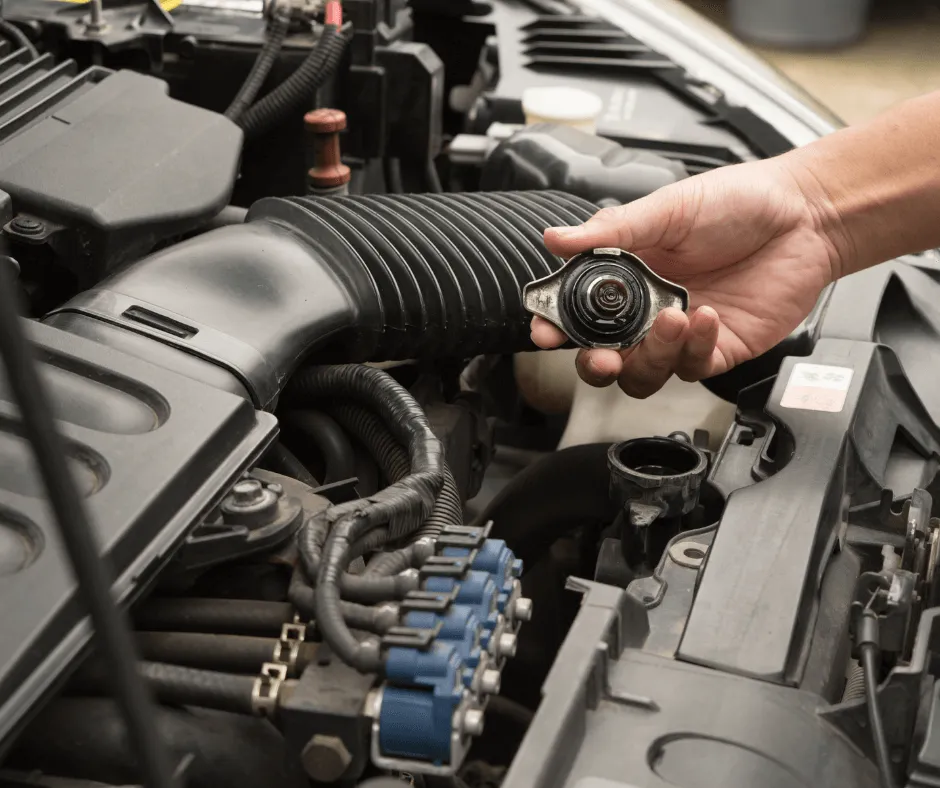
Many drivers assume that cooling system maintenance is mainly necessary during summer, but winter conditions also create significant risks. Incorrect coolant mixtures, damaged hoses, worn radiator caps, and leaking connections can cause serious problems when temperatures fall.
If coolant freezes, it expands and can damage the radiator, hoses, water pump, or engine components. These failures may result in costly repairs that could have been prevented through routine inspections.
January repair expenses can rise because cooling system problems frequently become urgent during cold weather. A vehicle with a leaking radiator may lose coolant gradually before displaying noticeable symptoms. When the driver finally notices a temperature warning, the engine may already be overheating.
Repair shops may need to replace several connected components rather than addressing a single damaged part. Labour charges can also increase when technicians must remove surrounding components to access difficult connections or investigate hidden leaks.
Coolant quality is just as important as coolant quantity. Modern vehicles require specific coolant formulations designed to protect internal surfaces against corrosion, deposits, and temperature extremes. Mixing incompatible coolant products can reduce protection and create deposits within the cooling system.
Water alone is not an appropriate long-term replacement because it does not provide the same freezing protection or corrosion resistance as the recommended coolant mixture. Owners should follow manufacturer specifications when topping up or replacing coolant.
Checking the cooling system before winter can prevent many avoidable problems. A mechanic can inspect radiator condition, coolant hoses, clamps, the expansion tank, thermostat, and water pump.
A coolant concentration test can determine whether the existing mixture provides suitable freezing protection for the expected climate. Pressure testing may also help identify small leaks that are difficult to detect during a basic visual inspection. These checks are particularly useful for older vehicles with ageing rubber components.
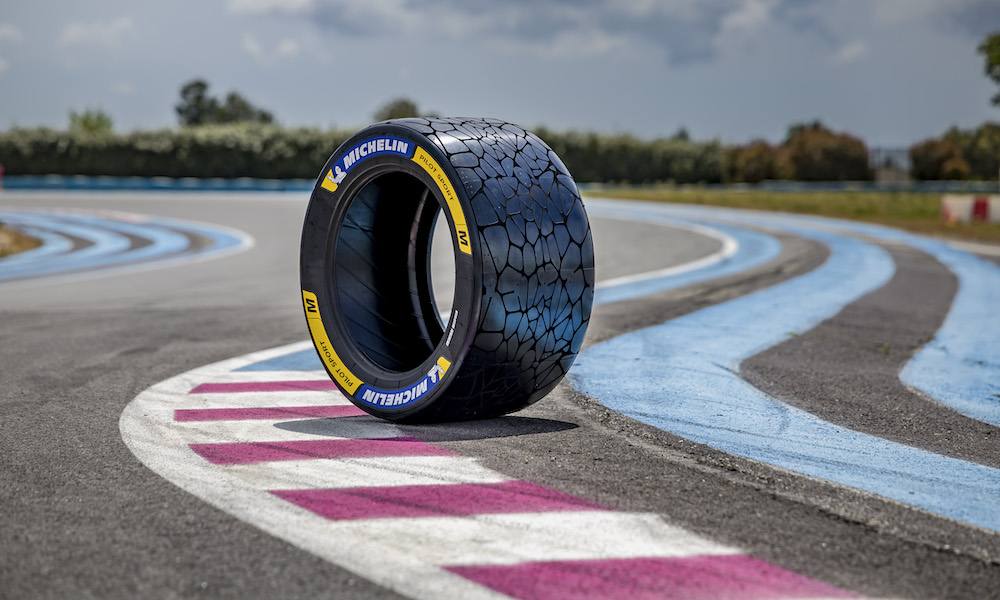
4. Tyre Replacement and Winter Tyre Damage
Tyres have a direct impact on vehicle safety, braking performance, steering control, and road stability. During winter, changing temperatures can affect tyre pressure, while wet surfaces, frost, and snow can increase the demands placed on the tread.
Underinflated tyres may wear unevenly, generate additional heat, and reduce handling performance. Worn tread can also increase stopping distances on slippery roads. Drivers who postpone tyre maintenance until January may discover that replacement becomes an urgent expense rather than a planned maintenance purchase.
Tyre prices can fluctuate during colder months because seasonal demand affects popular sizes and specifications. Drivers in colder regions may look for winter tyres, while others may need all-season replacements suitable for changing weather.
When demand increases, certain models can become temporarily unavailable. Motorists who require immediate replacement may have to select from limited stock or pay additional fitting charges. Replacing multiple tyres at short notice can create a substantial expense, particularly for larger vehicles and premium models.
Incorrect tyre pressure is a common winter problem. Air pressure decreases as temperatures fall, meaning tyres that were correctly inflated during warmer weather may become underinflated in January. This does not necessarily mean the tyre has developed a leak.
However, a puncture, damaged valve, or faulty wheel seal can also cause pressure loss. Drivers should check tyre pressure when the tyres are cold and follow the pressure figures provided by the vehicle manufacturer rather than relying on the maximum pressure printed on the tyre sidewall.
Tread depth deserves equal attention. Tyres with insufficient tread may struggle to move water away from the contact area, increasing the possibility of aquaplaning on wet roads. In regions that experience snow and ice, appropriate winter-rated tyres can provide better traction than conventional summer tyres.
Drivers should also inspect sidewalls for cracks, bulges, cuts, and other visible damage. A damaged tyre should be assessed by a qualified professional because some forms of structural damage cannot be repaired safely.
5. Brake Pad, Disc, and Brake Fluid Repairs
Braking systems require consistent maintenance throughout the year, but winter driving can place additional demands on their components. Wet roads, mud, road salt, and low temperatures can contribute to corrosion and accelerated wear.
Brake pads must maintain sufficient friction to slow the vehicle safely, while brake discs need smooth and suitable contact surfaces. When components become excessively worn, braking performance may deteriorate. Drivers who ignore squealing sounds, grinding noises, or unusual pedal behaviour risk turning a relatively straightforward repair into a more expensive job.
January brake repair costs can rise when workshops receive more bookings following winter-related vehicle problems. Vehicles that have been driven through wet, salty conditions may require additional cleaning or component replacement.
Corroded brake hardware, seized caliper slides, and damaged dust boots can complicate routine pad replacement. In some cases, a mechanic may recommend replacing discs and pads together because the existing discs are too worn or damaged to provide reliable braking performance.
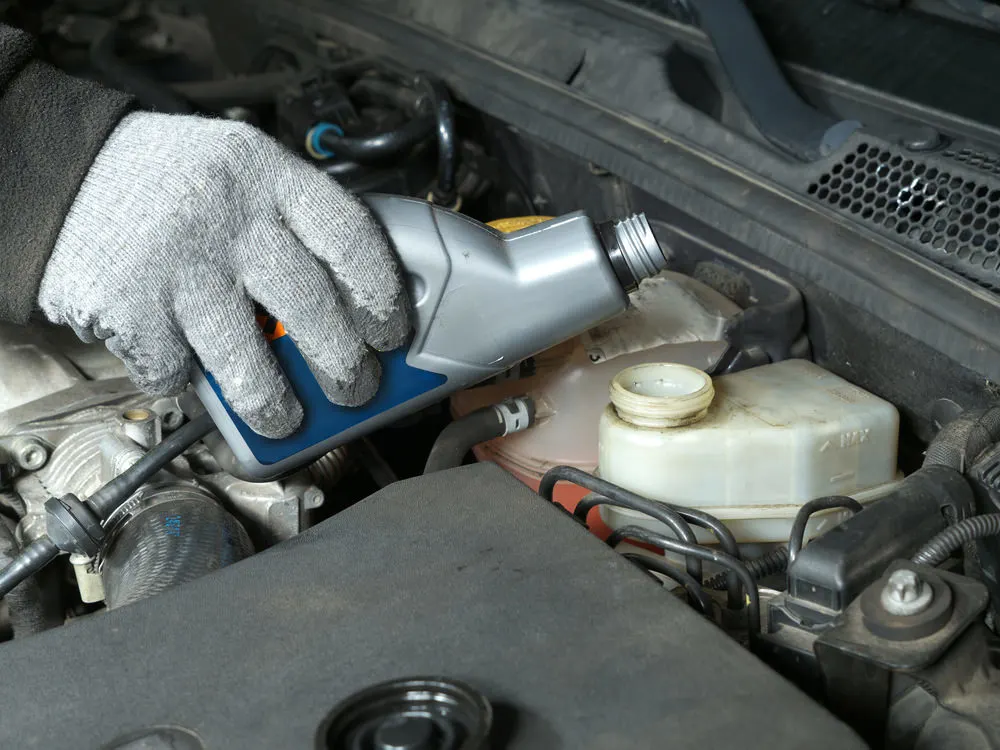
Brake fluid also deserves attention during winter maintenance. This hydraulic fluid transfers force from the brake pedal to the braking components. Over time, brake fluid can absorb moisture, which lowers its boiling point and may contribute to internal corrosion.
Although cold temperatures do not create every brake fluid problem, neglected fluid can compromise system reliability. Manufacturers provide recommended replacement intervals, and drivers should follow the service schedule specified for their vehicle.
Regular inspections help identify brake problems before they become serious. A technician can measure pad thickness, inspect disc condition, check brake hoses, examine calipers, and assess the parking brake.
Drivers should also notice changes in pedal feel, unusual vibrations during braking, or warning lights on the dashboard. Any sudden reduction in braking performance requires immediate professional attention. Continuing to drive with a potentially faulty braking system puts the driver and other road users at risk.
6. Windshield Replacement and Heating System Repairs
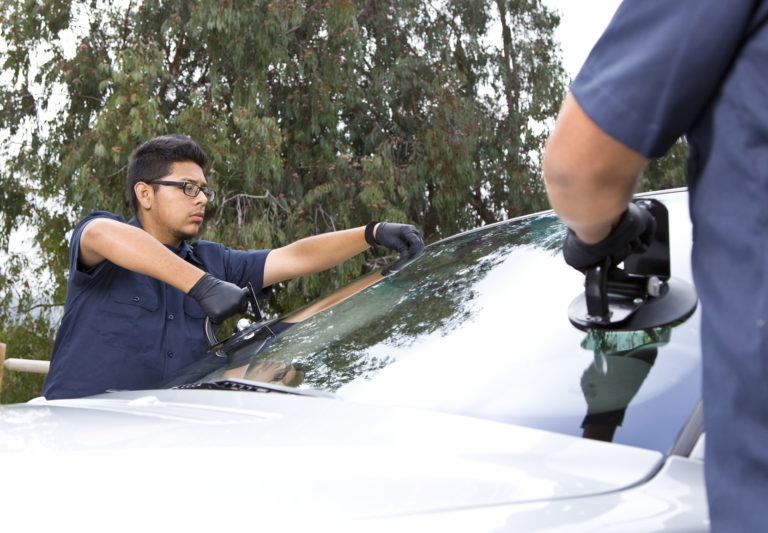
A damaged windshield can become a larger problem during winter because temperature changes place additional stress on existing cracks. When cold glass is suddenly exposed to warm air, thermal expansion can cause a small crack to spread.
Road debris, stones, and sudden temperature fluctuations can also contribute to windshield damage. What begins as a minor chip may eventually develop into a large crack that affects visibility and requires complete glass replacement. Addressing small damage early can help prevent unnecessary replacement costs.
January can be an expensive time for windshield repairs because cold-weather driving increases the importance of clear visibility. Workshops may experience higher demand for glass replacement, particularly after periods of frost, snowfall, or poor road conditions.
Vehicles with advanced driver assistance systems may also require additional work after windshield replacement. Cameras and sensors mounted near the glass sometimes need calibration to ensure that safety features continue operating correctly.
The heating and ventilation system is equally important during colder months. It helps maintain a comfortable cabin temperature while supporting windshield defogging and demisting. Problems involving the blower motor, heater core, thermostat, cabin filter, or control system can reduce heating performance.
A clogged cabin air filter may restrict airflow, while a failing blower motor can prevent warm air from circulating effectively. These faults can make winter journeys uncomfortable and compromise visibility when windows become misted.
7. Starter Motor and Alternator Replacement
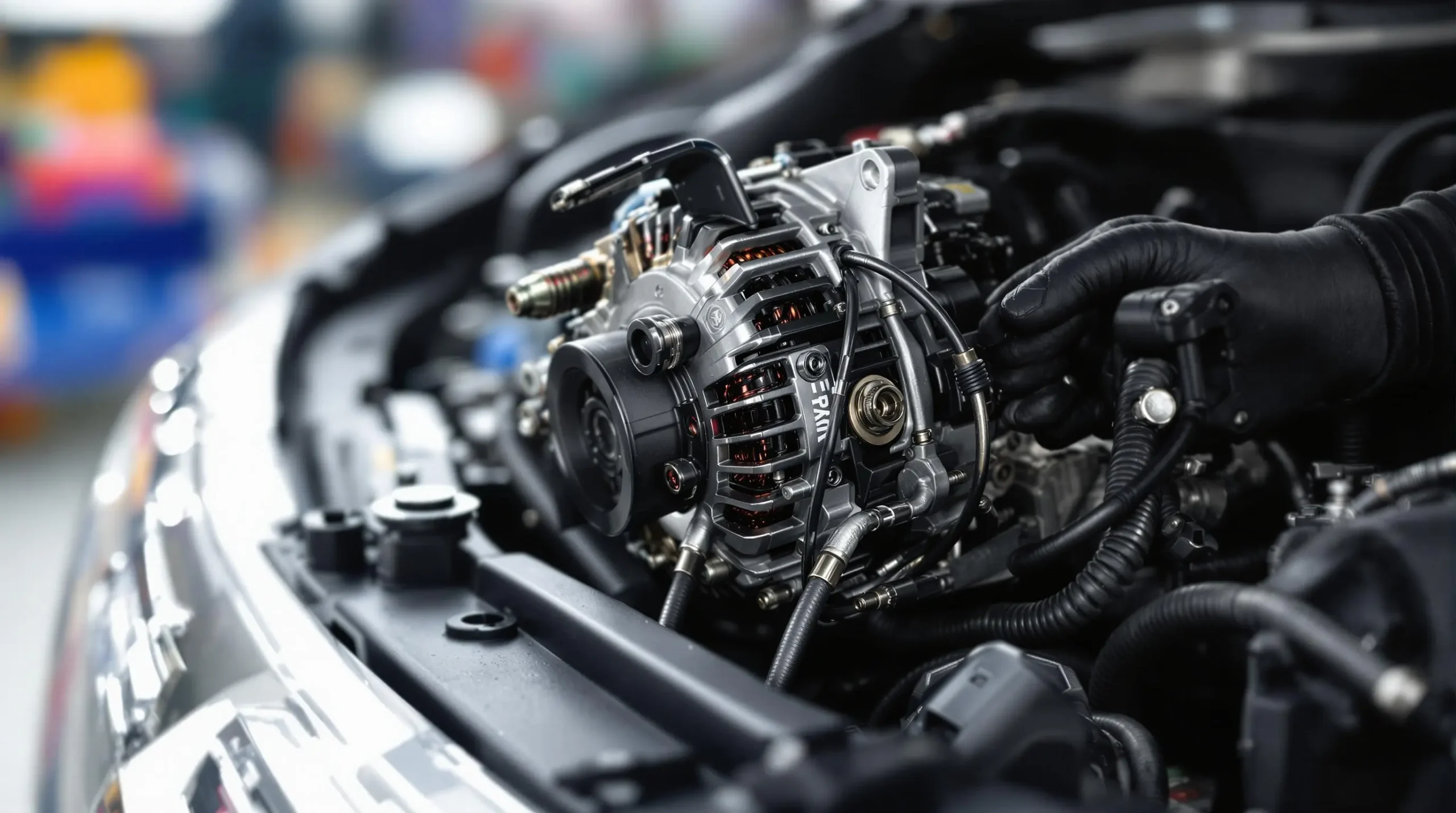
The starter motor and alternator perform different but closely connected functions in a vehicle’s electrical system. The starter motor turns the engine during ignition, while the alternator generates electricity after the engine starts and helps recharge the battery.
During winter, both components may experience increased demands because engines can be harder to start and electrical accessories are used more frequently. A weak starter motor may produce clicking sounds or slow engine cranking, while an alternator problem can cause battery warnings and electrical failures.
January repair expenses may increase because cold-weather starting problems often reveal faults that have developed gradually. A starter motor that has been showing occasional symptoms during autumn may stop working completely during a particularly cold morning.
Replacing it can involve significant labour, depending on the vehicle’s engine layout and component accessibility. Some vehicles require the removal of surrounding parts before technicians can reach the starter assembly, increasing workshop time and total repair costs.
Alternator failures can be equally expensive when ignored. A failing alternator may produce insufficient charging voltage, causing the battery to lose power during normal driving.
Drivers might initially notice dim headlights, flickering dashboard lights, electrical accessories behaving unusually, or a battery warning symbol. Continuing to drive with a faulty charging system can eventually leave the vehicle unable to run reliably. The battery may also suffer additional stress if it repeatedly operates without receiving adequate charging.
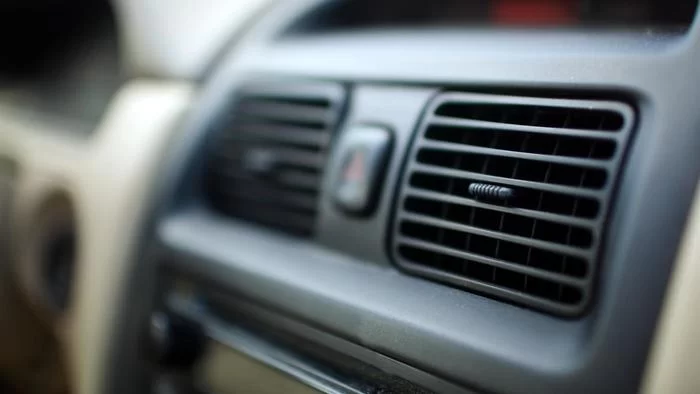
8. Car Heater Core and Thermostat Repairs
The heater core is a small radiator-like component that uses heat from the engine coolant to warm the vehicle’s cabin. When warm coolant passes through it, the ventilation system transfers heat into the passenger compartment.
A blocked or leaking heater core can cause weak cabin heating, unusual smells, or mist forming on the inside of the windshield. These problems often become noticeable when drivers begin using the heater regularly during colder months. Because the heater core may be located behind the dashboard, replacing it can require considerable labour.
January can increase the financial impact of heater core problems because drivers are less willing to postpone repairs when cabin heating becomes unreliable. In some vehicles, accessing the heater core involves removing dashboard panels, ventilation components, and other interior fittings.
This makes the repair more time-consuming than replacing easily accessible engine parts. If coolant has leaked into the cabin, additional cleaning and inspection may also be required to address moisture and lingering smells.
The thermostat is another important component of the heating and cooling system. It regulates coolant circulation by opening and closing according to engine temperature.
A thermostat that remains stuck open can prevent the engine from reaching its normal operating temperature, resulting in poor cabin heating and reduced efficiency. A thermostat stuck closed can cause overheating because coolant circulation becomes restricted. Both conditions require proper diagnosis and timely repair.
Drivers should pay attention to how quickly the engine reaches its normal operating temperature. If the temperature gauge remains unusually low during normal driving, a faulty thermostat may be responsible.
If the engine overheats, coolant levels fall repeatedly, or the cabin heater suddenly stops producing warm air, the cooling system needs inspection. A sweet coolant smell inside the vehicle or damp carpeting near the front footwells may indicate a heater core leak.
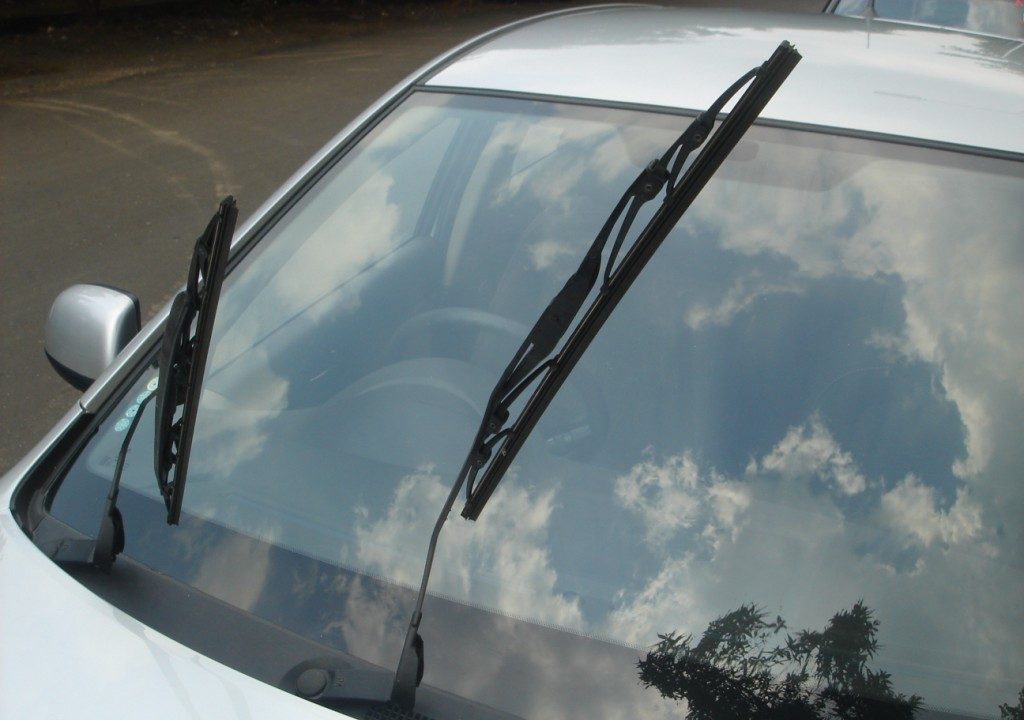
9. Windshield Wiper Motor and Washer System Repairs
Windshield wipers are essential safety components because they help drivers maintain clear visibility during rain, snow, frost, and road spray. Winter conditions can place additional pressure on wiper blades, motors, linkages, and washer systems.
Rubber blades may become stiff or damaged, while frozen washer fluid can prevent the cleaning system from operating properly. If the wipers stop moving during heavy rain or muddy road conditions, visibility can deteriorate rapidly. Even a relatively inexpensive maintenance issue can become a serious safety concern when ignored.
January repairs can become more expensive when motorists wait until the wiper system fails completely. A worn blade is usually inexpensive to replace, but a faulty wiper motor or damaged linkage can involve additional parts and labour.
Some modern vehicles use complex wiper mechanisms with integrated electronic controls and rain sensors. Diagnosing and repairing these systems may require specialist equipment, particularly when electrical faults are involved.
Washer fluid selection is another important consideration. Ordinary water may freeze in cold conditions, leaving the washer system unable to clean the windshield. Frozen fluid can also place additional strain on the washer pump if the driver repeatedly activates the system.
Winter-rated washer fluid is designed to remain usable at lower temperatures, subject to the product’s stated temperature rating. Drivers should choose a suitable product for their climate rather than assuming that every washer fluid provides the same level of protection.
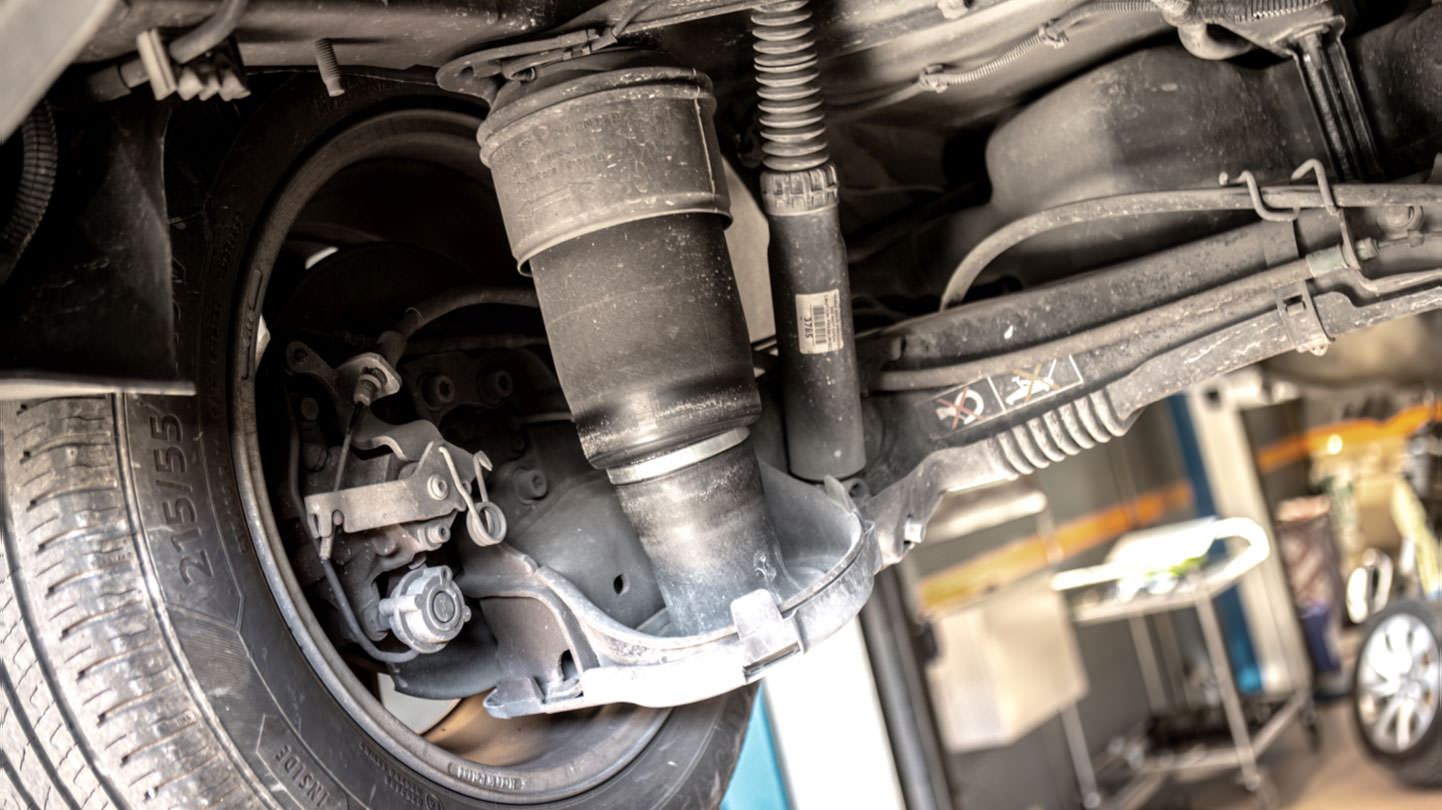
10. Suspension, Shock Absorber, and Steering Repairs
A vehicle’s suspension system helps maintain tyre contact with the road while reducing the effects of bumps, potholes, and uneven surfaces. It includes components such as shock absorbers, struts, springs, control arms, ball joints, and rubber bushings.
Winter roads can place additional stress on these parts because potholes may become harder to see under water, frost, or snow. Repeated impacts can accelerate wear and reveal existing weaknesses in older suspension components. Drivers may notice knocking noises, excessive bouncing, uneven tyre wear, or reduced steering stability.
January suspension repairs can become costly because several connected components may require attention at the same time. A worn shock absorber can affect handling and tyre contact, while damaged control arm bushings can create unwanted movement within the suspension assembly.
If a vehicle has been driven with neglected suspension parts, other components may experience additional stress. Repair expenses can increase further when wheel alignment is necessary after replacement work.
Steering components also deserve attention during winter. Tie rod ends, steering joints, power steering pumps, and associated connections must operate correctly to maintain predictable vehicle control. Worn steering joints can cause looseness, vibration, or unusual noises when turning.
Vehicles with hydraulic power steering may develop leaks that reduce assistance, while electric systems can experience sensor or motor-related problems. Any noticeable change in steering response should be investigated by a qualified technician.
