
A winter road trip can be an exciting way to enjoy scenic landscapes, peaceful highways, and memorable travel experiences. However, cold temperatures, snow, icy roads, and unpredictable weather can create challenges for drivers.
Preparing your vehicle and planning your journey carefully can make a significant difference to your safety and comfort. Before setting out, it is important to inspect essential car components, pack emergency supplies, and understand the road conditions along your route.
Whether you are travelling with family, friends, or alone, these nine important checks will help you prepare for a smoother, safer, and more enjoyable winter road trip.
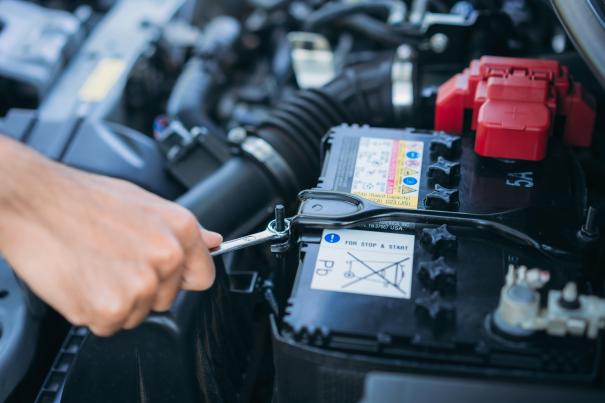
1. Check Your Car Battery and Electrical System
Cold weather can place additional pressure on your vehicle’s battery, making it important to check its condition before starting a winter road trip. Low temperatures slow down the chemical reactions inside a battery, reducing its ability to deliver power.
A battery that works perfectly during warmer months may struggle to start the engine when temperatures drop. If your vehicle has an older battery, arranging a professional inspection before travelling is a sensible decision. This simple precaution can help reduce the risk of unexpected breakdowns in unfamiliar locations.
Check the battery terminals for corrosion, loose connections, or visible damage. Corrosion often appears as a white, blue, or greenish deposit around the terminals. Dirty or loose connections can interfere with the electrical flow and affect starting performance.
If you notice significant corrosion, have it cleaned safely by a qualified technician. Make sure the battery is firmly secured in its mounting position because excessive movement can damage connections and surrounding components during long journeys.
It is also worth testing the battery’s health and charging capacity. A battery voltage reading alone does not always reveal whether it can deliver sufficient starting power under cold conditions. A professional battery load test can provide a clearer picture of its condition.
Ask your mechanic to inspect the alternator and charging system as well. These components work together to keep the battery charged while the engine is running. Problems with the charging system can leave you without enough electrical power during your journey.
Pay attention to warning signs that suggest your battery may be weakening. Slow engine cranking, dim headlights, flickering dashboard lights, and repeated starting difficulties are common symptoms.
If you experience these issues, arrange a replacement when necessary instead of waiting for the battery to fail during your trip. Check your vehicle manufacturer’s recommendations when selecting a replacement battery, as different vehicles require specific battery capacities and specifications.
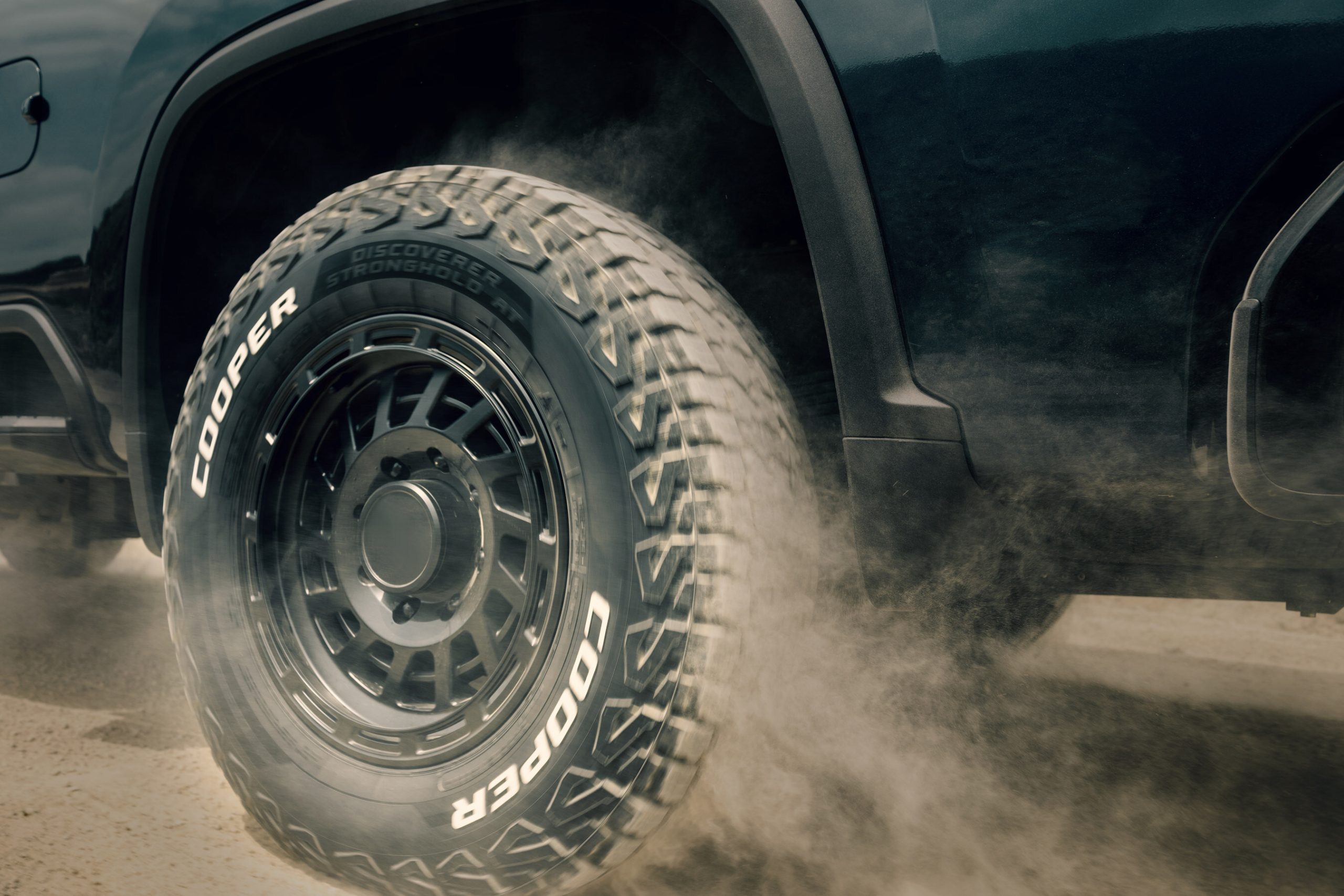
2. Inspect Your Tyres and Check the Tread Depth
Tyres are the only parts of your vehicle that maintain direct contact with the road, making their condition especially important during winter travel. Rain, frost, snow, and icy surfaces can reduce available traction, increasing the possibility of skidding or losing control.
Before leaving, inspect all four tyres carefully for uneven wear, cracks, cuts, bulges, or embedded objects. Damaged tyres can become dangerous during long journeys, particularly when road conditions change unexpectedly.
Tread depth plays an important role in maintaining grip and removing water from beneath the tyre. Worn tread can increase the risk of aquaplaning on wet roads and reduce traction on slippery surfaces. Check the tread using a suitable depth gauge or ask a tyre professional to inspect it.
Many regions have legal minimum tread requirements, but meeting the legal limit does not automatically mean a tyre is suitable for every winter condition. Follow the vehicle and tyre manufacturer’s recommendations.
Tyre pressure also requires attention before a winter road trip. Cold temperatures can reduce tyre pressure, so tyres that were correctly inflated during warmer weather may need adjustment. Check the recommended pressure in your owner’s manual or on the vehicle’s tyre information label.
Take readings when the tyres are cold, preferably before driving for an extended period. Avoid relying on the pressure printed on the tyre sidewall because that figure generally indicates the maximum permitted pressure rather than the recommended operating pressure.
If your route includes areas with frequent snowfall or icy roads, consider whether winter-rated tyres are appropriate. Dedicated winter tyres use rubber compounds and tread designs developed for improved performance in cold conditions.
In regions where snow is common, local regulations may also require winter tyres or approved snow chains. For destinations with steep roads or severe winter conditions, research the equipment permitted along your route before departure.
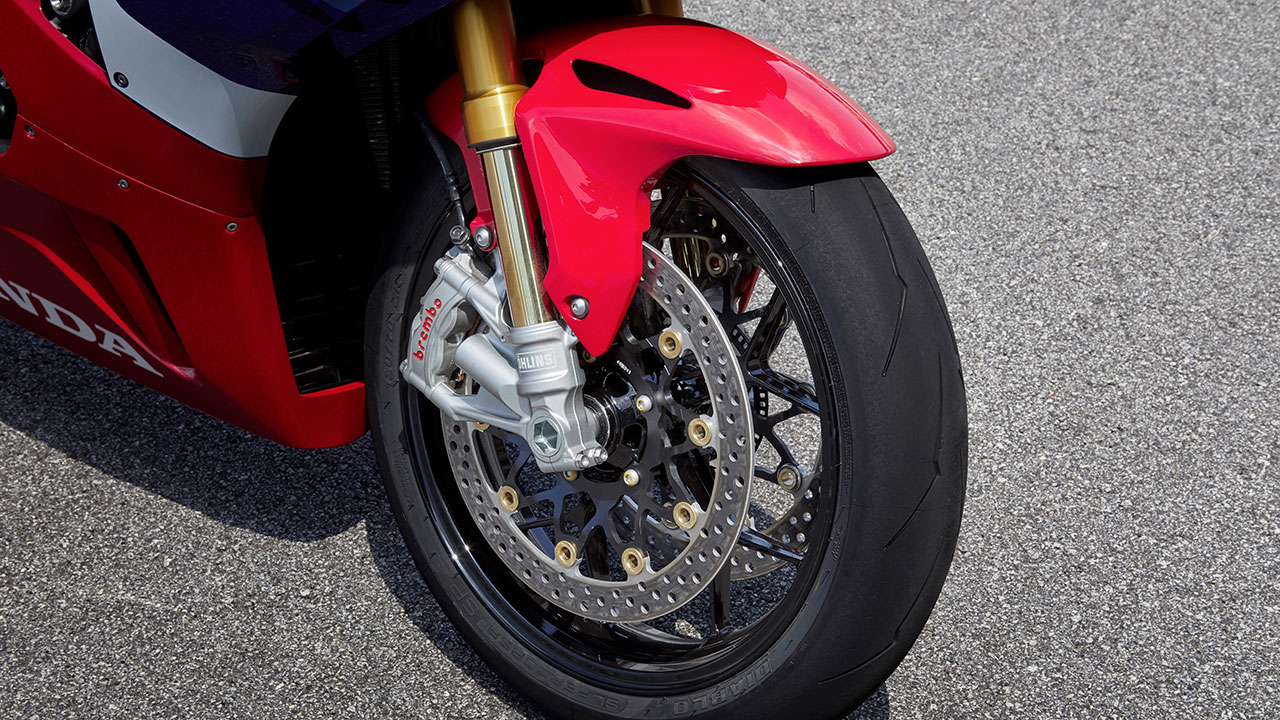
3. Test Your Brakes Before Leaving
Your braking system is essential for maintaining control during a winter road trip. Wet roads, loose gravel, snow, and icy surfaces can make stopping more difficult than usual. Even a small braking problem can become a serious concern when travelling at highway speeds.
Before departure, arrange an inspection if your vehicle has not received recent brake maintenance. A qualified mechanic can check the brake pads, discs, calipers, hydraulic components, and other essential parts to identify problems before they affect your journey.
Listen carefully for unusual sounds when applying the brakes. Grinding, squealing, or repeated metallic noises can indicate worn brake pads or other mechanical issues. A vibration through the steering wheel or brake pedal may suggest uneven brake discs or another problem requiring attention.
These symptoms should not be ignored, especially before a long journey. If you notice a change in braking performance, have the vehicle inspected rather than attempting to complete the trip without resolving the issue.
Brake fluid is another important component that deserves attention. It transfers pressure from the brake pedal to the braking components at each wheel. Low fluid levels can indicate a leak or excessive brake component wear.
Check the fluid level according to your owner’s manual and look for visible signs of leakage around the vehicle. Brake fluid also requires periodic replacement based on the manufacturer’s maintenance schedule because it can absorb moisture over time, affecting braking performance.
During winter driving, smooth braking techniques can help reduce the risk of losing traction. Sudden braking may cause the tyres to lose grip, particularly on icy or slippery surfaces. Maintain a generous following distance and begin slowing down earlier than you normally would.
If your vehicle has anti-lock braking system technology, become familiar with how it operates. In an emergency, apply firm, continuous pressure to the brake pedal and allow the system to work rather than pumping the pedal.
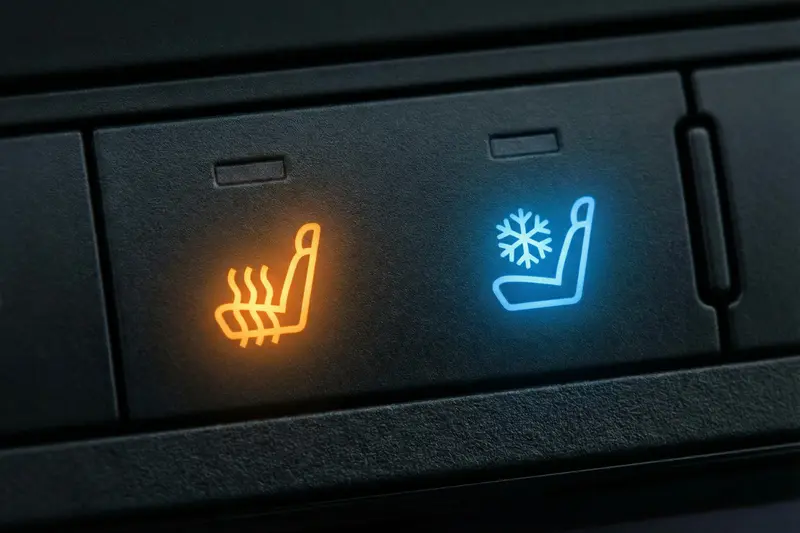
4. Inspect the Heating System and Defrosters
A properly functioning heating system is important for both comfort and visibility during cold-weather travel. Low cabin temperatures can make long journeys unpleasant, especially when travelling with children or older passengers.
Before setting off, start the vehicle and check whether the heater produces warm air as expected. If the cabin takes unusually long to warm up or the heating system produces little heat, arrange an inspection. Problems may involve coolant levels, the thermostat, heater components, or air circulation.
Your front and rear defrosters deserve equal attention. During winter, moisture inside the vehicle can collect on the glass, while cold exterior temperatures can cause frost to develop on the windows.
A working defrosting system helps clear condensation and maintain a clear view of the road. Test the front windshield defroster and rear-window heating elements before departure. If any section of the rear defroster remains covered with condensation, have the system checked.
Inspect the cabin air filter as well. A clogged filter can reduce airflow through the ventilation system and affect the performance of heating and air conditioning. Replacing a dirty filter at the recommended service interval can improve air circulation and help maintain a comfortable cabin environment.
Check the owner’s manual for the correct filter specification and replacement procedure. If your vehicle has automatic climate control, test its different operating modes to confirm that the system responds properly.
Windshield cleanliness also has a direct effect on visibility. Dirt, oily residue, and dust can make it difficult to see clearly when sunlight reflects off the glass.
Clean the inside and outside of the windshield using suitable automotive glass cleaner and a clean microfiber cloth. Check for chips or cracks that could interfere with visibility or become worse as temperatures change. Repair any damage that requires professional attention before starting a long drive.
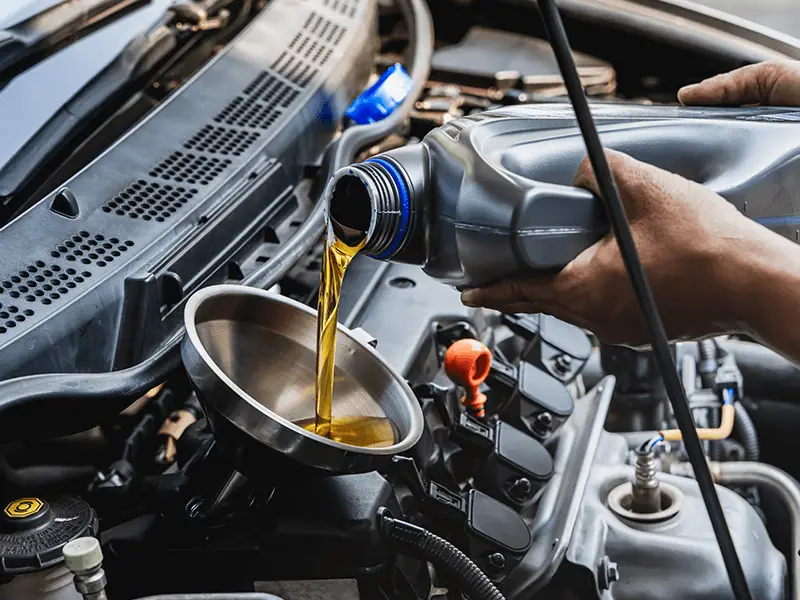
5. Check Engine Oil and Other Essential Fluids
Engine oil plays a major role in protecting the internal components of your vehicle. It lubricates moving parts, reduces friction, helps manage heat, and carries away certain contaminants. Cold weather can affect oil flow, making it important to use the correct oil grade for your engine.
Check your owner’s manual for the manufacturer’s recommended viscosity and specifications. Using an unsuitable product can affect engine protection and performance, particularly during cold starts.
Check the engine oil level before departure by following the manufacturer’s recommended procedure. Some vehicles require the engine to be switched off for a specific period before checking, while others use electronic oil-level monitoring systems.
If your vehicle has a traditional dipstick, park on level ground and inspect the reading carefully. Add the correct oil if the level is below the recommended range. Avoid overfilling because excessive oil can also cause engine problems.
Coolant is equally important because it helps regulate engine temperature and protects the cooling system from freezing when temperatures fall. Check the coolant reservoir when the engine is completely cold and ensure the level falls within the recommended range.
Never open a hot cooling system because pressurised coolant can cause serious burns. The coolant mixture should meet the manufacturer’s specifications for your vehicle and the lowest temperatures expected along your route. If you notice repeated coolant loss, arrange a professional inspection.
Do not overlook the brake fluid, transmission fluid, and power steering fluid where applicable. Some vehicles use electric power steering and do not have a separate steering fluid reservoir. Transmission fluid requirements also differ between automatic and manual vehicles.
Follow the service instructions provided by the manufacturer instead of adding fluids without checking the correct specification. Incorrect fluids can cause expensive mechanical damage and affect vehicle performance.
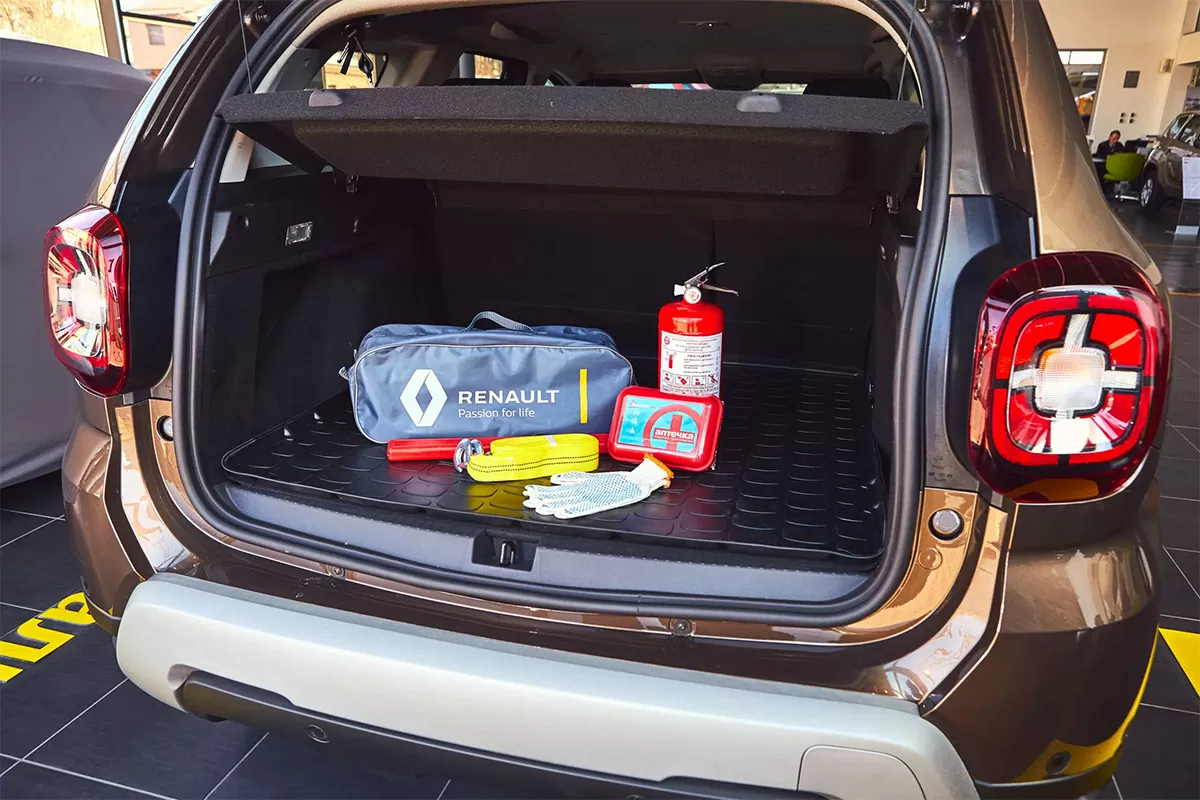
6. Prepare an Emergency Kit for Unexpected Situations
An emergency kit is an important part of winter road trip preparation because unexpected situations can occur even when a vehicle has been properly maintained. A breakdown, road closure, flat tyre, or sudden change in weather may leave you waiting for assistance.
Having essential supplies within reach can make the experience safer and more manageable. Prepare your kit before departure and store it in a secure location where passengers can access it without creating a distraction.
Warm clothing should be a priority when travelling during cold weather. Pack extra jackets, gloves, socks, scarves, and blankets for everyone in the vehicle. If your car stops working in a remote area, you may need to remain inside while waiting for roadside assistance.
Extra clothing can help reduce discomfort and provide protection against low temperatures. Keep some spare items in a waterproof bag so they remain dry if other luggage becomes wet.
A basic first-aid kit should also be included. Useful items include adhesive bandages, sterile dressings, medical tape, antiseptic wipes, disposable gloves, and basic first-aid supplies appropriate for your group.
Check the contents before travelling and replace expired or damaged items. If anyone in the vehicle requires regular medication, make sure an adequate supply is available for the entire journey, including potential delays. Store medication according to its recommended conditions.
Lighting and communication equipment are equally important. Pack a reliable flashlight, spare batteries, a reflective warning triangle, and a high-visibility vest.
A portable phone charger or power bank can help maintain communication when access to charging points is limited. Save emergency contact numbers and roadside assistance details before leaving. Keep your mobile phone charged and consider carrying a charging cable compatible with your vehicle.

7. Plan Your Route and Monitor Weather Conditions
Planning your route is just as important as preparing your vehicle before a winter road trip. Weather conditions can change quickly, particularly in mountainous areas and regions that experience frequent snowfall.
Before departure, review the main roads, alternative routes, rest stops, fuel stations, and possible accommodation options. Choose roads that are suitable for your vehicle and driving experience. A slightly longer route with better road conditions may be preferable to a shorter journey through difficult terrain.
Check reliable weather forecasts for your departure point, destination, and major locations along the way. Pay attention to expected snowfall, rainfall, freezing temperatures, fog, strong winds, and possible weather warnings.
Do not rely on a single forecast when travelling through several regions because conditions may vary significantly. Recheck updates on the day of departure and during planned stops. If authorities issue warnings against unnecessary travel, consider postponing your journey.
Road condition reports can help you identify potential hazards before reaching them. Look for information about road closures, construction work, traffic congestion, snow accumulation, and accident-related delays.
In areas where winter weather is common, official transport departments may publish updates about road accessibility and restrictions. Follow instructions from local authorities and avoid entering roads that have been closed or declared unsafe.
Navigation preparation should include more than simply entering a destination into your phone. Download offline maps when available because mobile network coverage may be limited in remote areas.
Keep your phone charged and use a secure mounting system that allows you to view directions without holding the device. If your vehicle has built-in navigation, check that the route information is current. Carrying a printed map or written directions can provide a useful backup.
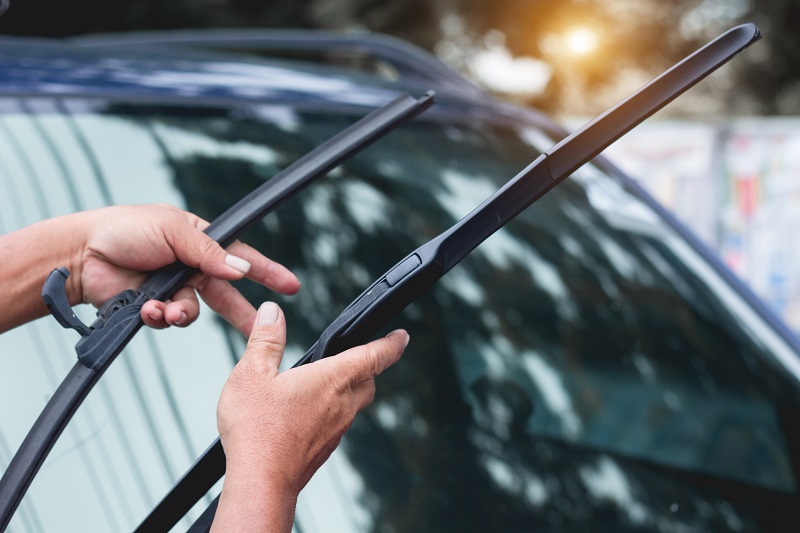
8. Check Your Lights, Wipers, and Visibility Equipment
Good visibility is essential when travelling during winter because rain, fog, snowfall, and early darkness can make driving more challenging. Before leaving, inspect all exterior lights, including headlights, tail lights, brake lights, indicators, reverse lights, and hazard warning lights.
Ask someone to help you test the lights while you operate the controls. Replace faulty bulbs with products that meet your vehicle manufacturer’s specifications and ensure that all light covers are clean.
Headlights should also be properly aligned to provide suitable road illumination without dazzling other drivers. Dirt, snow, and road grime can reduce the brightness of headlights, so clean the lenses regularly during the trip. If your vehicle has automatic headlights, check that the system works correctly.
Use low-beam headlights when visibility is poor and follow local rules for fog lights. Rear fog lights should only be used when conditions justify them because excessive brightness can distract drivers behind you.
Windshield wipers are another essential item to inspect. Worn blades may leave streaks, skip across the glass, or fail to remove water effectively. Replace damaged blades before travelling, and make sure they are the correct size for your vehicle.
Check both front wipers and the rear wiper if your vehicle has one. During winter, rubber components can become less flexible, making it important to monitor their performance regularly.
Keep the windshield washer reservoir filled with suitable winter-grade fluid. Test the washer jets to confirm that they spray in the correct direction and provide enough coverage.
Clear any blocked nozzles using an appropriate method recommended by the manufacturer. Avoid using hot water to remove ice from the windshield because sudden temperature changes can cause glass damage. Use a proper ice scraper and allow the defrosting system to help clear the glass safely.
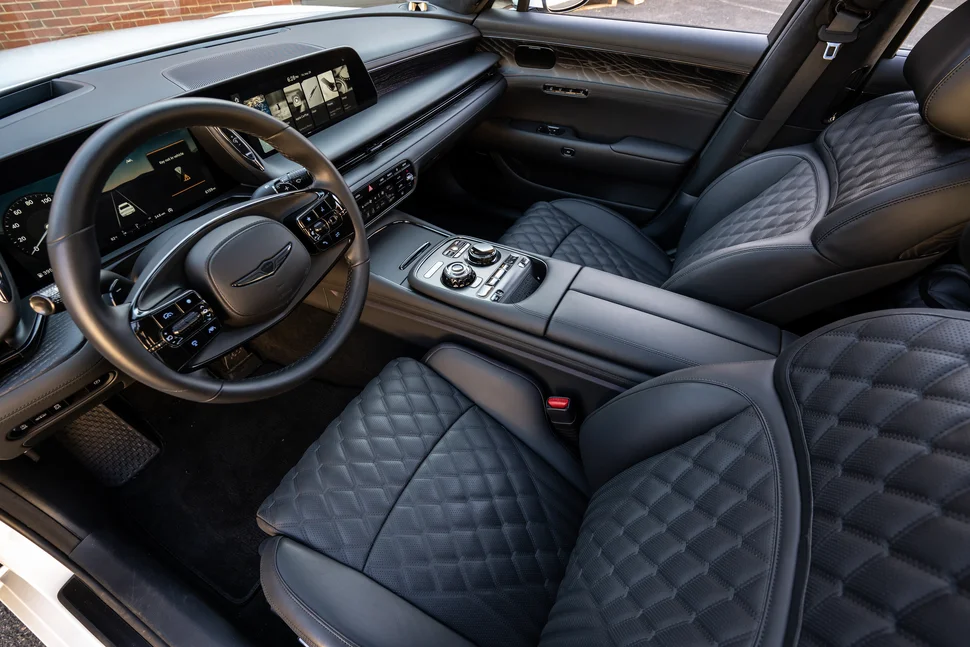
9. Pack Smartly and Prepare for Passenger Comfort
Packing properly can make a winter road trip more comfortable and reduce unnecessary stress during travel. Start by preparing a list of essential items for every passenger. Include suitable clothing, personal hygiene products, identification documents, travel tickets, accommodation details, and any necessary medications.
Keep important documents in an organised and easily accessible bag rather than placing them at the bottom of the luggage compartment. Preparing everything in advance can prevent last-minute confusion.
Choose clothing according to the weather conditions expected at your destination. Layering is a practical way to stay comfortable because passengers can add or remove clothing as temperatures change.
Pack thermal wear, insulated jackets, comfortable trousers, warm socks, gloves, and suitable footwear. Waterproof outerwear can be useful if your itinerary includes outdoor activities or destinations with snowfall. Keep an additional set of clothing available in case your regular outfit becomes wet.
Think about passenger comfort during long hours on the road. Pack travel pillows, lightweight blankets, reusable water bottles, tissues, and basic personal care products. If you are travelling with children, prepare age-appropriate snacks, games, books, and entertainment.
Make sure electronic devices are charged and that headphones are available when needed. Comfortable passengers can make long journeys more pleasant for everyone, particularly when weather conditions require extra travel time.
Luggage placement deserves careful attention because an overloaded vehicle can affect handling and visibility. Arrange heavier items low in the luggage compartment and secure them so they cannot move during sudden braking.
Avoid placing loose bags or heavy objects on seats where they could become dangerous in an emergency stop. Do not block the driver’s rear view or interfere with access to essential safety equipment. Check your vehicle’s recommended load capacity before packing.