
Drivers heading into 2027 may face higher bills in several parts of car ownership, even if they keep the same vehicle. Insurance forecasts point to further increases, repair bills remain elevated, and some states have scheduled higher registration charges for electric vehicles.
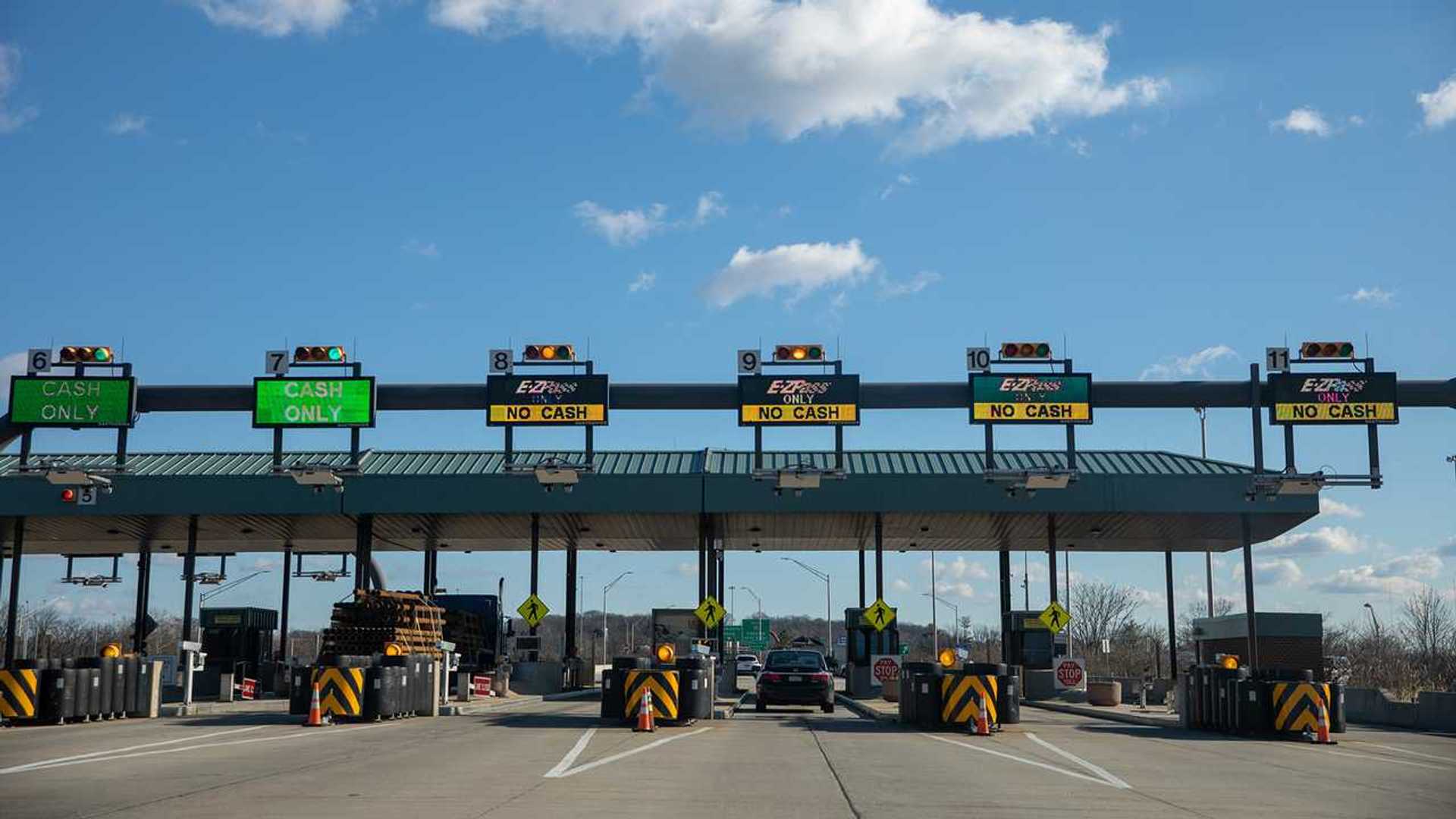
Commuters in some regions will also feel the impact of toll adjustments. However, not all motoring costs are expected to increase, as fuel prices are projected to follow a different trend.
The important distinction is between confirmed changes, industry forecasts, and costs that vary by location. Here are ten expenses worth checking before planning next year’s driving budget.
1. Car Insurance Premiums
Car insurance is one of the expenses most likely to put additional pressure on household budgets in 2027. WTW’s October 2026 Insurance Marketplace Realities report forecasts that U.S. personal auto insurance rates could increase by 5% to 10% during 2027.
This is an industry forecast, not a guaranteed increase for every policyholder. Individual renewals will depend on the insurer, state regulations, driving record, vehicle, coverage limits, claims history, and local loss experience.
Why are premiums still under pressure? Insurers must account for the cost of repairing or replacing vehicles after accidents, medical expenses, litigation, theft, and severe weather losses.
Modern vehicles also contain expensive components that can turn relatively minor collisions into costly claims. A damaged bumper may conceal radar sensors, cameras, wiring, or other equipment that needs replacement and recalibration. The insurer’s expected claim costs influence the premiums it charges.
Drivers should not assume that accepting the renewal notice is their only option. Comparing quotes from several insurers can reveal substantial differences, particularly when the existing policy has not been reviewed for several years.
It is also worth checking whether the policy includes optional coverages that no longer suit the vehicle’s age or value. However, reducing liability limits simply to lower the bill can leave a driver financially exposed after a serious accident.

Deductibles deserve attention as well. A higher deductible can reduce the premium, but it means paying more out of pocket when making a covered claim. Before changing it, make sure the amount is affordable.
The 2027 forecast is a warning to compare coverage before renewal, not proof that every American driver will pay more.
2. Collision Repair Bills
A collision that once required a replacement bumper and a little paintwork can now involve sensors, cameras, wiring, structural checks, and electronic calibration. That complexity is one reason repair bills remain a concern for drivers entering 2027.
CCC Intelligent Solutions reported that the average total cost of collision repair reached approximately $4,821 in the first half of 2026. Although that was only 0.6% higher than the same period in 2025, it remained substantially above the approximately $3,331 recorded in 2020.
Parts prices were still around 8% higher year over year through early 2026, while labor rates rose 1.5%. These figures show that repair costs have not returned to their earlier levels, even though the pace of increase has slowed.
The expense is not limited to luxury vehicles. A modern mainstream car can have radar equipment behind its grille, parking sensors in its bumper, and cameras mounted near the windshield.
If a collision affects these components or their mounting points, the repair shop may need diagnostic scans and calibration procedures after the physical work is complete. Skipping required procedures is not an acceptable way to save money because driver-assistance systems must function correctly.
CCC’s 2026 report also found that calibrations appeared in 28.3% of repairable estimates, up from 21.8% a year earlier. That increase illustrates how frequently electronic procedures are becoming part of collision work.

Drivers cannot control every repair charge, but they can ask for an itemized estimate, confirm whether calibration is required, and check that replacement parts meet the vehicle manufacturer’s specifications. A cheap repair quote is not necessarily a bargain if it leaves safety systems incorrectly calibrated.
3. Advanced Driver-Assistance System Repairs and Calibration
Safety technology is becoming more common in American vehicles, but repairing it can add another expense after an accident. Automatic emergency braking, adaptive cruise control, blind-spot monitoring, and lane-keeping assistance rely on cameras, radar units, and sensors that must be correctly positioned.
If a collision damages a bumper, windshield, mirror, or sensor mounting point, the repair may involve much more than replacing the visible part.
CCC Intelligent Solutions reported that average calibration fees reached approximately $500 per repairable vehicle in 2025, nearly double the level recorded five years earlier. Its analysis also found that more than 23% of repairable estimates included a calibration in 2025, compared with just 0.9% in 2017.
The growing number of vehicles equipped with these systems is likely to keep calibration work important for repair shops in 2027.
AAA’s research provides another useful indication of the expense. In its 2023 study of three 2023 model-year vehicles, replacing and calibrating advanced safety components could add up to 37.6% to the total repair cost after a crash.
The organization found that a front radar sensor could cost approximately $500 to $1,300, while a windshield camera sensor could cost $900 to $1,200, excluding the cost of a replacement windshield. These are study estimates, not universal prices for every make and model.
The expense can also appear after the initial repair estimate. A shop may discover that calibration is necessary only after inspecting the vehicle or completing certain repairs. That can increase the final invoice and extend the time the car spends in the shop.
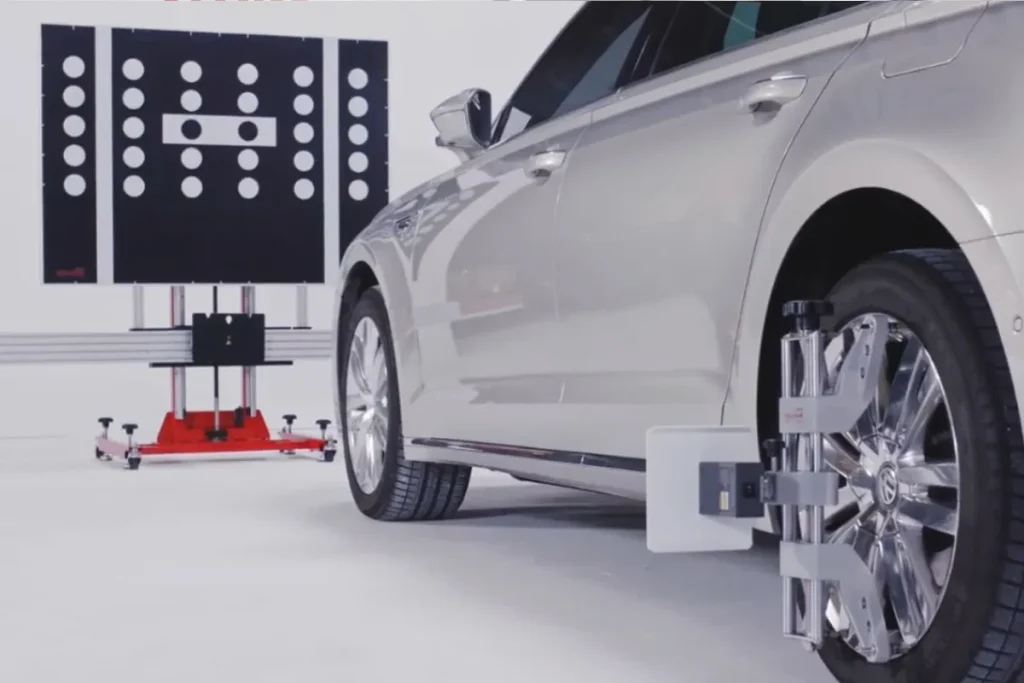
Drivers should ask whether the estimate includes pre-repair and post-repair scans, required calibration, and documentation that the systems are functioning correctly.
Choosing a shop solely because its initial quote is lower can be a mistake if essential procedures are missing. In 2027, calibration is a cost worth anticipating whenever a modern vehicle needs collision or windshield work.
4. Electric-Vehicle Registration Fees
Electric vehicles do not use gasoline, so their owners generally do not contribute to state fuel-tax revenue in the same way as drivers of conventional cars. Many states address that difference through additional registration charges.
For EV owners, these fees are an expense to check before the next renewal, particularly because several scheduled changes take effect during 2027.
The National Conference of State Legislatures reports that 42 states will assess an additional registration fee for EVs from January 1, 2027, with charges ranging from $70 to $270. These fees are generally added to standard registration costs, rather than replacing them. The exact amount depends on the state and vehicle category.
Some specific changes illustrate the difference. New Mexico is scheduled to introduce an annual fee of $70 for fully electric vehicles and $35 for plug-in hybrids beginning January 1, 2027.
Tennessee’s fee for all-electric vehicles rises from $200 to $274 for renewals from January 1, 2027, while its hybrid and plug-in hybrid fee remains $100 through 2027. Minnesota’s additional fee is scheduled to fall to a minimum of $100 for EVs and $50 for plug-in hybrids beginning July 1, 2027.
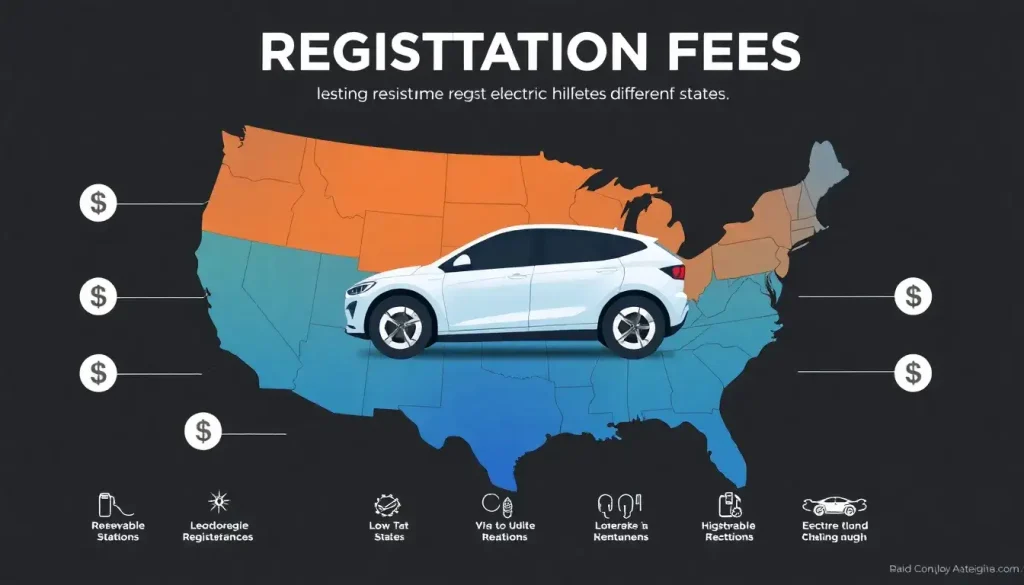
These examples should not be treated as a nationwide fee schedule. A driver in a state with no new increase may see no change, while another could face a higher renewal bill. Some states also index their charges to inflation or adjust them periodically.
Before renewing, EV owners should check their state motor vehicle agency’s fee schedule. It is also important to distinguish a proposed federal charge from an enacted state fee. A proposal in Congress is not automatically a bill that drivers must pay.
5. Highway Tolls
For drivers who regularly commute on toll roads, 2027 could bring a noticeable increase in travel expenses. Unlike fuel prices, which fluctuate with oil markets, toll increases are often scheduled by transportation authorities and can be built into long-term infrastructure funding plans. Two major U.S. examples already have confirmed changes.
The Pennsylvania Turnpike Commission approved a 3.5% increase effective January 3, 2027. Its per-mile passenger vehicle rate will rise from approximately 7.3 cents to 7.5 cents, while the segment fee increases from $1.13 to $1.17.
The commission says the increase is connected to debt obligations under Pennsylvania’s Act 44 transportation funding arrangement.
Illinois drivers face a more substantial adjustment. The Illinois Tollway approved passenger toll increases of approximately 45 cents per toll, beginning January 1, 2027. Commercial toll rates will increase by 30%. The changes are intended to help fund its Driving Connections capital program, which covers infrastructure investments over the coming years.
The effect on an individual driver depends on how frequently they use these roads. Someone who occasionally takes a toll route may barely notice the change.
A commuter passing through several toll points every working day could see the additional charges accumulate into a significant annual expense. Commercial drivers and businesses operating fleets may have an even larger exposure.
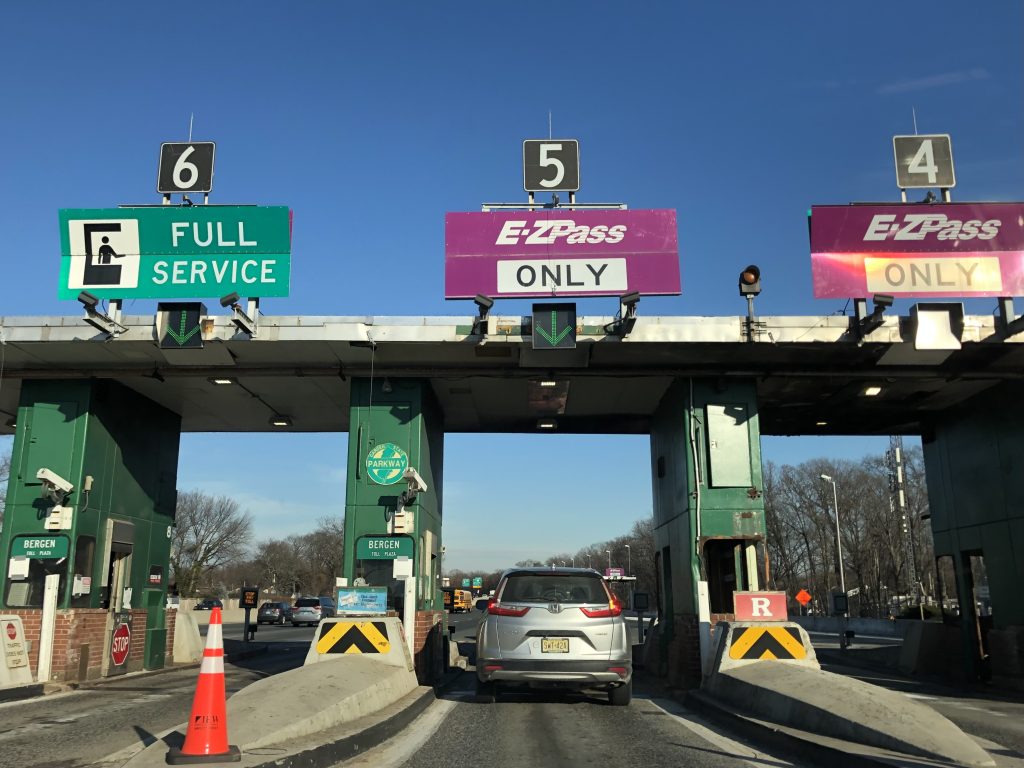
Drivers can prepare by reviewing their most frequently traveled routes and comparing toll charges with the cost of using alternative roads. Depending on the road authority, electronic toll accounts may also have different rates from pay-by-mail options. Checking the latest official toll schedule is important, as older travel estimates may no longer reflect current charges.
These increases are confirmed for the named systems, not a nationwide toll increase. Other states and toll operators may set different schedules.
6. Gasoline and Diesel
Fuel prices are among the most visible costs of driving, but 2027 does not necessarily mean every American will pay more at the pump. The U.S. Energy Information Administration’s October 2026 Short-Term Energy Outlook forecasts an average retail gasoline price of approximately $3.56 per gallon in 2027, compared with $3.91 in 2026.
That would represent a decline of about 9% year over year, although the forecast remains subject to changes in crude oil markets, refinery operations, and regional supply.
Diesel presents a different picture. The same EIA forecast puts the 2027 average retail diesel price at approximately $4.49 per gallon, compared with $5.19 in 2026. That is also a projected decline, but diesel prices are influenced by distillate inventories, refinery output, transportation demand, and international fuel markets.
The EIA has highlighted relatively tight inventories as a reason diesel prices may remain elevated compared with historical levels.
Why include fuel in a list of expenses that may get more expensive? Because a national annual average does not tell every driver what they will pay. The EIA expects regional differences to persist, with the West Coast generally more expensive than the Gulf Coast.
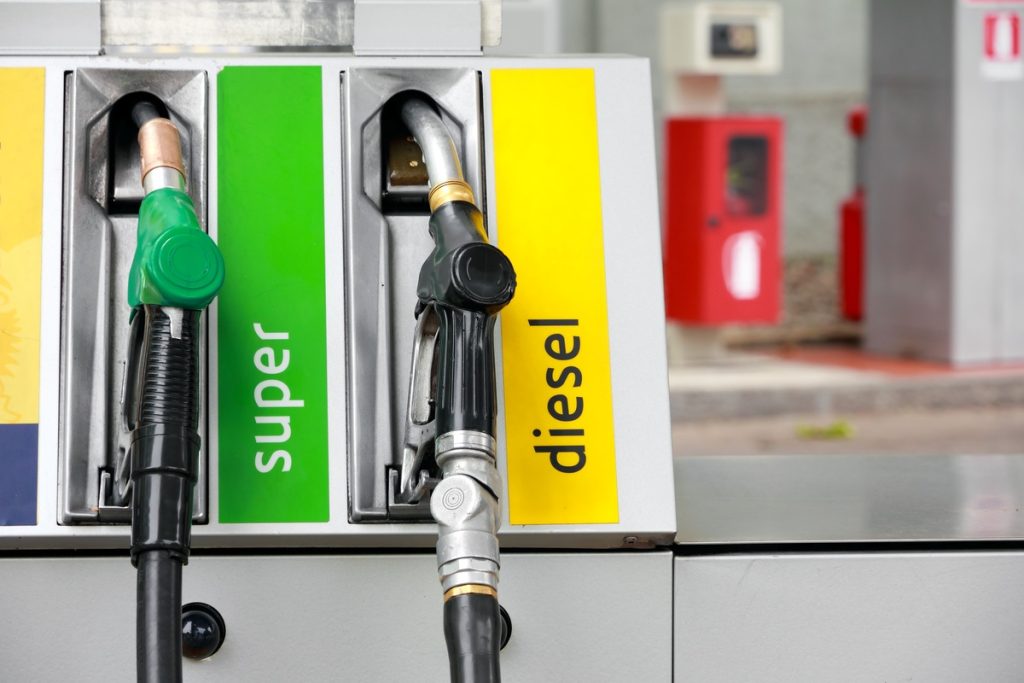
Local taxes, distribution costs, seasonal demand, and refinery disruptions can produce a very different result from the national forecast. A driver in California may experience a different price trend from someone in Texas.
The sensible budget approach is to avoid assuming that fuel will become dramatically cheaper. Track local prices, compare stations along regular routes, and consider how driving habits affect consumption. For diesel owners, especially those operating pickups or work vehicles, fuel remains a substantial operating expense even if the national average falls.
The forecast is not a promise. A disruption in crude supply or refinery capacity could change the picture quickly.
7. Home Electricity for Electric-Vehicle Charging
Electric vehicles can reduce spending on gasoline, but charging at home is not insulated from rising energy prices. The U.S. Energy Information Administration’s October 2026 Short-Term Energy Outlook forecasts that the average residential electricity price will increase from 18.2 cents per kilowatt-hour in 2026 to 18.7 cents in 2027.
That is a projected increase of roughly 2.6%. It is a national average, so the actual rate will depend on the utility, state, and electricity plan.
For an EV owner, even a modest rate increase affects the cost of every home-charging session. Consider a vehicle that uses 30 kWh to replenish its battery. At 18.2 cents per kWh, that electricity costs approximately $5.46. At 18.7 cents, the same amount costs about $5.61.
The difference is only 15 cents per session, but drivers who charge frequently will see the additional cost accumulate over a year. These figures exclude charging losses and any utility-specific fees.
The regional outlook matters more than the national average. EIA identifies transmission and distribution upgrades, power-generation costs, weather, and rising electricity demand as factors affecting residential rates. Some regions may experience increases above the national forecast, while others may see smaller changes.
EV owners should review their utility’s time-of-use plans before 2027. Some providers offer cheaper overnight electricity, which can make a meaningful difference for drivers who can schedule charging outside peak hours.
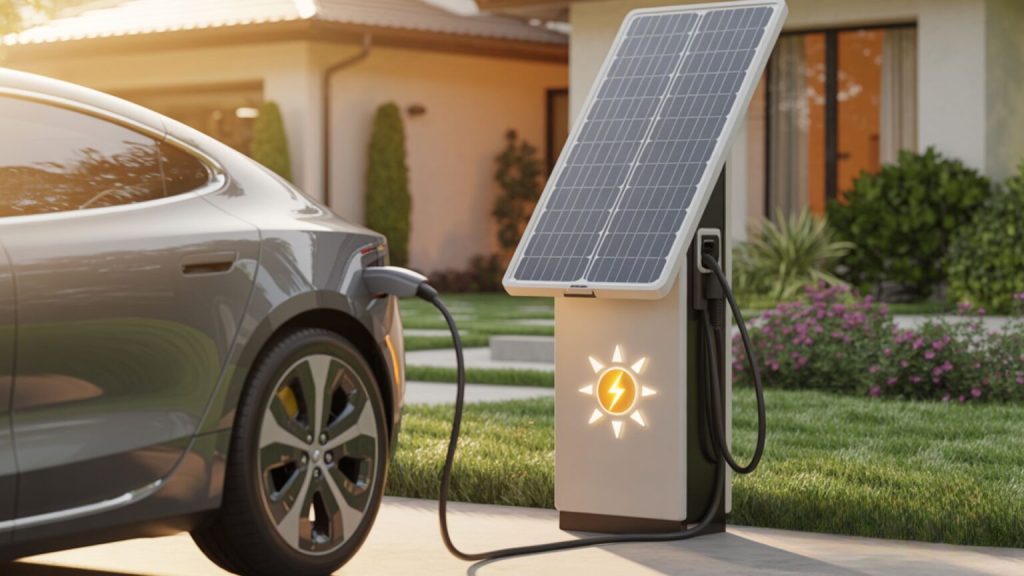
It is also worth checking whether a special EV rate requires a separate meter or particular charging equipment.
Electricity is still only one part of EV ownership, and a modest increase does not automatically erase fuel savings. But drivers planning their 2027 budgets should use their local utility rate rather than assuming home charging will remain at today’s price.
8. Parking Fees
Parking is easy to overlook when calculating the cost of driving. A commuter may carefully budget for fuel, insurance, and a monthly car payment while paying little attention to the daily or monthly charge for leaving the vehicle somewhere. In some U.S. cities, however, parking rates are already scheduled to rise during 2027.
Orlando, Florida, has announced a $10 increase in monthly parking rates effective October 1, 2027, excluding its service-industry employee rate.
For someone using a standard monthly garage or lot permit, that adds $120 across a full year at the higher rate. The increase applies to the city’s participating municipal parking facilities, not every private garage in the area.
Jefferson City, Missouri, has also adopted a multi-year parking-rate schedule. In designated premium downtown areas, the hourly on-street rate is scheduled to rise from $1 in 2026 to $1.50 in 2027. The city plans further annual increases through 2030. Drivers who regularly park in those specific streets will pay more for the same amount of parking time.
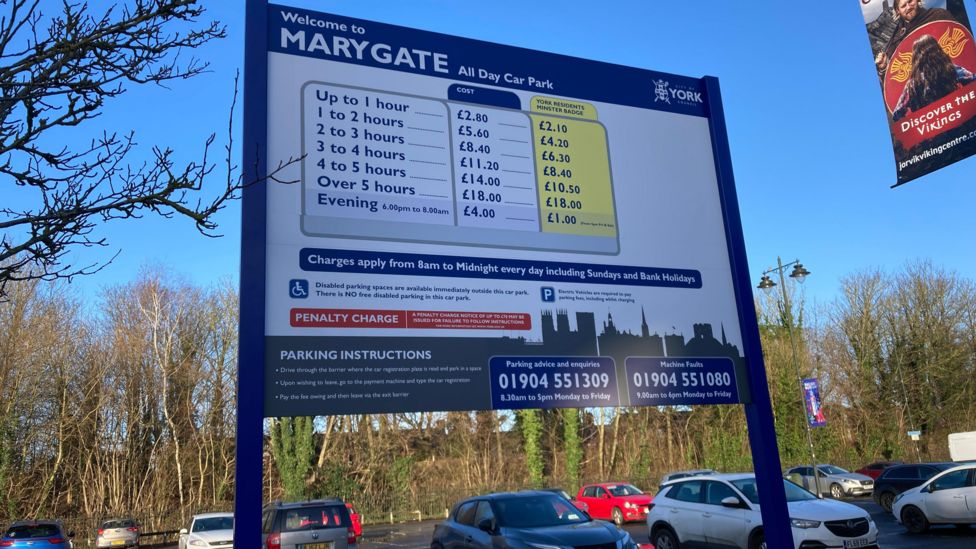
These are local examples, not evidence of a nationwide parking increase. Rates are set by city governments, airports, universities, private operators, and commercial property owners. A driver who parks at home or uses free workplace parking may not be affected at all.
For people who pay every weekday, the best preparation is to calculate the annual cost rather than judging parking by a single transaction.
Compare the cost of monthly parking permits with daily rates, look for more affordable facilities nearby, and follow all posted parking restrictions. Avoiding citations is equally important. Higher parking fees are easy to anticipate, but a ticket can make even a brief stop much more expensive.
9. Routine Maintenance and Mechanical Repairs
Even drivers who avoid accidents can face higher ownership costs when routine servicing and mechanical repairs become more expensive.
Oil changes, brake work, fluid services, belts, filters, and diagnostic labor may look like small expenses individually, but they become a significant part of the annual budget when several are due together.
The latest U.S. Bureau of Labor Statistics data available in October 2026 shows motor vehicle maintenance and repair prices were 5.8% higher over the 12 months through September 2026. Within that category, maintenance and servicing prices rose 7.8%, while motor vehicle repair prices increased 3.5%.
These are measured price changes, not a forecast guaranteeing another increase of the same size in 2027. They do, however, show the cost pressure drivers are entering the new year with.
Labor is a major part of the problem. Modern vehicles require specialized diagnostic equipment, trained technicians, and procedures that can take longer than older mechanical repairs.
Even a basic service can become more expensive when access to a component is difficult or when the manufacturer specifies additional inspections. A repair shop’s hourly labor rate also varies significantly by region and type of facility.

AAA’s 2025 Your Driving Costs study estimated maintenance, repair, and tire expenses at 11.04 cents per mile for its sample of new vehicles over five years and 75,000 miles.
At 15,000 miles annually, that works out to approximately $1,656 per year. It is a study average, not a bill every driver should expect, but it demonstrates how much routine upkeep contributes to ownership costs.
For 2027, drivers can limit surprises by following the maintenance schedule, addressing small leaks or noises early, and comparing itemized estimates. Delaying a relatively inexpensive repair can allow it to damage other components and create a much larger bill.
10. Replacement Tires
Tires are one of the few vehicle expenses that every driver eventually has to face. Unlike an optional accessory or cosmetic repair, replacing worn tires is essential for maintaining braking performance, handling, and traction.
The expense can be particularly noticeable for drivers of larger SUVs, pickups, performance cars, and electric vehicles that require specialized tire sizes or load ratings.
The latest U.S. Bureau of Labor Statistics figures do not show that tire prices are rising as quickly as repair and servicing costs. In September 2026, the tire price index was up 0.2% over the previous 12 months.
That is a relatively modest increase, but it does not mean every replacement set will be inexpensive in 2027. Prices vary by tire size, brand, performance category, and retailer.
The cost difference between vehicle categories can be substantial. A compact sedan using common 16-inch tires may have several affordable replacement choices. A large SUV or pickup requiring 20-inch tires, a high load rating, or an all-terrain tread design can cost considerably more.
Drivers of EVs may also need tires designed to handle the vehicle’s weight and instant torque, although a standard tire may be suitable when it meets the manufacturer’s specifications.

AAA’s 2025 ownership study included tire replacement in its maintenance, repair, and tire category, which averaged 11.04 cents per mile over five years and 75,000 miles. That figure combines several ownership expenses, so it should not be interpreted as the price of tires alone.
To prepare for 2027, compare the price of the exact size and specification recommended for your vehicle. Check tread depth regularly, maintain correct tire pressure, and rotate tires according to the owner’s manual. Replacing tires before they become dangerously worn can also help drivers avoid the added expense of an emergency purchase.
