A vehicle recall is not necessarily an issue limited to rare luxury models or expensive performance cars. Some of the most important safety campaigns involve everyday pickups, family SUVs, minivans, and popular crossovers.
As of November 1, 2026, several recently announced U.S. recalls still require attention from affected owners, with problems ranging from steering components and loose wheel fasteners to airbags, batteries, and improperly secured seats.
Some manufacturers have identified permanent repairs, while others are still preparing remedies or sending notifications. Here are eight significant recall campaigns, the vehicles involved, and why owners should take them seriously.
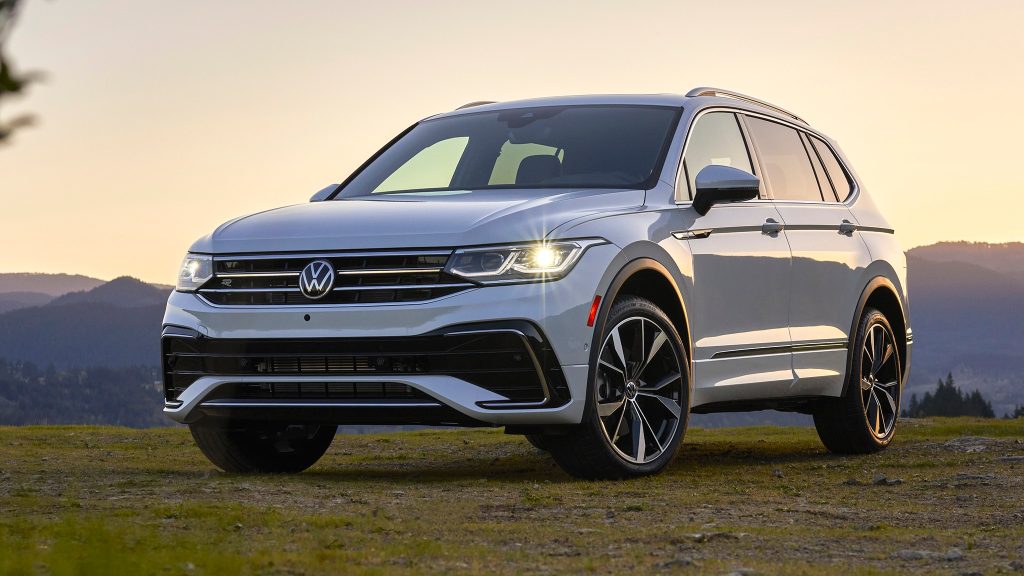
1. Volkswagen Tiguan and Atlas: A Steering Bolt That Could Cause Loss of Control
NHTSA Campaign 26V590000 | Approximately 208,724 vehicles | Reported September 2026
The steering system is not something drivers expect to worry about when commuting to work or taking their families on a weekend trip. However, a recall involving certain Volkswagen SUVs and a related Audi model highlights how a relatively small component can create a serious safety concern.
Volkswagen Group of America is recalling certain 2018 Volkswagen Tiguan, 2018-2019 Volkswagen Atlas, and 2019-2021 Audi Q3 vehicles. The problem involves a bolt connecting the steering rack to the vehicle’s subframe.
This bolt may corrode and eventually break. If that happens, the steering rack housing can also break, potentially resulting in a loss of steering control and increasing the risk of a crash.
The scale of this campaign makes it particularly noteworthy. Approximately 208,724 vehicles are potentially affected, although that does not mean every vehicle from the listed model years is included. Production specifications and VIN eligibility determine coverage.
The repair is relatively straightforward compared with the potential consequences. Dealers will replace the right-side steering rack mounting bolt free of charge. Volkswagen’s recall campaign numbers are 48LG and 48VT, and owner notification letters are expected to be mailed November 10, 2026. Owners can contact Volkswagen at 1-800-893-5298.
For drivers, the important consideration is that steering problems may not always provide an obvious warning before a component fails. A vehicle that feels normal during everyday driving should not automatically be considered unaffected.
If you own one of these SUVs, check your VIN and arrange the repair when instructed. Do not assume that an absence of unusual steering noises means the mounting bolt is safe.
The campaign also includes the Audi Q3, so checking only Volkswagen-branded vehicles would leave some affected owners out of the picture.
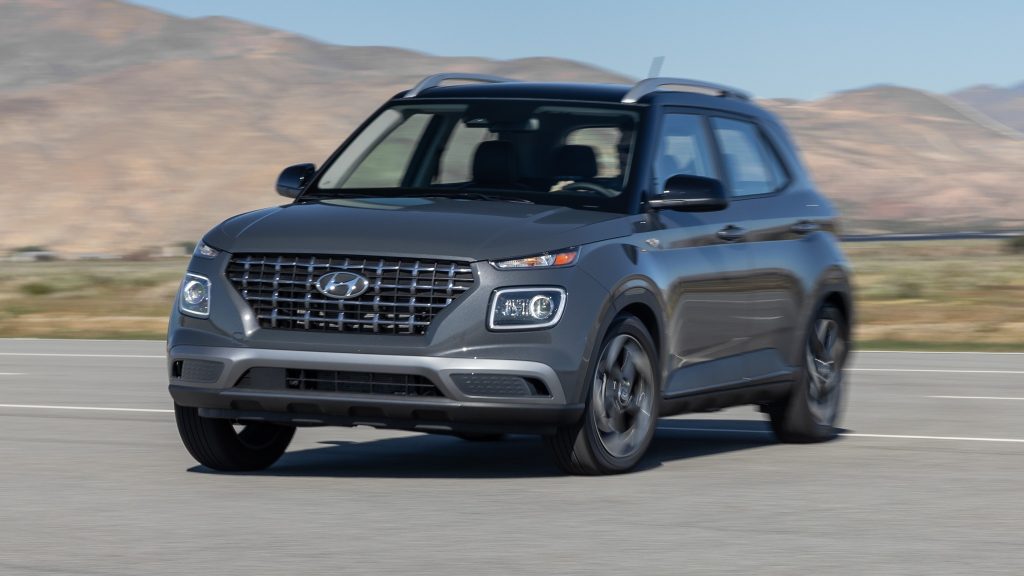
2. Hyundai Venue and Elantra: Loose Wheel Nuts Could Detach a Wheel
NHTSA Campaign 26V693000 | 17 vehicles potentially affected | Reported October 2026
A loose wheel nut might sound like a minor maintenance issue, but the consequences become much more serious when several fasteners fail to hold a wheel securely. Hyundai’s latest recall involving certain 2026 vehicles demonstrates why even relatively small manufacturing problems deserve attention.
Hyundai Motor America is recalling certain 2026 Venue, Elantra, Elantra Hybrid, and Elantra N vehicles because their wheel lug nuts may loosen. If the fasteners lose their ability to secure the wheel properly, the wheel could detach while the vehicle is moving. That creates an immediate danger for the occupants and other motorists sharing the road.
The recall covers approximately 17 vehicles, making it a relatively small campaign compared with large automotive recalls involving hundreds of thousands of units. However, the low number should not distract from the seriousness of the defect. A single wheel detachment at highway speed can result in a sudden loss of vehicle control.
The affected production dates are particularly important. The vehicles were manufactured during August 2026, with specific production windows varying by model. Therefore, owning a 2026 Venue or Elantra does not automatically mean your vehicle is included.
Hyundai’s proposed repair involves inspecting and tightening the wheel assembly lug nuts. Dealers will also replace the hub bearing assembly when necessary. The work will be completed without charge to eligible owners. Owner notification letters are expected to be mailed December 19, 2026, under Hyundai campaign number 310.
There is a practical lesson here for everyday drivers. Wheel fasteners are critical safety components, and their condition should never be treated as an insignificant detail. If your vehicle is covered, arrange the inspection rather than waiting for visible symptoms.
This recall also covers the Elantra N and hybrid versions, meaning buyers should not limit their checks to the standard gasoline-powered Elantra. Verify the VIN before assuming that your particular vehicle is outside the affected group.
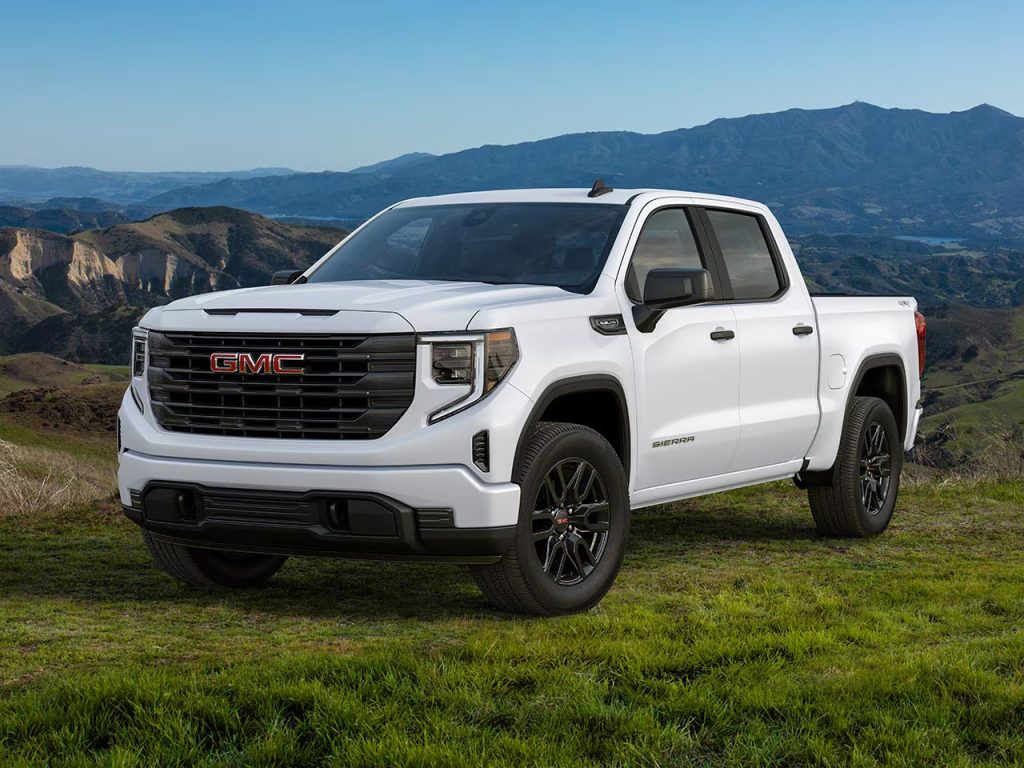
3. Chevrolet Silverado and GMC Sierra: Roof-Rail Airbags Could Release Dangerous Fragments
NHTSA Campaign 26V611000 | Approximately 1,559 vehicles | Reported September 24, 2026
Pickup trucks spend much of their time carrying equipment, towing trailers, travelling between job sites, and covering long highway distances. Their safety systems therefore need to work reliably, particularly when protecting occupants during a collision.
A recent General Motors recall involving certain Chevrolet Silverado and GMC Sierra trucks raises concerns about the roof-rail airbag inflators fitted to specific production vehicles.
The recall covers certain 2016 Silverado 1500, 2500, and 3500 models, along with 2016-2017 Silverado 1500 trucks. The affected GMC vehicles include certain 2016 Sierra 1500, 2500, and 3500 models and 2017 Sierra 1500 pickups.
The problem involves the roof-rail airbag inflators. Their end caps may detach, or the inflator sidewalls may rupture. If either failure occurs, compressed gas can escape and potentially propel fragments into the passenger compartment. This creates an injury risk precisely when occupants need the airbags to provide protection.
Approximately 1,559 vehicles are potentially affected. Although the number is relatively small compared with some other automotive campaigns, the nature of the defect makes it particularly concerning. Airbag inflators are designed to deploy in milliseconds, and a manufacturing problem can turn an essential safety device into a source of additional danger.
General Motors plans to replace both roof-rail airbag modules at no charge. Owner notification letters are expected November 9, 2026. The manufacturer identifies this campaign as N262569920.
Owners can contact Chevrolet at 1-800-222-1020 or GMC at 1-888-988-7267. They should also check their VIN rather than assuming every truck from the listed model years is affected.
Older pickups often remain in daily service for many years, which makes historical recall checks particularly important. A truck purchased second-hand may have changed owners several times, and its current driver might not know about an outstanding safety campaign.
Do not overlook this recall simply because the truck has not experienced an airbag warning light or unusual dashboard behavior. The defect concerns the inflator’s internal construction, not necessarily something a driver can identify during normal operation.
4. Subaru Crosstrek and Forester: A Loose Ball Joint Fastener Triggers a Do-Not-Drive Warning
NHTSA Campaign 26V685000 | 8 vehicles | Reported October 19, 2026
Among the recalls announced in October 2026, this Subaru campaign deserves particular attention because it comes with an explicit instruction that affected owners should not drive their vehicles until the repair is completed. The problem involves a small suspension fastener, but its failure could have serious consequences for steering and vehicle control.
Subaru of America is recalling certain 2026 Crosstrek and Forester vehicles because the castle nut securing the left-front lower control arm ball joint may not have been fastened correctly. If the nut becomes loose, the ball joint could separate from the lower control arm.
The lower control arm helps maintain the wheel’s position and supports suspension movement. Its ball joint allows the steering and suspension components to move together as the vehicle travels over uneven surfaces or changes direction. If that connection separates, the driver could lose control of the vehicle.
Only eight vehicles are potentially affected, making this a very limited recall. However, the small population does not reduce the potential severity of the problem. A suspension separation while travelling at highway speed could create an immediate crash hazard.
Subaru has issued a clear warning to owners, advising them not to drive affected vehicles until the recall repair is complete. Dealerships will inspect the left-front lower control arm ball joint assembly and replace it if necessary at no cost. The manufacturer has designated the campaign as WRI26, with owner notification letters scheduled to begin arriving on December 16, 2026.
Owners should contact Subaru at 1-844-373-6614 for assistance. If your vehicle is confirmed to be part of this campaign, ask the dealership about arranging appropriate transportation rather than driving it to the service center yourself.
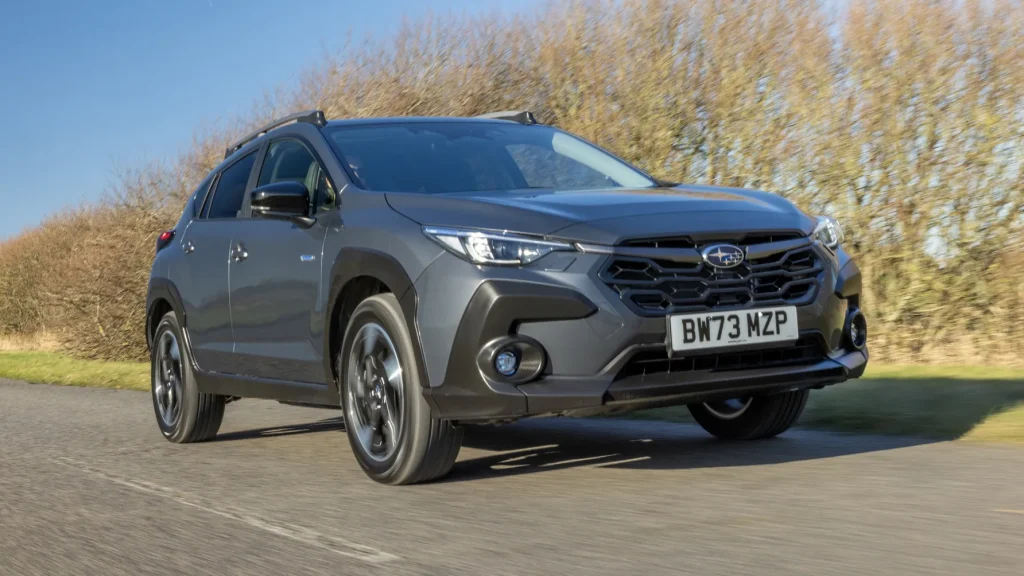
The recall also illustrates why checking a vehicle’s production details matters. The campaign concerns certain recently manufactured examples, not every 2026 Crosstrek or Forester.
For people who use these SUVs for commuting, family travel, or outdoor trips, suspension reliability is fundamental. Even a fastener that appears insignificant can affect the mechanical connection between the wheel and chassis.
Follow the manufacturer’s do-not-drive instruction. This is not a situation where waiting for a warning light or noticing unusual handling is an acceptable way to assess the risk.
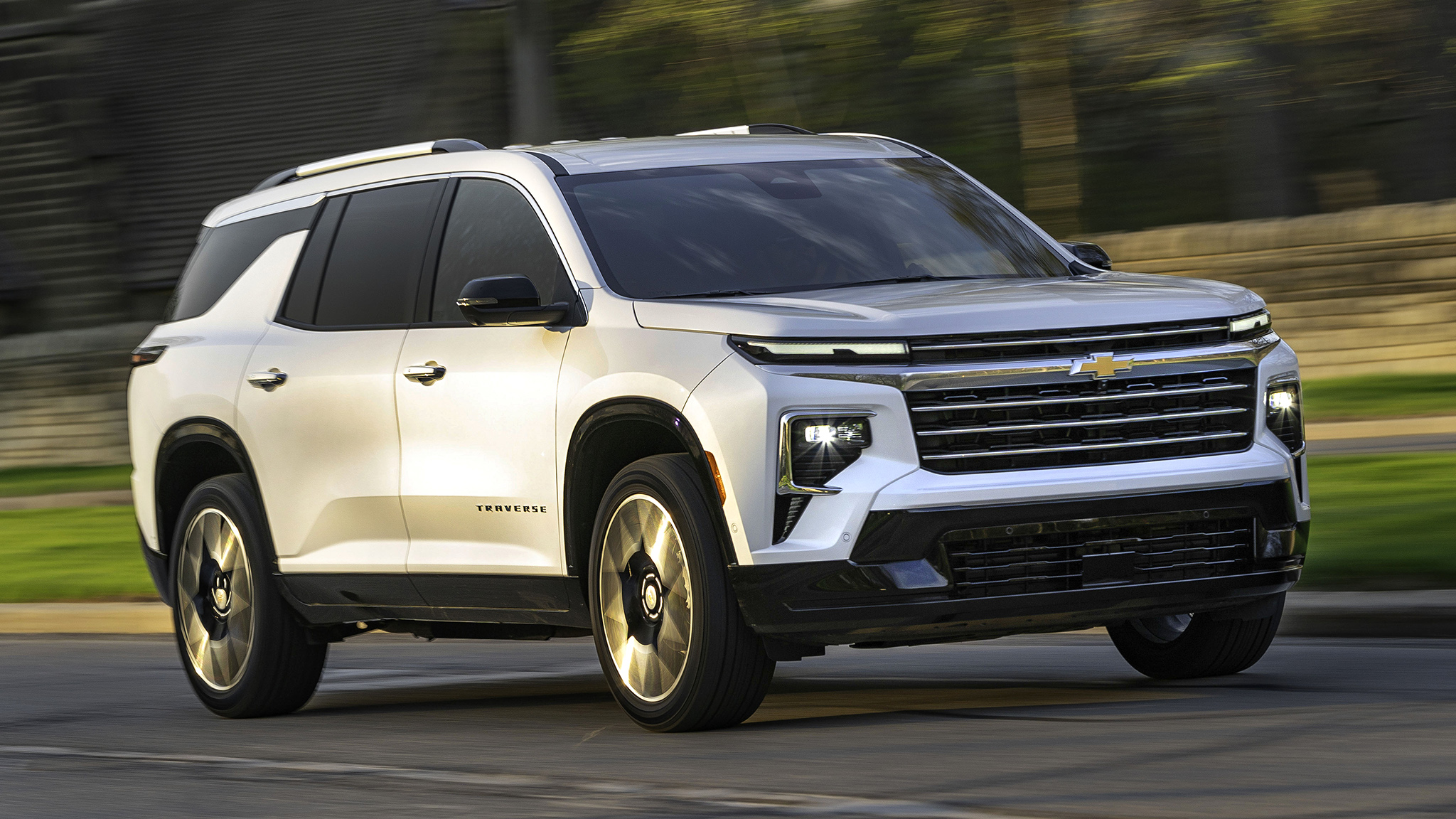
5. Chevrolet Traverse and GMC Acadia: Seat-Back Welds May Not Provide Proper Protection
NHTSA Campaign 26V696000 | 4 vehicles | Reported October 21, 2026
Seat construction is something most drivers rarely think about unless an adjustment mechanism stops working. However, the strength of a seat frame becomes critically important during a collision.
General Motors has announced a limited recall involving certain 2026 Chevrolet Traverse and GMC Acadia SUVs because the front-seat structure may not have been manufactured with sufficient welds.
The affected vehicles have a potential defect where the seat-back recliner pivot mechanism attaches to a bracket on the seat frame. Specifically, the driver or front passenger seat may have insufficient welds at this connection.
If the structure does not hold as intended during a crash, the seat might fail to restrain its occupant properly, increasing the possibility of injury.
This is not a widespread recall affecting every Traverse or Acadia on American roads. GM estimates that only four vehicles are potentially involved. The affected production period is also extremely narrow, covering vehicles assembled during November 2025. That makes VIN verification particularly important.
The proposed remedy is to replace the affected driver or passenger seat-back frames. Authorized Chevrolet and GMC dealerships will perform the work without charging eligible owners. GM’s internal campaign number is N262576830, and notification letters are expected to be mailed December 7, 2026.
Chevrolet owners can contact the company at 1-800-222-1020, while GMC owners can call 1-800-462-8782.
There is a reason this recall should not be dismissed simply because it involves a small number of vehicles. A properly constructed seat is part of the vehicle’s occupant protection system. Seat belts, airbags, and the seat structure work together to manage the forces experienced during a collision.
For families who regularly travel with children or other passengers, the condition of the seats is just as important as the vehicle’s braking and steering systems.
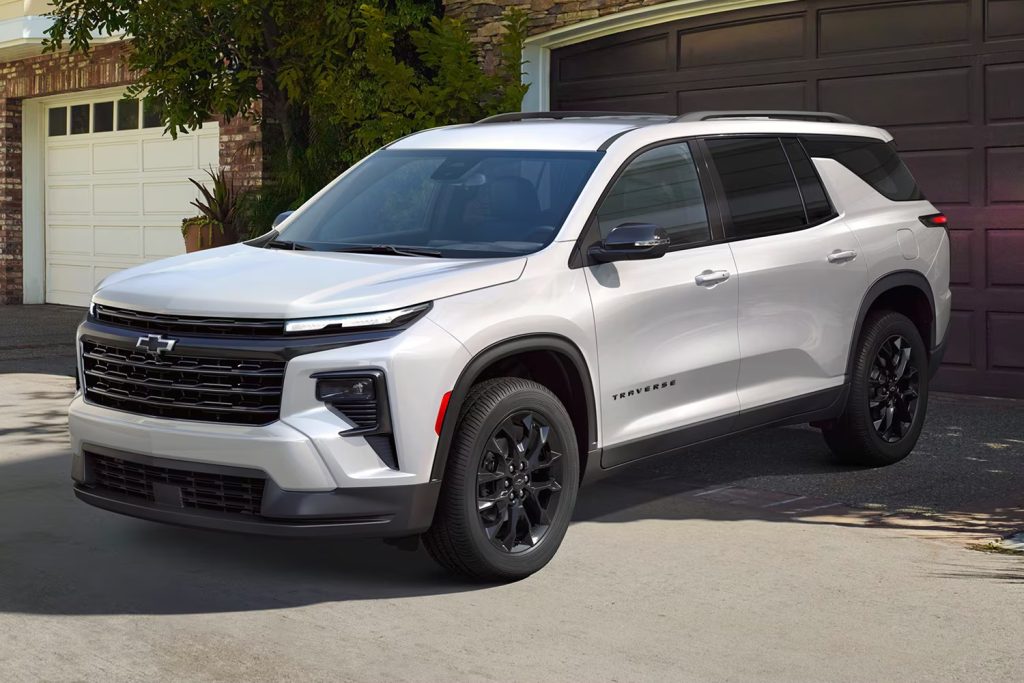
If you own one of these SUVs, check the VIN and ask the dealership whether your vehicle falls within the affected production group. Do not assume that a comfortable seat or an apparently normal reclining mechanism proves that its internal frame has been assembled correctly.
This campaign is a useful reminder that not every safety defect involves an engine or a moving mechanical component. Sometimes the concern is hidden inside the very structure designed to protect occupants.
6. Audi Q4 e-tron and Q4 Sportback e-tron: High-Voltage Battery Failure Could Cause a Fire
NHTSA Campaign 26V698000 | Approximately 9,048 vehicles | Reported October 21, 2026
Electric vehicles bring a distinct set of safety concerns, especially when issues involve high-voltage battery systems. A recent Audi recall draws attention to one of the most serious risks, as a battery malfunction could potentially cause a vehicle fire.
Volkswagen Group of America is recalling certain 2024-2025 Audi Q4 e-tron and Q4 Sportback e-tron vehicles because their high-voltage batteries may fail. A battery malfunction can create a fire risk, potentially endangering occupants and surrounding property.
The campaign covers approximately 9,048 vehicles in the United States. Both body styles are included, meaning buyers should not assume that the more conventional Q4 e-tron and the sloping-roof Sportback have separate recall exposure. They fall under the same NHTSA campaign, identified as 26V698000 and Audi’s internal recall number 93SK.
What makes this campaign particularly important is that a permanent repair has not yet been finalized as of November 1, 2026. Audi is still developing the remedy. In the meantime, owners are advised to limit charging to a maximum of 80% capacity until the necessary repair has been completed.
This temporary instruction should not be mistaken for a permanent solution. Reducing the charging limit is a precaution intended to manage the risk while Audi develops the appropriate corrective action.
Interim notification letters are expected to be mailed on December 18, 2026, with further communications planned once the remedy becomes available. Owners can contact Audi customer service at 1-800-253-2834.
Electric vehicle owners should pay particular attention to manufacturer instructions during battery-related recalls. High-voltage battery defects are not comparable to routine infotainment or charging-port software problems. Depending on the nature of the fault, the consequences can involve thermal events and vehicle fires.
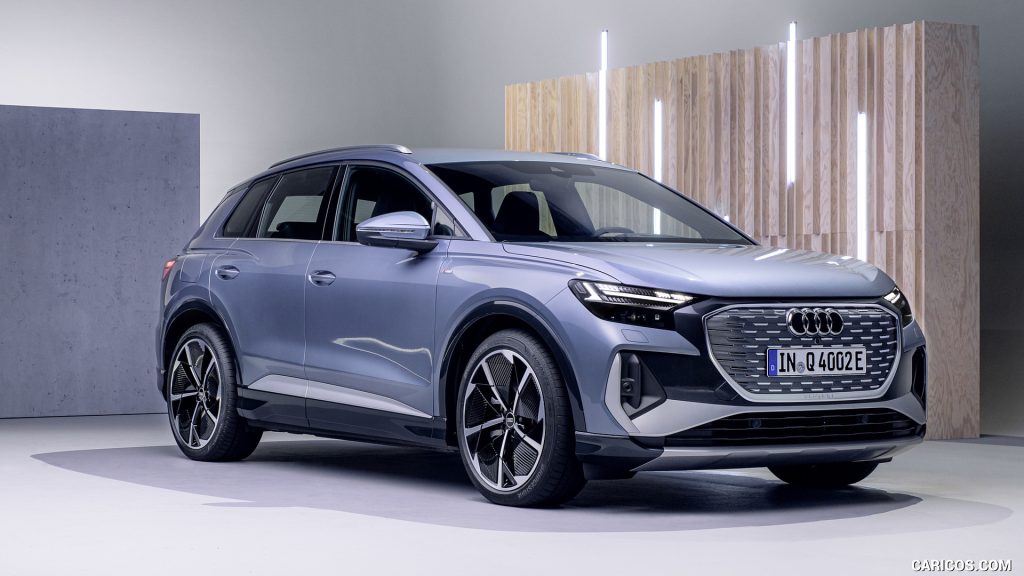
If you own an eligible Q4 e-tron, verify your VIN and follow Audi’s charging guidance. Do not attempt an independent battery inspection or modification. Also, do not assume that a vehicle without dashboard warnings is automatically safe from the identified defect.
This recall is a reminder that battery safety remains an important part of electric vehicle ownership, even when a vehicle has performed normally throughout its daily use.
7. Ford F-150: Improperly Secured Front Seats Could Increase Injury Risk
NHTSA Campaign 26V655000 | Approximately 2,276 vehicles | Reported October 6, 2026
The Ford F-150 is one of America’s most familiar pickups, used by private owners, contractors, businesses, and families. Its popularity means that even a relatively small recall deserves attention, particularly when the defect involves a component responsible for protecting occupants during a collision.
Ford Motor Company is recalling certain 2025-2027 F-150 trucks because the front seats may not have been properly secured to the vehicle. The problem involves the seat mounting bolts. If the seats are not adequately attached, they might fail to restrain occupants as intended during a crash, increasing the risk of injury.
Approximately 2,276 trucks are potentially affected by this campaign. This is a limited production population rather than a recall covering every F-150 sold during those model years. Owners should therefore establish eligibility using their individual VIN instead of relying exclusively on the model year.
The remedy involves inspecting the front seat bolts and tightening or replacing them as necessary. Ford dealerships will complete the repair without charge. The manufacturer identifies the campaign as 26S74, corresponding to NHTSA recall number 26V655000.
Unlike some of the other campaigns in this article, Ford’s owner notification letters were already mailed on October 16, 2026. The affected VINs also became searchable through NHTSA’s system on October 9.
Ford owners can contact the company’s customer service department at 1-866-436-7332 for additional information.
Why does a seat mounting issue matter so much? During a collision, the seat and restraint system must work together to control occupant movement. A properly secured seat provides the structural support necessary for the seat belt to function as intended.
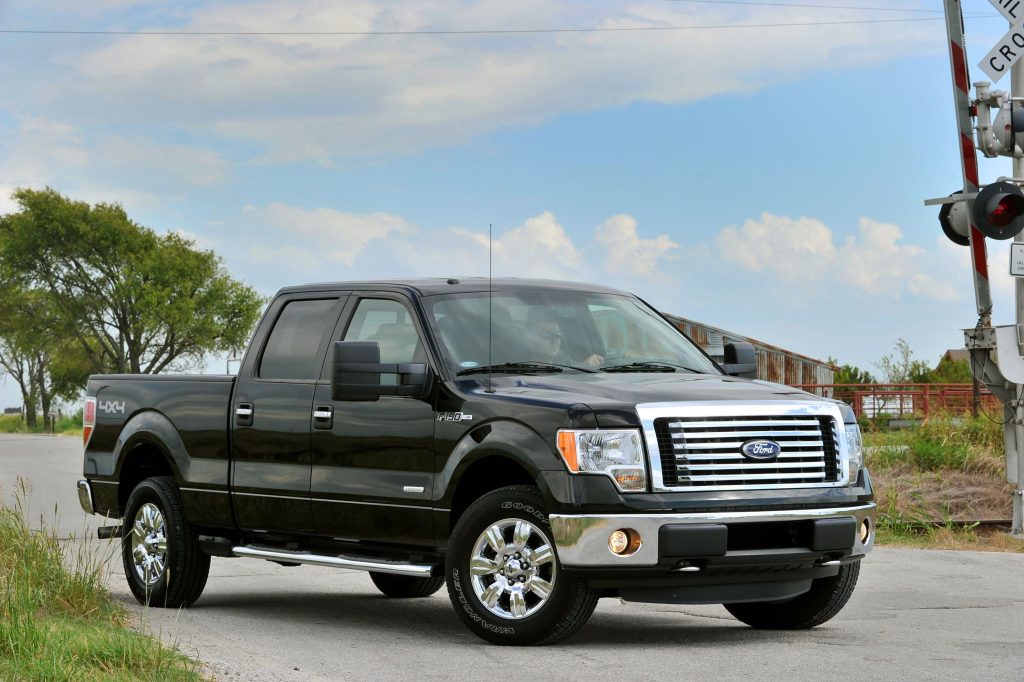
If the mounting points are compromised, the occupant could experience additional movement that the restraint system was not designed to accommodate.
This is particularly relevant for pickup owners who regularly carry passengers, travel on highways, or use their trucks for long-distance work. A vehicle can feel completely normal during routine driving while still having a defect that becomes apparent only during an emergency.
If your F-150 is included, arrange the inspection promptly. A recall repair is free, and there is little reason to postpone a straightforward safety correction.
8. Toyota Land Cruiser Hybrid: A Fuel Tube Connection Could Leak and Create Fire Risk
NHTSA Campaign 26V673000 | Approximately 105,794 vehicles | Reported October 14, 2026
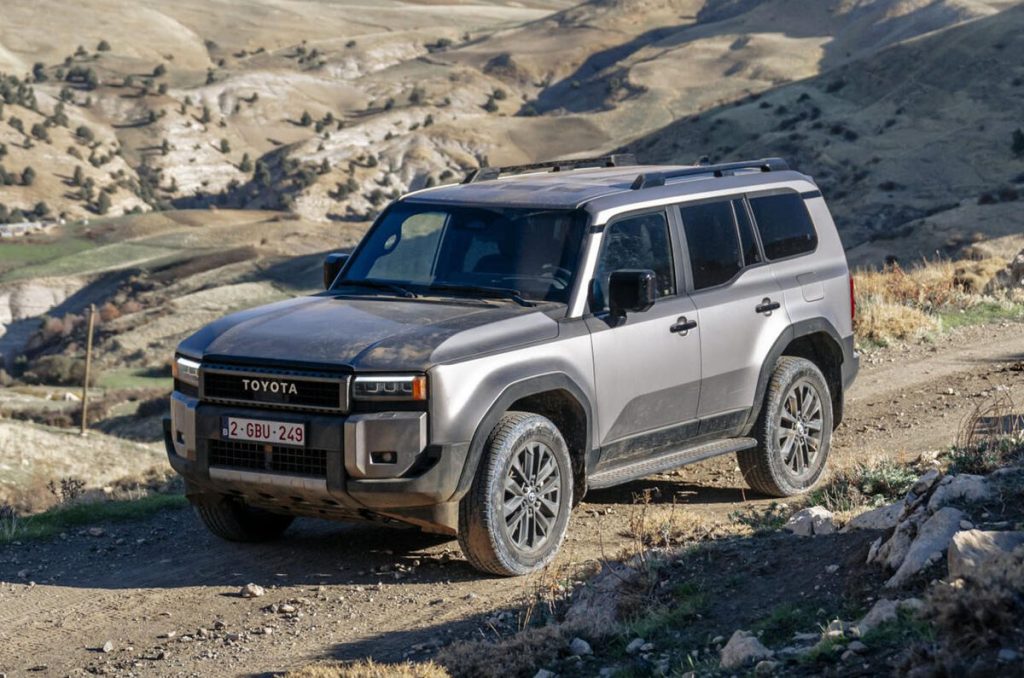
The Land Cruiser’s return to the American market drew interest from buyers seeking a capable SUV that combines hybrid technology with proven off-road performance. However, some recent models are now subject to a recall involving a critical component that requires attention, the fuel system.
Toyota Motor Engineering & Manufacturing is recalling certain 2024-2027 Toyota Land Cruiser Hybrid vehicles because a fuel tube connection near the fuel tank may disconnect. If the connection separates, gasoline can leak from the system. When leaking fuel comes into contact with an ignition source, it can increase the risk of a vehicle fire.
Approximately 105,794 vehicles are potentially affected, making this one of the larger campaigns covered in this article. Nevertheless, the recall does not automatically apply to every Land Cruiser Hybrid from the listed model years.
The vehicle’s production information and VIN determine whether it falls within the affected population.
The defect is particularly important because a fuel leak can create danger even when the vehicle is not involved in a collision. A leak near a hot surface or another ignition source can result in a fire, potentially affecting the occupants and people nearby.
Toyota’s repair plan involves inspecting the fuel tube connection and installing a supplemental clamp. If necessary, dealers will replace the resin fuel tube and install the additional clamp. The repair will be provided free of charge.
The campaign is identified by NHTSA number 26V673000 and Toyota campaign numbers 26TB23 and 26TA23. Owner notification letters are expected on November 29, 2026. Owners can contact Toyota at 1-800-331-4331.
Drivers should not attempt to tighten or modify fuel system connections themselves. Fuel system repairs require appropriate procedures and should be handled by qualified dealership technicians.
If you notice a strong gasoline smell, visible fuel leakage, or another indication of a possible fuel system problem, do not ignore it. Follow Toyota’s safety instructions and seek professional assistance. Do not wait for the recall letter if you suspect an active leak.
This campaign also demonstrates why hybrid vehicles should not be viewed as maintenance-free alternatives to conventional gasoline SUVs. Although the hybrid system can improve efficiency, the vehicle still contains fuel lines, connections, and other components that require proper inspection and maintenance.
For Land Cruiser owners, checking the VIN now is more useful than waiting for the November notification.