
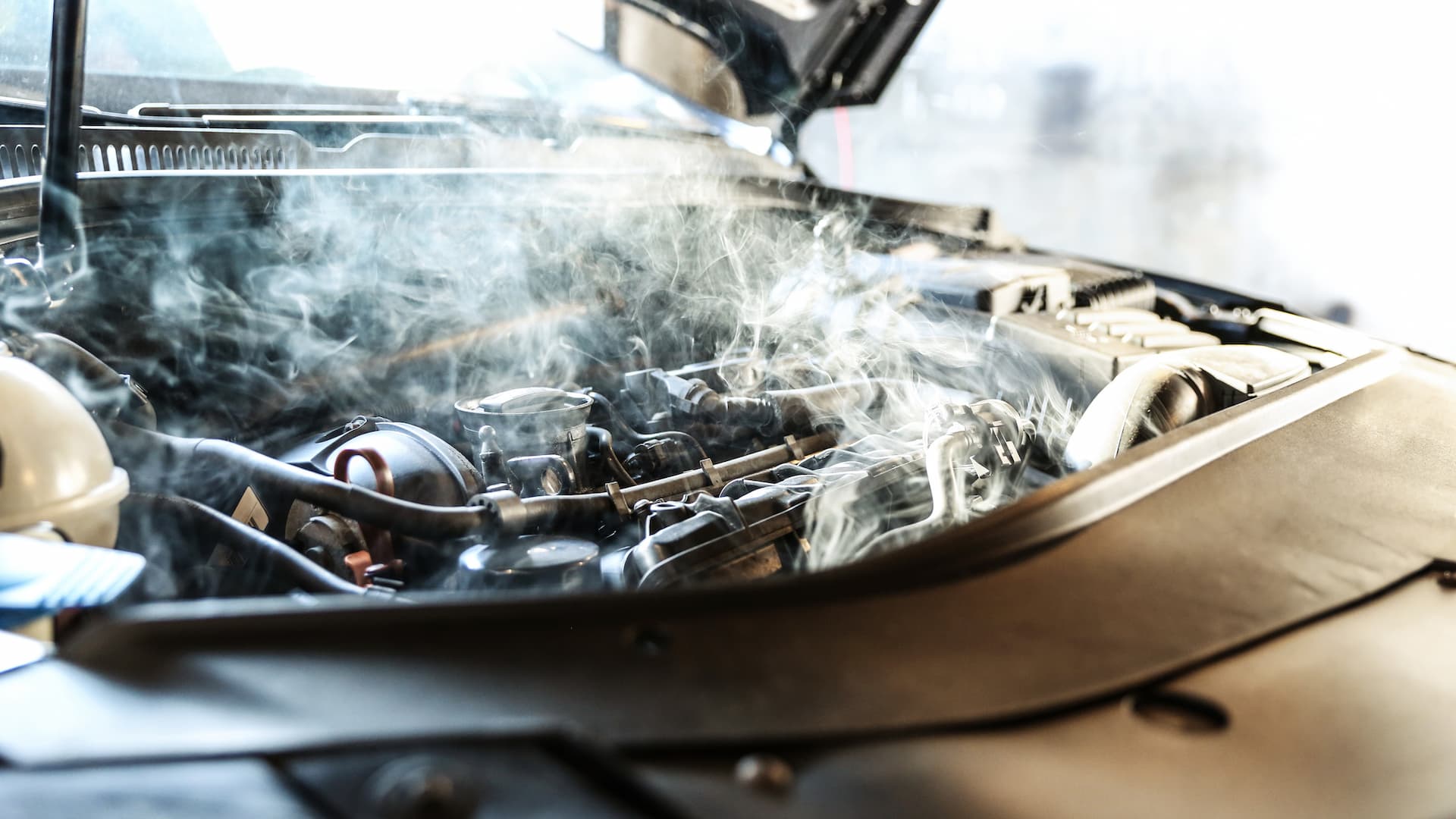
Owning an older car can be cheaper than buying another vehicle, but there comes a point when certain repairs stop making financial sense. A vehicle with 150,000 miles might still have a dependable engine, yet one major mechanical failure could cost more than the car is worth.
Experienced repair shops often help owners distinguish between necessary maintenance and expensive jobs that offer little financial return. However, avoiding a repair does not always mean avoiding the problem.
The decision should consider the vehicle’s condition, resale value, safety, replacement costs, and how long the owner intends to keep driving it.
1. Complete Engine Replacement on a Low-Value Vehicle
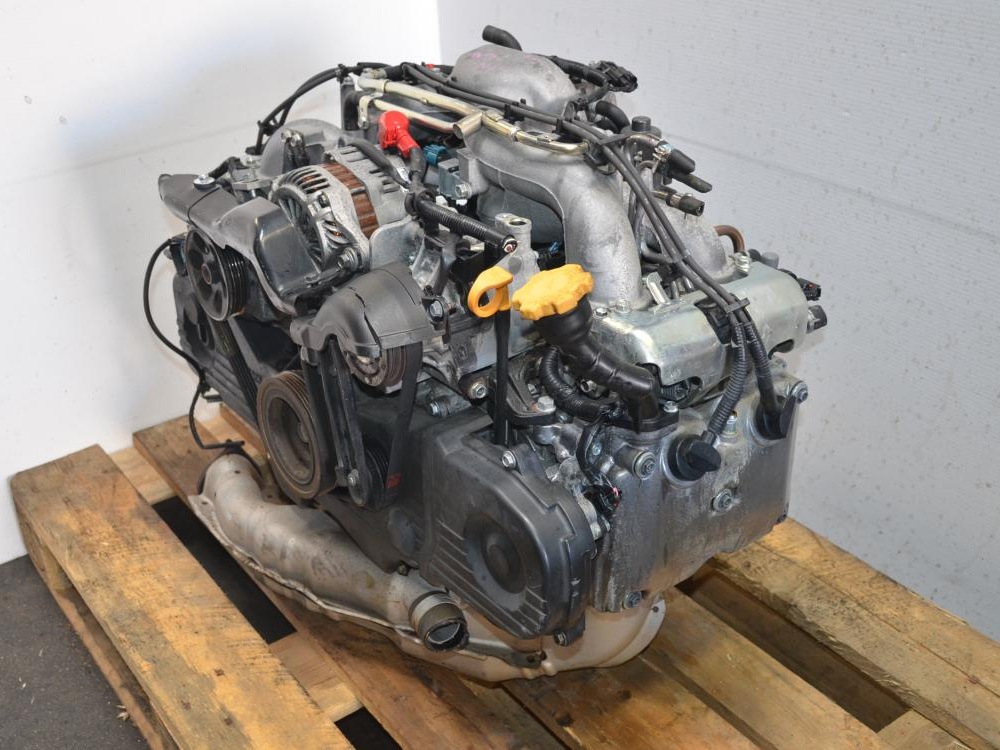
Replacing an entire engine is one of the most expensive decisions an owner can face when an older car develops serious mechanical problems. Although a replacement engine can restore the vehicle’s ability to run, the financial calculation becomes difficult when the car has accumulated substantial mileage and has other aging components.
Consider a sedan with 180,000 miles that has developed severe internal engine damage. The shop might recommend installing a replacement engine, but the vehicle could also need suspension work, new tires, cooling system repairs, and transmission maintenance. Paying for the engine alone does not eliminate those additional expenses.
AAA Club Alliance lists typical engine replacement expenses in the range of $4,000 to $10,000, depending on the vehicle and repair requirements. That is a considerable investment in a vehicle whose market value might be substantially lower.
Replacement engine quality is another factor to consider. A used engine from a salvage yard may be more affordable, but its maintenance record and remaining lifespan are often unknown. A remanufactured engine typically undergoes more extensive preparation, although installation can still add significantly to the total cost.
Before approving the job, ask the shop to inspect the transmission, cooling system, engine mounts, and other major components. Obtain separate estimates for a used, remanufactured, and rebuilt engine where appropriate.
The repair may still be sensible if the vehicle is structurally sound, has a reliable transmission, and would cost considerably more to replace with an equivalent used car.
However, if several expensive systems are already deteriorating, spending thousands on an engine may simply postpone another major repair. In that situation, a replacement vehicle could be the more financially responsible decision.
2. Complete Transmission Replacement When the Rest of the Car Is Deteriorating
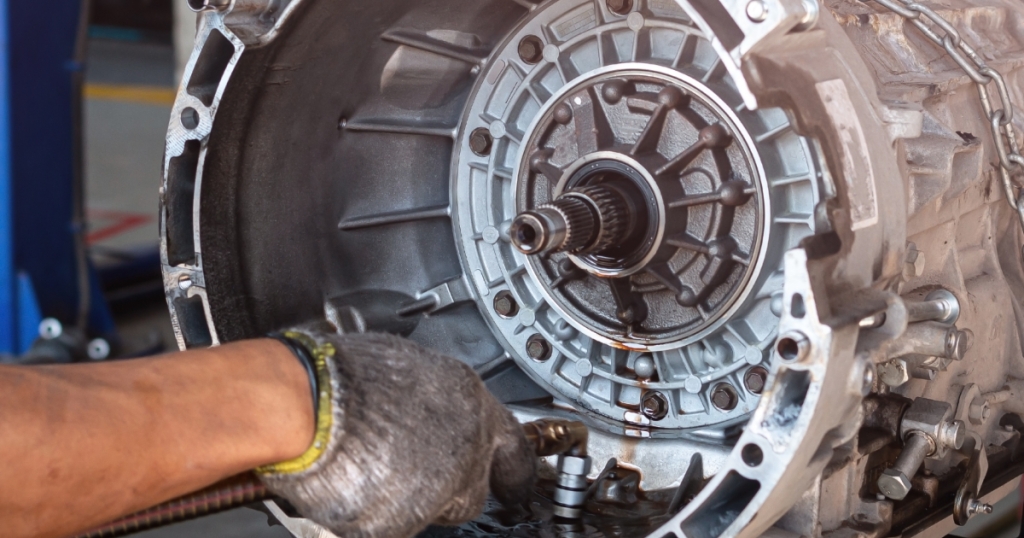
A failing transmission can turn an inexpensive older vehicle into a financial headache. Automatic transmissions contain numerous internal components, including clutch packs, hydraulic circuits, valve bodies, pumps, and electronic controls.
When several of these components experience serious damage, rebuilding or replacing the unit can become an expensive undertaking.
The problem is not that transmission replacement is always a bad investment. It is that the repair can be difficult to justify when the vehicle has other significant problems.
Imagine an older crossover with 160,000 miles, visible underbody corrosion, worn suspension components, and a transmission that slips under acceleration. Installing another transmission might restore its drivability, but it will not address the other aging systems.
AAA Club Alliance lists transmission replacement costs of approximately $1,200 to $6,000, depending on the vehicle and repair involved. The actual bill can be higher for complicated vehicles or specialized transmission designs.
Before agreeing to replacement, a competent shop should establish whether the transmission has genuinely suffered internal damage. Delayed engagement or harsh shifting can sometimes involve fluid leaks, electrical faults, sensors, or other repairable problems.
The Federal Trade Commission specifically advises consumers to have technicians investigate simpler potential causes before proceeding with expensive transmission repairs.
A replacement might make sense if the vehicle has a strong service history, a healthy engine, and a body without serious corrosion. It becomes harder to justify when the transmission is only one of several failing systems.
Ask for a written estimate that separates parts, labor, fluid, programming, and warranty coverage. Compare the price of rebuilding the original unit with installing a used or remanufactured transmission.
If the total investment approaches the cost of purchasing a comparable, mechanically sound vehicle, consider moving on rather than committing to another expensive repair.
3. Rebuilding an Engine After Severe Overheating Damage
An engine that has overheated badly can suffer damage far beyond a failed thermostat or leaking radiator hose. Excessive heat can distort the cylinder head, damage the head gasket, affect piston rings, and compromise other internal components. When the damage becomes extensive, a shop might recommend a complete engine teardown and rebuild.
This is where an old vehicle presents a difficult financial decision. Rebuilding an engine involves considerably more than replacing one defective component.
The technician may need to remove the engine, inspect internal surfaces, measure tolerances, machine certain components, replace damaged parts, and reassemble everything to the manufacturer’s specifications.
The final cost depends on the engine design and the extent of the damage. A relatively straightforward head gasket repair is very different from rebuilding an engine with warped cylinder heads, damaged pistons, and compromised cylinder walls.
Consumer Reports lists engine replacement among the major expenses that owners should consider when deciding whether to keep an older vehicle. Its January 2026 guidance also emphasizes comparing repair costs with the expense of purchasing another used vehicle.
A shop should not recommend rebuilding an engine without first determining whether the cylinder block and other major components remain serviceable. Compression testing, leak-down testing, cooling system pressure testing, and internal inspection can help establish the extent of the damage.
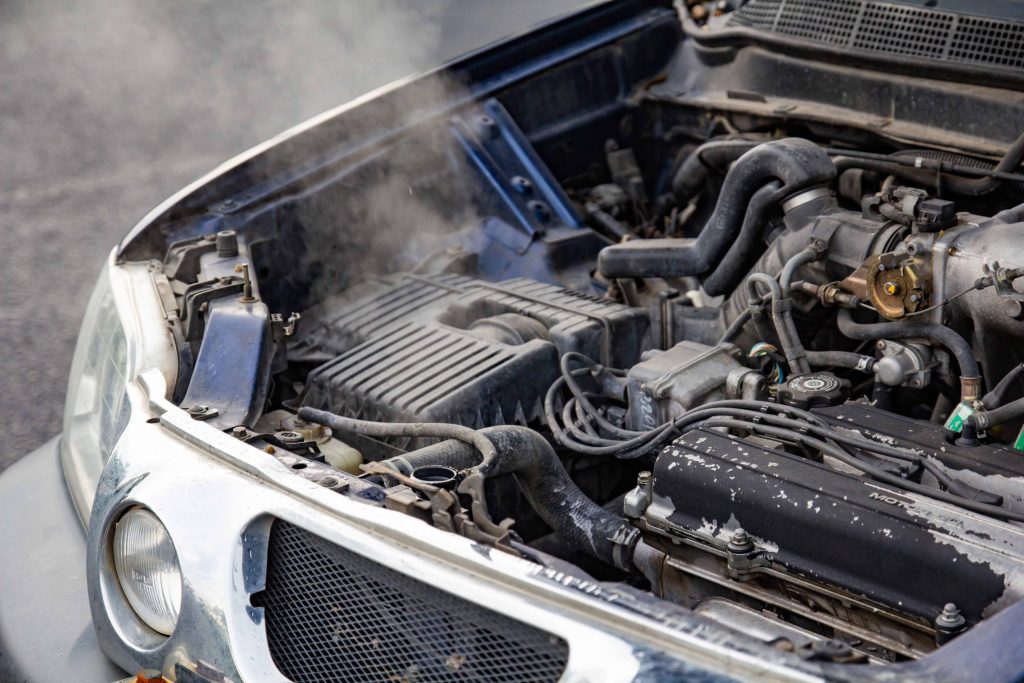
There is also a risk of spending heavily on an engine while overlooking the cause of the original overheating. A defective cooling fan, blocked radiator, failing water pump, or another cooling system fault must be addressed before the rebuilt engine returns to service.
If the vehicle has substantial structural rust or an unreliable transmission, rebuilding its engine may offer very little financial benefit. However, a well-maintained car with a sound body and documented history could justify the investment.
The sensible choice depends on the actual damage, not simply the vehicle’s odometer reading.
4. Replacing a Catalytic Converter Without Fixing the Original Problem
A catalytic converter replacement can become an expensive mistake when a shop treats the warning light rather than identifying the underlying mechanical problem.
The catalytic converter is part of the emissions control system, reducing harmful pollutants before exhaust gases leave the vehicle. It can deteriorate with age, but it can also become damaged because of problems elsewhere in the engine.
For example, persistent engine misfires can send unburned fuel into the exhaust system. Excessive oil consumption or coolant entering the combustion chamber can also contaminate the catalytic converter. Installing a replacement without correcting the original fault could damage the new unit.
This is particularly frustrating for owners of older vehicles because catalytic converters can be expensive. AAA Club Alliance lists typical replacement expenses of approximately $1,000 to $1,500, although the price depends on the vehicle, parts availability, and labor requirements.
The first step should be proper diagnosis. A technician should examine diagnostic trouble codes, oxygen sensor readings, exhaust leaks, fuel mixture, and engine misfire history. A converter efficiency code does not automatically prove that the catalytic converter itself has failed.
There is also an important distinction between an inexpensive aftermarket component and an emissions-compliant replacement. Federal and California emissions requirements can affect which parts are legally suitable for a particular vehicle. Owners should confirm compatibility before authorizing installation.
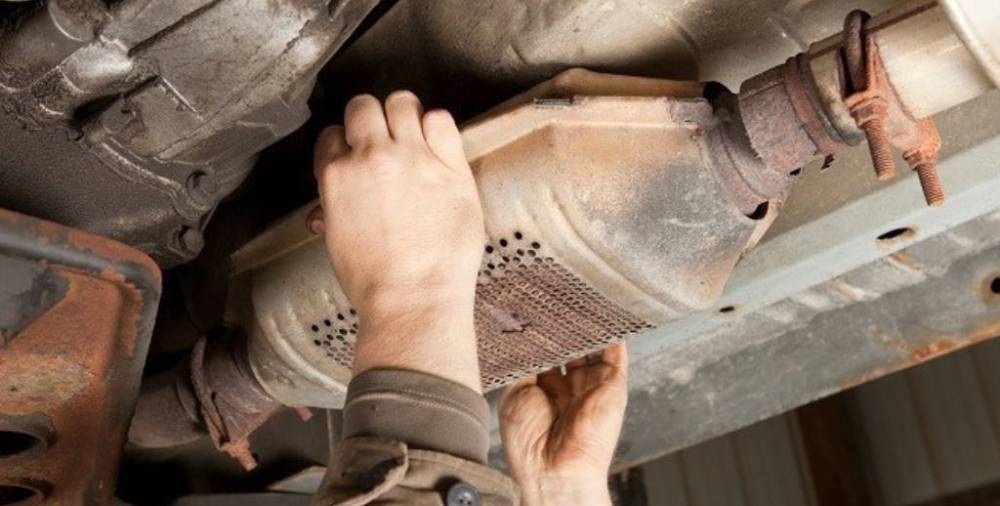
For a relatively valuable older vehicle with a healthy engine, replacing a genuinely failed converter can be worthwhile. However, if the engine burns substantial oil, has low compression, and requires several other expensive repairs, the new converter might not provide lasting value.
A reputable shop should explain why replacement is necessary, identify the underlying cause, and provide a written estimate. Do not approve an expensive emissions repair simply because the check engine light displays a catalytic converter-related code.
5. Extensive Rust Removal and Structural Body Restoration
Rust is one of the most difficult problems to justify repairing on an older vehicle, particularly when corrosion has spread beyond the visible body panels. A small rust spot around a wheel arch might be manageable, but corrosion affecting the frame, floor, suspension mounting points, or other structural areas can require extensive metalwork.
The difficulty is that visible rust often represents only part of the problem. Corrosion can spread underneath paint, protective coatings, carpeting, and underbody panels. A repair shop may need to remove large sections of metal, fabricate replacement panels, weld structural components, and restore corrosion protection.
For an older pickup or SUV, frame corrosion can be especially concerning. The frame supports major vehicle components and contributes to crash protection. If corrosion has weakened critical structural sections, simply covering the affected area with filler or fresh paint is not an acceptable repair.
The financial calculation becomes even more complicated when the vehicle has relatively low resale value. Spending several thousand dollars on body restoration might not significantly increase what another buyer is willing to pay. In some cases, the restoration expense can exceed the value of an equivalent rust-free vehicle.
However, rust repairs should not automatically be rejected. Localized surface corrosion can often be addressed economically before it spreads. The important distinction is between cosmetic deterioration and structural damage.
Ask a qualified body shop to inspect the underbody, frame rails, rocker panels, floor, suspension attachment points, and other load-bearing areas. Request photographs of hidden corrosion and a detailed estimate before approving extensive work.
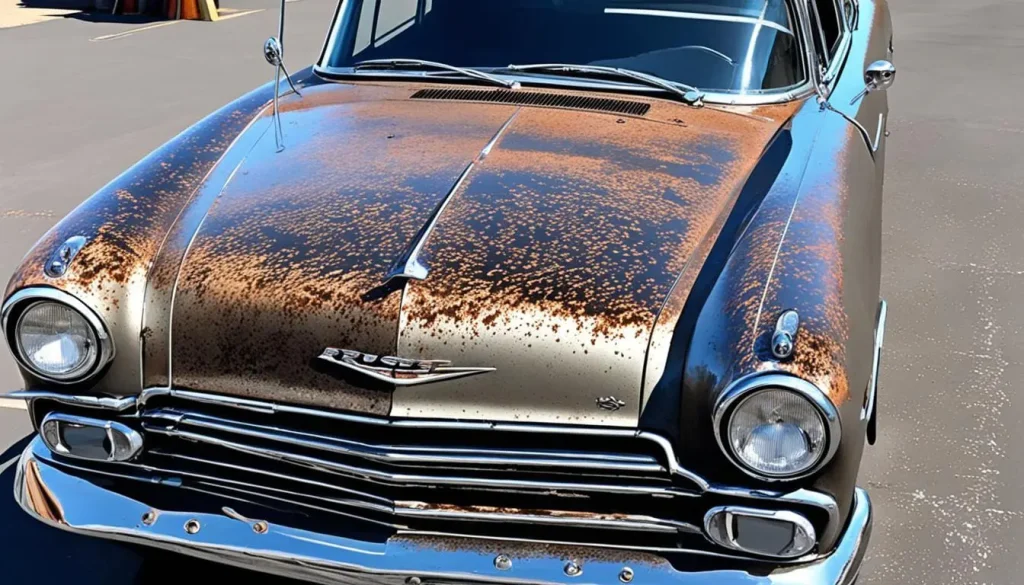
If the damage affects structural integrity, the decision should prioritize safety rather than resale value. A vehicle with seriously compromised structural components should not remain in service simply because replacing it is expensive.
For a car with widespread corrosion, a sound replacement vehicle may be a better investment than attempting to restore every affected section. This is particularly true when rust is accompanied by mechanical problems, poor maintenance history, and ageing safety equipment.
6. Replacing an Entire Wiring Harness on an Ageing Vehicle
Electrical faults can become extremely frustrating in older vehicles because a single problem may affect several unrelated systems. Dashboard warning lights, malfunctioning windows, intermittent starting problems, faulty sensors, and lighting issues can sometimes point toward damaged wiring rather than multiple failed components.
An entire wiring harness replacement is a particularly expensive repair because the harness connects numerous electrical components throughout the vehicle. Depending on the design, technicians may need to remove interior trim, seats, carpeting, dashboard sections, and other assemblies to access the wiring.
The expense becomes difficult to justify when the vehicle is already worth relatively little. Some older vehicles also have limited parts availability, making original replacement harnesses expensive or difficult to source. Even when a suitable harness is available, installation requires considerable labor and careful electrical testing.
However, replacing an entire harness is not automatically unnecessary. Severe fire damage, extensive rodent damage, water intrusion, or widespread deterioration can make complete replacement the most reliable option.
The important question is whether the problem is genuinely widespread. A faulty ground connection, corroded connector, damaged section of wiring, blown fuse, or failing control module might be responsible for symptoms that initially appear much more serious.
The Federal Trade Commission recommends obtaining a second opinion when an expensive or complicated repair is proposed, particularly when the customer has questions about the diagnosis. It also advises requesting a written estimate identifying the parts and labor involved.
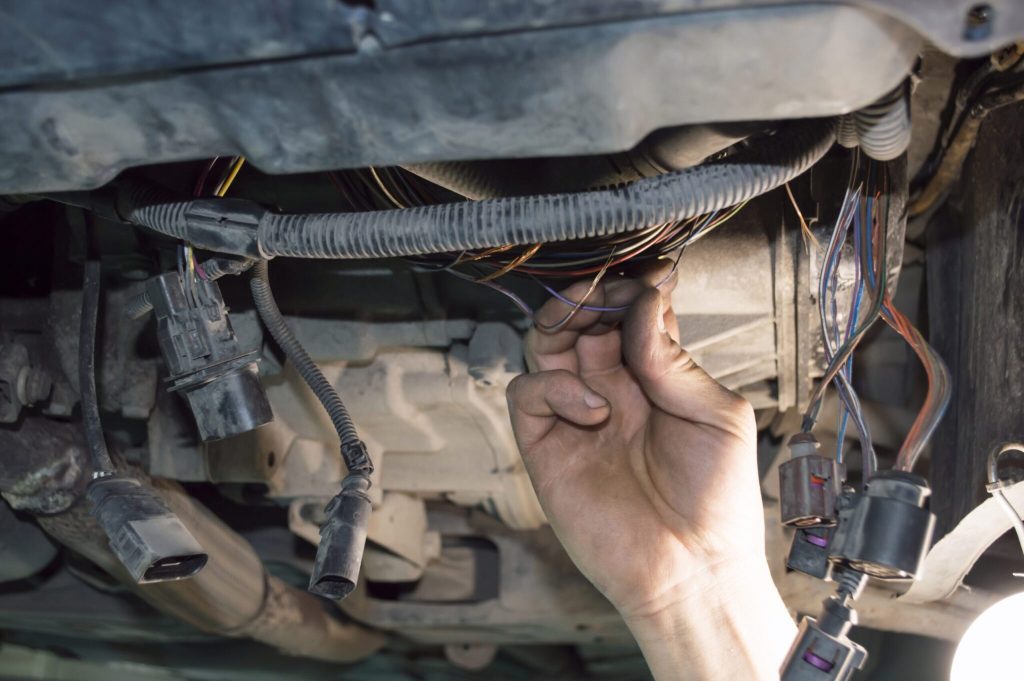
Before approving a harness replacement, ask the shop to provide diagnostic findings and identify the affected circuits. A specialist experienced with the vehicle’s electrical architecture may be able to repair specific damaged sections instead.
For an older car with several electrical faults and extensive previous modifications, a complete harness replacement may offer limited financial value. If the vehicle also has major mechanical problems, directing the same money toward a dependable replacement could be the smarter decision.
7. Restoring an Ageing Air Conditioning System With Multiple Failed Components
A working air conditioning system can make an older vehicle much more comfortable, especially during hot American summers. However, when several major components fail together, restoring the system can become a surprisingly expensive project.
The compressor is often the most expensive component involved, but it is not the only part that can require replacement. An ageing system might also have a leaking condenser, damaged evaporator, restricted expansion valve, deteriorated hoses, or faulty electrical controls.
If the compressor fails internally, metal debris can circulate through the refrigerant circuit and contaminate other components.
That creates a difficult repair decision. Replacing the compressor alone may not solve the problem if contamination remains elsewhere in the system.
A proper repair could require flushing suitable components, replacing contaminated parts, installing a new receiver-drier or accumulator, and evacuating and recharging the system using the correct refrigerant and service procedures.
For a vehicle worth only a few thousand dollars, the expense might not be worthwhile if the engine, transmission, and other major systems are also deteriorating.
Nevertheless, a complete air conditioning replacement should not be rejected simply because the vehicle is old. A well-maintained car with a healthy powertrain can justify the expense, particularly if the owner intends to keep it for several more years.
Start by asking the technician to identify the exact source of the failure. A refrigerant leak, faulty pressure switch, or electrical problem may be much less expensive to correct than replacing the compressor and other major components.
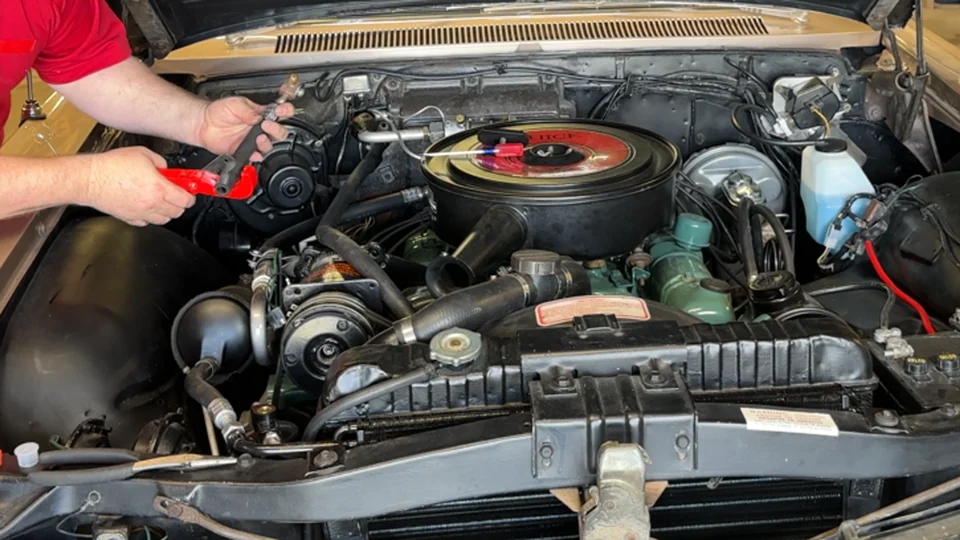
The shop should also explain whether the compressor has suffered internal damage and whether other parts of the system have been contaminated. Refrigerant handling must follow applicable environmental regulations, so owners should not attempt to release refrigerant themselves.
Compare the repair estimate with the vehicle’s condition and replacement cost. If the air conditioning repair is one of several major expenses arriving together, it may be reasonable to avoid a costly restoration and consider another vehicle instead.
8. Replacing the Entire Air Suspension System on an Older Luxury Car
Air suspension provides a comfortable ride and can automatically adjust vehicle height according to driving conditions. It is found on several luxury sedans and SUVs, but its complexity can become a financial burden as vehicles age.
Unlike conventional coil springs, an air suspension system uses components such as air springs, compressors, height sensors, electronic controls, and air lines. Over time, rubber air springs can develop leaks, compressors can wear out from repeated operation, and sensors or valves can malfunction.
The expensive part is that one failure can place additional demands on other components. For example, an air leak can cause the compressor to run excessively as it attempts to maintain the required pressure. If the vehicle continues operating in that condition, the compressor may eventually fail as well.
This can lead to a repair estimate involving several components rather than a single replacement part. For an older luxury vehicle with declining market value, the total investment may be difficult to recover.
However, replacing an entire air suspension system is not always necessary. A leaking air spring, damaged line, faulty relay, or defective height sensor might be responsible for the symptoms. Accurate diagnosis can prevent owners from paying for components that remain functional.
There is also the option of converting certain vehicles to conventional suspension components. Such conversions are available for some models, but compatibility, ride quality, warning systems, handling, and legal requirements must be considered. A conversion should not compromise the vehicle’s safety or electronic systems.
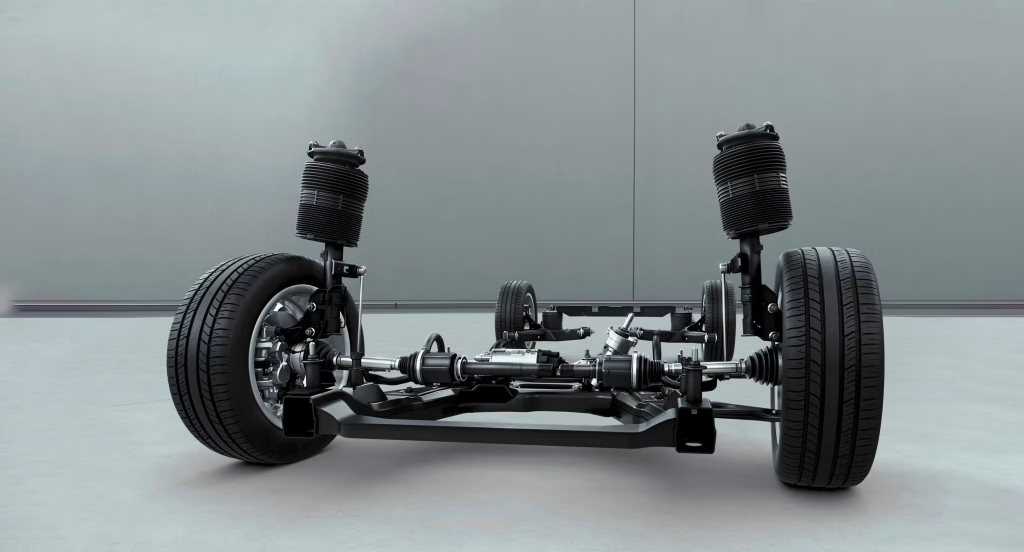
Before approving an extensive repair, request a component-by-component estimate and ask whether the manufacturer-approved repair procedure requires replacing additional parts.
If the vehicle is mechanically sound and provides reliable transportation, restoring its air suspension may be justified. But if the powertrain, electronics, and body are also deteriorating, spending heavily on a complex luxury suspension system may not be financially sensible.
9. Complete Cosmetic Repainting and Restoration on a Low-Value Car
A faded exterior, scratched paintwork, peeling clear coat, and damaged bumpers can make an older vehicle look considerably worse than its mechanical condition suggests. However, investing in a complete cosmetic restoration is often difficult to justify when the vehicle has limited resale value.
A professional repaint involves more than applying a fresh coat of paint. Depending on the vehicle’s condition, the shop may need to remove exterior trim, repair dents, sand damaged panels, address rust, prepare surfaces, apply primer, and complete multiple paint and finishing stages.
The expense can increase significantly if the original paint has deteriorated across several panels or if previous repairs were performed poorly. Matching factory colors, repairing corrosion, and restoring faded plastic components can add further labor and material costs.
The financial problem is that cosmetic improvements rarely increase an older car’s resale value by the full amount spent. A vehicle with 170,000 miles and several mechanical issues will not automatically become substantially more valuable simply because its exterior looks newer.
That does not mean cosmetic repairs are always a waste. Small areas of peeling clear coat, localized paint damage, and minor dents can sometimes be corrected without repainting the entire vehicle. A limited repair may preserve appearance while keeping costs under control.
Consumer Reports’ advice on older vehicles emphasizes comparing the cost of major repairs with the expense of obtaining another used vehicle. Its January 2026 analysis also notes that high used-car prices can make repairing an existing, reliable vehicle financially sensible.
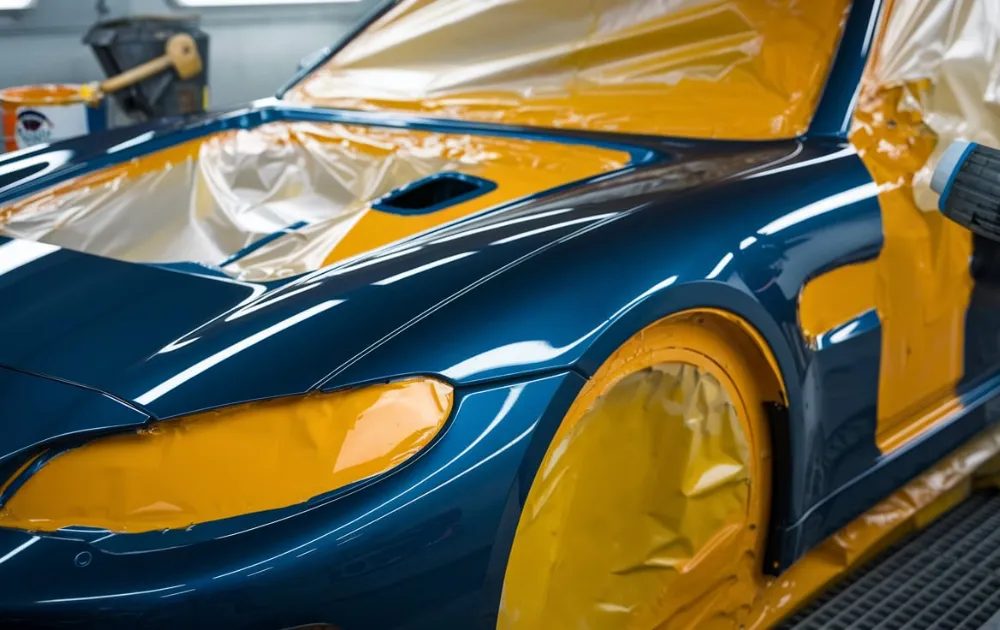
Before committing to a full repaint, ask a body shop for separate estimates covering individual panels, localized repairs, and complete refinishing. Consider whether the vehicle has sentimental value or whether you intend to keep it for many more years.
If the car is mechanically tired and approaching the end of its useful service life, a major cosmetic restoration is unlikely to be a sensible financial decision. Spending that money on a dependable replacement may provide considerably greater value.
