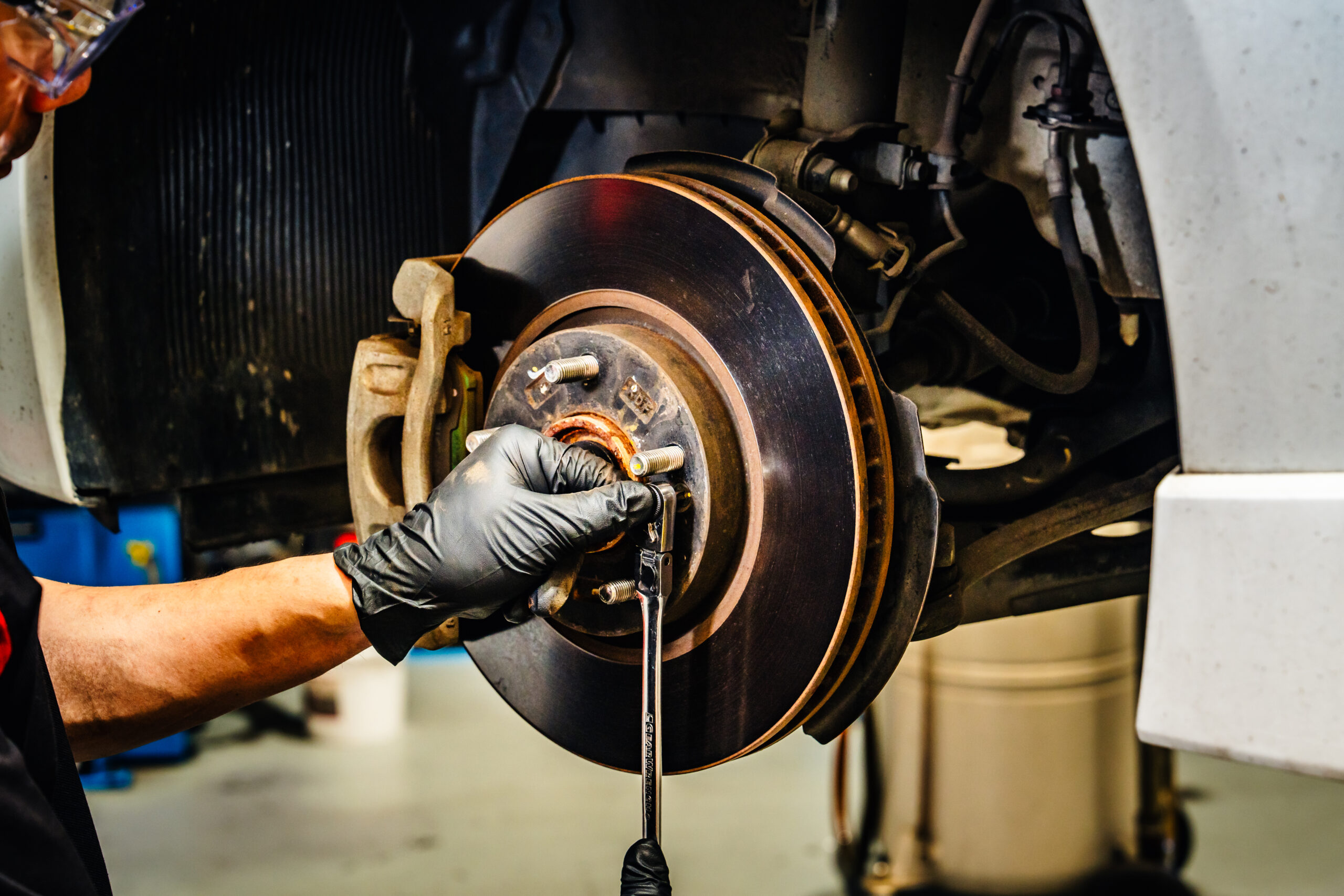
A repair estimate can prevent an expensive misunderstanding, particularly when a job involves major components, hidden damage, or several hours of labor.
A verbal promise may sound clear at the service desk, but it becomes difficult to resolve a disagreement when the final bill is higher or the completed work differs from what you expected.
A written estimate should identify the problem, describe the proposed work, separate parts and labor costs, and explain when additional approval is required. These eight repairs deserve particular attention because their complexity, cost, or uncertainty makes clear documentation especially valuable before work begins.
1. Engine Replacement
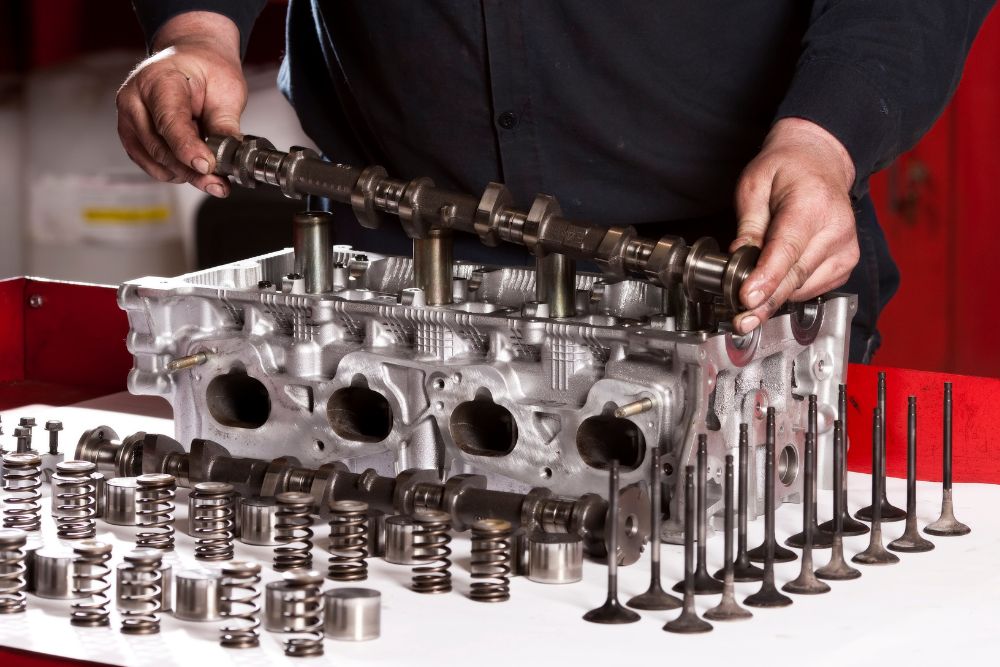
An engine replacement is one of the biggest repair decisions a vehicle owner can face. The estimate should do much more than show a single figure beside the words “engine replacement.” It needs to identify exactly what type of engine the shop intends to install and what is included in the quoted price.
Ask whether the replacement is new, remanufactured, rebuilt, or used. These descriptions are not interchangeable. A used engine may come from a salvage vehicle with an unknown service history, while a remanufactured unit has generally undergone a more extensive restoration process.
The Federal Trade Commission advises consumers to establish what type of replacement parts a repair shop will use because warranties and quality can differ.
The written estimate should also clarify whether the price includes labor, engine fluids, filters, belts, hoses, mounts, and other necessary components. Find out whether the shop will transfer accessories from the old engine or install replacement components. These details can significantly change the final bill.
Warranty terms deserve their own written explanation. Ask how long the engine and installation are covered, whether the warranty includes labor, and whether there are mileage limits or maintenance requirements. A parts-only warranty could leave you paying substantial labor costs if the replacement develops a problem.
Finally, establish how the shop will handle unexpected findings. If damaged wiring, cooling-system problems, or other faults are discovered during installation, a call and your approval are required before additional work begins. A signed estimate with a clear authorization limit gives both sides a record of what was agreed.
2. Transmission Replacement or Rebuild
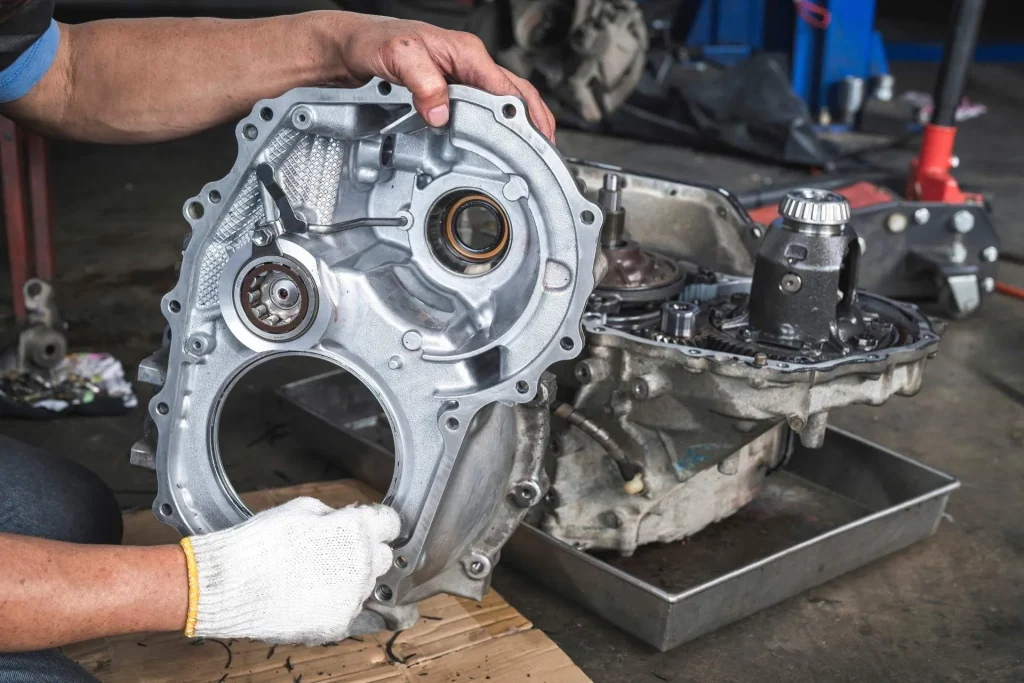
Transmission work can become confusing quickly because replacing a transmission and rebuilding the existing unit are very different jobs. Both may restore operation, but they involve different parts, labor requirements, warranties, and potential risks. Before authorizing either option, insist that the shop describe the proposed repair in writing.
For a replacement, establish whether the unit is new, remanufactured, rebuilt, or used. If the shop recommends a rebuild, ask which internal components will be inspected and which are expected to be replaced.
A vague description such as “transmission repair” does not tell you whether the work covers worn clutches, seals, bearings, solenoids, or other components. The final scope should be specific enough that you can compare another shop’s estimate fairly.
The estimate should separate the transmission or internal parts from removal, installation, fluid, filters, programming, and other labor. Some vehicles require electronic programming or adaptation procedures after transmission installation. Ask whether these are included rather than discovering an additional charge when the vehicle is ready.
Pay particular attention to the warranty. Does it cover the replacement unit, the labor to remove it again, and related components? Are there mileage limits or requirements for fluid changes? Get the answers in writing, not simply as verbal assurances.
Also agree on a diagnostic and teardown limit. A shop may need to remove a transmission pan or dismantle components before identifying the full damage.
Decide what the shop may do initially and require approval before it proceeds beyond that amount. This prevents a diagnostic authorization from quietly turning into permission for a much larger repair.
3. Brake System Overhaul
Brake repairs deserve a written estimate because the phrase “brake job” can describe anything from replacing pads to rebuilding several parts of the braking system. Without a clear breakdown, it is difficult to know what the shop intends to replace or whether the final bill matches the original discussion.
Start by asking for an inspection-based list of the affected components. The estimate should identify whether the work involves brake pads, rotors, calipers, hoses, brake lines, master cylinder, or other parts.
If the shop recommends replacing several components, ask what condition makes each replacement necessary. A recommendation to replace a caliper, for example, should come with an explanation of the fault rather than simply being included in a package price.
Labor and parts should be listed separately wherever possible. Also ask whether the quoted price includes brake fluid, bleeding the system, hardware, and any required electronic procedures.
Some modern vehicles have electronic parking brakes or integrated driver-assistance systems that require additional service steps.
The written document should identify the parts being installed and whether they are original-equipment, aftermarket, or remanufactured. The FTC advises consumers to ask what type of replacement parts will be used because quality, price, and warranty coverage can vary.
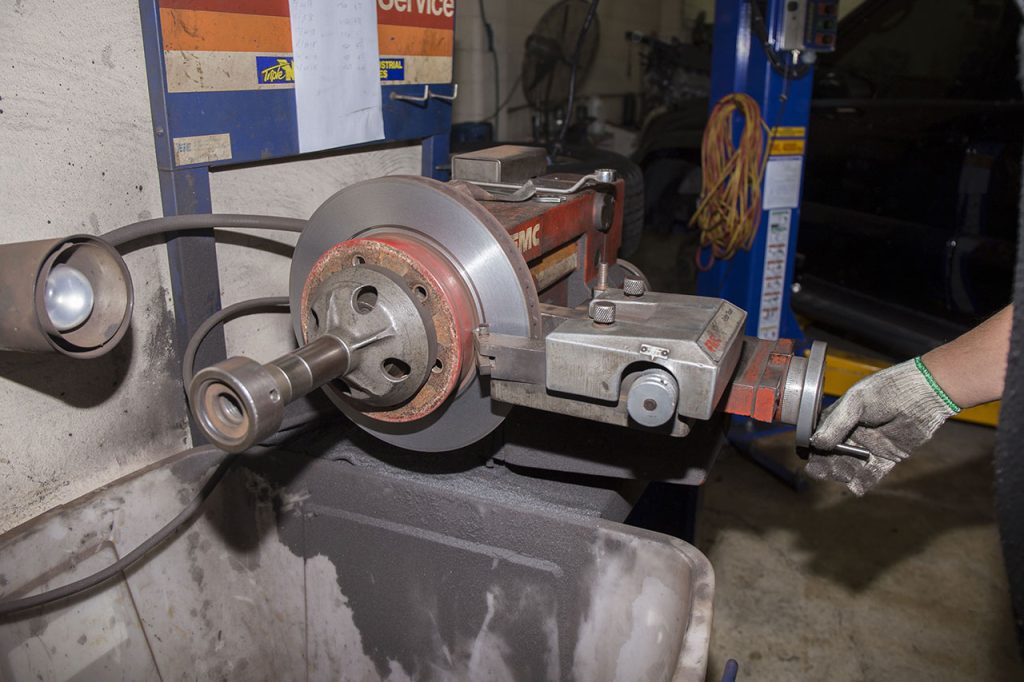
Most importantly, ask the shop to document its inspection findings. If the rotors are being replaced because they are below the manufacturer’s minimum thickness, request that measurement.
A clear record makes it easier to understand the recommendation and challenge unnecessary work. Since brakes are directly connected to vehicle safety, the goal is not simply to find the cheapest quote. It is to authorize the correct repair with a clearly defined scope.
4. Collision and Body Repairs
After a collision, the damage visible from outside may represent only part of the repair. A bumper that looks slightly misaligned could conceal damaged mounting points, sensors, brackets, or structural components. That uncertainty makes written documentation especially important before a body shop begins dismantling the vehicle.
Ask for an estimate that identifies the damaged areas and separates parts, labor, paint, materials, and related procedures. It should also explain whether panels will be repaired or replaced.
If replacement panels are proposed, establish whether they are new original-equipment parts, aftermarket parts, or used components. These categories can differ in price, fit, finish, and warranty.
Do not treat the first estimate as a guarantee that no additional work will be needed. Once damaged panels are removed, technicians may discover hidden damage that could not reasonably be identified during the initial inspection. However, that should lead to a revised estimate and your approval, not an automatic increase in the bill.
California’s Bureau of Automotive Repair requires repair dealers to document estimates and obtain customer authorization before additional work begins. Its guidance specifically explains that revised work orders should describe the extra parts and labor, provide their costs, and state the revised total.
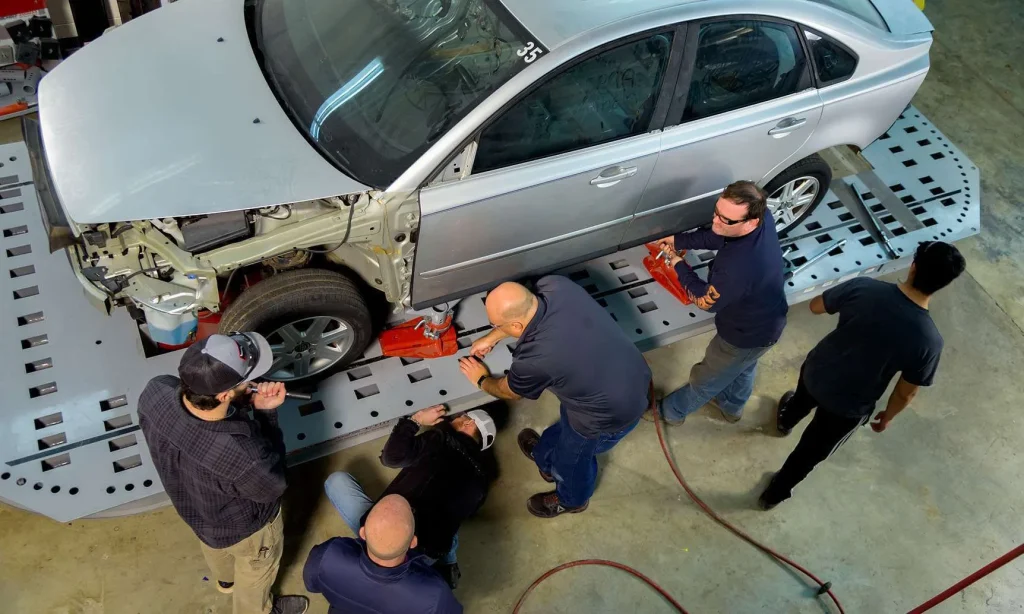
Another important detail to document is the expected completion date and how delays will be handled. Collision repairs may take longer due to parts shortages, additional inspections, or pending insurance approvals. Ask the repair shop to clarify who will communicate any changes to the schedule and whether storage fees may apply.
Keep copies of photographs, estimates, supplements, and invoices. If a disagreement develops about the quality or extent of the repair, those records provide a much clearer account of what was approved and completed.
5. Suspension and Steering Repairs
Suspension and steering problems can be deceptively expensive because several components may produce similar symptoms. A clunking noise, uneven tire wear, vibration, or loose steering could involve worn control-arm bushings, ball joints, tie rods, shocks, struts, wheel bearings, or other parts.
Getting the diagnosis and proposed work in writing helps prevent a broad repair recommendation from becoming an unnecessarily large bill.
Ask the shop to identify each component it believes has failed and explain the evidence. If a control arm is being replaced, for example, the estimate should state whether the problem is a damaged ball joint, worn bushing, bent arm, or another defect. If several suspension components are recommended together, request a separate price for each item.
The estimate should distinguish parts from labor and identify whether the replacement components are original-equipment, aftermarket, or remanufactured. Also ask whether an alignment is included. Replacing certain steering or suspension components can alter wheel alignment, so an additional alignment charge should not come as a surprise.
Some vehicles use adaptive dampers, air suspension, or electronically controlled steering systems. These can involve specialized parts, diagnostic procedures, and calibration. The shop should identify those requirements before you approve the work.
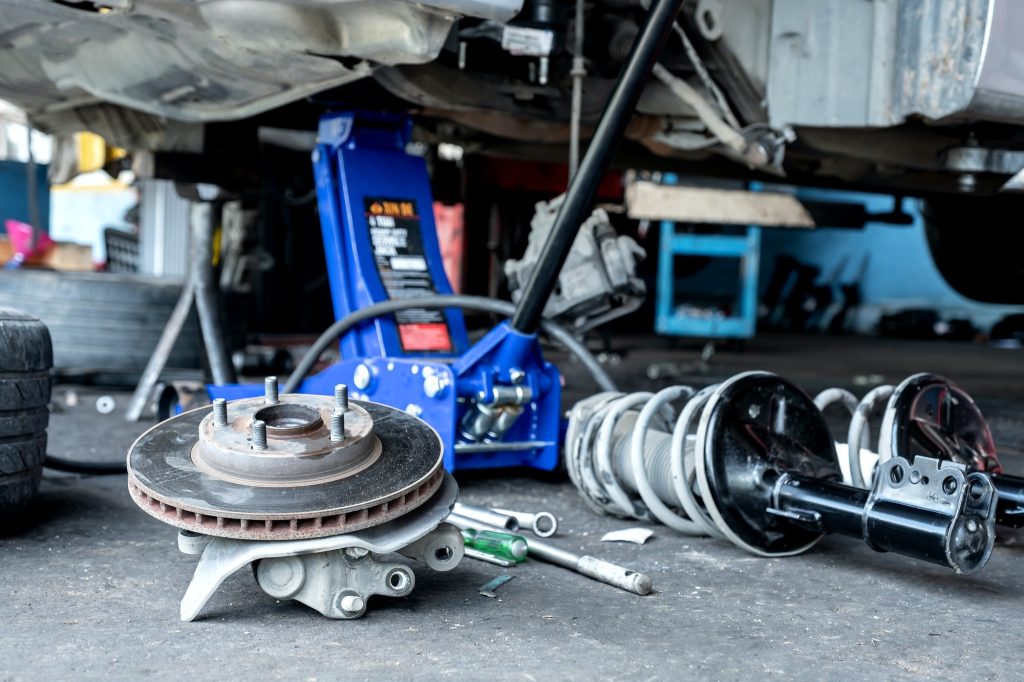
A written warranty is equally important. Confirm whether it covers the parts, installation labor, and any related adjustments. If the same noise returns shortly after the repair, you should have a record of exactly what was replaced.
The FTC recommends obtaining a written estimate that identifies the condition being repaired, required parts, and anticipated labor charges.
That documentation is particularly useful when a suspension inspection produces a long list of recommendations.
6. Electrical System and Wiring Repairs
Electrical problems can be among the hardest vehicle faults to price accurately. A car that repeatedly loses power, drains its battery overnight, displays several warning lights, or intermittently refuses to start may have a failing component, damaged wiring, a poor ground connection, or a control-module problem.
Replacing parts without identifying the cause can lead to repeated visits and unnecessary expense.
Before authorizing extensive electrical work, get the diagnostic charge and inspection scope in writing. Ask whether the shop will perform battery and charging-system tests, inspect wiring, check relevant fuses and grounds, or use a scan tool to investigate fault codes.
A diagnostic trouble code can point toward a system or circuit, but it does not automatically prove that a particular component has failed.
If the proposed repair involves replacing a wiring harness or control module, request a clear explanation of why that component is considered defective. The estimate should identify the affected circuit or module, the part number where available, programming requirements, labor, and any additional components needed.
This is also a repair where authorization limits matter. Electrical diagnosis can uncover additional problems once technicians remove trim panels or access wiring. Agree that the shop must contact you before exceeding the approved amount or expanding the work.
Texas consumer guidance specifically recommends written authorization for inspection, testing, diagnosis, and disassembly, including the charges and actions involved.
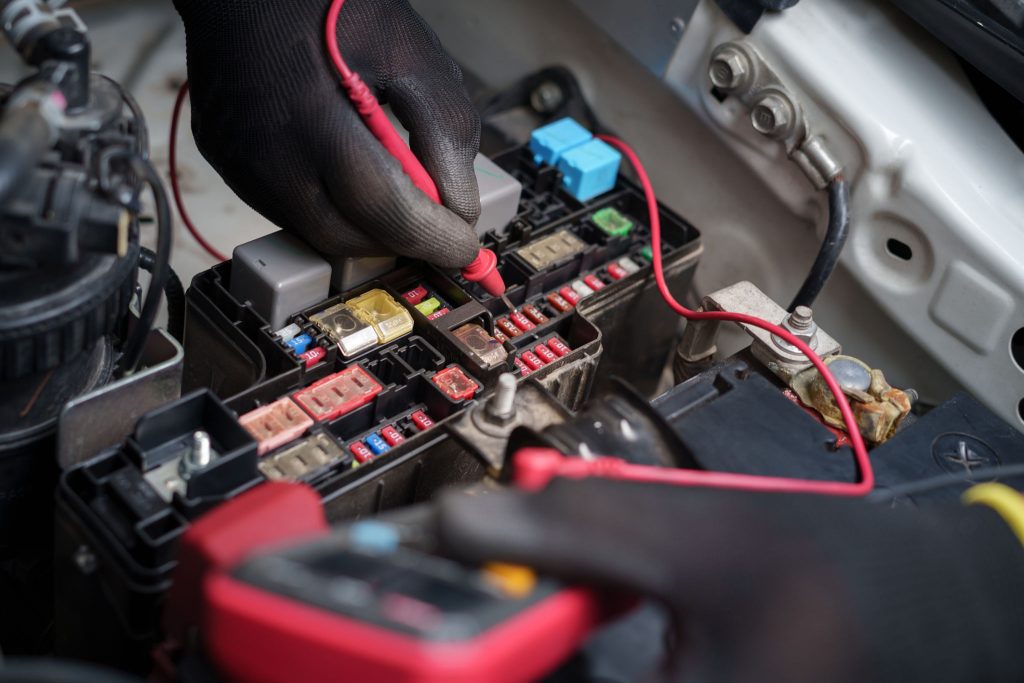
Finally, ask whether the repair includes testing after installation. A replacement module or repaired wire should be checked to confirm that the original fault has been resolved and that related systems operate correctly. A detailed invoice gives you a record if the same electrical issue returns.
7. Air Conditioning System Repairs
An air conditioning complaint can lead to a surprisingly large repair estimate because several different faults produce similar symptoms. Weak cooling might come from a refrigerant leak, failed compressor, damaged condenser, faulty expansion valve, electrical problem, or restricted airflow.
Replacing the compressor without identifying the underlying cause could leave the original problem unresolved and waste a substantial amount of money.
Before approving the work, ask the shop to document its diagnostic findings. The estimate should state whether the system was pressure-tested, whether a leak was identified, and which components are believed to have failed.
If the compressor is being replaced, ask whether the shop has checked for contamination or debris that could affect the replacement unit.
The written estimate should separate the compressor, condenser, receiver-drier or accumulator, expansion valve, refrigerant, and labor wherever those items are part of the proposed repair.
Not every vehicle needs all these components replaced, so ask why each one is included. Also establish whether the quoted price covers evacuation, leak testing, recharging, and performance verification.
Refrigerant handling is another reason to use a qualified repair facility. EPA rules under Section 609 of the Clean Air Act require technicians who service motor vehicle air conditioning systems for payment to be properly certified when handling regulated refrigerants.
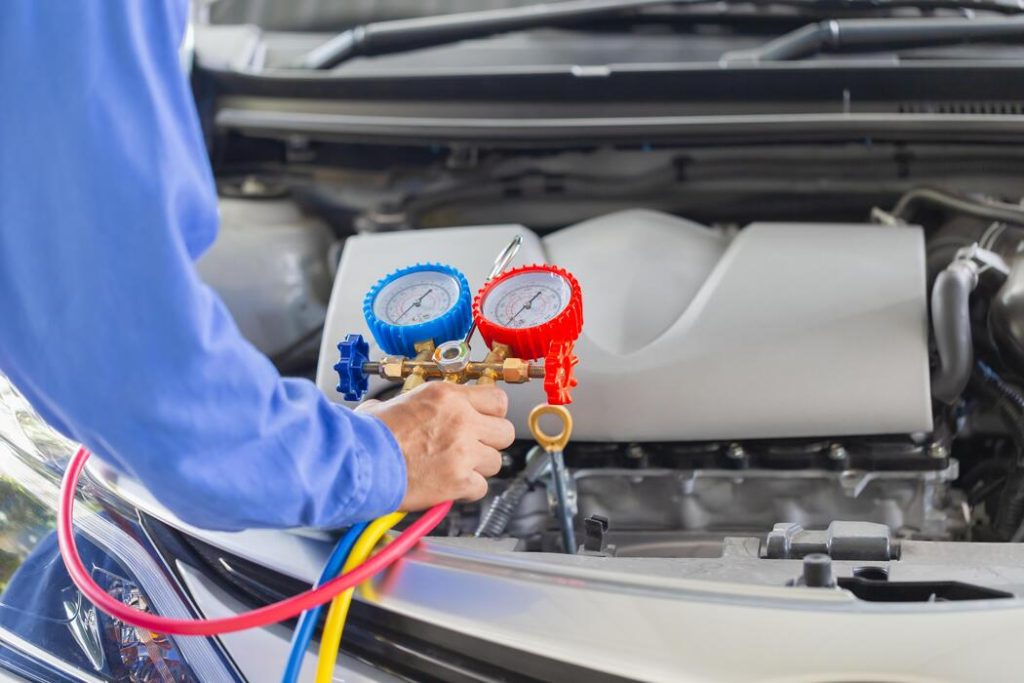
Ask whether the estimate includes a warranty on both the replacement component and installation. If the shop discovers another leak after the system is opened, it should provide a revised estimate before proceeding.
Air conditioning repairs are easier to evaluate when the diagnosis, parts, refrigerant work, and final testing are all recorded instead of bundled into one unexplained charge.
8. Timing Belt and Major Scheduled Maintenance
Timing belt replacement is a repair worth documenting carefully because the job may involve several components and can carry serious consequences if performed incorrectly. The belt synchronizes the crankshaft and camshaft. If it fails while the engine is running, some engines can suffer extensive internal damage when pistons and valves collide.
Start by checking the manufacturer’s maintenance schedule rather than relying on a generic mileage recommendation. Replacement intervals vary by vehicle, engine, and sometimes model year.
The written estimate should identify the specified service interval and explain whether the belt is due because of mileage, age, visible damage, or another manufacturer instruction.
Ask whether the quote covers only the belt or a complete service kit. Depending on the engine, the job may involve tensioners, idler pulleys, seals, and a water pump. These items should be individually identified, with parts and labor costs explained.
Replacing related components during the same labor-intensive procedure may make financial sense, but the shop should explain which replacements are required and which are recommendations.
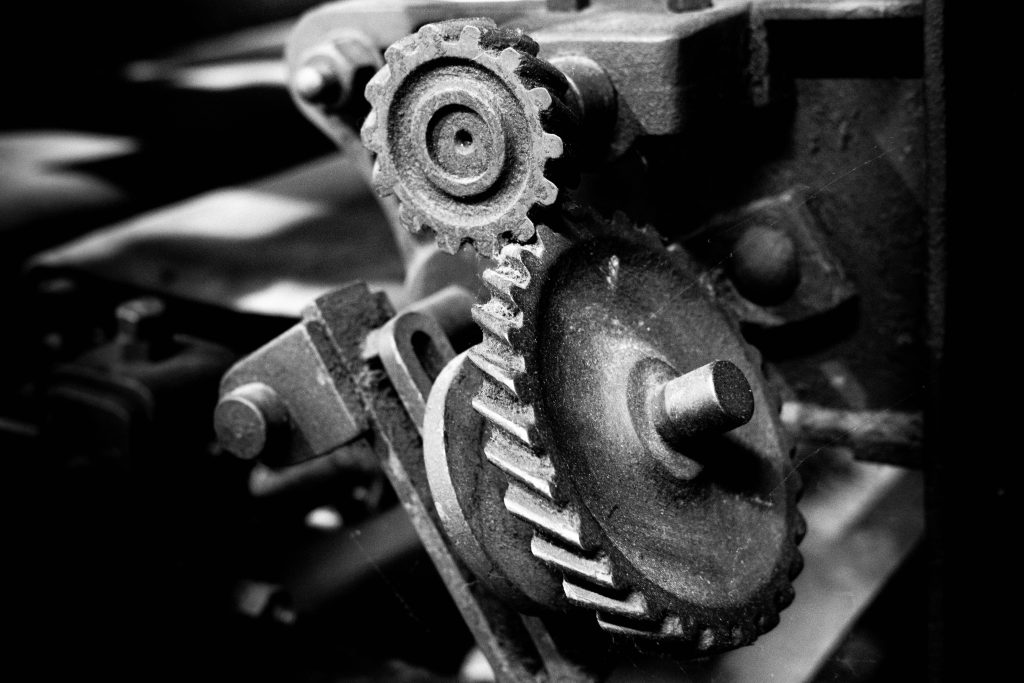
The estimate should also state whether coolant, other fluids, and replacement hardware are included. If the water pump is driven by the timing belt, clarify whether it is being replaced as part of the job and why.
Get the warranty and installation terms in writing. Ask whether the shop will document the parts installed and the date and mileage of the service. That record is valuable when the next replacement interval approaches or when you sell the vehicle.
A timing belt invoice should leave no doubt about what was replaced, what was inspected, and when the work was completed.