
A vehicle’s first five years can give a misleading picture of its long-term affordability. As warranties expire, components age, and mileage accumulates, maintenance and repair expenses can become substantially higher.
CarEdge’s five-year and ten-year maintenance cost estimates help identify which brands experience the largest increase in projected spending during years six through ten.
By subtracting the five-year estimate from the ten-year estimate, we can compare the additional costs associated with that second ownership period. These figures are projected maintenance and repair expenses, not guaranteed bills, but they reveal important differences between automakers.
1. Ram
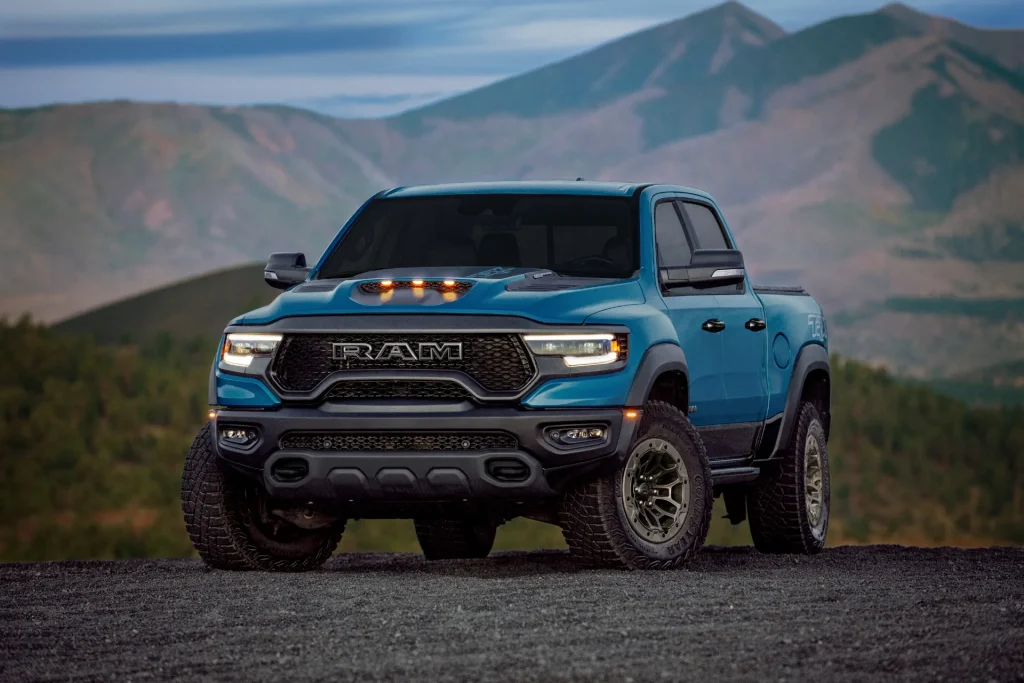
Ram takes the top position in this comparison, with a particularly large increase in projected maintenance spending after the fifth year. CarEdge estimates five-year maintenance costs at $6,638, rising to $21,507 over ten years.
Subtracting those figures produces an additional $14,869 for years six through ten. That represents an average of approximately $2,974 annually during the second five-year period.
This difference deserves attention from buyers considering used Ram pickups. Trucks can experience demanding working conditions, including towing, hauling, frequent idling, and driving on rough surfaces.
These conditions can increase wear on suspension components, brakes, tires, cooling systems, and drivetrain parts. A truck used regularly for heavy-duty work may therefore have a very different maintenance history from one used primarily for commuting.
The figures should not be interpreted as a prediction that every Ram owner will spend nearly $15,000 between years six and ten.
CarEdge provides estimated cumulative ownership costs across its brand data, not a fixed invoice for a particular model. Engine, drivetrain, mileage, usage, and maintenance history all influence actual expenses.
For used buyers, the important step is checking how the truck was used before purchasing it. Look for evidence of frequent towing, inspect the transmission and suspension, and review service records for fluid changes and scheduled maintenance.
Ram’s figures show why an attractive used-truck price can become less appealing when long-term maintenance is considered. The first five years may represent only part of the financial commitment.
2. Maserati
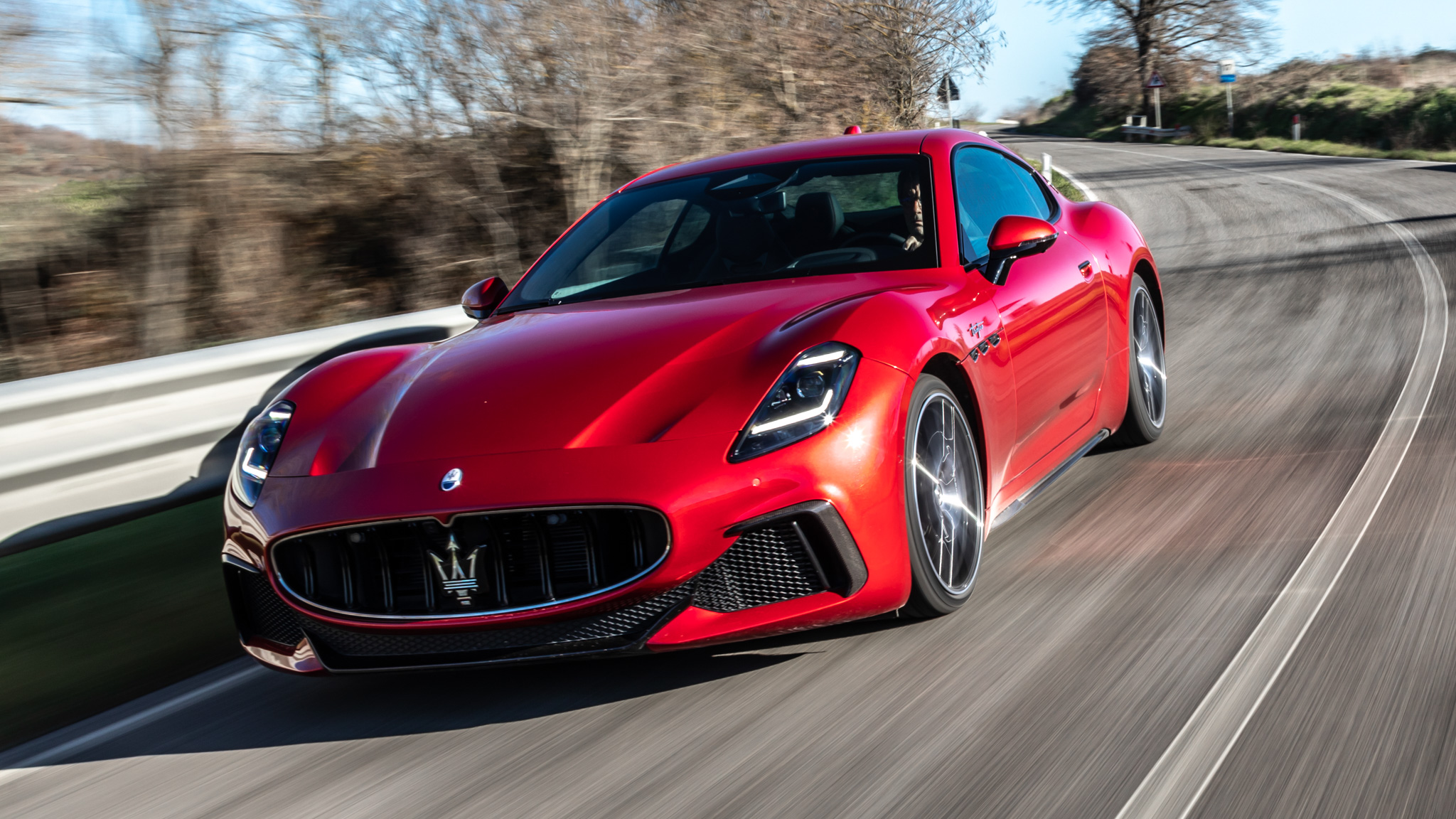
Maserati presents a different ownership challenge from Ram. Its vehicles occupy the luxury-performance market, where specialized components, premium mechanical systems, and expensive replacement parts can make aging vehicles costly to maintain.
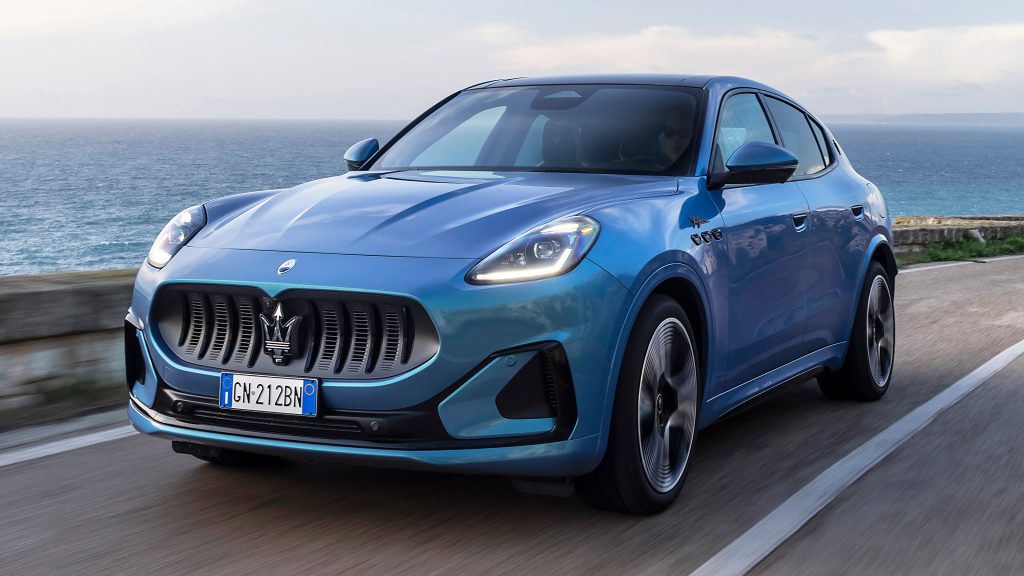
CarEdge estimates five-year maintenance spending at $5,182, increasing to $15,121 over ten years. The additional projected expenditure during years six through ten is $9,939, or approximately $1,988 per year.
The increase is especially relevant to shoppers attracted by depreciated used Maserati prices. A vehicle that originally carried a substantial luxury price tag can become surprisingly affordable on the secondhand market. However, depreciation does not make its engineering, parts, or servicing requirements equivalent to those of an ordinary used sedan.
Model selection matters considerably. A Ghibli, Levante, and Quattroporte have different mechanical layouts and service requirements.
Engine configuration, transmission, suspension equipment, and previous maintenance can all affect the eventual bill. A neglected example can be considerably more expensive to restore than a carefully maintained one.
Before buying, obtain a specialist inspection rather than relying exclusively on a general used-car check. Ask for diagnostic scans, service invoices, evidence of scheduled fluid changes, and confirmation that previous warning lights or mechanical faults were properly addressed.
Maserati’s projected increase does not mean every vehicle will develop serious problems after five years. It highlights the financial exposure associated with keeping a premium-performance brand for a longer period. Buyers should calculate maintenance reserves before treating a low used purchase price as a bargain.
3. Jeep
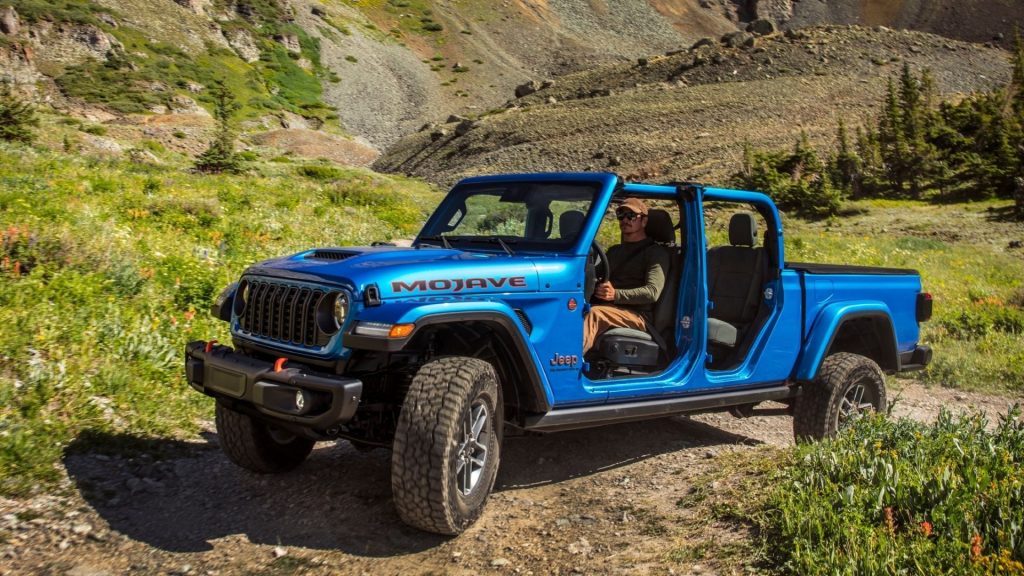
Jeep moves into third place, with projected maintenance spending rising considerably during the second half of the first decade. CarEdge estimates five-year maintenance costs at $3,715, increasing to $11,605 over ten years. The difference is $7,890 for years six through ten, equivalent to approximately $1,578 annually during that period.
This increase is particularly relevant to buyers considering used SUVs such as the Wrangler, Grand Cherokee, and Compass. These vehicles serve different purposes, but their components can experience considerable wear depending on how they are driven.
Off-road use, towing, frequent short journeys, and rough-road conditions can place additional demands on suspension parts, brakes, tires, cooling systems, and drivetrains.
Jeep ownership also involves a distinction between routine maintenance and unexpected repairs. Regular fluid changes, brake servicing, and tire replacement are predictable expenses. Problems involving four-wheel-drive components, electronic systems, or transmission hardware can be considerably more disruptive to a household budget.
CarEdge’s brand figures are projections based on its maintenance-cost model, not a guarantee that every Jeep will cost $11,605 to maintain. Individual model years, engines, mileage, and driving conditions can produce very different results.
A used Jeep deserves an inspection that includes its transfer case, differentials, suspension, underbody, and transmission. For vehicles with off-road histories, check for damaged skid plates, leaks, and evidence of poorly repaired modifications.
The increase after year five is a reminder that buying a used Jeep at a reduced price does not eliminate the cost of maintaining its mechanical systems.
4. Chrysler
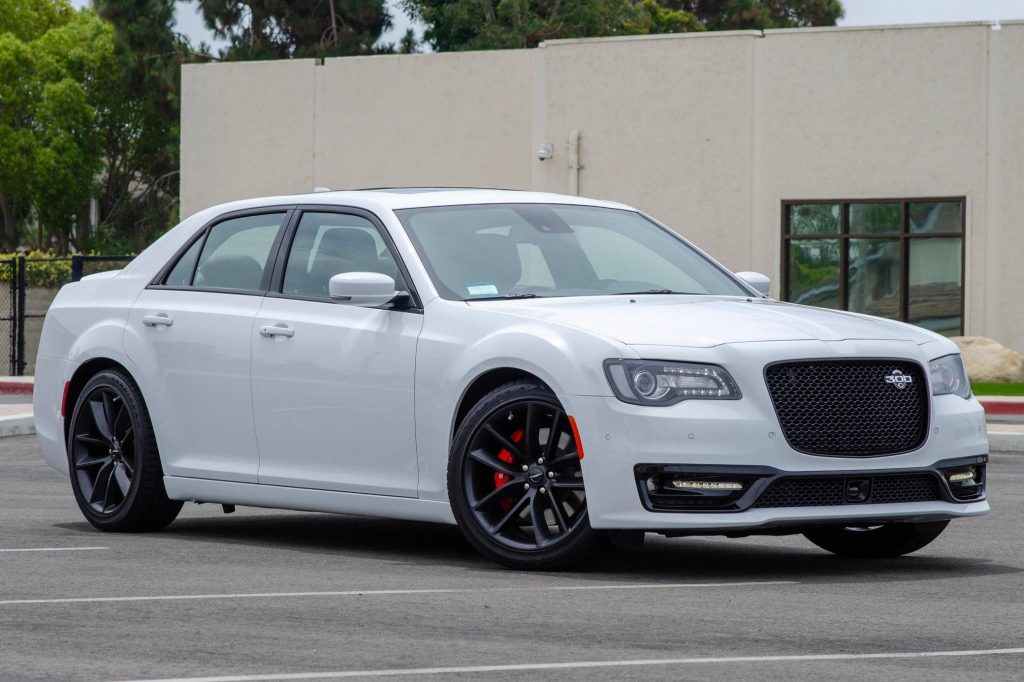
Chrysler ranks fourth, with CarEdge projecting a substantial increase in maintenance spending during the second five years of ownership. Its estimated five-year cost is $3,565, while the ten-year projection reaches $11,334. That creates an additional $7,769 in estimated expenses during years six through ten, averaging approximately $1,554 annually.
The brand’s current U.S. lineup is much narrower than it once was, so used-car shoppers will encounter many older Chrysler vehicles. The Pacifica and discontinued 300 are particularly relevant examples, although their mechanical layouts and maintenance requirements differ.
For the Pacifica, owners should pay attention to transmission operation, sliding-door mechanisms, electrical equipment, and cooling-system condition.
The Chrysler 300 requires a different inspection approach, particularly around its engine, suspension, and available V6 or V8 drivetrain components. These are inspection priorities, not claims that every vehicle develops these faults.
CarEdge’s separate Chrysler cost curve also shows annual estimated costs increasing from $462 in year one to $1,699 in year ten. Its projected probability of a major repair reaches 32.82% by the tenth year. CarEdge defines a major repair as one exceeding $500 in parts and labor.
These figures should be treated as ownership estimates rather than guaranteed expenses. A well-maintained Pacifica may cost considerably less than a neglected example with overdue servicing.
For used buyers, the important lesson is to examine maintenance records and budget for age-related repairs before purchasing an inexpensive Chrysler.
5. Dodge
Dodge ranks among the brands where projected repair and maintenance spending rises considerably after the first five years. CarEdge estimates that maintaining and repairing a Dodge during its first five years costs approximately $3,538.
Over ten years, that projected figure increases to $11,174. The difference is $7,636, equivalent to an average of roughly $1,527 per year during years six through ten. These are brand-level estimates, not guaranteed expenses for every Dodge model or owner.
The increase matters because many Dodge vehicles are purchased for their performance, size, or towing capability. Models such as the Charger, Challenger, Durango, and Hornet have different mechanical layouts, so their repair needs are not identical.
A performance-oriented vehicle may have more expensive tires and brake components, while a larger SUV can carry higher costs for suspension, cooling, and drivetrain repairs. The exact expense depends on the model year, engine, mileage, driving conditions, and maintenance history.
The age of the vehicle also changes what owners need to budget for. Rubber hoses, belts, seals, suspension bushings, and other components gradually deteriorate.
Cooling-system parts, sensors, and electrical components can also require attention as mileage builds. These repairs do not necessarily happen together, but several age-related jobs can arrive within the same ownership period.
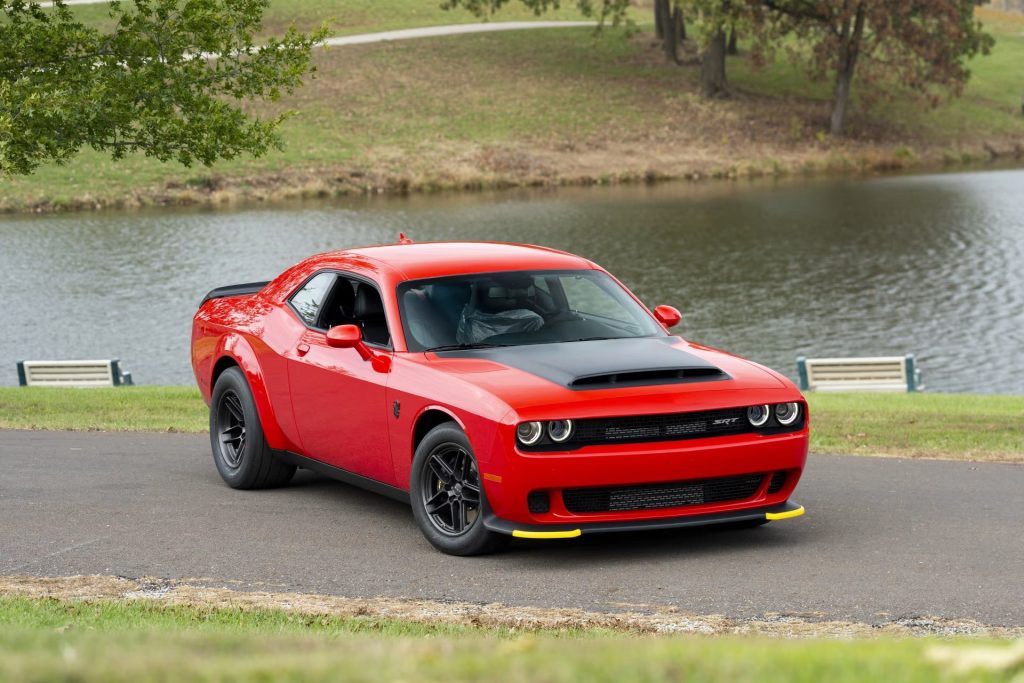
Dodge’s projected increase is therefore worth considering before buying a used model that is approaching or has passed its fifth birthday. A lower purchase price may look attractive, but it should be weighed against the vehicle’s service records and condition.
An independent inspection can help identify existing leaks, worn suspension parts, warning lights, and deferred maintenance before they become the next owner’s expense.
6. Ford
Ford’s projected maintenance and repair costs also climb substantially between the five-year and ten-year ownership marks. CarEdge places the brand’s estimated expense at approximately $3,296 during the first five years and $10,313 over ten years.
That creates a difference of $7,017 for the second five-year period, or about $1,403 per year on average. The figures are estimates across the brand’s vehicles, not a prediction of what every Ford owner will spend.
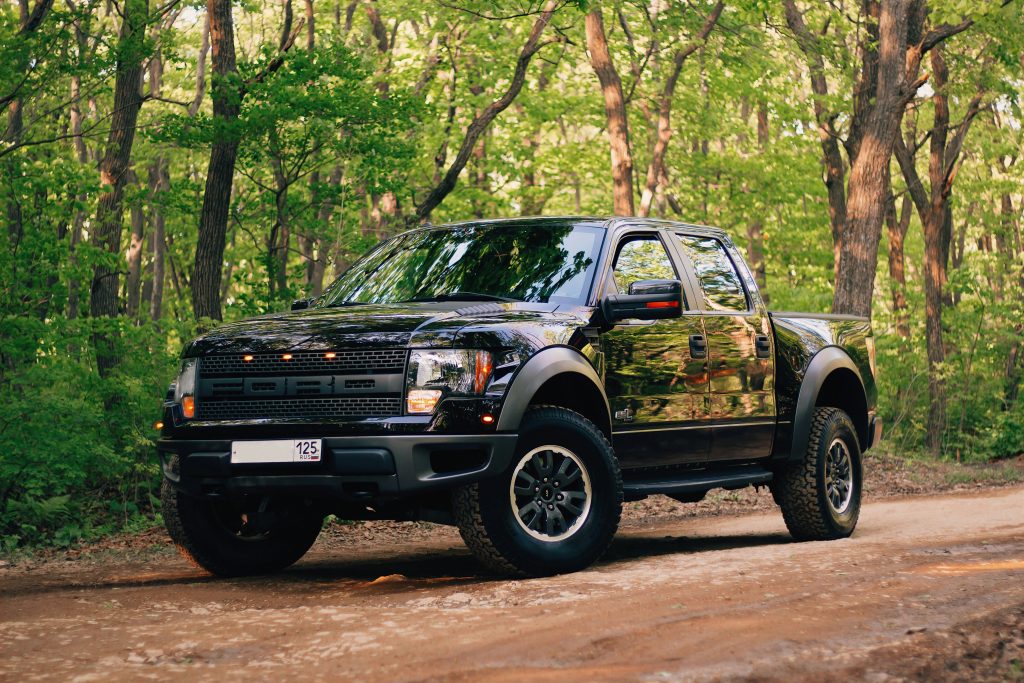
Ford’s broad lineup makes it especially important to look beyond the brand average. A compact car, a family SUV, and a full-size pickup do not have the same maintenance requirements or repair costs. An F-150 used for towing or frequent hauling may experience different wear from one driven mostly on highways.
Meanwhile, an older Escape or Explorer may need attention to suspension, cooling, electrical, or drivetrain components as mileage increases. Engine and transmission configuration can also make a meaningful difference.
The years after the factory warranty expires are when owners may begin paying directly for repairs that were previously covered, subject to the warranty’s terms and exclusions.
Normal wear items such as brakes, tires, and suspension components also become more relevant as mileage accumulates. A vehicle with consistent servicing may avoid some preventable problems, although maintenance cannot eliminate age-related failures.
For used-car shoppers, Ford’s projected increase is a reason to examine the specific vehicle rather than assume every model will be inexpensive to maintain. Check for documented fluid services, completed recalls, signs of leaks, and evidence of previous repairs.
A pre-purchase inspection is particularly useful on higher-mileage trucks and SUVs, where deferred maintenance can quickly turn an appealing purchase price into a more expensive ownership decision.
7. Chevrolet
Chevrolet’s projected maintenance and repair costs rise from approximately $3,082 during the first five years to $9,602 over ten years, according to CarEdge.
That represents an additional $6,520 during years six through ten, averaging about $1,304 annually. Although this is lower than the increases projected for Ram, Maserati, Jeep, Chrysler, and Dodge, it still represents a meaningful second-half ownership expense.
One reason the brand average needs context is Chevrolet’s wide model range. An Equinox, Malibu, Silverado, and Corvette have very different mechanical requirements. A pickup used for regular towing may experience more wear on its brakes, suspension, tires, and drivetrain than a passenger car used mainly for commuting.
Performance models can also carry higher parts and labor costs when specialized components need replacement.
As vehicles age, owners may face a combination of routine maintenance and unexpected repairs. Cooling-system components, suspension parts, sensors, seals, and electrical equipment can all require attention depending on the vehicle’s condition and mileage.
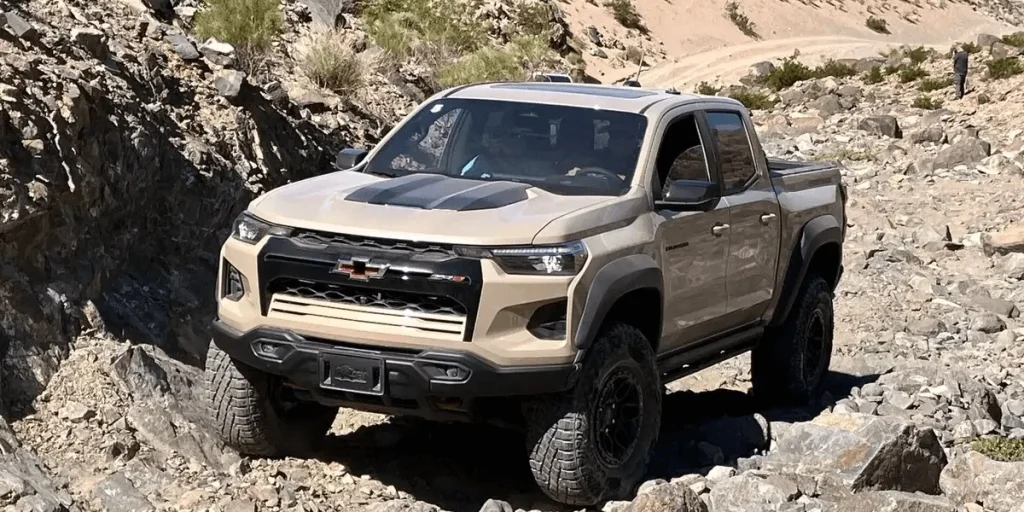
The timing of those expenses is difficult to predict, but the CarEdge figures indicate that the second five years can be considerably more expensive than the first.
Used Chevrolet buyers should pay particular attention to service records and the vehicle’s intended previous use. A well-maintained car with consistent fluid changes and documented repairs may be a better purchase than a cheaper example with an incomplete history.
For trucks and SUVs, inspecting the suspension, brakes, cooling system, and drivetrain is especially worthwhile before committing to a purchase.
8. GMC
GMC’s estimated maintenance and repair spending increases from $3,081 in the first five years to $9,398 over a ten-year period. The difference is $6,317, which works out to approximately $1,263 per year during the second half of ownership.
These CarEdge projections place GMC close to Chevrolet, although the two brands’ figures should not be treated as identical for every model.
GMC’s lineup is heavily focused on SUVs and trucks, including the Terrain, Acadia, Yukon, Canyon, and Sierra. These vehicles serve different purposes, but larger models and work-oriented pickups can face substantial operating demands.
Regular towing, hauling, frequent stop-and-go driving, and rough-road use can accelerate wear on certain components. That does not mean every GMC will develop expensive problems, but the way a vehicle is used can influence its long-term repair needs.
The years after the fifth year can also bring expenses that are less common when a vehicle is relatively new. Suspension components, wheel bearings, cooling-system parts, and electrical equipment may need attention as mileage accumulates.
On larger SUVs and pickups, the cost of tires and brake components can also be high because of their size and specifications.
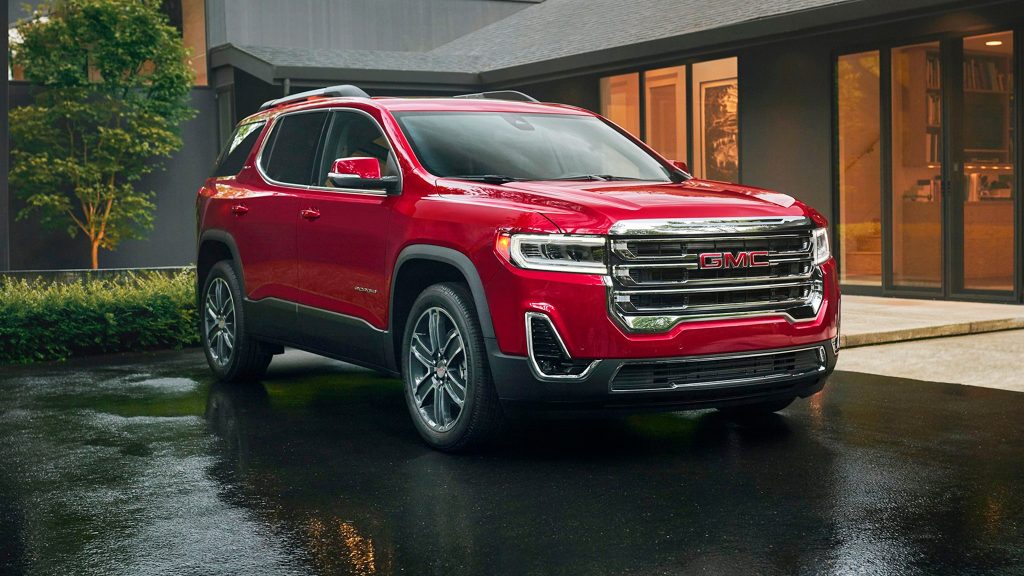
Anyone considering a used GMC should check whether previous owners followed the recommended maintenance schedule. On a Sierra or Canyon, it is sensible to ask about towing history and inspect the underbody for damage or signs of neglected repairs.
For an Acadia or Yukon, a thorough inspection of the engine, transmission, suspension, and electrical systems can help identify problems before they become the buyer’s responsibility.
9. Buick
Buick’s projected maintenance and repair costs rise from approximately $2,834 during the first five years to $8,993 over ten years, according to CarEdge.
That creates an additional $6,159 in projected expenses during years six through ten, averaging roughly $1,232 annually. Buick costs less to maintain than several brands higher on this list, but the increase is still substantial enough to affect long-term ownership budgets.
Buick’s lineup consists primarily of crossovers and SUVs, including the Encore GX, Envista, Envision, and Enclave. Their maintenance requirements vary with engine configuration, mileage, and vehicle size.
A smaller Envista used for commuting will not necessarily have the same repair profile as a larger Enclave carrying passengers regularly or covering long distances.
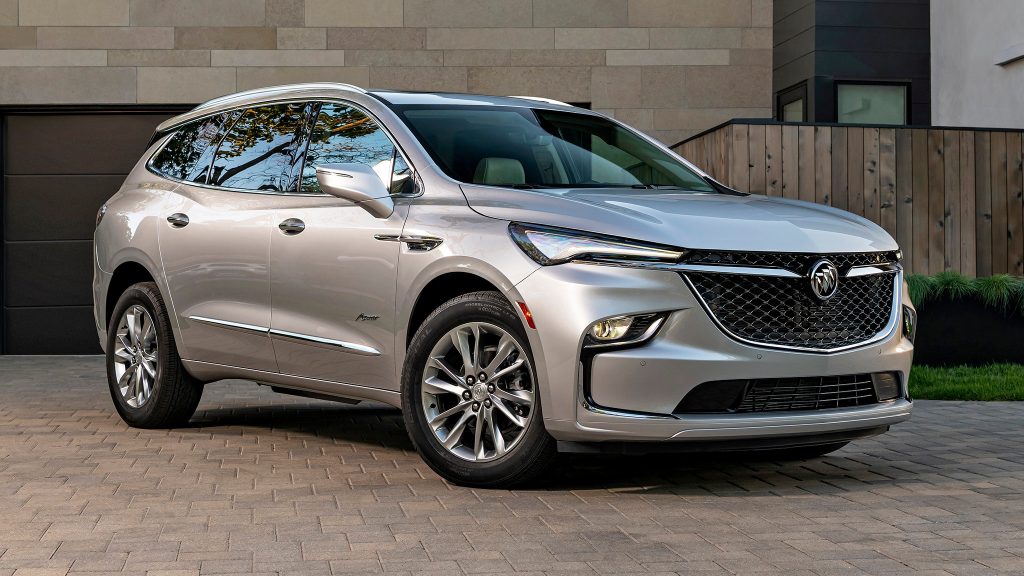
Once a vehicle passes the five-year mark, owners may begin facing higher costs for suspension parts, cooling systems, sensors, electrical components, and other aging equipment. Buick’s CarEdge cost estimates reflect this upward trend, with annual maintenance and repair expenses increasing from $823 in the fifth year to $1,076 in the sixth year and reaching $1,347 by the tenth year.
For used-car buyers, this makes maintenance history particularly important. A Buick with documented fluid changes, regular inspections, and timely repairs may be a more sensible purchase than a cheaper example with an uncertain service record.
Before buying, have a mechanic inspect the cooling system, suspension, brakes, engine, and transmission. The brand’s projected costs are not a reason to avoid every Buick, but they are a reminder that an attractive purchase price does not tell the complete ownership story.
10. Nissan
Nissan records the smallest five-to-ten-year cost increase among the ten brands in this article. CarEdge estimates approximately $2,410 in maintenance and repair expenses during the first five years and $7,384 over ten years.
The difference is $4,974, or an average of about $995 annually during years six through ten. That is considerably lower than the projected increases for the other nine brands discussed here.
However, a smaller increase does not mean every Nissan is inexpensive to repair. The brand sells a wide range of vehicles, from the Versa and Sentra to the Pathfinder, Frontier, and larger SUVs.
Repair costs depend on the specific model, engine, transmission, mileage, and maintenance history. Buyers should pay particular attention to the service history of vehicles with continuously variable transmissions, checking for documented fluid servicing and any previous transmission-related repairs.
CarEdge’s Nissan maintenance data also shows that projected annual costs rise as vehicles age. Its estimate increases from $679 in year five to $875 in year six and reaches $1,084 in year ten.
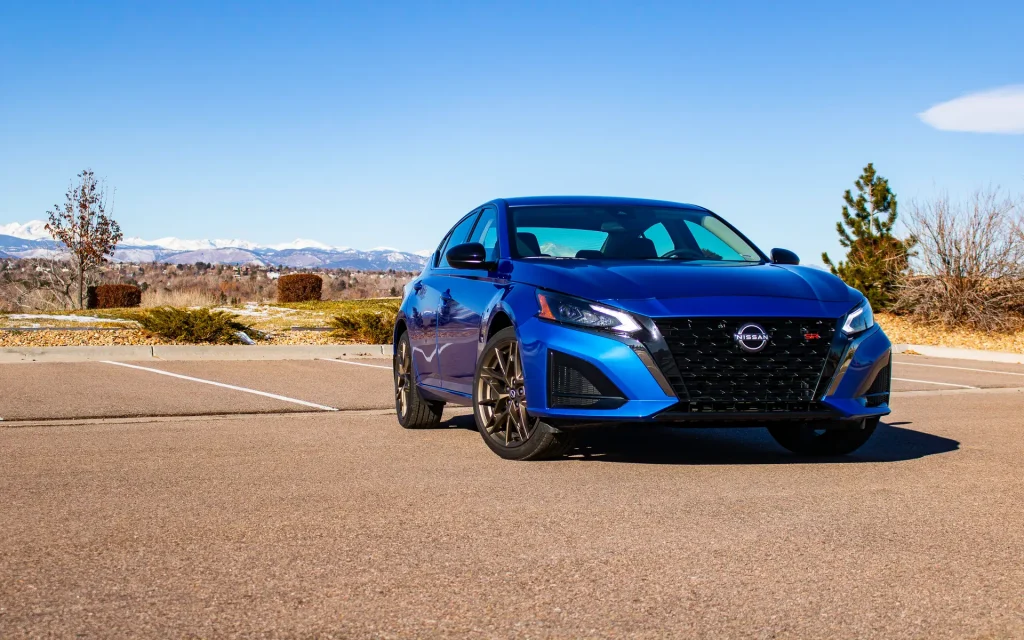
The same data places the ten-year probability of a major repair at 21.32%. CarEdge defines a major repair as one costing more than $500, including parts and labor.
For someone shopping for a used Nissan, the figures suggest that long-term costs may be more manageable than those of several brands higher on this list. Still, a pre-purchase inspection is worthwhile, particularly on higher-mileage examples.
Check for transmission concerns, suspension wear, fluid leaks, and overdue maintenance before deciding that a low asking price represents a genuinely inexpensive purchase.
