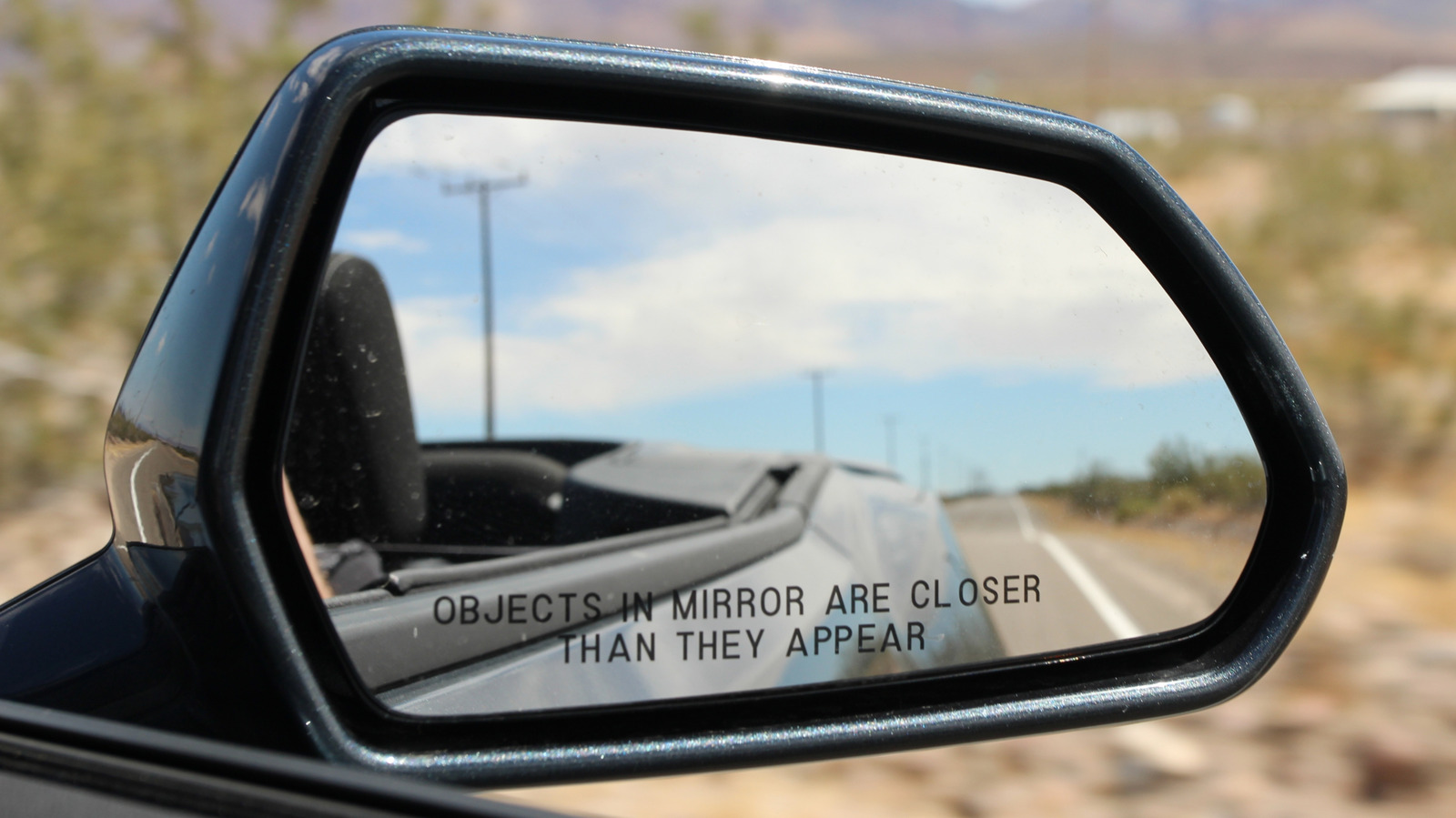
Your car can be perfectly legal in one state and a ticket waiting to happen in the next. Sounds dramatic, but vehicle equipment rules across the United States are far from uniform, and windows and mirrors are some of the biggest offenders. Tint darkness, mirror counts, windshield strips, even whether you can drive without doors all depend on where your wheels happen to be rolling.
Eight rules stand out for how much they change from one state to another. Whether you road trip often, plan to tint your windows, or love taking the doors off your Jeep, this guide could save you a fine and maybe a few headaches. Grab your keys, because a quick read now beats a roadside conversation later.
1. Front Side Window Darkness (VLT) Caps
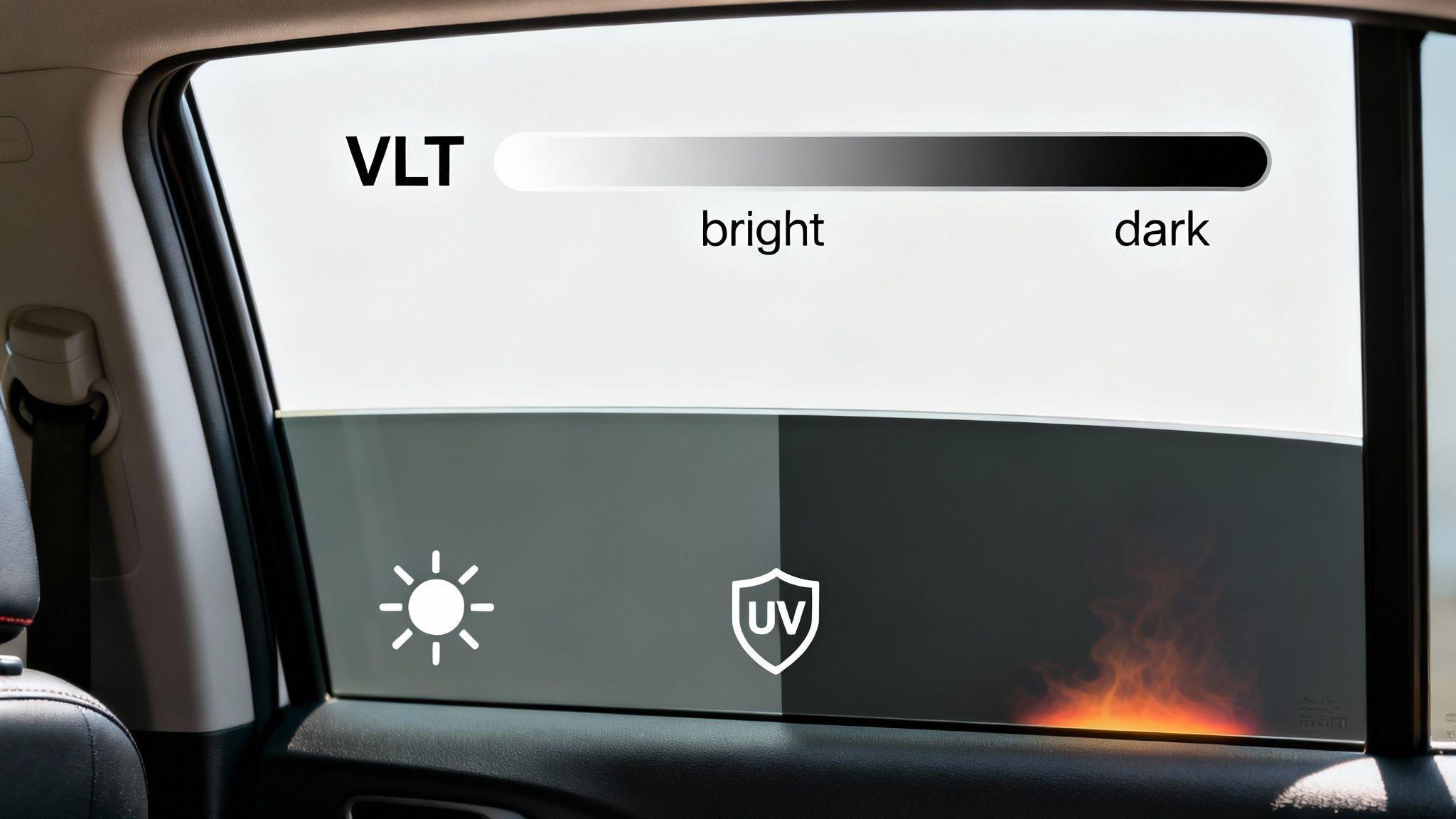
Window tint darkness is one of the first things drivers should check when traveling between states. Different states have their own limits on how dark the front side windows can be, and these restrictions are generally measured using Visible Light Transmission (VLT).
This percentage indicates how much natural light can pass through the tinted glass. A higher VLT percentage means lighter tint, while a lower percentage means darker tint.
Some states enforce particularly strict requirements. New Jersey, Vermont, and New Hampshire generally prohibit aftermarket tint on front side windows, subject to applicable exceptions.
California, New York, Pennsylvania, and Rhode Island also maintain strict VLT requirements, with limits that generally require substantial light transmission.
Other states allow darker window films. For example, New Mexico permits 20% VLT on certain windows, while Texas and Oklahoma generally allow 25% VLT on front side windows, subject to their specific regulations.
These differences matter when driving across state lines because a tint that meets the requirements where your vehicle is registered may attract attention elsewhere.
Before installing window film or taking a long road trip, check the current tint requirements in every state you plan to visit. Also, remember that factory-installed glass and aftermarket film may be treated differently under certain state laws.
2. The “Dual Mirror” Requirement for Tinted Glass
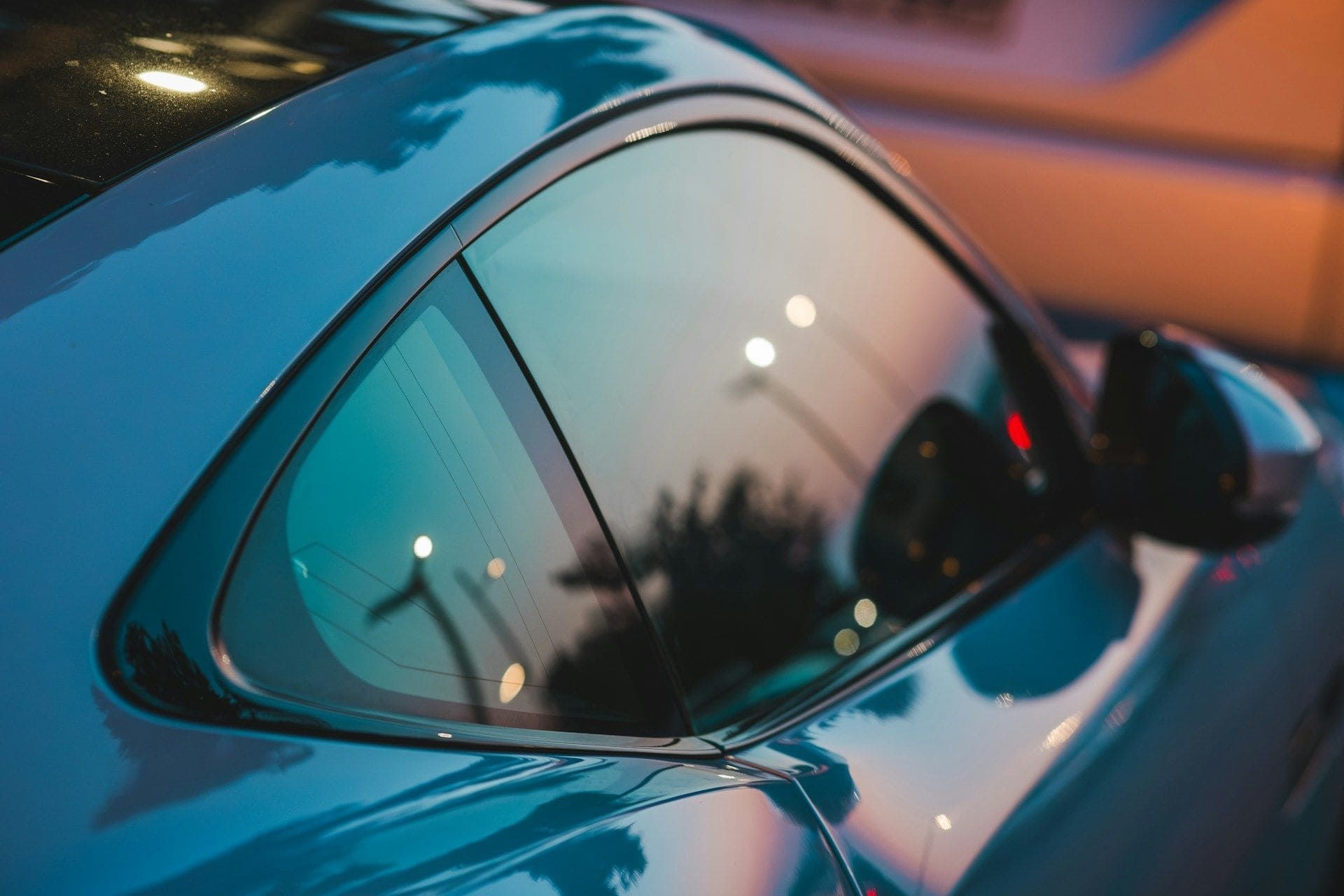
Dark rear window tint can improve privacy, reduce glare, and help limit the amount of sunlight entering your vehicle.
However, making your rear windshield or back side windows too dark can affect your ability to see traffic behind you. This is why several states require vehicles with heavily tinted rear glass to have two outside rearview mirrors.
The requirement is commonly called the dual mirror rule. It means that drivers must have functioning mirrors on both sides of the vehicle when the rear window is tinted beyond certain permitted levels or when visibility through the rear glass is otherwise restricted.
States such as California, New York, Arizona, Florida, and Illinois have regulations addressing outside mirror requirements when rear visibility is limited.
The exact conditions and applicable tint thresholds differ, so drivers should check their state’s current equipment laws.
Why does this matter? Your interior rearview mirror becomes less useful when the rear windshield is covered with very dark film. Without properly positioned outside mirrors, checking surrounding traffic, changing lanes, and reversing can become more difficult.
Before installing dark rear window tint, confirm whether your vehicle needs both outside mirrors to remain compliant. Check that the mirrors are securely mounted, properly adjusted, and provide a clear view of nearby traffic.
A little preparation can help you enjoy the privacy of darker rear glass without creating an equipment violation or compromising your ability to see other vehicles.
3. Doorless Driving and Side Mirror Mandates
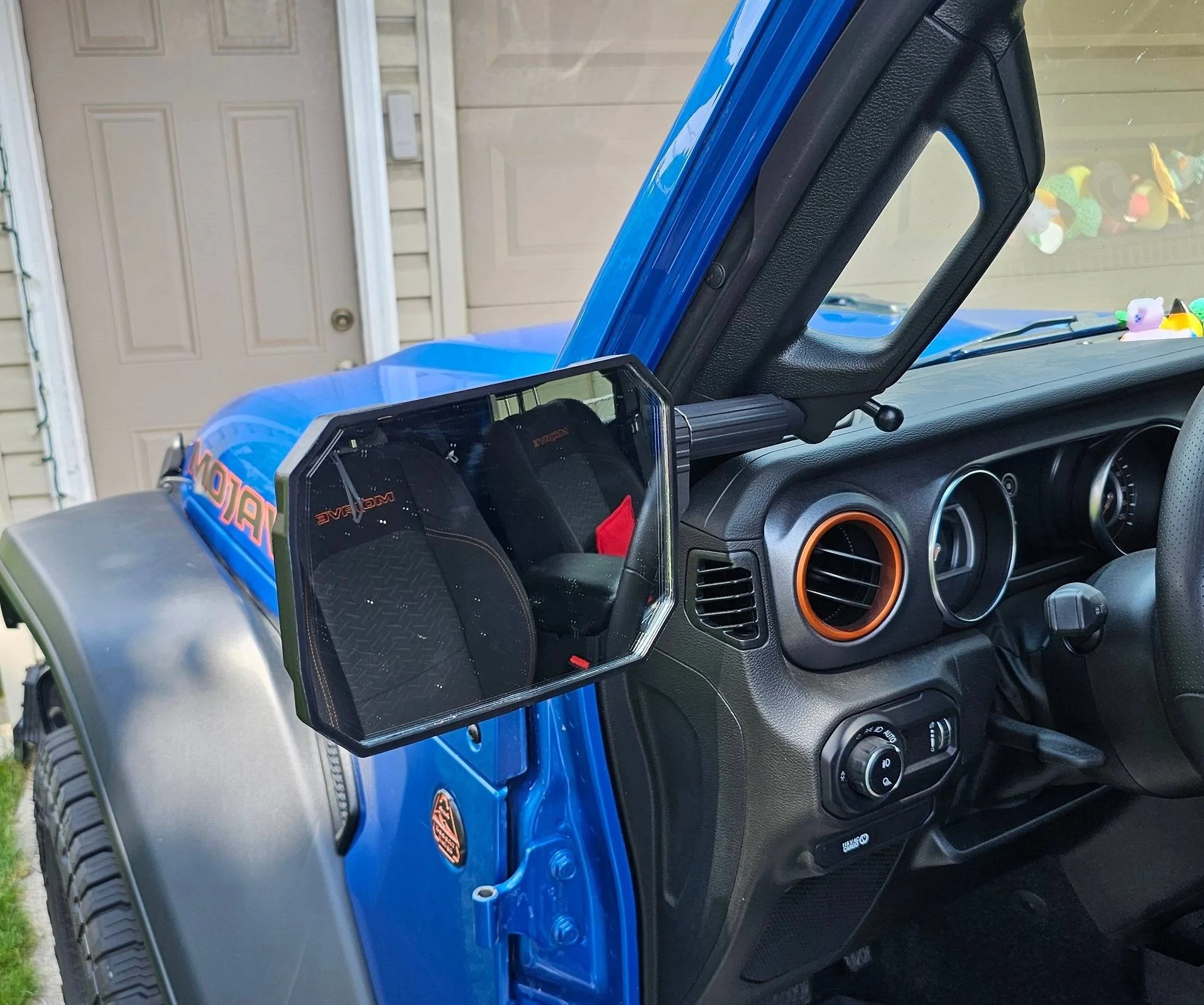
Jeep and Bronco owners, this one is for you. Taking the doors off feels like summer in vehicle form, yet mirror laws change from state to state the moment you do it.
On the r/Jeep online forum, users compiled data showing a clear consensus. Alaska and Kansas explicitly require a physical left-side mirror alongside a secondary mirror.
That means the mirror on the driver’s door, which usually leaves with the door, has to be replaced by something else, such as a mirror mounted to the body or the windshield frame.
Alabama and Connecticut are much more lenient. They legally allow doorless driving with only a center rearview mirror, as long as your view through the back glass stays entirely unobstructed.
That last part matters. A full cargo load or a tall item in the wrong spot could cancel the benefit.
A quick caution about the source. Forum posts are a helpful starting point, not an official legal text, so confirm any rule with your state’s motor vehicle agency before you rely on it.
Practical tip. If you love doorless days, buy a set of mirrors made for that purpose and keep them in the vehicle. Mount them before you drive, and check the view from your seat. Good mirrors make trail days safer, and they keep you on the right side of the law.
4. Windshield “AS-1 Line” Restrictions
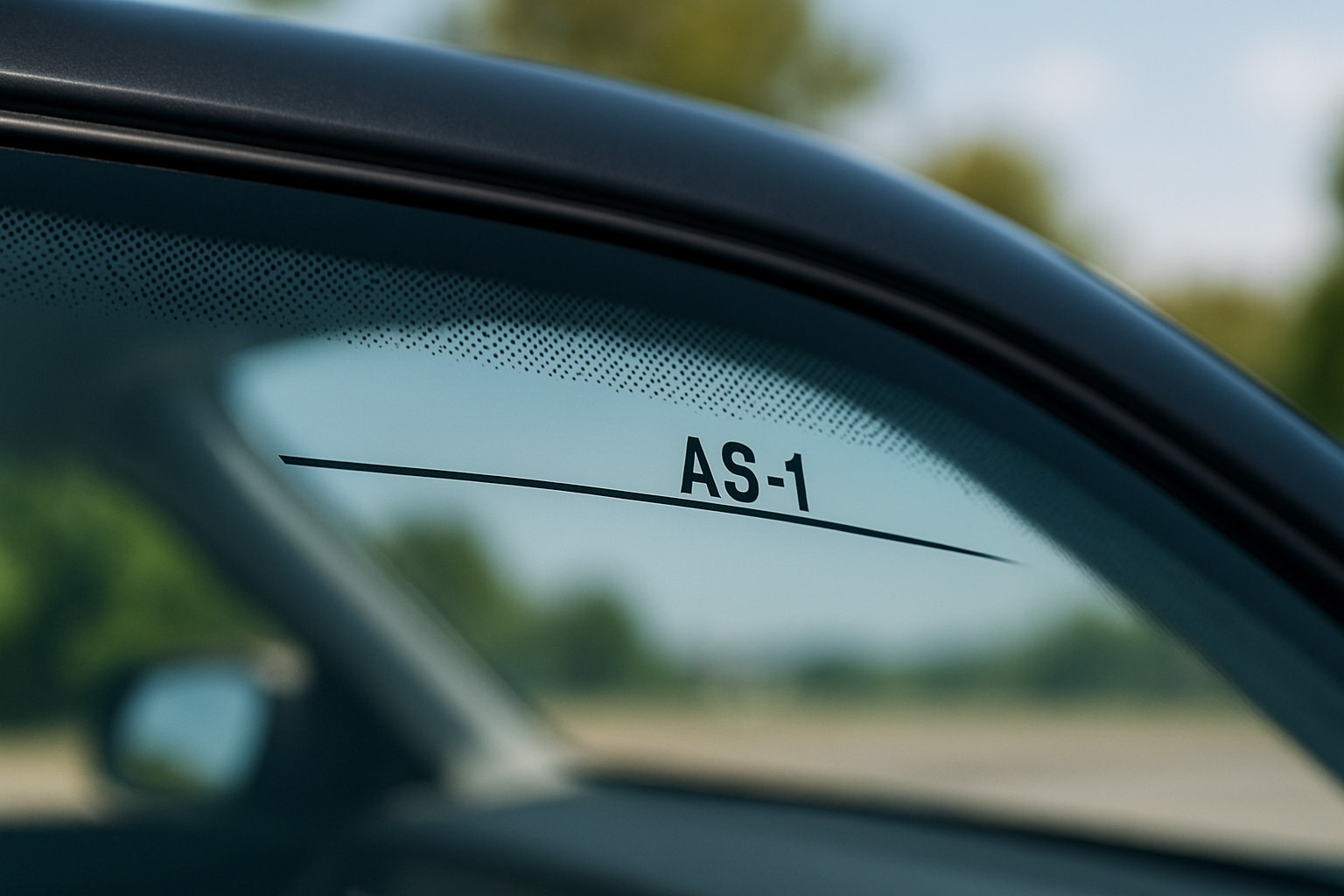
Take a look at the top of your windshield. See that faint etched line a few inches below the roof? That is the AS-1 line, and it matters more than most drivers realize.
You cannot legally tint a full front windshield in most states. Instead, states regulate the sun visor strip at the top of the glass. Most use the manufacturer’s AS-1 line as the boundary for non-reflective tint. Stay above the line, and you generally stay inside the rule.
What if your windshield has no AS-1 line? Then states enforce physical limits. Michigan and California limit the strip to the top 4 inches. New Mexico, Oklahoma, and Ohio cap it at 5 inches, while New York and Oregon allow up to 6 inches.
One or two inches may not sound like much, yet they can decide whether your strip passes or fails. An installer who cuts the strip a little too low can leave you with a violation the first time an officer pulls up beside you.
Here is a simple habit. Before the film goes on, ask the installer to show you the AS-1 line and explain where the strip will stop. If your windshield has been replaced, check that the new glass includes the marking.
Measure twice, tint once. A ruler and a minute of attention beat a ticket every time.

5. Ban on Metallic and Mirrored Finishes
Not all window films are created with the same appearance or reflective properties. Some aftermarket products use metallic or mirrored finishes designed to reflect sunlight and reduce the amount of heat entering a vehicle.
While these films may appeal to drivers looking for additional privacy and heat protection, certain finishes are restricted or prohibited by state law.
The main concern is excessive reflectivity. Highly mirrored window film can create glare for other motorists, particularly when sunlight strikes the glass. It may also make it harder for law enforcement officers to see into a vehicle when necessary.
States such as New Hampshire, New Jersey, New York, and North Dakota prohibit certain metallic or mirrored-appearance window films.
Other states allow limited reflectivity rather than banning every reflective product. North Carolina, for example, generally applies a 20% reflectivity limit, while Missouri allows up to 35% under its applicable rules.
Drivers should pay attention to product descriptions when shopping for aftermarket window film. A product marketed as heat-rejecting or reflective is not automatically legal for road use. Some films may provide excellent heat protection while still exceeding the permitted reflectivity level.
Before purchasing or installing reflective tint, check the specific requirements for your state. Ask the installer for product specifications showing its reflectivity rating and confirm that the film meets local regulations.
Choosing an approved film helps reduce glare, maintain comfortable cabin temperatures, and avoid unnecessary problems during vehicle inspections or traffic stops.
6. Restricted Tint Colors
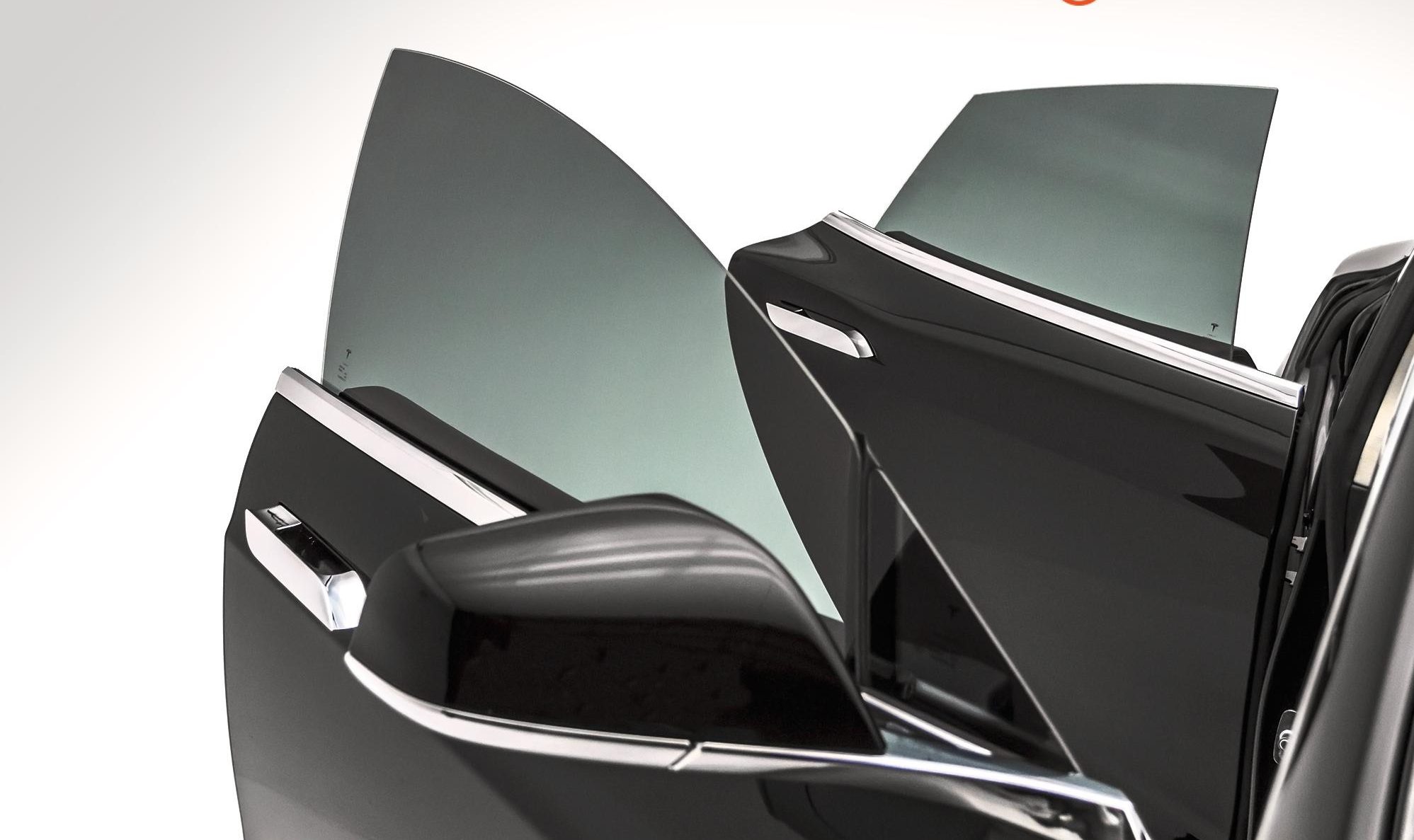
Choosing window tint is not just about deciding how dark you want your vehicle’s glass to look. The color of the film can also determine whether your modification meets state requirements.
Although many drivers assume they can select any available shade, several states prohibit certain colors because of their potential to confuse other motorists or resemble emergency vehicle lighting.
Red, blue, and amber are among the colors that receive particular attention. These shades may be associated with emergency lights, warning signals, or traffic control devices. Using them on vehicle windows can create confusion, especially at night or in poor weather.
Texas, for instance, prohibits certain red, amber, and blue window tint colors. Oregon has additional restrictions covering red, yellow, green, black, and amber films under its applicable regulations.
These restrictions can apply even when the film is not especially dark. In other words, a lightly colored film may still violate the law simply because of its prohibited appearance.
Drivers should also remember that tint regulations may apply differently to the front windshield, front side windows, rear side windows, and rear windshield. A color permitted in one location may be restricted in another.
Before choosing colored window film, check the regulations in your state and ask the installer whether the product is approved for public-road use. Avoid relying entirely on online product descriptions or a seller’s assurance that a particular shade is legal everywhere.
Selecting an approved tint color helps keep your vehicle compliant while allowing you to personalize its appearance without creating unnecessary visibility or safety concerns.
7. Medical Exemptions for Darker Film
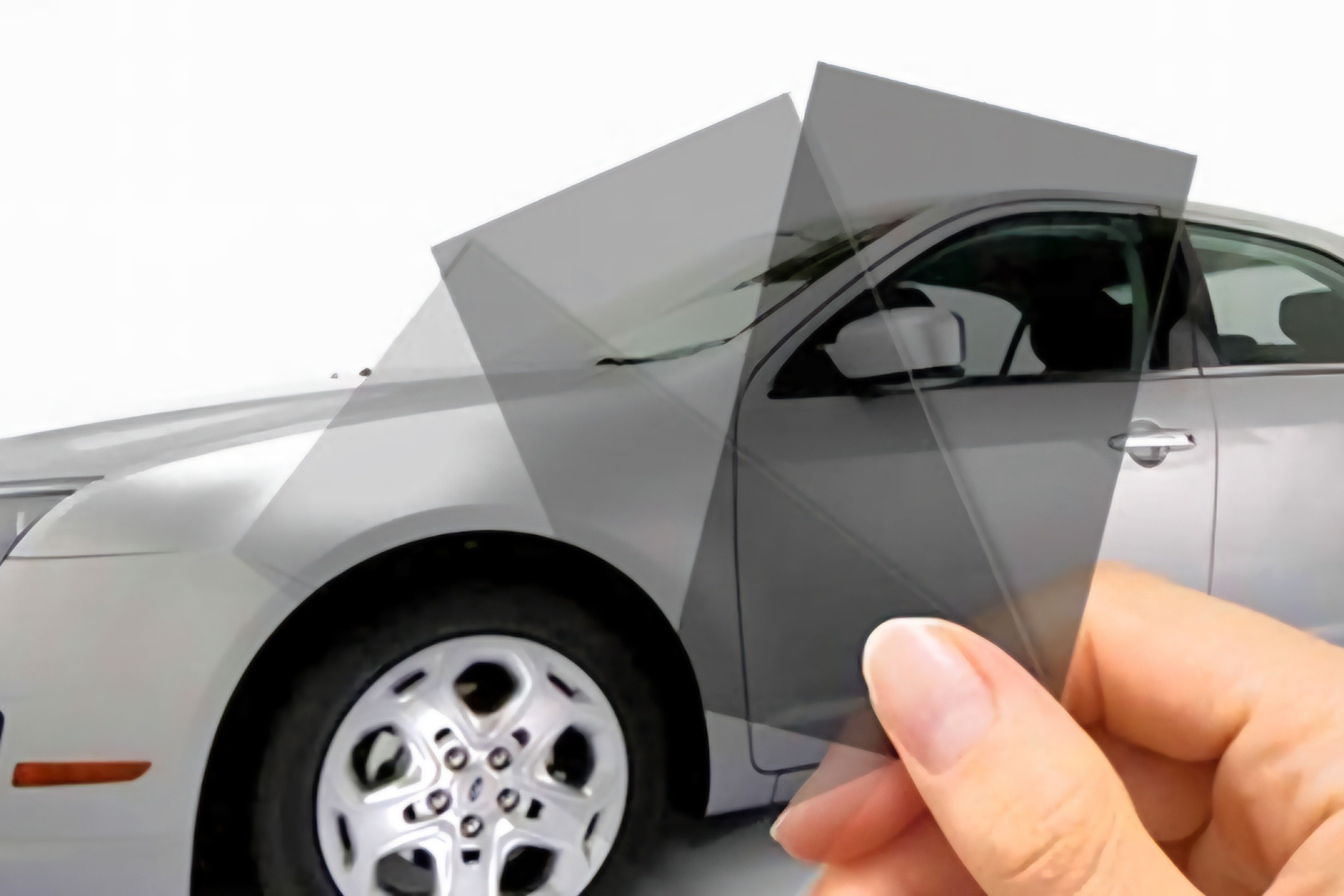
For some people, sunlight is more than an annoyance. Medical conditions like lupus, porphyria, or severe photosensitivity can make everyday driving painful or even harmful. Many states allow drivers with these conditions to bypass the standard VLT limits.
Here is where it gets tricky. The rules for proving your condition vary. Some states require an official physician’s note kept in the glove box.
Others require a specific state-issued certificate tied to your registration. A handful of states do not offer window tint medical exemptions at all.
If you think you qualify, start with your doctor. Ask whether your condition meets your state’s standard, and what form the paperwork needs to take. Then contact your state’s motor vehicle agency to learn the exact process, fees, and renewal rules.
Keep your documents where you can reach them. An officer who sees dark glass may ask to see proof, and a calm, organized answer makes the conversation much easier.
Moving to a new state? Do not assume your exemption travels with you. Check the new rules right away, since a state that offers no exemption may not honor your old paperwork.
There is no need to feel awkward about asking. The rules exist to help people who truly need them, and a little preparation keeps you protected on the road and on the books.
8. Towing / Obstruction Mirror Distance Rules
Hauling a big load changes what you can see. When you tow a trailer or carry cargo that blocks your center rearview mirror, states change their rules about required visibility distance.
In Illinois and Idaho, the law dictates that your mirror setup must give you an unobstructed view of the highway for at least 200 feet directly behind your vehicle.
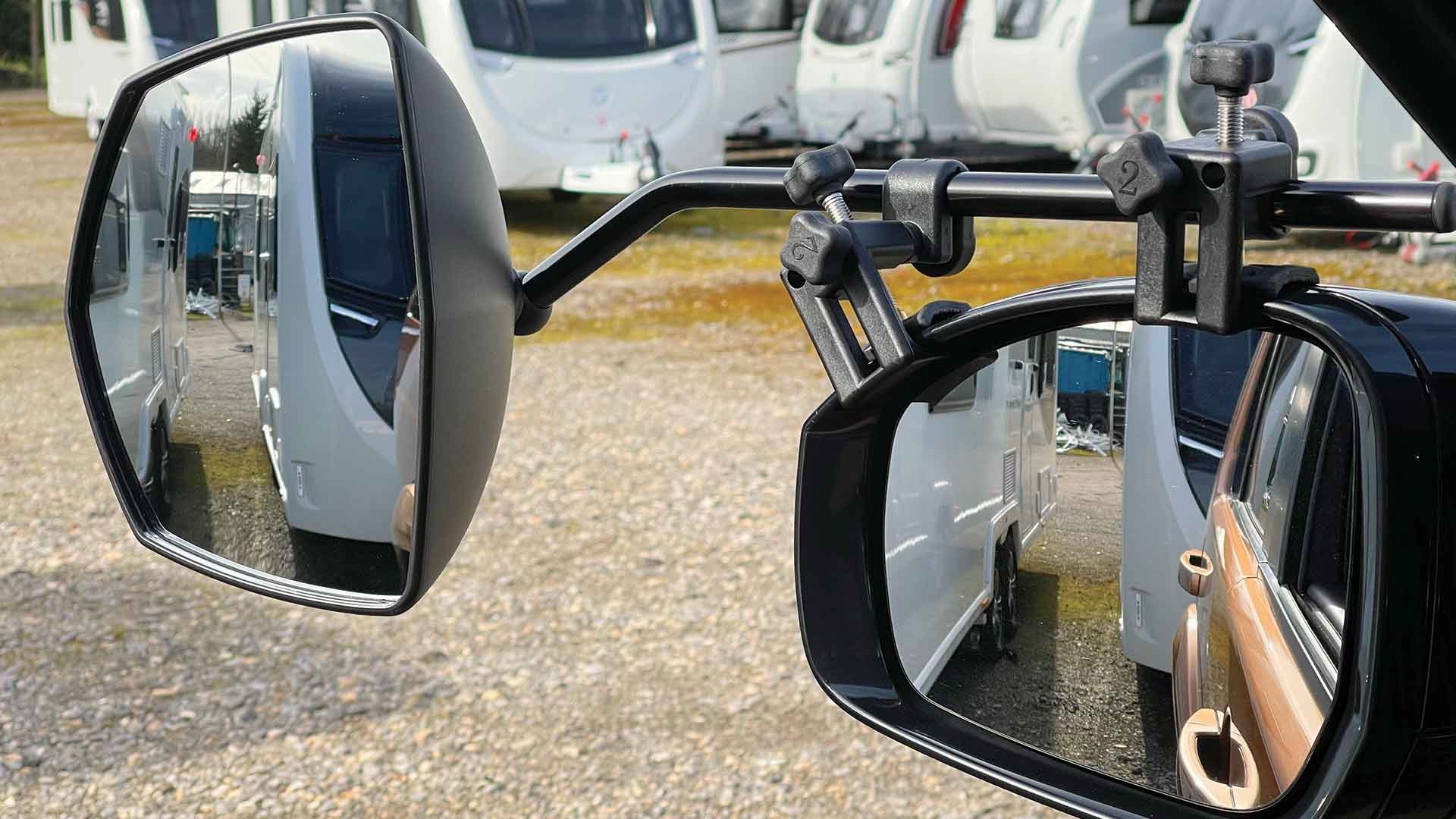
That is roughly two-thirds of a football field. If a trailer blocks that view line, dual extended side towing mirrors become legally mandatory.
Why 200 feet? At highway speed, traffic closes the distance fast. You need enough warning to check a lane change, merge safely, or notice a car approaching quickly from behind.
Extended towing mirrors solve the problem. They clip or bolt over your factory mirrors and push the view out past the sides of the trailer. Many are inexpensive, and good ones adjust easily.
Before a trip, load the vehicle and hook up the trailer, then sit in the driver’s seat and check the view in both mirrors. Have a helper stand 200 feet behind you, if you can, and confirm that you can see them.
Remember that rules differ elsewhere, so check every state on your route. A little preparation makes towing safer and keeps you on the right side of the law.