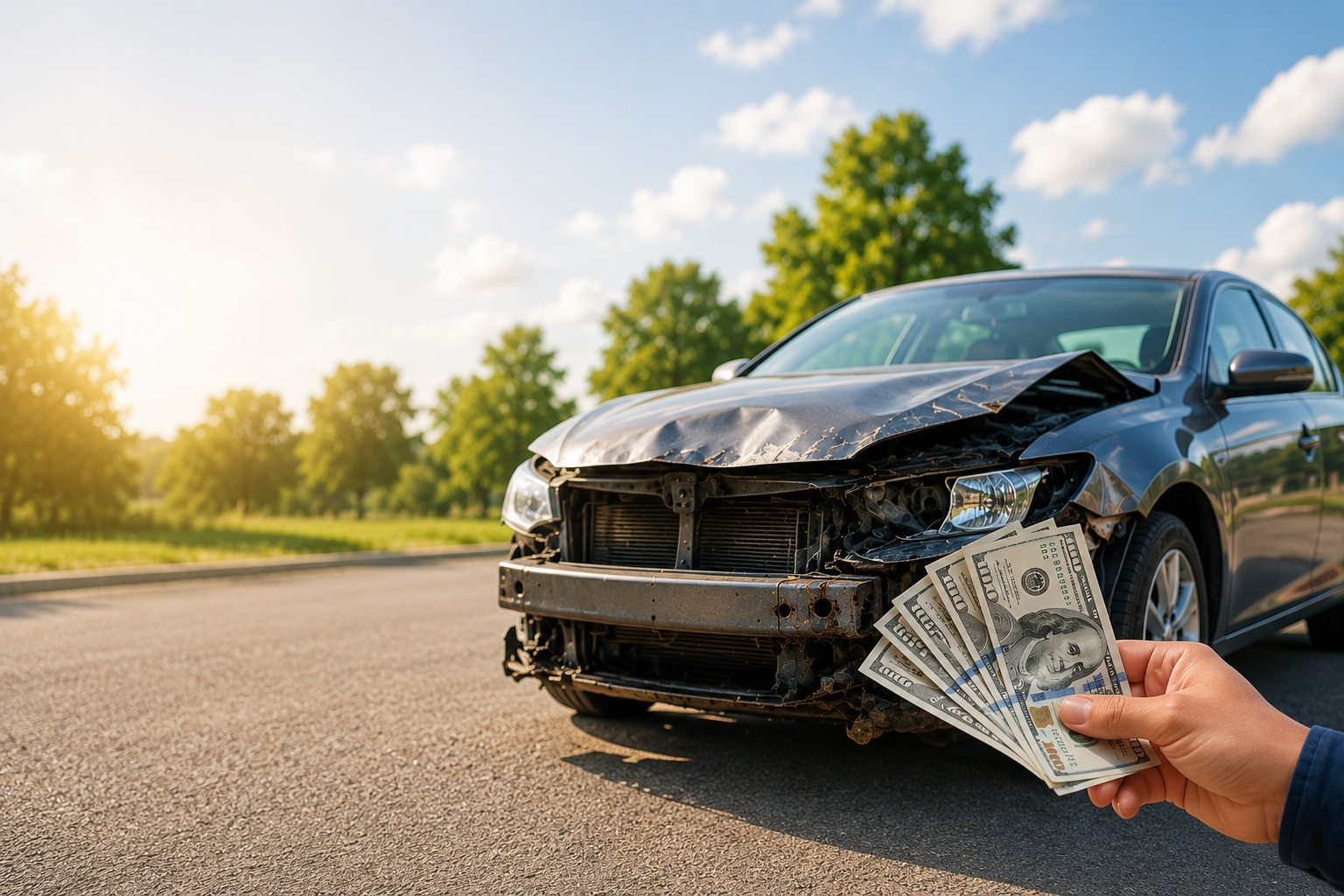
Your car might be sitting in the driveway quietly gaining admirers, and you may have no idea. Most of us assume cars only lose value, and for the average vehicle that is true. But depreciation charts are built on averages, and your car is not average if it has the right mix of mileage, history, condition, and timing. Sometimes a few small details turn an ordinary used car into something buyers will happily pay extra for.
Nine signs can tell you whether yours is one of them. Some are about the car itself, some are about the market around you, and one is about your wallet. Before you trade it in for the first offer or toss it aside for something new, read on. You could be sitting on more value than you think.

1. Low-Mileage Rarity for Its Model Year
Mileage is the first thing most buyers check, and it can say a lot in two seconds. If your vehicle has far fewer miles than the national or regional average for its age, buyers and collectors will pay a premium.
A common yardstick is about 10,000 to 12,000 miles per year. Beat that by a wide margin, and your car starts to look special.
Why does it matter so much? Fewer miles usually means less wear on the engine, transmission, suspension, and interior. A ten-year-old car with 40,000 miles feels like a different animal than one with 140,000.
Let’s do quick math. At 12,000 miles per year, a ten-year-old car would sit near 120,000 miles. If yours shows 45,000, you are holding a rarity, and shoppers who want a clean example will notice.
Proof is everything, though. Gather service records, old inspection reports, and dated photos of the odometer. A buyer who doubts the number will treat it as ordinary. Honest paperwork turns a claim into a fact.
One caution. Very low mileage can raise questions too, such as long periods of sitting. Tires, belts, rubber seals, and fluids age even when the wheels do not turn. Replace anything past its prime before you list the car, and mention it in your description.
2. Discontinued or Cult-Classic Status
Some cars stop being manufactured, but the demand for them continues to grow. When a popular model disappears from dealership showrooms, its remaining examples can become more desirable, particularly when buyers still appreciate its design, performance, or reliability.
This can help certain discontinued vehicles maintain their resale prices or even gain value. Manual-transmission sports cars are a good example.
As manufacturers introduce more automatic transmissions, drivers who enjoy traditional stick-shift driving may turn to older models.
Body-on-frame SUVs also attract loyal buyers because of their durable construction, towing abilities, and suitability for demanding driving conditions. Certain Japanese and German vehicles have similar appeal because of their established engineering and reliability records.
Scarcity plays an important part in this process. Every year, some older vehicles are involved in accidents, neglected, modified, or removed from service. As the number of well-preserved examples decreases, finding one in excellent condition becomes harder.
Check whether your vehicle has an active enthusiast community. Online forums, car clubs, and social media groups can reveal how much interest remains in your particular model. Compare current listings with recent completed sales to understand its market position.
Remember, being discontinued does not automatically make a car collectible. A strong reputation, loyal following, desirable specifications, and excellent condition are what can give an older vehicle lasting appeal.
3. Flawless Maintenance Paper Trail
Imagine two identical cars being offered for sale. They have the same model year, mileage, exterior color, and general condition.
However, one owner presents a complete folder of maintenance records, while the other can only assure potential buyers that the car has been serviced regularly. Which vehicle would inspire more confidence?
For many buyers, the one with documented maintenance is the easier choice. A complete service history provides evidence that the previous owner took proper care of the vehicle.
Records of oil changes, timing belt replacements, brake servicing, transmission maintenance, and OEM parts purchases help demonstrate that important maintenance tasks were not ignored.
Timing belt replacement is a particularly good example. Depending on the engine, neglecting this service can lead to expensive internal damage.
A receipt showing that the belt was replaced according to the manufacturer’s recommended schedule removes one major concern for the next owner.
Start gathering your paperwork before advertising the car. Arrange invoices, inspection reports, repair receipts, and warranty documents in chronological order.
If some records are missing, contact your regular repair shop to ask whether it can provide copies of previous service visits.
You can also prepare a one-page maintenance summary showing important repairs, service dates, and mileage readings.
These small efforts can make a difference during negotiations. Buyers appreciate clear information because it helps them understand what they are paying for.
A well-maintained car supported by proper documentation often inspires more confidence than an equally clean vehicle with no service history.
4. Factory Paint and Rust-Free Body Panels
Original factory paint is a quality many used-car buyers appreciate, particularly when considering older vehicles. A car that still has its original finish, accident-free body panels, and an absence of rust can attract stronger interest than a similar model with extensive cosmetic repairs.
Why does this matter? A repaint can sometimes indicate previous collision damage, deep scratches, rust repairs, or other bodywork.
Although repainting is not necessarily a bad thing, buyers often prefer vehicles with verifiable original finishes because they have fewer unanswered questions about the car’s history.
Rust-free body panels are equally important. Corrosion can affect the appearance, structural condition, and long-term durability of a vehicle.
Areas around wheel arches, door edges, rocker panels, the trunk, and the underside deserve particular attention. Even small patches of rust can become expensive repair projects if ignored.
Take a few minutes to inspect your vehicle in natural daylight. Look for differences in paint color, uneven panel gaps, bubbling, peeling clear coat, and signs of previous repairs.
A professional paint inspection can help establish whether the finish is original and identify areas that may have received attention.
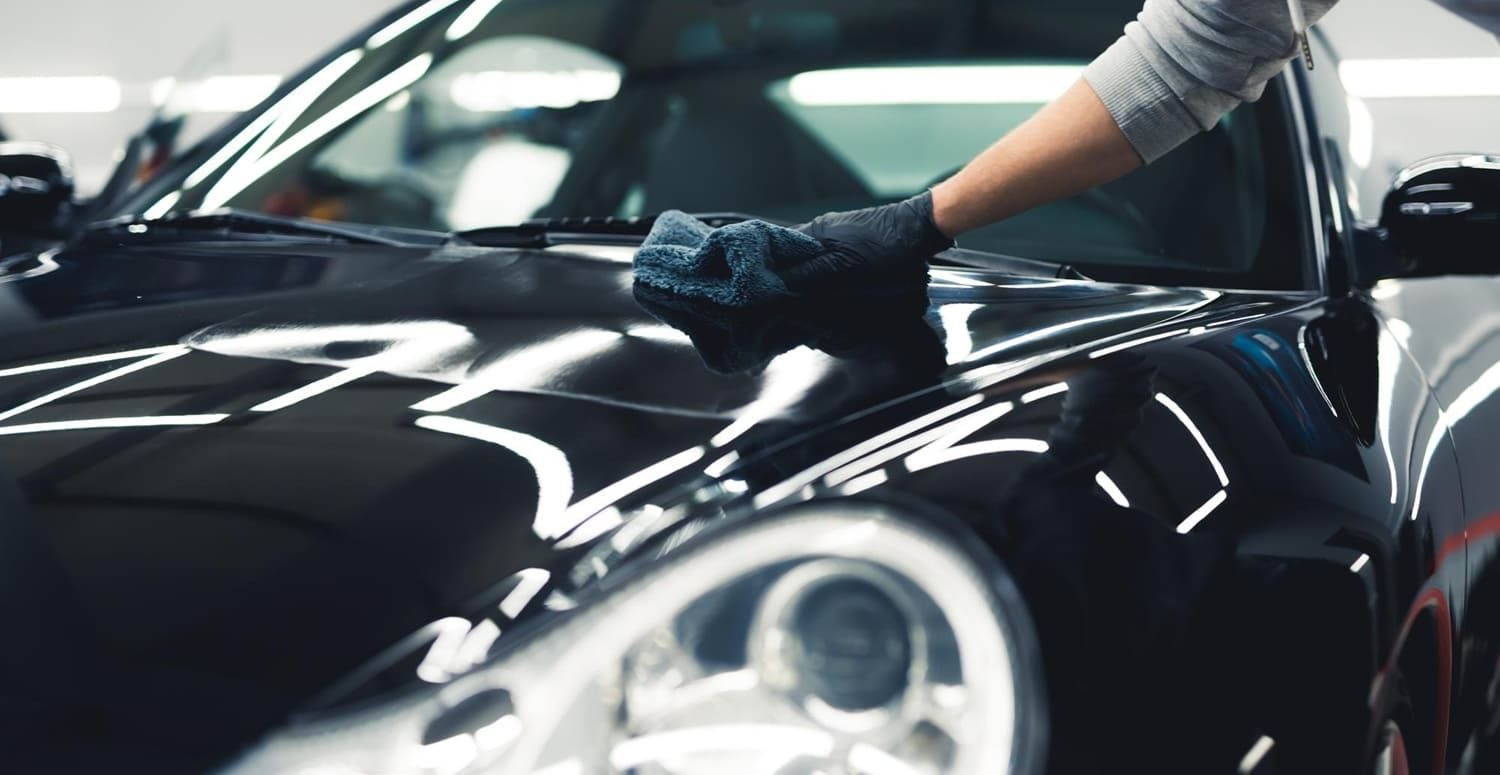
If your vehicle has clean, original bodywork, make an effort to preserve it. Wash it properly, apply suitable protective products, and avoid parking in conditions that expose the paint to unnecessary damage.
When preparing to sell, take clear photographs of the exterior, including the doors, hood, trunk, wheel arches, and other body panels.
A clean factory finish is more than an attractive feature. It can provide reassurance about the vehicle’s care and make it a more appealing option for buyers who value originality.

5. Surging Local Demand for Used Commuters
Sometimes the market does the work for you. When new vehicle prices or high interest rates spike, reliable older used cars, such as fuel-efficient sedans and compact SUVs, jump in real-world resale value.
The logic is simple. If a new car costs far more than it used to, or the loan payment looks scary, many shoppers look for something older and cheaper. Demand for dependable used commuters rises, and sellers with good examples can ask for more.
That means a car you wrote off as ordinary may be worth a stronger number right now. A sedan that sips fuel and starts every morning becomes a hot item when people feel squeezed by prices.
Check your local market before you settle on a number. Search listings for the same make, model, and year within a reasonable distance, and note both asking prices and cars that sold quickly. If similar cars vanish within days, demand is strong.
Timing matters too. Markets move, and the best moment to sell is often when buyers feel the most pressure. Keep an eye on news about vehicle prices and interest rates, and be ready to list when conditions favor you.
Prepare the car in advance with a good cleaning, fresh photos, and your service records. When demand rises, a well-presented commuter sells fast and for a better price.
6. Upgraded or Rebuilt Core Components
Big repairs scare used buyers more than almost anything else. That is why recently upgraded or rebuilt core components can lift a car’s value.
If the transmission, clutch, or suspension was replaced with high-grade or OEM parts, the next owner avoids those massive bills, and that makes the car worth top dollar.
Think of it as prepaid maintenance. A new clutch might cost well over a thousand dollars, and a transmission replacement can cost several times that. A buyer who sees that work already done feels like they have a head start.
Quality matters here. OEM parts, which come from the original manufacturer, or other well-regarded components signal that the job was done right. Cheap parts can raise doubts, even when they are new.
Documentation is everything again. Keep invoices that list the parts, the labor, the date, and the mileage at the time of the work. A receipt from a respected shop adds credibility, and a warranty on the repair is even better.
Be honest about what you spent, but do not expect to recover every dollar. A repair rarely adds its full cost to the sale price. What it does is make your car easier to say yes to, and it can set your car apart from a similar one with an unknown past.
Mention the upgrades first in your listing, since they are among your strongest selling points.

7. Zero Interior and Exterior Modifications
A factory-original vehicle can have a selling advantage that many owners overlook. Cars with untouched interiors and exteriors often appeal to a wider range of buyers because they retain the appearance, equipment, and design intended by the manufacturer.
Think about what happens when a buyer compares two similar vehicles. One has oversized wheels, a loud aftermarket exhaust, custom upholstery, and a modified entertainment system.
The other retains its original wheels, factory radio, clean seats, and standard exterior finish. Even if both vehicles are mechanically sound, the second may attract more interest from people who prefer an unmodified car.
Personal modifications can be difficult to sell because automotive tastes vary. What one owner considers an improvement may seem unnecessary or unattractive to another.
Some buyers also worry about installation quality, electrical problems, engine stress, and whether modifications have affected the manufacturer’s original specifications.
Interior condition deserves equal attention. An uncracked dashboard, clean headliner, intact door panels, functional controls, and well-preserved seats can make an older vehicle feel much newer. These details help create a positive impression during inspections and test drives.
If you have modified your car, consider reinstalling its original components before listing it. Factory wheels, radios, exhaust parts, and other accessories may still be available in your garage.
Keep records of any changes and repairs so buyers understand the vehicle’s history. A clean, factory-standard car can attract collectors, everyday drivers, and people who simply want a vehicle without additional customization expenses.
8. Rising Values in Niche Regional Markets
Your car’s resale value may depend heavily on where you decide to sell it. Different locations have different transportation needs, weather conditions, road conditions, and buyer preferences.
As a result, a vehicle that attracts average offers in one area may command a higher price somewhere else. Consider a rugged four-wheel-drive SUV.
In an area where drivers regularly encounter rough roads, steep routes, or challenging weather, its durability and driving capabilities may make it particularly desirable.
Similarly, pickup trucks can attract strong interest in communities where businesses, contractors, and tradespeople depend on vehicles with good load-carrying abilities.
Diesel-powered models may also enjoy stronger demand in markets where buyers appreciate their fuel efficiency, pulling power, or suitability for particular types of work.
This is where generic online valuation tools, including Kelley Blue Book, have limitations. They provide useful estimates based on available market information, but they may not fully reflect local shortages or demand for specific vehicle types.
Start by checking advertisements for similar cars in your region. Compare mileage, model year, engine specifications, condition, and asking prices. If possible, look for completed sales because advertised prices do not always reflect what buyers actually pay.
You can also speak with local dealerships, independent mechanics, and automotive clubs. These sources may help identify models that consistently attract buyers.
Do not assume that a higher asking price guarantees a higher selling price. Research carefully, consider transportation expenses, and identify the locations where your particular vehicle has the strongest demand.
A well-informed choice of market could help you secure a better offer.
9. Low Total Cost of Ownership vs. Replacement Cost
Sometimes the smartest financial decision is keeping the vehicle you already own. A car’s value is not determined solely by its resale price.
Its ability to provide reliable transportation without forcing you into another expensive purchase can make it worth much more than you might expect.
If replacing your current vehicle with a comparable modern model means taking on a large auto loan, higher insurance premiums, or expensive monthly payments, holding on to your paid-off car may be the more affordable choice.
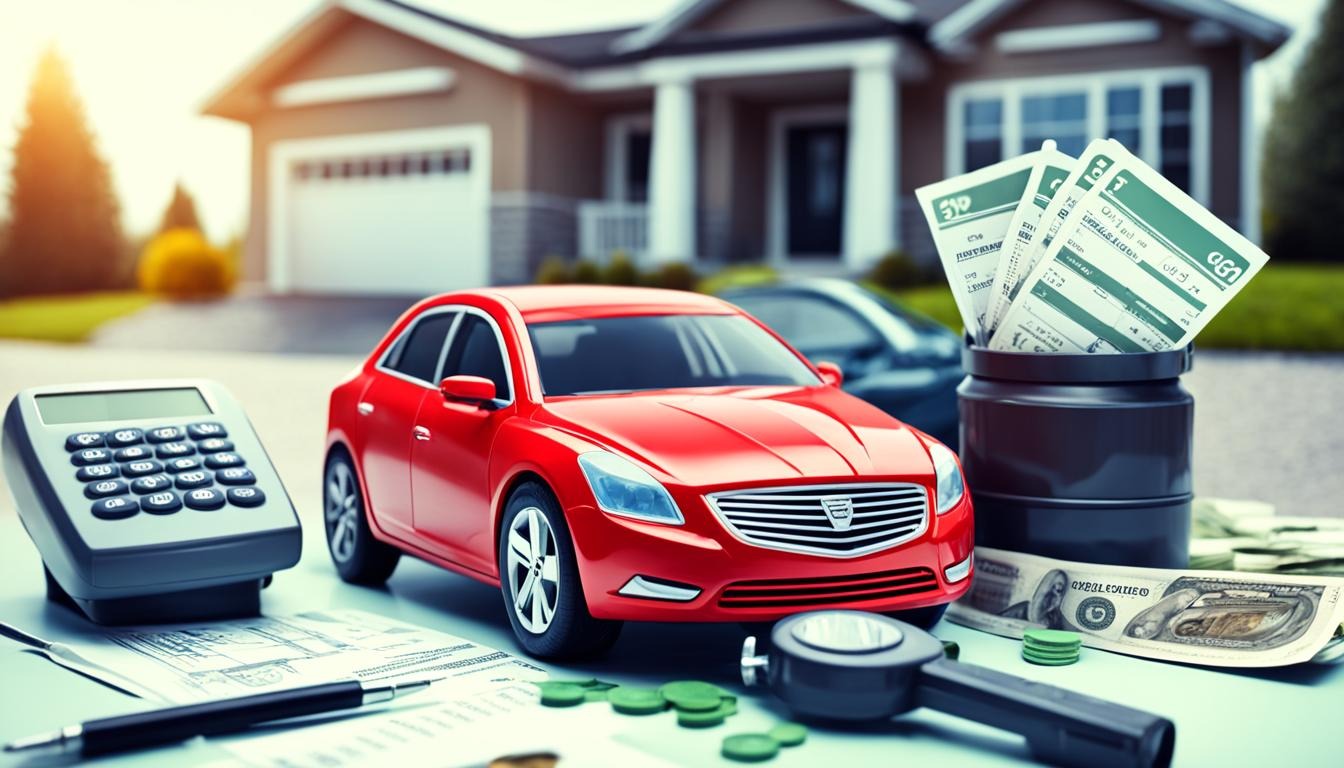
Start by comparing the actual cost of keeping your current vehicle with the cost of purchasing a replacement. Include fuel, insurance, routine servicing, occasional repairs, registration fees, and other ownership expenses.
Next, research the purchase price of a similar newer model. Factor in financing charges, monthly installments, insurance, taxes, and dealership fees. The difference may surprise you.
A paid-off vehicle offers a financial advantage that is easy to underestimate. Even when it requires occasional repairs, those expenses may remain lower than the cost of financing another car.
Having no monthly loan payment also gives you greater flexibility to manage your household budget, save money, or handle unexpected expenses.
Reliability matters, too. If your current car has a good maintenance history and performs consistently, replacing it with an unfamiliar vehicle introduces new uncertainties.
Consider both its potential resale price and the amount required to replace it. Track your expenses across several years rather than focusing on one month’s costs.
When a dependable, paid-off vehicle saves you thousands in potential financing expenses, its practical financial value may be far greater than its market price suggests.