
Getting a driver’s license is an exciting milestone for teenagers, but earning the privilege to drive comes with responsibilities that vary from state to state. As road safety concerns continue to influence transportation policies, several states may consider updating their requirements for young drivers in 2027.
These changes could involve supervised driving hours, nighttime restrictions, passenger limits, and the steps teenagers must complete before receiving an unrestricted license.
Although no confirmed 2027 rule changes are established in the information currently available, ten states have a history of revising their graduated driver licensing programs. Parents, teenagers, and driving instructors should pay attention to possible legislative updates to avoid confusion and prepare for any new requirements.

1. California
California is one state where teen driving regulations receive regular attention. With a large population of young drivers and busy road networks, the state has a strong reason to maintain safety requirements for inexperienced motorists.
Its graduated driver licensing program already includes restrictions covering nighttime driving and passengers. Teenagers generally begin with an instruction permit, complete supervised driving practice, and qualify for a provisional license before receiving full driving privileges.
California may consider further adjustments to these requirements in 2027, particularly if lawmakers identify areas where additional restrictions could reduce crashes involving young drivers.
Possible areas of discussion include supervised driving hours, passenger limitations, and nighttime driving rules.
Parents should keep an eye on announcements from the California Department of Motor Vehicles rather than relying on social media claims about new licensing requirements.
For teenagers preparing to apply for a license, understanding the existing rules is just as important as watching for future changes. Having the correct documents, completing required driving practice, and following provisional license restrictions can prevent unnecessary delays.
Any proposed changes should be checked against official state announcements before families make plans around them. At present, the possibility of California updating its teen driving requirements in 2027 should be treated as a prediction, not a confirmed policy announcement.

2. New York
New York has a detailed licensing system designed to help teenagers develop driving experience before receiving unrestricted privileges.
Its requirements can also vary depending on where a young person lives, making it particularly important for families to understand the rules that apply to their location.
Teenagers generally begin with a learner permit and must complete supervised driving practice before progressing to a junior license.
The state also imposes restrictions involving passengers, nighttime driving, and the presence of qualified supervising drivers.
These requirements are intended to give inexperienced motorists time to develop safe driving habits without immediately exposing them to every driving situation.
In 2027, New York could review parts of its graduated driver licensing program. Areas that may attract attention include supervised practice requirements, licensing eligibility, and restrictions affecting newly licensed teenagers.
Parents should pay attention to announcements from the New York State Department of Motor Vehicles and check whether any proposed legislation becomes law.
One detail worth remembering is that New York has different licensing provisions for certain locations, including New York City and other parts of the state.
A teenager’s address can therefore affect the rules that apply. Before scheduling a road test or planning independent driving, families should verify the current requirements.
A proposed policy change does not become a legal requirement until the appropriate authorities formally approve and implement it.

3. New Jersey
New Jersey takes a structured approach to licensing young motorists, with several stages designed to introduce driving privileges gradually.
Its Graduated Driver License program includes permit requirements, supervised practice, and restrictions for teenagers who have recently obtained their probationary licenses.
One reason the state receives attention is its detailed approach to passenger restrictions. Young drivers face rules governing who may ride with them, helping reduce distractions during the early stages of independent driving.
Nighttime driving restrictions also form part of the program. These requirements are intended to limit exposure to situations that may be particularly challenging for inexperienced motorists.
As 2027 approaches, New Jersey could consider reviewing parts of its teen licensing system. Possible areas for discussion include the amount of supervised practice required, passenger eligibility, and the conditions attached to probationary licenses.
Parents should follow information published by the New Jersey Motor Vehicle Commission to understand whether any proposals are introduced or approved.
Teenagers should also become familiar with the restrictions that apply after passing their road tests. Receiving a license does not automatically mean every driving privilege becomes available immediately.
Keeping a copy of the current licensing requirements can help families avoid misunderstandings. Until officials announce approved changes, existing regulations remain the rules young drivers must follow.

4. Illinois
Illinois has developed a graduated licensing program that requires teenagers to gain supervised driving experience before moving toward full driving privileges.
The system places particular attention on preparation, driving practice, and restrictions intended to reduce risks during the first years behind the wheel.
Young drivers must meet specific permit requirements and complete supervised practice before becoming eligible for the next licensing stage. Passenger restrictions and nighttime driving limits also apply to certain newly licensed motorists.
These rules recognize that passing a driving test does not automatically prepare someone for every situation on the road. Experience with traffic, changing weather, road signs, and unexpected hazards takes time to develop.
Illinois could review its teen driving requirements in 2027, particularly supervised driving hours and the restrictions attached to graduated licenses.
Any proposed adjustments would likely receive attention from parents, schools, driving instructors, and road safety organizations.
Families can monitor announcements from the Illinois Secretary of State for reliable information about licensing requirements.
Teenagers should also keep accurate records of their supervised driving hours. Having the necessary documentation ready can make the licensing process easier and reduce the possibility of delays.
For parents, this is a good opportunity to make driving practice more purposeful. Rather than focusing only on completing the required hours, include different road conditions, parking exercises, highway preparation where permitted, and safe decision-making.

5. Florida
Florida has a large population of young motorists, making teen driver safety an important subject for transportation officials. Its graduated licensing program includes different requirements for teenagers depending on their age and licensing stage.
Young drivers generally begin with a learner’s license and must complete supervised driving practice before qualifying for a driver’s license. Restrictions also apply to nighttime driving, with the permitted hours depending on the driver’s age and experience.
These rules are intended to give teenagers opportunities to develop their driving abilities while limiting exposure to certain high-risk situations.
Florida may review its licensing requirements in 2027, particularly as road safety officials continue to assess the needs of younger motorists. Possible areas of attention include supervised practice, nighttime restrictions, and the conditions attached to intermediate driving privileges.
Parents should follow updates from the Florida Department of Highway Safety and Motor Vehicles for accurate information.
It is also worth remembering that Florida’s weather can create challenging driving conditions. Heavy rain, reduced visibility, and wet roads require careful judgment, particularly from teenagers with limited experience.
Families can use supervised driving sessions to prepare young motorists for these conditions. Practicing safe braking distances, maintaining appropriate speeds, and recognizing hazardous road conditions can help build confidence.
Any changes to Florida’s teen licensing rules should be confirmed through official government announcements before families assume that new requirements apply.
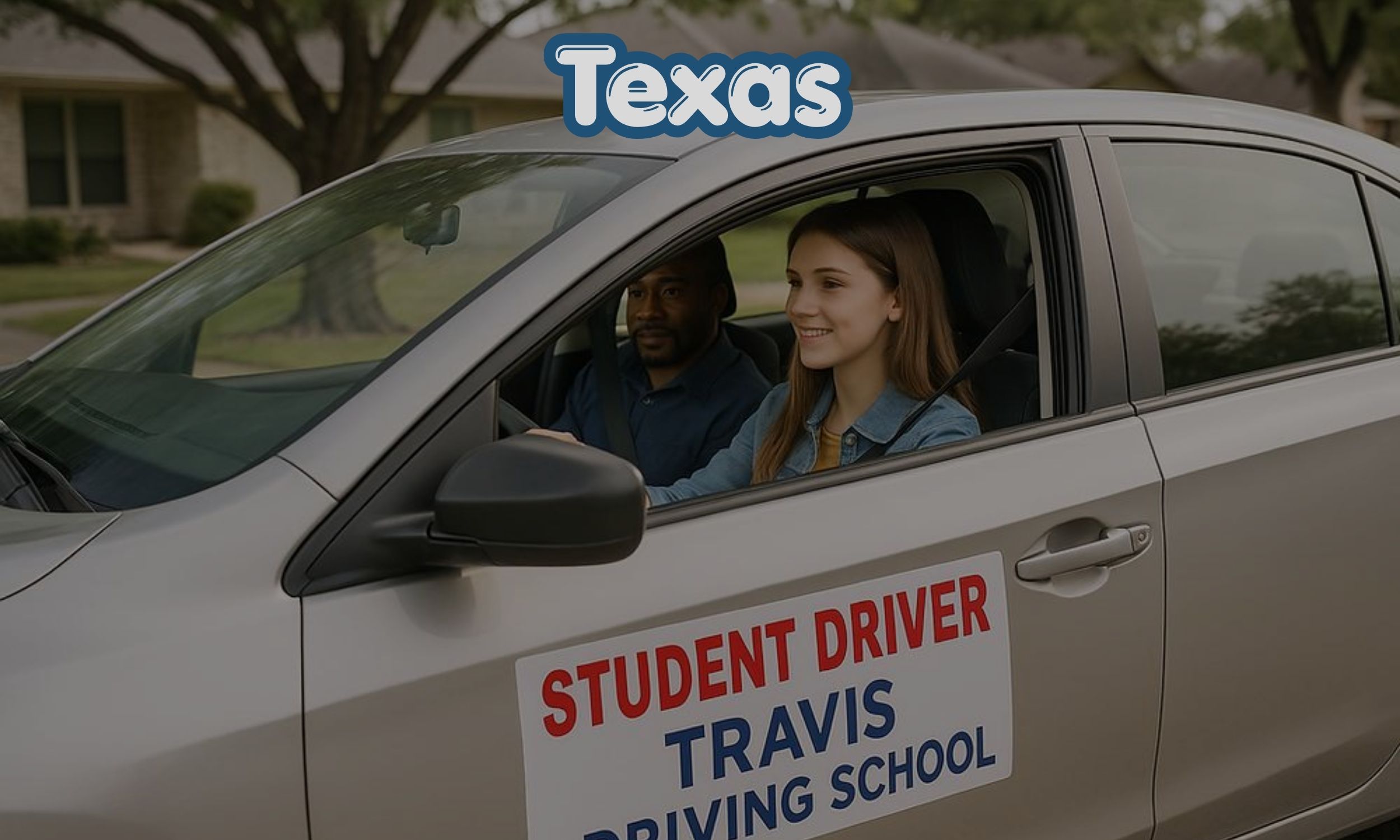
6. Texas
Texas has a multi-stage licensing process that gives teenagers time to develop driving experience before obtaining unrestricted privileges.
With its extensive road networks, busy highways, and growing urban areas, the state has a strong interest in preparing young motorists for different driving situations.
Teenagers generally begin with a learner license, complete an approved driver education program, and gain supervised driving experience before progressing to a provisional license.
The state also has restrictions involving passengers and nighttime driving for certain young drivers. These conditions are designed to limit distractions and reduce exposure to situations that may be challenging for inexperienced motorists.
Texas could consider updates to its graduated driver licensing requirements in 2027. Possible areas of attention include driver education standards, supervised practice, and restrictions affecting newly licensed teenagers.
Parents and young motorists should monitor information from the Texas Department of Public Safety for official announcements.
Another important consideration is the variety of driving environments across Texas. Teenagers may encounter crowded city streets, high-speed highways, rural roads, and changing weather conditions.
Supervised practice should prepare them for more than passing a road test. Parents can help by introducing different driving situations gradually and reinforcing defensive driving habits.
Although Texas has a history of updating transportation regulations, no specific 2027 teen licensing changes should be assumed without formal confirmation from state officials.

7. Georgia
Georgia has a graduated driver’s licensing system known as the Teenage and Adult Driver Responsibility Act, commonly called Joshua’s Law.
The program establishes requirements that teenagers must meet as they progress from learner permits to more advanced driving privileges.
One feature of Georgia’s licensing system is its attention to driver education and supervised practice. Eligible teenagers must complete the required training and meet specific experience requirements before qualifying for the next stage.
Passenger restrictions also play an important part. Newly licensed young drivers face limits on who may ride with them, with the rules depending on the length of time they have held their provisional license.
These restrictions aim to reduce distractions and help teenagers gain experience before carrying additional passengers. Georgia may consider reviewing parts of its graduated licensing program in 2027.
Areas that could receive attention include supervised driving requirements, passenger restrictions, and driver education standards.
Parents should monitor announcements from the Georgia Department of Driver Services to find out whether any proposals become approved regulations.
Teenagers preparing for their first license should also understand that completing a driver education course is only one part of the process. They must satisfy the applicable age, permit, practice, and testing requirements.
Keeping training certificates and supervised driving records organized can make the application process easier.

8. Virginia
Virginia has detailed requirements for teenagers working toward their first driver’s license. Its graduated licensing program focuses on supervised practice, driver education, and restrictions that apply during the early stages of independent driving.
Young motorists must meet age-related eligibility requirements and complete the necessary training before qualifying for a provisional license.
The state also requires supervised driving experience and imposes restrictions involving nighttime driving and passengers.
These measures are designed to help teenagers develop practical driving skills before receiving unrestricted privileges.
Virginia could review its licensing requirements in 2027, particularly the amount of supervised practice required and the restrictions placed on newly licensed motorists.
Changes to driver education or testing requirements may also receive attention if lawmakers identify areas that need improvement.
Families can check the Virginia Department of Motor Vehicles for current licensing information and official announcements.
Parents should pay particular attention to the documentation required during the licensing process. Proof of completed driver education, supervised driving hours, and other eligibility requirements may be necessary before a teenager can proceed.
Young drivers should also understand that having a provisional license does not remove all restrictions. Passenger limits and nighttime driving rules must still be followed where applicable.
Preparing early can make the transition from a learner permit to independent driving much easier.

9. Washington
Washington places considerable attention on reducing crashes involving inexperienced motorists. Its graduated driver licensing program includes requirements designed to give teenagers supervised experience before they begin driving independently.
Young drivers generally progress through a learner permit stage before qualifying for an intermediate license. During this process, they must complete supervised driving practice and meet applicable driver education requirements.
Washington also imposes restrictions on passengers and nighttime driving for young motorists holding intermediate licenses. These conditions help reduce distractions and limit driving during hours when inexperienced motorists may face additional risks.
As 2027 approaches, the state could review parts of its teen driving regulations. Potential areas of attention include supervised driving hours, passenger restrictions, and the conditions required to obtain full driving privileges.
Parents should follow announcements from the Washington State Department of Licensing to identify any approved changes.
Weather conditions also deserve attention during driver training. Rain, reduced visibility, and slippery roads can make driving more challenging, especially for teenagers who have recently received their permits.
Families can help by including supervised practice in different weather conditions when it is safe and appropriate.
Young motorists should also understand that intermediate licensing restrictions remain legally binding until they qualify for the next licensing stage. Checking current state guidance is the best way to avoid accidental violations.

10. Colorado
Colorado rounds out this list because of its multi-stage approach to teen driver licensing and its attention to passenger and nighttime driving restrictions.
The state’s graduated driver licensing program is designed to help young motorists develop experience before receiving unrestricted driving privileges.
Teenagers generally begin with an instruction permit and must complete supervised practice before progressing to a minor driver’s license.
The state also has rules covering passengers and nighttime driving, with restrictions depending on the driver’s age and licensing status.
Colorado’s driving conditions provide another reason for careful preparation. Young motorists may encounter mountain roads, changing elevations, snow, ice, and sudden weather changes. These conditions require patience, good judgment, and practical experience.
The state could review its teen driving requirements in 2027, with possible attention given to supervised driving hours, passenger limits, and licensing stages.
Parents should monitor updates from the Colorado Department of Revenue’s Division of Motor Vehicles for official information about any new requirements.
Teenagers can prepare by completing their required driving hours, keeping accurate records, and practicing under different road and weather conditions with a qualified supervising driver.
It is important to distinguish between possible policy discussions and approved regulations. No specific 2027 changes should be treated as confirmed until Colorado officials publish the necessary announcements.
For families, staying informed and encouraging responsible driving habits remain the best ways to prepare for any future licensing updates.