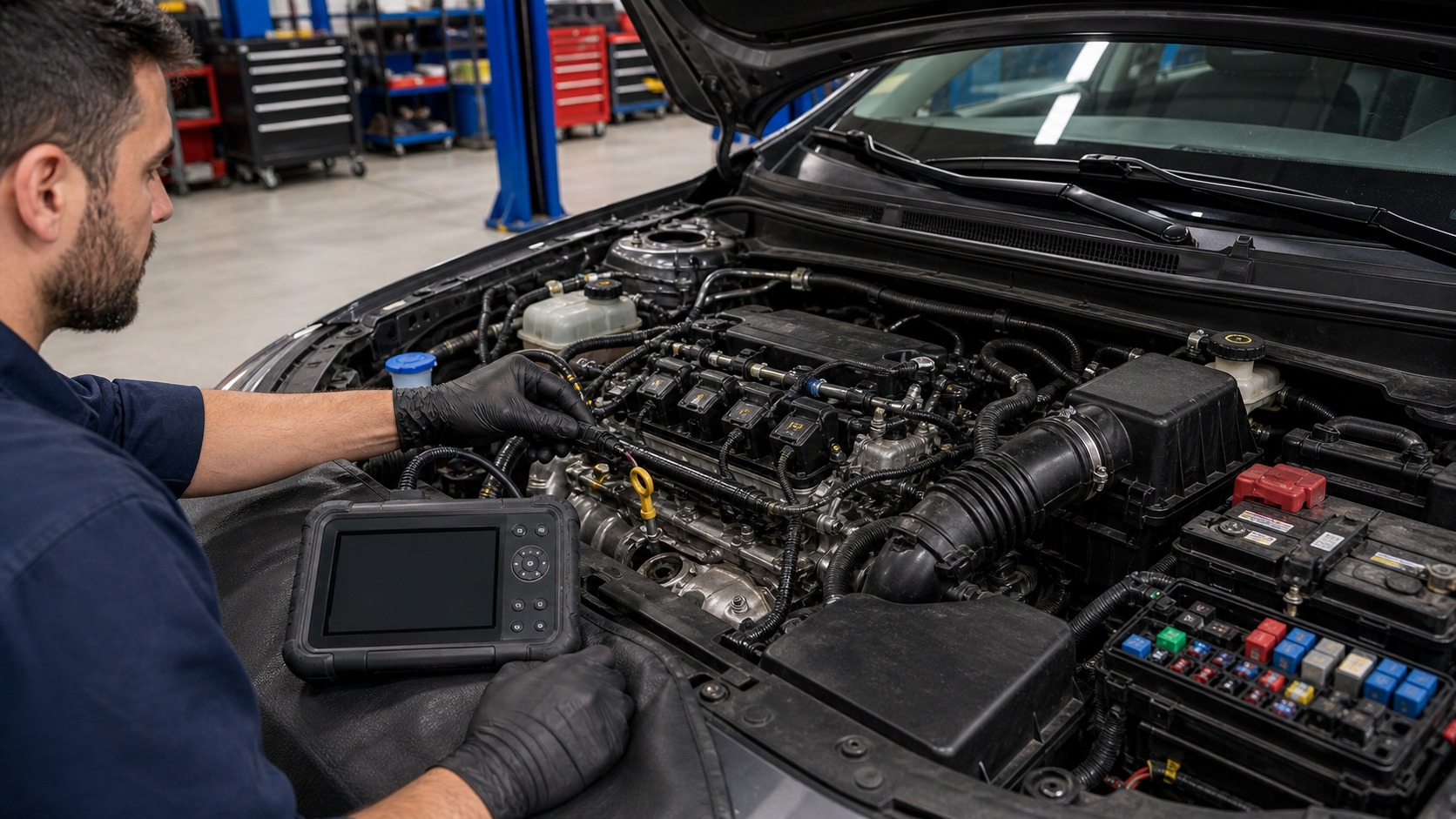
Few things frustrate car owners more than receiving a repair estimate that costs several times more than the replacement component. You might expect to pay $20 for a small sensor or $15 for a fuse, only to discover that the mechanic’s diagnostic fee is $120 or higher. How does that happen? Modern vehicles rely on electrical circuits, computer modules, and sensors that communicate with one another.
Finding the actual source of a fault can require specialized equipment, technical knowledge, and hours of testing. In some cases, replacing the faulty component is the easiest part of the entire job. Here are ten common car repairs where identifying the problem can cost more than the part itself, along with explanations of what makes each repair expensive.
1. Fuel Cap / Evap Leak Sensor Replacement
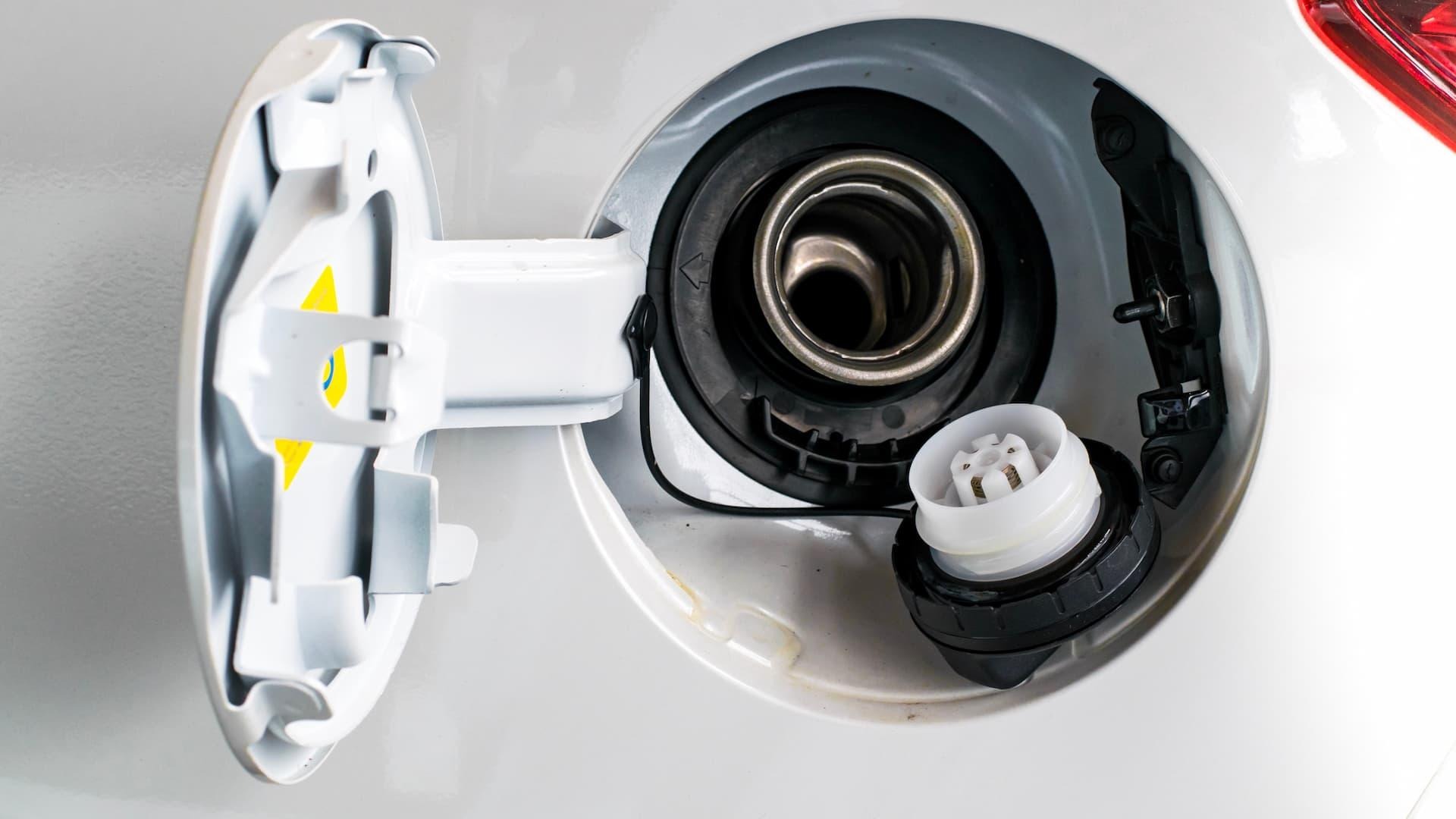
A loose or damaged gas cap can trigger your check engine light, making this one of the more frustrating problems for car owners.
The replacement itself is usually inexpensive, with a basic fuel cap costing approximately $10 to $25. However, identifying the actual cause of an evaporative emissions system warning can cost considerably more.
Your vehicle’s EVAP system prevents fuel vapors from escaping into the atmosphere. When the system detects a leak, it may activate the check engine light. The problem could involve a loose gas cap, damaged hose, faulty purge valve, or leaking connection.
This is where diagnostic expenses enter the picture. A mechanic may need to connect a scan tool, review fault codes, and perform a smoke test to locate the leak.
The smoke test introduces harmless diagnostic smoke into the system, helping reveal small openings that are difficult to identify visually.
Depending on the workshop, the inspection may cost more than the replacement cap itself. Before approving an expensive repair, ask whether the technician has confirmed the source of the leak.
If the gas cap is the problem, replacing it may be all that is necessary. However, if the fault involves another EVAP component, installing a new cap will not solve the warning light.
2. Oxygen (O2) Sensor (Minor/Upstream)
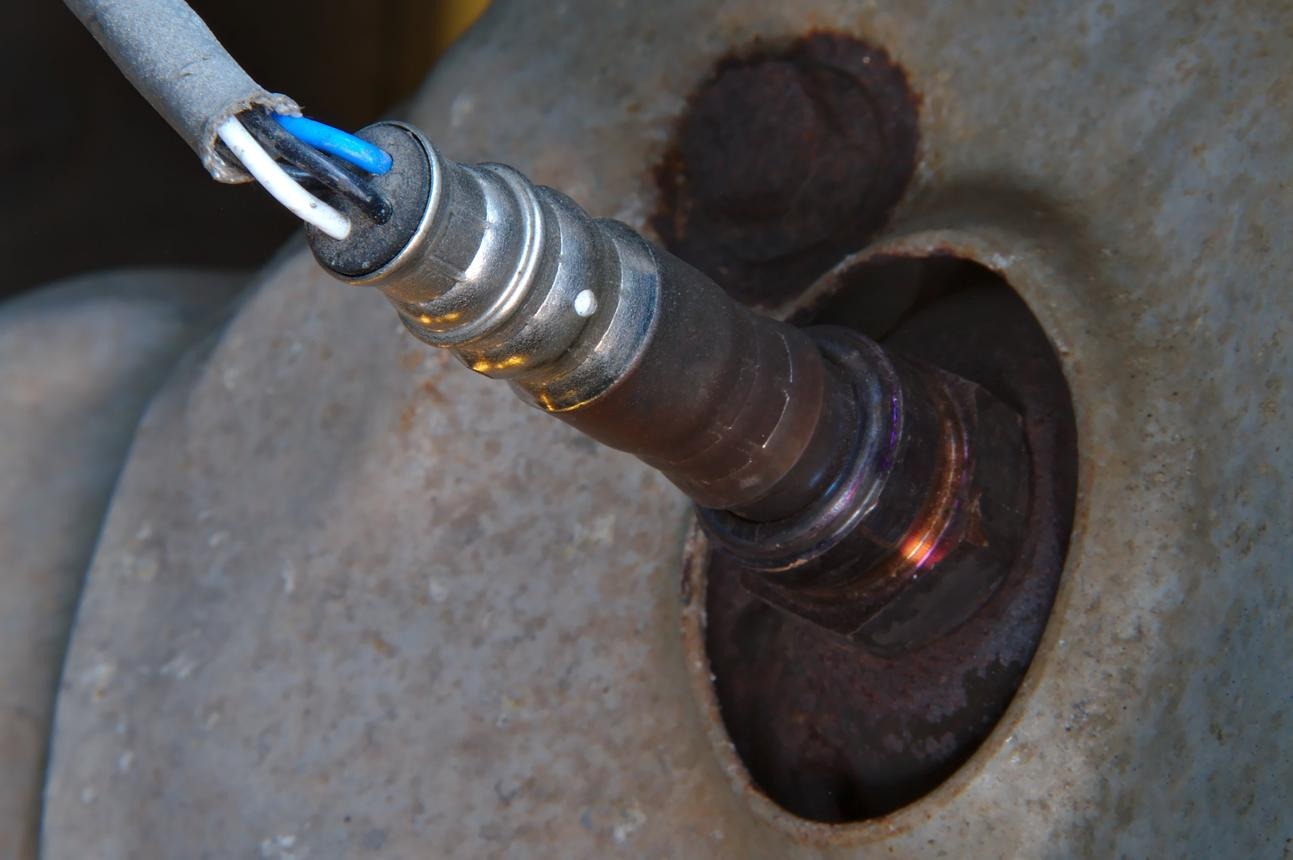
An oxygen sensor is a relatively small component, but its job is important. It measures the amount of oxygen in your vehicle’s exhaust gases and sends information to the engine control module.
The computer uses these readings to help regulate the air-fuel mixture and maintain efficient engine operation.
A replacement sensor may cost approximately $20 to $60 for a budget or wholesale part. Yet, diagnosing an oxygen sensor problem can cost $100 to $150 or more, depending on the workshop’s labor rates and testing requirements.
Why does the inspection cost so much? A check engine light does not automatically mean the oxygen sensor itself has failed.
A similar fault code can result from damaged wiring, exhaust leaks, poor electrical connections, or problems affecting the engine’s air-fuel mixture.
A technician may need to compare sensor readings, inspect electrical connections, and monitor how quickly the sensor responds to changes in engine operation. This helps establish whether the sensor is defective or simply reporting a problem elsewhere.
Replacing the wrong sensor can waste money without fixing the original fault. That is why proper testing matters.
If your mechanic recommends an oxygen sensor replacement, request an explanation of the test results. Knowing whether the problem involves the sensor, wiring, or another engine component can prevent unnecessary spending.
3. Brake Light Switch
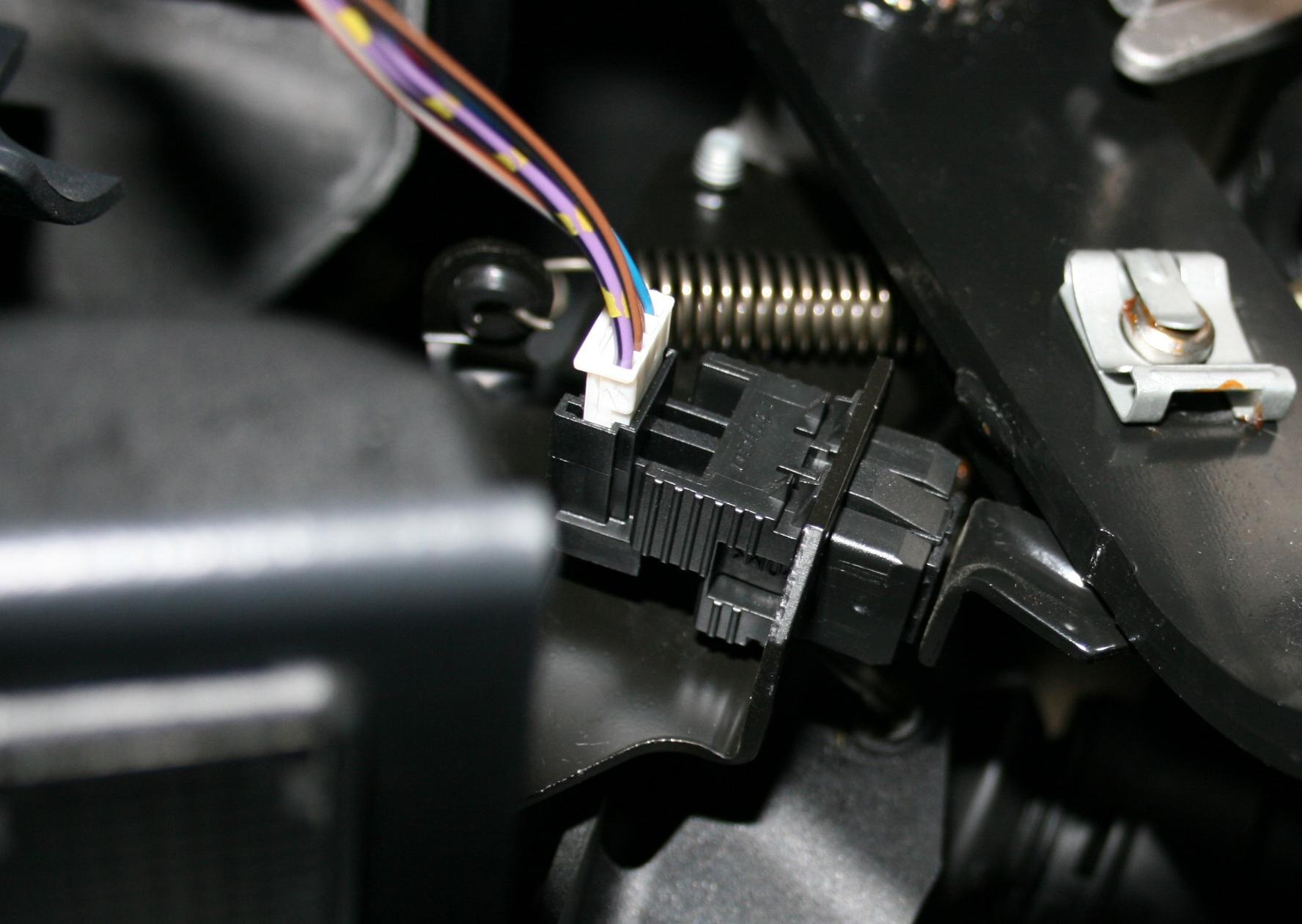
A faulty brake light switch can create problems that seem unrelated at first. Perhaps your brake lights stop working, your cruise control behaves strangely, or your vehicle has difficulty recognizing when you press the brake pedal.
The switch itself is usually affordable, often costing around $15 to $30. However, finding out whether it is actually responsible for the problem may require additional electrical testing.
Your brake light switch communicates information about pedal movement to different vehicle systems. Depending on the model, this signal may also influence cruise control operation, transmission interlocks, and other electronic functions.
When something goes wrong, a technician may need to inspect the switch, wiring connections, fuses, and related circuits. A blown fuse or damaged connector can produce symptoms similar to a failed switch.
The diagnostic charge can therefore exceed the price of the replacement component, particularly when the fault is intermittent.
There is also a safety concern. Brake lights warn drivers behind you when your vehicle is slowing down. If they fail, other motorists may not recognize that you are braking.
Have the problem inspected promptly rather than assuming a replacement switch will solve everything. Ask the mechanic to verify that the brake lights operate correctly after the repair.
A small component can create an inconvenient problem, but accurate diagnosis helps prevent unnecessary parts replacement and keeps your vehicle safe.
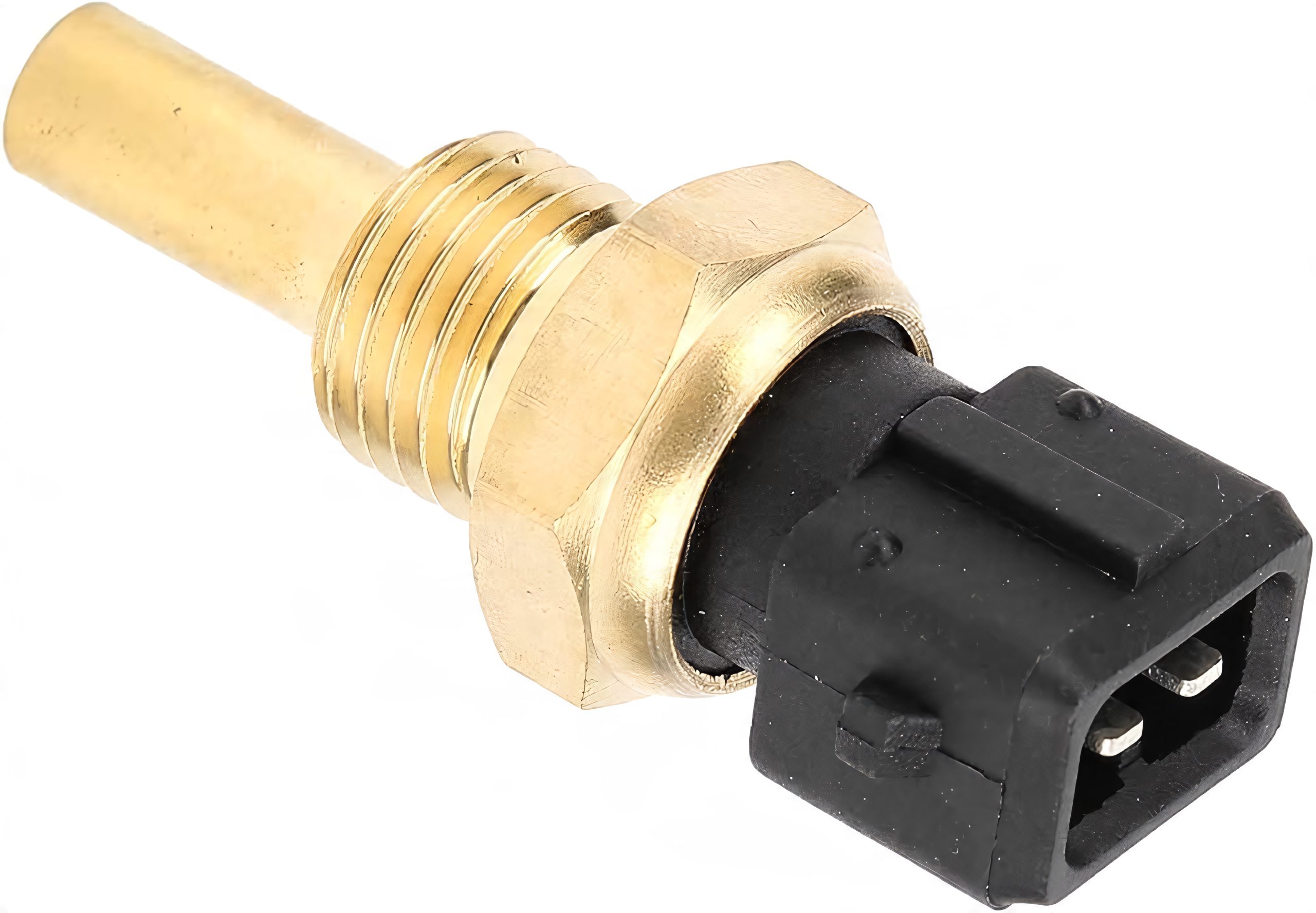
4. Coolant Temperature Sensor
Your vehicle’s coolant temperature sensor performs an important job that often goes unnoticed until something goes wrong.
It monitors engine coolant temperature and sends information to the engine control module, helping the computer manage fuel delivery, cooling fan operation, and other engine functions.
The replacement sensor may cost approximately $15 to $35. However, diagnosing irregular temperature readings can require more time and equipment than replacing the component.
For example, your dashboard temperature gauge might suddenly rise, remain unusually low, or behave inconsistently. You may also notice poor fuel economy, difficult cold starts, or cooling fans operating at unexpected times.
Although a defective sensor can cause these symptoms, it is not the only possibility. Damaged wiring, loose connectors, low coolant levels, a faulty thermostat, or cooling system problems can produce similar warning signs.
A technician may connect a diagnostic scanner to monitor live temperature readings and compare them with actual engine conditions.
Electrical testing may also be necessary to determine whether the sensor is receiving the correct voltage and sending reliable information.
This explains why a relatively inexpensive component can come with a larger diagnostic bill.
Do not ignore a temperature warning simply because the sensor is cheap. Actual engine overheating can cause serious damage, including cylinder head or engine block problems.
Have the cooling system inspected before approving a replacement. Confirming the cause first can save money and help protect your engine from expensive damage.
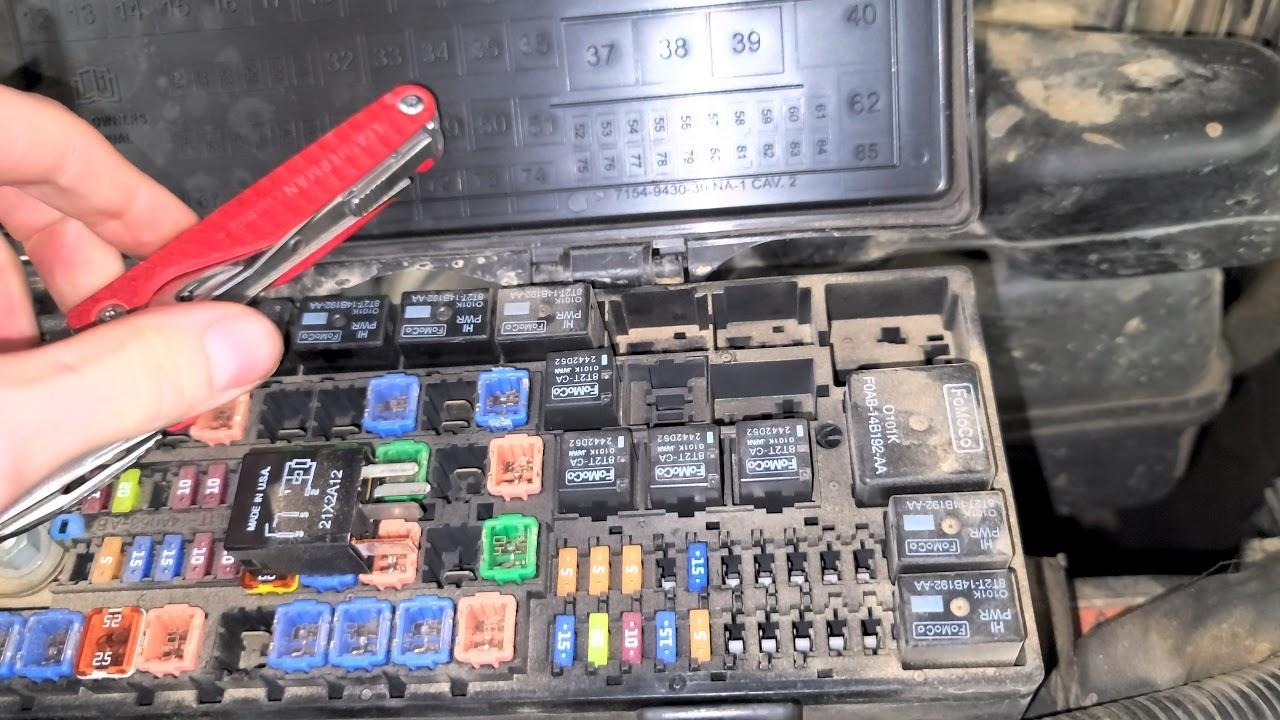
5. Relay or Fuse Replacement (e.g., Fuel Pump Relay)
Your car refuses to start, and panic quickly sets in. Could the fuel pump have failed? Replacing it could cost hundreds of dollars, not including a tow. Yet the actual culprit might be a relay that costs just $5 to $20. This is one of the most frustrating aspects of automotive repair. A serious failure and a minor electrical fault can produce nearly identical symptoms.
A dead pump and a worn relay both leave you sitting in the driveway, listening to silence. So a technician must spend an hour with a multimeter, testing circuits and listening for the telltale click of a working relay.
When the culprit turns out to be a faulty relay, you pay mostly for labor and diagnosis. Smart owners learn a few basics. Locate your fuse box, read the diagram on the lid, and find an identical relay that powers something less important, like the horn.
Swap the two and see whether the problem follows the relay. That simple trick costs nothing and sometimes solves a no-start problem on the spot.
Always consult your manual before touching anything, and make sure the ignition is off first. If the swap changes nothing, you have still gathered useful information to share with your mechanic. Either way, you walk into the shop better prepared.
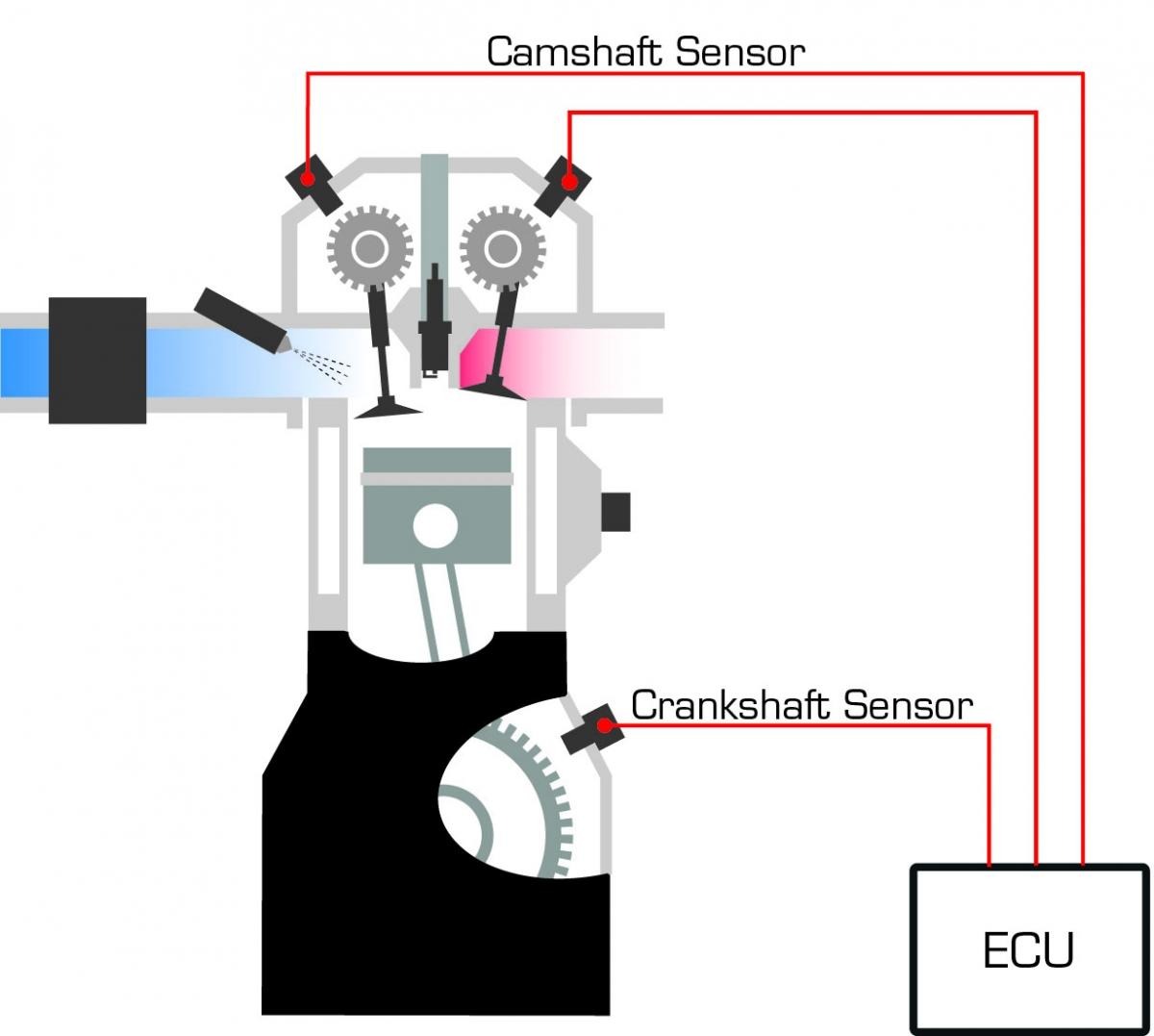
6. Camshaft / Crankshaft Position Sensor
Small engine sensors can cause surprisingly large repair bills, especially when their faults appear intermittently. Camshaft and crankshaft position sensors are good examples because they provide information the engine computer needs to control ignition timing and fuel injection.
A replacement sensor may cost approximately $25 to $50, depending on the vehicle and part manufacturer. Finding out which sensor is failing, however, can require specialized testing.
A faulty sensor may cause engine stalling, difficult starting, rough running, or a situation where the engine cranks but refuses to start.
Sometimes the symptoms appear only when the engine becomes hot, making the problem difficult to reproduce during a short workshop visit.
A diagnostic scanner can help identify stored fault codes, but the code alone does not always prove that the sensor is defective. Technicians may need to inspect connectors, test wiring, and examine the sensor signals using specialized equipment such as an oscilloscope.
These tests help identify whether the sensor is sending an incorrect signal or whether another electrical problem is interfering with its operation.
The diagnostic charge can easily exceed the cost of the replacement part.
If your vehicle stalls unexpectedly, take the symptoms seriously. Intermittent engine problems can become dangerous when they occur in traffic.
Before approving a repair, ask whether the technician has verified the sensor signal and inspected its wiring. Accurate testing can prevent you from replacing a perfectly functional component.
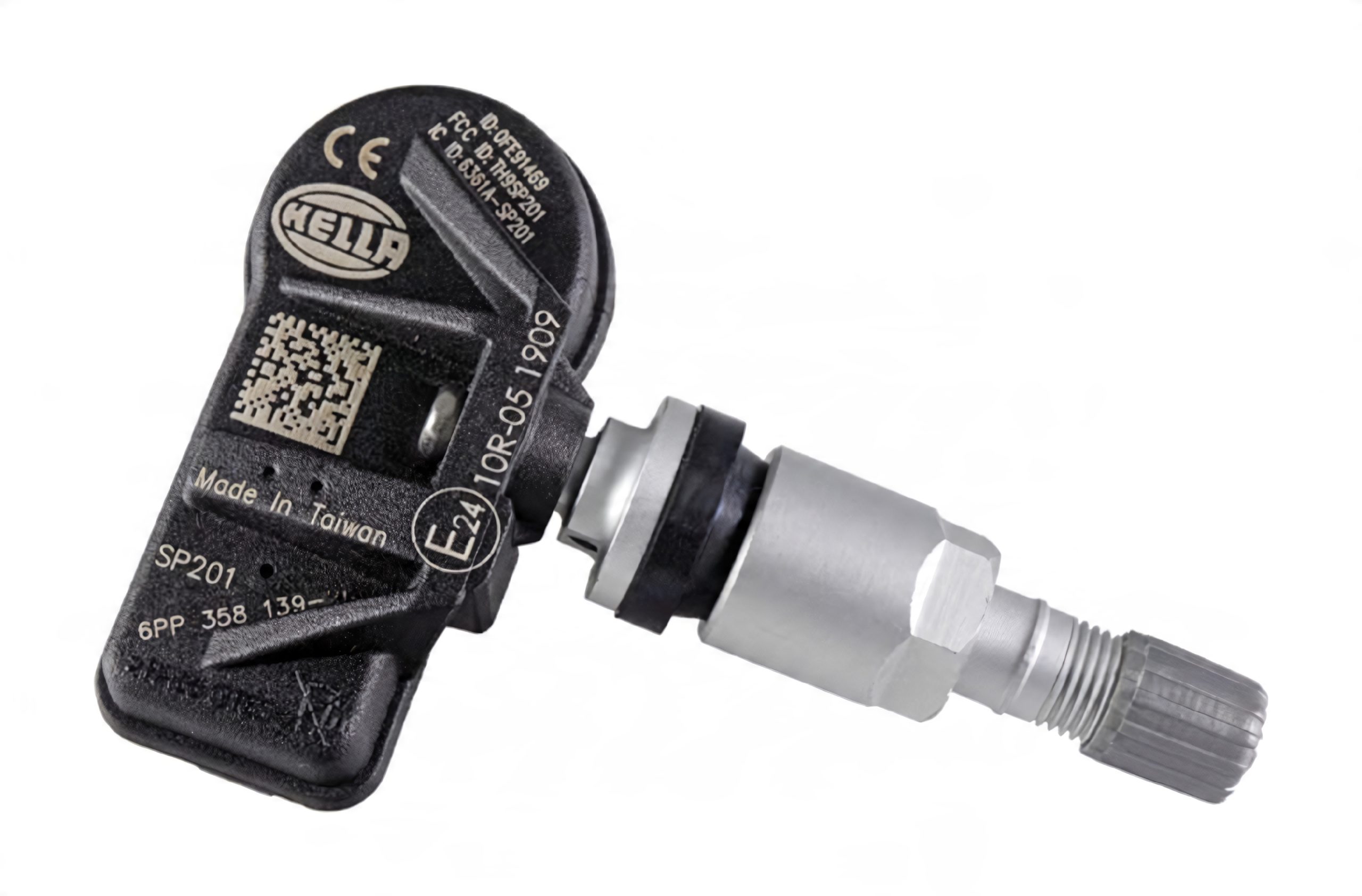
7. Tire Pressure Monitoring System (TPMS) Sensor Valve Core/Service Pack
That persistent tire pressure warning light can be surprisingly expensive to investigate, especially when the problem involves a small component inside one of your wheels.
A TPMS sensor valve core or service pack may cost approximately $5 to $15. These small components help maintain an airtight connection and support the proper operation of the tire pressure monitoring system.
However, determining which wheel is responsible for the warning may require additional equipment. A technician may use a TPMS activation tool to communicate with individual sensors and check whether they are transmitting accurate pressure information.
If the problem involves a slow leak, damaged valve seal, or failing sensor battery, further inspection may be necessary. In some cases, the tire must be removed from the wheel to access the sensor and identify the faulty component.
This is where labor and diagnostic expenses can exceed the price of the replacement service pack.
It is also important to distinguish between a sensor fault and an actual tire pressure problem. A puncture, temperature change, or incorrectly inflated tire can activate the warning light without any electronic component failure.
Check your tire pressures before assuming the sensor needs replacement. If the warning remains, have the system scanned by a qualified technician.
Proper diagnosis helps prevent unnecessary tire removal and replacement of functioning sensors. It also ensures that your tire pressure monitoring system continues to provide useful safety information.
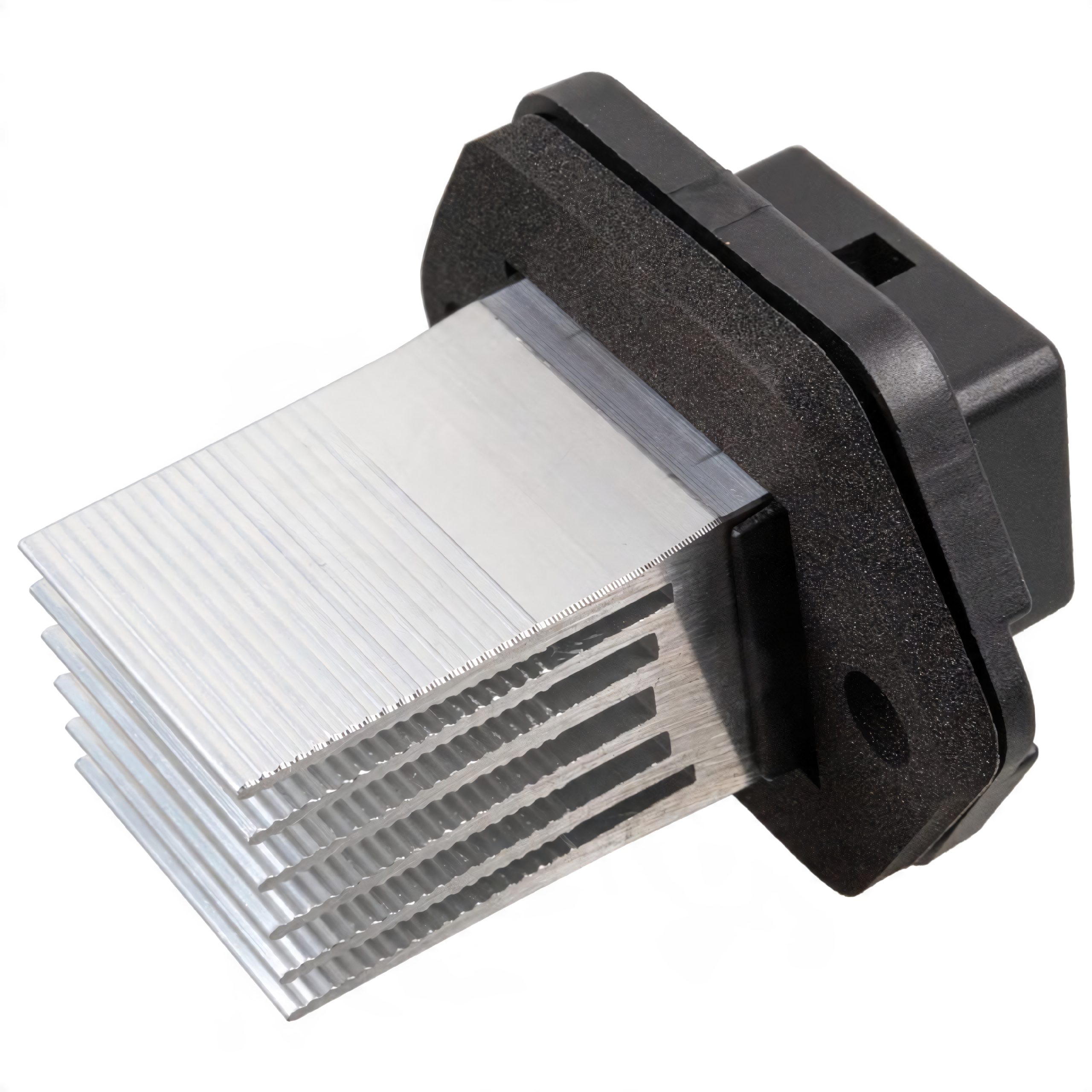
8. Blower Motor Resistor
Raise your hand if your cabin fan only works on the highest setting. Every other speed has gone silent, and now you are either blasting yourself with air or getting none at all. Annoying in summer, miserable in winter.
The likely suspect is a blower motor resistor, a part costing $15 to $40. Confirming that takes work, though. A technician has to test the climate control head, inspect the wiring harness, and check the resistor block itself before declaring victory.
Each step costs time, and time is what you are really buying. Sometimes the resistor sits behind the glove box and practically waves hello. Other times it hides under the dash like it is avoiding a bill collector, which raises labor charges further.
Search for your exact make and model online to see how accessible the part is. Plenty of owners tackle this swap with a screwdriver and a short video, and the savings can be generous.
If you prefer a shop, ask for an estimate that splits parts and labor so you can see where the money goes. A burnt or melted connector is worth mentioning, because it can point to a deeper wiring problem that the new resistor alone will not cure.
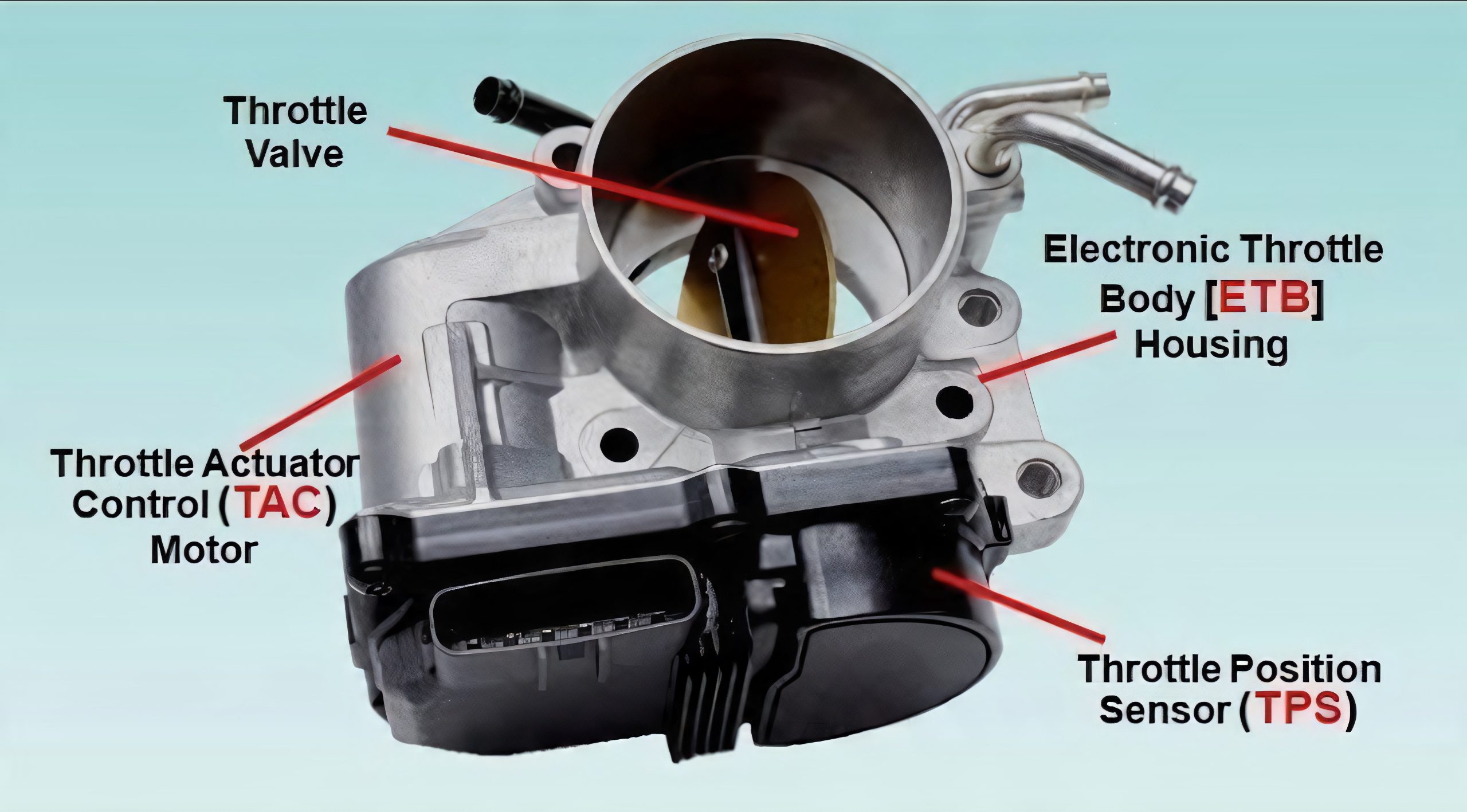
9. Throttle Position Sensor (TPS)
Your vehicle’s throttle position sensor helps the engine control module understand how far the throttle is open. This information allows the computer to adjust engine performance and respond appropriately when you press the accelerator.
A replacement TPS may cost approximately $30 to $60, depending on the vehicle. However, diagnosing throttle-related problems can involve considerably more work.
Drivers may notice an unstable idle, hesitation during acceleration, poor throttle response, or reduced engine power. Some vehicles may also enter limp mode, limiting performance to protect the engine or drivetrain.
These symptoms do not automatically mean the throttle position sensor has failed. Damaged wiring, dirty throttle components, faulty connectors, or problems with the electronic throttle control system can produce similar behavior.
A technician may use a diagnostic scanner to monitor throttle angle readings and examine how the sensor responds as the accelerator is operated. Electrical testing can also help identify irregular voltage signals.
Certain vehicles require a throttle relearn or calibration procedure after specific repairs. This adds another step to the service process and may require manufacturer-compatible diagnostic equipment.
Because of these requirements, the diagnostic and labor charges can exceed the component’s purchase price.
If your vehicle experiences sudden acceleration problems or enters limp mode, arrange a professional inspection. Do not assume that replacing the cheapest sensor mentioned by a fault code will solve the issue.
A proper diagnosis helps identify the actual fault and reduces the likelihood of paying for unnecessary replacement parts.
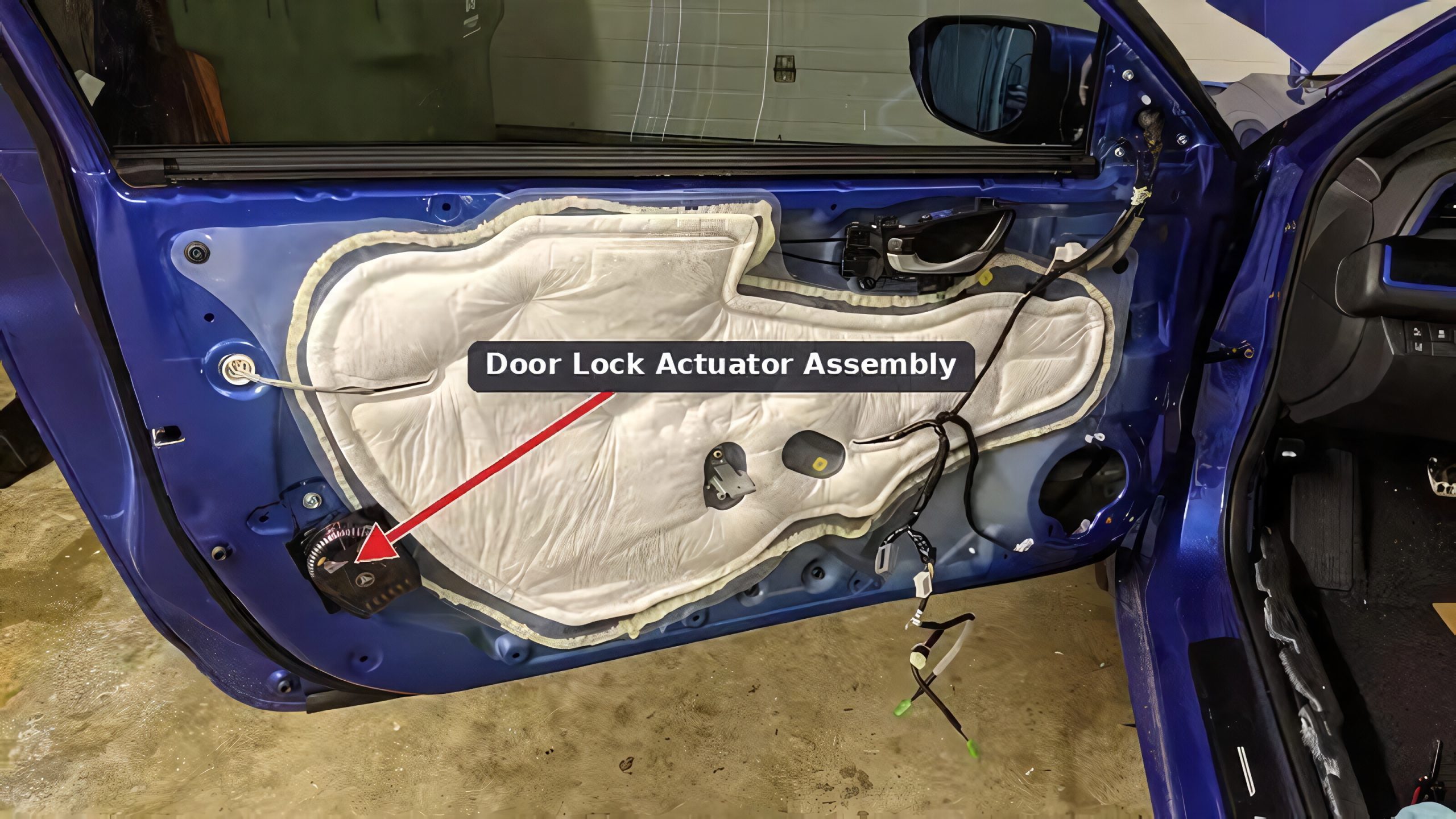
10. Door Lock Actuator Micro-Switch / Fuse
Finally, consider the power door that will not lock or unlock. It seems like a simple fix, and the part, either a micro-switch or a fuse, costs only $10 to $30. But the door itself guards its secrets.
To reach the electrical components, a technician often has to peel back the interior panel and test continuity through the door boot harness, a bundle of wires that flexes every time you open and close the door.
That work demands care and patience, and labor hours add up quickly. Start with the easy checks. Look at the fuse chart in your owner’s manual and inspect the fuse that controls the locks.
Test the lock from the remote and from the switch on the door. Listen for any clicking or buzzing sound, which suggests the actuator is trying to work.
If other doors behave normally, the problem likely sits inside this one door. Share those observations with your technician, and ask whether the fault might be in the wiring rather than the switch.
A few minutes of preparation on your end may shorten the repair visit and trim the invoice. It also gives you confidence when the shop explains what they found.