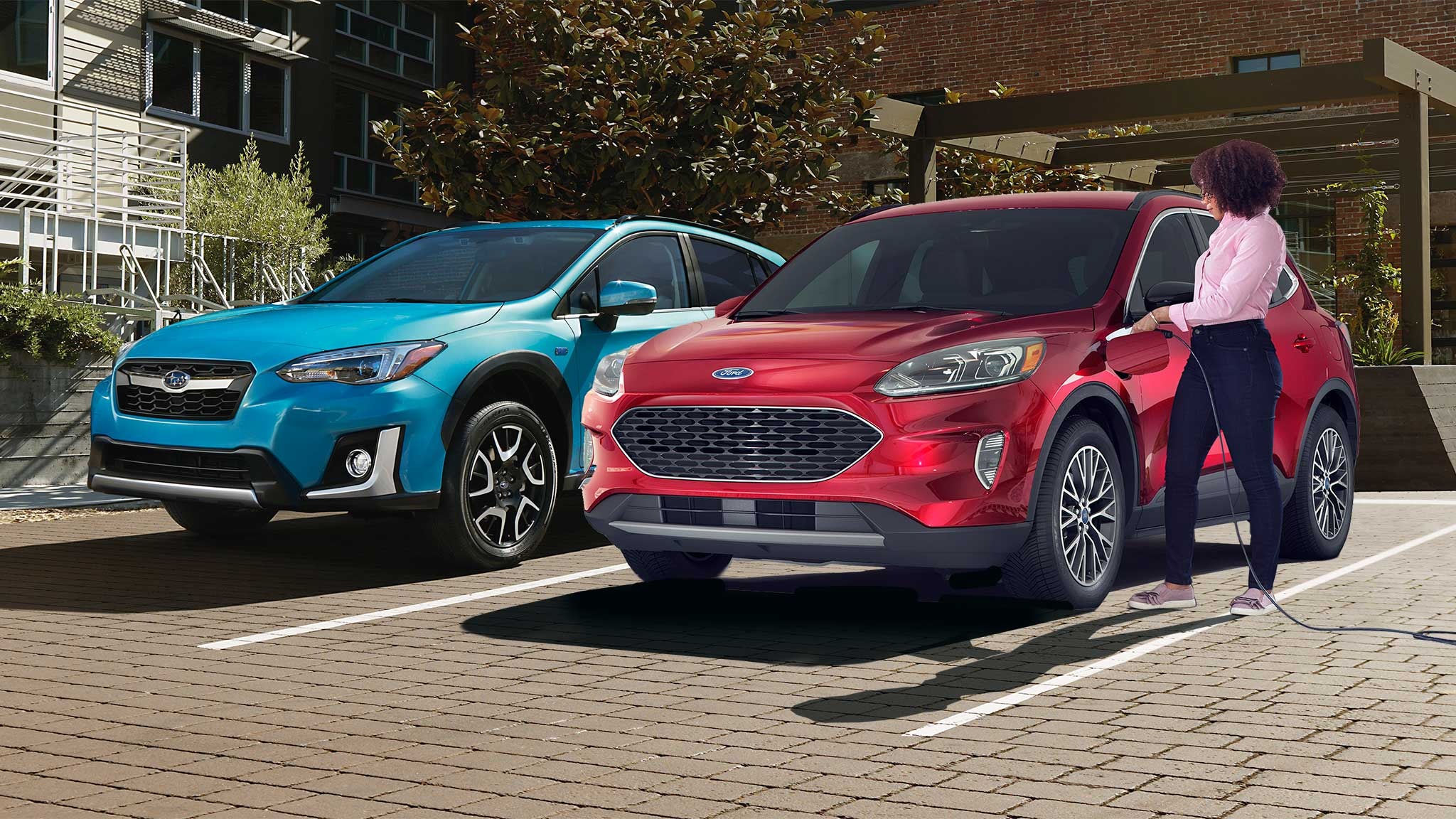
Insurance is one of those costs that quietly follows you everywhere, and over five years it adds up fast. The good news is that your choice of vehicle can pull that total down in a big way. Insurify’s national quote data and loss patterns tracked by the Highway Loss Data Institute point to a handful of models that tend to cost less to cover.
Keep in mind that no single report ranks exactly nine vehicles this way, so think of this list as a smart blend of both sources. Low prices, strong safety records, and few claims are the common thread. Let’s see which ones could trim your premiums.
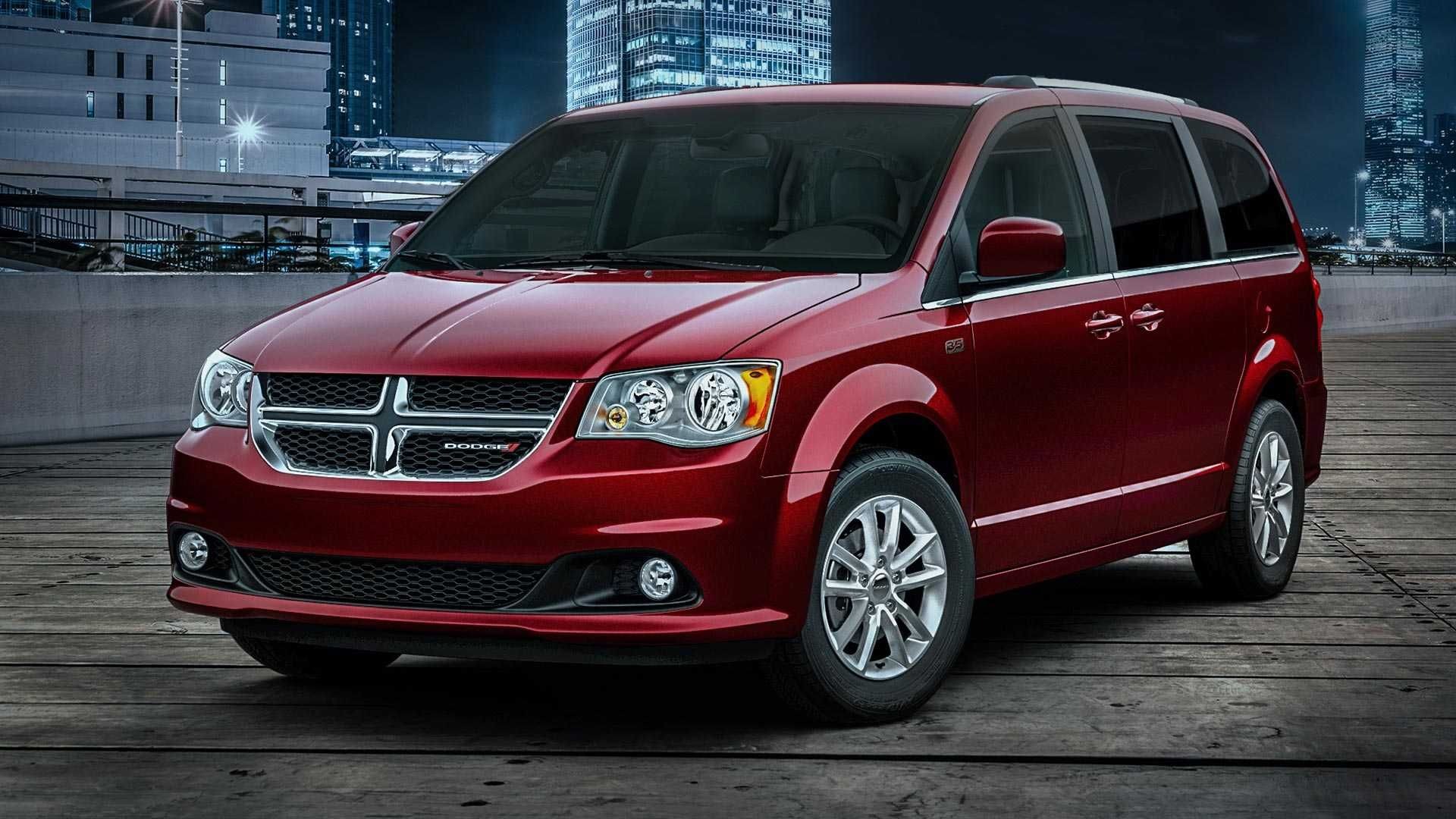
1. Dodge Grand Caravan
The Dodge Grand Caravan deserves attention from shoppers searching for affordable family transportation and manageable insurance expenses.
Its practical minivan design, accessible used-market pricing, and relatively straightforward mechanical layout make it an interesting choice for budget-conscious households.
Insurify’s vehicle insurance comparisons have identified the Grand Caravan as an affordable model to insure, although individual premiums depend on the driver’s profile and location.
One reason insurance costs can remain manageable is the vehicle’s mainstream design. Replacement parts and repair services are widely available, which can help keep certain repair bills under control.
HLDI loss information also provides useful insight into the relationship between vehicle models and insurance claims. For a five-year ownership plan, drivers should compare full-coverage premiums, deductibles, and comprehensive protection costs before purchasing.
An older Grand Caravan may have a lower insurance bill than a newer vehicle, although its age and condition can influence repair expenses.
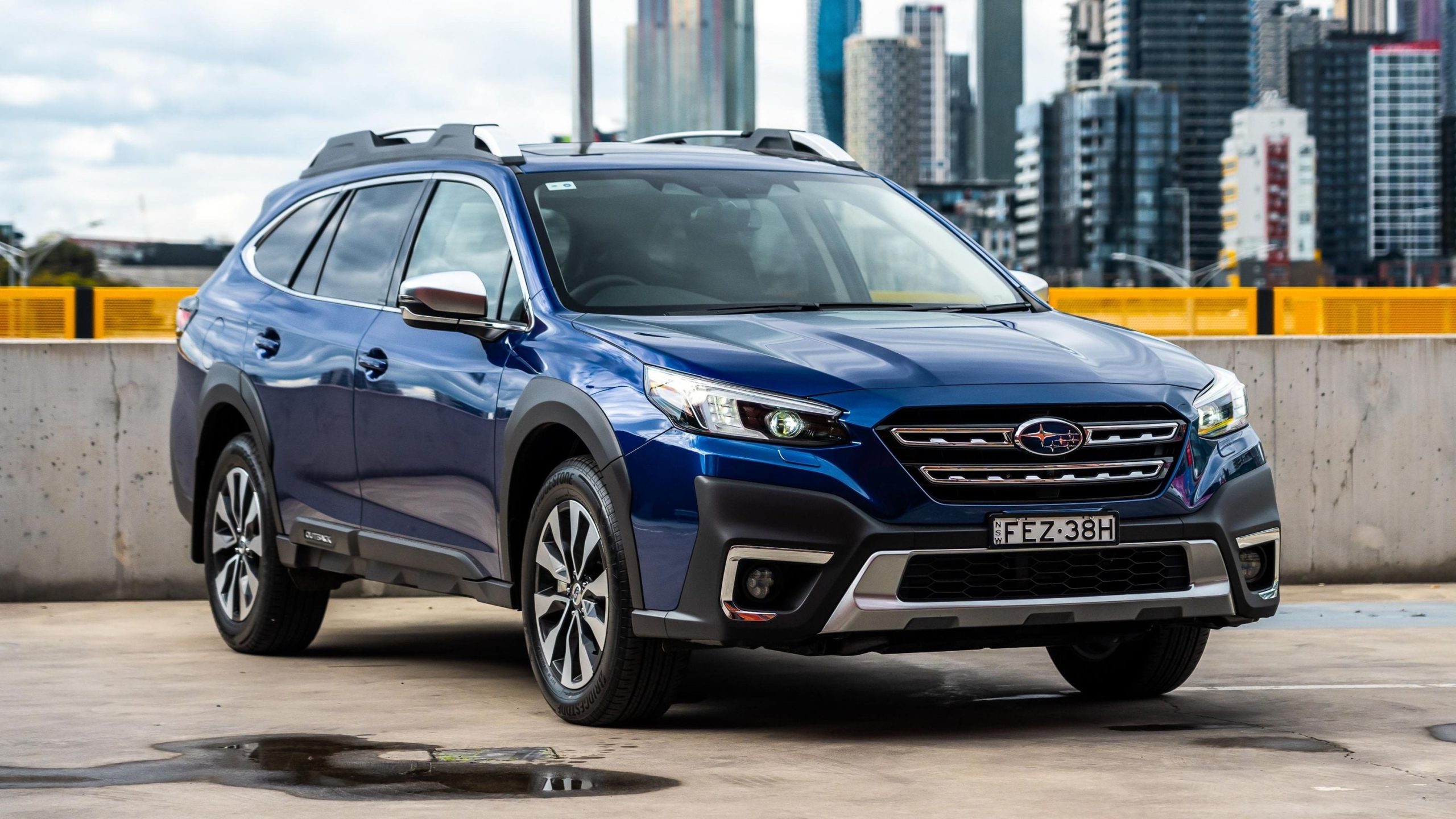
2. Subaru Outback
The Subaru Outback is a practical option for drivers who want the versatility of a crossover with the driving characteristics of a passenger car.
Its standard all-wheel-drive system, useful safety technology, and comfortable interior make it attractive to families and commuters. Insurance affordability adds another reason to consider this vehicle.
Insurify’s pricing comparisons have placed the Outback among vehicles that can offer competitive insurance premiums. Its safety equipment may help reduce certain accident risks, while its reputation for practical everyday use appeals to drivers who want a dependable vehicle for regular transportation.
HLDI evaluates insurance losses associated with different vehicle models, including bodily injury and collision claims. These measurements can help insurers assess potential risk when setting premiums.
During five years of ownership, the Outback may offer a manageable insurance expense, particularly for drivers with clean records. However, all-wheel-drive components and specialized replacement parts can affect repair bills after an accident.
Comparing quotes from several insurers is worthwhile. Drivers should also check whether their preferred coverage includes roadside assistance, rental reimbursement, and comprehensive protection.
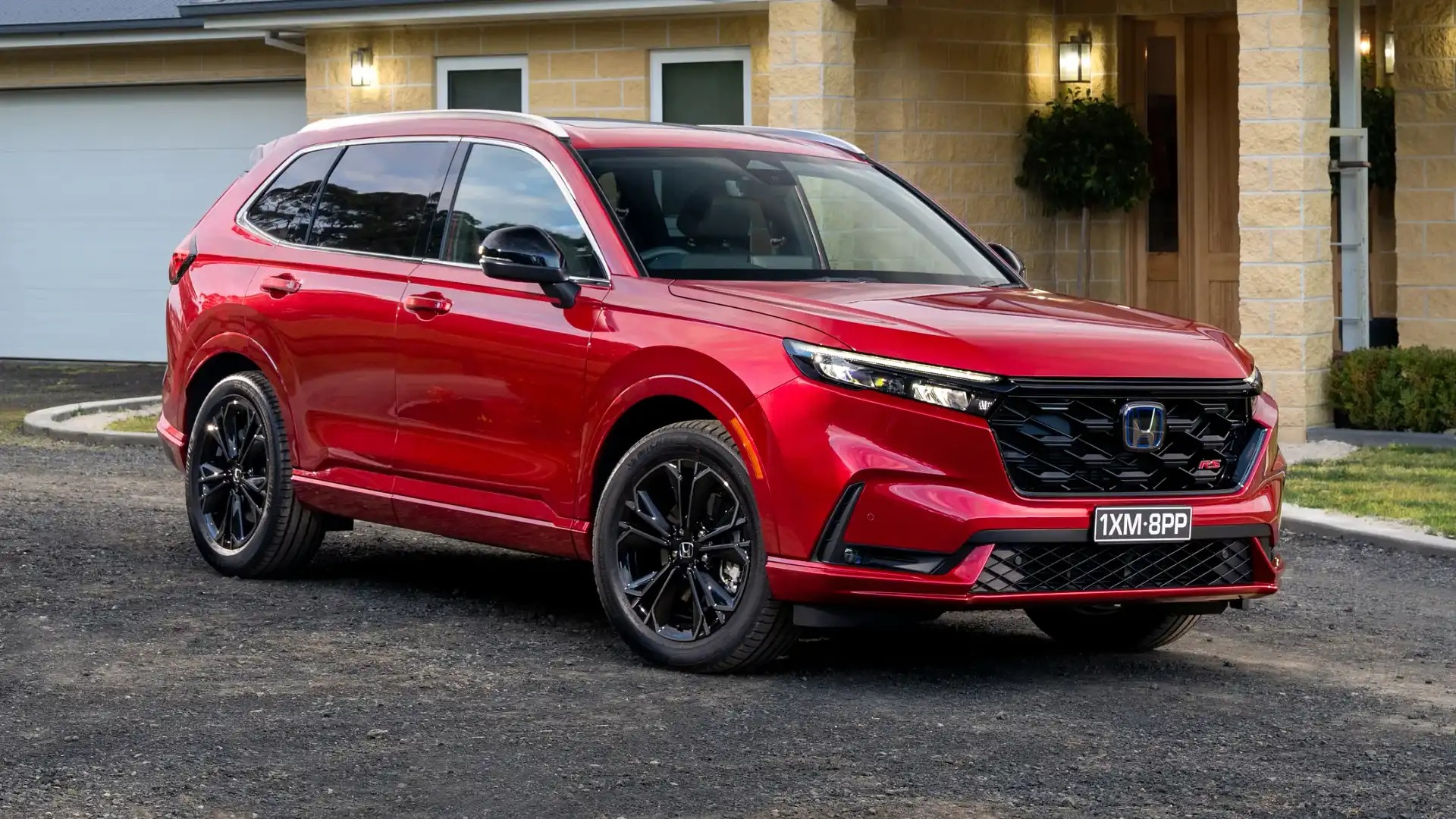
3. Honda CR-V
The Honda CR-V has become a popular choice among families, commuters, and drivers who want a comfortable compact SUV without excessive running expenses.
Its practical cabin, useful cargo capacity, and strong reputation for reliability make it appealing to people planning to keep a vehicle for several years.
Insurance affordability adds to its appeal. Insurify comparisons have regularly placed the CR-V among models with competitive full-coverage insurance costs.
Its safety technology and widespread availability of replacement parts can also help make ownership expenses more predictable.
HLDI claim information offers another useful way to assess the CR-V. Medical payment and personal injury protection losses help insurers understand the financial consequences of accidents involving particular vehicles.
Lower claim costs can contribute to more favorable insurance pricing, although they do not guarantee a cheaper policy.
The CR-V also benefits from broad parts availability, which can make routine collision repairs easier to manage. Drivers should still compare repair estimates because newer models with advanced sensors and driver-assistance equipment may require specialized calibration after an accident.
For a five-year insurance budget, the CR-V deserves a place on the shortlist. Its combination of everyday usefulness, safety features, and competitive insurance potential makes it a sensible candidate.
4. Subaru Forester
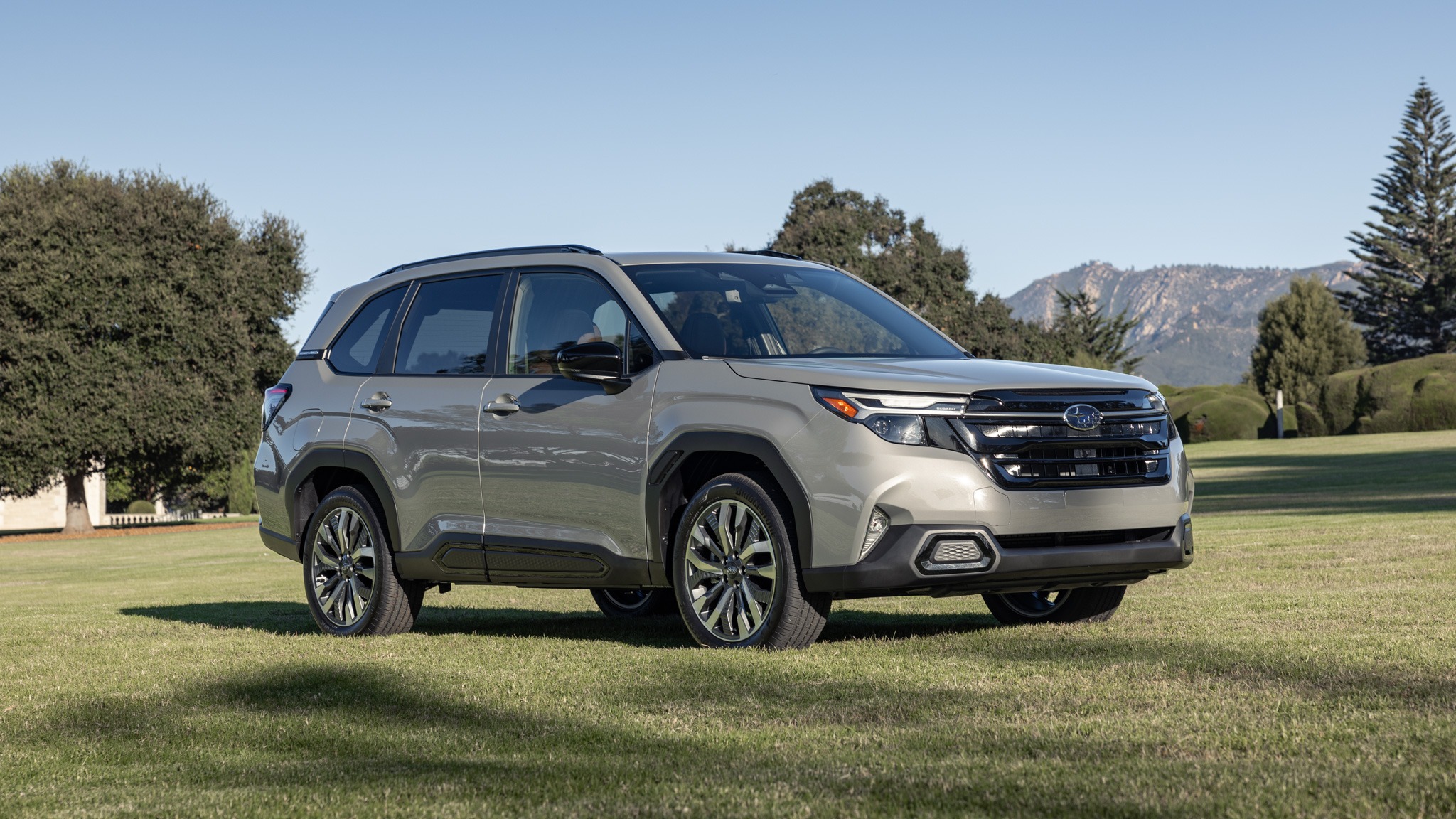
Drivers who want a compact SUV with excellent everyday practicality should consider the Subaru Forester. Its roomy cabin, generous visibility, standard all-wheel drive, and useful driver-assistance technology make it appealing to households that need a vehicle for commuting, errands, and weekend travel.
Insurance costs are another reason this model attracts attention. Insurify comparisons have placed the Forester among compact SUVs that can be relatively affordable to insure.
Its safety equipment and crash protection characteristics may help reduce the financial consequences of certain accidents. HLDI studies vehicle insurance losses by examining claim frequencies and costs across different models.
These findings can help insurers understand how vehicles perform in real-world claims situations. A vehicle with favorable loss results may receive more competitive pricing from some insurance providers.
The Forester’s five-year insurance expenses will still depend on the driver’s age, location, annual mileage, driving history, and selected coverage. Its all-wheel-drive system can also influence repair expenses if mechanical components are damaged.
For families who want additional traction and a practical interior without automatically moving into a more expensive vehicle category, the Forester is worth comparing.
Requesting quotes before signing a purchase agreement can reveal whether its insurance costs fit your budget.
5. Toyota RAV4
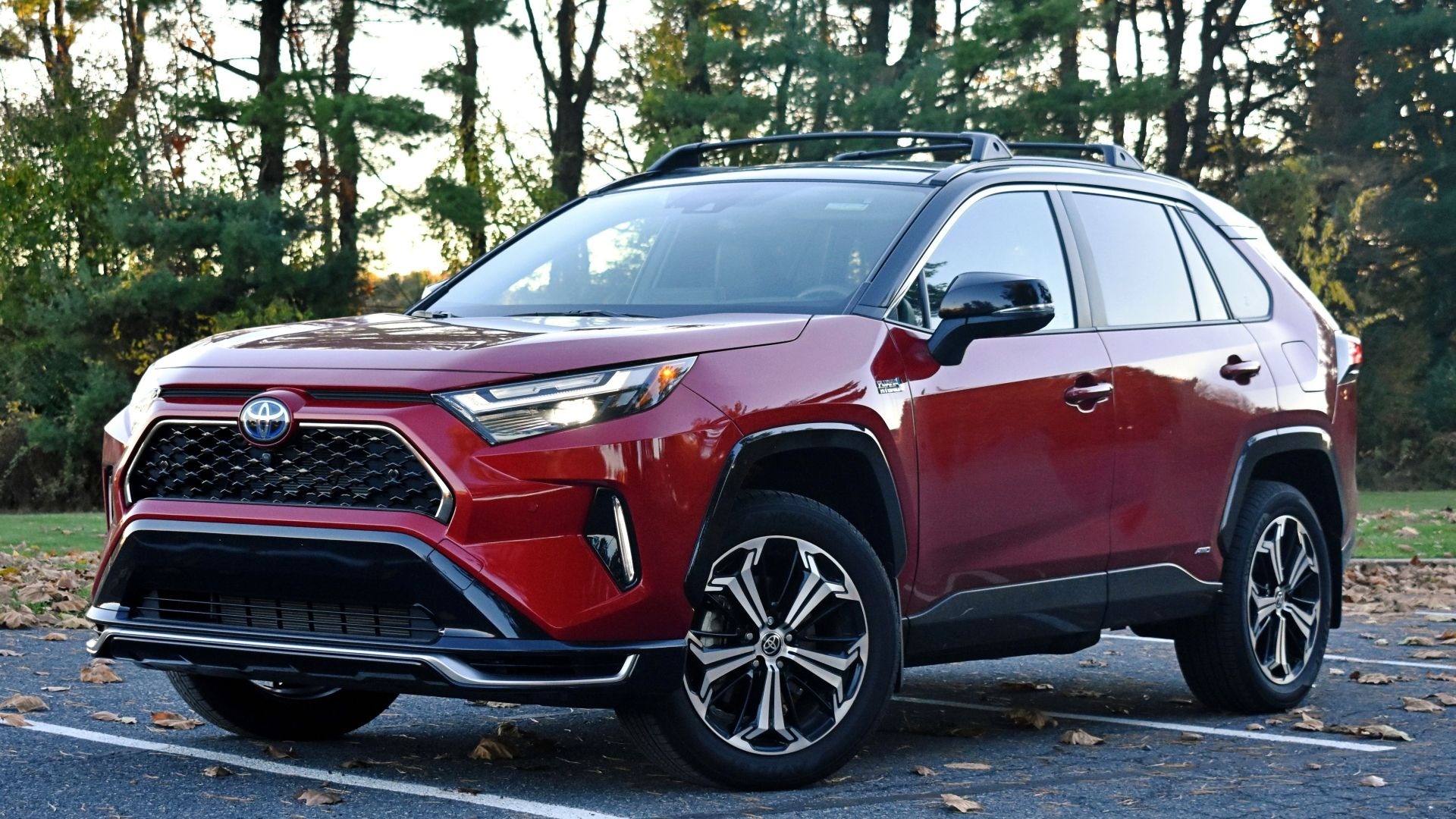
The Toyota RAV4 has plenty of competition in the compact SUV segment, particularly from the Honda CR-V, but its insurance affordability gives it another reason to stand out.
Both models are popular among families and commuters looking for dependable transportation, practical cargo space, and reasonable ownership expenses.
When comparing their annual insurance premiums, the RAV4 can be an appealing option for drivers hoping to keep five-year costs under control.
One factor worth considering is comprehensive insurance claims. HLDI loss data examines vehicle-related insurance claims, including theft and damage caused by events other than collisions.
Vehicles with lower comprehensive claim losses may present less financial risk to insurers, potentially supporting more competitive premiums.
The RAV4’s insurance appeal also benefits from Toyota’s established reputation for reliability, which makes it attractive to shoppers planning to keep their vehicles for several years.
Reliability matters because unexpected mechanical problems can add pressure to an ownership budget. Although routine maintenance and mechanical repairs are separate from insurance premiums, a dependable vehicle can make household transportation expenses easier to manage.
The RAV4 also offers a comfortable cabin, flexible cargo capacity, useful safety technology, and a raised seating position that many SUV shoppers appreciate.
Still, no vehicle receives the same insurance rate from every company. Your driving history, age, location, annual mileage, selected deductible, and coverage limits all influence the final premium.
Before choosing between the RAV4 and CR-V, request quotes for both models using identical coverage details. Comparing their five-year projected premiums could reveal which SUV delivers better value for your particular circumstances.
6. Honda Odyssey
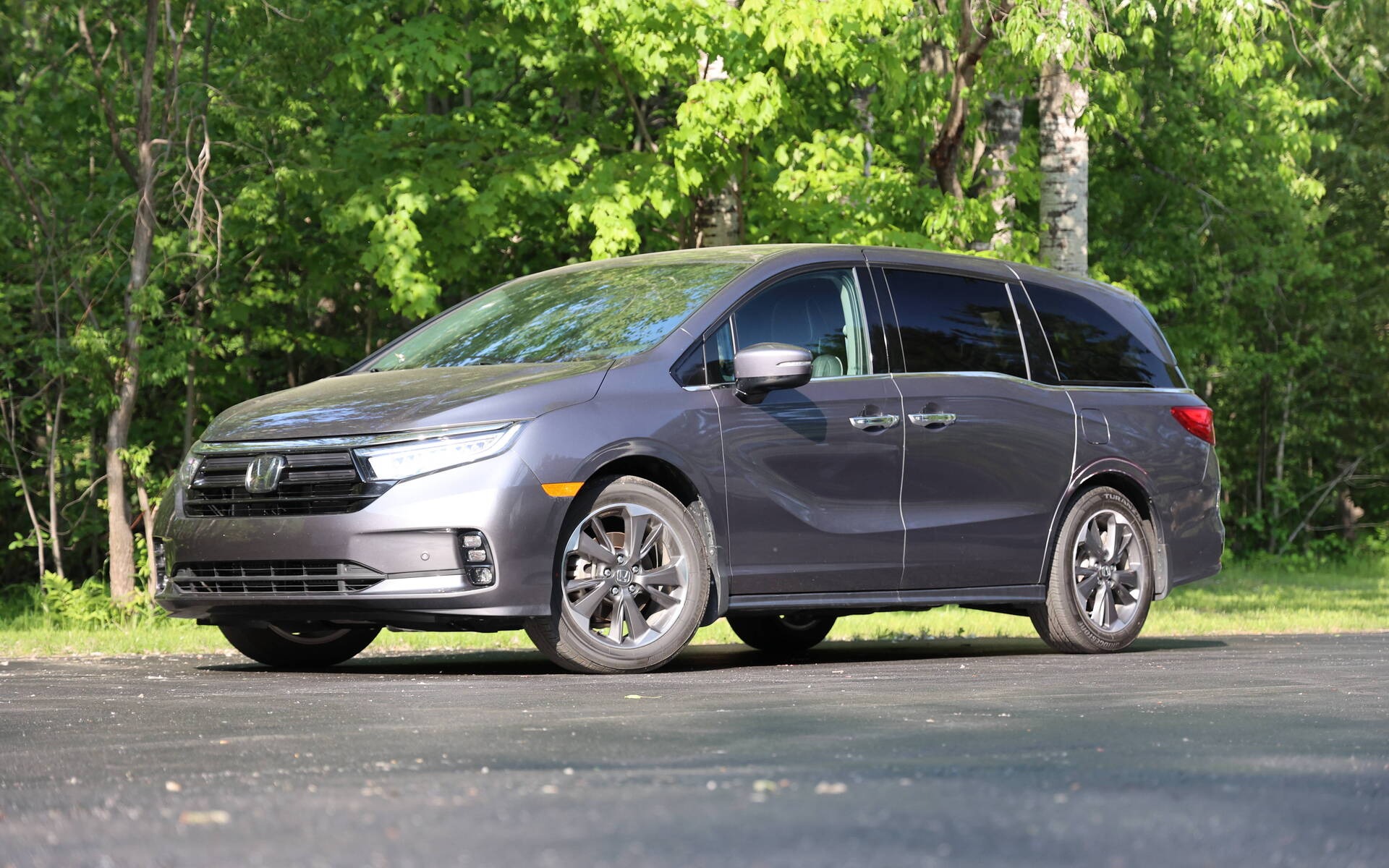
The Honda Odyssey is designed for households that need generous passenger space, flexible seating, and convenient family transportation. Its minivan layout makes it particularly useful for parents, larger households, and drivers who regularly carry several passengers.
Insurance costs can be appealing, too. Minivans are often associated with practical family transportation, and their typical use patterns may contribute to favorable insurance results for certain models.
Insurify comparisons have identified the Odyssey as a vehicle worth considering for drivers seeking competitive premiums.
HLDI insurance loss studies examine several categories, including property damage liability and bodily injury claims. These measurements help insurers understand the financial risks associated with different vehicle designs.
A favorable claims record can support more affordable premiums, although insurance companies use their own pricing methods.
The Odyssey also offers practical ownership advantages. Its mainstream engineering and broad parts availability can make many repairs easier to arrange than those involving specialized luxury vehicles.
Still, sliding-door mechanisms, advanced safety equipment, and other components can add to repair costs when damaged.
For a five-year ownership plan, the Odyssey deserves consideration from families who need substantial interior space. Compare its insurance quotes with similarly sized SUVs, and remember to account for deductibles, annual mileage, and the coverage limits that protect your household.
7. Ford Escape
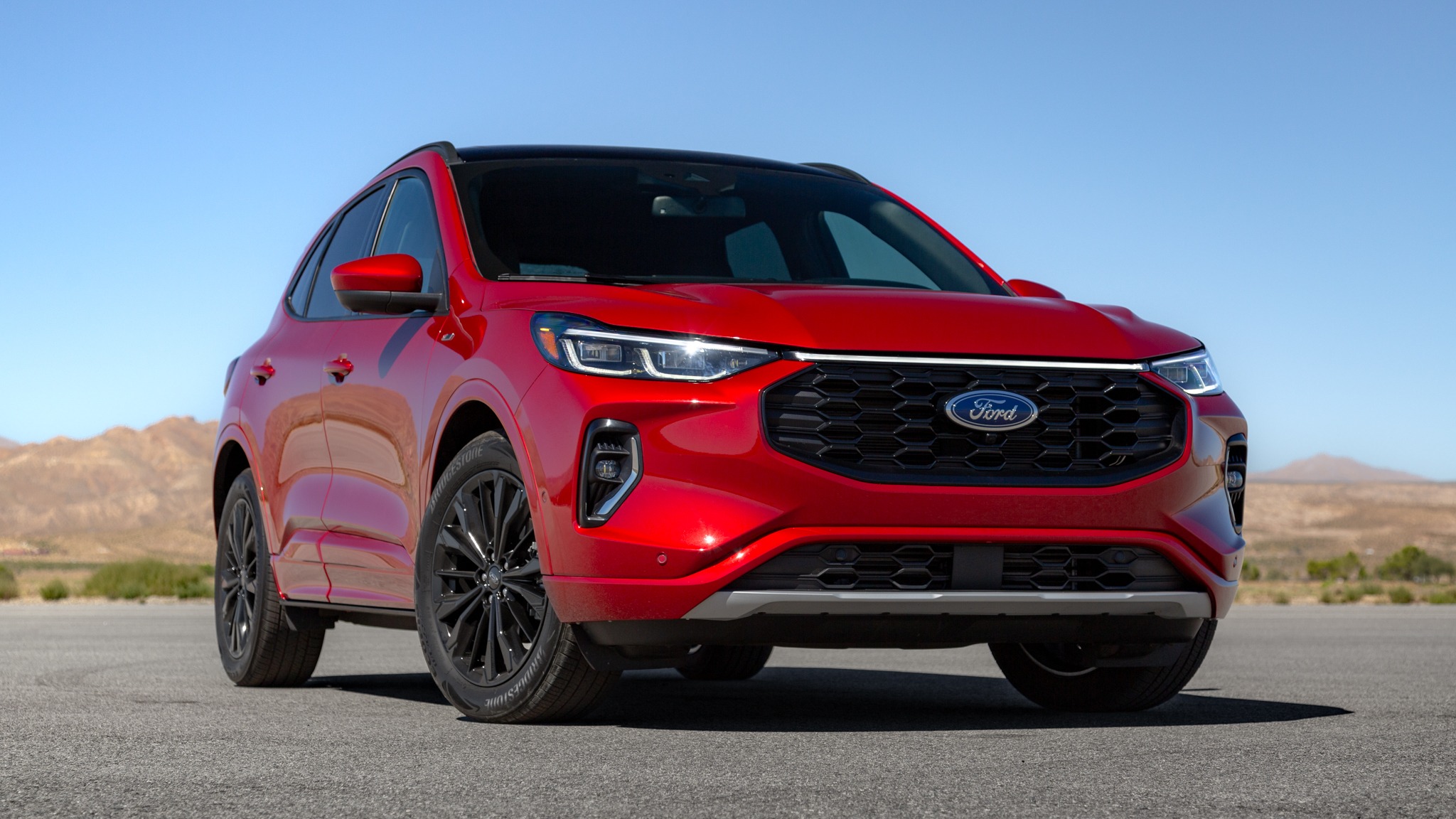
The Ford Escape offers an appealing combination of compact dimensions, everyday comfort, and useful technology. It is designed for drivers who want SUV practicality without the larger size and running expenses associated with full-size models.
Its availability in different powertrain configurations also gives shoppers several choices. Insurance pricing is another reason to consider the Escape.
Insurify comparisons have identified it as a model with competitive base insurance premiums. Its position in the mainstream compact SUV category can make it less expensive to insure than certain larger or more specialized vehicles.
HLDI loss data provides additional information about how vehicle models perform in insurance claims. Collision frequency, injury claims, and property damage losses can all influence how insurers assess risk.
The Escape’s insurance price will depend on its model year, equipment, and the driver’s personal circumstances. Repair costs also deserve attention.
Widely available replacement parts and an established service network may help keep certain repairs affordable. However, hybrid configurations and advanced electronic systems can require specialized service after particular types of damage.
A five-year insurance comparison should include both annual premiums and potential deductible expenses. Drivers should request quotes for the exact Escape trim and powertrain they intend to purchase.
For someone seeking a practical compact SUV with competitive insurance potential, the Ford Escape is a sensible model to investigate.
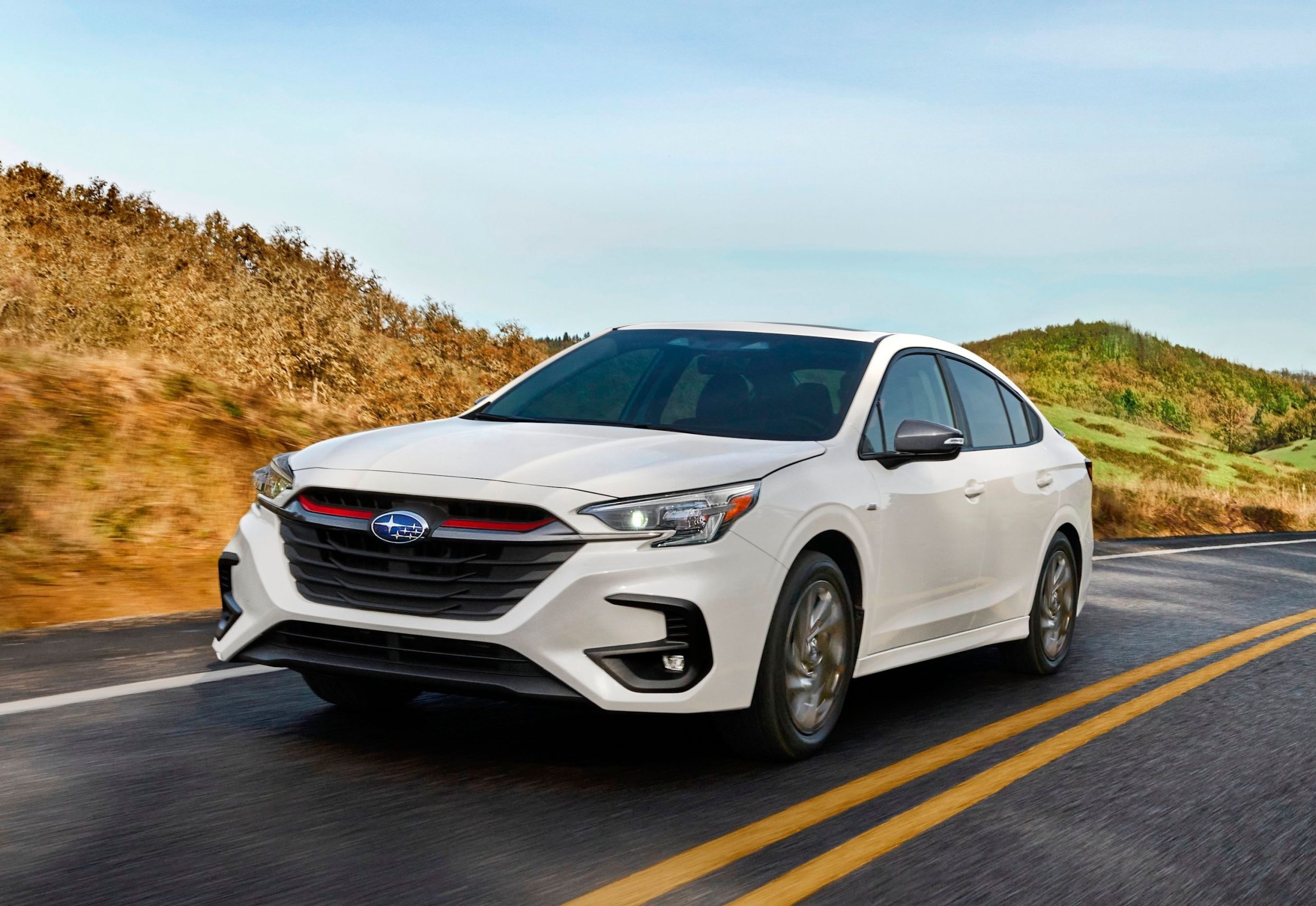
8. Subaru Legacy
The Subaru Legacy offers a different approach for drivers who prefer a traditional midsize sedan instead of an SUV. Its comfortable seating, practical trunk, standard all-wheel drive, and safety technology make it suitable for daily commuting and longer journeys.
Insurance affordability helps the Legacy stand out among family sedans. Insurify comparisons have identified it as a model capable of delivering competitive premiums, making it worth considering for drivers who want a comfortable vehicle without unusually high insurance expenses.
Its driver-assistance features can help reduce the likelihood of certain accidents when used appropriately. Systems designed to provide warnings, assist with braking, and monitor surrounding traffic can contribute to safer driving habits.
However, no safety system eliminates accident risk. HLDI evaluates insurance losses across vehicle categories, including collision and bodily injury claims.
Such information helps insurers understand the costs associated with different models. Vehicles with favorable claims experience may receive better insurance pricing from certain companies.
The Legacy’s five-year insurance expenses will vary according to location, driver history, mileage, and coverage selection. Advanced sensors and electronic components may also increase repair bills following some collisions.
For shoppers who do not need an SUV’s extra cargo height, the Legacy can provide a practical alternative. Comparing several insurance quotes before purchasing can help establish whether its sedan design and safety equipment translate into real savings.
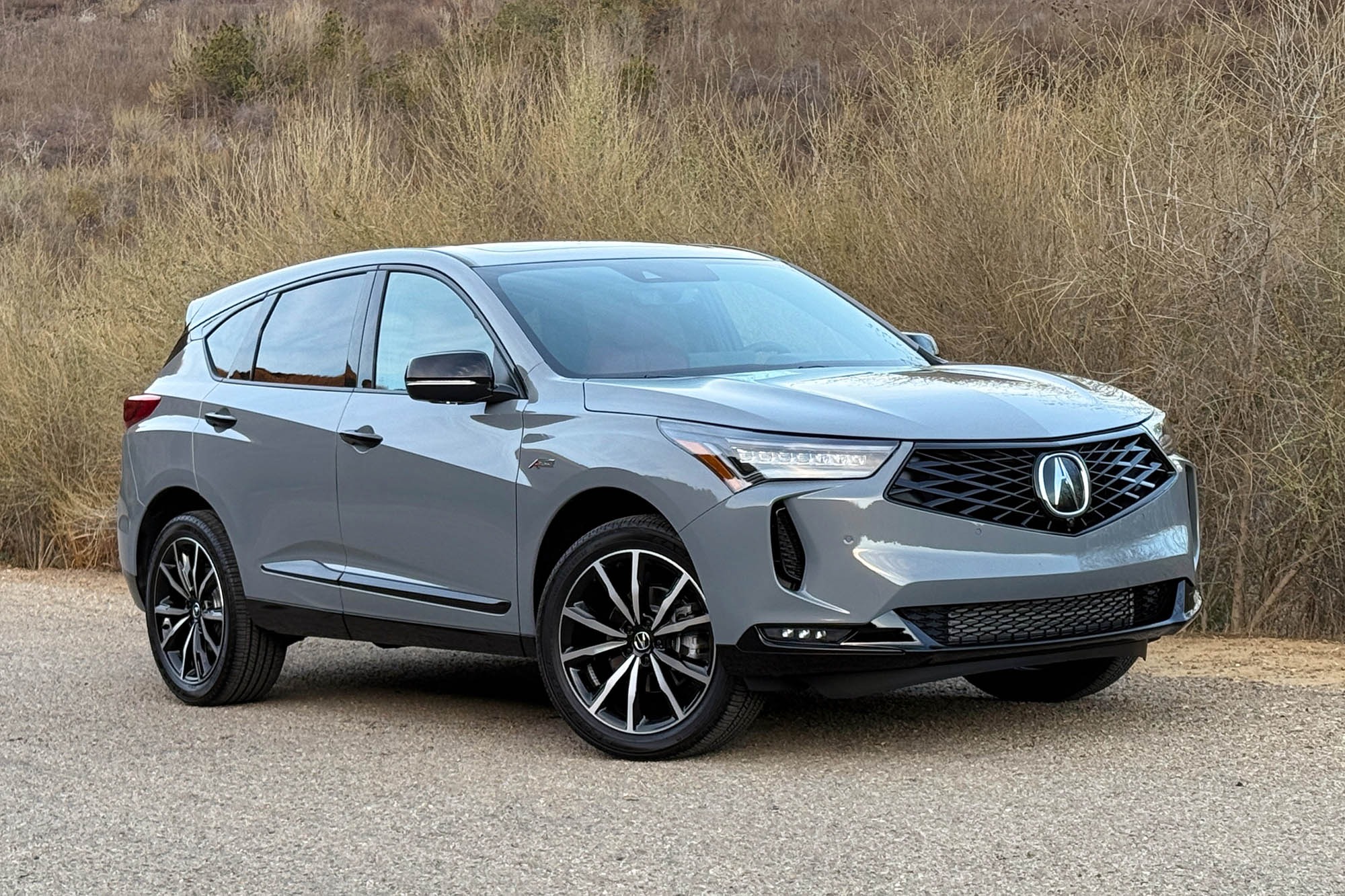
9. Acura RDX
Luxury without the usual insurance sting sounds like a fantasy, yet the RDX comes surprisingly close. Insurify points to it as the anchor of the entry-level luxury segment for low premium totals.
HLDI data backs that up, showing it outperforms rival premium crossovers in reducing bodily injury claims. In plain terms, it tends to protect people well, and insurers reward that.
The best part is how it blends upscale amenities with the affordable insurance footprints usually seen on non-luxury models. You get leather, advanced tech, and a refined ride without the premium shock that often follows a luxury badge.
Over five years, choosing the RDX over a pricier rival could keep a meaningful sum in your pocket. Still, luxury vehicles can cost more to repair, so ask about repair coverage and deductible options.
Compare quotes from several insurers to find the sweet spot between price and protection. If you want a nicer vehicle without paying the usual luxury penalty on your policy, the RDX is a smart candidate for your shortlist.