Owning a truck involves much more than paying for gasoline. Purchase price, depreciation, financing, insurance, maintenance, and repairs can take a much larger bite out of a household budget than fuel.
That is why choosing an efficient pickup or electric truck can make a difference when calculating long-term ownership expenses. Some models deliver impressive mileage through hybrid technology, while others use efficient gasoline engines or battery power to keep daily operating costs manageable.
Based on EPA fuel and energy cost estimates and Kelley Blue Book ownership figures, these ten vehicles offer different ways to reduce transportation expenses. From affordable compact pickups to full-size work trucks and electric models, each provides a useful example of how fuel consumption fits into the larger cost of owning a truck.
1. Ford Maverick Hybrid
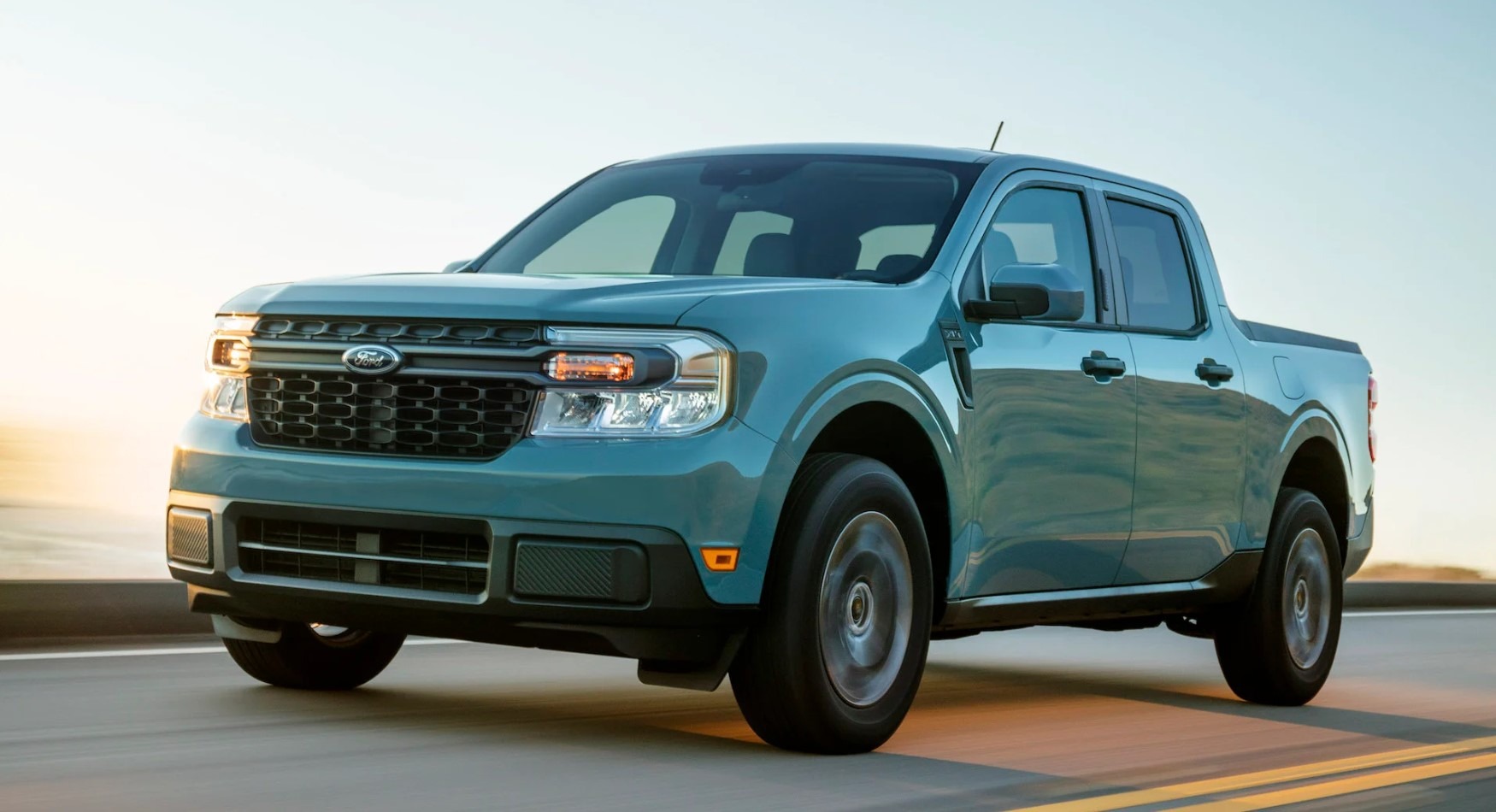
The Ford Maverick Hybrid makes a strong case for drivers who want pickup functionality without spending heavily on gasoline. Its front-wheel-drive hybrid configuration delivers an EPA-estimated combined fuel economy of approximately 38 MPG, helping keep annual fuel expenses near $1,150.
That is an attractive figure for a pickup, particularly for people who use their vehicles regularly for commuting and everyday transportation.
Its estimated five-year cost to own is approximately $31,416, according to the supplied Kelley Blue Book figures.
When compared with the purchase, depreciation, financing, insurance, and maintenance expenses involved in owning a vehicle, the estimated annual fuel bill represents a relatively small portion of the total.
The hybrid powertrain combines a gasoline engine with electric assistance, allowing the truck to use less fuel during everyday driving.
Owners also benefit from the convenience of a conventional refueling routine because the battery charges through the vehicle’s hybrid system rather than an external charging station.
For small business owners, homeowners, and drivers who occasionally transport equipment, the Maverick offers a practical balance between utility and efficiency. Its compact dimensions also make it easier to use as a daily vehicle than many larger pickups.
The financial appeal becomes clearer when considering how much less fuel it consumes than some traditional trucks.
Although the initial purchase price and depreciation still deserve attention, its estimated $1,150 annual energy expense makes gasoline a relatively minor part of ownership.
2. Ford Maverick AWD/Gas
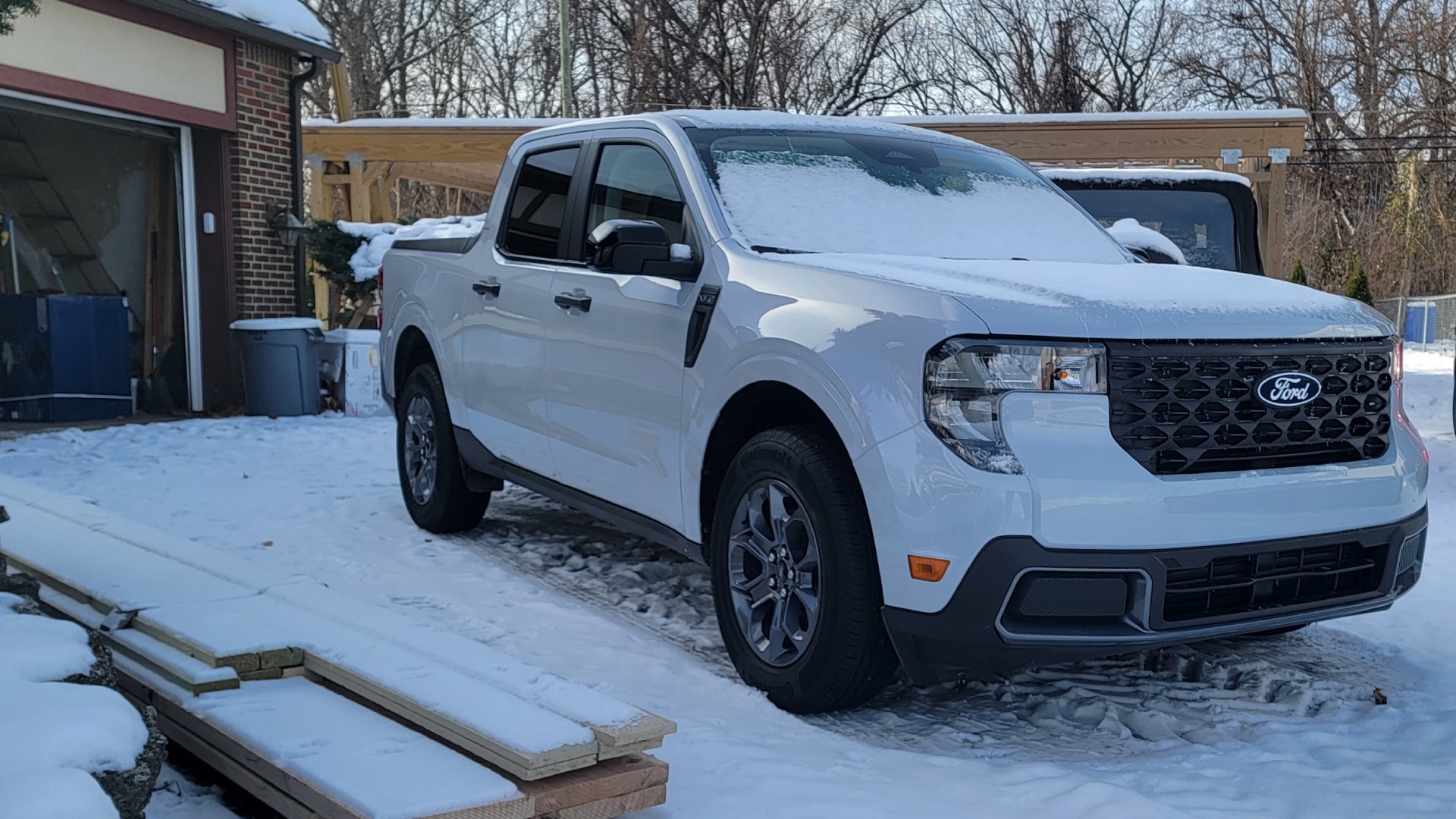
Not every Ford Maverick buyer chooses the hybrid version. The gasoline-powered all-wheel-drive model provides another option for people who prefer conventional engine operation and additional traction for changing road conditions.
Its estimated combined fuel economy is approximately 23 MPG, with annual gasoline expenses reaching around $1,900.
That is roughly $750 more per year than the estimated fuel expense of the front-wheel-drive hybrid configuration. For someone who drives thousands of miles annually, that difference deserves attention.
The supplied Kelley Blue Book estimate places the Maverick’s five-year ownership cost at approximately $31,416. This figure illustrates why fuel should not be considered the only expense when evaluating a pickup. Depreciation, financing, insurance, and other ownership costs can account for a larger share of the total.
The AWD gasoline version may appeal to drivers who regularly travel on slippery roads, visit outdoor destinations, or need additional traction for certain work activities. Its compact pickup design also provides useful cargo flexibility without requiring a full-size truck.
There is an important financial consideration to keep in mind when buying a vehicle. Looking only at the advertised purchase price does not reveal the full cost of ownership. A less expensive model may use more fuel over time, while a more fuel-efficient version could help reduce long-term operating expenses and provide greater overall savings.
For buyers comparing both Maverick configurations, the best decision depends on annual mileage, driving conditions, equipment needs, and the price difference between the available models. The gasoline version remains useful, but its fuel budget deserves careful planning.
3. Hyundai Santa Cruz
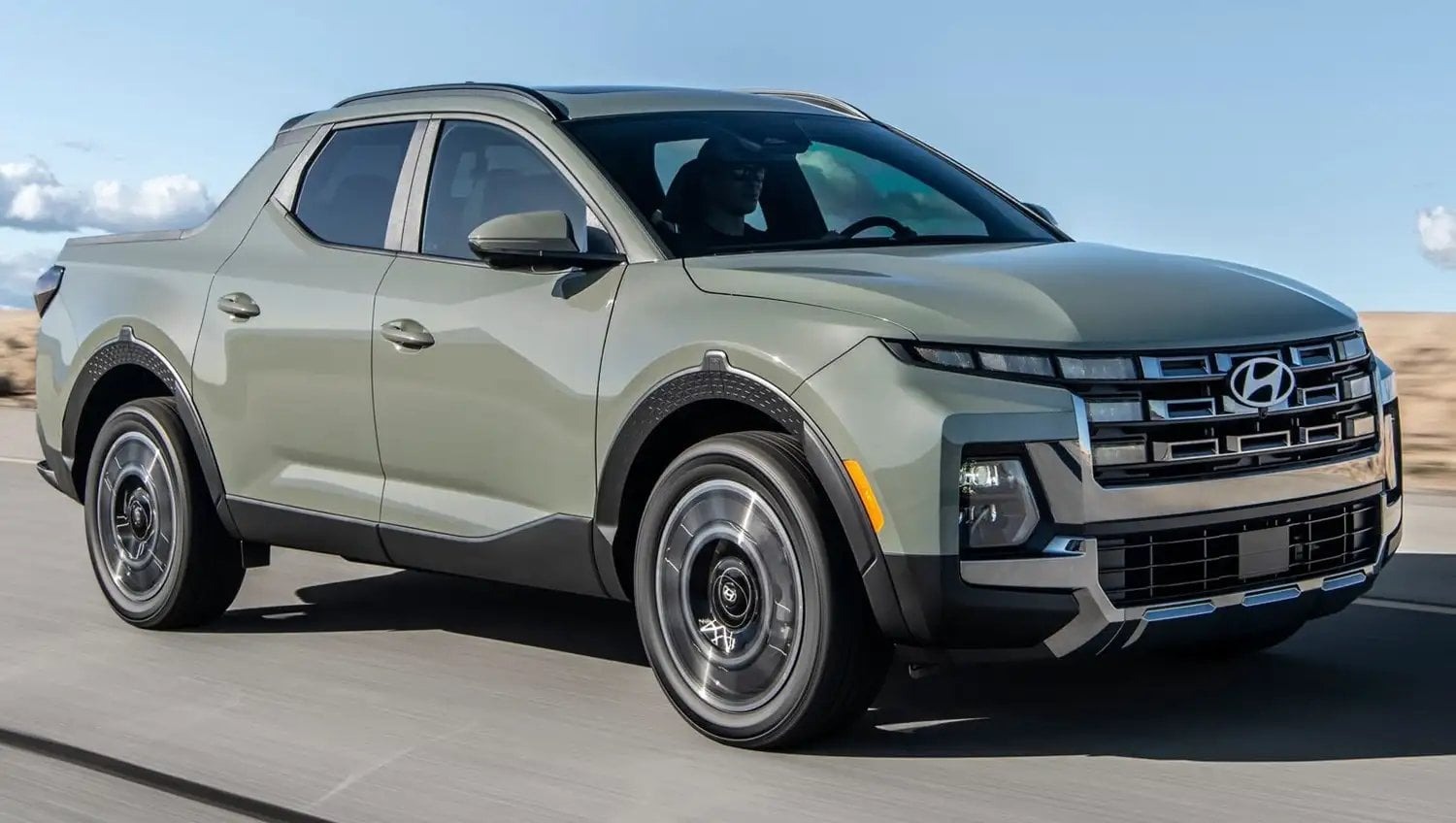
The Hyundai Santa Cruz takes a different approach to pickup ownership by combining the comfort and driving characteristics of a crossover with the usefulness of an open cargo bed.
It is designed for people who need occasional hauling ability but do not necessarily require the traditional size and construction of a larger pickup.
Its estimated average fuel economy is approximately 23.4 MPG, with annual gasoline expenses around $2,100. The supplied base ownership estimate is approximately $29,500, giving buyers another useful figure to consider when evaluating its total financial demands.
Fuel consumption is higher than that of the Maverick Hybrid, but the Santa Cruz can still appeal to drivers who value a versatile vehicle for personal and recreational use.
Its unibody construction helps provide a more car-like driving experience, making it suitable for commuting, shopping, and weekend activities.
Think of someone who needs to transport gardening equipment during the week, carry outdoor supplies on weekends, and still wants a comfortable vehicle for everyday travel. The Santa Cruz serves that type of owner without requiring a traditional full-size pickup.
Its annual fuel bill is not the lowest on this list, yet gasoline remains only one part of the ownership calculation. Depreciation, insurance, financing, and maintenance also affect the amount spent during the first five years.
Buyers should compare different engine configurations and equipment packages before settling on a particular model. Driving habits can also affect actual fuel expenses.
The Santa Cruz is a practical choice for people who want pickup-inspired usefulness in a compact, everyday-friendly package.
4. Ford Ranger
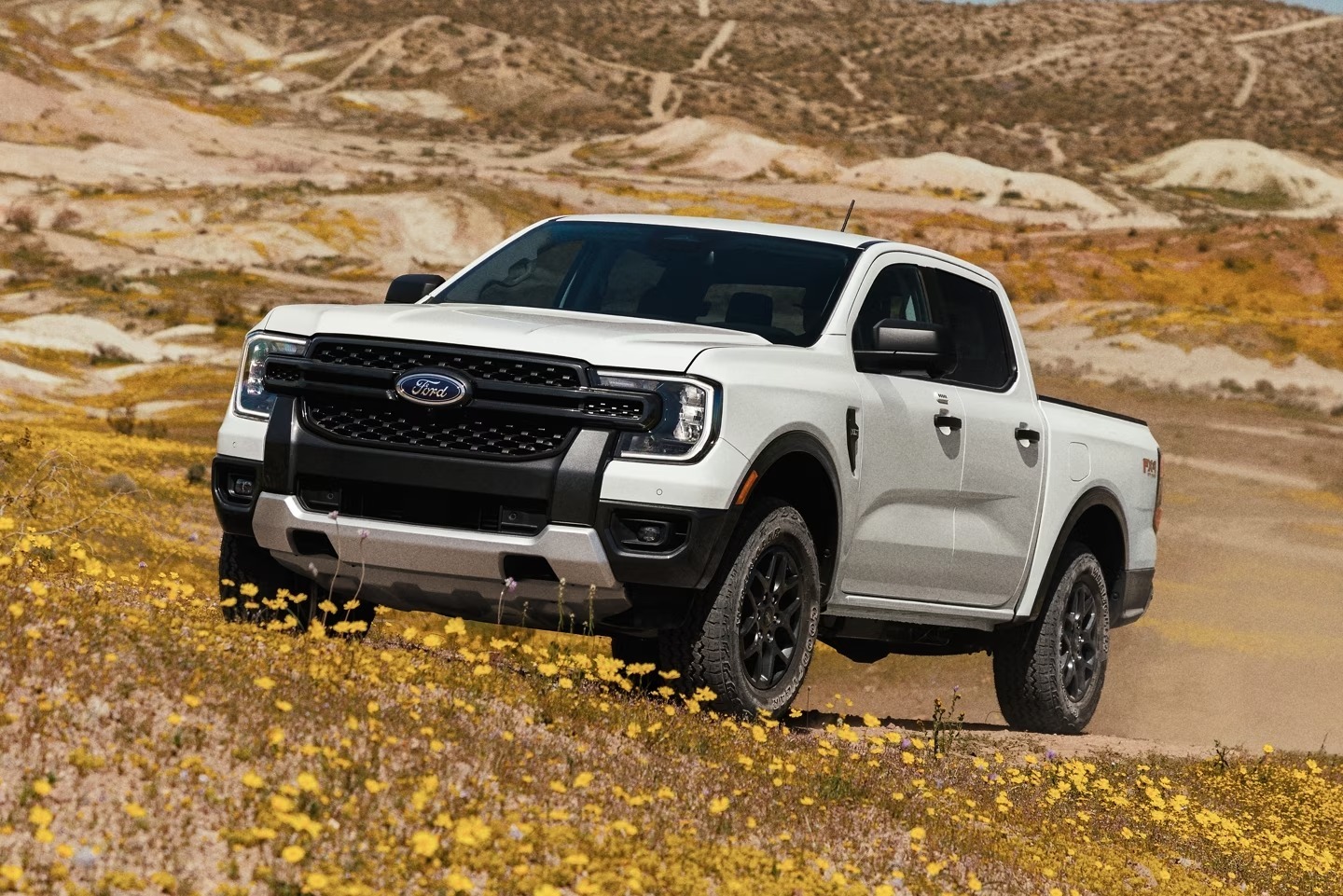
Midsize muscle with a sensible side. The Ford Ranger earns an estimated annual fuel cost between $2,300 and $2,500, and it carries a KBB five-year cost to own of roughly $40,532 to $40,626.
With about 23 combined mpg, it is considered segment-leading for efficiency among midsize pickups. Do the math over five years and fuel lands somewhere between $11,500 and $12,500.
That is a real amount of money, yet it still sits well below the combined impact of depreciation, financing, insurance, and upkeep in the total. This is where many shoppers get tripped up.
They chase a few extra miles per gallon while ignoring how much value the truck will lose in the first few years. A smart buyer checks resale expectations, compares loan rates, and negotiates the purchase price hard, because those moves can save thousands.
The Ranger offers a good balance for drivers who need more bed space and towing ability than a compact truck provides but do not want a full-size rig. It handles job sites, trail trips, and family errands without drama.
If fuel economy matters to you, great, the Ranger is a strong performer in its class. Just keep the bigger picture in view. Fuel is a recurring expense you feel at every fill-up, though it rarely tops the list.
5. Toyota Tacoma
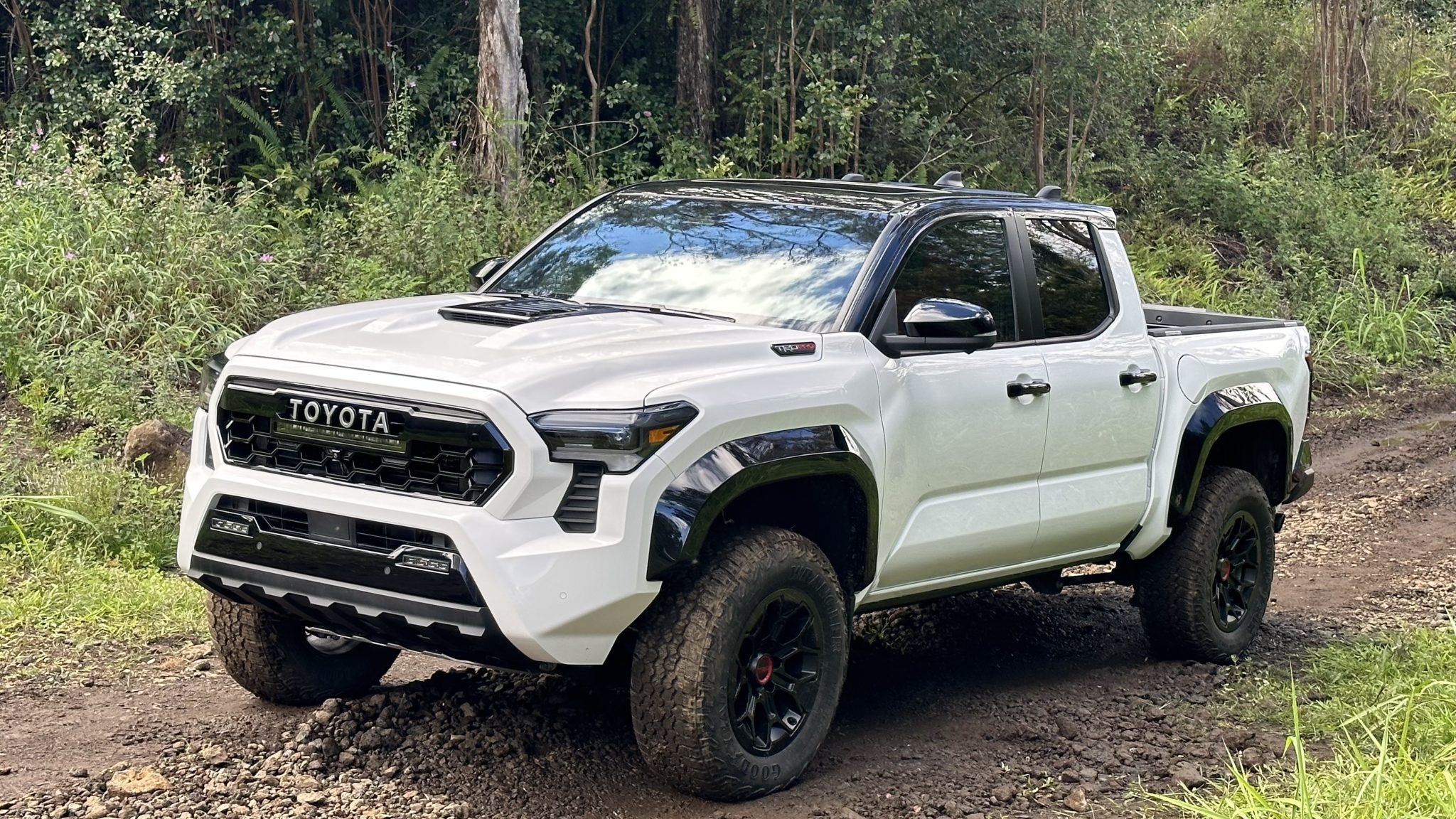
The Toyota Tacoma has earned a strong reputation among midsize pickup shoppers who value durability, practical utility, and resale value.
While its estimated annual fuel expense of approximately $2,600 is higher than that of several smaller trucks, its ownership calculation involves more than gasoline consumption.
Resale value deserves particular attention. A vehicle that retains a larger portion of its original purchase price may produce a lower depreciation expense for its owner.
Since depreciation often accounts for a substantial share of five-year ownership costs, this can help offset higher annual fuel spending.
The Tacoma’s fuel economy varies depending on the engine, drivetrain, model year, and selected configuration. Buyers should therefore check the EPA rating for the exact version they intend to purchase rather than assuming every Tacoma has identical running costs.
For people who need a dependable midsize pickup for work, recreation, or household transportation, the Tacoma offers a familiar combination of truck utility and everyday usability. It can handle equipment, outdoor supplies, and regular transportation duties.
Its annual gasoline bill may approach $2,600 under the supplied estimate, but that amount should be viewed alongside purchase price, financing, insurance, maintenance, and expected resale value.
A buyer who plans to sell the vehicle after several years may benefit from examining current used-market prices before making a decision. Strong resale performance can help reduce the financial effect of depreciation.
The Tacoma demonstrates why the cheapest truck to fuel is not automatically the least expensive vehicle to own.
6. Chevrolet Colorado
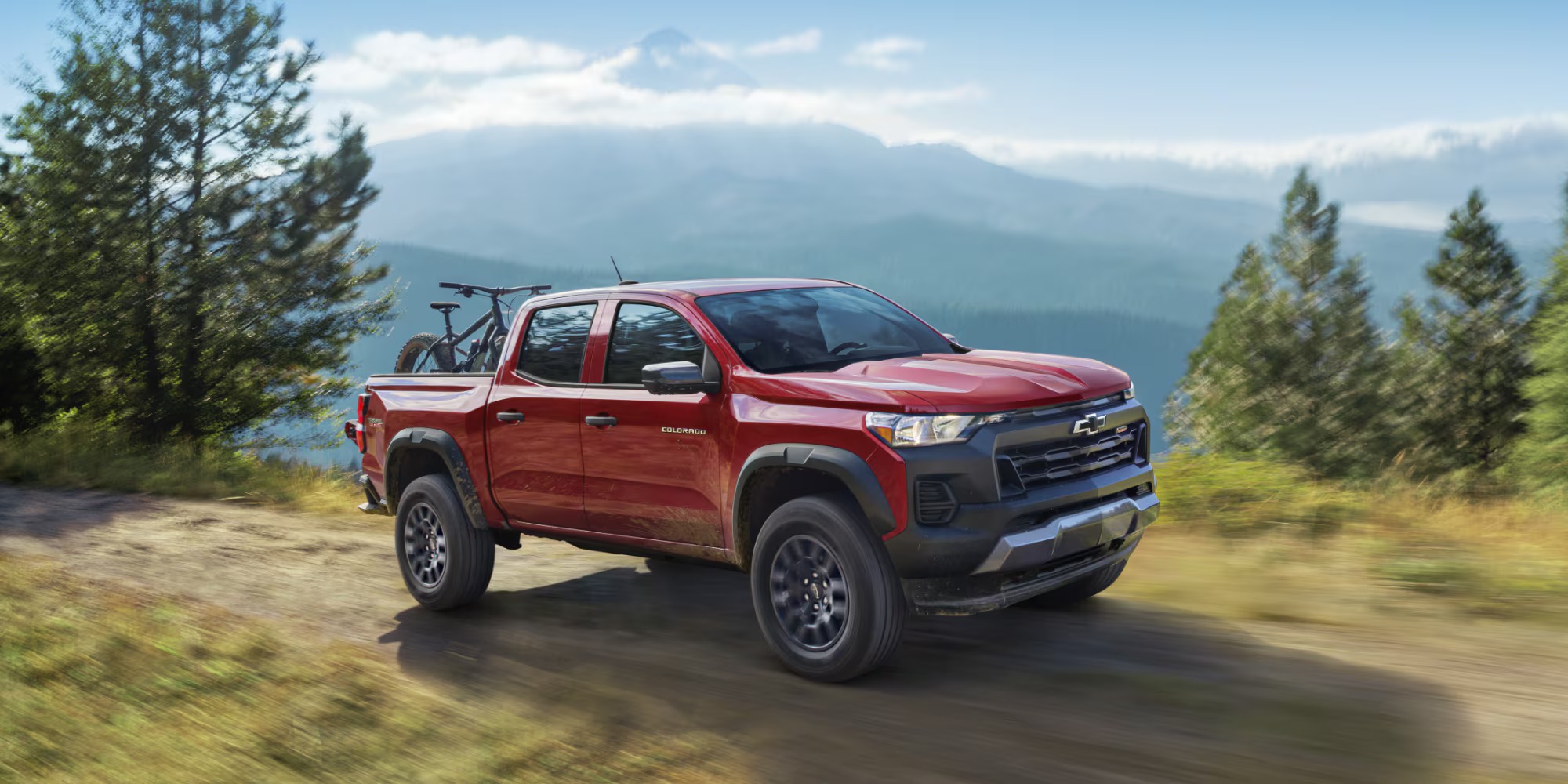
The Chevrolet Colorado provides another midsize pickup option for people who want useful hauling capability without moving into a full-size truck.
Its estimated annual gasoline expense is approximately $2,700, placing it near the higher end of the midsize models featured here.
That figure reflects the realities of owning a truck designed to handle more demanding transportation duties than a typical compact pickup. Engine choice, drivetrain, driving conditions, and cargo weight can all affect the amount of gasoline required.
The Colorado’s appeal comes from its combination of passenger comfort, pickup functionality, and available power. It can serve drivers who need to transport work materials, carry recreational equipment, or handle household projects that require an open cargo bed.
Its turbocharged engine options also provide an interesting balance between power delivery and fuel consumption. Buyers should compare EPA ratings for their preferred configuration because different versions can have different operating expenses.
The annual fuel estimate of approximately $2,700 is only one part of the ownership equation. The supplied information does not provide a single five-year Kelley Blue Book cost for every Colorado configuration, so a direct ownership-cost comparison requires additional model-specific research.
For a realistic budget, shoppers should include insurance, maintenance, financing, registration, depreciation, and potential repair expenses.
The Colorado may not deliver the low gasoline costs of a hybrid compact pickup, but it offers a different level of utility. Drivers who regularly use its capabilities may find the additional fuel expense reasonable for the work it performs.
7. Toyota Tundra
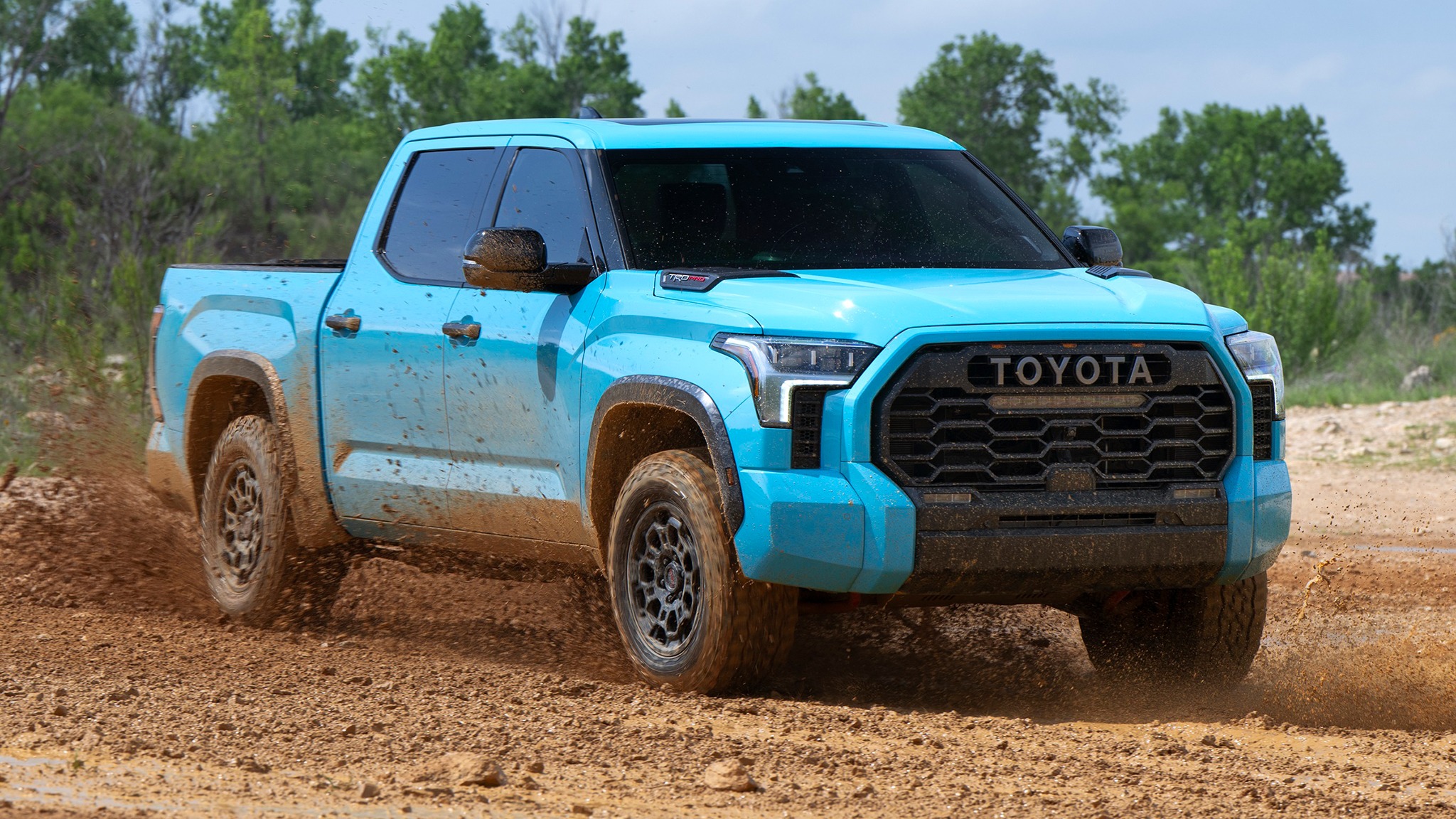
Full-size pickup ownership usually involves larger expenses, and the Toyota Tundra is a good example of why fuel economy should be considered alongside vehicle capability.
Its estimated annual gasoline expense is approximately $3,100, although the exact amount depends on the selected engine and configuration.
The supplied Kelley Blue Book five-year ownership estimate is approximately $48,254. At that level, annual gasoline expenses represent only one portion of the money required to own the truck.
The Tundra is designed for drivers who need a substantial pickup for hauling, towing, and everyday transportation. Its larger dimensions and available power make it suitable for people whose requirements go beyond what a compact or midsize truck can provide.
Certain configurations offer Toyota’s i-FORCE MAX hybrid powertrain. This system combines a gasoline engine with electric assistance to provide additional performance and improve efficiency relative to some conventional configurations.
However, the actual fuel economy depends on the specific version, equipment, and driving conditions. For buyers considering a Tundra, the hybrid option deserves a close look.
A higher initial purchase price may be justified by the benefits of improved performance and potentially lower fuel consumption, depending on the price difference.
Full-size truck owners should also consider how driving habits affect their fuel budget. Towing heavy trailers, carrying large loads, and frequently driving through congested traffic can all lead to higher fuel consumption and increased operating costs.
The Tundra makes the most sense for people who need full-size pickup capability. Its fuel expenses are higher than those of smaller trucks, but its usefulness may justify the additional running costs.
8. Ford F-150
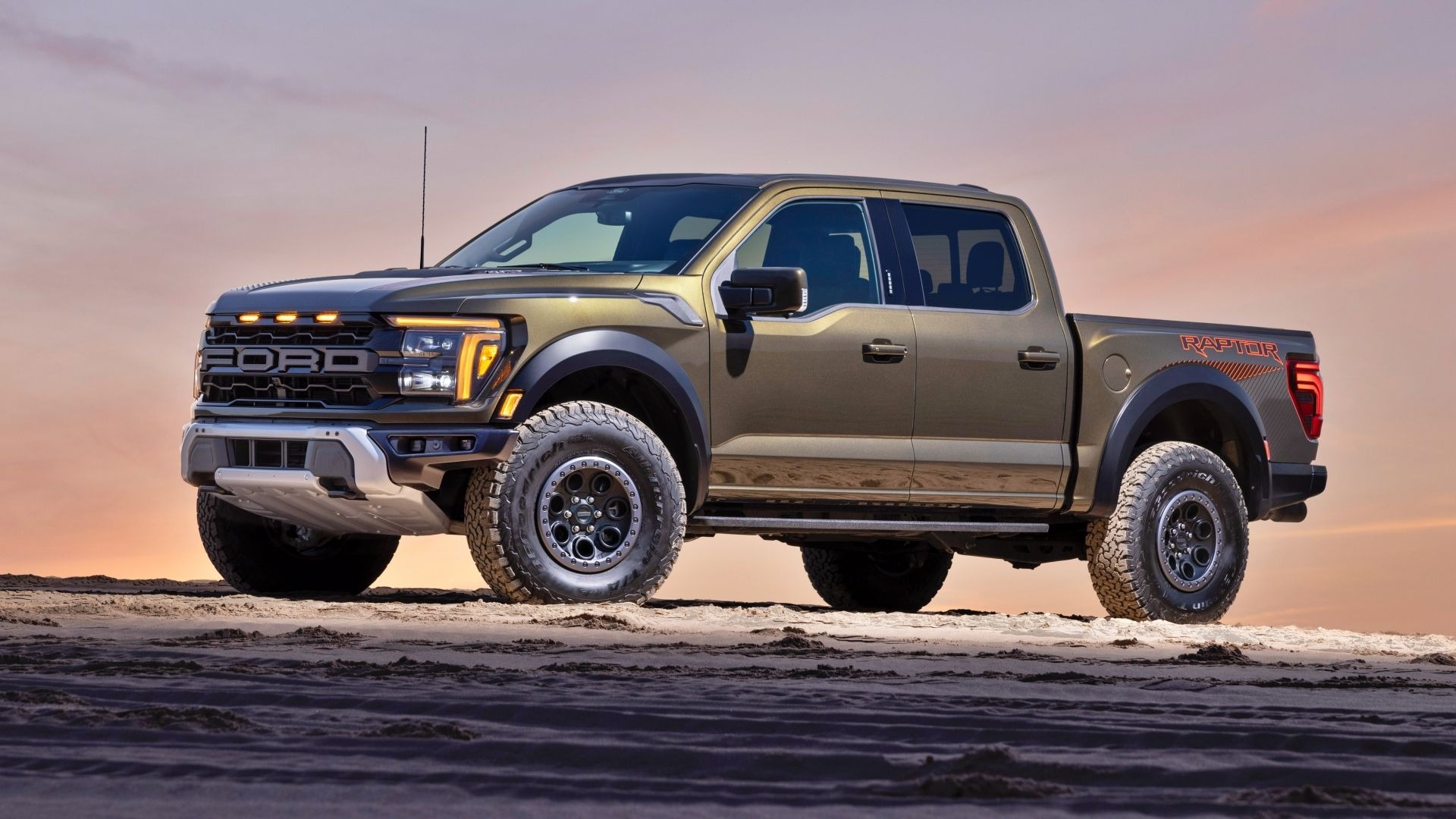
America’s favorite pickup deserves a close look. The Ford F-150 posts an estimated annual fuel cost between $3,000 and $3,400, based on an average of 19.7 mpg, and its KBB five-year cost to own is $48,456.
Fuel across five years lands between $15,000 and $17,000, which sounds steep. Yet compare it with the total, and you see that most of your money still goes elsewhere.
EcoBoost and PowerBoost hybrid options give buyers ways to trim the pump bill, and the lineup is wide enough to fit nearly any budget or work need.
Pick a simple work-oriented trim and your costs stay lower. Choose a luxury-packed version and depreciation and financing climb quickly.
This is a common trend among full-size trucks, where the initial purchase price has the greatest influence on overall ownership expenses. Buyers can manage these costs by negotiating a lower selling price, securing a competitive financing rate, and avoiding unnecessary features that they are unlikely to use.
Another smart step is comparing the hybrid and gas versions side by side, adding the price difference to the fuel savings, and seeing which one wins for your mileage.
Heavy drivers may benefit most from the hybrid. Light drivers might do just fine with a conventional engine. Either way, the F-150 shows that fuel matters, though it rarely tells the whole story.
9. Ford F-150 Lightning (EV)
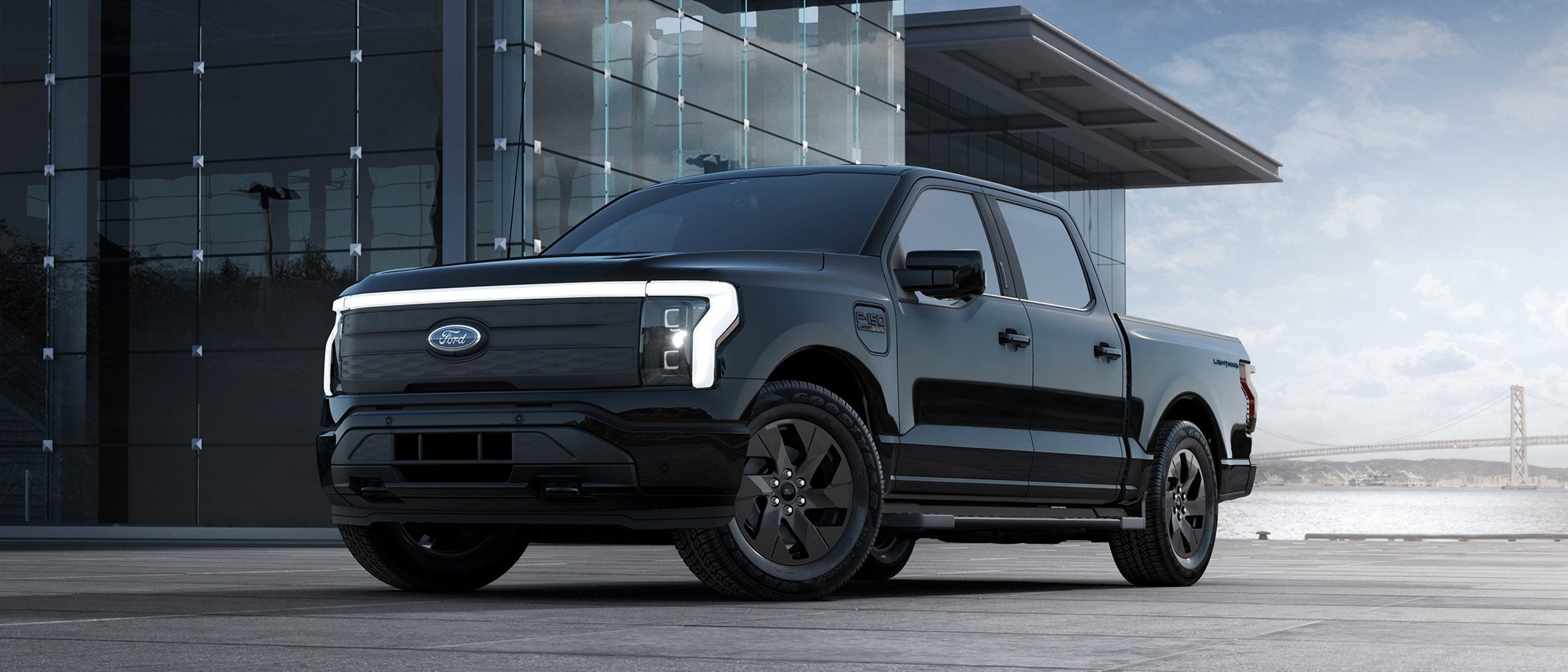
Gas stations, meet your match. The Ford F-150 Lightning is an electric pickup with estimated annual energy costs of about $900 to $1,100, paid in electricity instead of gasoline. I
ts KBB five-year cost to own is $51,243, the highest total on this list. That detail tells a powerful story. Fuel, or in this case electricity, is a tiny piece of what you will spend, because the purchase price, financing, and depreciation are much larger.
Across five years, energy adds up to roughly $4,500 to $5,500, so it barely moves the needle against the total. The truck’s MPGe rating vastly lowers per-mile energy cost, which makes daily driving cheap and quiet.
Home charging can make the savings even better, since overnight rates are often lower than public stations. Still, EV pricing and depreciation are different from gas trucks, and shoppers should check current incentives, loan terms, and resale expectations before signing.
Do you have a place to plug in at home? That question matters a lot. If the answer is yes, ownership gets much easier. If not, you may rely on public chargers, which can cost more and take time.
The Lightning is a fascinating example of a truck where the cheapest part of ownership is the energy, and the pricey part is everything else.
10. Chevrolet Bolt EUV / EV / Rivian R1T
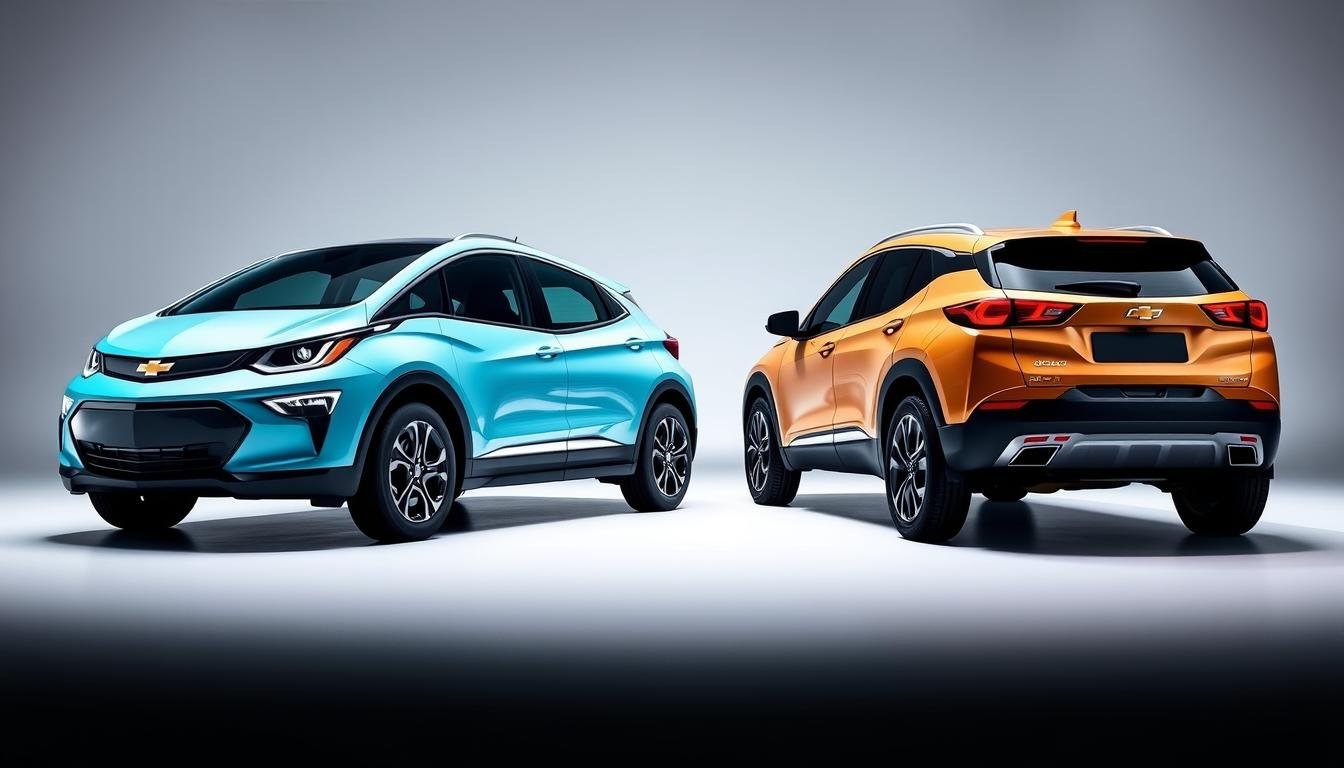
Two very different electric vehicles share the final spot, and both prove the same point. The Chevrolet Bolt EUV and Bolt EV sit on the affordable side, while the Rivian R1T lives at the premium end.
Their estimated annual electricity costs run about $800 to $1,000, and KBB five-year ownership costs span from $31,581 to $48,651. High MPGe ratings drive those low energy bills, with the Rivian R1T rated at 93/80 MPGe.
Because electricity costs so little per mile, fuel becomes the smallest line in the ownership budget by a wide margin. Over five years, energy might total only $4,000 to $5,000, while depreciation, financing, and insurance dwarf that figure.
For full-size truck buyers, the purchase price often has the greatest impact on total ownership costs. To keep expenses under control, shoppers should focus on negotiating a better deal, finding affordable financing, and choosing only the features they genuinely need.
Purchase price, resale value, loan terms, and your real-world usage matter just as much. Before you shop, write down your expected mileage, your home charging options, and the length of time you plan to keep the vehicle.
Then compare total ownership costs, not just fuel. Do that, and you will pick a truck that fits your life and your wallet for years to come.