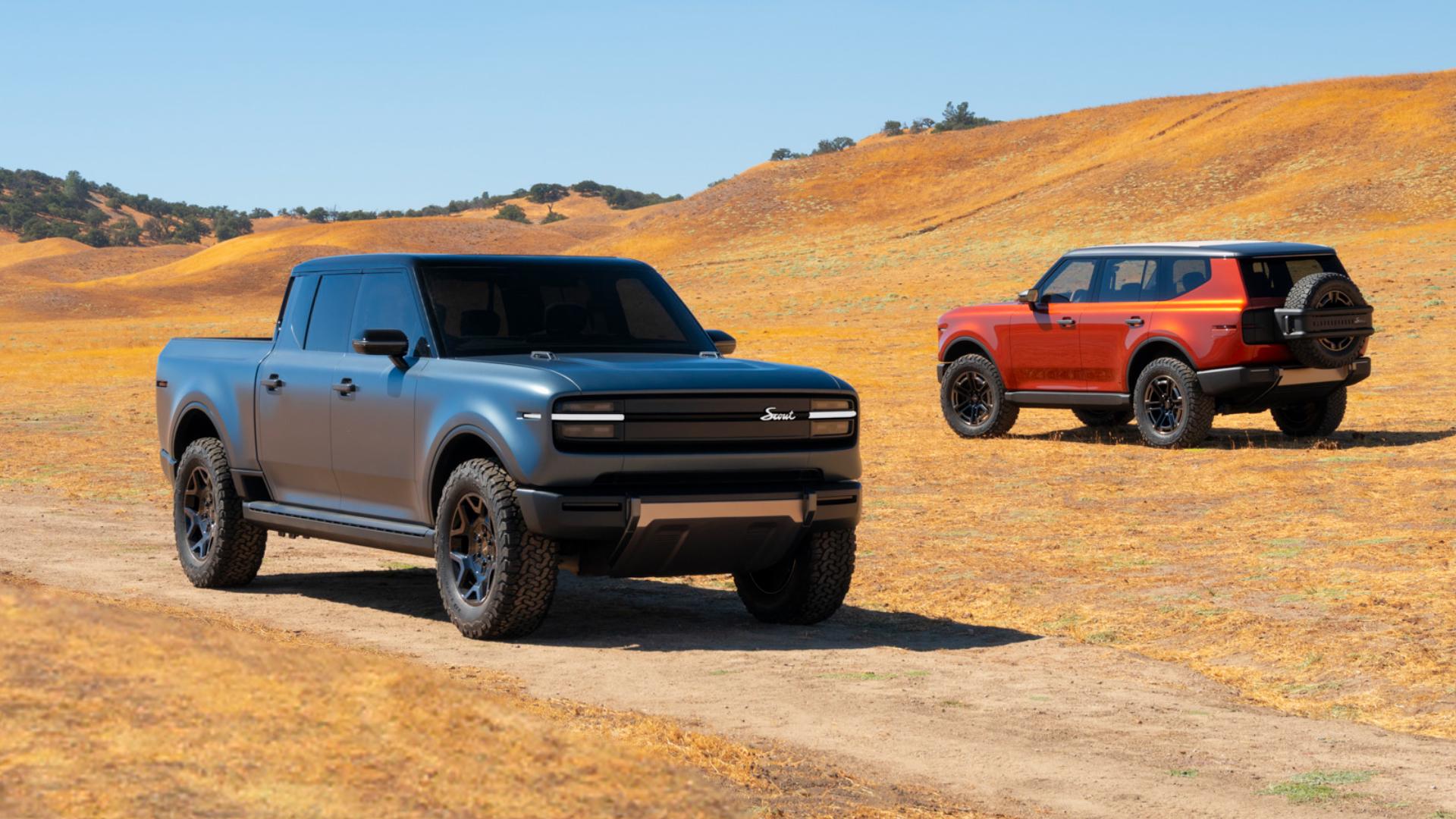
Scout Motors’ upcoming Traveler SUV and Terra pickup are attracting another major supplier investment to South Carolina. Polish automotive supplier Brose Sitech has selected Blythewood for its first U.S. manufacturing facility, committing $29.5 million and planning to create 330 jobs.
The plant will produce complete seating systems inside Scout Motors’ Supplier Park, placing the supplier close to the vehicle assembly operation. The project shows how a new automaker can generate opportunities throughout the automotive supply chain, not just at its own factory. Operations are expected to begin in 2027.
Brose Sitech Establishes Its First U.S. Manufacturing Plant
Brose Sitech develops complete seating systems, seat structures, and related components for the automotive industry. Headquartered in Poland, the company operates 22 locations internationally and already has regional headquarters functions in the Detroit area.
The Blythewood facility will be its first U.S. manufacturing location, giving it a local production base for a major American vehicle program.
The company plans to invest $29.5 million and create 330 jobs. Its 140,000-square-foot facility will be located in the Just in Time building within Scout Motors’ Supplier Park in Blythewood, South Carolina. It will manufacture complete seat sets for the Scout Traveler SUV and Terra pickup.
Complete seating systems involve more than cushions and upholstery. They bring together frames, adjustment mechanisms, cushioning, trim, and other integrated components. These parts must meet automaker requirements for comfort, durability, fit, and safety. Brose Sitech will produce finished assemblies ready for installation in Scout vehicles.
The location is central to the company’s plan. By operating within the supplier park, Brose Sitech can coordinate production and deliveries closely with Scout’s assembly schedule.
Its announcement describes the facility as a just-in-time operation, meaning seats will be manufactured and delivered according to vehicle production requirements rather than stored for extended periods.
Brose Sitech Executive Vice President Juan-Carlos Kieler described the investment as an important milestone in the company’s North American development. The company says the U.S. market offers growth opportunities and that the new facility will bring its seating expertise closer to Scout.
Its Detroit-area operations will continue providing functions such as sales, engineering, program management, purchasing, finance, and human resources.
Why the Scout Supplier Park Matters to South Carolina
Brose Sitech’s project is part of a wider effort to create a supplier network around Scout Motors’ planned production center. Automotive assembly depends on specialized businesses supplying components and systems according to carefully coordinated schedules.
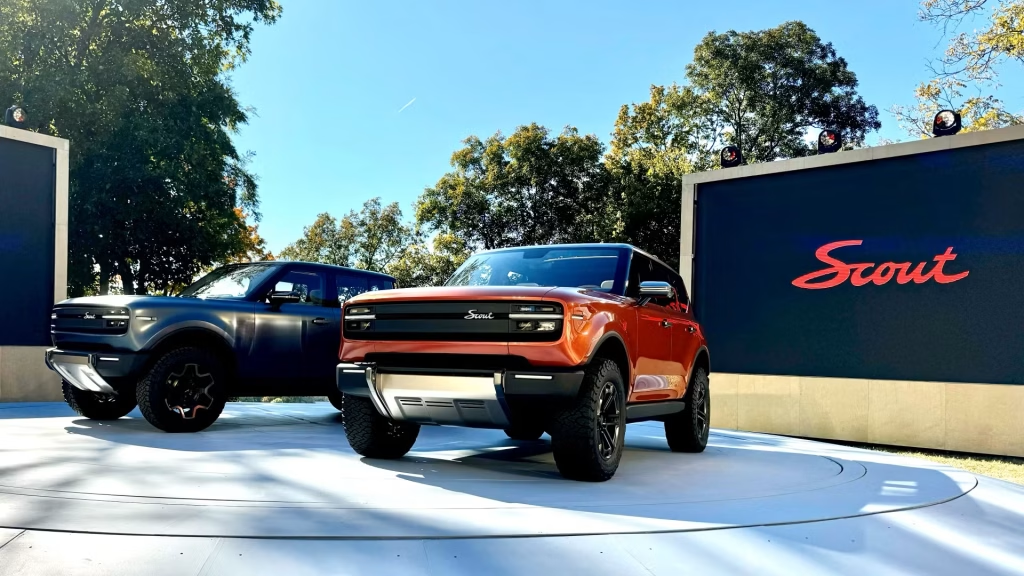
Locating those suppliers near the final assembly plant can reduce transportation demands and make communication easier when production requirements change.
The just-in-time model is particularly relevant for seating. Different versions of the Traveler and Terra may require different seat configurations, materials, or trim.
A nearby supplier can coordinate the correct assemblies with Scout’s build schedule and deliver them when needed. This can reduce storage and handling, although it also requires dependable production and logistics. A disruption at a supplier can affect the automaker when replacement inventory is limited.
South Carolina officials welcomed the announcement as another addition to the state’s automotive manufacturing base. Governor Henry McMaster highlighted the planned 330 jobs, while Scout CEO Scott Keogh described the investment as an early result of establishing an on-site Supplier Park.
The facility is expected to become operational in 2027, although a specific production start date and detailed hiring timetable have not been announced.
The 330 positions are direct jobs planned by Brose Sitech. The project may also create demand for transportation, maintenance, and other local business services, but the company and state have not quantified those additional effects. The announcement also does not specify average wages or the number of positions assigned to individual departments.
For Brose Sitech, the plant represents a strategic entry into U.S. manufacturing. It will have a defined customer and vehicle program from the beginning, while its Detroit-area operation provides regional support.
However, the new facility’s initial production purpose is closely tied to Scout’s plans. Its long-term performance will depend partly on the Traveler and Terra launch schedules and the production volumes Scout eventually achieves.
Traveler and Terra Give the New Factory Its First Major Programs
The Scout Traveler and Terra are the two vehicles that will anchor the Blythewood seating operation. The Traveler is an SUV, while the Terra is a pickup. Scout is positioning both around utility, outdoor use, and off-road capability. The company plans to offer fully electric versions alongside an available Harvester range-extender configuration.
These vehicles place specific demands on Brose Sitech, which must develop seating systems that satisfy Scout’s requirements for comfort, long-term durability, space efficiency, and safety.
Seats are an important part of the cabin experience, particularly in SUVs and pickups that may be used for commuting, family travel, work, and recreational driving. They must also withstand frequent use and changing conditions.
Before regular deliveries begin, Brose Sitech will need to prepare the facility, install production equipment, recruit employees, and validate its manufacturing processes.
The company says it plans to build a local team as operations ramp up, but detailed job descriptions and hiring dates have not yet been published. Prospective applicants should check the company’s careers information for available positions rather than assume all 330 jobs are already open.
The investment joins other supplier commitments connected to Scout’s South Carolina project. In 2025, Sodecia Aapico announced a planned $120 million operation expected to create up to 392 jobs and manufacture ladder frames for Scout vehicles. Brose Sitech adds seating systems to the range of components being localized near the future assembly plant.
These projects illustrate how a vehicle assembly investment can attract manufacturers from different parts of the supply chain. Scout needs suppliers capable of delivering major components at the right quality, quantity, and time.
For South Carolina, attracting those businesses can expand the automotive manufacturing base and create employment beyond the automaker’s own workforce.
Brose Sitech’s $29.5 million commitment is therefore both a first U.S. manufacturing step for the supplier and a practical addition to Scout’s production network.
The 330 planned jobs and 140,000-square-foot facility are significant milestones, but the next test will be execution. The supplier must bring its plant online, train its workforce, and meet Scout’s requirements as the Traveler and Terra move toward production.
Just-in-Sequence Production Adds Importance to the New Facility
One additional advantage of Brose Sitech’s location is its ability to support just-in-sequence manufacturing. This approach goes a step beyond just-in-time delivery. Instead of simply receiving components when required, the assembly plant receives them in the exact order needed for vehicles moving down the production line.
This is particularly useful for seating systems because different Scout Traveler and Terra configurations may require different materials, colors, and features.
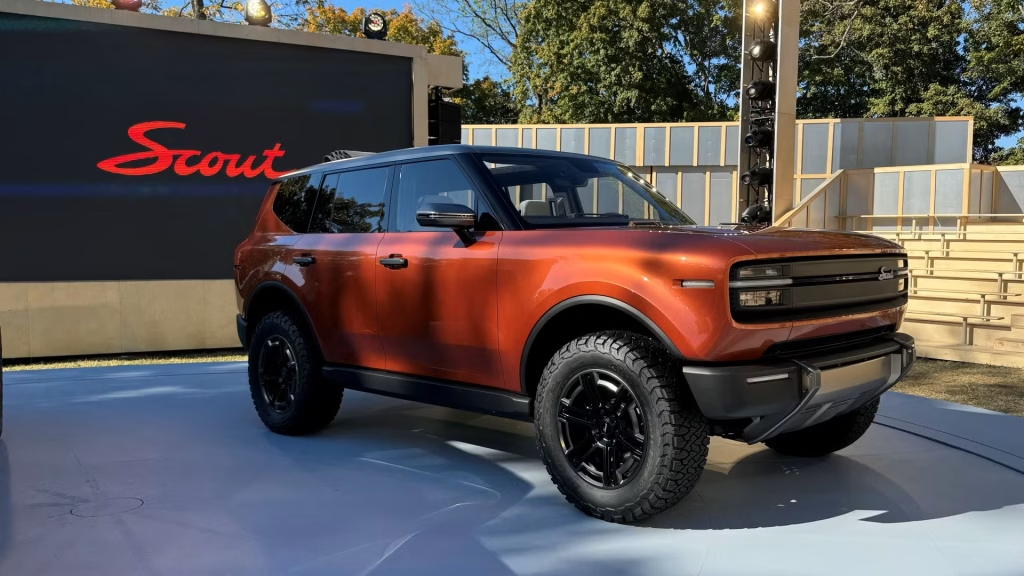
Seats are also relatively bulky components, making long-distance transportation more complicated than shipping smaller automotive parts.
Producing them close to Scout’s assembly operation can reduce transport distances, simplify scheduling, and limit the need for large storage areas. It also gives both companies an opportunity to address production changes more quickly.
Scout’s Supplier Park was designed to attract manufacturers that can support this type of coordinated operation. Brose Sitech’s arrival adds another important component category to that network.
The supplier will still need to establish dependable production processes and maintain consistent quality as vehicle output increases. Its ability to deliver correctly configured seating systems on schedule will be an important part of supporting Scout’s manufacturing targets.