
Driver-assistance technology is becoming an increasingly important part of new-car development. For 2027, automakers are expanding systems that can help maintain lane position, adjust speed, manage highway traffic, and, on selected models, support hands-free driving under specific conditions.
However, these technologies do not all offer the same level of assistance. Some require drivers to keep their hands on the steering wheel, while others allow hands-free operation on approved roads with continuous driver monitoring.
This ranking focuses on confirmed U.S.-market vehicles and explains what each system lets drivers do.
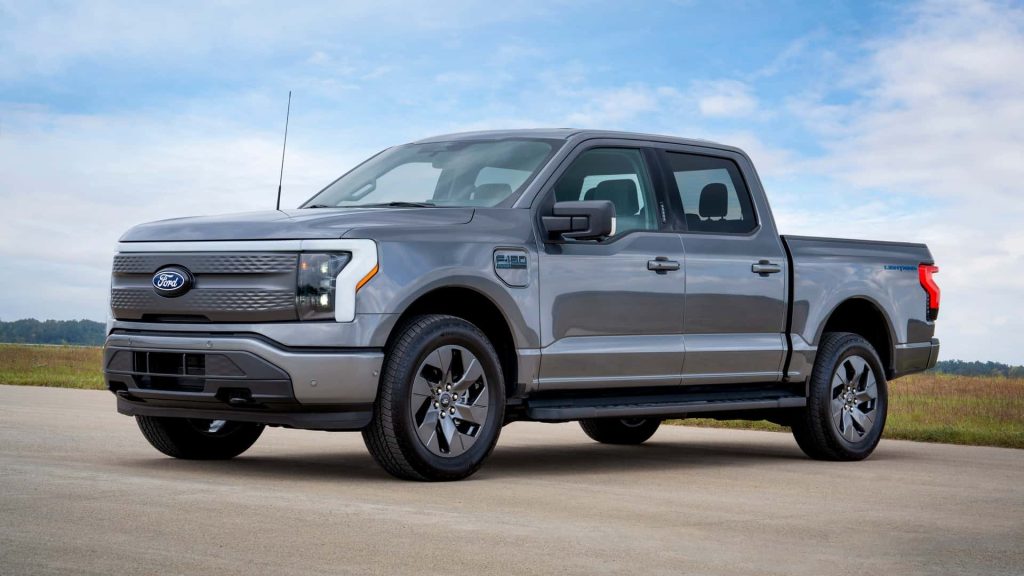
1. Ford F-150: BlueCruise With Hands-Free Towing
The 2027 Ford F-150 brings a notable upgrade to Ford’s BlueCruise system, adding hands-free highway driving when towing a trailer. The feature caters to drivers hauling boats, campers, and other trailers, extending hands-free convenience to a driving scenario where traditional systems have typically been unavailable.
Ford says the feature is available on BlueCruise-equipped 2027 F-150 models, not just one luxury trim. It is a notable development for a pickup frequently used for recreational and work-related towing.
BlueCruise combines adaptive cruise control with lane-centering assistance on designated highways called Blue Zones. When the system confirms that the road is compatible and the steering-wheel indicator turns green, the driver may remove their hands from the wheel while continuing to watch the road.
With the towing function, the system is adapted to account for a properly configured trailer. Ford says the capability supports towing up to 10,000 pounds, or the truck’s lower maximum towing limit if its particular configuration requires one.
There are important restrictions. Trailer type, size, and weight affect eligibility, and not every BlueCruise function operates while towing. Drivers must verify that the trailer is correctly attached, loaded, and configured.
Ford also requires an active BlueCruise plan or trial, and the driver must remain alert and ready to intervene. A hands-free system does not take responsibility for checking mirrors, monitoring trailer behavior, or responding to hazards.
For frequent tow trucks, the value is not simply reduced steering effort. It is the possibility of using driver assistance during suitable highway sections without disconnecting a trailer first. This is a new capability specifically announced for the 2027 pickup, not a claim that the truck can tow autonomously.
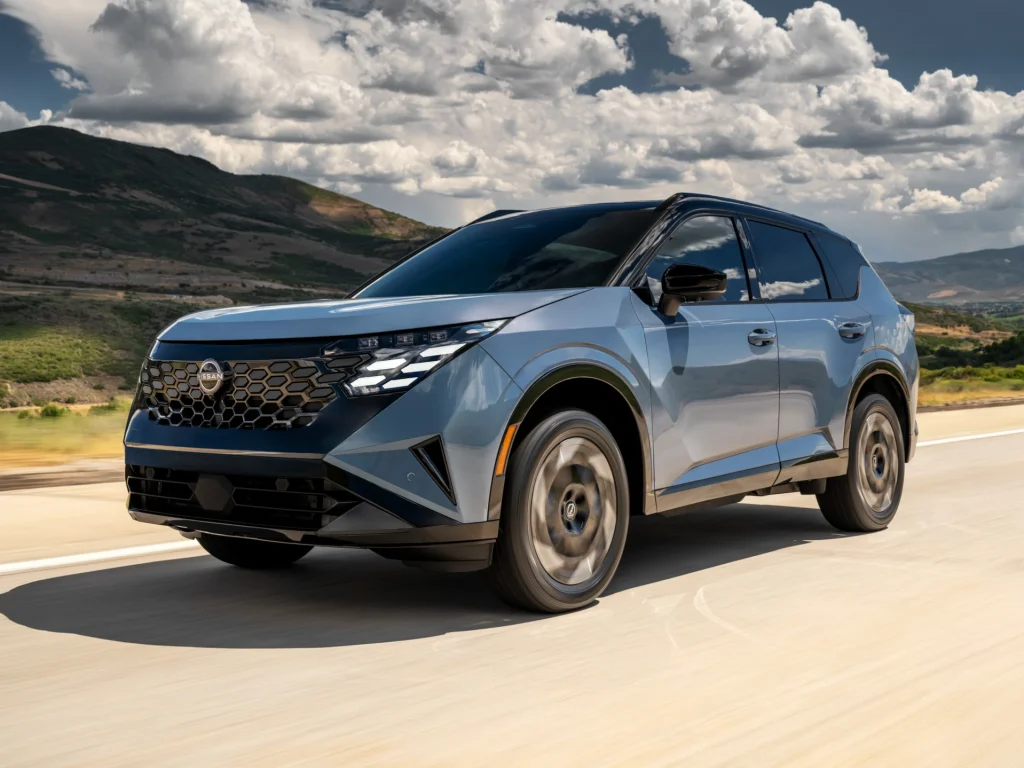
2. Nissan Rogue Hybrid: ProPILOT Assist With Hands-Off Traffic Jam Support
Stop-and-go traffic is one of the most tiring parts of a daily commute. The 2027 Nissan Rogue Hybrid addresses that frustration with available ProPILOT Assist with Hands-Off Traffic Jam Support.
Nissan says the system can support hands-off driving at speeds below 30 mph when the relevant equipment is fitted and operating conditions permit. It is available on the SR with the appropriate technology package and is standard on the Platinum grade.
The feature builds on standard ProPILOT Assist, which combines intelligent cruise control with steering assistance. The standard system helps maintain a selected following distance and provides lane-centering support, but the driver keeps their hands on the wheel.
The enhanced traffic-jam version adds a driver-monitoring system and permits hands-off operation in qualifying low-speed traffic. Nissan says it can manage steering, acceleration, and braking in the supported situation, reducing the need for constant pedal and steering inputs during a congested commute.
The system also offers automatic lane-change assistance at highway speeds. In that situation, the driver taps the turn-signal stalk, and the vehicle checks surrounding traffic before carrying out the maneuver when there is sufficient space.
Unlike true hands-free highway driving, this feature requires drivers to keep their hands on the steering wheel throughout the lane change. This distinction matters because hands-off operation is permitted only under the system’s designated low-speed traffic-jam conditions.
Nissan has also updated the front camera, giving it a 20 percent wider field of view. The company says object detection distance can be up to 33 percent farther, potentially allowing the system to respond up to two seconds sooner at 70 mph.
These are manufacturer-reported comparisons, not independent test results. The driver remains responsible for the vehicle and must be prepared to take control whenever requested.
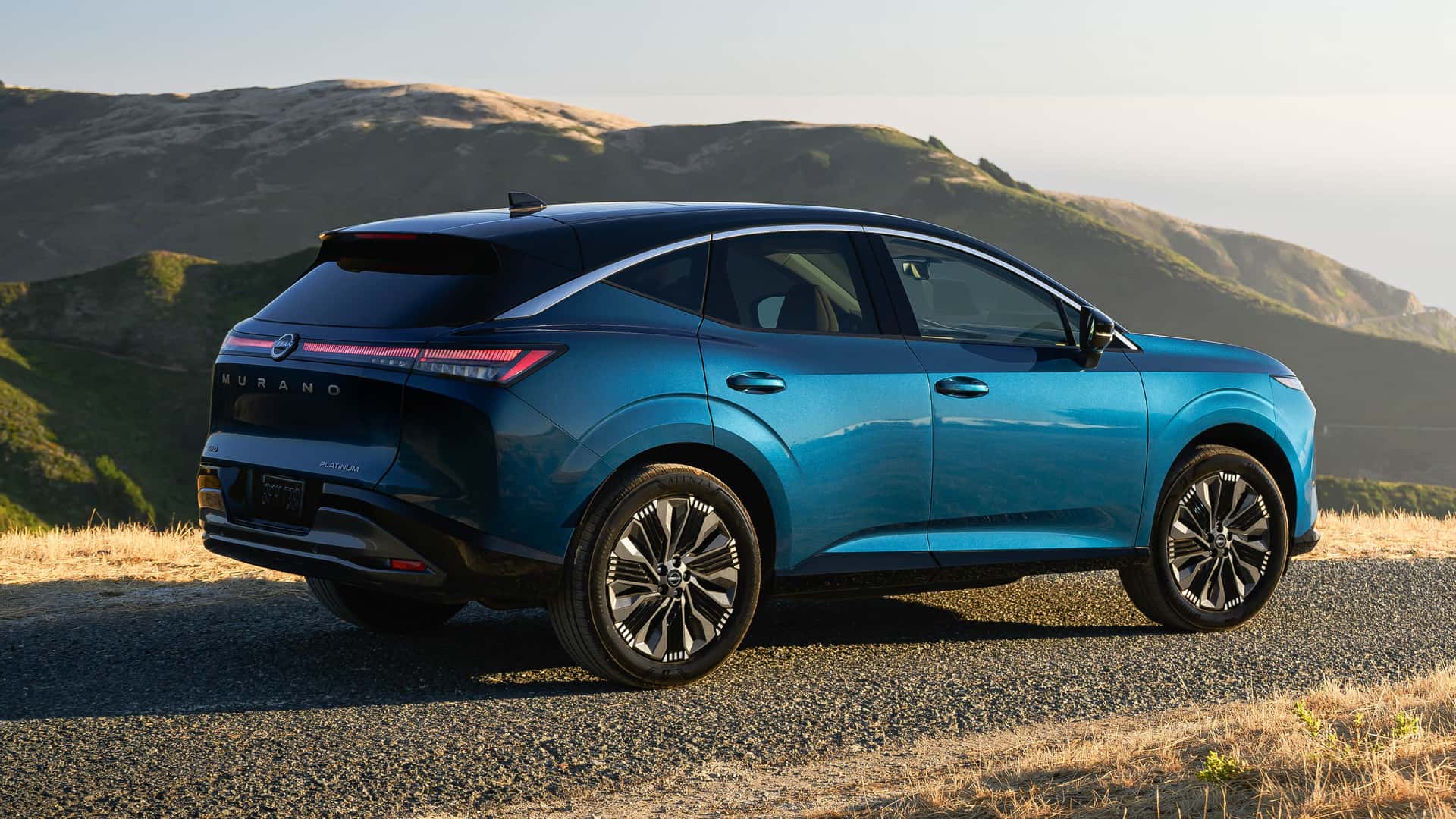
3. Nissan Murano: ProPILOT Assist 2.1
The 2027 Nissan Murano offers a more advanced form of highway assistance through available ProPILOT Assist 2.1.
Unlike standard lane-departure warning systems, which may simply alert a driver when the vehicle drifts, this technology can assist with steering and speed management while allowing hands-off driving in qualifying freeway situations.
Nissan lists it as part of the Platinum Technology package, so buyers should not assume it is fitted to every version.
The system uses cameras, radar sensors, and other vehicle technology to monitor the road and help keep the vehicle within its lane. It can manage speed and following distance as part of the driving-assistance package.
When hands-off operation is available, the driver must continue looking ahead, remain attentive, and be ready to take manual control immediately. Nissan specifically limits the capability to supported freeway situations and requires detectable lane markings.
Poor weather, unclear markings, and changing road conditions can prevent the system from operating.
There is also a subscription consideration. Nissan’s U.S. press information states that ProPILOT Assist 2.1 requires customer activation of a compatible NissanConnect Services package.
The feature is therefore not simply a permanent, unrestricted capability that buyers can assume will operate without connected-service requirements. Its availability also depends on trim and equipment selection.
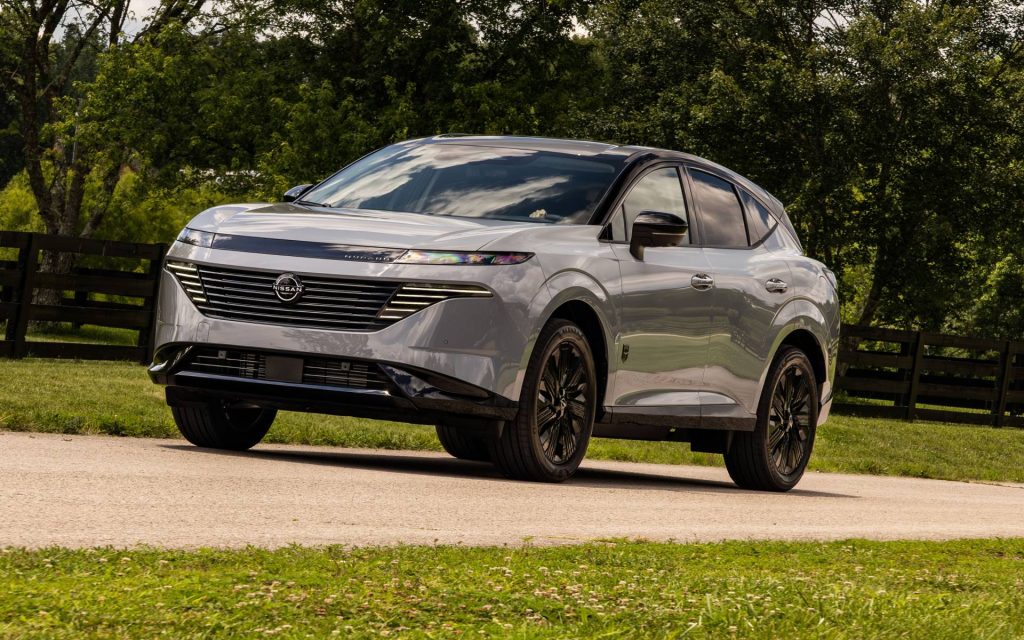
The Murano’s appeal is its focus on reducing the workload of longer highway journeys. It does not turn the SUV into a self-driving vehicle, and it cannot guarantee that a collision will be avoided.
Drivers must still monitor surrounding traffic, watch for merging vehicles, and take control when necessary. For buyers comparing the 2027 lineup, the Platinum Technology package is the configuration to investigate if hands-off freeway assistance is a priority.
4. Ford Explorer: BlueCruise Hands-Free Highway Driving
A three-row SUV can spend much of its life carrying families on long interstate journeys, and Ford is making hands-free highway assistance available on the 2027 Explorer.
Its BlueCruise system combines adaptive cruise control with lane-centering technology, allowing the vehicle to manage steering, acceleration, and braking on designated hands-free Blue Zones. Ford’s 2027 model information lists BlueCruise-equipped versions, including availability on selected trims.
The system is designed for divided highways that Ford has mapped and approved for hands-free operation. When the vehicle enters a compatible section and the system confirms that the driver is attentive, the dashboard indicates when hands-free assistance can be activated.
A driver-facing camera monitors attention, and the driver must keep their eyes on the road. If the system detects that the driver is not paying attention or that conditions are unsuitable, it can issue warnings and request that the driver resume control.
Automatic lane change is another capability associated with newer BlueCruise versions. Ford describes it as a system that monitors highway traffic and can help move the vehicle into an adjacent lane without the driver touching the turn signal.
However, Ford’s current availability information identifies this function on specific model-year and version combinations. Buyers should verify the exact BlueCruise version fitted to their 2027 Explorer rather than assume every vehicle includes every feature.
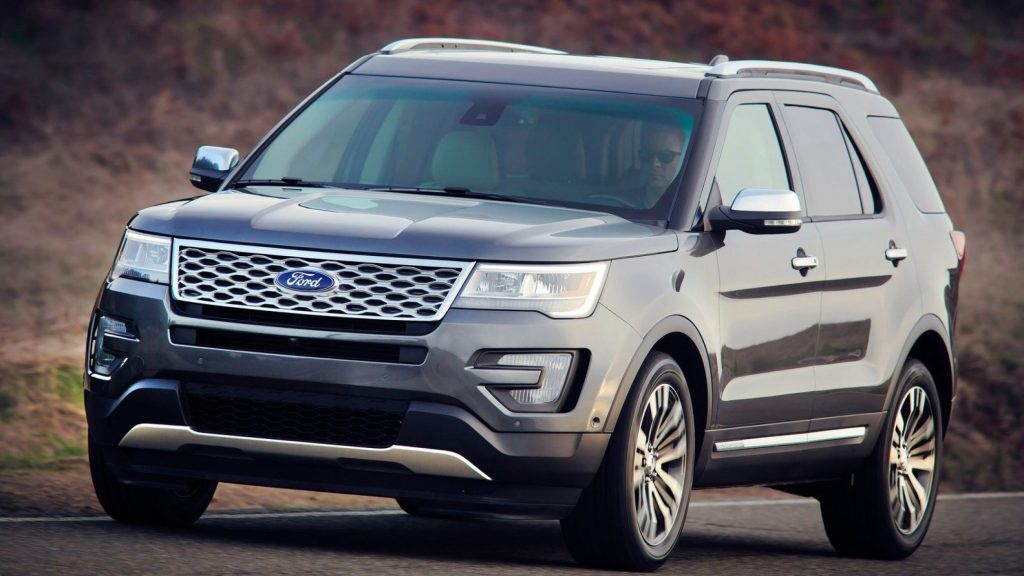
The 2027 Explorer is particularly interesting because the technology is offered in a family-focused SUV rather than being limited to a premium electric vehicle or luxury flagship. It can make long journeys less demanding, especially when traffic is flowing steadily on mapped highways. Yet hands-free does not mean attention-free.
Drivers remain legally and practically responsible for the vehicle, must be prepared to steer at any moment, and should never treat BlueCruise as permission to use a phone or stop monitoring traffic.
5. BMW iX3: Highway and Commuting Assistant
BMW is bringing its Neue Klasse technology into the U.S. market with the 2027 iX3, and its driver-assistance options include more than conventional lane-departure alerts.
The available Driving Assistance Professional Package includes Highway and Commuting Assistant, Traffic Jam Assistant, and Active Lane Change with Eye Activation. The package is listed as a $2,500 option in BMW’s U.S. pricing announcement.
Highway and Commuting Assistant is designed for compatible highways and controlled-access roads. Depending on equipment and operating conditions, it can assist with steering, acceleration, braking, lane positioning, and traffic flow.
That makes it more comprehensive than a system that simply vibrates the steering wheel when the vehicle approaches a lane marking. BMW’s system is intended to reduce the workload of longer journeys while keeping the driver involved in the driving task.
The optional Active Lane Change with Eye Activation is another notable element. Rather than relying only on a conventional turn-signal input, the system can use the driver’s glance toward the relevant side mirror as part of the lane-change request.
The driver must still monitor the road and remain ready to intervene. Its operation depends on traffic conditions, system recognition, and the selected equipment.
Buyers should distinguish the optional package from the iX3’s standard Driving Assistant Plus equipment. BMW lists standard functions such as Active Cruise Control with Stop and Go, Steering Assistant and Emergency Lane Assistant.
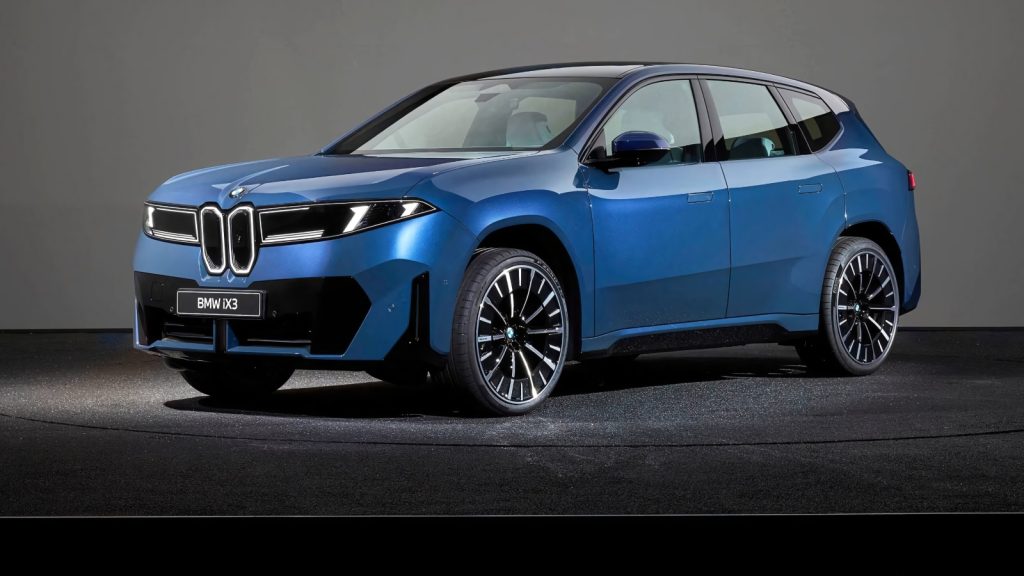
These provide useful support, but they are not identical to the expanded Highway and Commuting Assistant package.
The iX3 therefore gives U.S. buyers a choice between standard lane and cruise assistance and a more advanced optional setup. Anyone considering the extra-cost package should confirm its availability and precise operating limits with a BMW retailer before ordering.
6. Cadillac Escalade: Super Cruise as Standard Equipment
The 2027 Cadillac Escalade brings hands-free highway assistance to a large luxury SUV with three-row seating and substantial passenger space. Cadillac lists Super Cruise as standard equipment, including a three-year OnStar One plan.
That is significant because buyers do not have to select a separate driver-assistance package to obtain the system on the standard Escalade range.
Super Cruise uses cameras, GPS information, high-definition map data and other vehicle sensors to help control steering on compatible roads.
When the vehicle is on a mapped section of highway and the system confirms that the driver is attentive, it can maintain lane position while adaptive cruise control manages speed and following distance.
A steering-wheel light bar indicates when hands-free operation is active. Drivers should wait for the appropriate confirmation before removing their hands from the wheel.
The system’s driver-monitoring technology is a central part of its operation. It checks the driver’s attention and can issue alerts if the person behind the wheel looks away for too long. If conditions become unsuitable, the driver must resume manual control.
Cadillac is clear that Super Cruise is a driver-assistance feature, not autonomous driving, and the person in the driver’s seat remains responsible for the vehicle.
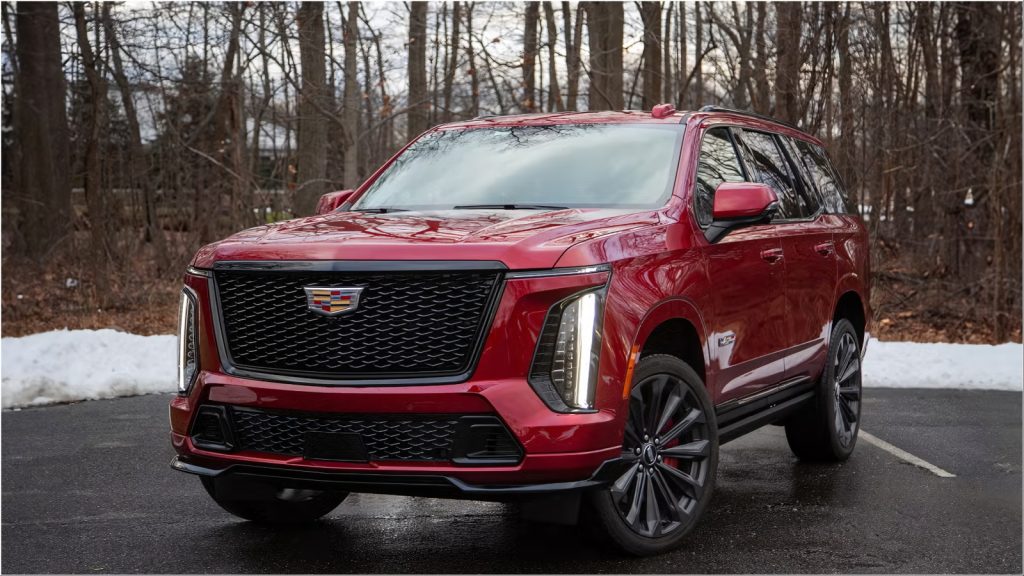
For a full-size SUV, the technology has a practical purpose. Long highway journeys can involve hours of maintaining speed and lane position, particularly when travelling with a full cabin. Super Cruise can reduce some of that repetitive workload on compatible routes, although it cannot handle every road or traffic situation.
Buyers should also account for the connected-service terms after the included three-year plan. Cadillac’s system requires an eligible service plan to maintain its full functionality after the initial period.
The Escalade’s standard equipment makes this one of the more straightforward ways to obtain hands-free assistance in a large luxury SUV.
7. Cadillac LYRIQ: Super Cruise on an Electric Luxury SUV
The 2027 Cadillac LYRIQ combines an all-electric powertrain with Super Cruise hands-free driver assistance. Cadillac lists the technology as standard equipment with a three-year OnStar One plan on the U.S. model.
This gives the electric SUV a feature that is particularly relevant to drivers who regularly cover highway distances, where maintaining a steady speed and lane position can become tiring.
Super Cruise is designed to operate on compatible roads that have been mapped for the system. It uses GPS positioning, high-definition map information, cameras and vehicle sensors to help steer the SUV within its lane.
Adaptive cruise control manages the selected speed and following distance. When the steering-wheel light bar turns green, the system indicates that hands-free assistance is active. The driver must continue watching the road and be prepared to take over whenever conditions require it.
The LYRIQ’s electric character does not change those operating rules. Hands-free assistance is separate from the vehicle’s battery management, regenerative braking and charging functions.
It does not mean the SUV can independently navigate every route, negotiate every intersection or make decisions without supervision. Drivers must remain alert, and the system may disengage when road markings, weather or traffic conditions fall outside its operating limits.
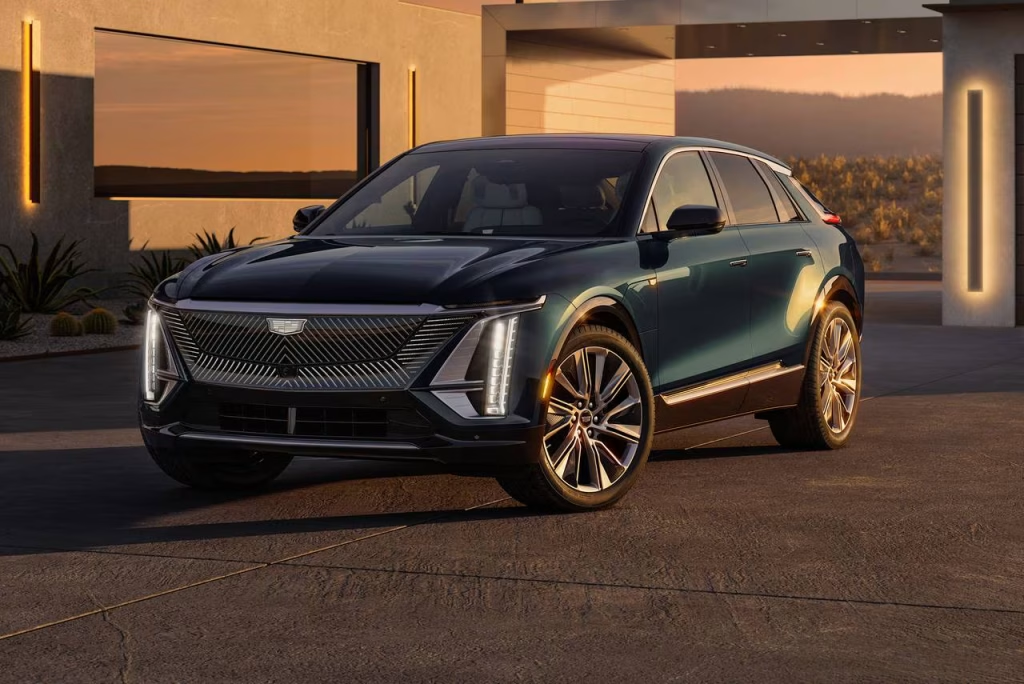
Cadillac’s use of Super Cruise across several electric models also gives buyers a choice of vehicle size and cabin layout without necessarily giving up the same core highway-assistance concept. The LYRIQ is a two-row option, making it more compact than the brand’s three-row electric utility vehicles.
For shoppers, the key point is that Super Cruise is listed as standard rather than being limited to a high-priced optional package. They should still review the service-plan terms, compatible-road coverage, and the vehicle-specific owner’s manual before relying on it during regular travel.
8. Cadillac VISTIQ: Three Rows With Standard Super Cruise
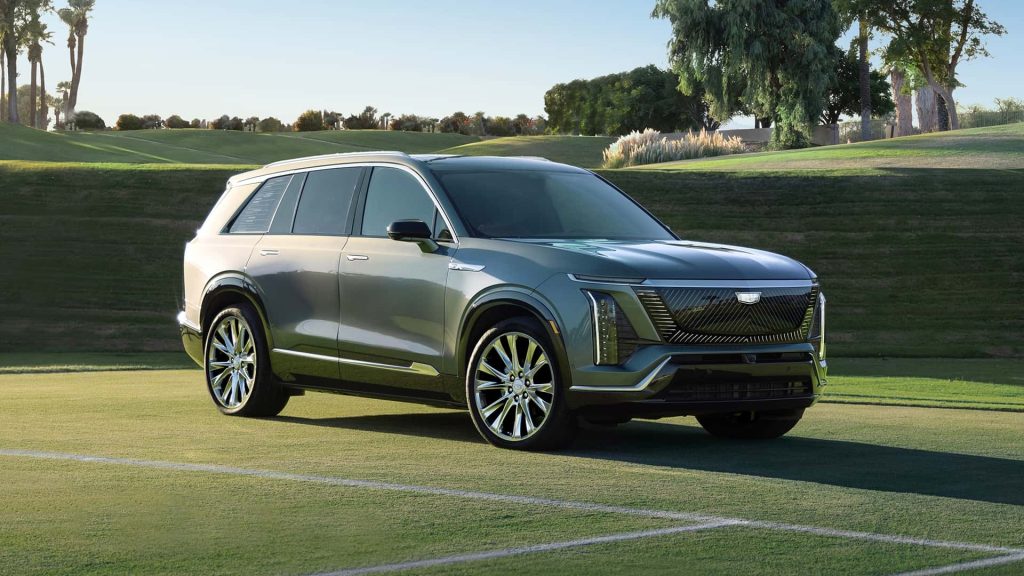
The 2027 Cadillac VISTIQ gives families another way to access hands-free highway assistance without moving into a full-size SUV. Cadillac lists Super Cruise as standard equipment, supported by a three-year OnStar One plan.
The vehicle has three rows and seating for up to seven, making it a useful example of how driver-assistance technology is reaching electric SUVs intended for family use.
Super Cruise can assist with steering on compatible mapped highways while adaptive cruise control helps maintain speed and distance from the vehicle ahead. Its camera and GPS-based systems work with high-definition map data to establish the vehicle’s position.
When the system confirms that hands-free operation is available, the steering-wheel indicator provides a visual signal. The driver can then release the wheel while continuing to monitor the road.
The system also has limitations that matter on family trips. It is not intended to replace the driver in construction zones, on every local road or in situations where lane markings and sensor visibility are inadequate.
The driver must respond to alerts and take control when requested. A hands-free system cannot remove the need to watch for vehicles entering the highway, emergency vehicles, road debris or unexpected changes in traffic.
The VISTIQ’s three-row layout gives the technology a different context from a smaller two-row crossover. Families can use the cabin for passengers and luggage while the assistance system helps reduce steering workload on eligible highway sections.
Cadillac also includes other driver-support features, such as adaptive cruise control and driver-attention assistance, as part of its safety technology offering.
For buyers comparing electric family SUVs, the VISTIQ’s standard Super Cruise equipment is a clear specification advantage. It is worth checking the included connected-service period and what subscription is needed afterward, rather than assuming the system will remain active indefinitely without a service plan.
9. Cadillac OPTIQ: Hands-Free Assistance in a Smaller Electric SUV
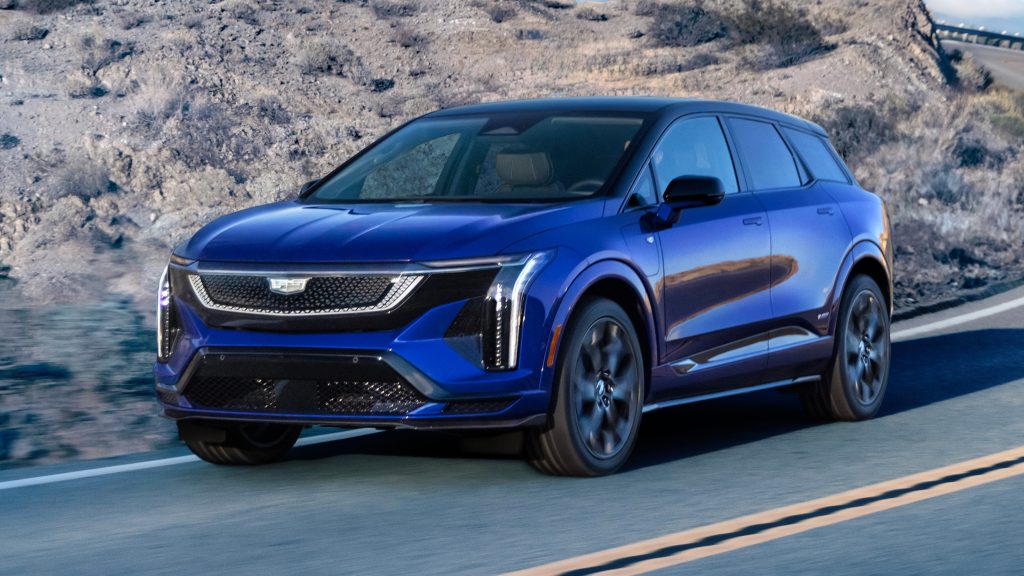
The 2027 Cadillac OPTIQ brings Super Cruise to a smaller electric SUV, with the system listed as standard equipment and a three-year OnStar One plan included.
That makes it a notable option for buyers who want hands-free highway assistance but do not need the larger dimensions or three-row layout of the brand’s bigger electric models.
Super Cruise is designed to help steer the vehicle on compatible mapped roads. It works with adaptive cruise control to manage the selected speed and following distance, while cameras and GPS-based positioning help the system maintain its place within the lane.
A driver-attention system monitors whether the person behind the wheel is looking at the road. Hands-free operation is permitted only when the vehicle confirms that the required conditions have been met.
This distinction is important because the OPTIQ also has other assistance features that are not hands-free driving. Lane-keeping or lane-departure systems can warn the driver or provide steering support, but they do not automatically grant permission to remove hands from the steering wheel.
Super Cruise is the feature that provides hands-free operation on its supported roads, and it remains subject to the system’s operating restrictions.
Cadillac lists the OPTIQ with a starting price of $49,995 for the 2027 Luxury trim in its U.S. product information. That gives buyers a lower entry point to the brand’s electric lineup than its larger SUVs, while retaining a sophisticated driver-assistance system.
Equipment and pricing can vary by trim and optional configuration, so buyers should verify the exact vehicle they are ordering.
The OPTIQ is a useful reminder that hands-free highway technology is no longer confined to the most expensive vehicles in a manufacturer’s range.
Its standard equipment listing makes the feature easier to access, although drivers still need to understand compatible road coverage, service requirements, and attention-monitoring rules before using it.
10. Chevrolet Blazer EV: Super Cruise Available Across Selected Trims
The 2027 Chevrolet Blazer EV brings Super Cruise to an electric SUV with a choice of front-wheel-drive and all-wheel-drive configurations. Chevrolet lists the hands-free system as standard on the SS trim and available on LT and RS versions.
This gives buyers more choice, as they can access the feature without necessarily opting for the top-tier performance model. However, selecting the appropriate equipment package remains essential.
When active on compatible roads, Super Cruise can assist with steering while adaptive cruise control manages speed and following distance. It relies on high-definition mapped road information, GPS positioning, cameras and other sensors.
The driver can remove their hands from the steering wheel only after the vehicle indicates that hands-free operation is engaged. A driver-attention system continues to monitor the person behind the wheel, and alerts may require the driver to resume manual control.
The Blazer EV also offers conventional safety and assistance technology, including Lane Keep Assist with Lane Departure Warning. That system is different from Super Cruise.
Lane Keep Assist is intended to help when the vehicle begins drifting from its lane, whereas Super Cruise provides hands-free assistance on compatible roads. Buyers should not confuse the two when comparing trims.
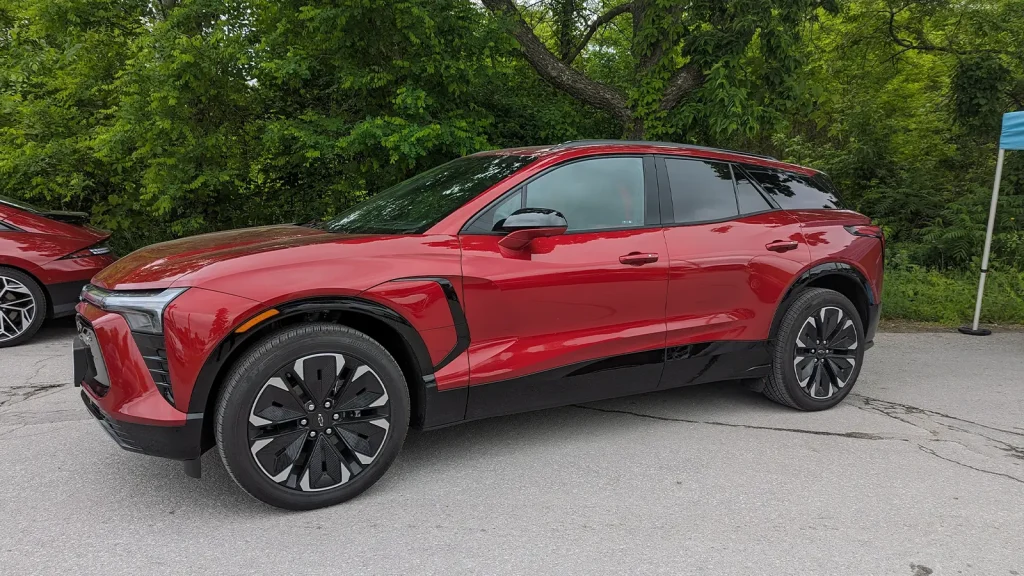
Chevrolet lists an EPA-estimated range of up to 312 miles for the front-wheel-drive LT and RS configurations, while the SS is rated for up to 302 miles. These figures are not directly related to the driver-assistance system, but they help place the vehicle in context as an electric SUV designed for commuting and longer journeys.
For shoppers, the important detail is trim availability. The SS includes Super Cruise, while LT and RS buyers need to check the available package and vehicle specifications. As with other systems in this article, it does not make the vehicle autonomous and requires the driver to remain attentive.
11. GMC Sierra 1500: Super Cruise With Towing Capability
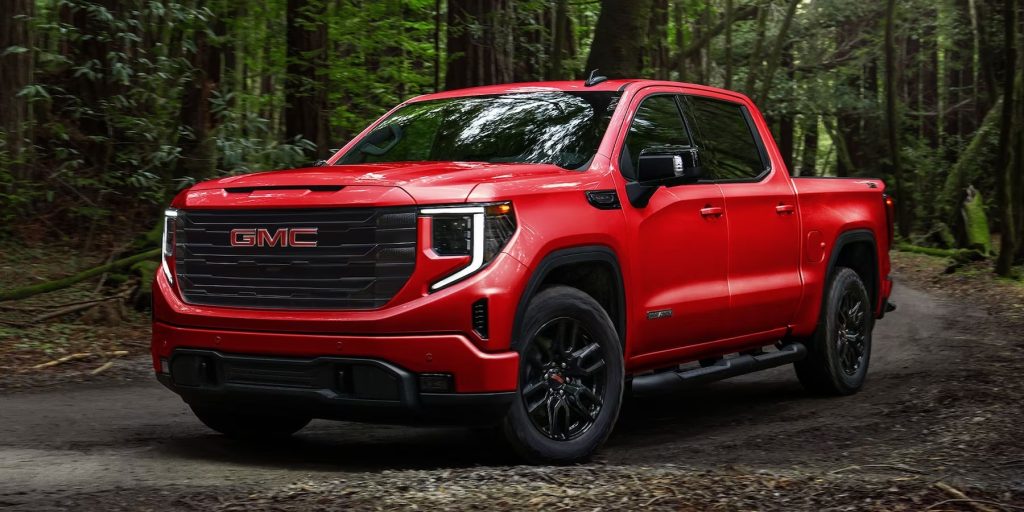
Pickup drivers who tow regularly have a particular reason to pay attention to the 2027 GMC Sierra 1500. The redesigned truck offers Super Cruise hands-free driver assistance with towing capability.
GMC lists the system as standard on AT4, AT4X, Denali and Denali Ultimate trims, with availability on Elevation. A three-year OnStar One plan is included with the equipped system.
Super Cruise uses cameras, GPS positioning, mapped road information and other sensors to help steer the truck on compatible highways. Adaptive cruise control manages the selected speed and following distance.
When the system confirms that hands-free operation is available, the steering-wheel light bar turns green. The driver can then release the wheel while continuing to watch the road and remaining ready to intervene.
The trailering capability makes this application especially relevant. GMC says the system can provide hands-free assistance on compatible roads even when the truck is pulling a trailer. The equipped vehicle also supports features such as Automatic Lane Change and Turn Signal Initiated Lane Change.
These functions can reduce some of the workload associated with long highway journeys, although the driver must still monitor the trailer, check surrounding traffic and ensure the combination is safe.
The 2027 Sierra 1500 also introduces a broader standard safety package, including adaptive cruise control and several collision-warning and braking features. However, those technologies should not be confused with hands-free driving.
Super Cruise is trim-dependent, and buyers need to confirm that the specific truck has the necessary hardware and service plan.
This is a meaningful addition for owners who use a pickup for recreational towing or work-related hauling. It does not remove the need to check trailer attachment, loading, tire condition or towing limits. The driver remains responsible for the complete vehicle-and-trailer combination, even when the system is actively assisting.
12. GMC Acadia: Super Cruise Available on a Family SUV
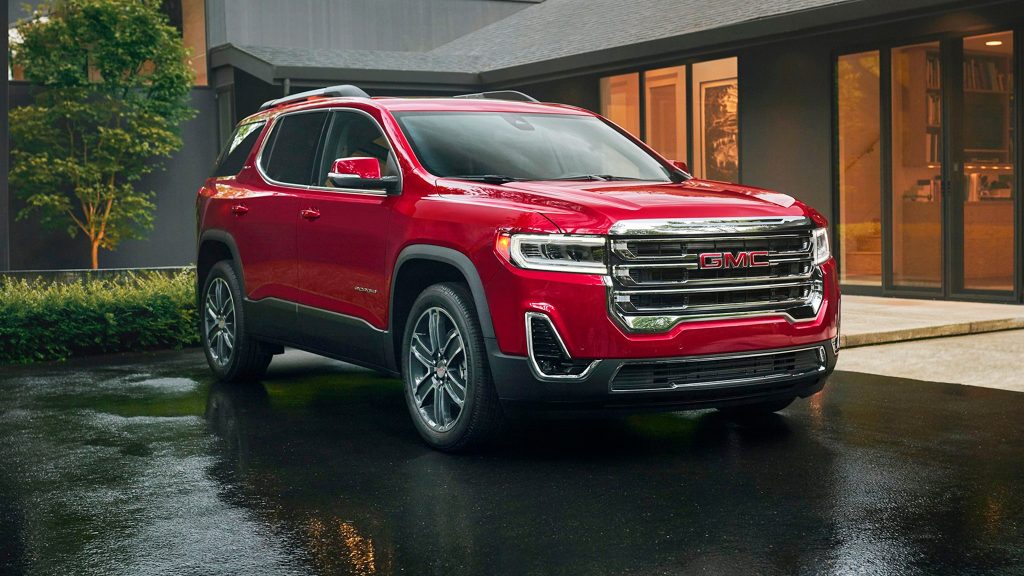
The 2027 GMC Acadia rounds out this list with available Super Cruise hands-free driver assistance. GMC identifies the system as an option on the current Acadia lineup, with availability dependent on trim.
The Denali Ultimate is listed as the standard-equipped version in the published model information, while other grades can be configured with the technology. That gives buyers a three-row family SUV option with advanced highway assistance.
Super Cruise combines steering assistance with adaptive cruise control. On compatible mapped roads, the system can help keep the vehicle centered in its lane while maintaining a driver-selected following distance from traffic ahead.
GPS data and high-definition maps help identify the road, while cameras monitor lane markings. A driver-attention system checks whether the person behind the wheel is looking toward the road.
The Acadia’s system can also support automatic lane changes on equipped vehicles. GMC lists both Automatic Lane Change and Turn Signal Activated Lane Change among the available Super Cruise functions.
These features are intended to assist with suitable highway maneuvers, not to give the vehicle unrestricted authority to change lanes whenever it chooses. The system needs appropriate road and traffic conditions, and the driver must remain prepared to take control.
GMC also offers Hands-On Steering Assist on selected 2026 and 2027 vehicles. This is a separate operating mode that provides lane-centering support while requiring the driver to keep their hands on the wheel.
It can be useful on roads that are not compatible with hands-free Super Cruise, provided the necessary lane markings and other operating conditions are present.
For families, the Acadia’s appeal is the combination of three-row practicality and optional highway assistance. Buyers should confirm the exact trim, equipment and subscription terms before ordering.
Super Cruise can reduce some of the effort of highway driving, but it cannot replace attentive driving or the driver’s responsibility for passengers and surrounding traffic.
