
The 2027 model year is bringing more than styling changes and extra horsepower. Automakers are introducing features that change how drivers enter their vehicles, interact with passengers, use entertainment systems, and experience everyday comfort.
Some are genuine firsts for their respective brands, while others bring technology into a model line that has never offered it before.
This article focuses on features confirmed for U.S.-market vehicles, distinguishing new equipment from upgrades that merely sound impressive. The aim is to show what is genuinely new, how each feature works, and whether it could make a meaningful difference to owners.
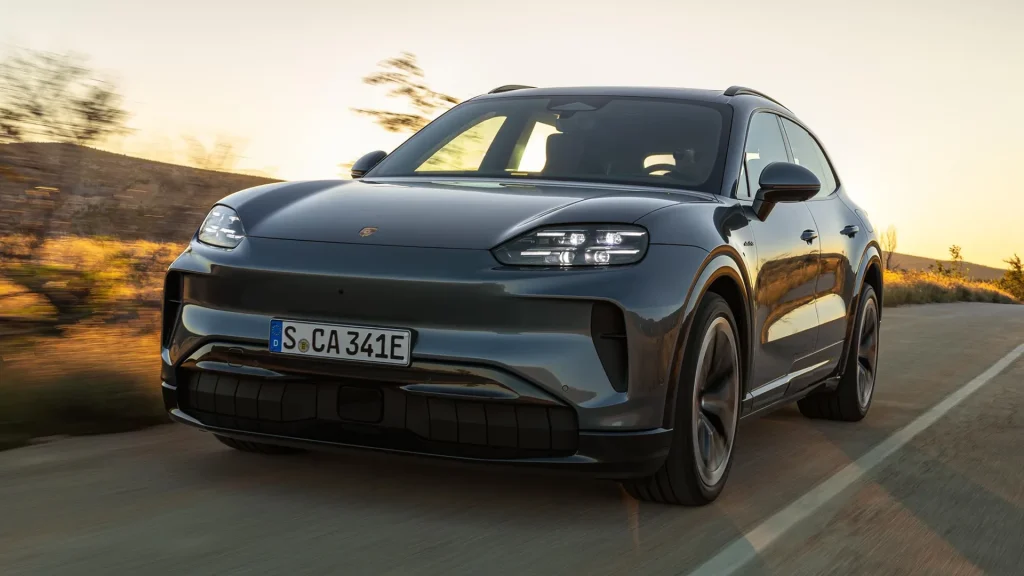
1. Porsche Cayenne Electric: Electrically Operated Doors
A vehicle door normally requires the occupant to pull it open and push it shut. The 2027 Porsche Cayenne Electric changes that familiar routine by offering electrically operated doors that use servo motors to complete the movement.
Porsche describes this as the first time the brand has offered optional electrically operated doors, making it a genuine new addition to its production-car range rather than a routine equipment upgrade. The feature is available on both the standard SUV and coupe versions of the electric model.
The operation is designed to feel straightforward. A brief pull on the exterior handle activates the mechanism, allowing the door to open automatically. Occupants can also operate the doors using buttons inside the cabin, the door handles, the Porsche Communication Management Flow Display, or the Porsche Digital Key.
There is even a convenience function for the driver: fastening the seat belt or pressing the brake pedal can automatically close the driver’s door.
Safety is particularly important with a powered door. Sensors monitor the surrounding area while it moves, and the system stops if it detects an obstacle or a person. Porsche also says the doors are designed to work on inclines.
When the exit-warning system detects approaching traffic, the vehicle can prevent a door from opening into its path. Manual operation remains possible, so occupants are not dependent on the electric mechanism in every situation.
This is more than a novelty for people who enjoy technology. It could make entry and exit easier when someone is carrying shopping, managing luggage, or helping a passenger.
The system also adds another layer of convenience to a luxury SUV, although buyers will need to consider the cost and complexity of an optional powered mechanism. U.S. deliveries of the 2027 model-year electric SUV are scheduled to begin in the first quarter of 2027.
2. BMW 7 Series: A Dedicated Screen for the Front Passenger
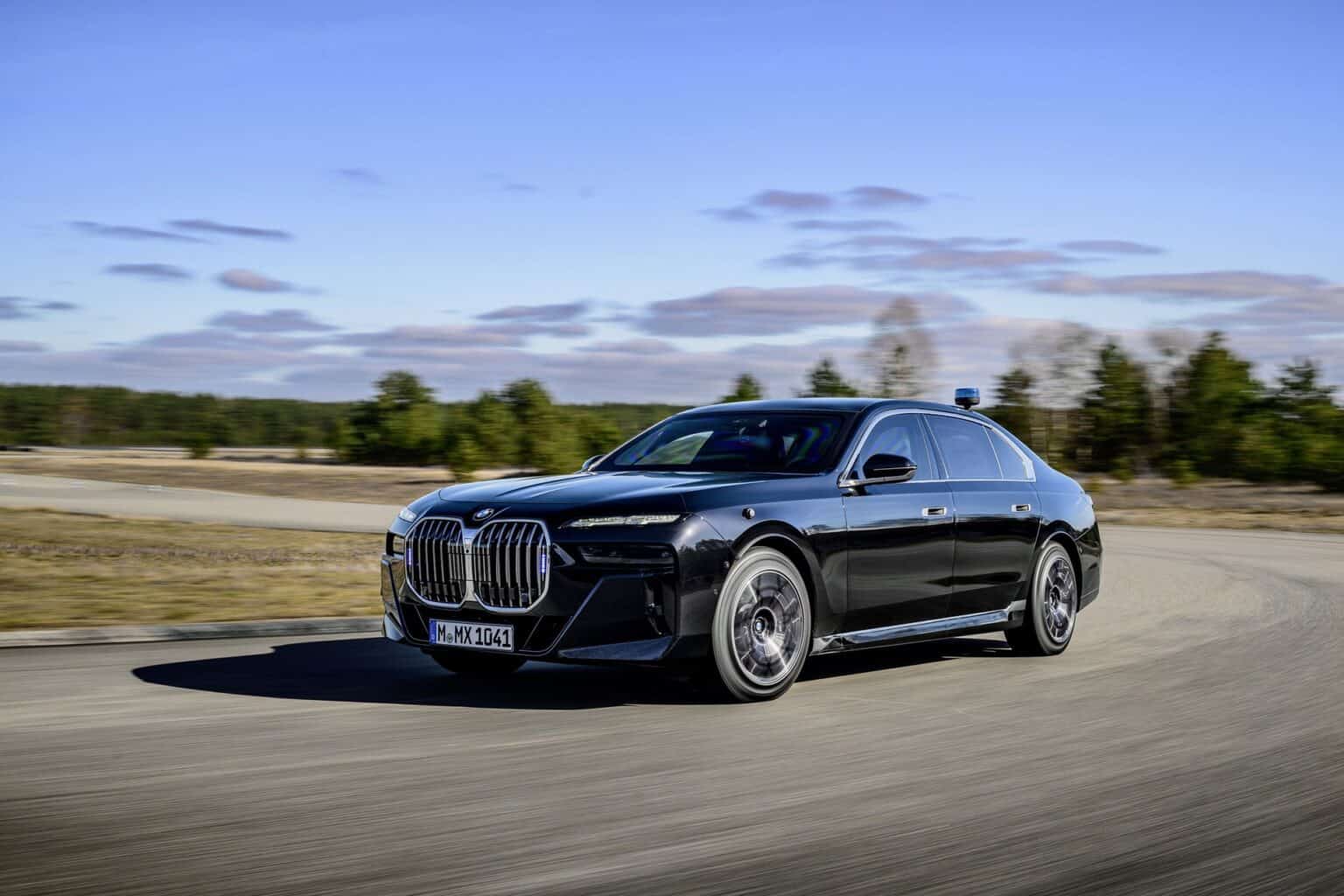
Large infotainment displays are now common in new vehicles, but BMW is taking a different approach in its 2027 7 Series. For the first time in the brand’s history, the flagship sedan introduces a dedicated display for the front passenger.
Called the BMW Passenger Screen, the 14.6-inch display is fitted as standard across the new 7 Series range. It is positioned beside the central display and forms part of the redesigned BMW Panoramic iDrive dashboard.
The distinction matters because the passenger is no longer limited to looking at the same central screen used by the driver. The full-HD touchscreen supports multi-touch operation and provides access to entertainment options, including video streaming, television programs, gaming, and music.
BMW says a separate BMW ID login is not required to use the passenger display. When the front passenger seat is empty, the screen automatically switches to a reduced mode that blends into the surrounding dashboard design.
BMW has also addressed a potential distraction problem. An integrated shield function is designed to keep the driver from viewing the passenger’s entertainment content while driving.
This distinction is important because the passenger display is designed to provide entertainment without adding unnecessary visual distractions for the driver. It is part of a larger digital cockpit that also features a central touchscreen and BMW Panoramic Vision, a system that projects important driving information across the lower section of the windshield.
This feature is different from the large rear entertainment screen already associated with the 7 Series. The rear BMW Theater Screen measures 31.3 inches and supports video calls, while the new passenger display serves the person sitting beside the driver.
It gives the front passenger an independent entertainment space without requiring a tablet or phone. For a luxury sedan designed around the comfort of every occupant, that is a meaningful change to the cabin experience.
3. Mercedes-Benz S-Class: Adaptive High-Beam Technology Available in the U.S. for the First Time
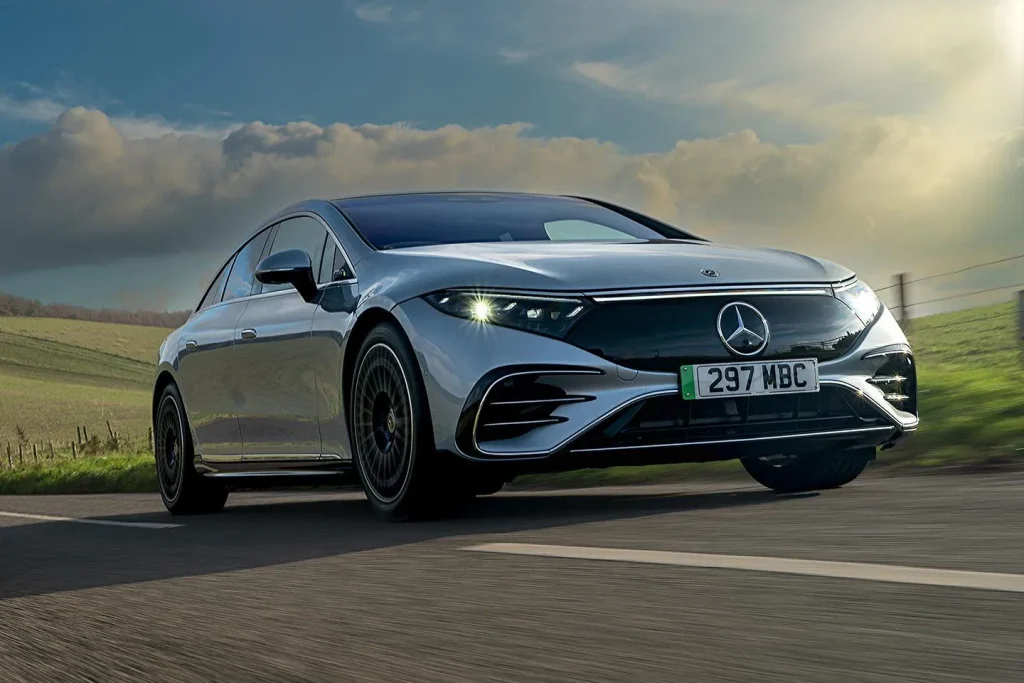
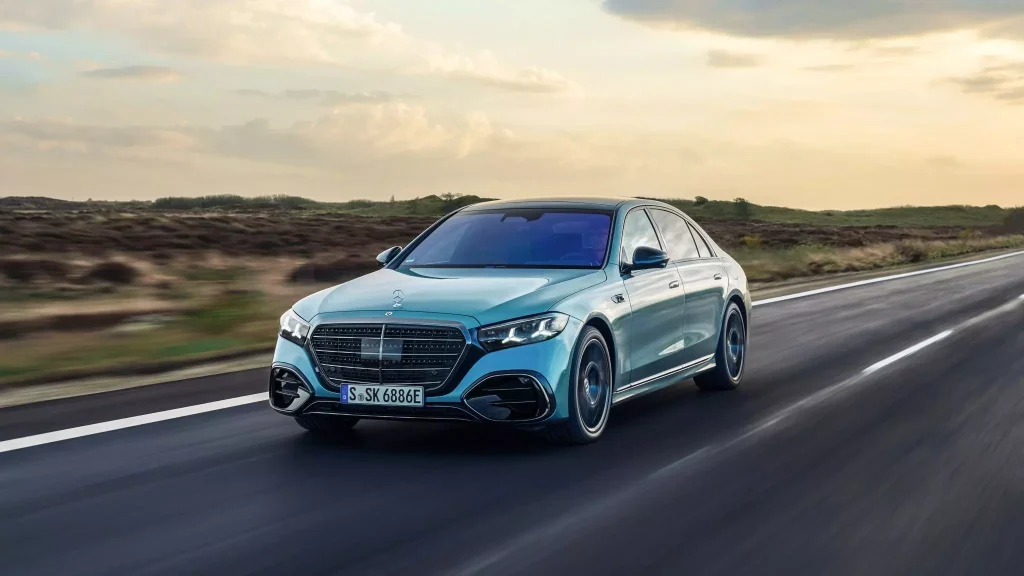
Headlight technology has progressed considerably, moving from conventional halogen bulbs to LEDs and sophisticated systems that adjust their illumination according to driving conditions. The 2027 Mercedes-Benz S-Class takes another step with the latest generation of DIGITAL LIGHT and Adaptive Highbeam Assist Plus.
Mercedes-Benz identifies the partial high-beam function as available in the United States for the first time, making this more than a cosmetic lighting update.
The purpose is to provide strong forward illumination while reducing the risk of dazzling other road users. Traditional high beams can illuminate distant sections of road, but drivers must frequently switch to low beams when another vehicle approaches. An adaptive system can adjust the lighting pattern instead.
The new technology uses camera information and map data to help determine where illumination is needed, while its partial high-beam function is designed to improve visibility of poorly lit road users without shining the full beam directly at them.
Mercedes-Benz also says the latest lighting hardware uses micro-LED technology and a more powerful chip. The company reports a larger high-resolution illumination field, brighter high beams than the previous system, and a light module that is up to 50 percent more efficient.
The headlamps are also said to weigh 25 percent less than the earlier design. These are manufacturer-reported technical improvements, not independent road-test results.
There is a practical benefit here that goes beyond making a luxury sedan look more advanced. Better-controlled illumination can help drivers identify hazards, road edges, and poorly lit objects at night.
It is particularly relevant on rural roads, where street lighting may be limited and wildlife can appear unexpectedly. However, adaptive headlights cannot eliminate the need for attentive driving, and their effectiveness still depends on weather, visibility, and the road environment.
The important distinction is that the technology is being introduced to U.S. buyers through this updated flagship. It should not be described as the first adaptive headlight system in the automotive industry. It’s confirmed that the first availability of this particular Mercedes-Benz lighting function is in the U.S. market.
4. Nissan Rogue Hybrid: e-POWER Comes to the U.S. for the First Time
Hybrid vehicles usually combine an engine and an electric motor to drive the wheels, with their roles changing according to speed and driving conditions. Nissan’s e-POWER system takes a different approach.
The 2027 Nissan Rogue Hybrid brings this technology to the U.S. market for the first time, giving American buyers access to a hybrid setup that has already been used in other international markets.
In this system, electric motors provide the driving force at the wheels, while the gasoline engine works as an electricity generator. That means the driving experience is intended to feel closer to an electric vehicle, even though the vehicle still carries an engine and does not need to be plugged in to recharge.
Nissan says the system has been developed and refined over three generations, with almost two million e-POWER-equipped vehicles sold across 68 markets since 2016.
For U.S. buyers, the arrival is significant because the technology offers another option between a conventional gasoline SUV and a fully electric vehicle. Drivers can experience electric-motor propulsion without depending on public charging stations or installing a home charger.
The new model also comes with standard dual-motor electric all-wheel drive, according to Nissan’s U.S. press information. Its e-Pedal with Smooth Stop technology is designed to make stop-and-go driving easier by allowing the driver to manage much of the acceleration and deceleration through the accelerator pedal.
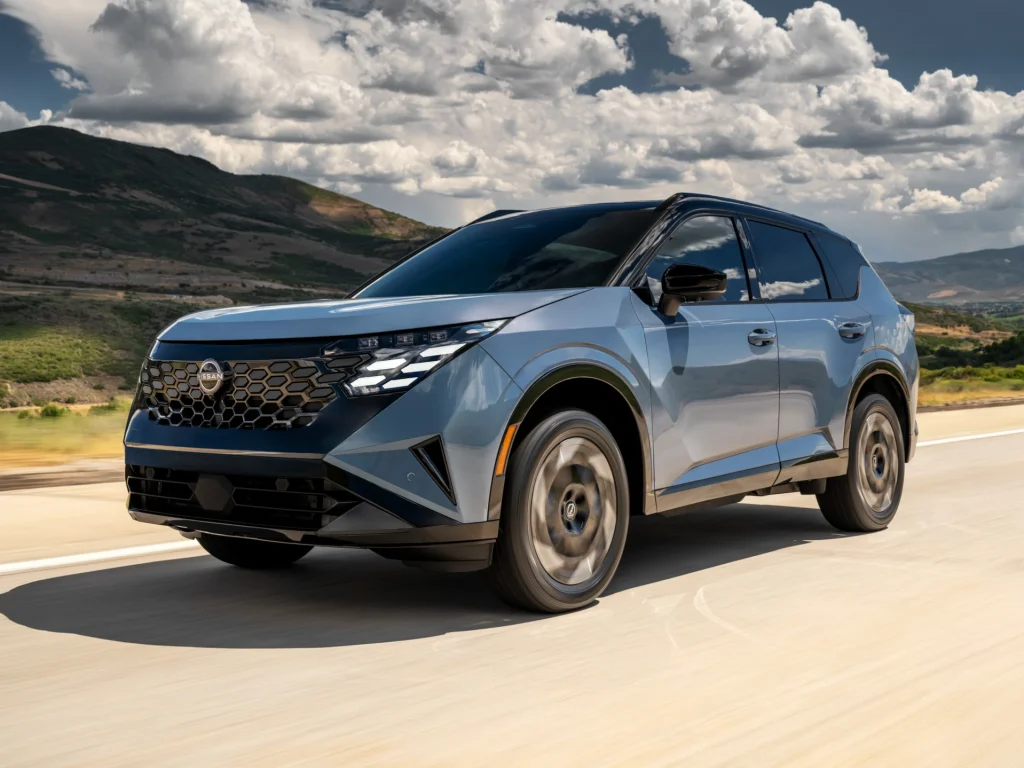
Nissan has also confirmed a 12.3-inch standard infotainment touchscreen with wireless Apple CarPlay and Android Auto. Higher equipment can include a larger 14.3-inch display with Google built-in services. The first SR AWD models were scheduled to reach dealerships in fall 2026, with additional grades following in early 2027.
The key first is not that hybrid technology itself is new. It is that this particular electric-motor-driven hybrid system is finally entering Nissan’s U.S. lineup. That distinction matters when comparing it with familiar hybrid systems already sold in America.
5. Mercedes-AMG GLC 53: Drift Mode Arrives on an AMG SUV for the First Time
Performance SUVs have become increasingly powerful, but their size and all-wheel-drive systems can make them feel very different from traditional rear-wheel-drive sports cars.
The 2027 Mercedes-AMG GLC 53 offers a distinctive feature for its segment with the introduction of Drift Mode, which Mercedes-AMG describes as a first for one of its SUVs. However, this capability is not included as standard equipment. Buyers must opt for the AMG DYNAMIC PLUS Package to access the feature.
When activated under the correct conditions, Drift Mode changes the vehicle’s power delivery so that drive is sent exclusively to the rear wheels. This allows an experienced driver to induce controlled oversteer on a suitable closed course.
It is not an additional traction setting intended for everyday wet-road driving. Mercedes-AMG specifically presents it as a performance feature for circuit use, and it should not be used on public roads.
The system works alongside the SUV’s AMG Performance 4MATIC+ all-wheel-drive setup. In normal driving, that system can vary torque distribution between the front and rear axles to balance traction and handling.
Drift Mode changes that arrangement, while the optional electronically controlled limited-slip rear differential helps manage power delivery between the rear wheels. The package also includes a RACE drive program and active engine mounts.
Under the hood, the vehicle uses an AMG-enhanced 3.0-liter turbocharged inline-six engine. Mercedes-Benz lists output at 443 horsepower and 443 lb-ft of torque, with a temporary overboost function raising torque to 472 lb-ft. Those figures help explain why the additional rear-drive mode is more than a visual gimmick.
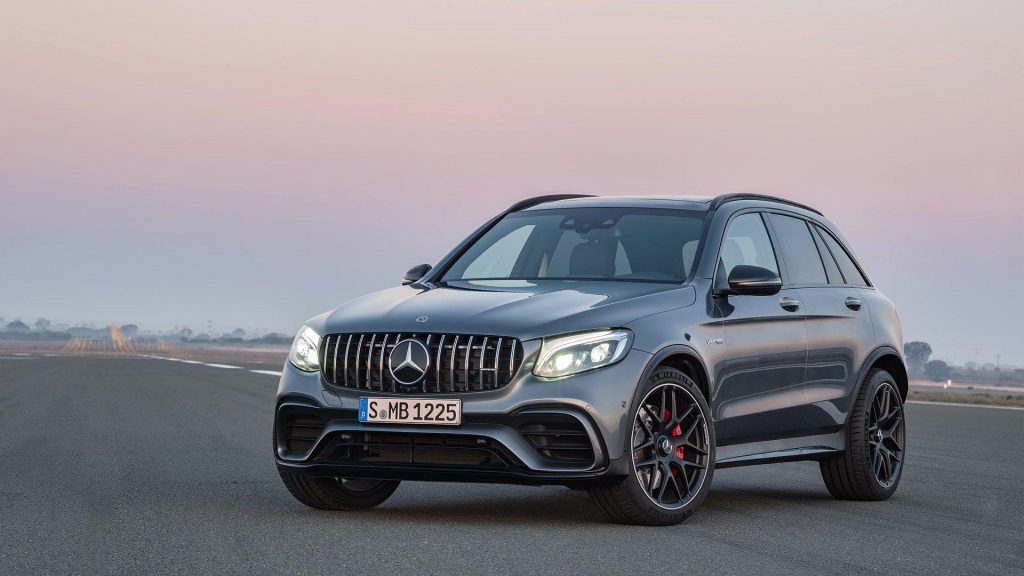
There are important limitations. Drift Mode requires the optional package, and Mercedes-AMG warns that it increases the risk of losing control. Drivers should only use it on a closed circuit with the appropriate skills and safety precautions. The significance is its arrival in an SUV carrying the AMG badge, not the invention of drifting technology itself.
6. Ford F-150: BlueCruise Hands-Free Towing
Hands-free highway driving systems have gradually expanded across the pickup market, but towing introduces additional challenges. A trailer changes a truck’s weight distribution, braking behavior, steering response and aerodynamic resistance.
The 2027 Ford F-150 is set to address that complication with BlueCruise with Towing, a new capability that Ford describes as the first hands-free highway driving feature of its kind for its trucks.
The system is designed to allow hands-free, eyes-on highway driving while the pickup is pulling a properly configured trailer. Ford says the feature will be available with a maximum towing capacity of up to 10,000 pounds when the truck is correctly equipped.
That figure is important, but it should not be interpreted as a guarantee that every trailer weighing less than 10,000 pounds can be towed hands-free in every situation. Vehicle configuration, trailer setup and operating conditions still matter.
Before using the feature, drivers must create a dedicated trailer profile and enter accurate dimensions for the trailer being towed. The system also monitors trailer sway.
If it detects persistent sway, it can slow the vehicle, limit its speed or transition back to hands-on driving. Ford says the development process involved thousands of real-world testing miles, including testing at high elevations, on tight curves and in windy conditions.
There is also a speed restriction to understand. Ford lists a maximum operating speed of 75 mph when towing, compared with 80 mph for BlueCruise without a trailer. The driver must still observe posted limits and remain attentive. Hands-free does not mean driverless, and the system does not remove responsibility for controlling the truck and trailer.
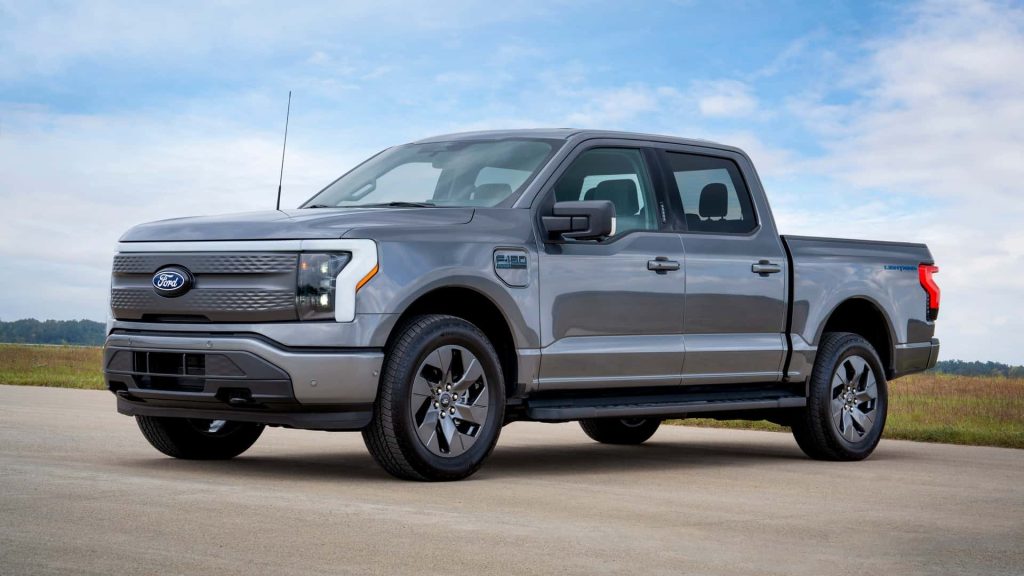
This feature is designed for a particular type of driver, especially those who frequently tow campers, boats, work equipment, or other trailers over long highway journeys. It may help reduce the effort required to maintain steering control during suitable driving conditions. However, it should not be viewed as a substitute for proper towing techniques and safe driving practices.
7. Fiat Topolino: A New Open-Air Body Style for U.S. Buyers
Not every new vehicle feature needs a large screen, an advanced sensor or a complicated electronic system. Sometimes a different body configuration can change how a vehicle is used.
For 2027, Fiat is introducing the Topolino Open Air, a new body style for its small electric low-speed vehicle in the U.S. market. The main addition is a retractable soft-top roof that gives the two-seat vehicle a more open cabin experience.
The Open Air joins the existing Topolino and Dolce Vita versions. Rather than using a conventional fixed roof, the new configuration features a roll-back soft top, allowing occupants to open the cabin to the outside when conditions are suitable.
This is a relatively simple idea, but it gives the tiny electric vehicle a different character and makes it more appealing for short trips in warm-weather communities.
The 2027 update also brings two new exterior colors, Corallo Orange and Luna Greige, along with a full-color digital instrument cluster. These additions are intended to give the vehicle a more contemporary appearance without changing its basic purpose.
Fiat lists a U.S. starting MSRP of $13,995 before the destination fee, positioning it far below the price of a typical full-size electric car.
There is an important regulatory distinction. The vehicle is being offered as a low-speed vehicle, not as a conventional passenger car. Federal rules generally limit this class to a maximum speed of 25 mph and restrict its use on roads with posted speed limits above 35 mph, subject to applicable state and local requirements.
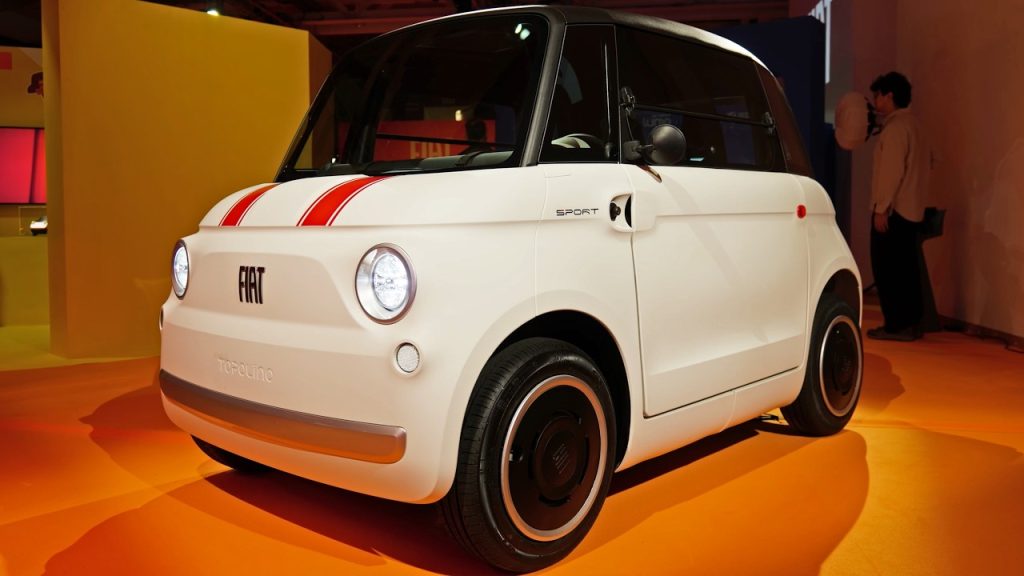
Buyers should check the rules in their own community before assuming it can be used on every public street.
The new roof is therefore not simply a styling detail. It changes the experience of a vehicle designed for neighborhood travel, resort communities and short local journeys. It is a model-specific first for the U.S. offering, rather than a claim that open-air electric vehicles have never existed before.
8. Hyundai Palisade Hybrid: A Hybrid Powertrain for the First Time
The three-row SUV segment has traditionally relied heavily on gasoline engines, with hybrid choices available in only some competing models. Hyundai is changing the formula for its large family SUV by adding a hybrid powertrain for the 2027 model year.
This is the first time the Palisade nameplate has been offered with a hybrid setup in the U.S., giving buyers a new choice without requiring them to move to a smaller vehicle.
The system combines a 2.5-liter turbocharged four-cylinder gasoline engine with electric-motor assistance. Hyundai lists a combined output of 329 horsepower.
Front-wheel-drive versions are EPA-estimated to achieve up to 34 mpg combined, while all-wheel-drive versions are rated at up to 30 mpg combined. The figures vary by trim and drivetrain, so buyers should compare the exact configuration rather than assuming every version delivers the highest advertised efficiency.
Hyundai also estimates a driving range of up to 619 miles for the front-wheel-drive SEL and SEL Premium trims, based on an 18.2-gallon fuel tank and the EPA-estimated 34 mpg combined rating.
That is a manufacturer-published estimate, not a promise of the distance every owner will achieve. Driving style, traffic, weather, load and road conditions can all affect fuel consumption.
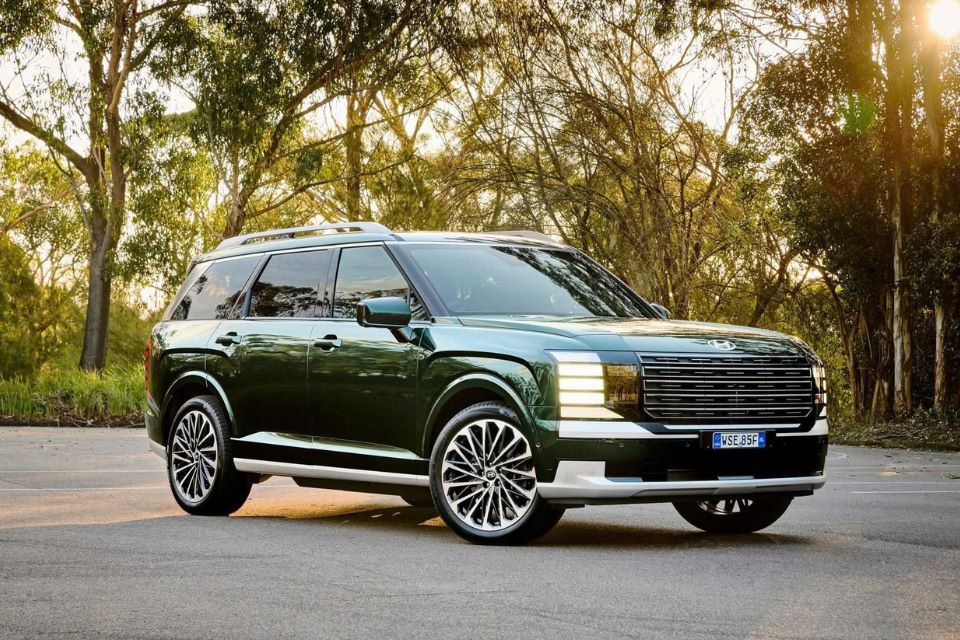
The hybrid version retains the family-oriented layout that makes this class popular. It offers seating for up to eight, available HTRAC all-wheel drive, and a maximum towing capacity of 4,000 pounds when equipped with trailer brakes.
The cabin can also be configured with features such as heated and ventilated seats, a 12.3-inch touchscreen and available relaxation seats for the first and second rows.
For families who need three rows of seating but are not ready to switch to a fully electric vehicle, this hybrid powertrain provides another alternative. It marks an important change for the nameplate, giving U.S. buyers the option of a hybrid model for the first time after previously relying exclusively on traditional gasoline engines.
