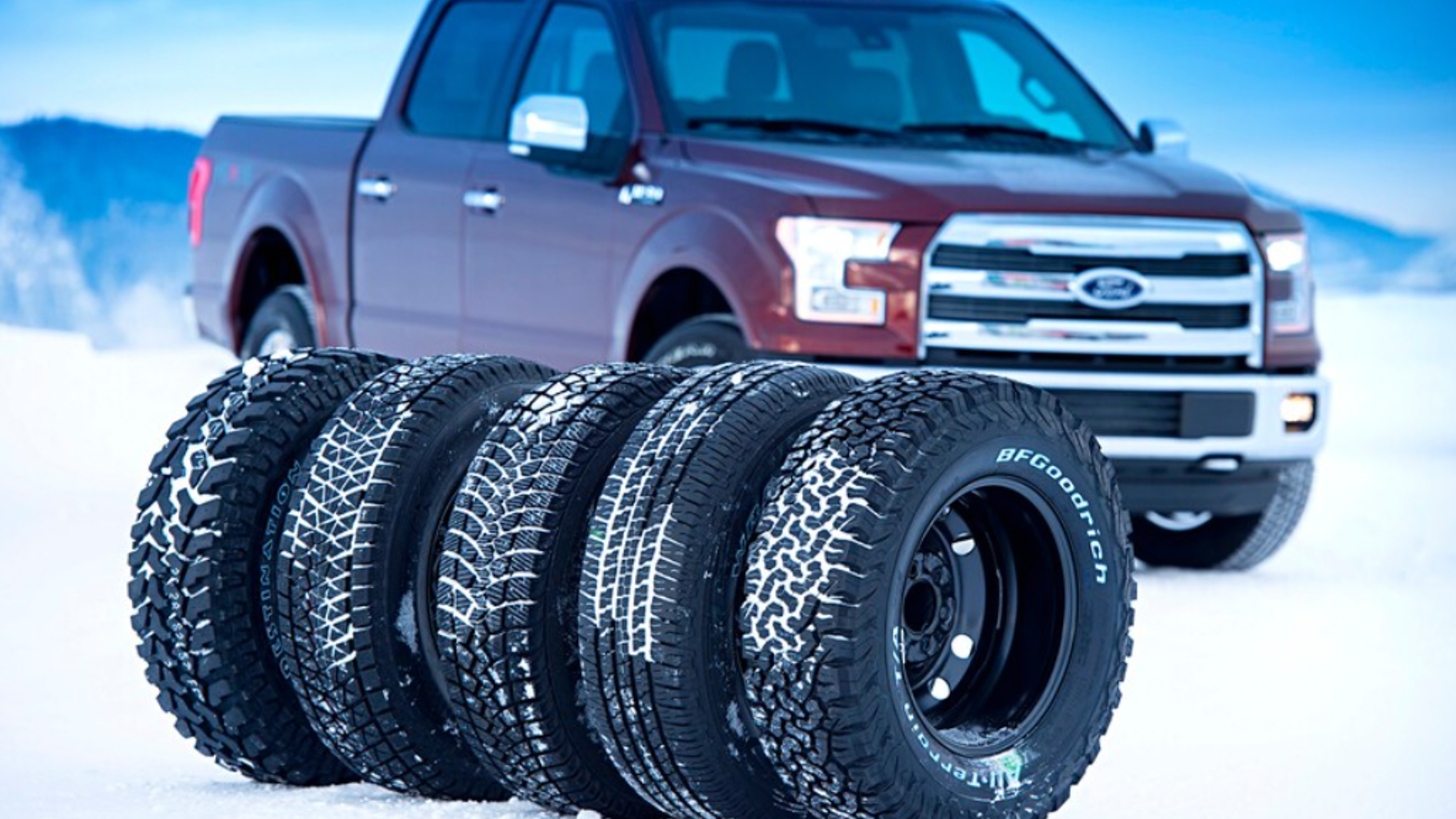
Choosing the right tires can make a significant difference to braking, handling, and driver confidence when temperatures drop.
Dedicated winter tires are designed for conditions where snow, ice, and freezing temperatures challenge ordinary rubber compounds, while good all-season tires provide a practical solution for drivers facing mostly mild winters.
Spending extra on winter tires makes sense when roads regularly become icy or snow-covered, but not every driver needs a separate seasonal set. The following ten tire models demonstrate where specialized winter performance is worth the investment and where capable all-season tires can meet everyday driving requirements.
5 Winter Tires Worth It
Dedicated winter tires are designed for drivers who regularly encounter freezing temperatures, snow-covered roads, and icy conditions. Their advantage is not simply a more aggressive tread pattern.
They use rubber compounds formulated to remain flexible in cold weather, along with tread designs that create additional biting edges for traction. These characteristics help them maintain grip when conventional all-season tires begin losing effectiveness.
The difference becomes particularly important during braking and cornering. A vehicle may accelerate reasonably well on snow with all-wheel drive, but that drivetrain cannot create additional tire grip when the driver needs to stop or change direction.
Four winter tires provide a more consistent contact patch and balanced handling than mixing winter and non-winter tires.
The five selections below have been chosen using independent tire testing, established winter tire technology, and their suitability for different cold-weather conditions. Some are particularly strong on packed snow and ice, while others offer a more comfortable driving experience on cleared highways.
They are not interchangeable, and the best option depends on the weather a driver regularly faces.
A dedicated winter set also involves additional costs. Owners need somewhere to store the unused tires, and seasonal installation adds time and expense. Winter compounds can wear more quickly in warm weather, so these tires should generally be removed when temperatures rise consistently.
Nevertheless, for drivers in northern states, mountainous regions, and areas with frequent winter storms, the additional traction can justify the investment.
1. Bridgestone Blizzak IcePeak
The Bridgestone Blizzak IcePeak deserves attention because it delivered particularly strong results in Tire Rack’s winter tire testing for the 2026-2027 season.
It replaces the Blizzak WS90 and DM-V2 in Bridgestone’s updated winter lineup, bringing a new option for drivers who regularly face snow and ice. Its strongest selling point is its ability to provide substantial winter traction without being limited to one type of cold-weather surface.
In Tire Rack’s comparison, the IcePeak recorded a 51.9-foot stopping distance from 25 mph on snow, compared with 57.4 feet for the Continental VikingContact 8 and 56.7 feet for the Michelin X-Ice Snow+.
It also recorded the shortest ice braking distance in the test, stopping from 12 mph in 35.7 feet. These results make it a particularly compelling choice for drivers who regularly encounter slippery roads.
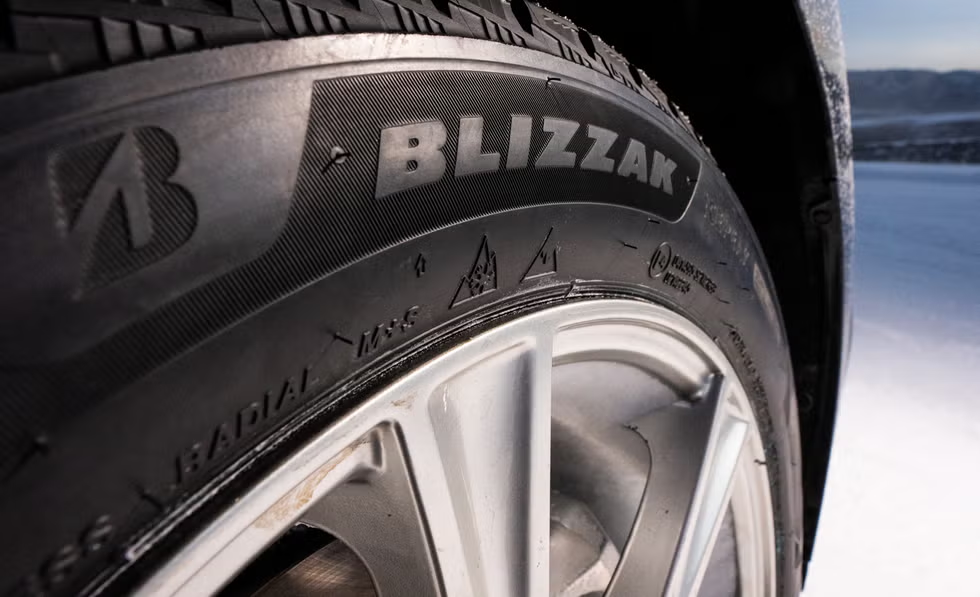
The tire’s appeal is not limited to emergency braking. It also recorded the fastest snow-handling lap among the three tires tested. That matters because winter driving involves more than stopping in a straight line. Drivers need predictable grip when steering around obstacles, entering intersections, and navigating bends.
There is a compromise. Tire Rack’s testers found that its road behavior was less composed than the alternatives in some clear-road conditions. Drivers prioritizing maximum winter traction should consider it seriously, especially where snow and ice are routine rather than occasional inconveniences.
2. Michelin X-Ice Snow+
Michelin’s X-Ice Snow+ is worth considering for drivers who encounter a mixture of winter conditions rather than constant deep snow. Its performance in Tire Rack’s 2026-2027 comparison showed a useful balance between cold-weather grip and wet-road capability.
That combination can be important in regions where snow frequently melts during the day, leaving cold and wet pavement for the evening commute.
The test results reveal where this tire stands out. It recorded the shortest wet braking distance among the three tested winter tires, stopping from 50 mph in 116.3 feet. It also delivered the quickest ice acceleration time, completing the test in 4.91 seconds. Those figures show that its performance is not restricted to packed snow.
On snow, the X-Ice Snow+ stopped at 25 mph in 56.7 feet, placing it between the Bridgestone and Continental in that particular test. Its ice braking distance was 37.4 feet, slightly longer than the Blizzak IcePeak but shorter than the VikingContact 8.
This makes it a well-rounded option for drivers who need winter-specific traction without focusing exclusively on deep snow performance.
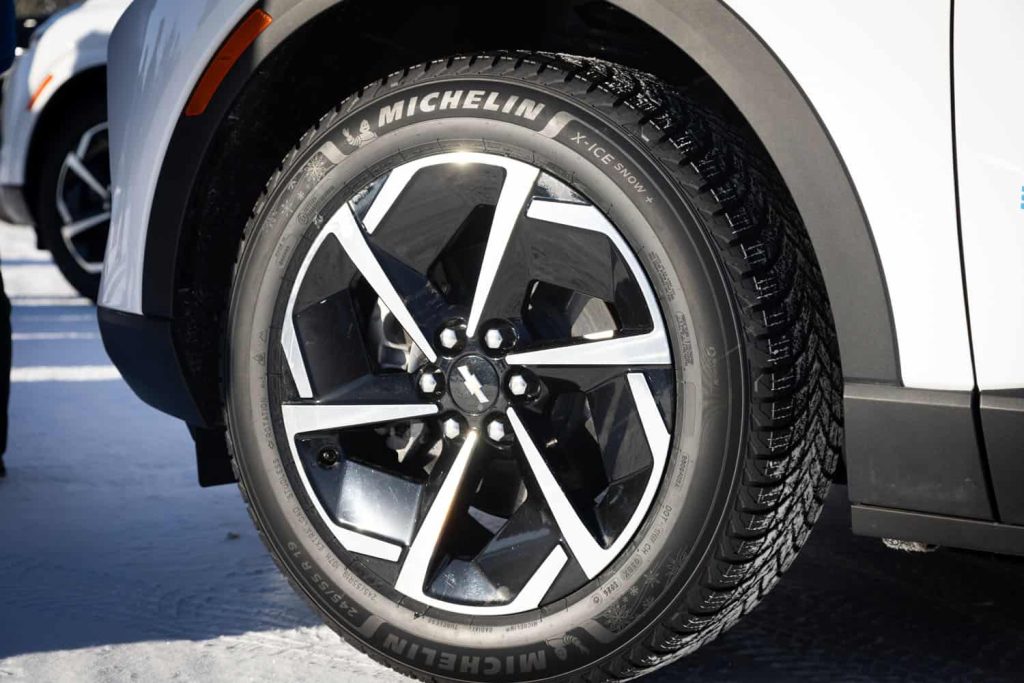
The tire is especially relevant for people who travel on highways and suburban roads that are regularly cleared but remain cold, wet, or occasionally icy. Its wet-road strength may be more useful to these drivers than an extreme snow-focused design.
Buyers should still compare the exact tire size and available fitment for their vehicle. The X-Ice Snow+ is a strong candidate, but its performance should be considered alongside the local climate, driving routine and the price of a complete set.
3. Continental VikingContact 8
The Continental VikingContact 8 deserves a place on this list because winter tires need to deliver more than impressive test-track numbers. A driver spending several hours on cold highways may value a comfortable ride, predictable steering, and low noise just as much as maximum snow traction. Continental’s latest winter design aims to provide that combination.
Tire Rack’s 2026-2027 comparison placed the VikingContact 8 between the Blizzak IcePeak and X-Ice Snow+ in several measured categories. It stopped from 25 mph on snow in 57.4 feet and required 41.3 feet to stop from 12 mph on ice.
Those results were not class-leading in the three-tire comparison, but they still demonstrate the capability expected from a dedicated winter tire.
Its most interesting advantage came from the subjective driving assessment. Tire Rack’s testers described it as the most pleasant tire to drive on ordinary roads among the three new winter models.
That matters for owners who use their vehicles every day rather than treating winter tires as equipment reserved for occasional snowstorms.
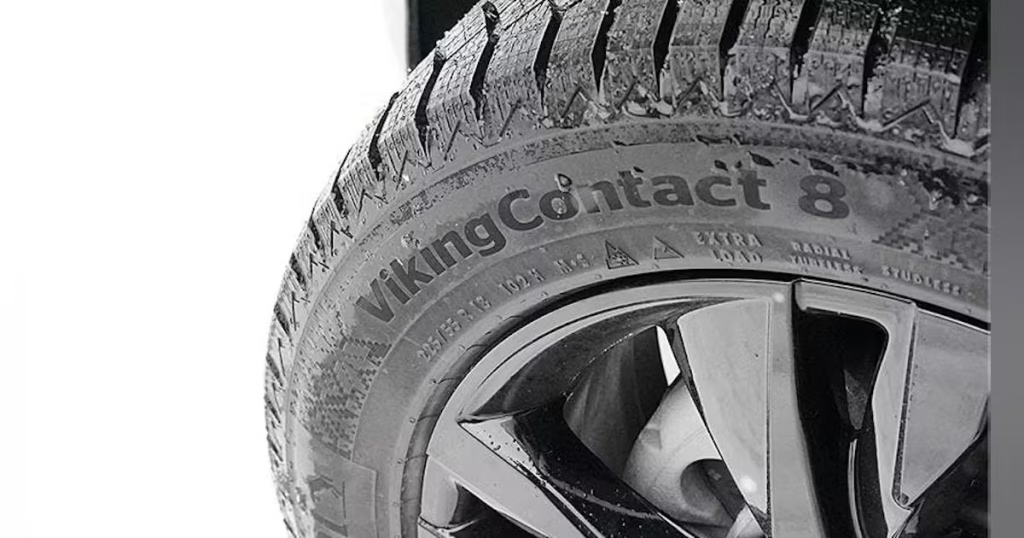
The VikingContact 8 is particularly worth considering for drivers who experience long winters with a mixture of snow, cold rain, and cleared pavement. It offers a winter-specific compound and tread design while maintaining a comfortable road-going character.
There is no reason to choose it solely because it carries the Continental name. Buyers should compare its price with competing models in the correct size and consider whether its comfort advantage matters to their driving routine. For someone who spends significant time on winter highways, however, that refinement can be a meaningful reason to pay extra.
4. Nokian Hakkapeliitta R5
Nokian’s Hakkapeliitta R5 is designed for drivers who face serious winter conditions and want a tire developed specifically around cold-weather traction.
Nokian has a long association with winter tire engineering, and the R5 is aimed at drivers who regularly deal with packed snow, frozen roads, and low temperatures rather than occasional light snowfall.
Consumer Reports’ 2026 buying guide lists the Hakkapeliitta R5 among its winter and snow tire selections, with a reported price paid of approximately $189 in its guide.
Its testing gives the model a score of 76, making it a strong candidate for shoppers who prioritize winter performance. These figures should be treated as guide data rather than a universal retail price, since tire sizes and retailers can change the amount buyers pay.
The R5 uses a studless design, making it suitable for drivers who want dedicated winter traction without choosing a studded tire. Its tread construction is designed to create grip on snow and ice while retaining flexibility in cold temperatures.
That distinction is important because a tire that becomes too stiff in freezing weather can struggle to maintain the contact needed for braking and cornering.
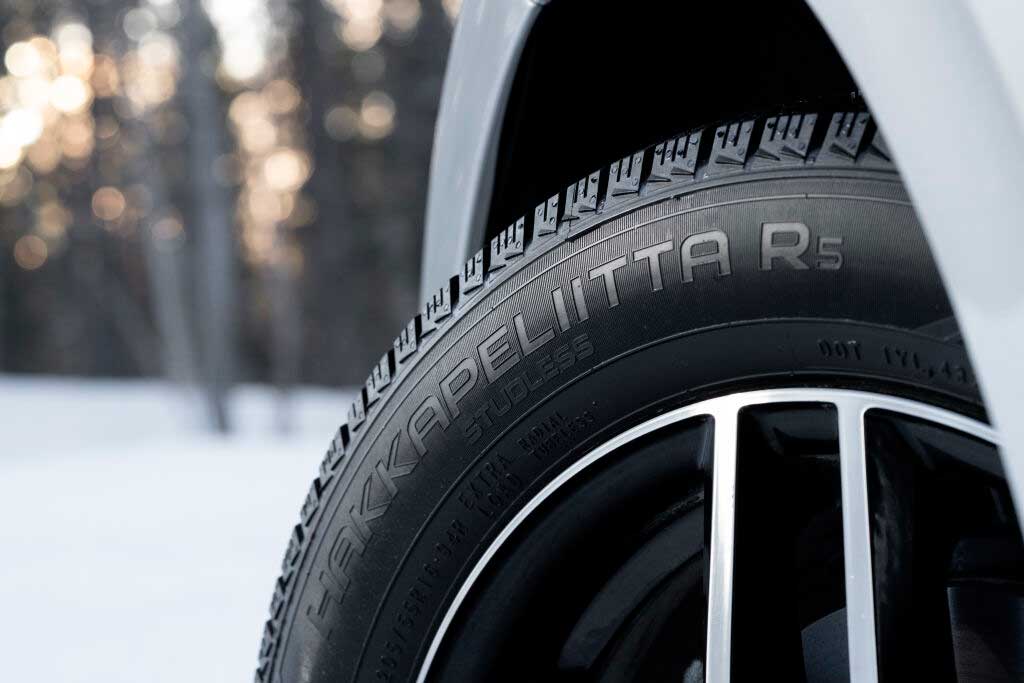
This model is especially relevant to drivers in northern states, mountainous areas, and locations where icy roads remain common for extended periods. It is less compelling for someone who experiences only a few cold mornings each year.
Before purchasing, confirm the available size, load rating, and vehicle compatibility. The R5’s winter-focused design is its greatest strength, but it should be used seasonally rather than left on the vehicle through warm summer months.
5. General Altimax Arctic 12
The General Altimax Arctic 12 is worth considering for drivers who want a dedicated winter tire without automatically choosing one of the most expensive premium options. Winter tire purchases can become costly when a vehicle requires larger wheels or an uncommon size, so a more accessible model with genuine winter capability can be attractive.
Tire Rack included the Altimax Arctic 12 in its 2026 all-weather versus winter tire testing. In that comparison, it delivered a snow-handling time of 56.31 seconds, placing it ahead of the Vredestein Wintrac Pro+ but behind the leading Bridgestone, Continental, and Michelin winter options.
The result highlights its standing as a capable option for winter driving, even if it did not lead the pack in every performance category.
The model is particularly relevant to drivers who regularly encounter snow and want a tire designed for cold conditions rather than relying on a conventional all-season compound.
Depending on the application, buyers should also investigate whether a studded version or a compatible studless configuration is available. Local regulations concerning studded tires vary, so this detail should be checked before purchase.
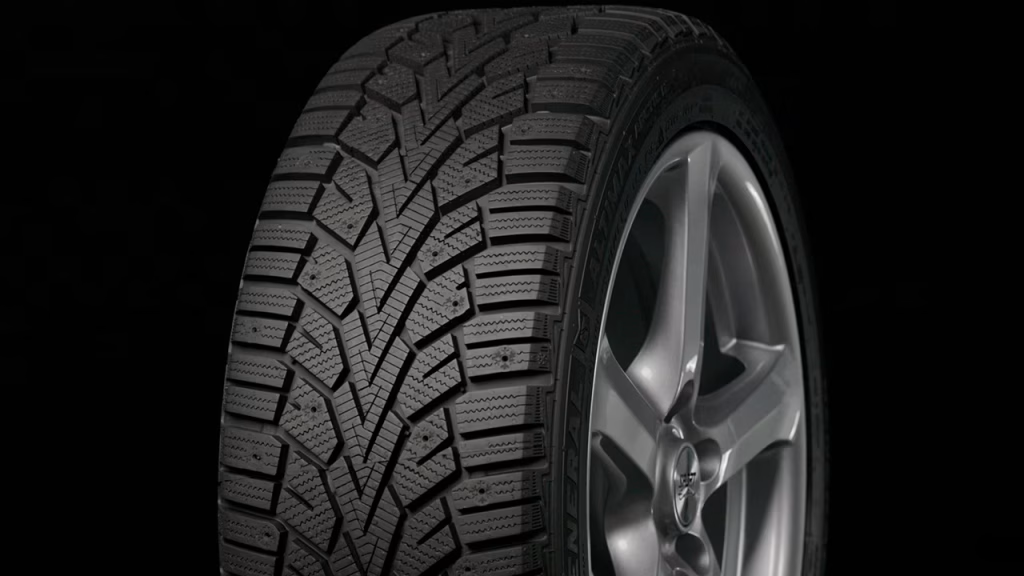
Its value proposition becomes stronger when the price difference compared with premium winter tires is substantial. However, buyers should not choose it on price alone. Compare wet braking, ice performance, noise and the availability of the exact size required by the vehicle.
For drivers who need winter-specific traction but do not want to pay top-tier prices, the Altimax Arctic 12 deserves a place on the shortlist.
5 All-Seasons That Suffice
Not every driver needs dedicated winter tires. In many parts of the United States, winter means colder mornings, occasional rain and perhaps a few light snowfalls rather than months of frozen roads.
For these conditions, a good all-season tire can provide a practical balance of dry-road handling, wet-weather braking, comfort and reasonable cold-weather capability.
The advantage is convenience. Owners can keep one set of tires on the vehicle throughout the year, avoiding seasonal installation, storage requirements and the cost of maintaining two separate sets.
A capable all-season model can also offer a quieter ride and more suitable warm-weather performance than a dedicated winter tire left on the vehicle after spring arrives.
However, the category name should not create a false sense of security. Conventional all-season tires are not designed to match dedicated winter tires on severe snow and ice. Tire Rack’s 2026 comparison between winter, all-weather and all-season tires demonstrated meaningful differences in snow handling.
The Bridgestone Blizzak WS90 recorded a 53.66-second snow lap, while the Michelin Primacy Tour A/S, a conventional all-season tire, recorded 61.17 seconds in the same comparison.
That difference matters when roads become genuinely slippery. Drivers who regularly travel through heavy snowfall or icy mountain passes should consider dedicated winter tires or a suitable all-weather tire carrying the Three-Peak Mountain Snowflake symbol.
The following five models are conventional all-season choices worth considering for drivers whose winters are generally mild. They offer different strengths, including dry braking, ride comfort, road handling and everyday practicality.
1. Michelin Defender 2
The Michelin Defender 2 is a sensible option for drivers who spend most of their time on dry and wet roads and want an all-season tire suited to everyday use. Its appeal comes from its touring-oriented character, with an emphasis on braking, comfort and long-term ownership rather than specialized winter performance.
Tire Rack’s November 2025 touring all-season test provides a useful example of its strengths. The Defender 2 recorded the shortest dry braking distance in the conventional all-season group, stopping from 60 mph in 39.32 meters.
The next-best tire in that particular measurement, the Continental TrueContact Tour 54, required 40.23 meters.
That result makes the Michelin interesting for drivers who spend most of the year on ordinary paved roads. Dry braking performance is an important part of daily safety, particularly in traffic where unexpected stops are common. Its performance in dry cornering was also strong in the test, recording 0.85 g in the dry circle evaluation.
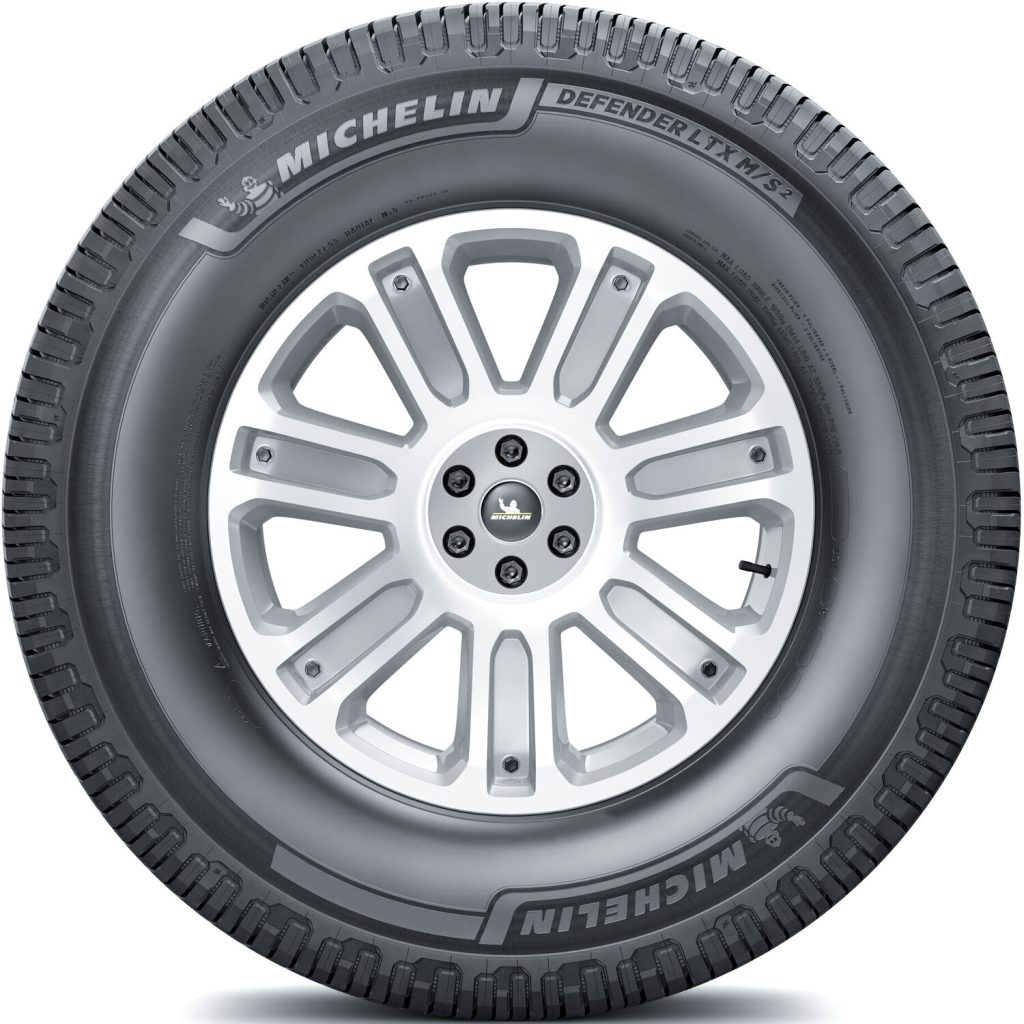
There is a limitation that buyers should understand. The same Tire Rack test showed the Defender 2 near the bottom of the conventional all-season group for snow handling. It recorded a 61.36-second snow lap, indicating that its strengths are not concentrated in winter conditions.
This tire makes sense for drivers in warmer states and regions where snow is rare. It is also suitable for people who value everyday road performance more than occasional light-snow capability. Anyone regularly driving on snow-covered roads should look at a dedicated winter or winter-rated all-weather option instead.
2. Continental TrueContact Tour 54
The Continental TrueContact Tour 54 is worth considering because it offers a balanced approach to everyday driving. Not every buyer wants the strongest dry braking figure or the quietest ride at any cost. Many simply want a tire that behaves predictably in different conditions without creating an obvious weakness in ordinary use.
Its results in Tire Rack’s November 2025 touring all-season comparison support that position. The tire recorded a dry braking distance of 40.23 meters from 60 mph, placing second in the conventional all-season group.
It also received the highest subjective road-handling score among the all-season tires tested, with 7.75 points.
The snow results were more encouraging than those of some competing touring tires. It completed the snow handling test in 56.38 seconds, placing second among the conventional all-season models in that evaluation.
That does not make it a replacement for a dedicated winter tire, but it suggests that the model can provide useful capability during occasional light snowfall.
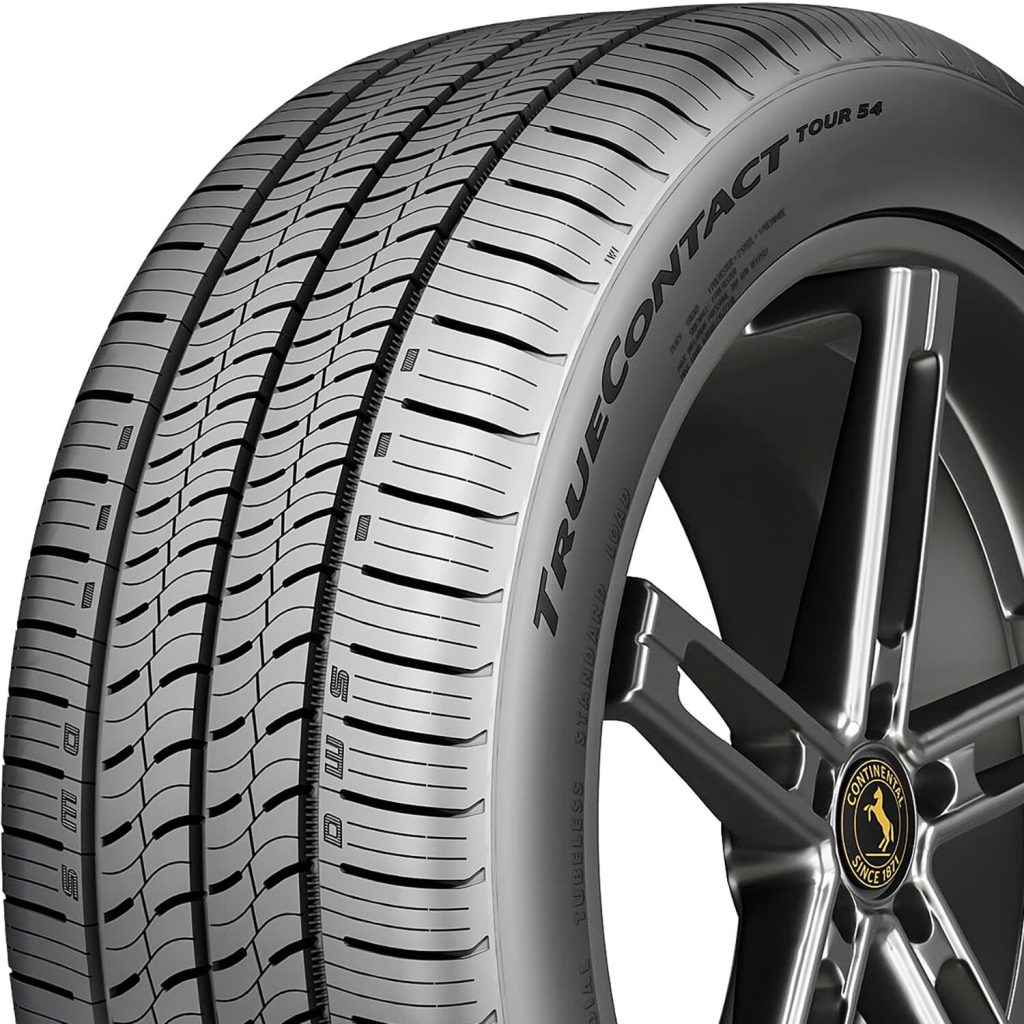
Its strengths make it relevant to drivers who face changing weather but spend most of the year on clear roads. The TrueContact Tour 54 offers a practical middle ground for family sedans, crossovers and other compatible vehicles, depending on the available size.
Buyers should still verify the exact fitment and load rating before purchasing. The model is not intended to handle severe winter conditions like a dedicated snow tire. For people who mainly experience rain, dry pavement and occasional mild winter weather, however, its balanced performance makes it a compelling option.
3. Goodyear Assurance MaxLife 2
The Goodyear Assurance MaxLife 2 deserves consideration from drivers who want an all-season touring tire with an emphasis on comfort and everyday usability. Not every vehicle owner needs sporty steering response or aggressive performance.
For a commuter car or family vehicle, a comfortable ride and controlled road behavior can be more important.
Tire Rack’s November 2025 comparison provides useful evidence. The MaxLife 2 received an 8.5-point subjective comfort score, the highest among the conventional all-season tires in that test. It also earned the best noise score in its group, with 8.25 points. Those results make it attractive to drivers who spend long hours behind the wheel and want to limit road noise.
Its dry braking result was 41.15 meters from 60 mph, placing it behind the Michelin Defender 2 and Continental TrueContact Tour 54. Its snow-handling time was 61.03 seconds, which shows that its winter capability is more limited than that of stronger performers in the same test.
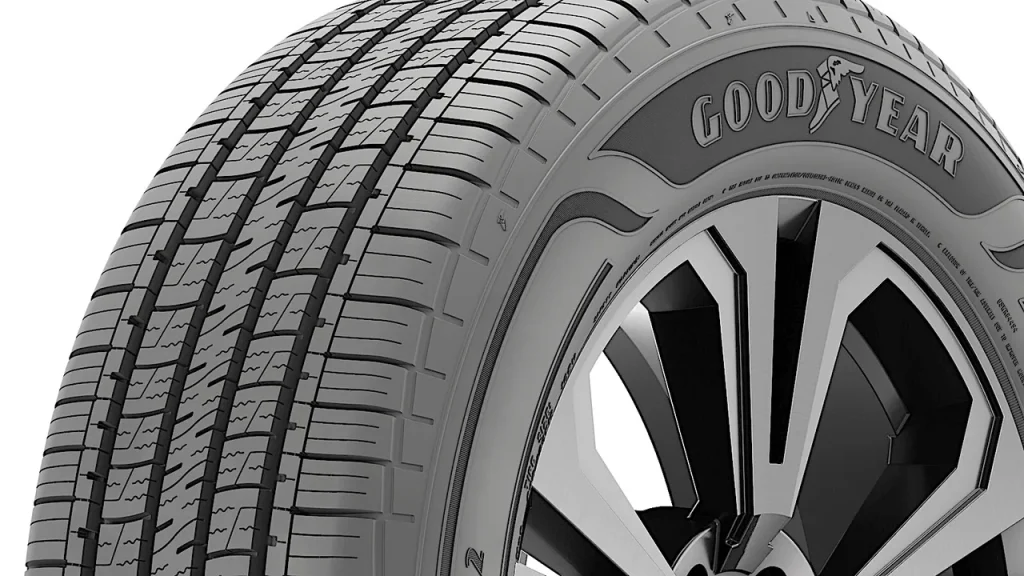
This distinction matters. A tire can be a good everyday choice without being a strong snow tire. Drivers in regions with mild winters may appreciate the comfort and noise characteristics, while those in areas with frequent snow should consider a more winter-focused product.
The MaxLife 2 makes the most sense for owners who prioritize a relaxed highway experience and spend most of their driving time on dry or wet pavement. It should not be selected as a substitute for proper winter equipment where severe snow and ice are common.
4. Bridgestone Turanza Prestige
The Bridgestone Turanza Prestige is an interesting choice for drivers who want a touring all-season tire but do not want to completely ignore occasional winter conditions. Its results in Tire Rack’s November 2025 testing show a useful combination of dry-road capability and relatively strong snow handling for a conventional all-season model.
One of its most notable results was its 55.19-second snow handling lap, the fastest among the conventional all-season tires in that comparison.
That placed it ahead of the Continental TrueContact Tour 54 and the Goodyear Assurance MaxLife 2. It also recorded 0.85 g in the dry circle test, matching the strongest conventional all-season results in that measurement.
The snow result is particularly interesting because all-season tires often prioritize dry and wet performance. A stronger result in a snow handling test can provide an advantage for drivers who occasionally encounter light snow or cold-weather roads.
It does not, however, mean the Turanza Prestige can match a dedicated winter tire when the surface becomes icy or deeply snow-covered.
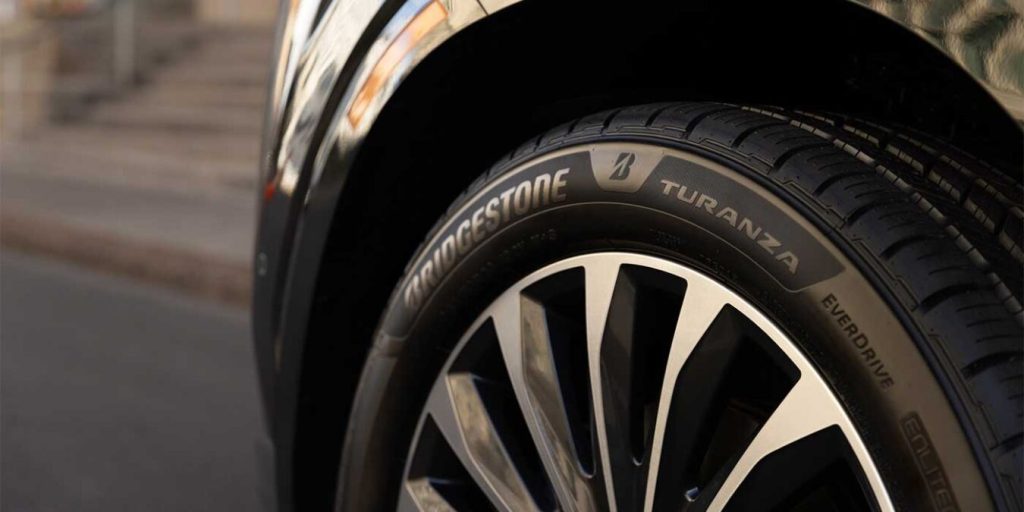
The tire is worth considering for drivers who want a year-round setup in areas where winter conditions are intermittent. Its combination of dry grip and comparatively strong snow handling gives it a useful role between ordinary touring performance and more specialized winter products.
As with any tire, results can vary by size and vehicle. Buyers should compare the exact specification required by their car and avoid assuming that every size performs identically. For mild climates, it is a strong candidate for drivers who want more than basic all-season capability.
5. Yokohama AVID Ascend LX
The Yokohama AVID Ascend LX is a practical option for drivers who want a conventional all-season tire for routine commuting and everyday transportation. Its appeal is not based on extreme winter performance or sporty handling.
Instead, it belongs in the discussion because it provides a straightforward solution for vehicles that spend most of their time on ordinary roads.
Tire Rack’s November 2025 touring all-season comparison included the AVID Ascend LX alongside several established competitors. It recorded a dry braking distance of 42.06 meters from 60 mph, placing it behind the Michelin Defender 2, Continental TrueContact Tour 54 and Goodyear Assurance MaxLife 2.
In the snow handling test, it recorded 59.43 seconds, performing better than the Michelin Defender 2 and MaxLife 2 in that particular evaluation.
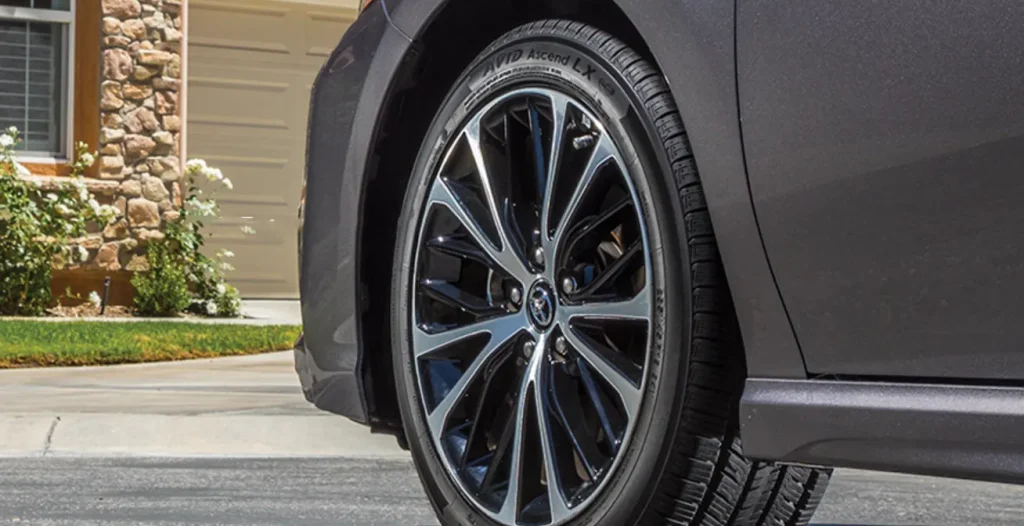
These results suggest a tire with reasonable everyday usefulness, although it was not the strongest performer across the test categories. Its value depends heavily on the price offered in the correct size. If it is significantly less expensive than premium alternatives, it may be worth considering for drivers whose weather conditions are generally mild.
Buyers should not mistake its all-season classification for winter readiness. The test results show that snow performance varies even among conventional all-season tires, and the AVID Ascend LX does not offer the same cold-weather grip as a dedicated winter model.
For drivers in regions with limited snowfall, it can be a practical choice for normal commuting and highway use. Those who regularly face icy roads should spend more on a tire designed specifically for winter conditions.