Taking your vehicle to a dealership can provide access to factory-trained technicians, manufacturer-specific diagnostic equipment, and original replacement parts. However, that does not mean every repair deserves a dealership price.
Many routine services can be completed just as effectively by a reputable independent mechanic, often at a lower cost. The real question is whether a particular job requires equipment, software, or expertise that an ordinary repair shop may not have.
Some repairs justify paying more for specialized support, while others are straightforward enough that the dealership premium offers little additional value.
5 Repairs Worth Paying Dealer Prices For
Not every complicated repair automatically requires a dealership, but certain jobs involve manufacturer-specific procedures, restricted software, or specialized equipment.
A dealership can be particularly valuable when a vehicle has advanced electronic systems, complex safety technology, or a problem that requires direct access to factory technical information. The important consideration is whether the dealership has a genuine technical advantage over an independent shop.
A qualified independent specialist may still be capable of completing several of these jobs. However, if the alternative shop lacks the required equipment, training, or software access, choosing the dealership can prevent incomplete repairs, repeated diagnostic charges, and potentially expensive mistakes.
1. Complex Manufacturer-Specific Diagnostics
Modern vehicles contain interconnected electronic systems controlling the engine, transmission, braking, steering, climate control, and driver assistance features. When a warning light appears, the problem is not always limited to the component identified by a basic diagnostic scanner.
A fault in one module can trigger warnings elsewhere, making accurate diagnosis more complicated than simply reading an error code.
Dealership service departments can have an advantage when diagnosing unusual or recurring problems because their technicians work with specific vehicle brands and have access to manufacturer technical service information.
They may also have factory diagnostic equipment capable of performing tests and identifying software-related problems that generic scanners cannot fully investigate.
This can be particularly valuable when a vehicle experiences intermittent electrical faults, unexplained transmission behavior, communication failures between control modules, or recurring warning messages. A technician familiar with the manufacturer’s systems may recognize patterns that a general repair shop encounters less frequently.
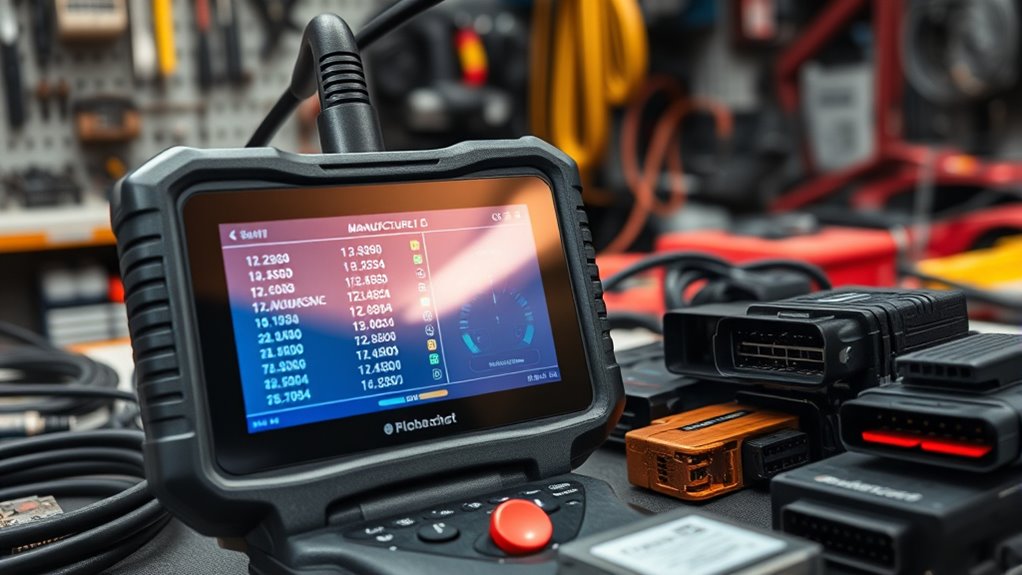
However, paying dealership prices does not guarantee a correct diagnosis. Ask for the diagnostic findings, the specific fault identified, and the evidence supporting the proposed repair.
An independent specialist with appropriate brand-specific equipment may be equally capable. The dealership premium is justified when it provides access to information or testing capabilities that the alternative shop genuinely lacks.
2. Advanced Driver Assistance System Calibration
Advanced driver assistance systems, commonly known as ADAS, rely on cameras, radar sensors, and other components to support features such as automatic emergency braking, lane-keeping assistance, and adaptive cruise control. These systems need accurate positioning to operate correctly. Even a relatively ordinary repair can affect their alignment.
For example, replacing a windshield, repairing collision damage, changing certain suspension components, or disturbing a sensor mounting point may require calibration. Depending on the vehicle and repair procedure, calibration can involve specialized targets, diagnostic equipment, controlled workshop conditions, or a road test.
This is one area where choosing a facility based solely on the lowest estimate can be risky. An incorrect calibration could affect how the vehicle detects other cars, pedestrians, or lane markings. The repair facility must follow the manufacturer’s specific procedures and confirm that the system operates correctly afterward.
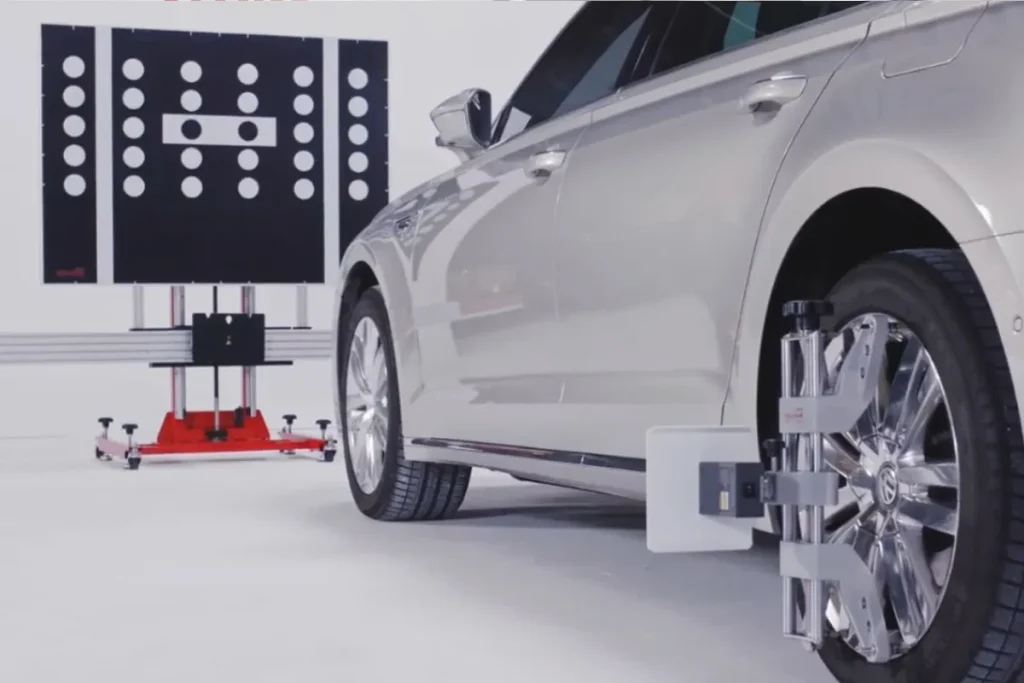
A dealership can be a sensible choice when the vehicle requires proprietary equipment or a calibration procedure that the local independent shop cannot perform. However, dealerships are not the only facilities capable of this work. Properly equipped collision repair centers and specialist calibration businesses can also perform manufacturer-compliant procedures.
Before approving the bill, ask whether the calibration is required, which systems need it, and whether the shop will provide a completed calibration report. Paying extra makes sense when the dealership has the necessary capability and can document that the safety systems have been restored correctly.
3. Electronic Control Module Programming and Replacement
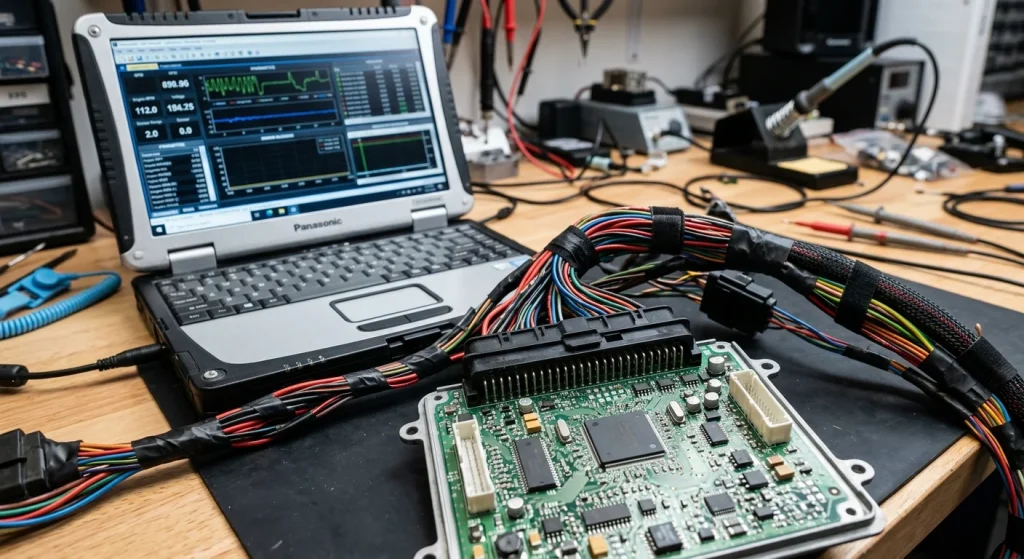
Vehicles depend on multiple electronic control modules to manage their major systems. These include the engine control module, transmission control module, body control module, and various units responsible for safety and convenience features. When one of these modules fails or needs replacement, installing a new component may not be enough.
The replacement module might require vehicle-specific programming, configuration, or security authorization before it can communicate properly with the rest of the vehicle. Some repairs also require software updates to address known operating problems or compatibility issues.
Dealerships can be especially useful because they have access to manufacturer-approved programming systems and procedures. They can also determine whether a particular issue has an available software update or whether the replacement component needs additional configuration.
This matters because incorrect programming can cause warning lights, communication errors, or systems that do not function as intended. A poorly completed repair can also create additional diagnostic work.
Independent shops can perform many programming jobs using professional equipment and legitimate software subscriptions. Therefore, dealership service is not automatically necessary for every module replacement.
The deciding factor is whether the manufacturer restricts or requires a particular procedure or whether the independent facility has the equipment and authorization needed.
If the repair involves a complicated security-related module, multiple interconnected systems, or manufacturer-specific programming, paying the dealership premium can be worthwhile. Ask whether the quoted price includes programming, configuration, and verification rather than just the physical replacement.
4. High-Voltage Hybrid and Electric Vehicle Repairs
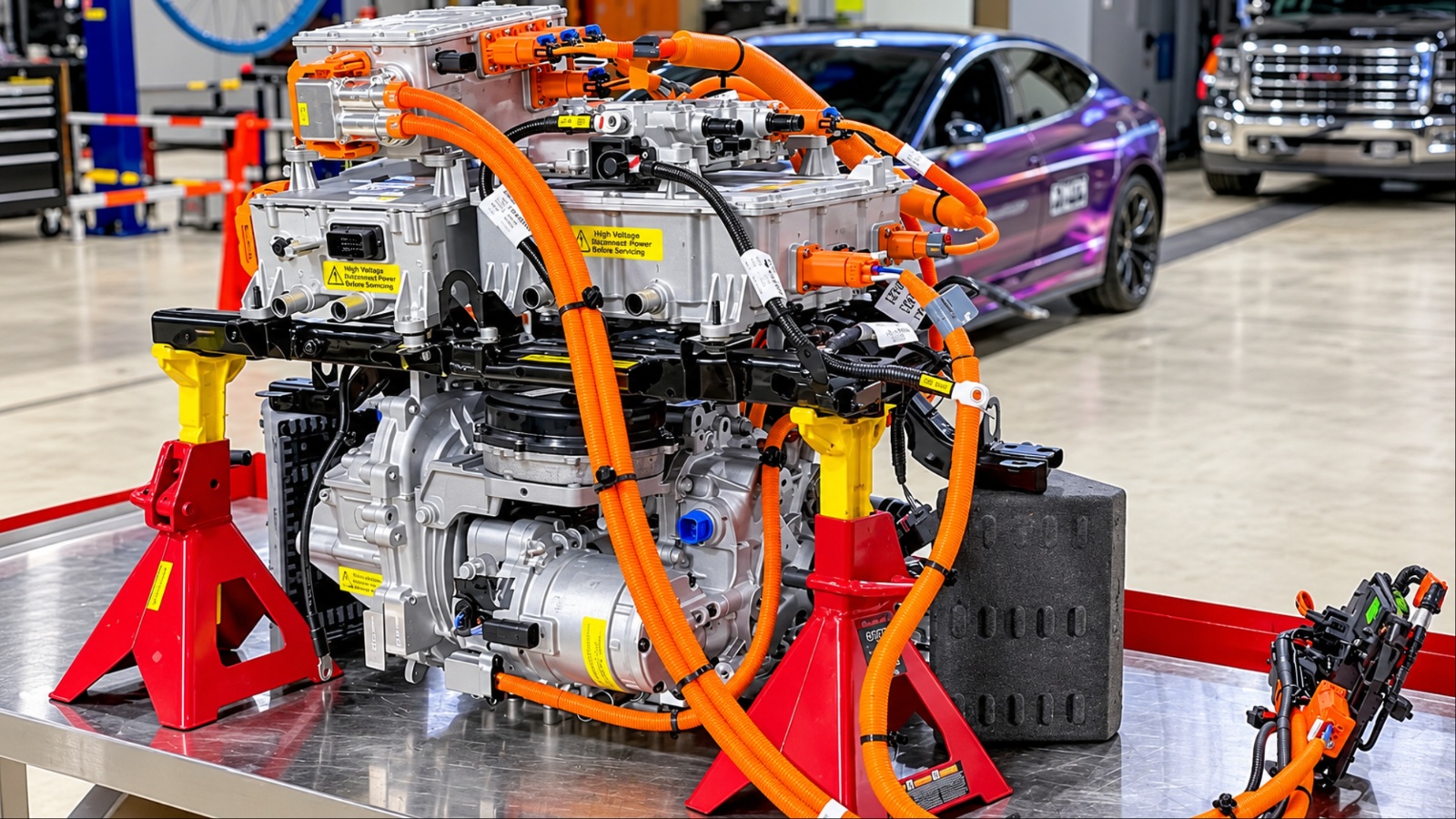
Hybrid and electric vehicles introduce repair requirements that go beyond conventional engine and transmission work. Their high-voltage batteries, electric motors, power electronics, and associated cooling systems require specialized training and safety procedures.
Working on these components without appropriate equipment and knowledge can expose technicians to serious electrical hazards. A repair may involve isolating the high-voltage system, checking electrical components, handling battery modules, or diagnosing faults in the vehicle’s power electronics.
Dealerships often have technicians trained for their manufacturer’s hybrid and electric vehicle systems. They may also have access to specialized diagnostic procedures, replacement components, and technical support that a general repair shop does not possess.
This becomes particularly important when a vehicle has a high-voltage battery warning, charging-system malfunction, inverter problem, or an issue involving the electric drive system. A dealership familiar with the specific model can be a safer and more practical option than a shop that rarely handles high-voltage vehicles.
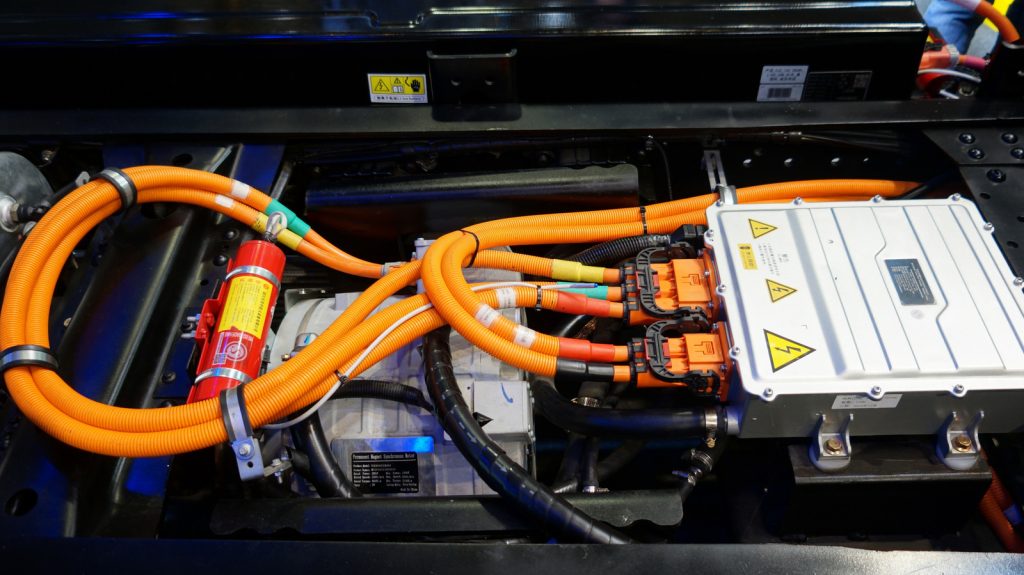
Nevertheless, specialist independent EV repair facilities can also be qualified to handle this work. Some focus exclusively on electric vehicles and invest heavily in the necessary equipment and training. The correct choice is the facility with verified high-voltage expertise, not automatically the business with a manufacturer’s logo outside.
For complex battery or power electronics repairs, ask about technician qualifications, safety procedures, parts availability, and warranty coverage. If the dealership is the only nearby facility equipped to handle the job, its higher labor rate may be justified.
5. Warranty Repairs and Open Safety Recalls
Warranty repairs and safety recalls are two situations where the manufacturer’s dealership network can be the most practical destination. When a component fails under an active factory warranty, the dealership can inspect the vehicle, verify coverage, and submit the repair through the manufacturer’s warranty process.
This can eliminate the need for the owner to pay the full repair bill when the problem is covered. It also creates an official service record documenting the work completed.
Safety recalls are even more straightforward. When a manufacturer issues a recall, owners should contact an authorized dealership to arrange the prescribed repair.
According to the National Highway Traffic Safety Administration, safety recall repairs are free at the manufacturer’s dealership. Owners should not pay an ordinary repair bill for a covered recall remedy.
There is an important distinction between warranty repairs and ordinary maintenance. The Federal Trade Commission states that consumers generally do not have to use a dealership for routine maintenance to keep their vehicle warranty valid.
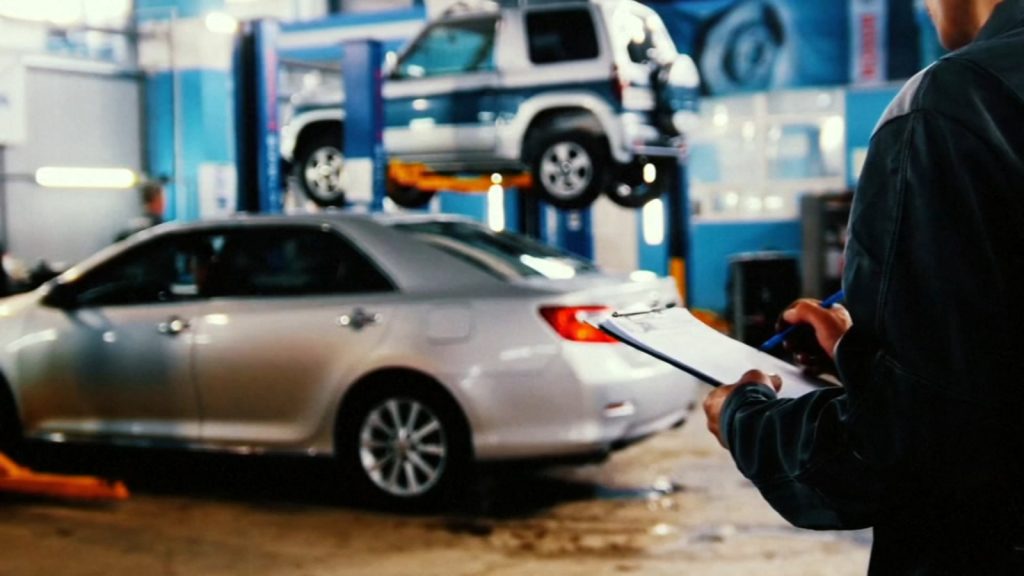
Manufacturers cannot simply deny warranty coverage because an owner used an independent shop. They must establish that the outside work or part caused the damage before denying coverage for the affected repair.
Therefore, this category is not an argument for paying dealership prices. It is an argument for using the authorized network when the manufacturer is responsible for the repair. Check your warranty coverage and recall status before authorizing paid work.
5 Repairs That Usually Do Not Deserve Dealer Prices
Dealerships can perform routine maintenance to a high standard, but that does not make their service departments the best-value option for every job. Many common repairs involve widely available parts, established procedures and equipment that independent shops already use every day.
For these services, the difference often comes down to labor rates, parts pricing and the shop’s operating costs rather than a meaningful difference in technical capability. A reputable independent mechanic can frequently complete the same work while following the manufacturer’s maintenance specifications.
That does not mean the cheapest estimate should always win. The shop still needs to use the correct parts and fluids, follow the required procedures and provide a clear invoice. The goal is to avoid paying extra for a dealership environment when the work itself does not require dealership-level specialization.
1. Routine Oil Changes
An oil change is one of the most common maintenance jobs, and it rarely requires a dealership technician. The procedure generally involves draining the old engine oil, replacing the oil filter and filling the engine with the correct specification and quantity of fresh oil.
A competent independent mechanic can complete this service without access to complicated manufacturer programming systems. The important part is using oil that meets the vehicle manufacturer’s required specification, rather than simply choosing a product based on its viscosity or price.
Dealerships may charge more because of their labor rates, service department overhead and bundled maintenance packages. Some also offer additional inspections or complimentary services. Those extras may be useful, but they do not automatically make the oil change itself more valuable.
An independent shop can provide the same essential service if it follows the owner’s manual and uses the correct filter and oil. Owners should also compare the recommended service interval with the maintenance schedule rather than accepting an unnecessarily frequent oil change.
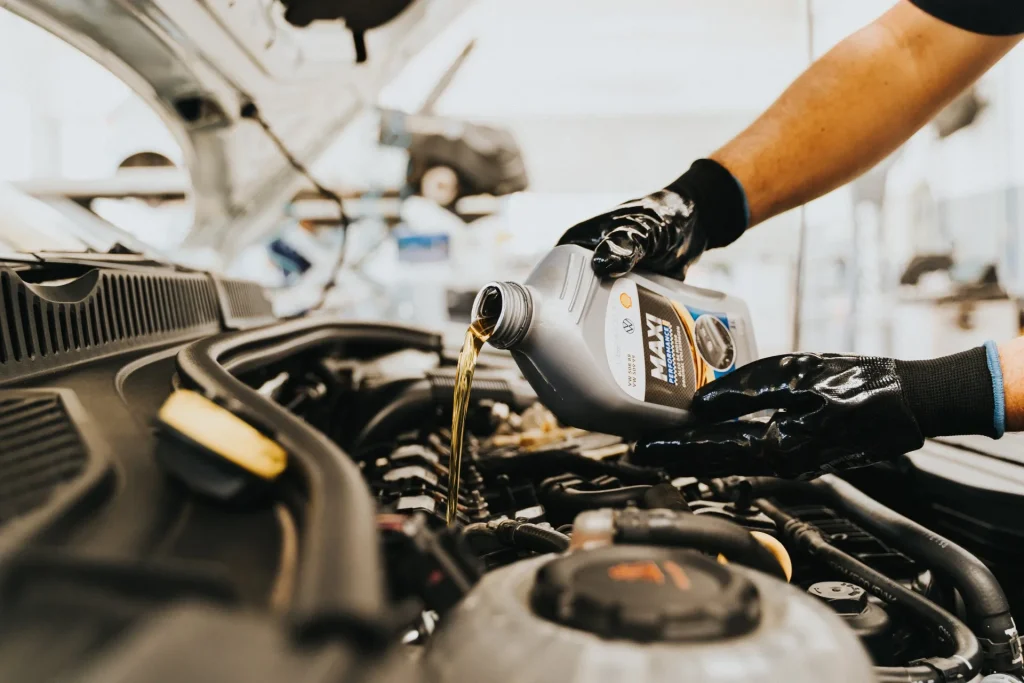
The Federal Trade Commission advises vehicle owners to follow the manufacturer’s maintenance schedule. Consumer Reports also identifies independent mechanics and quick-lube locations as potentially less expensive options for routine oil changes.
Unless the vehicle has a special service requirement or the oil change is included in a valuable maintenance plan, paying a dealership premium is usually difficult to justify.
2. Tire Rotations and Basic Tire Services
Tire rotation is another routine service that generally does not require manufacturer-specific expertise. The process involves moving tires between approved positions to encourage more even tread wear. The correct rotation pattern depends on the vehicle’s drivetrain, tire size and whether the tires are directional or staggered.
A qualified tire shop or independent mechanic can usually perform this work using standard lifting equipment. The dealership does not have an exclusive technical advantage simply because the vehicle is still under factory warranty.
The same applies to many basic tire services, including puncture inspections, balancing and ordinary tire replacements. Independent tire specialists often perform these jobs throughout the day and may offer a wider choice of brands and prices.
There are exceptions. Some vehicles have staggered wheel setups, special lifting points, tire pressure monitoring requirements or manufacturer-specific procedures. Certain advanced systems may also require additional checks after wheel or tire work.
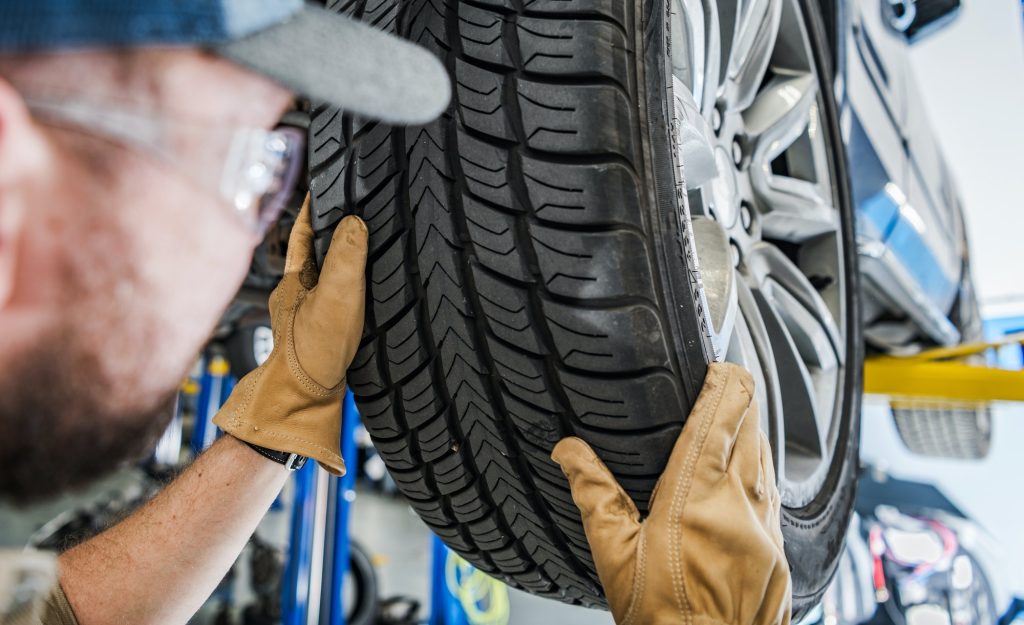
Even then, the work does not automatically need to go to the dealership. A tire shop familiar with the vehicle can handle the job correctly.
Before paying for a rotation, ask whether the tires actually need one and whether the service is already included in a tire purchase or maintenance package. If the tires are close to replacement, spending extra on a rotation may offer little practical benefit.
3. Standard Brake Pad and Rotor Replacement
Brake repairs are essential to vehicle safety, but replacing ordinary brake pads and rotors is not automatically a dealership-only job. Many independent repair shops have the equipment and experience needed to inspect braking components, replace worn parts and verify proper operation.
The work typically involves checking pad thickness, inspecting rotors and calipers, installing suitable replacement components and following the correct bedding-in procedure where required. These are established repair tasks that experienced independent mechanics routinely perform.
A dealership may charge more for the same basic job because of higher labor rates or the use of original equipment parts. Those parts can be a good choice, but reputable aftermarket manufacturers also produce brake components that meet appropriate specifications.
The right selection depends on the vehicle, driving conditions and the quality of the parts being offered.
There are exceptions involving electronic parking brakes, brake-by-wire systems, integrated driver assistance technology or manufacturer-specific procedures. Some vehicles require diagnostic tools to place the parking brake into service mode or complete electronic checks after repairs.
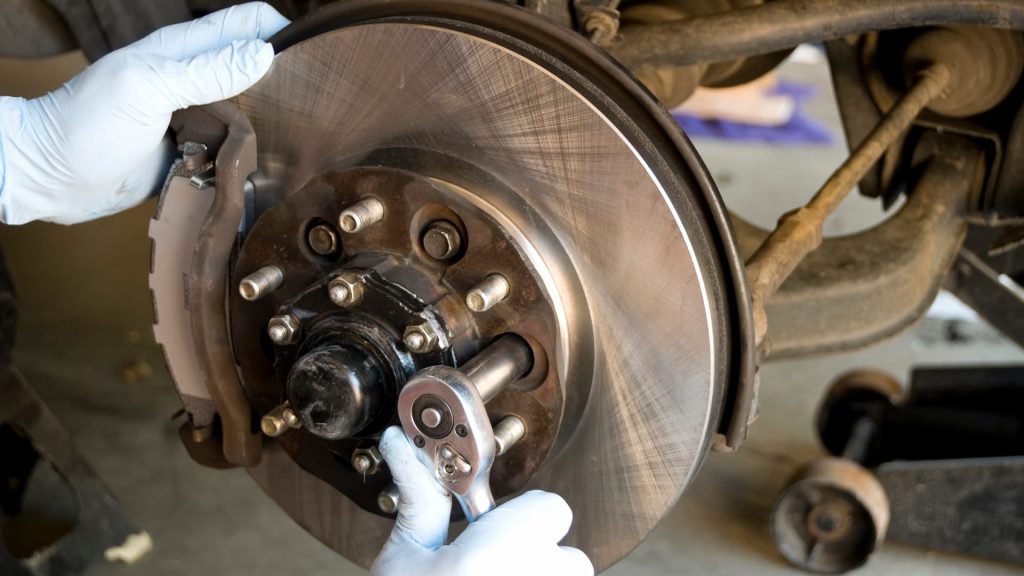
In those cases, choose a shop with the necessary equipment and training. It does not necessarily have to be a dealership.
Ask for an itemized estimate showing pads, rotors, labor and any additional work. If the shop recommends replacing components that are still serviceable, request an explanation. Paying for quality brake work is essential, but paying dealership prices for a straightforward replacement is often unnecessary.
4. Engine and Cabin Air Filter Replacement
Replacing engine and cabin air filters is among the simplest maintenance jobs on many vehicles. The engine air filter helps prevent dust and debris from entering the engine’s intake system, while the cabin filter helps capture particles entering through the heating and air conditioning ventilation system.
On many models, these filters are accessible through a basic airbox or behind the glove compartment. An experienced independent mechanic can inspect and replace them without specialized diagnostic equipment.
Dealerships sometimes include filter replacements in larger maintenance packages. The problem is that the package may make a simple task appear more complicated or urgent than it really is. A dirty filter may need replacement, but the decision should be based on its condition and the manufacturer’s maintenance guidance.
Owners can also ask to see the old filter before approving replacement. This makes it easier to understand whether the part is genuinely dirty or whether the service is being recommended as an additional sale.
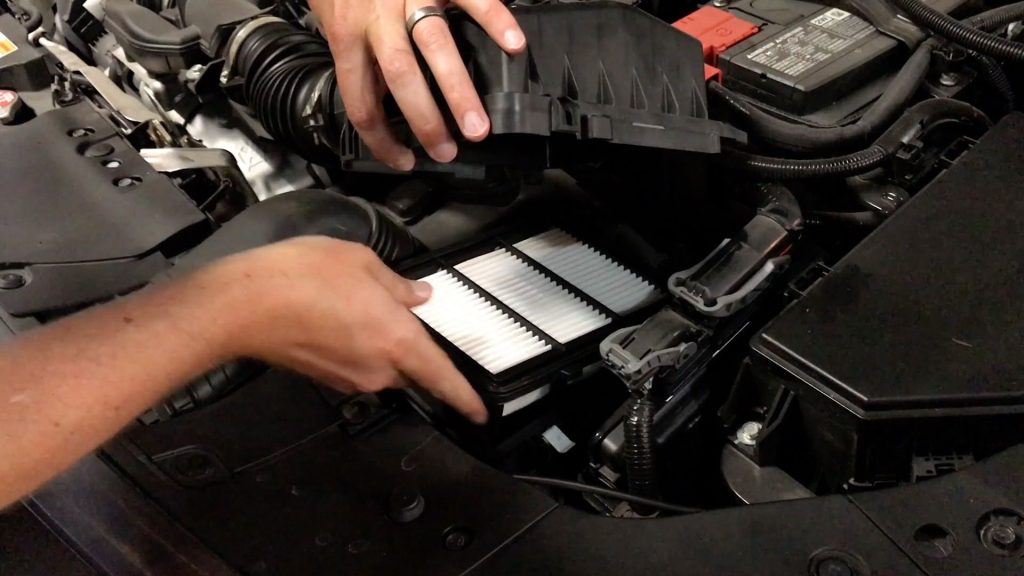
Some vehicles have more complicated filter access, and certain models may require extra disassembly. Even then, a dealership is not necessarily the only suitable option.
For ordinary filter replacement, a trusted independent shop can usually provide the same result at a lower price. Confirm that the replacement filter fits the exact vehicle and meets the required specifications.
5. Conventional 12-Volt Battery Replacement
A standard 12-volt battery replacement is another job that often does not justify dealership pricing. Many independent repair shops and battery specialists can test the existing battery, check the charging system and install a suitable replacement.
The basic process is relatively straightforward, although the correct battery type, capacity and terminal configuration must match the vehicle’s requirements. Choosing an unsuitable battery can cause starting problems or shorten the replacement battery’s service life.
Some modern vehicles complicate the process. Certain models require battery registration, coding or electronic system resets after installation. Vehicles with start-stop technology may also require a specific battery design, such as an AGM or enhanced flooded battery, rather than a conventional replacement.
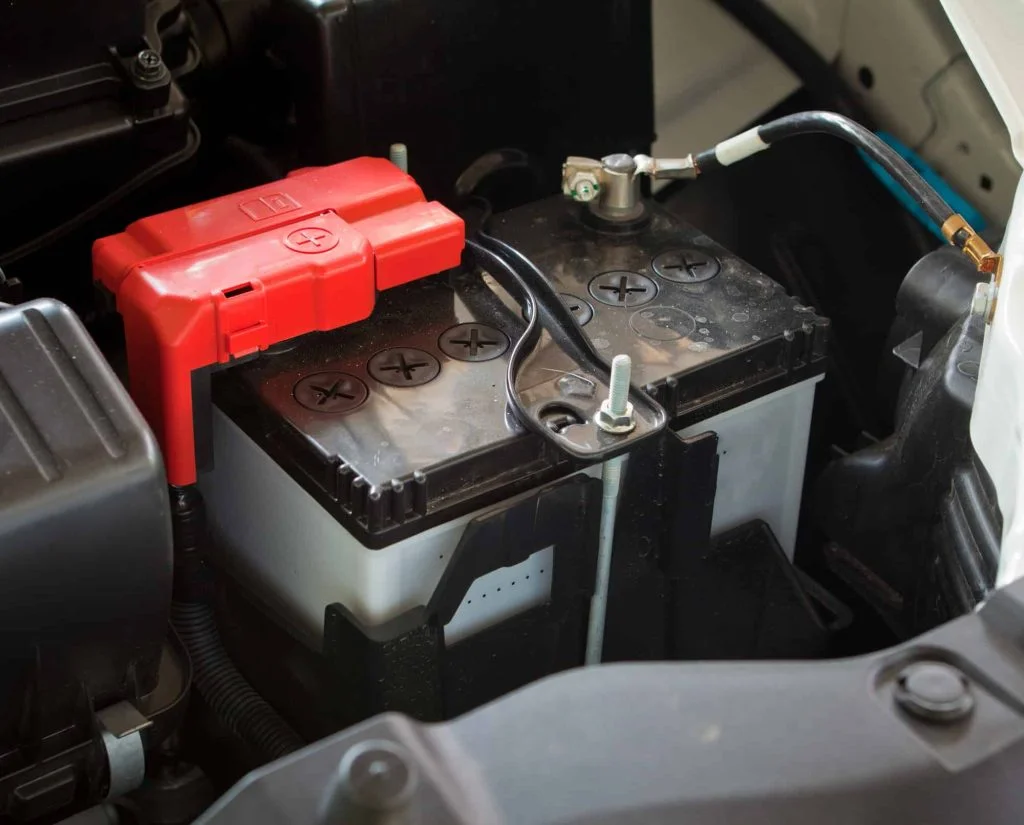
These requirements are important, but they do not automatically mean the dealership is the only option. Many professional independent shops have battery registration tools and can complete the required procedures.
The best approach is to ask whether the vehicle needs battery coding or registration before comparing estimates. If it does, make sure the shop has the appropriate equipment and includes the procedure in its quote.
For a conventional battery replacement without special programming requirements, paying a substantial dealership premium is rarely necessary. A reputable battery specialist can often provide the same practical result with a competitive parts and labor price.