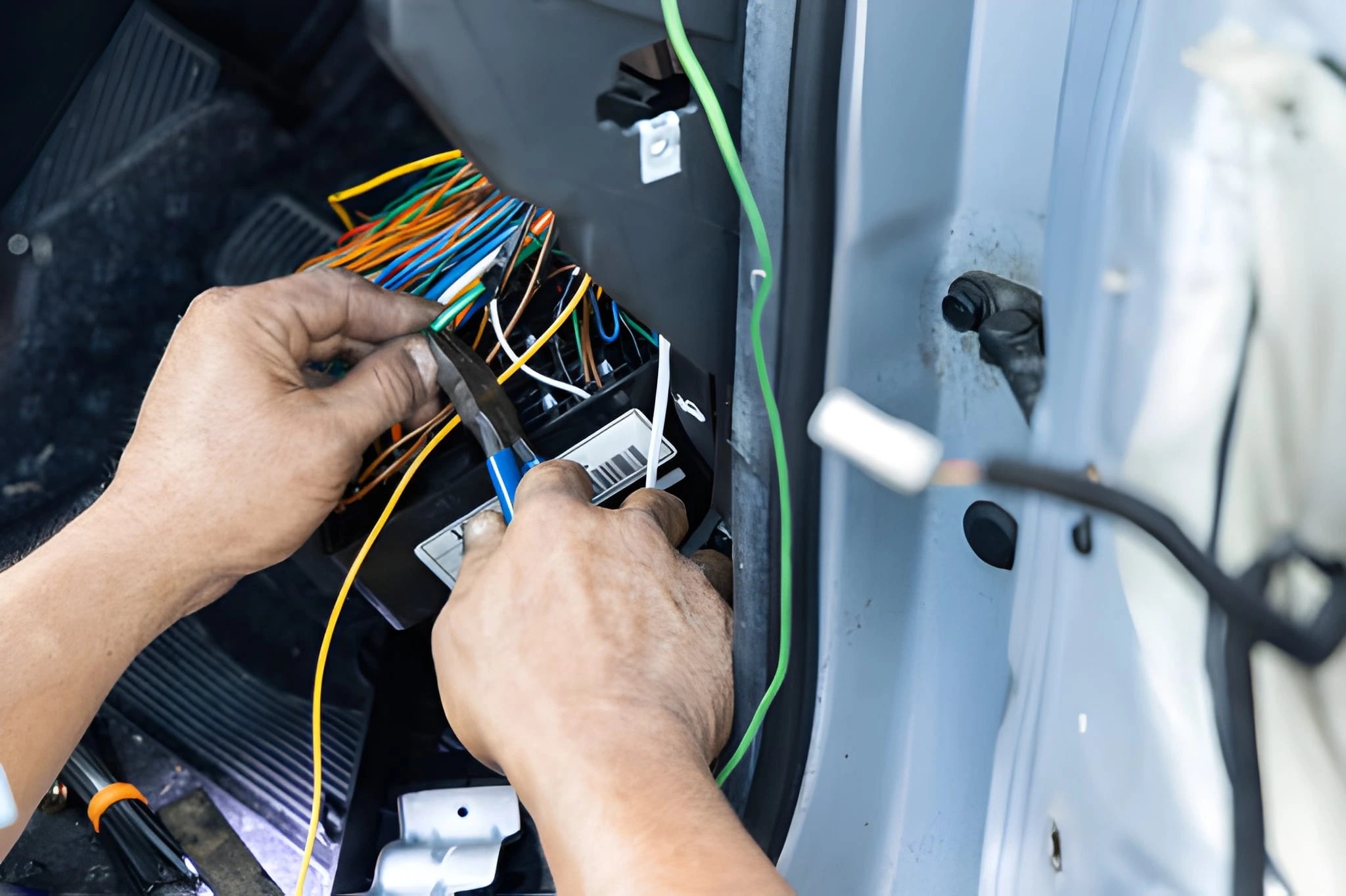
Every driver has seen a dashboard light up like a holiday tree and felt that sinking feeling. Sometimes it’s a loose connection and a quick fix. Other times, the problem runs so deep that repairing it costs more than the car is worth. Knowing the difference can save you thousands and spare you months of frustration.
This guide covers nine electrical faults that can push a vehicle past the point of reasonable repair, from melted wiring to fried control modules. You don’t need an engineering degree to understand them, just a little curiosity and a willingness to protect your wallet. Whether you’re buying used, maintaining an older ride, or just wondering when to say goodbye, let’s get started.
1. Complete Wiring Harness Failure
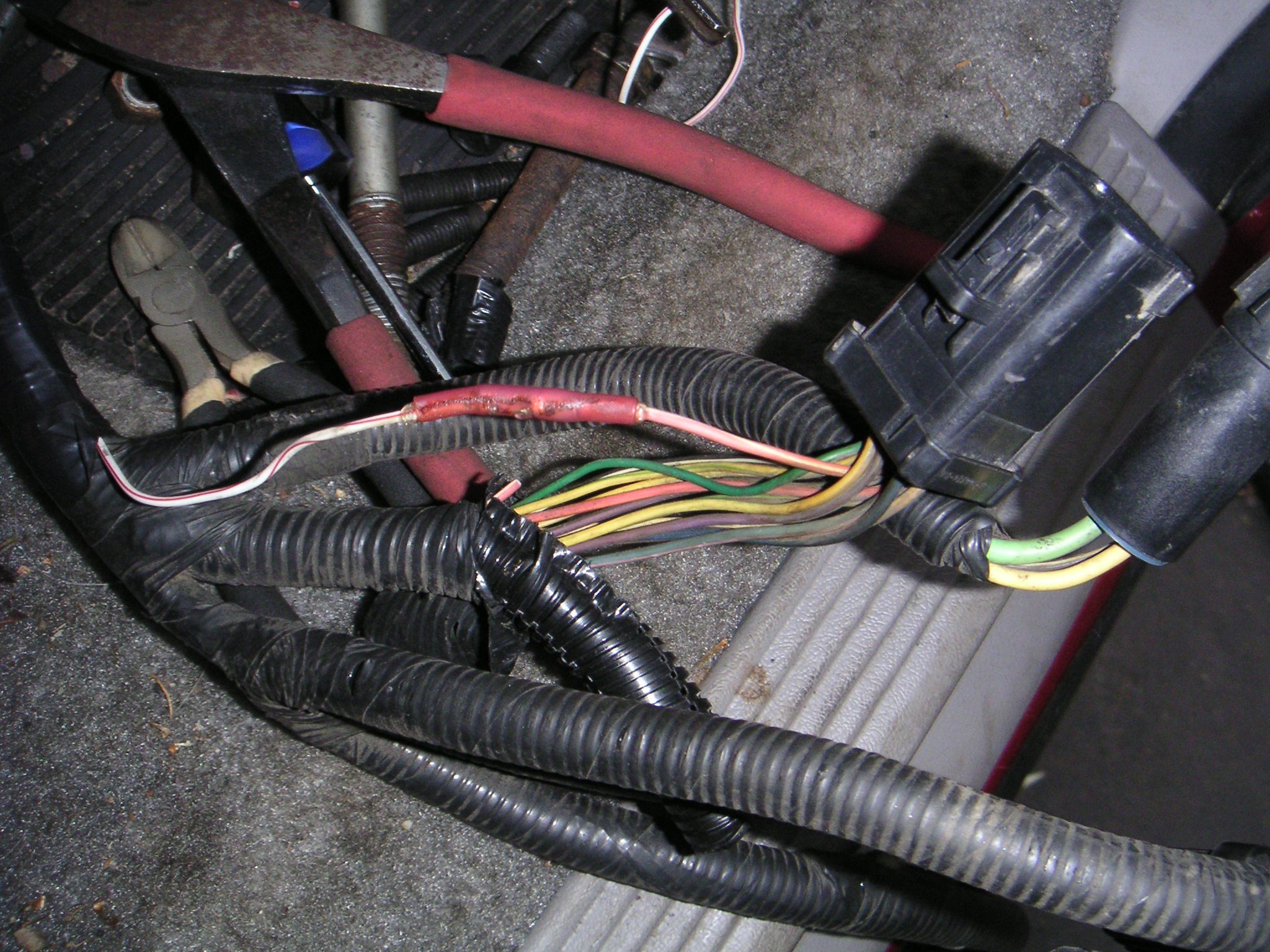
A vehicle’s wiring harness acts like its electrical nervous system, connecting the battery, engine, sensors, lights, control modules, and other essential components.
When this network becomes severely damaged, the entire vehicle can experience electrical problems that are difficult and expensive to correct.
Wiring harness failure can result from prolonged exposure to heat, moisture, corrosion, insulation deterioration, and rodent activity.
In some vehicles, damaged wiring may cause repeated blown fuses, malfunctioning dashboard displays, unreliable starting, and communication errors between electronic systems.
Modern vehicles contain extensive wiring networks, sometimes stretching for more than a mile. Replacing an entire harness can require removing dashboards, interior panels, engine components, and other equipment. Labor costs can quickly become substantial.
The problem becomes particularly difficult when several sections of the harness have deteriorated simultaneously. Even after replacing damaged wires, technicians may discover additional faults hidden inside the vehicle.
If replacement harnesses are unavailable or the repair estimate exceeds the car’s market value, restoring the electrical system may no longer make financial sense. A severely damaged harness can therefore turn an otherwise functional vehicle into an uneconomical repair project.
2. Severe Water Ingress Into Electrical Systems
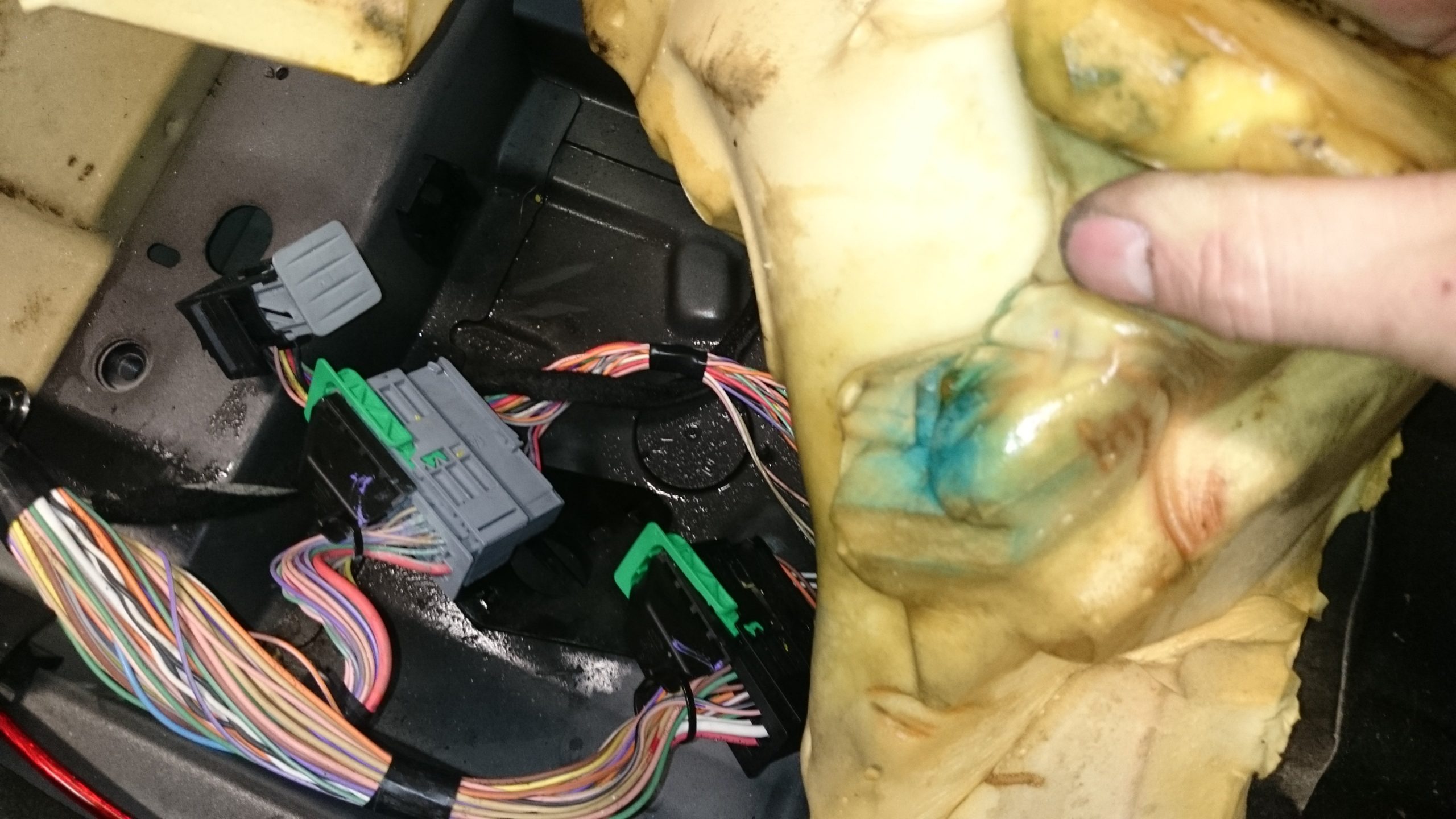
Water and automotive electronics are a dangerous combination. Although modern vehicles have protective seals and electrical insulation, prolonged exposure to flooding or substantial water intrusion can damage sensitive components beyond practical repair.
The problem becomes especially serious when water reaches fuse boxes, engine control units, body control modules, wiring connectors, and electrical components installed beneath the seats or carpeting. These areas contain circuits responsible for controlling essential vehicle functions.
Once moisture enters electrical connectors, corrosion can develop on metal contacts and interfere with communication between components. Even after the visible water has been removed, trapped moisture may continue damaging internal connections.
Floodwater can also contain dirt, chemicals, and other contaminants that make electrical corrosion worse. A vehicle that starts normally after being flooded may develop intermittent faults days or weeks later.
Replacing one damaged module may not solve the problem if several connected components have also suffered water damage. Technicians may need to inspect wiring, connectors, sensors, and control units throughout the vehicle.
When water damage affects multiple electronic systems, repair expenses can quickly exceed the vehicle’s value. In particularly severe cases, replacing the affected electrical components and restoring long-term reliability may be impractical.
3. Burned or Melted Fuse Box / Power Distribution Center
Your vehicle’s fuse box is responsible for distributing electrical power to different circuits while protecting them against excessive current. It contains fuses, relays, and connections that support systems such as lighting, ignition, air conditioning, and engine management.
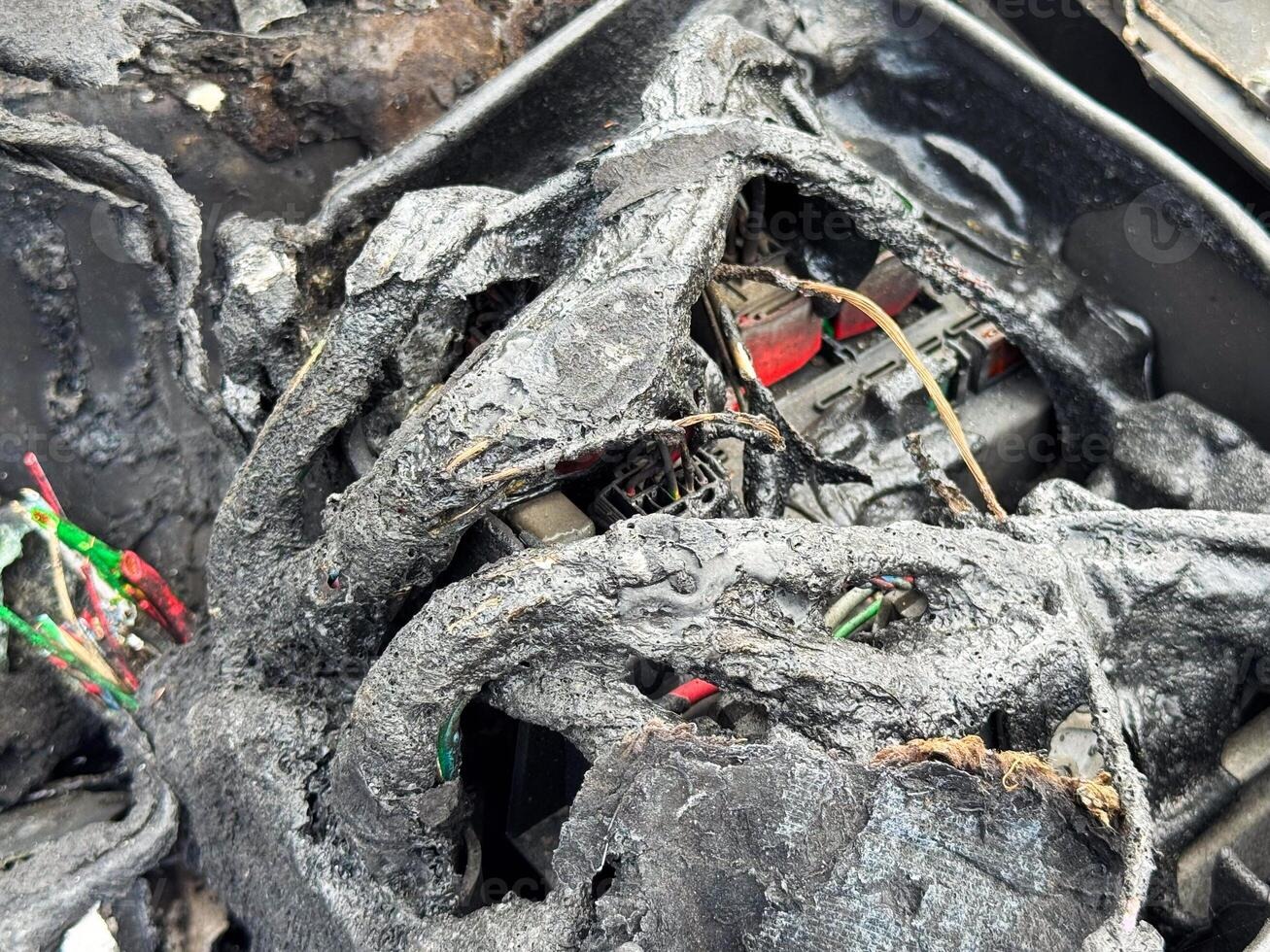
A burned or melted fuse box is a serious warning that something has gone wrong with the electrical system. Excessive current, short circuits, loose connections, and damaged terminals can generate enough heat to melt plastic housings and surrounding wiring.
Sometimes, the damage is limited to one connection or terminal. However, severe overheating can spread through the power distribution center and affect several connected circuits.
You might notice a burning plastic smell, electrical accessories that stop working, repeated fuse failures, or visible discoloration around the fuse box. Smoke or melted components require immediate attention.
Replacing the damaged fuse box may appear straightforward, but the surrounding wiring must also be inspected. Heat can weaken insulation and damage connectors that are not immediately visible.
If the electrical damage extends throughout the power distribution network, restoring the vehicle may require extensive rewiring and replacement modules.
When the cost of these repairs exceeds the car’s value, replacing the vehicle may be a more practical financial decision.
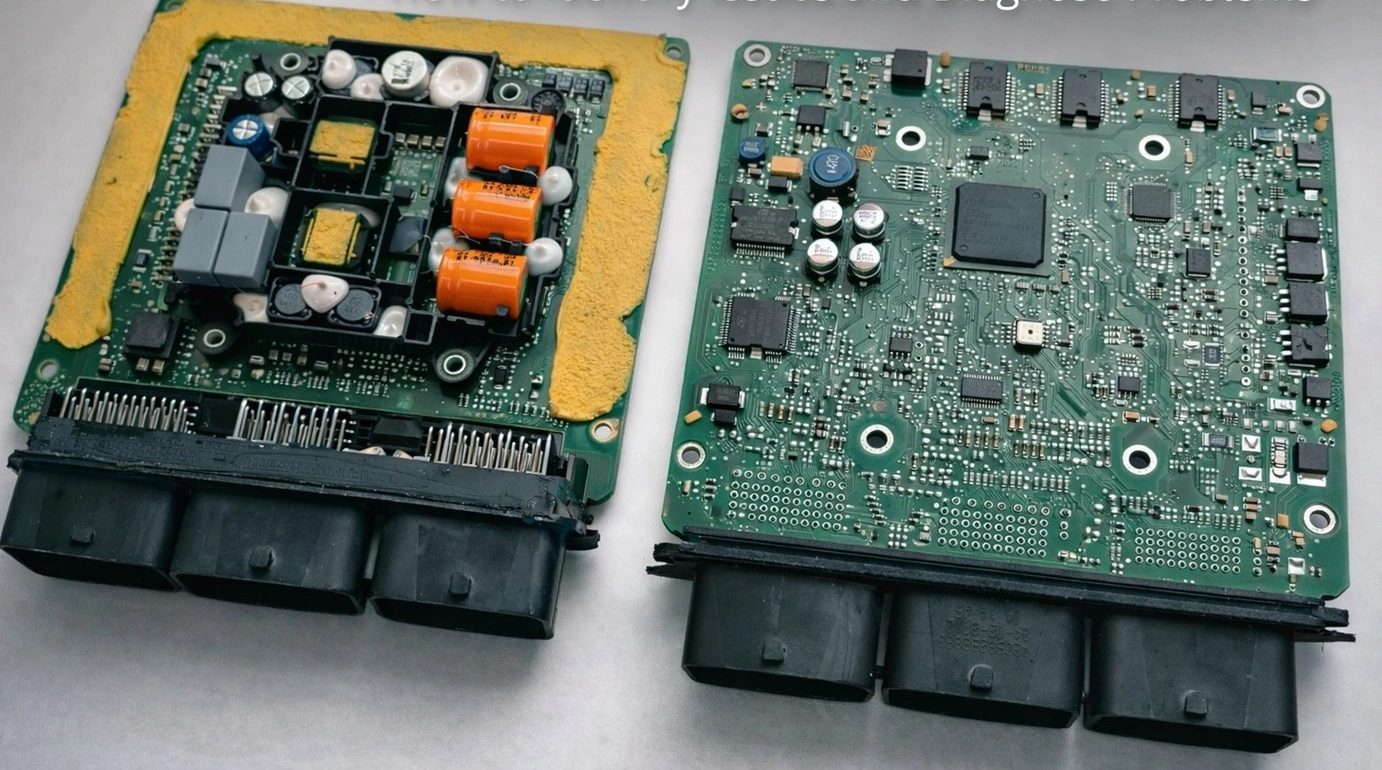
4. ECU Failure Caused by Voltage Spikes or Jump-Start Damage
One careless jump-start can ruin your week. Voltage spikes can corrupt or destroy the ECU, the electronic control unit that manages engine and system functions.
Crossing the cables, disconnecting a battery while the engine runs, or using a poorly regulated charger can all send a damaging surge through the circuits.
Often the owner has no idea anything went wrong until the car refuses to start, runs poorly, or throws a string of confusing codes. One failed ECU may be repairable.
A replacement unit can be installed, programmed, and matched to the vehicle, and in some cases a specialist can repair the original. The picture changes if multiple ECUs fail at the same time.
Replacement and reprogramming can exceed the car’s value, particularly when each module must be coded to the others. Costs and wait times add up fast.
How do you avoid the problem? Always check the polarity before connecting jumper cables, connect the final clamp to bare metal away from the battery, and never disconnect the battery while the engine is running.
Use a quality battery maintainer when charging. If you’re unsure about a procedure, read your owner’s manual or ask a pro. A few careful minutes can prevent a repair bill that grows larger than the car’s worth.
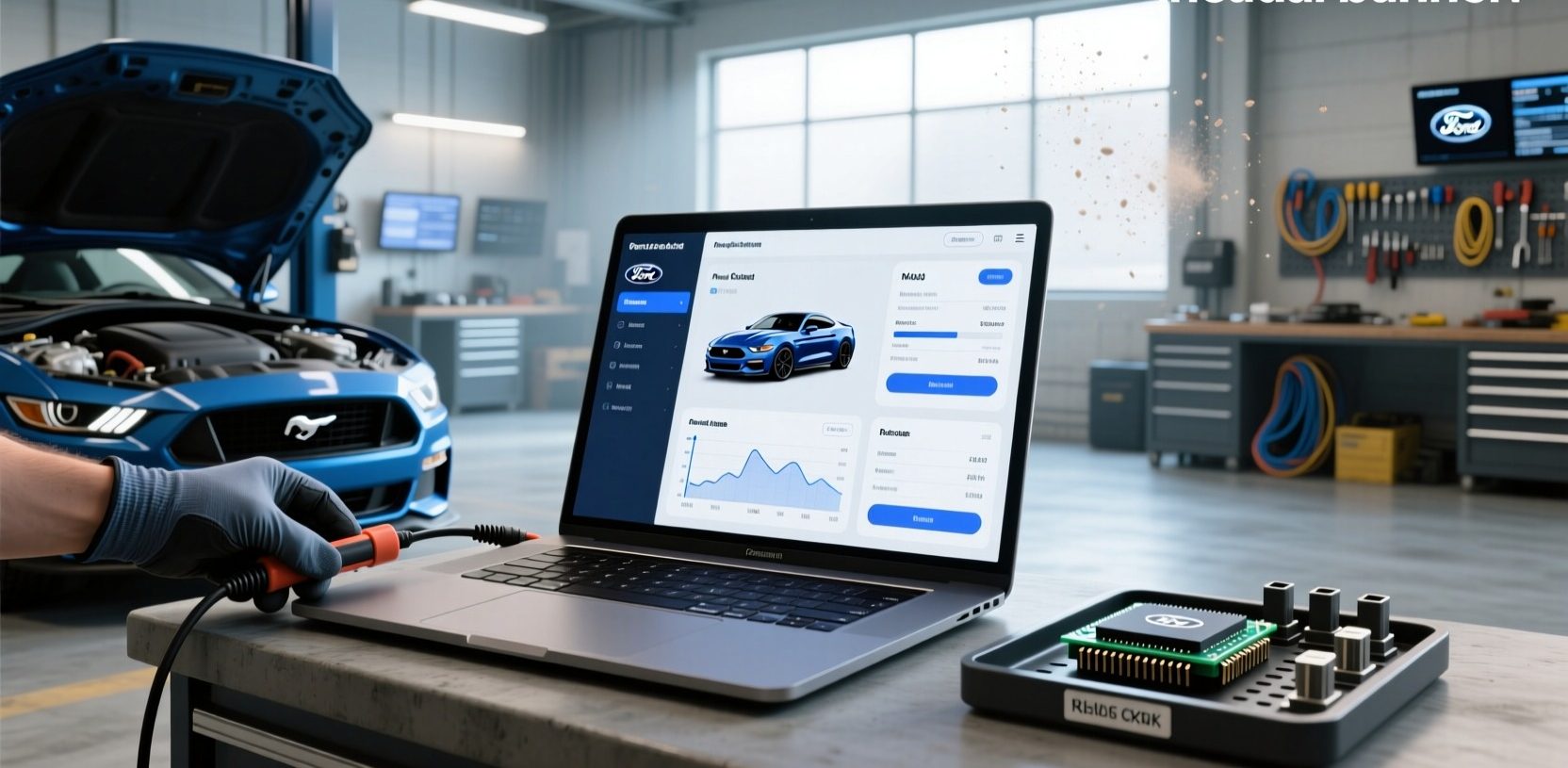
5. Software Corruption Across Multiple Control Modules
Cars are rolling computer networks now, and computers can crash. Modern vehicles rely on dozens of ECUs, each running its own software and talking to the others constantly.
When software corruption affects multiple modules, the resulting problems can easily be mistaken for hardware defects. Common signs include unresponsive displays, unusual warning indicators, communication failures between vehicle systems, and even an engine that refuses to start.
Technicians may replace perfectly good parts before realizing the real culprit is code. A failed update, a battery that died mid-process, or a power surge can all trigger the damage.
Repairing it usually means reflashing the software, which sounds simple but isn’t always. Some faults require manufacturer-only reprogramming tools and access to proprietary files.
If that support ends, or the maker stops releasing updates for an older model, the car can become unusable. No amount of skill helps when the necessary data isn’t available.
That’s an unsettling thought for owners of discontinued vehicles or brands that have left the market. Before buying a used car packed with technology, ask whether software updates are still offered and whether independent shops can service it.
Keep your battery healthy, since low voltage during updates often causes the trouble. When a repair shop says the problem is software, ask whether manufacturer support still exists. The answer may decide whether your car has a future.
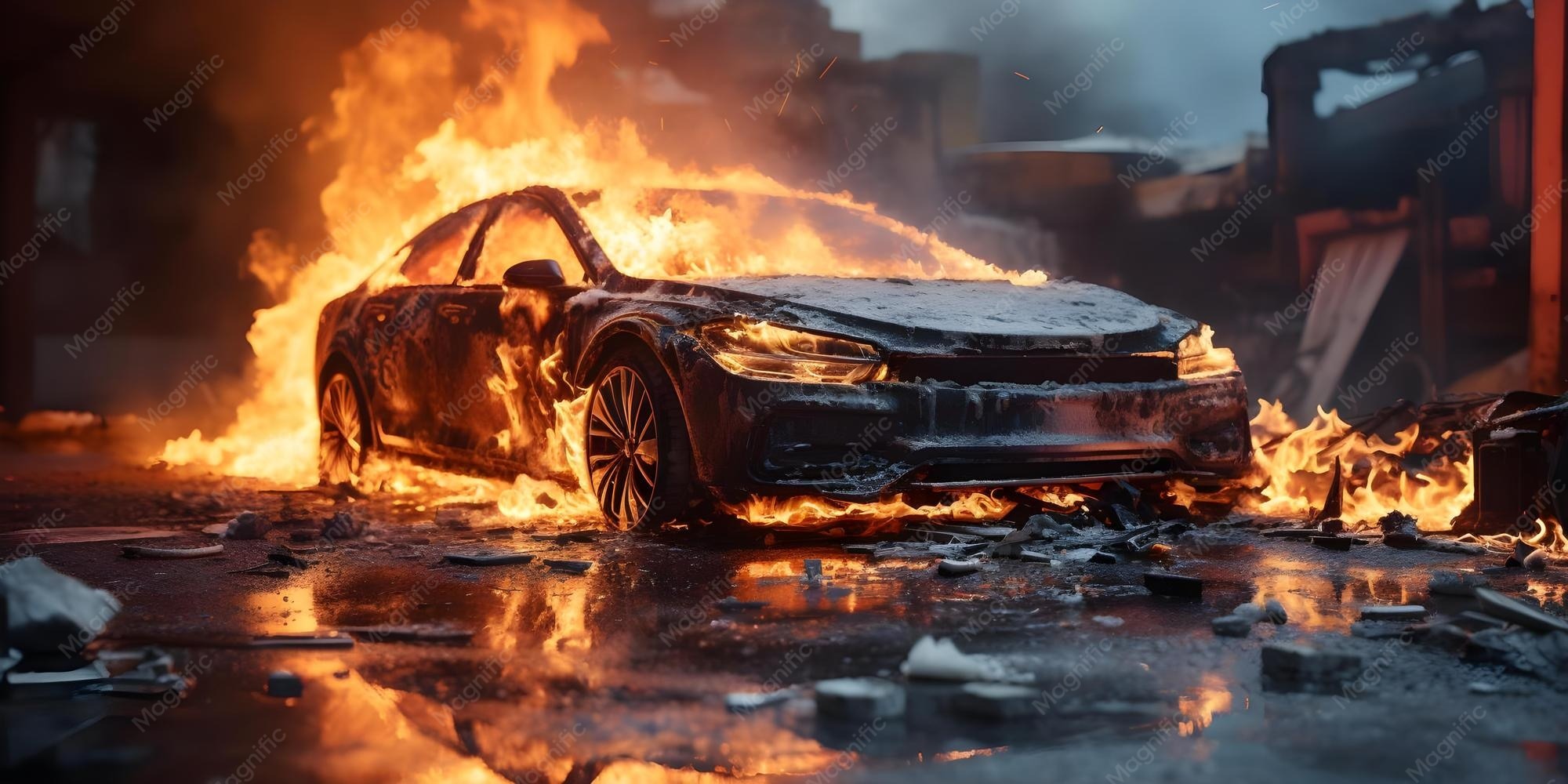
6. Electrical Fire Damage
Few things are as devastating as fire. Short circuits can ignite wiring looms, and once insulation starts burning, flames can travel along the harness faster than most people expect.
Causes include damaged wires, overloaded circuits, poorly installed aftermarket accessories, and leaking fluids that reach hot electrical parts. A burning smell, smoke, or repeated blown fuses should be treated as an emergency.
Pull over, turn off the car, and move away from the vehicle. After a fire, the picture is grim. Fire-damaged wiring and modules cannot be reliably repaired because heat weakens insulation and connectors even in areas that look untouched.
Structural damage often follows, affecting panels, seals, and safety systems. Insurance adjusters usually declare such vehicles a total loss, and for good reason. A repaired car might hide dangers that surface months later.
If you’re considering a vehicle with a fire history, think very carefully. Even a small electrical fire can leave lasting problems behind the scenes.
To reduce your risk, avoid cheap wiring kits, have aftermarket stereos and lighting installed by qualified technicians, and fix recurring electrical problems promptly. Keep a small fire extinguisher rated for vehicle use within reach.
A few smart precautions are far cheaper than losing the whole car, and they could protect your safety, too.
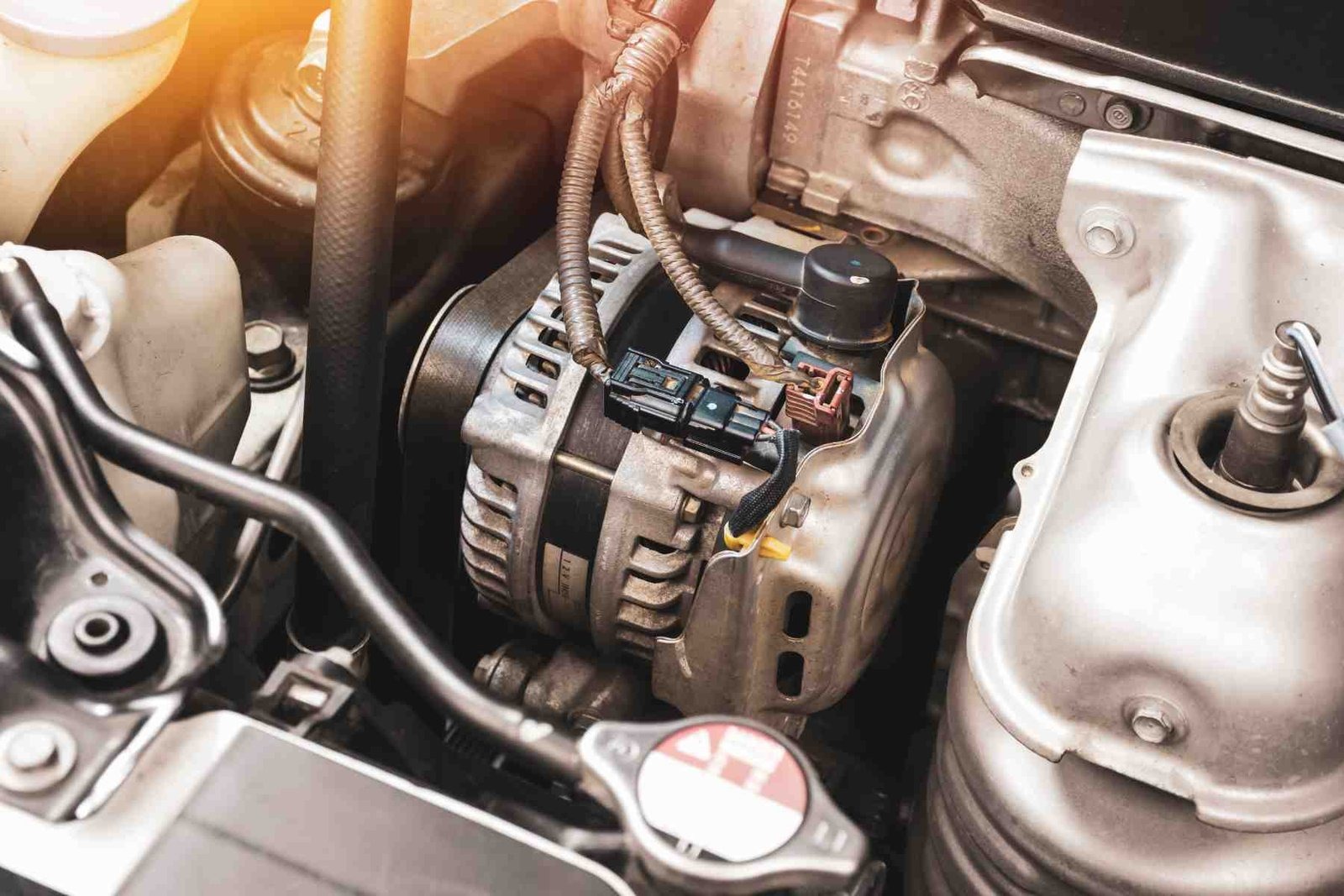
7. Catastrophic Alternator Failure Causing System-Wide Overvoltage
The alternator plays an important role in keeping your vehicle’s electrical system powered while the engine runs. It generates electricity to operate electrical accessories and recharge the battery.
A failing alternator can cause more than a dead battery. In certain cases, an internal regulator or diode failure may allow charging voltage to rise beyond the level the vehicle’s electrical components can safely tolerate.
This condition is known as overvoltage. Excessive voltage can damage sensitive sensors, electronic control units, dashboard displays, lighting systems, and other connected equipment.
Drivers may notice flickering headlights, unusual dashboard warnings, electrical accessories behaving unpredictably, or repeated battery problems. A burning smell or unusual electrical noise may also indicate a charging system fault.
The damage becomes especially costly when the voltage problem continues long enough to affect several electronic modules. Replacing the alternator alone may not restore the vehicle if other components have already been damaged.
A technician should test the charging system and inspect the battery, wiring, voltage regulator, and affected electronics. If multiple modules require replacement and reprogramming, repair costs may become excessive.
An alternator failure does not automatically make a car unfixable. However, when uncontrolled voltage damages a large portion of the electrical system, restoring reliable operation may no longer be economically reasonable.
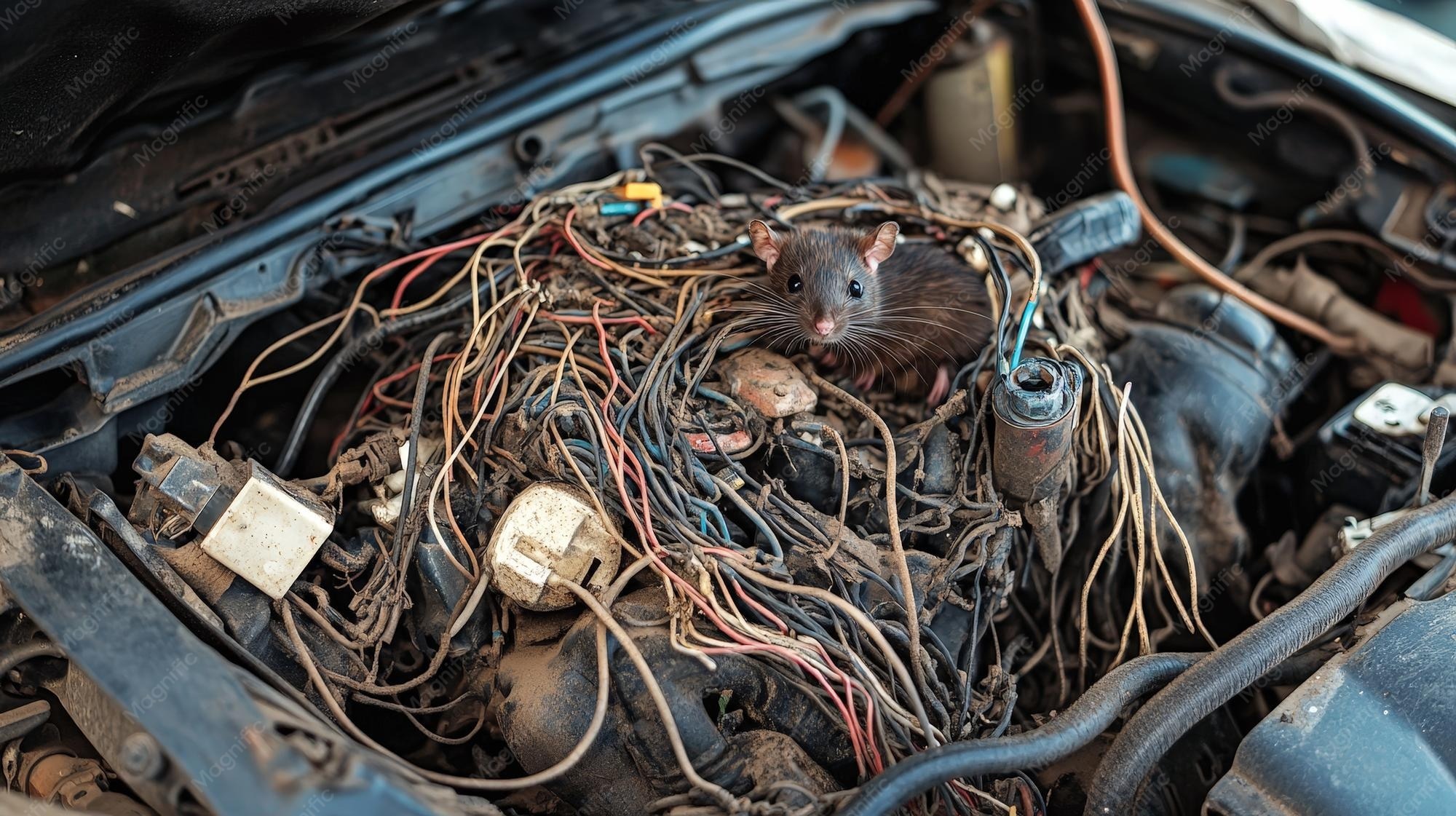
8. Rodent Damage to Multiple Harness Locations
Rodents can cause surprisingly extensive electrical damage by chewing through vehicle wiring. Mice, rats, and other small animals sometimes enter engine compartments or other sheltered areas and damage insulation while searching for nesting materials or food.
The problem becomes particularly expensive when chewing occurs in several hidden locations. A single damaged wire may be relatively easy to repair, but multiple damaged sections can create a complicated network of electrical faults.
You might notice warning lights, malfunctioning headlights, starting problems, dead dashboard displays, or electrical accessories that suddenly stop working. Some vehicles may also develop repeated blown fuses or communication errors between control modules.
Rodent damage is not always visible during a quick inspection. Wires may be damaged beneath protective coverings, behind interior panels, or inside areas that require substantial disassembly to access.
Repairing widespread damage requires identifying every affected section, checking electrical continuity, and replacing damaged wiring or connectors. If several parts of the harness have been chewed through, labor costs can increase rapidly.
The situation becomes more difficult when the original wiring harness is unavailable or multiple electronic components have also been damaged. In such cases, a complete electrical restoration may cost more than the vehicle is worth.
Prompt inspection after discovering rodent activity can help prevent a relatively small wiring problem from becoming an expensive repair.
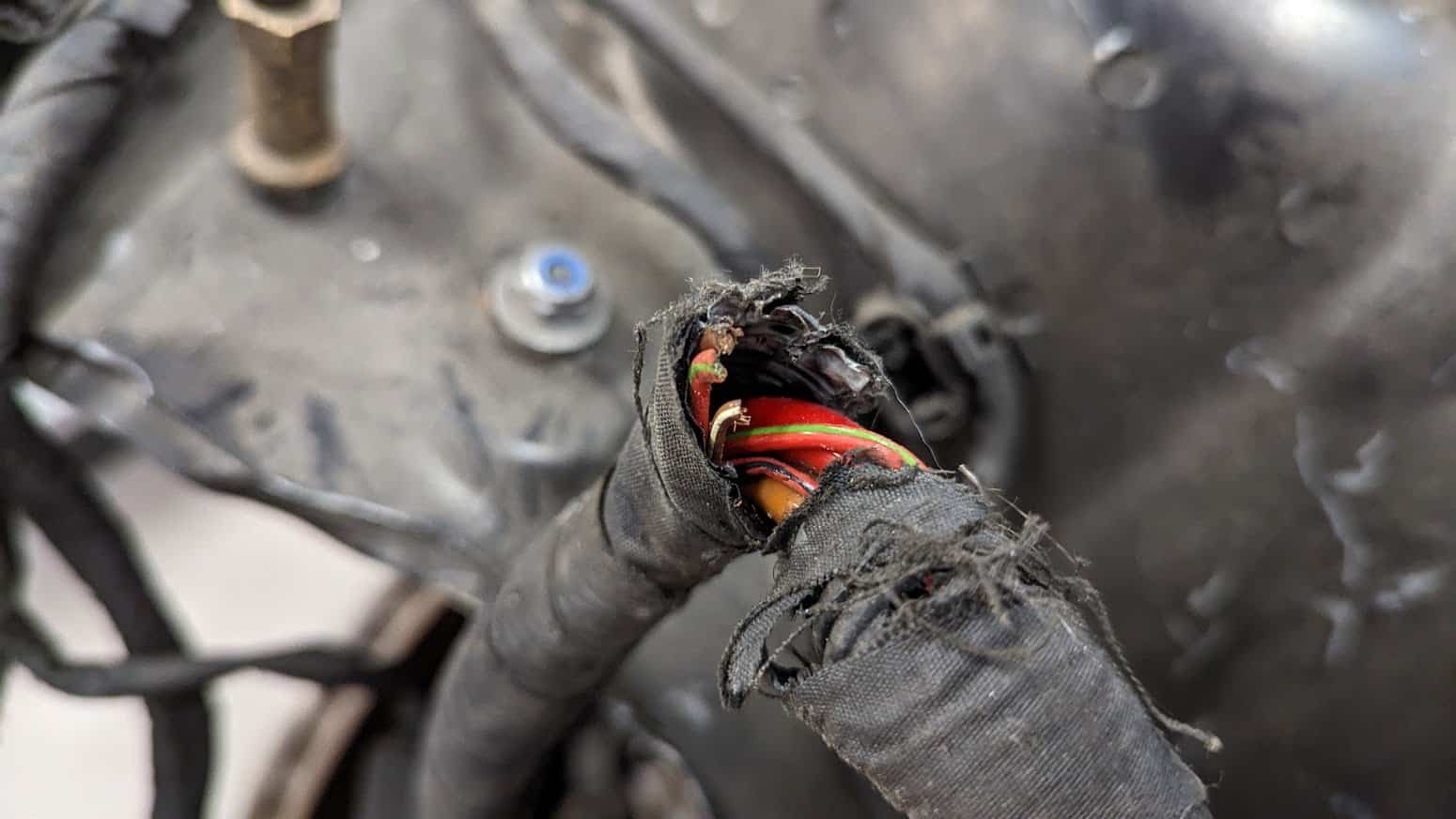
9. Failed Ground System Causing Cascading Module Damage
Last on our list is the problem hiding in plain sight. Electricity needs a path back to the battery, and in a car that path is the ground system, which uses the metal chassis and dedicated ground straps.
When those connections go bad, strange things happen. Bad grounds cause erratic electronics, communication failures, and repeated module faults. Gauges jump, lights flicker, and control units drop offline for no clear reason.
Worse, electricity will find another route, sometimes through wires and parts never designed to carry that load, and modules can suffer cascading damage. Mechanics often replace part after part without curing the root cause.
A simple corroded strap can usually be cleaned or replaced for little money. The nightmare begins when ground points are rusted through, or the chassis itself is compromised, perhaps from an old collision, heavy corrosion, or poor body repair.
In those cases, the electrical system cannot be restored to dependable operation. Cars from rust-prone regions are especially at risk. Before you buy, inspect the battery terminals, ground straps, and any signs of corrosion or sloppy repairs.
Ask for a pre-purchase inspection from a trusted specialist. Spending a little on a thorough check can spare you from owning a car that eats parts and money. Know these nine faults, and you’ll know when to repair and when to walk away.