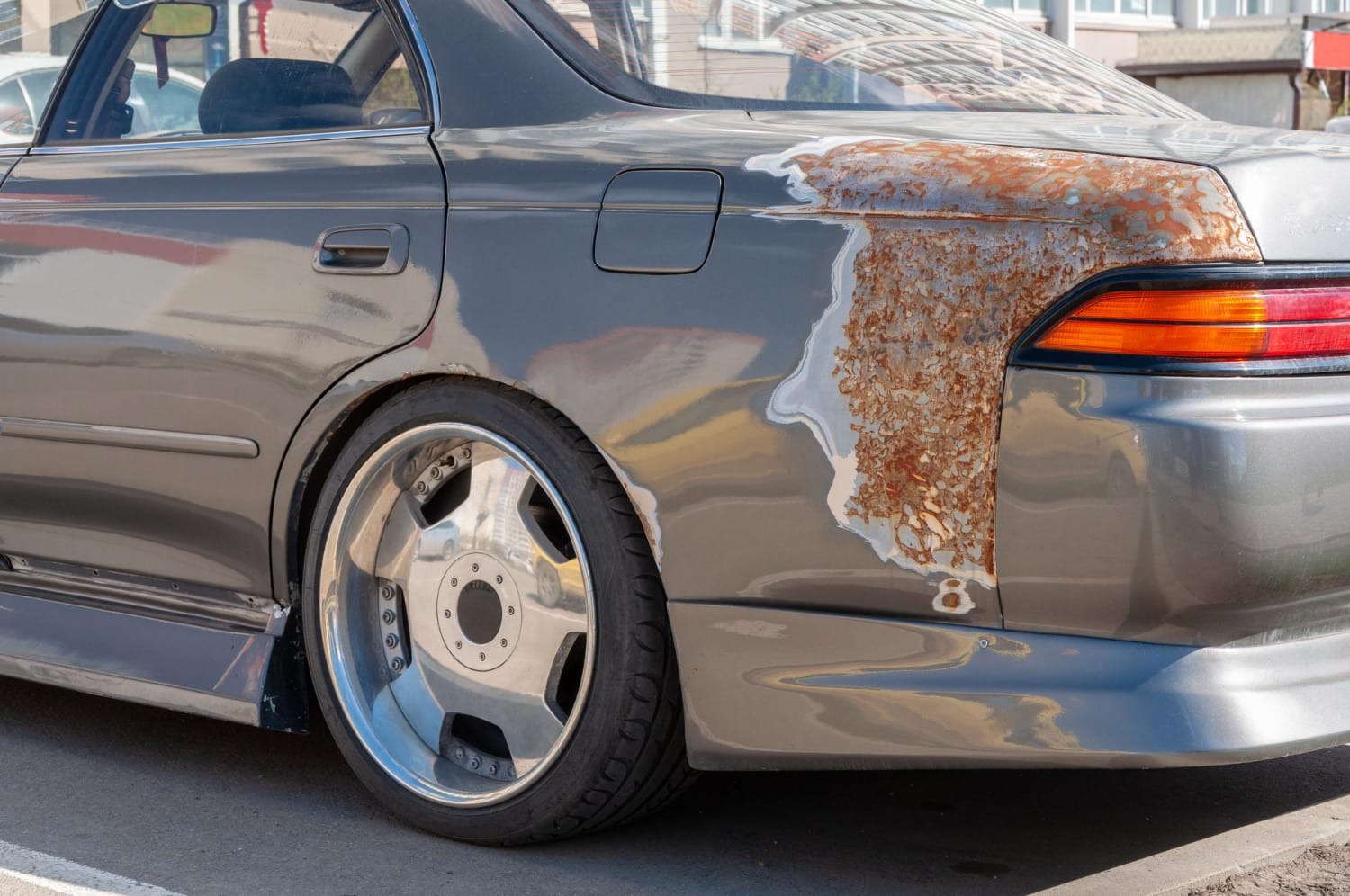
A car does not always reach the end of its useful life because of engine trouble. Sometimes, the engine starts easily, the transmission works properly, and the vehicle still drives well, but rust has already made it unsafe or too expensive to keep. This is particularly frustrating for owners who have maintained their vehicles carefully, only to discover serious corrosion underneath the body.
Certain models have developed reputations for rust affecting their frames, suspension mounts, wheel arches, and structural components. In many cases, the mechanical parts remain functional long after the body or chassis has deteriorated. Here are 12 cars where rust can end the vehicle’s service life before the engine gives up.
1. Mazda6 (2003-2008)
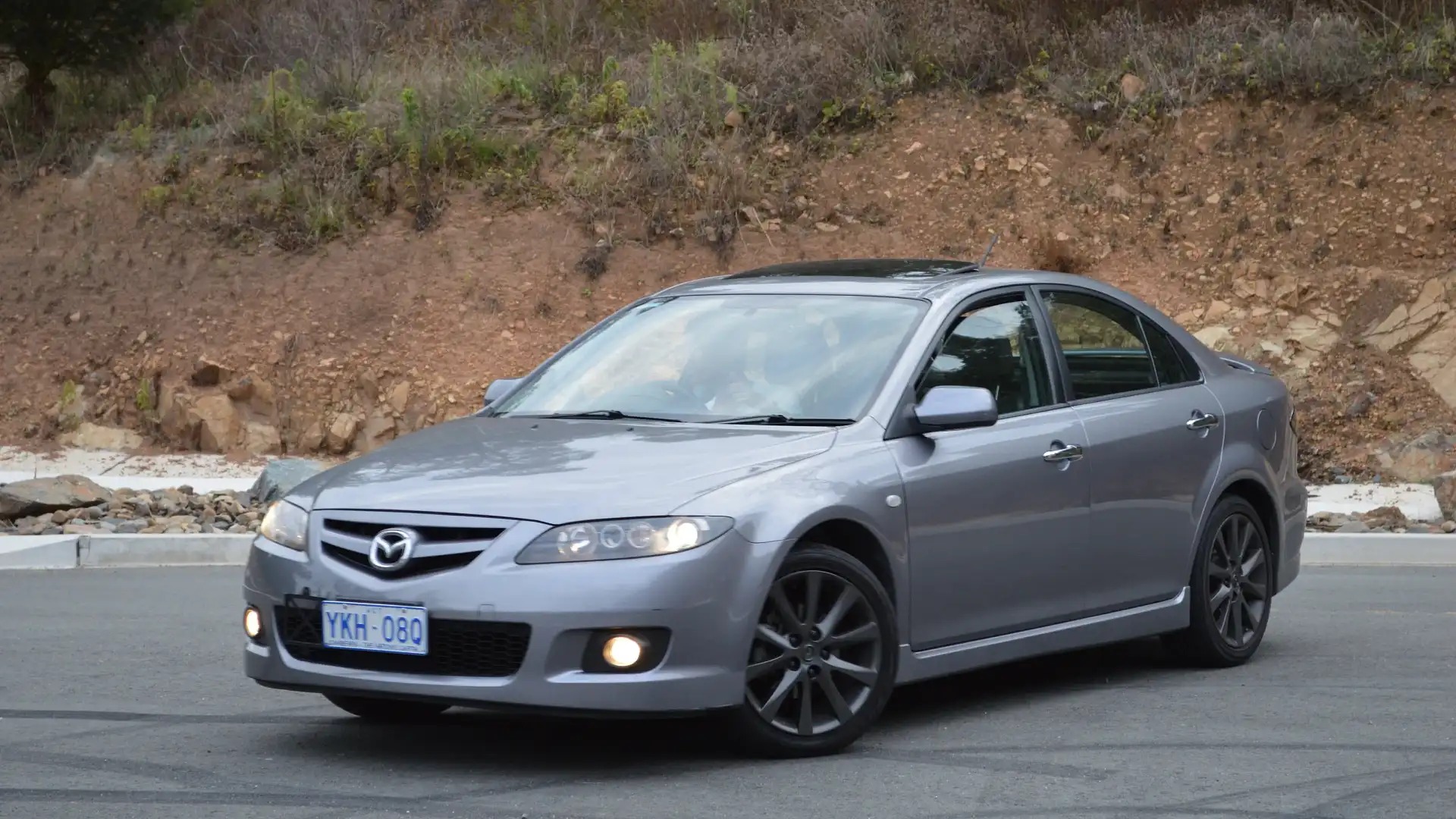
The first-generation Mazda6 earned praise for its responsive handling, comfortable interior, and dependable engine options. However, early models developed a reputation for corrosion in areas that can make the vehicle expensive to maintain.
Wheel arches, rocker panels, door edges, and sections of the underbody are among the areas owners should inspect carefully. Rust often begins as small bubbles beneath the paint before spreading into larger sections of exposed metal.
Once corrosion reaches structural areas, repairs can involve cutting away damaged sections and welding replacement metal. This can become particularly expensive when several body panels require attention.
The frustrating part is that the engine may continue running smoothly while the body deteriorates. A Mazda6 with regular oil changes and proper mechanical maintenance can still suffer from severe underbody corrosion.
Pay particular attention to the rear wheel arches and lower body panels when inspecting an older example. Also check the floor and structural mounting areas for previous repairs or hidden rust.
Not every Mazda6 from these years has serious corrosion, but vehicles exposed to road salt, moisture, and poor storage conditions deserve careful inspection. A healthy engine cannot compensate for a structurally weakened body.
2. Nissan Pathfinder (1996-2004)
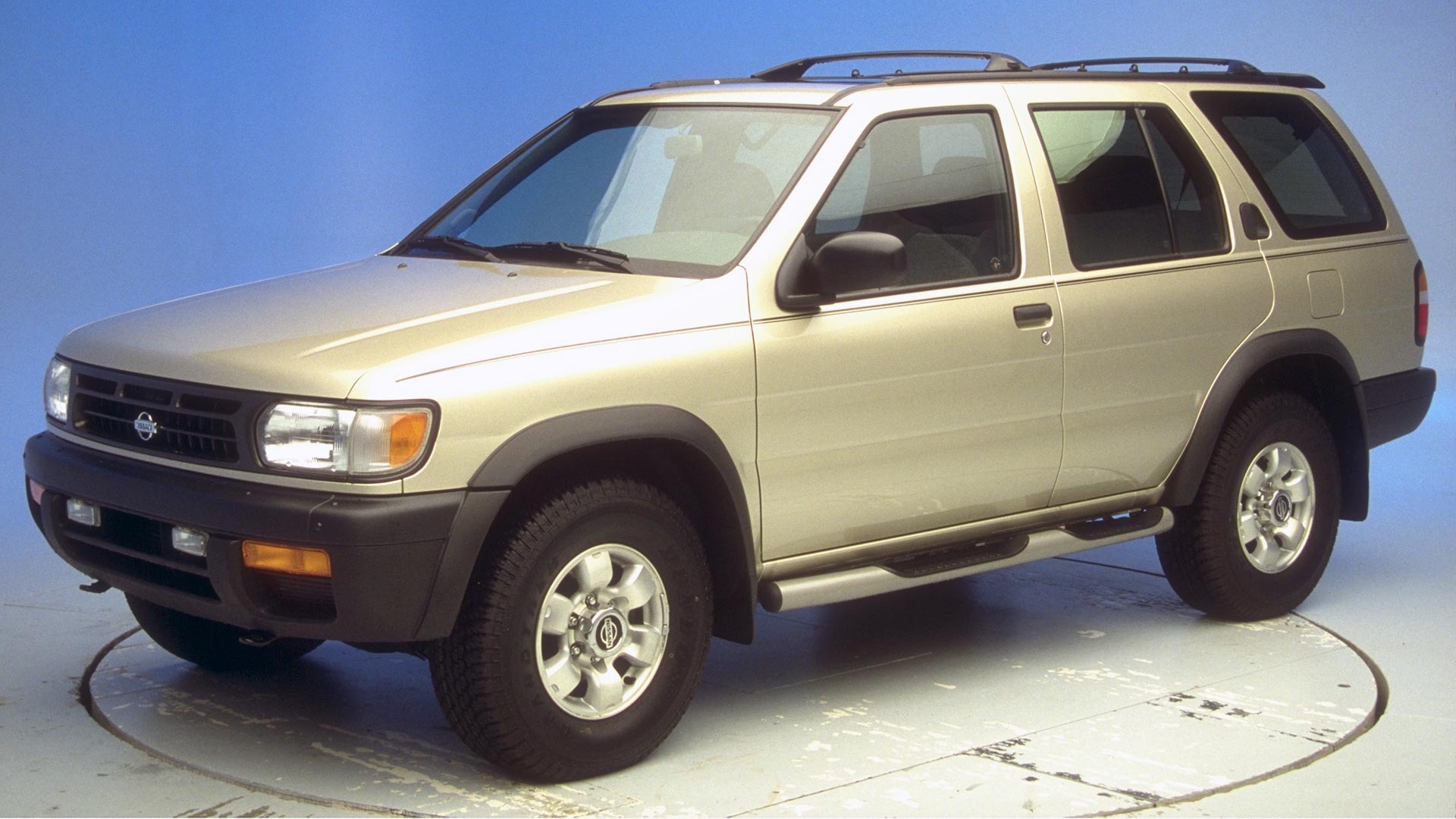
The Nissan Pathfinder from this generation offered a durable SUV platform, capable four-wheel-drive options, and engines that could deliver years of service with proper maintenance.
Unfortunately, serious frame corrosion became a concern for certain older models, particularly those exposed to harsh winter conditions and road salt.
The frame is one of the most important structural parts of an SUV. It supports the body, suspension, and other major components. When corrosion becomes severe, the vehicle can develop dangerous structural weaknesses that ordinary mechanical repairs cannot solve.
Inspect the frame rails, suspension mounting points, crossmembers, and other exposed metal sections. Rust around these areas deserves particular attention because it can affect the vehicle’s structural strength.
Certain Nissan Pathfinder models were also involved in major corrosion-related safety actions in specific markets. These issues included severe frame deterioration that could compromise vehicle safety, leading to manufacturer remedies such as buybacks in affected cases.
The engine and transmission may still operate normally, but that does not make a badly corroded Pathfinder safe to drive. Frame replacement or extensive structural repairs can cost more than the vehicle is worth.
Anyone considering an older Pathfinder should obtain a professional underbody inspection before making a purchase decision.
3. Ford Windstar (1995-2003)
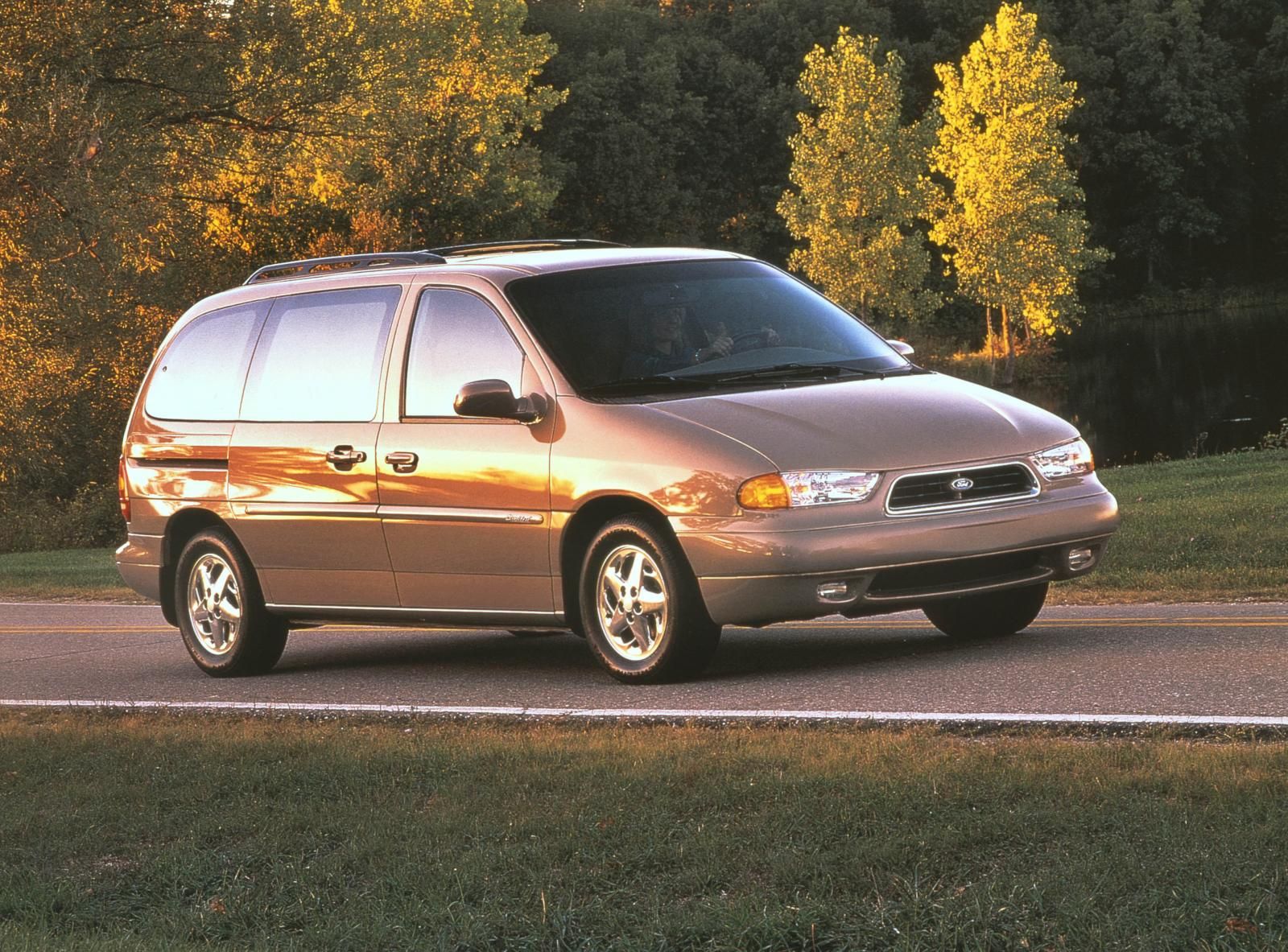
Minivans don’t get much glamor, and the Ford Windstar’s story isn’t a happy one. Rear axle and suspension corrosion caused dangerous failures, and many vans were scrapped even though the engines were still running well.
Picture a family hauling kids and luggage when an axle weakens from rust. That’s the worry behind these failures. The Windstar was a practical vehicle, built for carpools and road trips, but its underside took a beating from moisture and road salt.
Because the corrosion sat out of view, owners often had no idea until something broke or an inspector flagged it. Repair costs for axle and suspension damage can quickly exceed what an older minivan is worth, so many owners chose to scrap rather than invest more.
If you’re curious about one as a cheap runabout, proceed carefully. Look at the rear axle beam, spring perches, and suspension arms for heavy scaling, holes, or swollen metal.
Check the brake and fuel lines, too, since rust often attacks them along with everything else. Ask about the climate where the van lived. A southern or dry-climate history helps.
Drive it and listen for clunks or unusual movement from the back. Honestly, a low price on an old Windstar can look tempting, but a rusted underside turns a bargain into a burden fast.
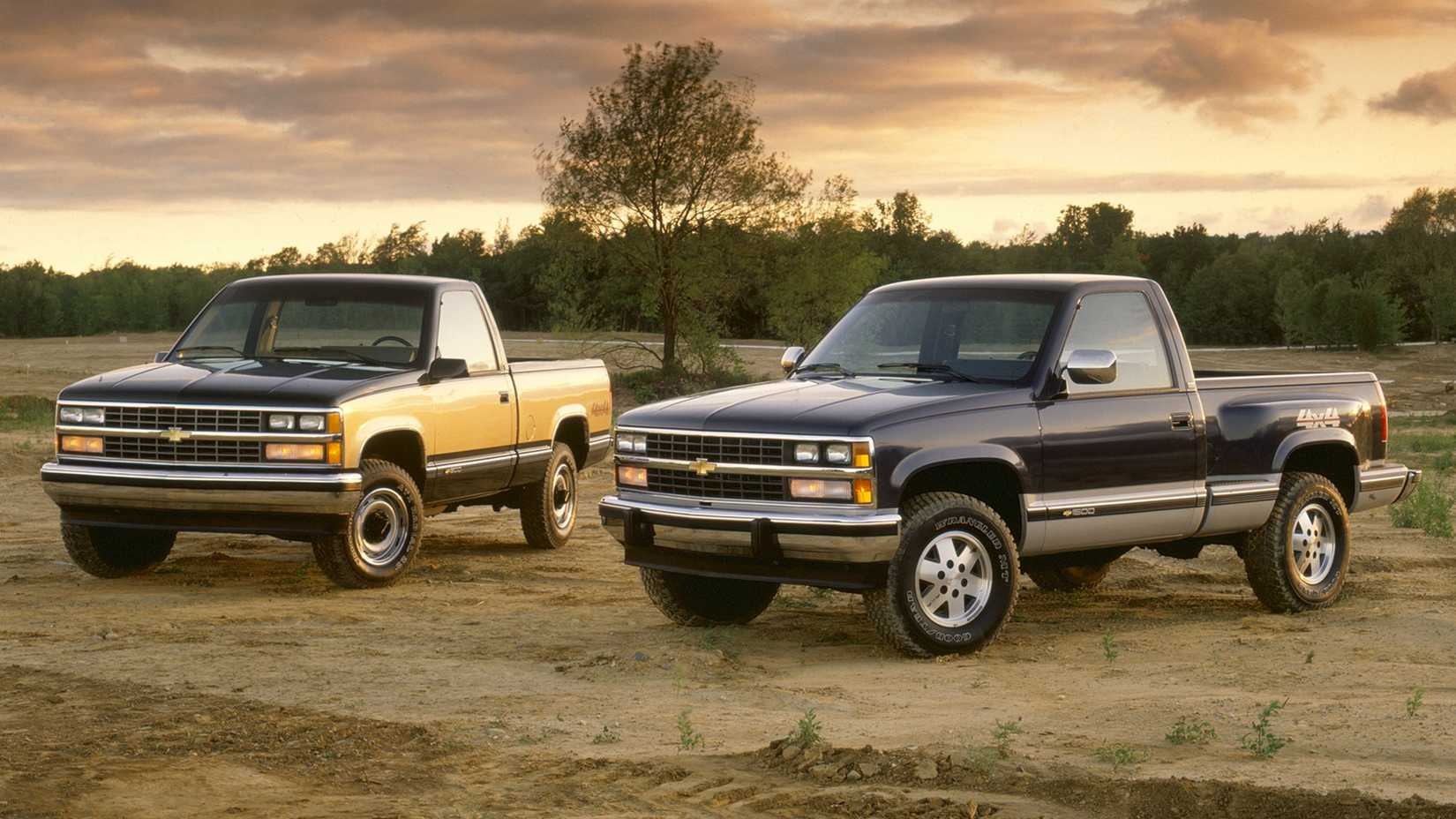
4. Chevrolet C/K Pickup (1988-1998)
These trucks were built tough. Mechanically, the Chevrolet C/K pickups from 1988 to 1998 are remembered as durable workhorses, with engines that keep going for ages. The bodies are the catch.
Rust often took its toll on the cab corners, rocker panels, and bed sides, sometimes destroying the truck long before the engine showed signs of failure. It was a common sight in older neighborhoods, where aging pickups still ran smoothly but had badly corroded lower body panels and visible holes from years of exposure.
Because parts are cheap and the platform is simple, many owners fight to keep these trucks alive. Patch panels and replacement cab corners are widely available, and for hobbyists, rust repair can be a labor of love.
Still, a proper fix means cutting out bad metal and welding in new steel, not slathering body filler over holes. Fillers fail and rust returns. When you shop, check behind the wheels, along the lower doors, under the cab, and inside the bed.
Slide a magnet along suspect areas, since it won’t stick to thick filler. Look underneath for frame condition, too.
A truck from a dry climate may be worth a premium. One from a salted state could be a money pit. Love the look, love the engine, but let the metal decide whether you buy.
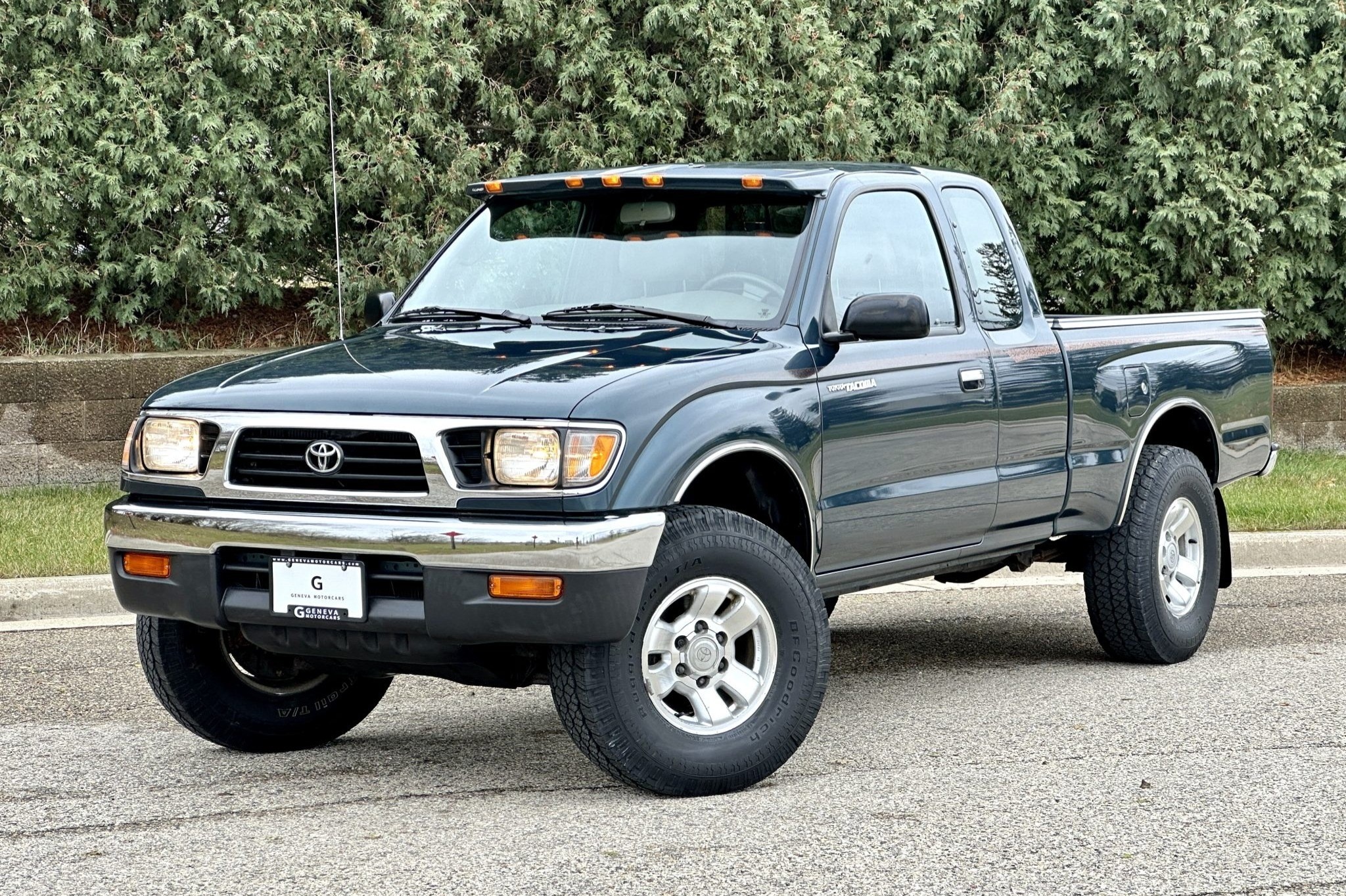
5. Toyota Tacoma (1995-2010)
Reliable reputation, rotten frame. The Toyota Tacoma earned fans for toughness, which makes its rust story a surprise to many. Severe frame rust in trucks from 1995 to 2010 led to massive recalls and buybacks, and plenty of vehicles had excellent engines but unusable frames.
Toyota even took the unusual step of replacing affected frames and buying back certain trucks, highlighting just how severe the corrosion issue had become. For many owners, it was a frustrating experience because the engine and drivetrain could remain dependable for hundreds of thousands of miles while the truck’s frame deteriorated beyond repair.
Used Tacomas still carry strong resale value, which tempts sellers to ask high prices. Don’t let reputation replace inspection. Check whether the specific truck was covered by a frame recall and whether the work was completed.
Look under the truck with a bright light, focusing on the frame rails near the rear leaf spring mounts, the crossmembers, and around the fuel tank area. Tap the frame with a hammer, and listen for dull sounds.
Flaking layers, bulging seams, or fresh black paint over rust are warning signs. Ask for documentation and confirm records with a dealer if possible. A clean, solid Tacoma can be a great purchase. A rusty one can be a very expensive lesson that arrives wearing a trusted badge.
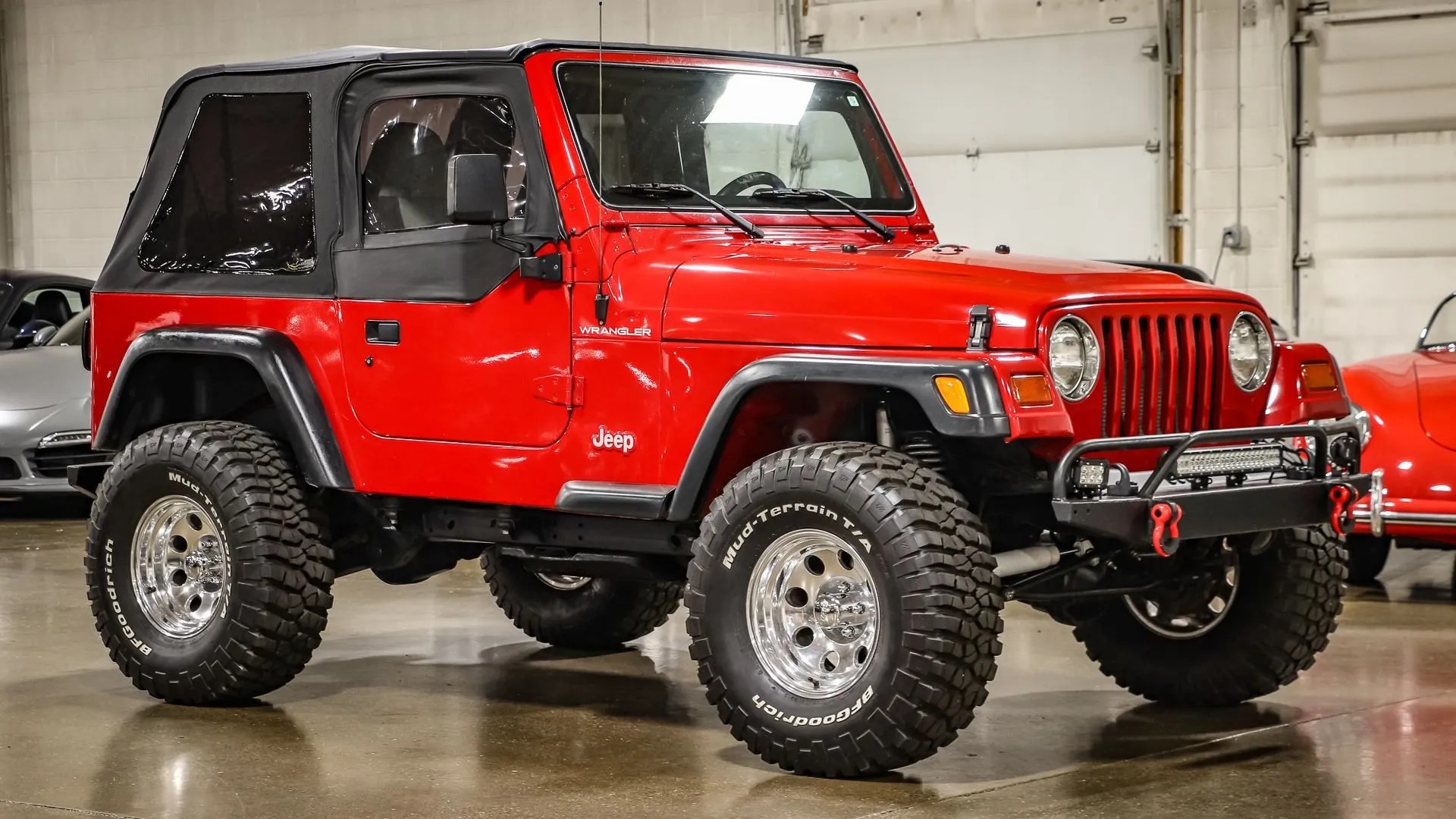
6. Jeep Wrangler TJ (1997-2006)
The Jeep Wrangler TJ became popular for its rugged appearance, removable roof, off-road ability, and relatively straightforward mechanical design.
Its engines and transmissions can remain serviceable for many years, but frame corrosion is an issue that deserves serious attention when inspecting an older example.
The Wrangler’s frame is particularly important because it supports the suspension and connects major mechanical components. Rust around control arm mounts, skid plate areas, frame rails, and other mounting points can weaken the structure.
Off-road driving may increase exposure to mud, water, stones, and debris. When mud remains trapped inside or around sections of the frame, moisture can contribute to corrosion. Vehicles frequently driven through wet conditions or stored without proper cleaning may require closer inspection.
One challenge is that rust can develop inside boxed frame sections, where it may not be immediately visible. A clean-looking exterior does not guarantee that the underlying structure is healthy.
Check the frame carefully, especially near suspension attachment points and areas that have previously been repaired. Also inspect the body mounts and floor sections.
A Wrangler with a healthy engine but severely corroded frame may require extensive welding or frame replacement. Such work can become expensive enough to make purchasing another vehicle a more sensible decision.
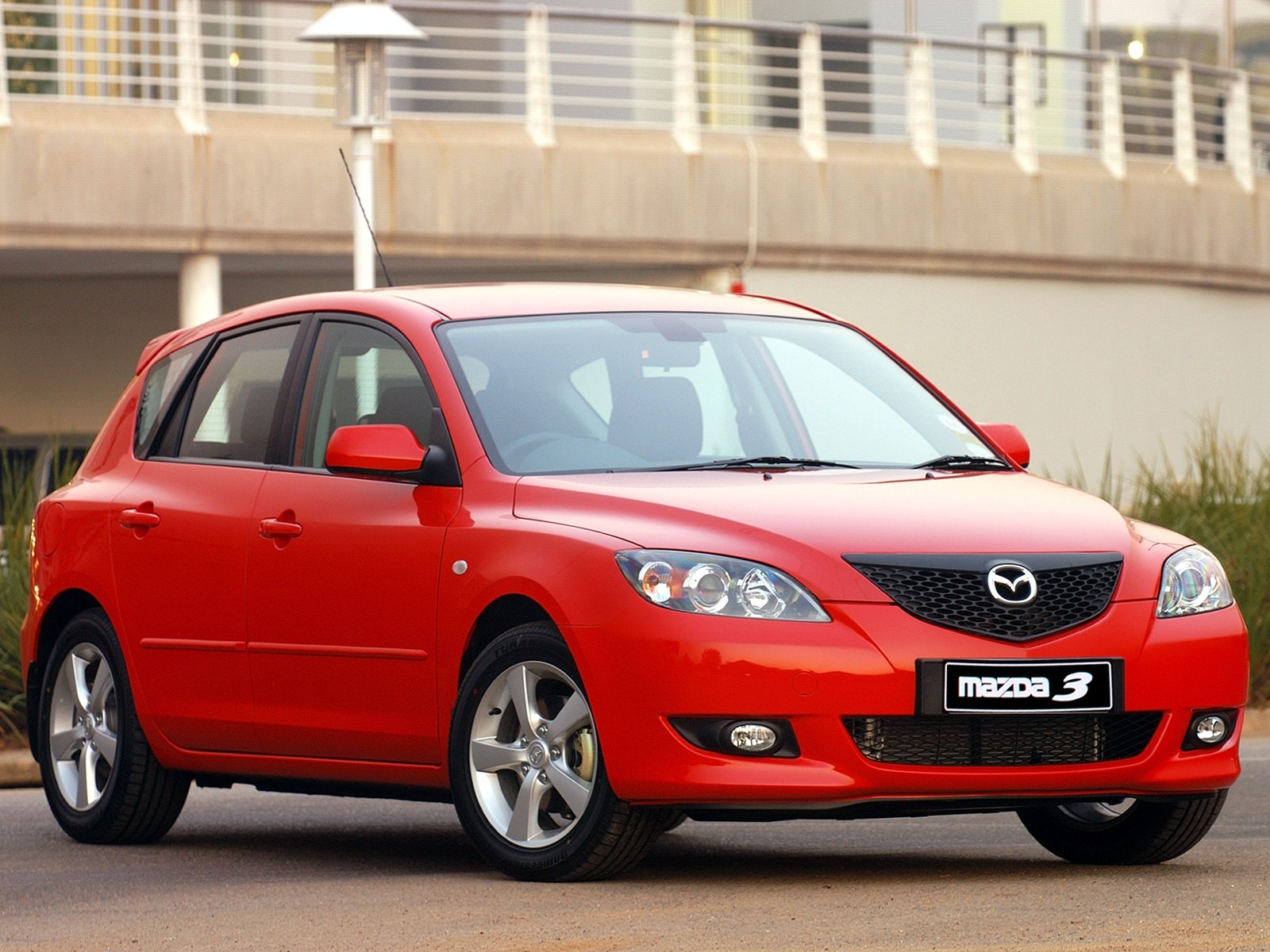
7. Mazda3 (2004-2009)
The first-generation Mazda3 attracted drivers with its enjoyable handling, practical interior, and responsive engine options. It offered an appealing combination of everyday comfort and driving enjoyment.
However, older examples can develop corrosion around the wheel wells, rocker panels, lower doors, and rear hatch areas.
These locations are particularly vulnerable because they can collect moisture and road debris. Small paint bubbles may appear before the metal begins showing visible holes. If the corrosion continues, the affected panels may require cutting, welding, and repainting.
The underbody should also receive attention, especially around suspension attachment points and floor sections. Surface corrosion is common on older vehicles, but deeper rust can compromise important structural areas.
Many Mazda3 examples continue to run well mechanically despite visible body deterioration. The engine may start without difficulty, the transmission may operate normally, and the suspension may remain serviceable.
Unfortunately, extensive body corrosion can make repairs financially unattractive. Replacing several panels and treating hidden rust can cost more than the vehicle’s market value.
When inspecting a used Mazda3, check both rear wheel arches, the lower edges of the doors, and the underside of the vehicle. Look for bubbling paint, previous patchwork repairs, and signs that rust has spread beneath the surface.
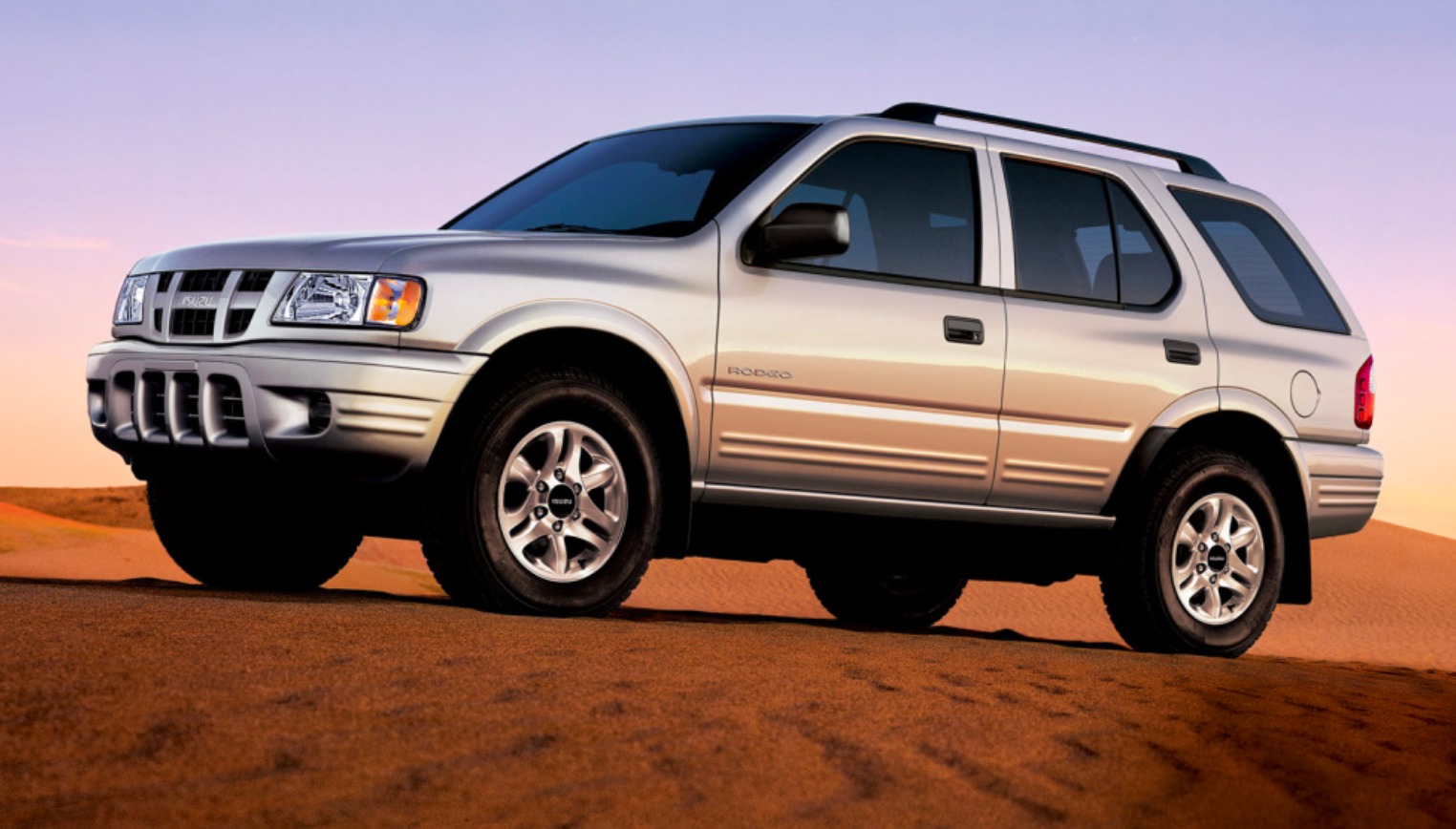
8. Isuzu Rodeo (1998-2004)
Hidden trouble is the worst kind. The Isuzu Rodeo from 1998 to 2004 suffered severe rust at frame and suspension mounting points, often unseen until failure, while the engines usually stayed functional.
This makes corrosion particularly dangerous because it may go unnoticed while driving until a critical mounting point fails. Rust around suspension attachment points can compromise vehicle stability, lead to alignment issues, and, in severe cases, cause suspension components to break loose.
Sellers might not know the condition either, since few people crawl beneath their SUVs. If you’re considering a Rodeo, treat the inspection like a detective job. Get the vehicle on a lift.
Check the frame rails, control arm mounts, shock mounts, and crossmembers. Look for scaling, holes, welds that appear amateur, and a suspiciously fresh coat of undercoating. Test the brake lines for corrosion, which can cause fluid loss and loss of braking.
Pay attention to noises, since clunks and shifts during turns may point to loosened mounts. Bring a flashlight and a screwdriver, or better, bring a mechanic.
Ask where the SUV spent most of its life, and view photos of the underside before you travel to see it.
Honestly, the safest choice is often to pass on an example with heavy corrosion. A running engine has little value when the parts holding the wheels in place can’t be trusted.
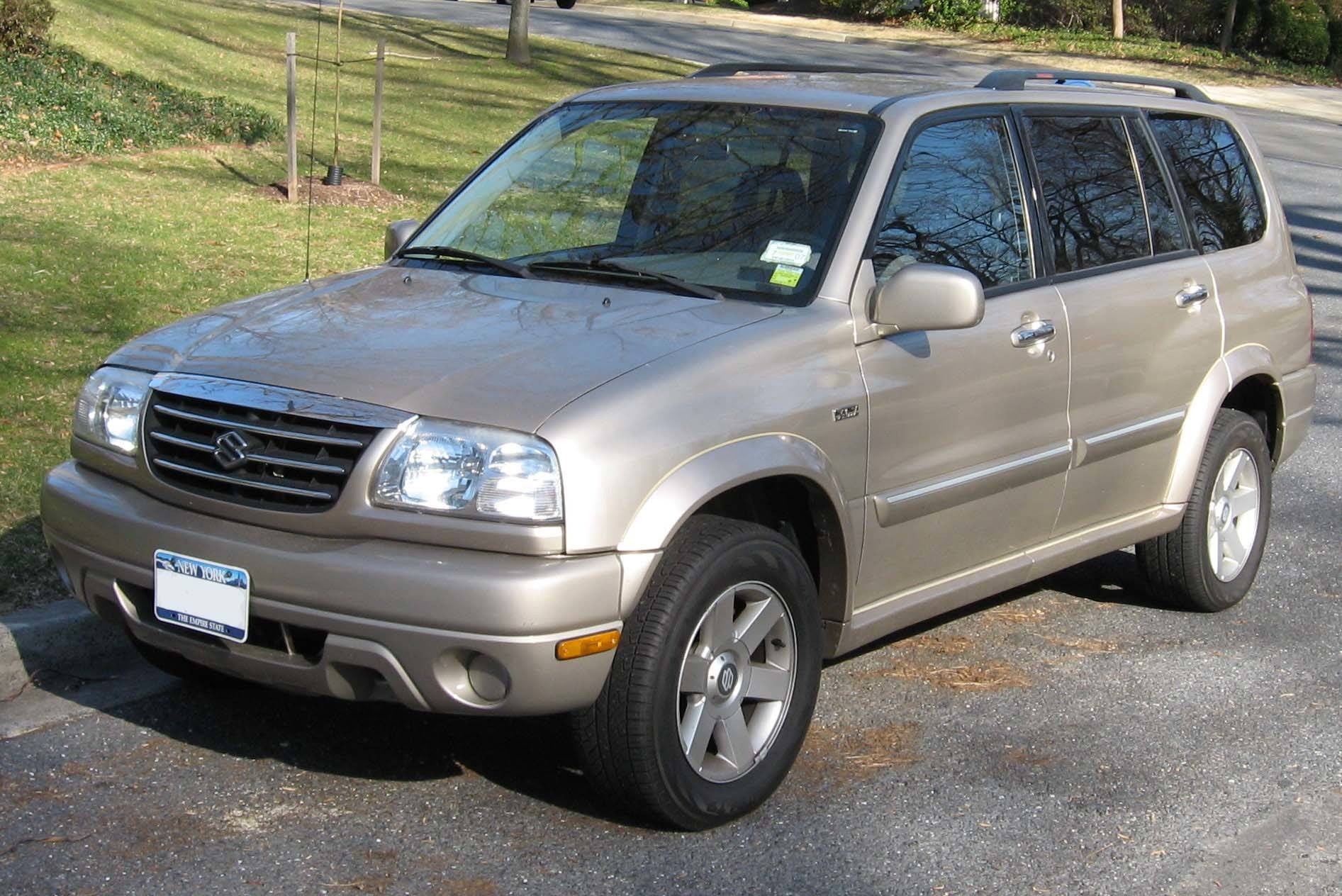
9. Suzuki XL-7 (1999-2006)
Few people expect an SUV this size to hide so much decay. The Suzuki XL-7, built from 1999 to 2006, showed underbody rust on frames, brake lines, and suspension components that frequently ended the vehicle’s life early.
That’s a dangerous trio. A rotting frame affects structure, a corroded brake line can fail without warning, and weak suspension parts change how the vehicle drives.
Because the brand is no longer sold in many markets, finding replacement parts and skilled help can be tougher, which adds to the burden.
Owners often discover problems at inspection time, when a shop lifts the vehicle and finds the underside in rough shape. By then, estimates can exceed the SUV’s value.
For anyone looking at an XL-7, a thorough underbody inspection is essential. Look at every brake line from front to back, checking for flaking, swelling, or damp spots.
Examine the frame rails and suspension mounting areas for holes and thin metal. Inspect the fuel lines and exhaust hangers as well. Ask for maintenance records that mention rust prevention or brake line replacement.
If you already own one, rinse the underside regularly, especially after winter, and replace any suspect lines promptly. Safety parts are not the place to cut corners. A tidy exterior can hide a very ugly bottom half.
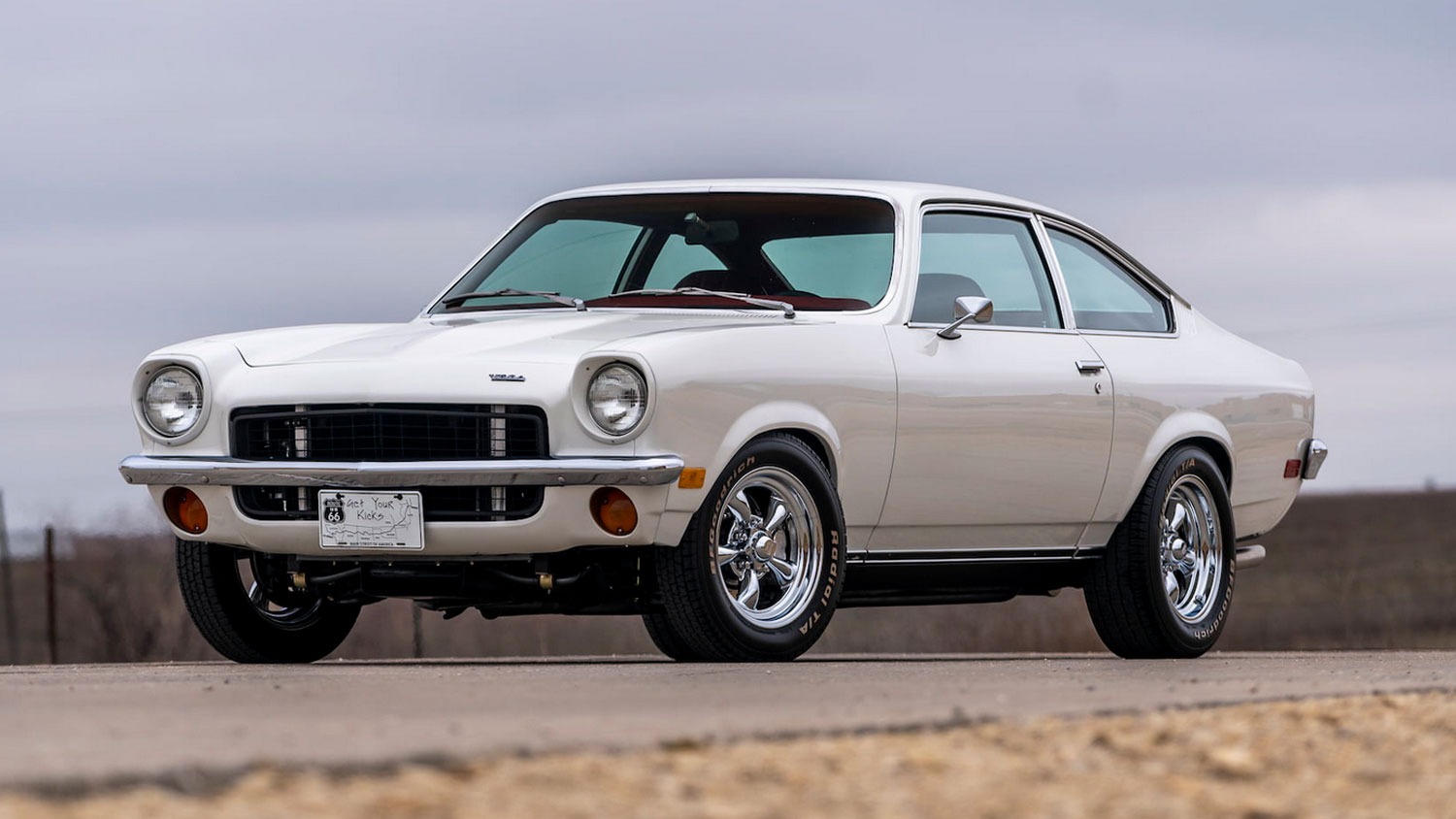
10. Chevrolet Vega (1970s)
The Chevrolet Vega remains one of the most recognizable compact cars from the 1970s, but its history includes well-documented concerns about body corrosion.
Early examples became known for rust problems that could appear surprisingly quickly, sometimes while vehicles were still relatively new.
The body panels, floor sections, wheel arches, and other exposed metal areas were vulnerable to corrosion. In some cases, rust developed before owners expected major body repairs to be necessary.
The problem was particularly frustrating because a vehicle could remain mechanically functional while its body deteriorated. Even when the engine continued running, repairing extensive rust could become too expensive for an ordinary owner.
The Vega’s historical reputation also involved engine durability concerns, so it would be inaccurate to suggest that every example had a dependable engine. Still, body corrosion was a major issue that contributed to the decline of many surviving vehicles.
For collectors considering a Chevrolet Vega today, the condition of the body and underbody should receive careful attention. Inspect the floor pans, lower body sections, suspension mounting areas, and previous repair work.
Restoration may be possible for a well-preserved example, but extensive structural rust can demand substantial metal fabrication and specialist labor. A vehicle that looks attractive from the outside may require much more work underneath.
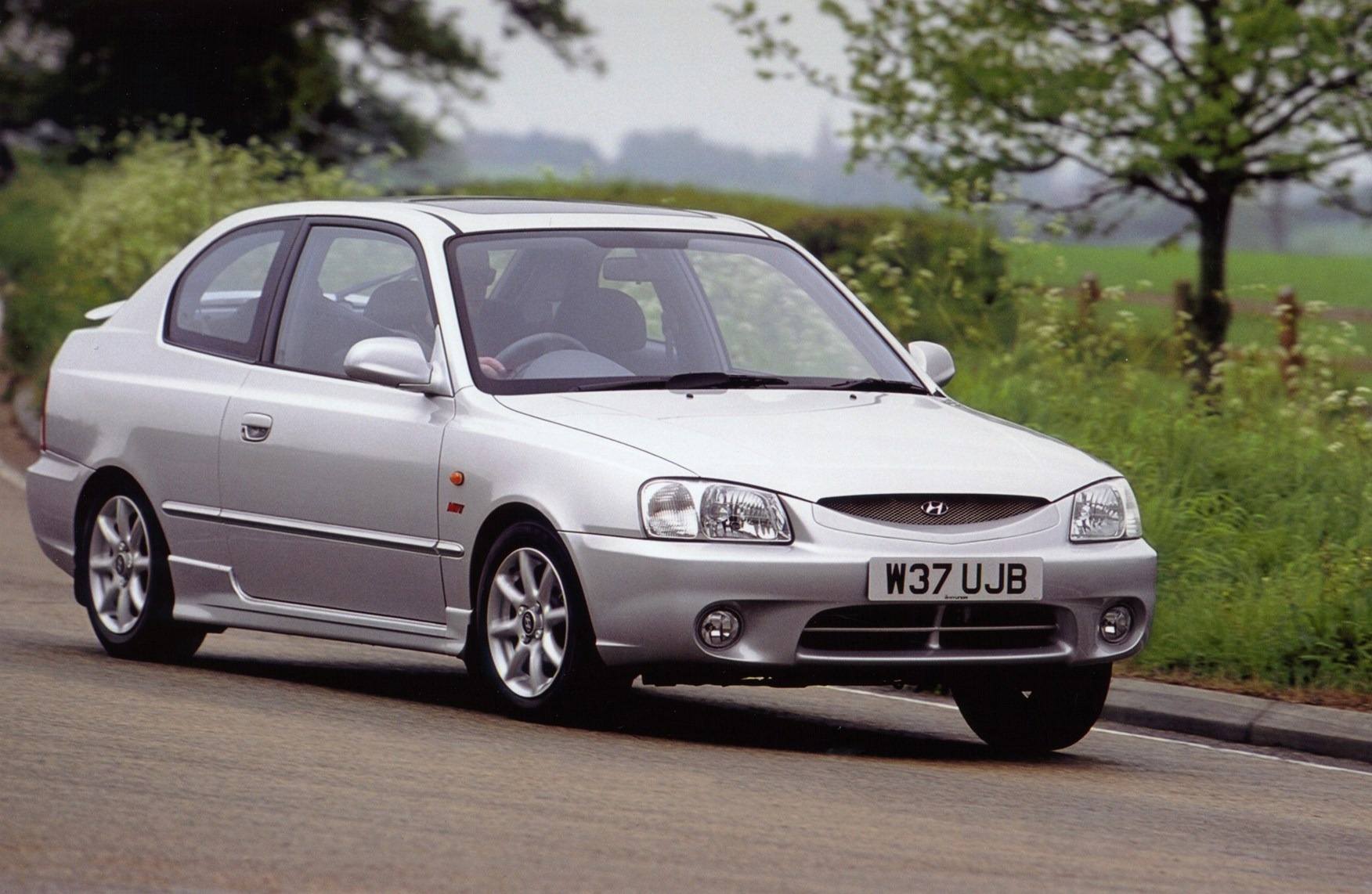
11. Hyundai Accent (2000s)
The Hyundai Accent became a popular choice for drivers seeking an affordable, compact vehicle with practical transportation features.
Its relatively simple design and economical engine options made it appealing to budget-conscious owners. However, older examples can develop corrosion around the wheel arches, lower doors, rocker panels, and underbody.
The extent of rust depends heavily on the vehicle’s location, storage conditions, maintenance, and exposure to moisture or road salt. Cars driven regularly in harsh winter climates may experience more corrosion than examples kept in dry environments.
Rust often begins around damaged paint, seams, and areas where dirt accumulates. Once moisture reaches exposed metal, corrosion can spread beneath the surrounding paintwork.
A Hyundai Accent may continue starting reliably and delivering reasonable fuel economy while the body develops extensive rust. Unfortunately, serious corrosion around structural sections can make repairs more expensive than the car’s resale value.
When inspecting an older Accent, look closely at the rear wheel arches, floor pans, rocker panels, and suspension mounting areas. Check for bubbling paint, holes, poorly fitted replacement panels, and previous welding repairs.
Do not dismiss corrosion simply because the engine sounds healthy during a test drive. A professional inspection can help determine whether the damage is limited to cosmetic panels or has reached structural components that affect safety.
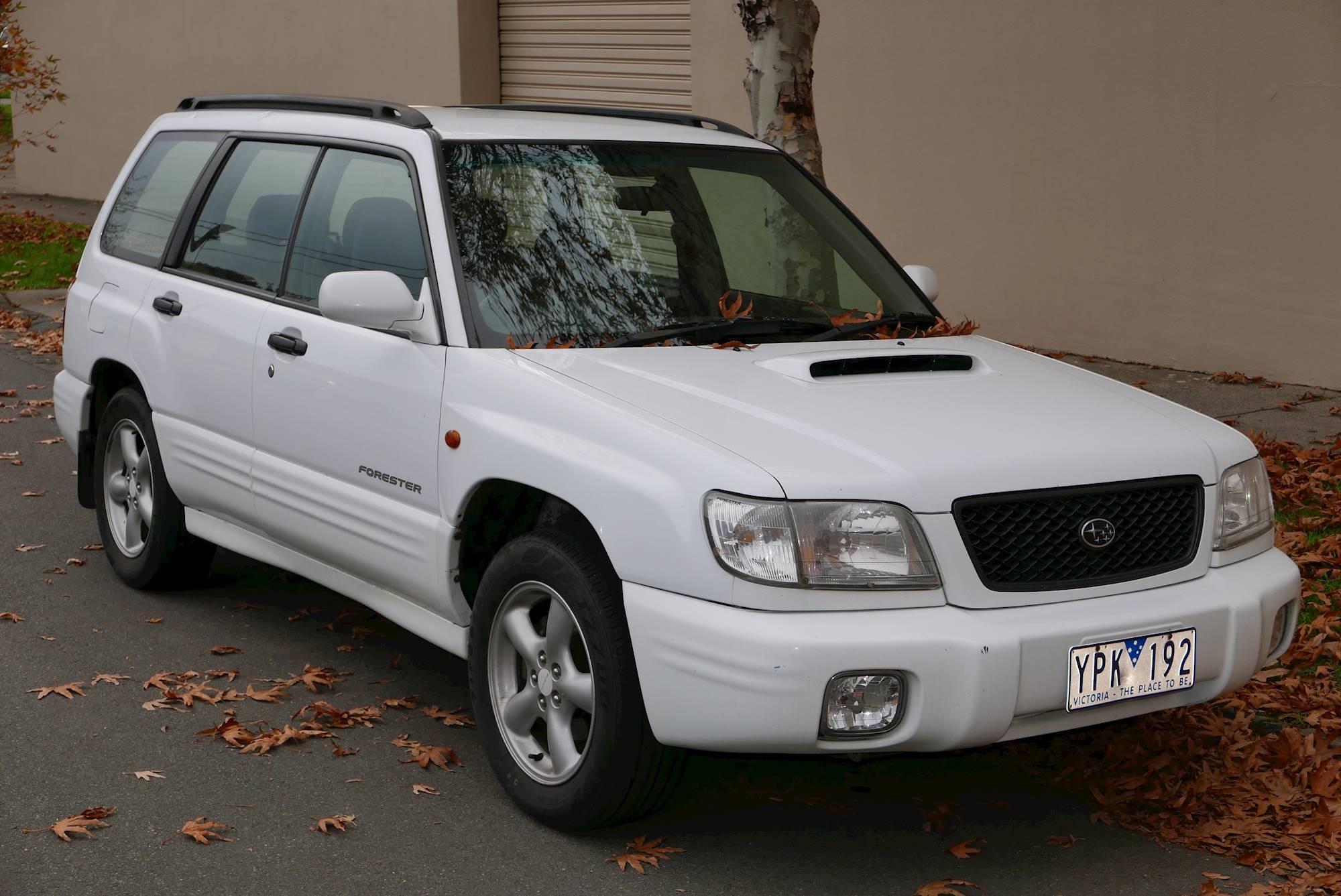
12. Subaru Forester (2000s)
Last on the list is a favorite of snowy regions, which is exactly the problem. The Subaru Forester from the 2000s often develops heavy rust on the rear wheel arches and subframes in winter climates, and many are scrapped for structural rust despite reliable engines.
Road salt loves to cling to those hidden spots, and moisture lingers there for months. Owners who love their Foresters sometimes keep them for well over 200,000 miles, only to learn that the body has quietly given up.
A subframe rotting away is no small matter, since it holds key suspension and drivetrain parts in place. If you’re shopping, get under the car, examine the rear arches, check the subframe, and tap the metal in suspicious areas.
Ask for a pre-purchase inspection from a shop that sees many Subarus. If you own one, wash the underside regularly during salted months, keep drainage holes clear, and treat small spots right away.
After examining these twelve vehicles, one important lesson stands out. While the engine powers a car, the body and frame provide the structural foundation that keeps it safe and roadworthy. Careful inspections and proper rust prevention can help protect your investment and prevent the disappointment of owning a vehicle with a reliable engine but a severely deteriorated body.