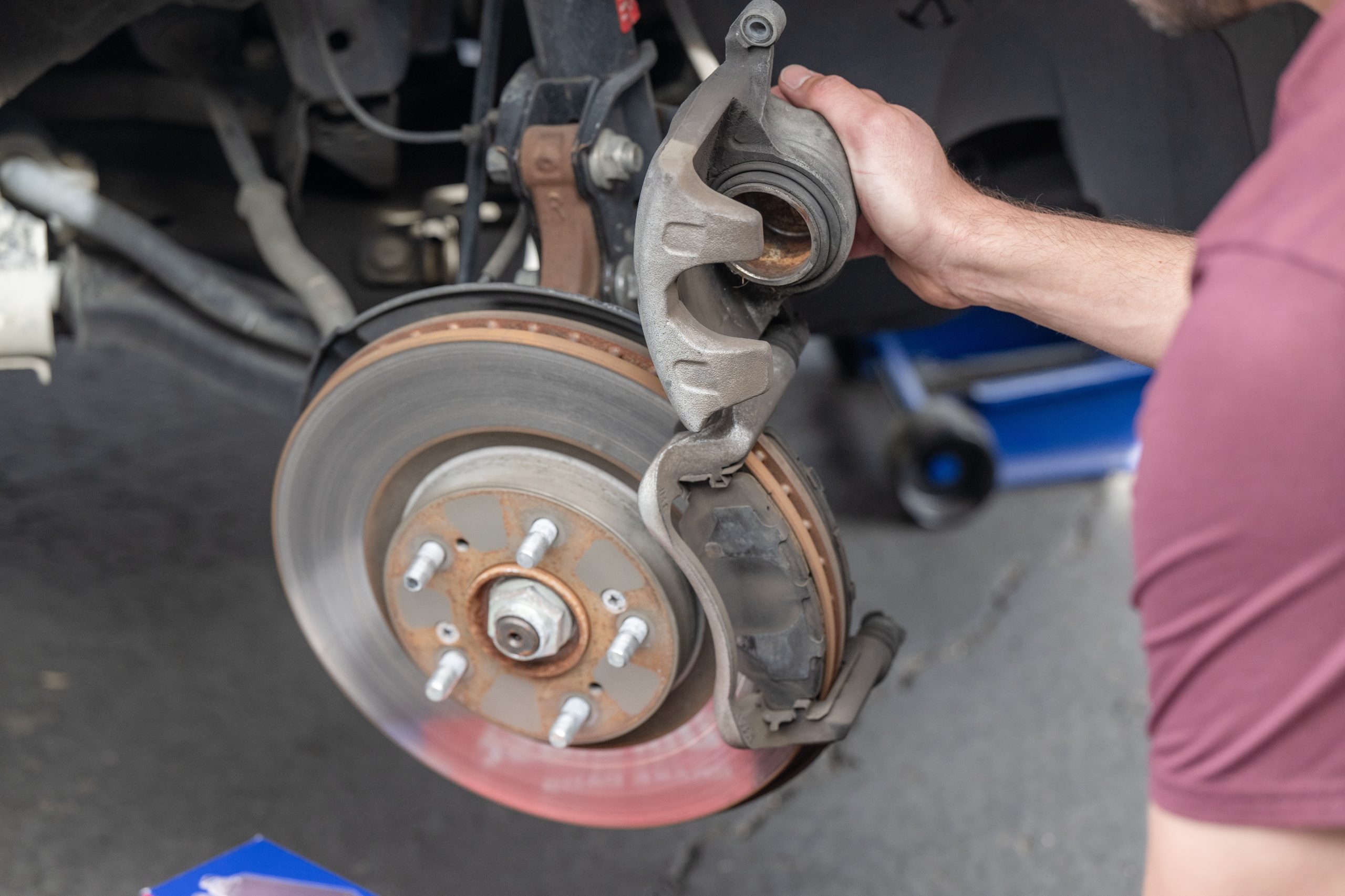
Brake repairs are among those vehicle expenses that deserve attention, but they do not always have to drain your savings. While some luxury vehicles require expensive rotors, pads, and calipers, many everyday cars and SUVs use affordable brake components that are easy to find. Models from Honda, Toyota, Nissan, Ford, and Hyundai are good examples.
Their popularity means replacement parts are widely available through auto parts stores and online retailers. For drivers trying to keep maintenance costs under control, choosing a vehicle with reasonably priced brake components can make a real difference. Here are 10 vehicles where brake parts commonly cost less than $300 per corner, making routine brake maintenance easier on your budget.
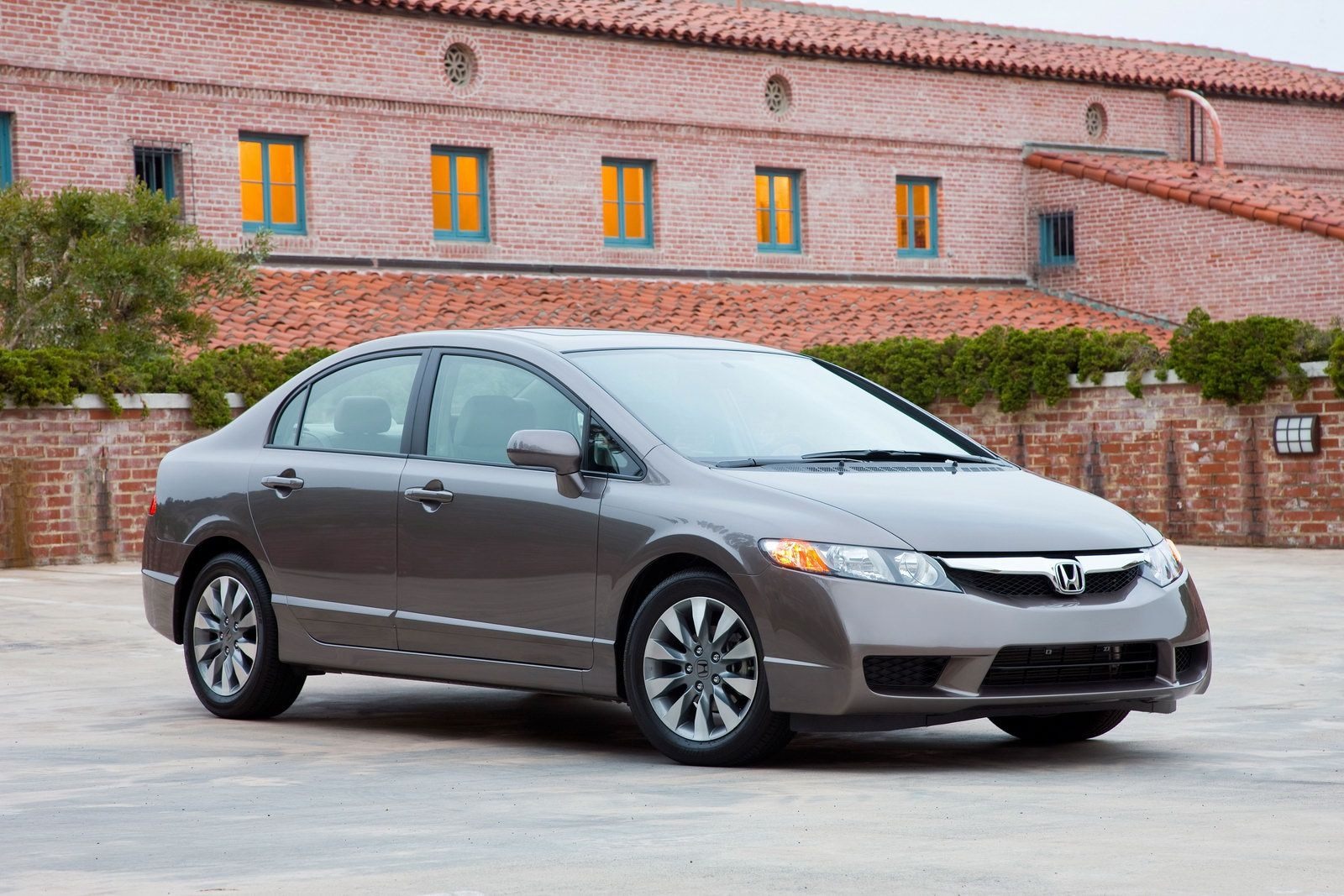
1. Honda Civic (2006-2011)
The Honda Civic from 2006 to 2011 is a practical choice for drivers who want dependable transportation without paying a fortune for routine brake maintenance.
Its popularity has helped create a large supply of affordable replacement components, including brake pads, rotors, and calipers. This makes finding parts relatively easy for owners and repair shops.
Depending on the brand and quality selected, replacement brake pads and rotors are generally available at reasonable prices. Several aftermarket manufacturers also offer complete brake kits designed specifically for these Civic model years.
Some packages include front or rear pads and rotors, allowing owners to purchase the necessary components together.
Calipers may cost more than basic pads and rotors, but replacement options remain relatively affordable compared with those for many luxury vehicles.
DIY caliper parts alone can fall within the $40 to $150 range for common economy vehicles, although the exact price depends on the supplier and application.
Labor will affect the final repair bill, especially when both sides of an axle need attention. Still, the Civic’s accessible parts supply makes it easier to compare prices before approving a repair.
Owners should also inspect brake components regularly and avoid delaying repairs when warning signs appear. Its affordable replacement parts make this generation of Civic a sensible option for people who want manageable maintenance expenses.
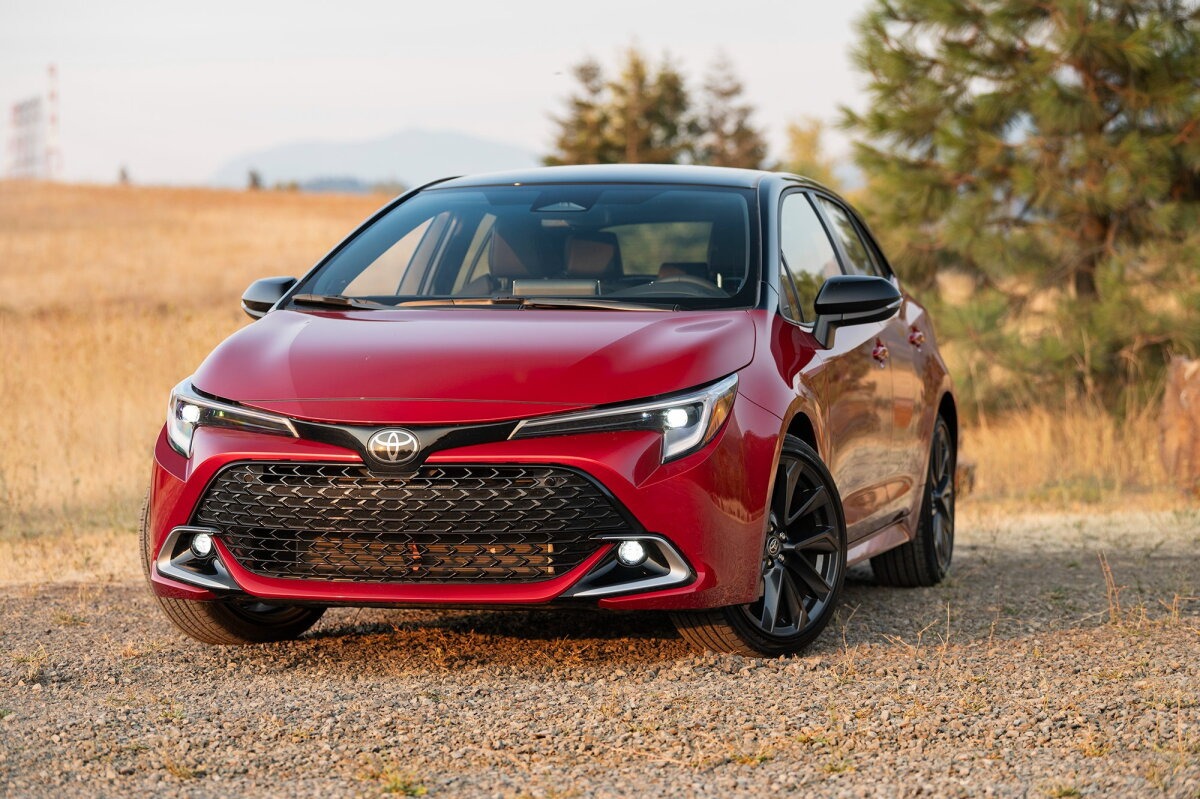
2. Toyota Corolla
Reliable, common, and gentle on your wallet. The Toyota Corolla is one of the most familiar cars on the road, and that popularity works in your favor when brakes wear out.
Brake calipers on this economy car usually fall in the $150 to $300 range per corner, parts and labor included. Because so many Corollas have been sold, replacement parts are everywhere.
Auto parts stores stock them, online sellers offer competitive prices, and independent shops know the system well. That kind of competition keeps costs down.
A typical Corolla owner might replace pads every few years and rotors every other pad change, depending on driving style and conditions. City driving with lots of stop-and-go wears brakes faster than steady highway miles, so your habits matter.
Listen for squealing, feel for vibration in the pedal, and watch for longer stopping distances. Those are your early warnings. If you catch the problem early, you may only need pads, which cost far less than a full job.
Waiting too long can damage rotors and push the price up. Ask your mechanic to measure pad thickness during every oil change, since it takes seconds and prevents surprises. A little attention keeps a Corolla stopping smoothly for years.
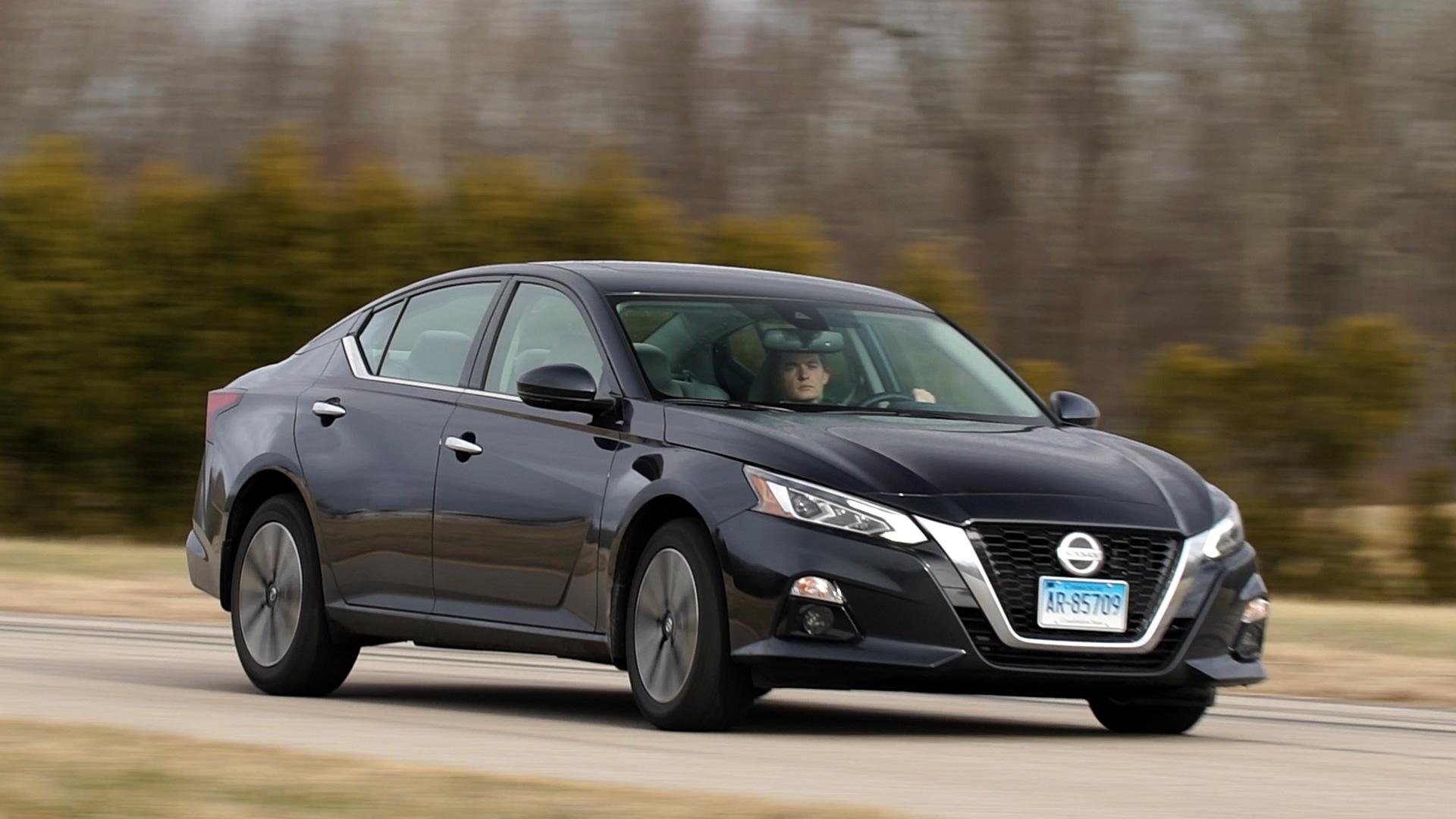
3. Nissan Altima (2013-2025)
Here’s a midsize sedan with a long production run, and that’s good news for shoppers. The Nissan Altima from 2013 to 2025 has Detroit Axle kits listed for pads and rotors, so parts availability is excellent across many model years.
When a car stays in production for over a decade with similar brake hardware, aftermarket suppliers build plenty of options. More choices mean lower prices. For owners, that translates into flexibility.
You can pick economy parts for a daily commuter or step up to premium pads if you want quieter, cleaner stopping. Many drivers like ceramic pads because they tend to make less dust and noise, though they may cost a bit more.
Whatever you choose, match the parts to the way you drive. Heavy traffic, hills, and frequent passengers all affect wear. Before buying a kit, double-check the model year and trim, since slight differences can change which parts fit.
A quick call to a parts counter can prevent a wrong order and a wasted weekend. If you’re not doing the work yourself, ask the shop whether they use your supplied parts, as some do and some don’t.
A well-maintained Altima brake system is both affordable and dependable, which suits most daily drivers just fine.
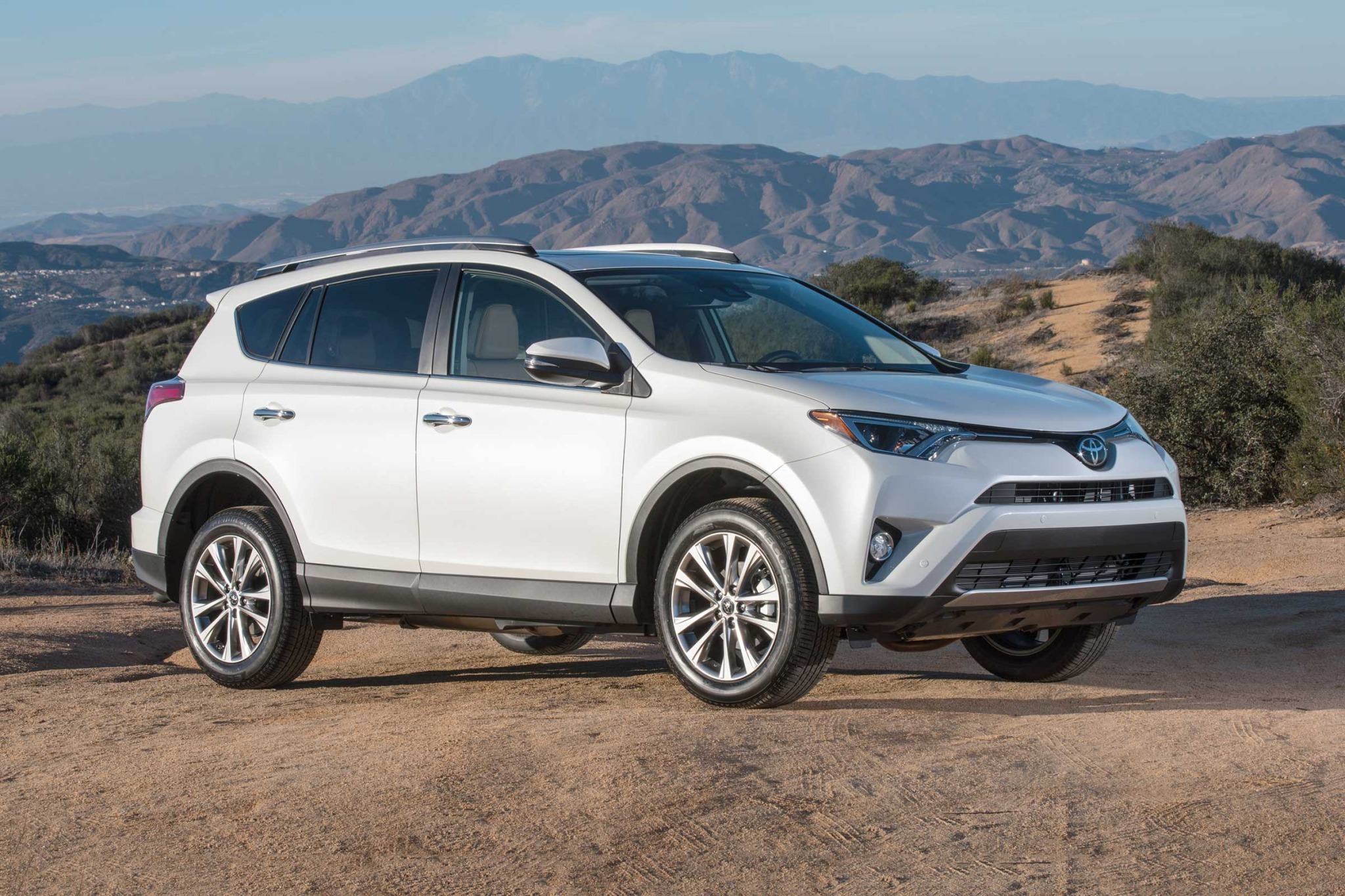
4. Toyota RAV4 (2006-2018)
Compact SUVs remain a popular choice because they combine practical cargo capacity, comfortable interiors, and everyday convenience. The 2006–2018 Toyota RAV4 offers an additional benefit, with replacement brake parts readily available from various suppliers at relatively affordable prices.
Owners can find aftermarket pads, rotors, and calipers through many parts retailers. The availability of complete brake kits makes routine maintenance particularly convenient.
Depending on the package, these kits may include pads and rotors for the front or rear axle. Some manufacturers also offer ceramic pad options for drivers who prefer reduced brake dust and quieter operation.
Although prices vary by model year and trim, standard replacement components for these RAV4 generations are generally affordable.
Owners who compare several suppliers may find suitable brake parts without approaching the $300-per-corner limit. However, premium components and specialized applications can cost more.
Another advantage is the vehicle’s popularity among independent repair shops. Many mechanics are familiar with the RAV4, which can make routine inspections and brake servicing easier to arrange.
Still, the exact labor charge depends on the repair facility and the condition of the existing components. Drivers should pay attention to unusual noises, vibrations, or changes in pedal feel.
These symptoms can indicate worn pads, damaged rotors, or other brake problems. Addressing them early can prevent additional damage and unnecessary expenses. For SUV owners who value practical maintenance costs, the RAV4 is a strong candidate.
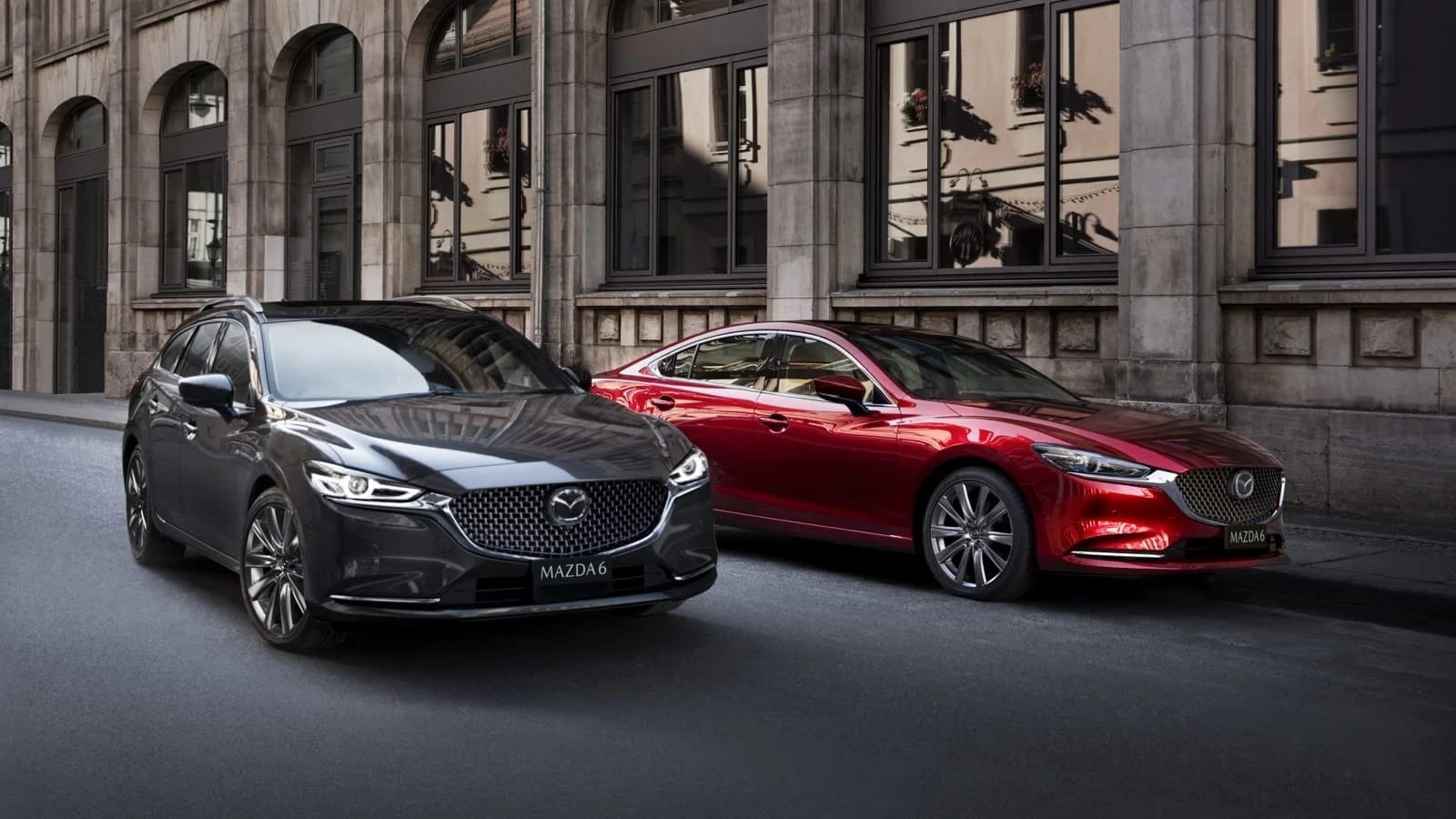
5. Ford Fusion / Mazda 6
The Ford Fusion and Mazda 6 are two midsize sedans that offer comfortable driving experiences without requiring unusually expensive brake components.
Both have access to aftermarket replacement parts, and several suppliers provide compatible brake kits for different model years and configurations.
For owners, this means there are multiple ways to purchase replacement pads and rotors. Some prefer buying individual components, while others choose complete kits that contain the parts needed for one axle.
Detroit Axle is among the suppliers offering brake packages for these vehicles, giving shoppers another option when comparing prices. The actual cost depends on the vehicle’s year, engine, trim, and selected replacement brand.
Standard pads and rotors are generally affordable, while premium ceramic pads or specialized rotors may increase the bill. Even so, many common replacement parts remain comfortably below $300 per corner.
There is also the question of installation. A professional shop may charge separately for labor, inspection, and related services. If the calipers are damaged or seized, additional replacement costs may apply. Owners should request an itemized estimate before agreeing to the work.
One useful approach is to compare the dealership’s quote with prices from reputable independent repair shops. This can help identify reasonable savings without sacrificing part quality.
For drivers who own either sedan, widely available brake components make routine maintenance easier to budget for.
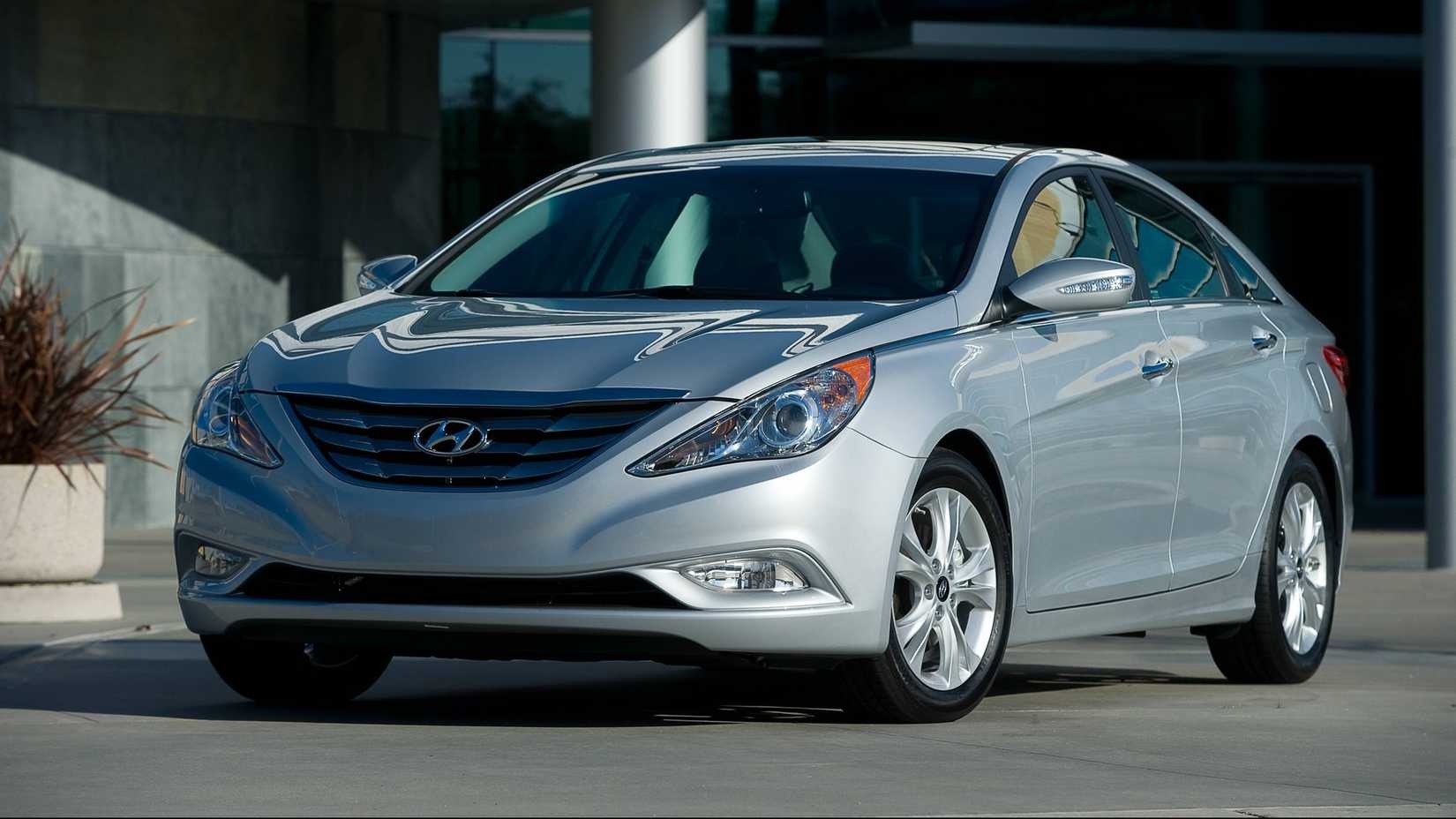
6. Hyundai Sonata (2011-2015)
Keeping brake maintenance affordable is one reason the 2011-2015 Hyundai Sonata deserves attention from budget-conscious drivers. This midsize sedan combines attractive styling, a comfortable interior, and practical features with reasonably priced replacement components.
Since the Sonata was produced in large numbers, aftermarket manufacturers offer plenty of brake parts, making it easier for owners to find suitable replacements without spending a fortune.
Several suppliers offer complete front and rear brake kits for these model years. Depending on the package, owners can purchase brake pads and rotors together rather than sourcing each component separately.
This can make shopping more convenient and help reduce the total parts expense. Standard replacement kits are generally affordable, with many common components costing well below $300 per corner.
Drivers who prefer professional installation should request estimates for both standard and premium replacement parts. Ceramic brake pads, for example, may offer quieter operation and produce less brake dust than some basic alternatives.
However, the right choice depends on driving habits, manufacturer recommendations, and budget. There are also smaller details worth checking during a brake service.
Ask whether the replacement package includes clips, shims, and other necessary hardware. These components help the braking system operate properly and can prevent unwanted noise.
Mechanics should also inspect the calipers, slide pins, and brake fluid condition. Regular inspections can help identify worn pads and damaged rotors before they affect other components.
With widely available replacement kits and competitive pricing, the Sonata remains a practical sedan for drivers who want dependable braking without excessive maintenance expenses.
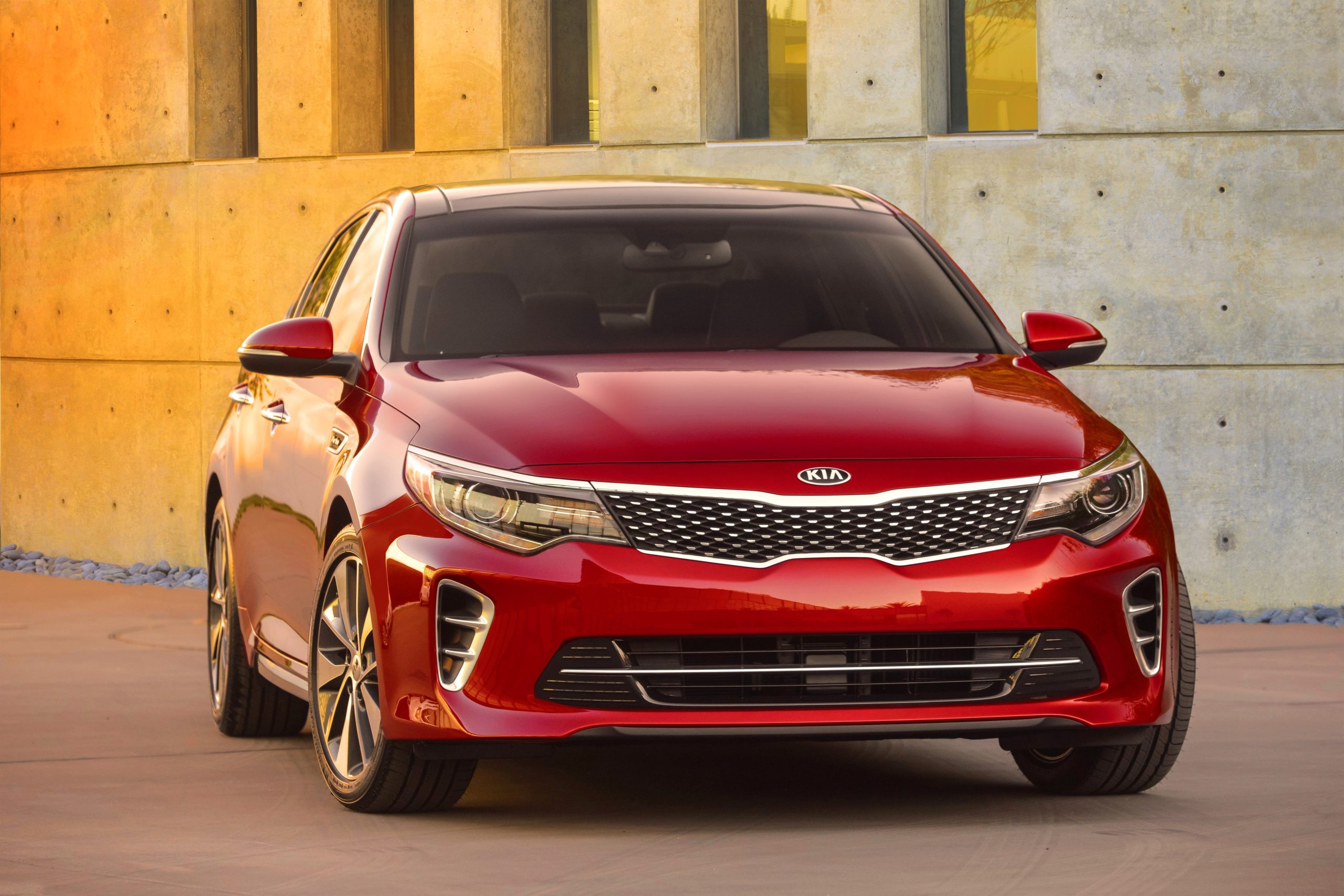
7. Kia Optima (2011-2016)
Sharing certain mechanical components with another popular sedan has its advantages, and the 2011-2016 Kia Optima benefits from its relationship with the Hyundai Sonata.
Both vehicles use several related components, including compatible brake parts for certain model years and configurations.
This gives Optima owners access to a healthy aftermarket supply, helping them find affordable replacement pads, rotors, and other braking components.
Several manufacturers offer brake kits designed for the Optima, including packages containing front or rear pads and rotors. These options make it easier to compare prices and select components that suit your maintenance budget.
Many standard replacement parts cost considerably less than $300 per corner, making routine brake repairs relatively manageable.
However, owners should not assume that every Sonata brake component will automatically fit an Optima. Differences in model years, engine options, and trim levels can affect compatibility.
Checking the vehicle identification number before ordering is a reliable way to identify the correct replacement parts. A reputable parts supplier or mechanic can also confirm the proper fit.
Installation quality matters just as much as the price of the components. During a brake service, ask your mechanic to inspect the caliper slide pins and clean away accumulated dirt or corrosion.
Proper lubrication with approved brake grease helps the calipers move correctly and reduces the risk of uneven pad wear. New pads should also be broken in according to the manufacturer’s instructions.
This helps establish proper contact between the pads and rotors. With affordable replacement kits and sensible maintenance practices, the Kia Optima offers a convenient way to keep brake expenses under control.
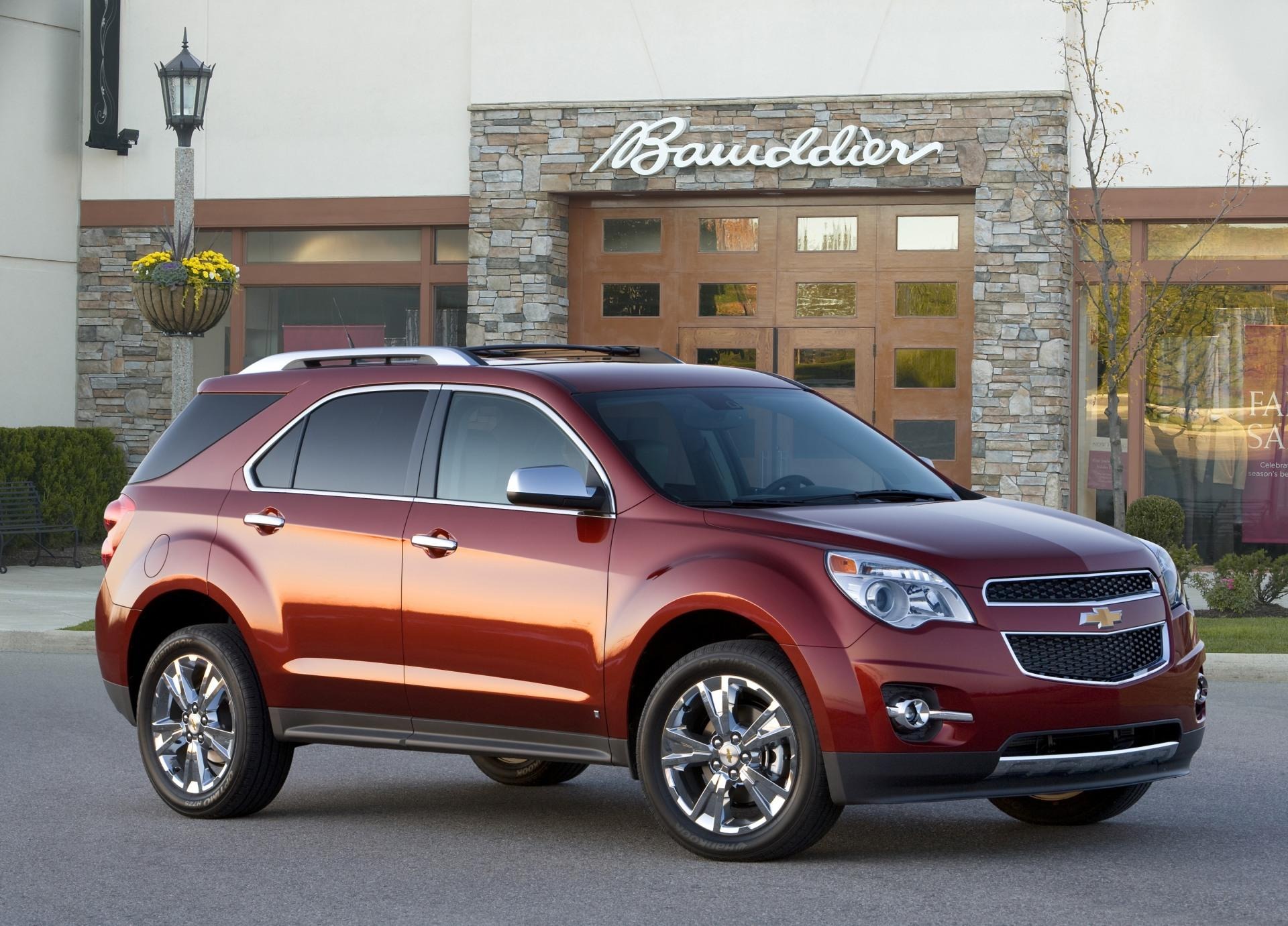
8. Chevrolet Equinox (2010-2017)
Family transportation can come with plenty of maintenance expenses, but the 2010-2017 Chevrolet Equinox makes brake repairs relatively affordable. This compact SUV provides useful passenger space, practical cargo capacity, and everyday comfort.
Its popularity has also encouraged aftermarket manufacturers to produce reasonably priced replacement brake components, giving owners several choices when servicing the vehicle.
Front and rear brake kits are widely available for these model years. Many packages include replacement pads and rotors, allowing owners to purchase the necessary components together.
Standard aftermarket options are generally inexpensive, and many common parts remain comfortably below $300 per corner. Premium ceramic pads and upgraded rotors may cost more, depending on the manufacturer.
Recognizing early brake problems can also help prevent unnecessary expenses. For example, if your Equinox pulls to one side while braking, a sticking caliper or uneven pad wear could be responsible.
A vibrating brake pedal or steering wheel may indicate rotor problems that require inspection. Squealing noises can also point to worn pads or other issues within the braking system.
When arranging a repair, ask your mechanic to inspect both pads and rotors rather than replacing components without checking their condition.
Some rotors may be suitable for resurfacing, while others must be replaced because they have become too thin or damaged. Installing new rotors with fresh pads may be the better option when the existing surfaces are in poor condition.
Keep copies of your maintenance receipts and follow the recommended inspection schedule. With accessible replacement kits and competitive parts pricing, the Equinox remains a sensible choice for households seeking affordable vehicle maintenance.
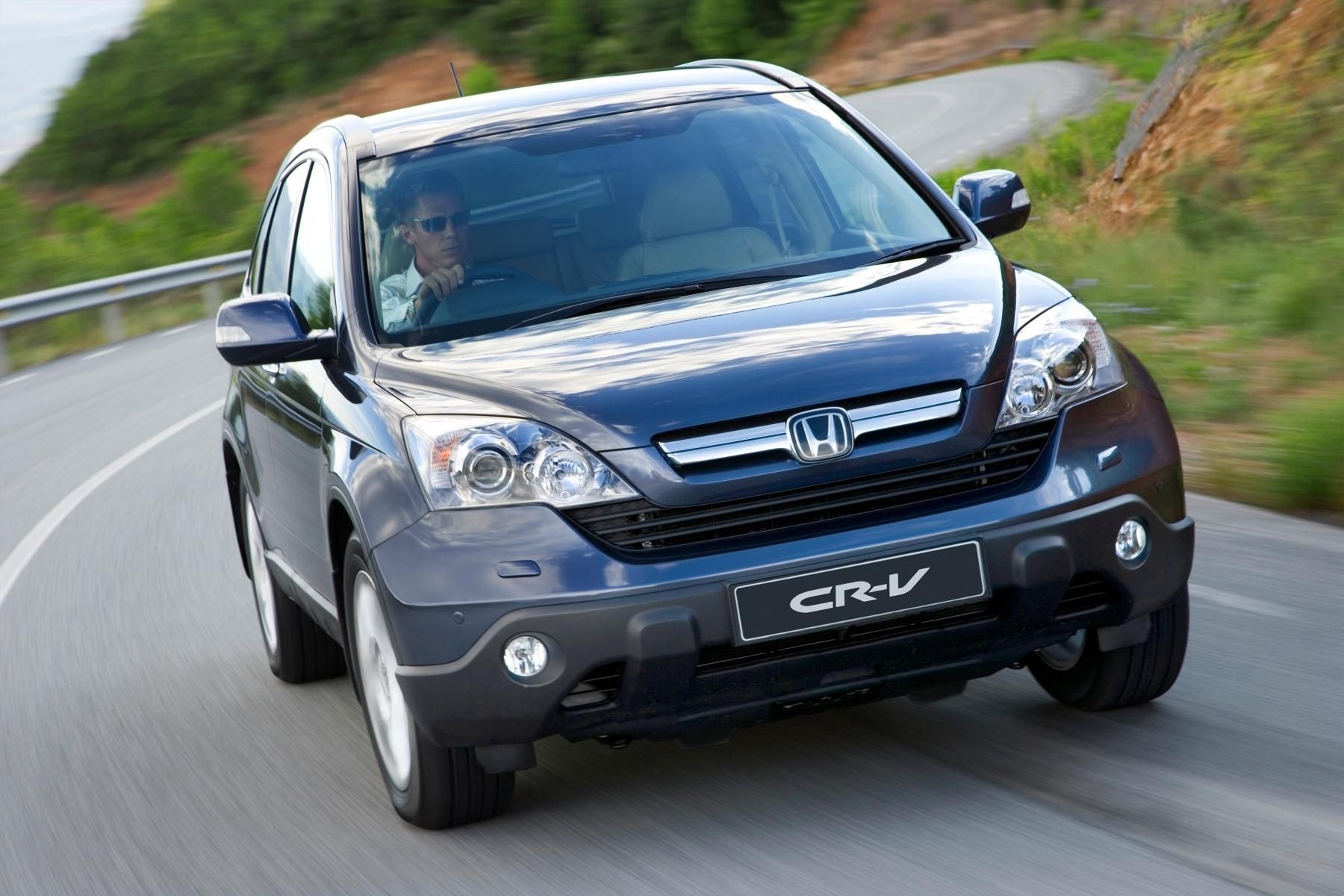
9. Honda CR-V (2005-2006, 2007-2011)
The Honda CR-V has remained a popular choice among drivers who want the practicality of an SUV without the running expenses associated with larger vehicles.
Earlier models, including the 2005-2006 and 2007-2011 generations, benefit from a healthy supply of aftermarket brake components. This makes routine repairs easier to arrange and budget for.
Replacement pads and rotors are available from several manufacturers, including suppliers that offer complete brake kits. These packages can contain the front or rear components needed for an axle replacement.
Owners can also purchase individual parts when only certain components require attention. Prices depend on the exact model year, trim, and selected manufacturer.
Standard aftermarket brake parts are generally affordable, allowing many repairs to remain below $300 per corner. More expensive ceramic pads or upgraded rotors may increase the cost, but budget-friendly alternatives are still widely available.
The CR-V’s popularity also means many independent mechanics have experience servicing its braking system. This can make it easier to compare installation estimates and find a repair shop offering reasonable labor rates.
Before approving the work, confirm that the replacement parts are compatible with your specific vehicle. Regular brake inspections are especially useful for older CR-V models.
Worn pads, damaged rotors, and aging brake hardware can affect stopping performance if ignored. Replacing components when needed helps maintain safe operation and can prevent additional repair expenses.
For owners who value practical maintenance, the CR-V offers an appealing combination of utility and affordable brake parts.
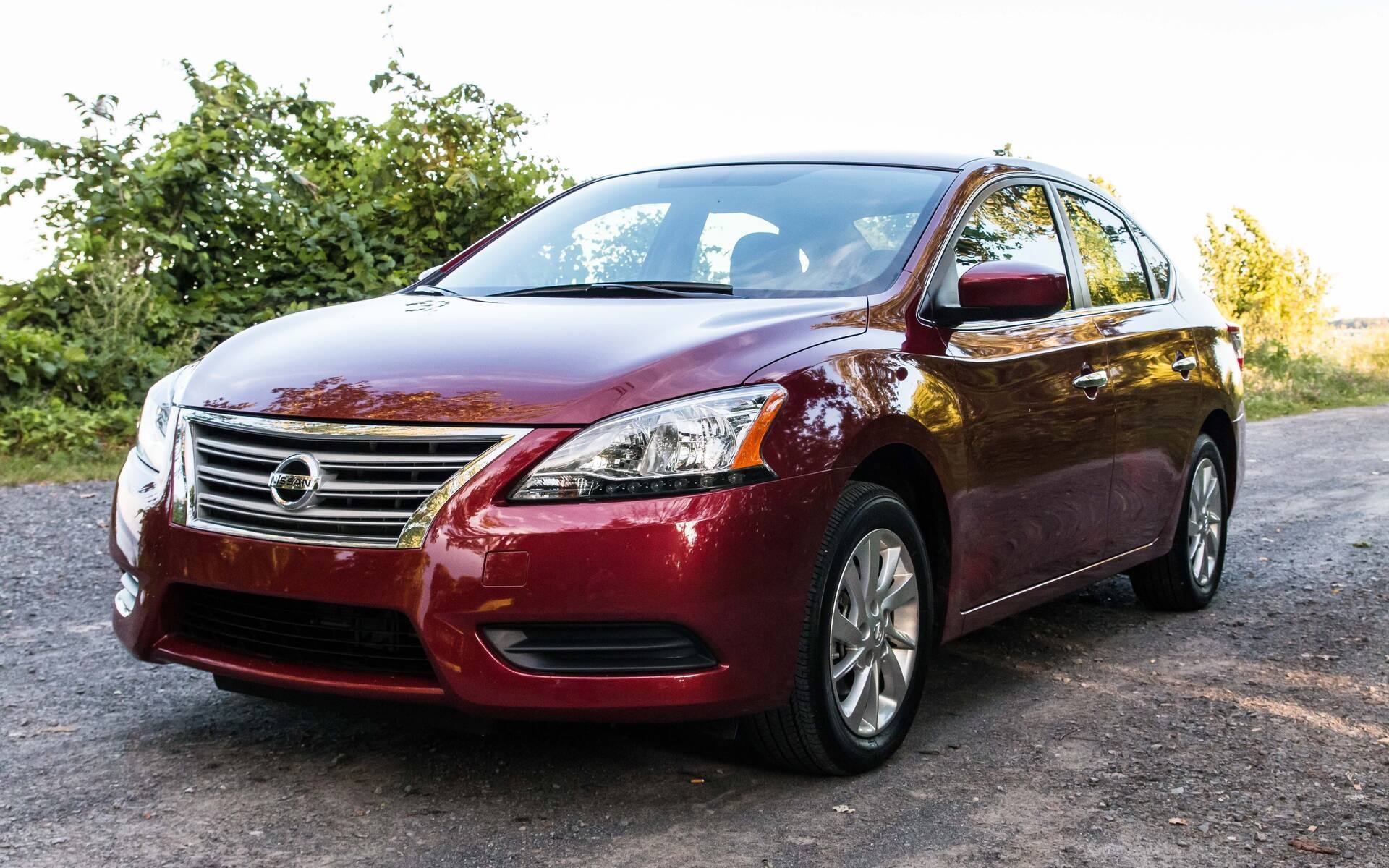
10. Nissan Sentra (2013-2019)
Affordable transportation is one of the main reasons drivers choose the Nissan Sentra, and its brake maintenance costs support that appeal.
Models from 2013 to 2019 have access to a broad selection of aftermarket replacement parts, including brake pads, rotors, and calipers. This makes it possible to compare different brands and find products that suit your budget.
Several suppliers offer brake kits for these Sentra model years. TRQ and Detroit Axle are among the brands with replacement options, including packages containing pads and rotors. Complete kits can make shopping easier, particularly when both sides of an axle need attention.
The cost depends on the quality of the parts, the exact vehicle configuration, and the retailer. Standard replacement components are generally affordable, while premium ceramic pads and upgraded rotors may carry higher prices.
Many common parts remain well below $300 per corner, making the Sentra a practical option for drivers concerned about repair expenses.
Installation costs should also be included when planning a brake repair. A professional mechanic may charge for labor, inspection, and additional hardware if needed. Comparing estimates from different repair shops can help you avoid paying more than necessary.
Before purchasing anything, verify compatibility using your vehicle identification number or exact model details. Proper fit is essential because incorrect brake components can affect vehicle safety.
With widely available replacement kits and competitive aftermarket pricing, the 2013-2019 Sentra is a sensible choice for drivers seeking manageable brake maintenance costs.