
Renewing your car registration is a routine responsibility, but the amount you pay may increase next year for several reasons. Changes in government fees, vehicle taxes, insurance requirements, environmental policies, and administrative charges can affect the final bill.
Many drivers only notice these changes when their renewal notice arrives, making it difficult to understand why the cost has gone up. Knowing what influences registration expenses can help you prepare your budget, avoid unexpected charges, and make informed decisions about vehicle ownership.
Here are ten important reasons your car registration renewal may cost more next year.

1. Government Registration Fees May Increase
Government registration fees are among the most direct factors that can influence how much drivers pay when renewing their vehicle documents.
These charges are generally established by the relevant transport authority and may be revised to account for administrative expenses, infrastructure development, and changing government policies.
When authorities announce higher registration or renewal fees, vehicle owners may notice an increase in their annual expenses. Even a relatively small adjustment can become noticeable when combined with other charges included in the renewal process.
A fee increase does not necessarily mean that your vehicle has become more expensive to register because of its condition. In many cases, the change applies to a wider category of vehicles or affects all motorists within a particular jurisdiction.
Government departments periodically review their fee structures to ensure that the money collected supports the services they provide. These services can include maintaining registration databases, issuing updated documents, processing applications, and managing vehicle ownership records.
The amount charged may also depend on the type of vehicle you own. Passenger cars, commercial vehicles, motorcycles, and specialised vehicles can fall under different fee categories. Some authorities use vehicle weight, engine capacity, age, or intended use to determine the applicable charges.
Consequently, a fee adjustment may affect certain vehicle owners more significantly than others. Checking the official fee schedule before your renewal date can help you understand which category applies to your vehicle.
Another important consideration is the difference between an initial registration fee and a renewal charge. These amounts are not always identical. Some jurisdictions charge a separate annual renewal amount, while others collect several registration-related fees together.
When a government changes its pricing structure, the increase may appear under a different description on your payment receipt. Reading the breakdown carefully can help you identify whether the additional amount comes from a higher registration fee or a newly introduced administrative charge.
Drivers should avoid assuming that every increase is universal. Registration rules and charges vary by country, state, and local transport authority. A fee adjustment introduced in one region may not apply elsewhere.
Before paying, visit the official transport department website or contact the relevant registration office to confirm the latest charges. Keeping track of official announcements can also help you prepare for changes before your renewal notice arrives.

2. Higher Vehicle Taxes Can Increase Renewal Expenses
Vehicle taxes can represent a considerable portion of the total amount associated with keeping a car legally registered. Depending on local regulations, drivers may need to pay road taxes, annual vehicle taxes, or other government levies during the registration renewal process.
If these taxes increase next year, your total renewal expenses may rise even when the basic registration fee remains unchanged. This is why it is important to distinguish between registration charges and the taxes collected alongside them.
Governments generally use vehicle taxation to generate revenue for public services and transportation infrastructure. The collected money may contribute to road construction, highway maintenance, traffic management, and other transportation-related projects.
Tax structures can change when authorities revise their budgets, introduce new policies, or adjust rates to reflect economic conditions. These decisions can influence how much vehicle owners pay when completing their annual registration obligations.
The type of vehicle you drive may also determine your tax liability. Some regions calculate vehicle taxes using engine displacement, fuel type, vehicle weight, purchase value, or carbon emissions. A larger engine or heavier vehicle may attract higher charges under certain taxation systems.
Similarly, special tax rules may apply to commercial vehicles or vehicles used for business purposes. Understanding the calculation method is useful because it explains why two drivers may receive different renewal bills.
In some jurisdictions, tax increases are connected to changes in vehicle valuation. Authorities may use the original purchase price, estimated market value, or an established taxable value to calculate certain charges. Where these systems apply, changes in valuation rules can influence the amount owed.
However, not every jurisdiction reassesses vehicles annually, so drivers should check their local regulations rather than assume that their car’s market value automatically affects renewal costs.
Planning for vehicle taxes becomes easier when you review previous payment receipts and compare them with current government schedules. If the tax amount has increased, look for an official explanation of the revised rate.
You should also check whether your vehicle qualifies for any exemptions, reduced rates, or special categories. Understanding these details before the renewal deadline can help prevent financial surprises and make your annual vehicle budget more predictable.

3. Your Vehicle’s Age May Affect the Renewal Cost
The age of your car can influence registration expenses in regions where authorities apply different rules to older vehicles. Some transport departments introduce additional inspections, environmental charges, or special renewal requirements as vehicles become older.
These measures are generally intended to improve road safety, reduce pollution, and ensure that vehicles remain suitable for public roads. As a result, owners of older cars may face expenses that are not applicable to newer vehicles.
In certain jurisdictions, vehicle owners must complete periodic fitness or roadworthiness inspections after their cars reach a specified age. These inspections help authorities assess whether essential components remain safe and functional.
Depending on the local system, drivers may need to pay testing fees, inspection charges, or administrative costs before their registration can be renewed. If inspection requirements become stricter next year, the total amount payable may increase.
Age-related registration rules can also affect how long a vehicle’s registration remains valid. Some countries or states provide longer registration periods for new vehicles, followed by shorter renewal intervals as the vehicle gets older.
This arrangement may require older car owners to complete renewal procedures more frequently. More frequent applications can increase the amount spent on administrative services, inspections, and related documentation over time.
Older vehicles may also face additional environmental requirements. Authorities concerned about air quality sometimes introduce restrictions or special charges for vehicles that do not meet newer emission standards.
Such policies can affect the cost of keeping older petrol or diesel cars on the road. The exact requirements depend on local environmental legislation, so vehicle owners should confirm whether any age-based restrictions or testing obligations apply to their area.
4. Environmental Regulations May Bring Additional Charges
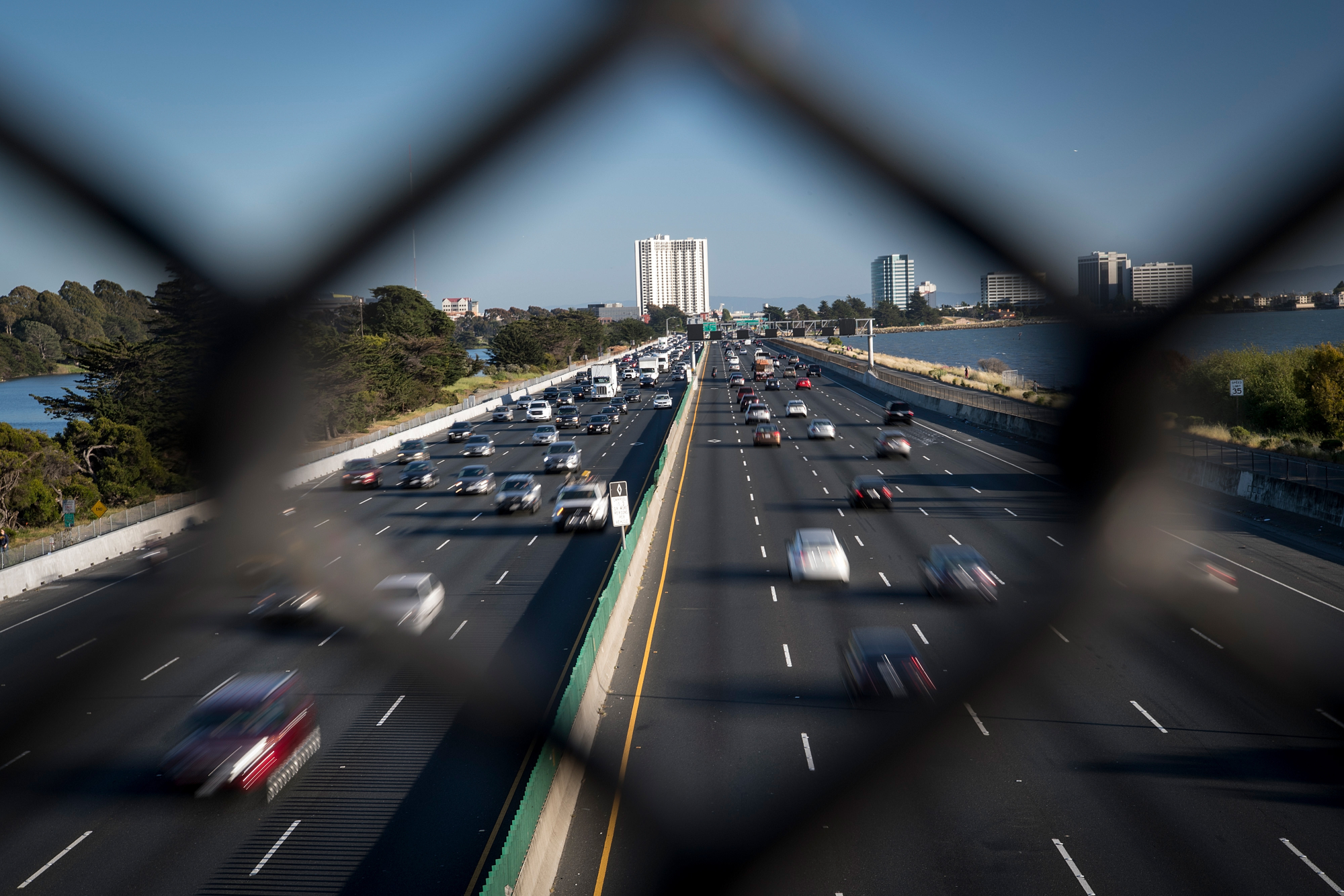
Environmental regulations are becoming an increasingly important part of vehicle ownership. Governments in several regions are introducing policies designed to reduce air pollution, encourage cleaner transportation, and improve urban air quality.
These policies can influence vehicle registration costs through environmental fees, emissions testing requirements, and additional taxes on certain types of vehicles. If new regulations take effect next year, some drivers may find that renewing their registration costs more than it did previously.
Petrol and diesel vehicles can be affected differently depending on the environmental standards established by local authorities. Older vehicles that produce higher emissions may face additional inspections or restrictions.
In some areas, vehicles that fail to meet prescribed emission standards may need repairs before their registration can be renewed. The cost of testing, documentation, and necessary maintenance can increase the total amount spent during the renewal process.
Some governments also use vehicle taxation to encourage motorists to choose cleaner alternatives. Cars with higher carbon dioxide emissions may attract increased taxes or additional charges under certain systems.
Meanwhile, electric and hybrid vehicles may receive reduced registration fees or other financial incentives. These benefits are not guaranteed everywhere, and some regions are gradually changing their policies as electric vehicle ownership becomes more common.
Environmental policies can also influence registration expenses through local congestion or pollution-control programmes. Certain cities have introduced charges or restrictions for vehicles entering designated low-emission areas.
These programmes are generally separate from standard registration fees, but they can increase the total cost of operating a vehicle. Drivers who regularly travel through regulated urban areas should understand the requirements that apply to their vehicles.

5. Insurance Requirements Can Affect Your Total Renewal Bill
Insurance is another important expense that can influence the amount drivers spend when renewing their vehicle registration. In many jurisdictions, valid motor insurance is a legal requirement for operating a car on public roads.
Some registration authorities require proof of active insurance before processing a renewal application. When insurance premiums increase, the total amount needed to keep a vehicle legally registered and roadworthy can rise as well.
Insurance companies consider several factors when calculating premiums. These may include the vehicle’s make and model, age, repair costs, location, annual mileage, and the driver’s claims history.
Cars with expensive replacement parts or higher repair costs may attract more expensive insurance coverage. If insurers revise their pricing because of increasing repair expenses, inflation, or changes in claims patterns, motorists may notice higher renewal costs even without any changes to their driving habits.
The type of insurance coverage selected also matters. Basic third-party coverage generally costs less than comprehensive protection because it offers a different level of financial protection.
Comprehensive policies may cover damage to your own vehicle, theft, and certain other risks, subject to the policy terms and exclusions. Drivers who choose broader coverage may therefore pay more when their insurance policy comes up for renewal.

6. Vehicle Inspections and Safety Testing May Become More Expensive
Vehicle inspections are designed to ensure that cars meet the safety and technical standards required for public roads. Depending on local regulations, drivers may need to complete an inspection before renewing their registration.
These checks can include examinations of braking systems, tyres, steering components, lights, suspension, and other essential features. If inspection charges increase next year, motorists who must complete these tests could face higher renewal-related expenses.
Inspection centres have operating costs that can change over time. Equipment maintenance, employee wages, electricity, facility expenses, and administrative requirements all contribute to the cost of providing vehicle testing services.
When these expenses rise, inspection providers or government authorities may revise their fees. Drivers may consequently pay more for the same inspection service, even when the actual testing procedure remains largely unchanged.
Some vehicles require more extensive testing than others. Commercial vehicles, older cars, modified vehicles, and vehicles with particular mechanical characteristics may be subject to additional checks. These requirements vary according to local transport legislation.
A standard passenger car may only need a basic roadworthiness assessment, while a vehicle in a different category could require more detailed testing and supporting documentation.

7. Administrative and Processing Charges May Rise
Administrative charges are often included in the total cost of vehicle registration, but many drivers overlook them when calculating their annual expenses.
These fees can cover document processing, record maintenance, application verification, registration certificate updates, and other services provided by transport authorities. If administrative charges increase next year, your renewal bill may become more expensive even when the main registration fee remains unchanged.
Government departments periodically update their administrative systems to improve efficiency and manage increasing workloads. These improvements can involve new software, upgraded databases, digital document management, and enhanced verification procedures.
Although modern systems may make registration services more convenient, implementing and maintaining them requires financial resources. Some authorities recover part of these costs through service charges collected from vehicle owners.
The method used to submit a renewal application can also influence the final amount. Certain jurisdictions offer online registration services alongside traditional in-person applications.
Online services may have different processing fees, payment charges, or convenience costs compared with applications submitted at physical offices. The availability of discounts or lower digital processing fees depends entirely on local government policy.
Additional documentation can create further administrative expenses. Drivers who need replacement registration certificates, corrected ownership records, updated addresses, or duplicate documents may be required to pay separate charges.
Errors in vehicle information can also delay an application and require additional verification. Reviewing your registration details before submitting the renewal request can help prevent avoidable corrections and related expenses.

8. Changes in Vehicle Categories and Classification Rules
Vehicle classification rules can have a direct effect on registration expenses. Transport authorities often divide vehicles into categories based on their weight, dimensions, engine capacity, intended use, or seating capacity.
Each category may have its own registration fees and taxation requirements. If authorities revise these classifications next year, some vehicles could move into a different fee bracket, resulting in higher renewal expenses for their owners.
For example, a large SUV may fall under a different taxation category from a small passenger hatchback in certain jurisdictions. Similarly, commercial vehicles may have separate registration requirements because they are used for business activities or carry goods and passengers.
These differences are important because registration costs are not necessarily calculated using the same formula for every vehicle. A change in classification can therefore affect the amount payable at renewal.
Vehicle modifications can also create registration complications. Changes to engine specifications, vehicle dimensions, seating arrangements, or other important features may require approval from the relevant transport authority.
If modifications affect the official classification of the vehicle, the owner might need to update registration records and pay applicable charges. Unapproved modifications can create additional compliance problems, making it important to follow the rules before changing a vehicle’s original specifications.
Authorities may also update classification systems to accommodate newer vehicle technologies. Electric cars, plug-in hybrids, alternative-fuel vehicles, and specialised transport vehicles sometimes receive separate treatment under registration regulations.
As these technologies become more common, governments may revise the categories used to calculate taxes and fees. The resulting changes can benefit certain vehicle owners while increasing costs for others, depending on the policies introduced.
9. Inflation and Rising Operating Costs Can Influence Registration Fees
Inflation affects many aspects of daily life, including the expenses associated with owning and maintaining a vehicle. When the prices of goods and services increase, government departments and registration service providers may face higher operating costs.
These expenses can include employee salaries, office maintenance, technology services, printing, security, and equipment replacement. If authorities adjust their fee structures to account for these increases, motorists may pay more when renewing their registration next year.
The impact of inflation is not always immediately visible. A registration charge may remain unchanged for several years before authorities decide to revise it.
During that period, the cost of providing administrative services may gradually increase. Eventually, a government department might introduce an updated fee schedule to cover its expenses. This can result in a noticeable increase for drivers who have become accustomed to paying the previous amount.
Inflation can also affect private services associated with vehicle registration. Depending on local procedures, motorists may use authorised inspection centres, document processing agencies, or other approved service providers.
These businesses must manage their own operating expenses, including wages, rent, utilities, and equipment costs. When these expenses rise, service prices may also increase, adding to the total amount drivers spend on renewal-related activities.
Rising repair and replacement costs can create an indirect financial impact as well. If vehicle parts, labour, and servicing become more expensive, owners may need to spend more money preparing their cars for mandatory inspections.
A worn tyre or faulty braking component that previously required a relatively affordable repair could become more expensive to replace. Such costs are separate from government registration fees, but they still affect the total renewal budget.

10. Late Renewal Penalties and Changes in Payment Rules
Late renewal penalties are another reason your vehicle registration expenses may increase. Transport authorities generally establish specific deadlines by which vehicle owners must renew their registration. Missing these deadlines can result in additional charges, depending on local laws.
Some jurisdictions apply fixed late fees, while others calculate penalties according to how long the registration has remained expired. These extra costs can make an otherwise straightforward renewal considerably more expensive.
Payment rules may also change when government departments introduce updated registration procedures. Authorities could revise accepted payment methods, introduce additional verification requirements, or modify the process for submitting renewal applications.
Some changes may involve transaction fees or separate service charges. Drivers who are unfamiliar with the updated procedures might accidentally select a more expensive payment option or pay additional fees for services they do not need.
Another important issue is the timing of the renewal application. Certain registration systems allow motorists to submit applications before the expiration date, while others establish specific renewal windows.
Waiting until the final day can create problems if the payment portal experiences technical difficulties, required documents are missing, or an inspection has not been completed. Delays can result in missed deadlines and additional financial obligations.
Drivers should also be careful when using third-party websites or unofficial agents to complete registration payments. Some service providers may charge convenience fees for handling applications.
In addition, fraudulent websites can imitate official government portals and request unnecessary personal or payment information. Using the authorised transport department website or an approved service centre can reduce the risk of financial losses and processing complications.