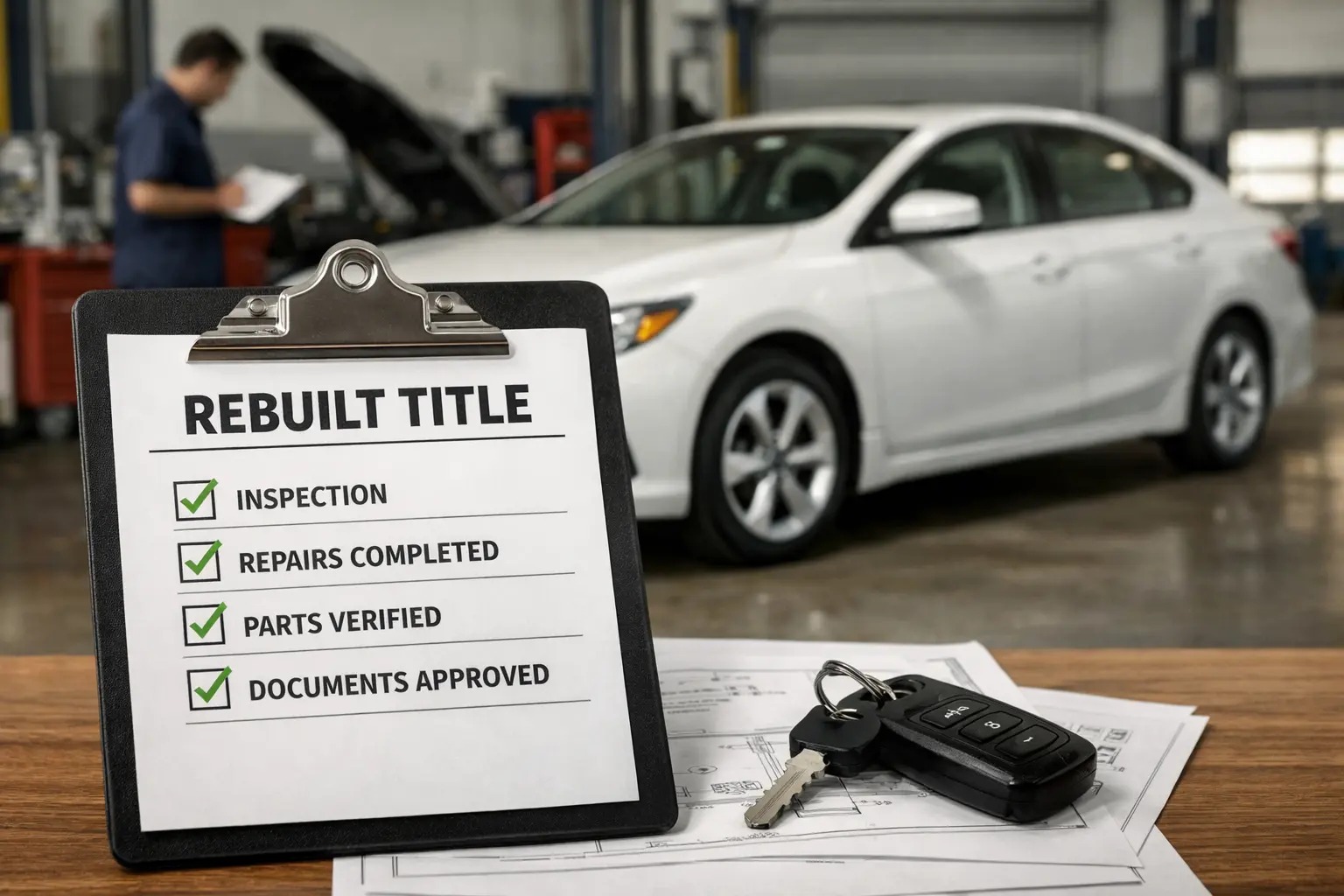
A rebuilt title can let a damaged vehicle return to public roads, but getting that title approved isn’t always easy. Each state has its own requirements for inspections, repair records, vehicle identification numbers, emissions testing, and ownership documents. Some states make the process particularly demanding, requiring several checks before a previously salvaged vehicle can be registered and driven legally.
For anyone considering a rebuilt vehicle, understanding these rules before purchasing one can prevent unexpected expenses, lengthy delays, and registration problems. California, Hawaii, New York, Colorado, and several other states have demanding procedures that deserve attention. Here are 10 states with some of the toughest rebuilt title requirements in the United States and what motorists should know before starting the process.
1. California
California has some of the most demanding vehicle title requirements in the United States, particularly for cars that have previously received salvage designations.
Anyone planning to rebuild a damaged vehicle must be prepared for inspections, emissions requirements, and detailed paperwork before obtaining a roadworthy registration.
One major concern is California’s emissions program. Depending on the vehicle’s age, model, and location, a smog certification may be necessary before registration can proceed.
This means repairing visible damage is not enough. The vehicle must also meet applicable emissions standards.
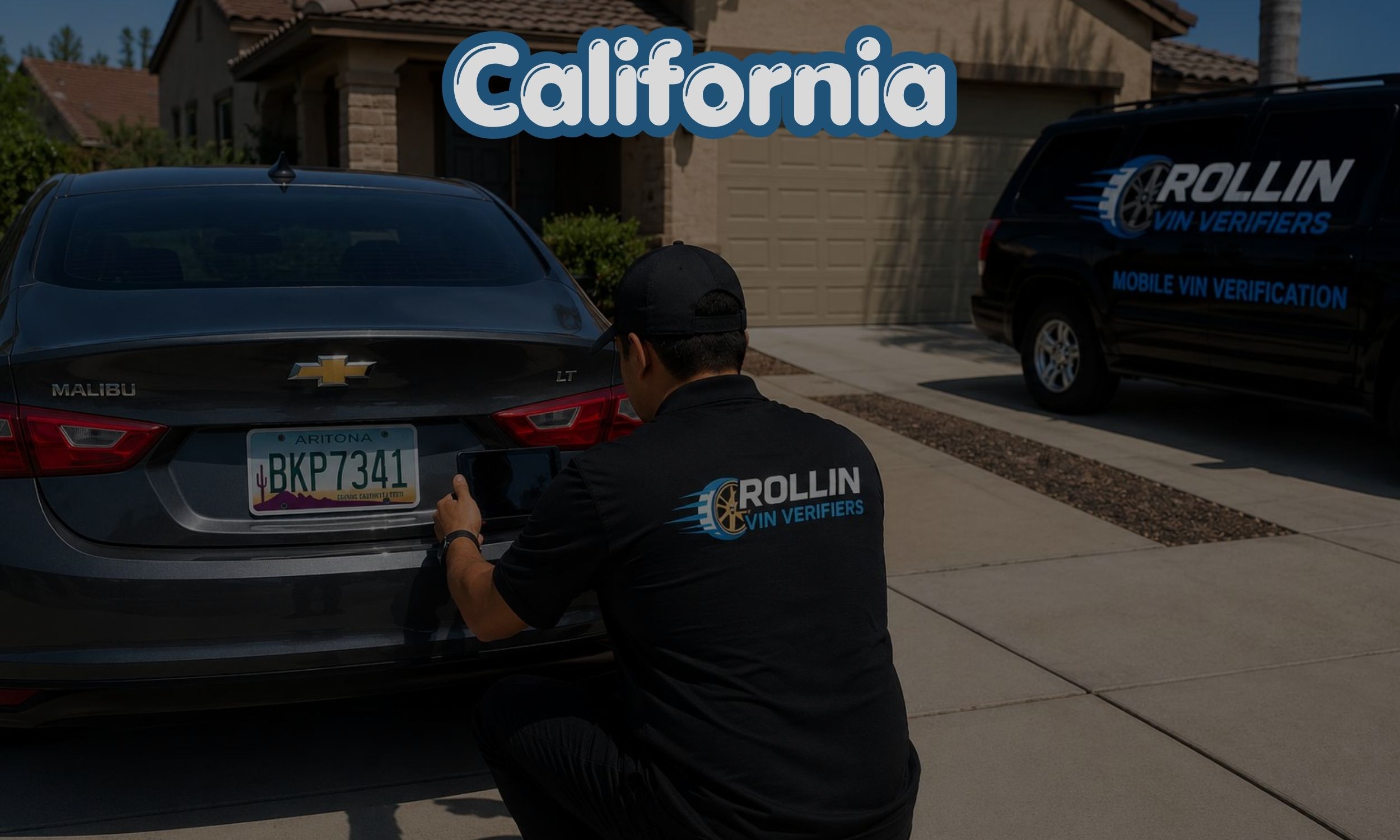
VIN verification is another important part of the process. Authorities need to confirm that the vehicle’s identification number matches its ownership and title records. This helps prevent stolen vehicles and improperly documented parts from entering the registration system.
Paperwork can also take considerable effort. Owners may need salvage documentation, repair receipts, ownership records, and supporting information about replacement components. Missing documents can delay approval and require additional visits to the appropriate agencies.
For motorists, California’s requirements mean planning ahead is essential. Before spending money on a salvage vehicle, check its title history, determine whether it can meet emissions standards, and identify every document needed for the rebuilt title application.
A vehicle that appears affordable at first may require considerable additional spending before it becomes legally roadworthy.
2. Hawaii
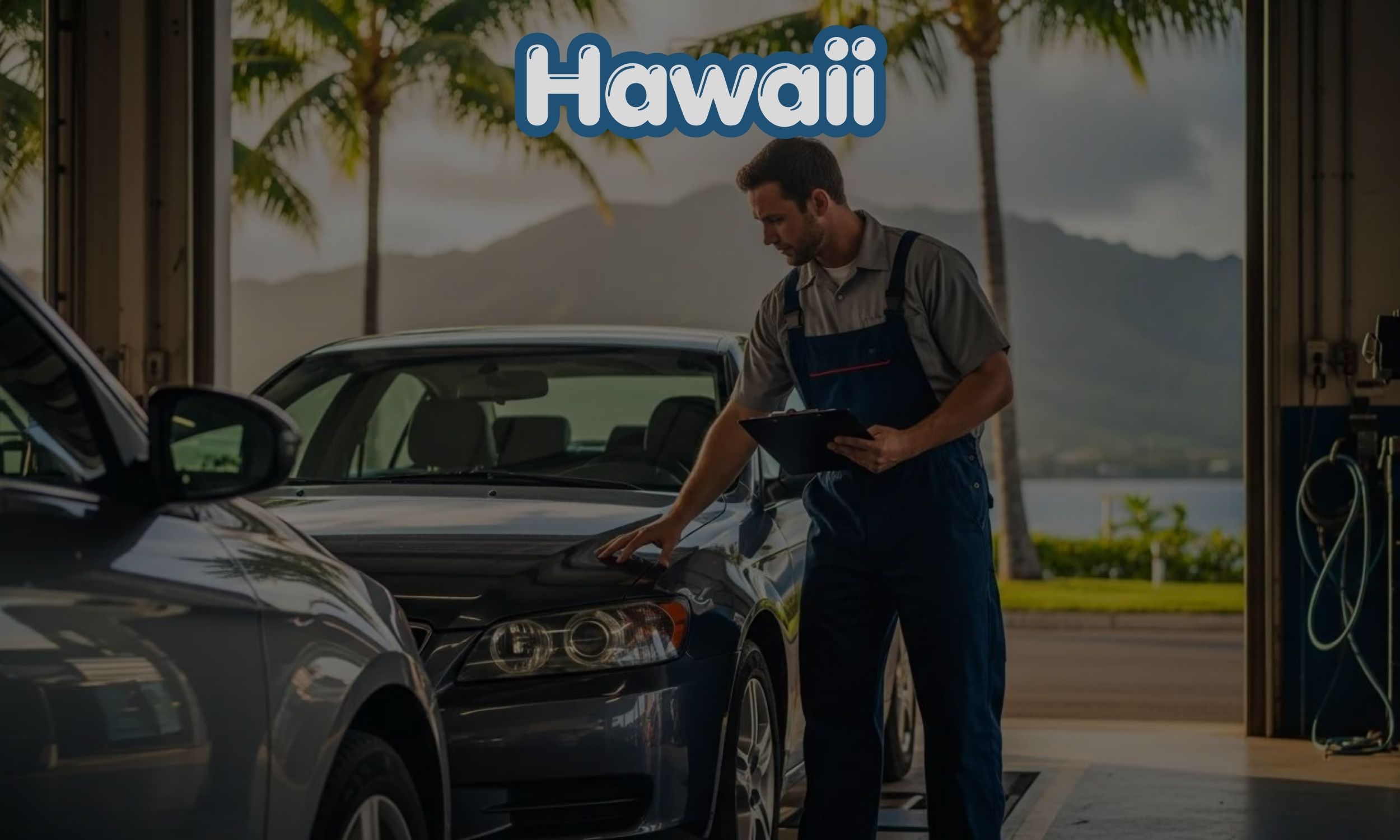
Island living brings island rules. Hawaii requires county-level safety inspections, and these must be completed in the state. That sounds simple until you consider shipping.
If you buy a damaged car on the mainland, moving it across the ocean takes time and money, and delays can stack up quickly. Rebuilt vehicles face the same inspection hurdles as any other, so there is no shortcut.
Planning becomes everything. Before buying a salvage vehicle, estimate the shipping cost, the repair costs, and the fees for inspection and registration. Then add a safety margin, because island logistics rarely run exactly on schedule.
Also check what your county office expects, since procedures can differ from one place to another. Call ahead and ask which documents to bring, how long appointments take, and what happens if the car fails the first time.
If you plan to repair the vehicle locally, find a shop you trust and ask them about experience with rebuilt inspections. Keep every invoice and photo in a folder, and make copies. Hawaii rewards people who prepare carefully and punishes those who improvise.
A rebuilt car can still be registered successfully, but only after the right steps happen in the right order. Go slowly, double-check everything, and the islands will welcome your ride.
3. New York
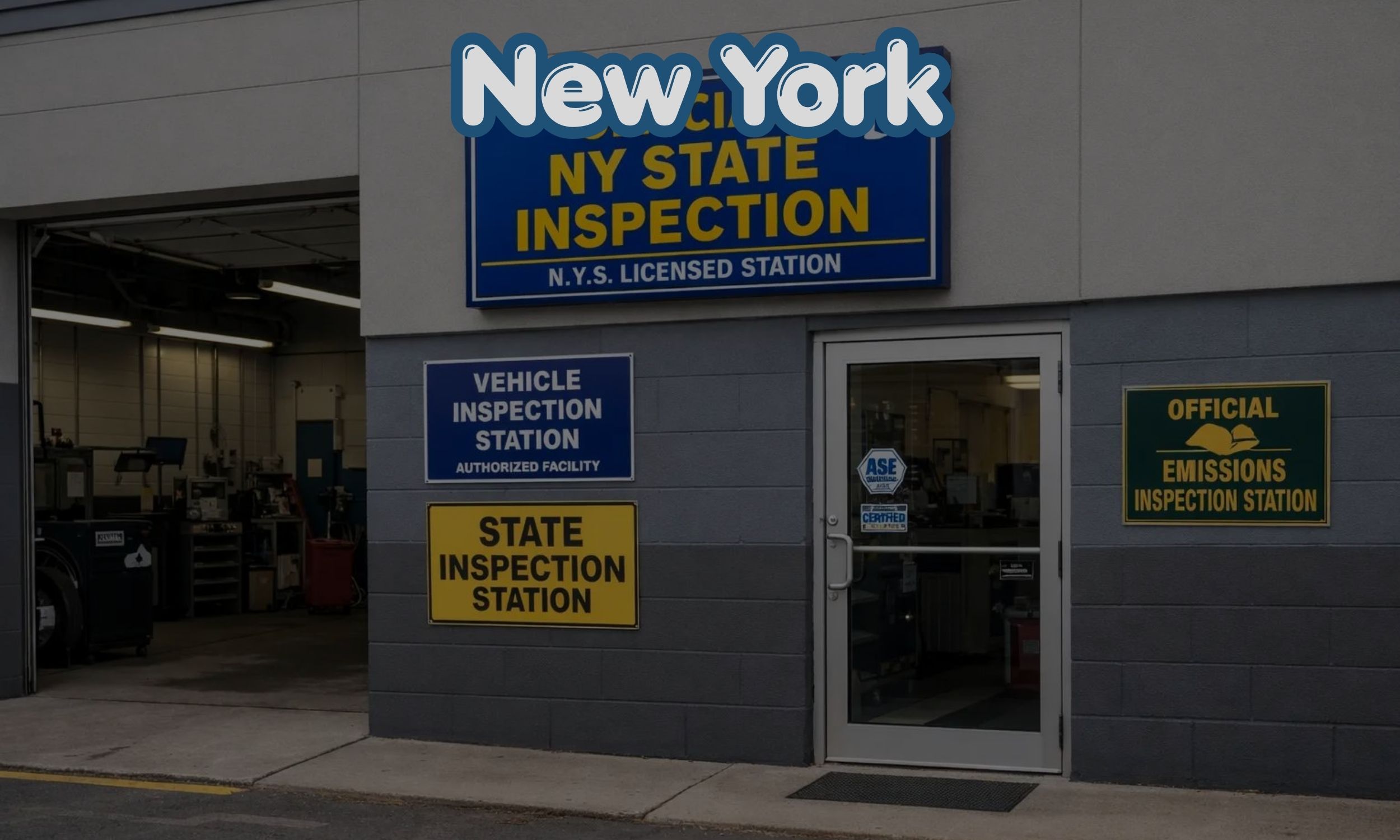
Expect paperwork, and plenty of it. New York is known for stringent documentation, emissions inspections, and DMV timelines that can feel unpredictable.
A rebuilt title requires detailed proof of repairs and parts, which means you need to track every purchase from the first day of the project. Imagine finishing the repair work, only to be sent home because a receipt is missing.
That kind of delay is common. To avoid it, create a simple system. Label folders for parts receipts, labor invoices, photographs, and official forms. Record the source of each major component, especially anything used, and make sure sellers provide clear documentation.
Then double-check the forms for errors, since mistakes can cause rejections and restarts. Emissions inspections add another layer, so confirm that your vehicle meets requirements before you head to the test station.
Many applicants find that early planning cuts stress dramatically. Reach out to your local DMV office or check official guidance for the latest instructions, because procedures can change.
Allow extra time in your schedule, especially if you need the car for work. The process rewards the organized and punishes the rushed. Treat each document like an important piece of the vehicle itself, and the title process becomes far less intimidating.
4. Colorado
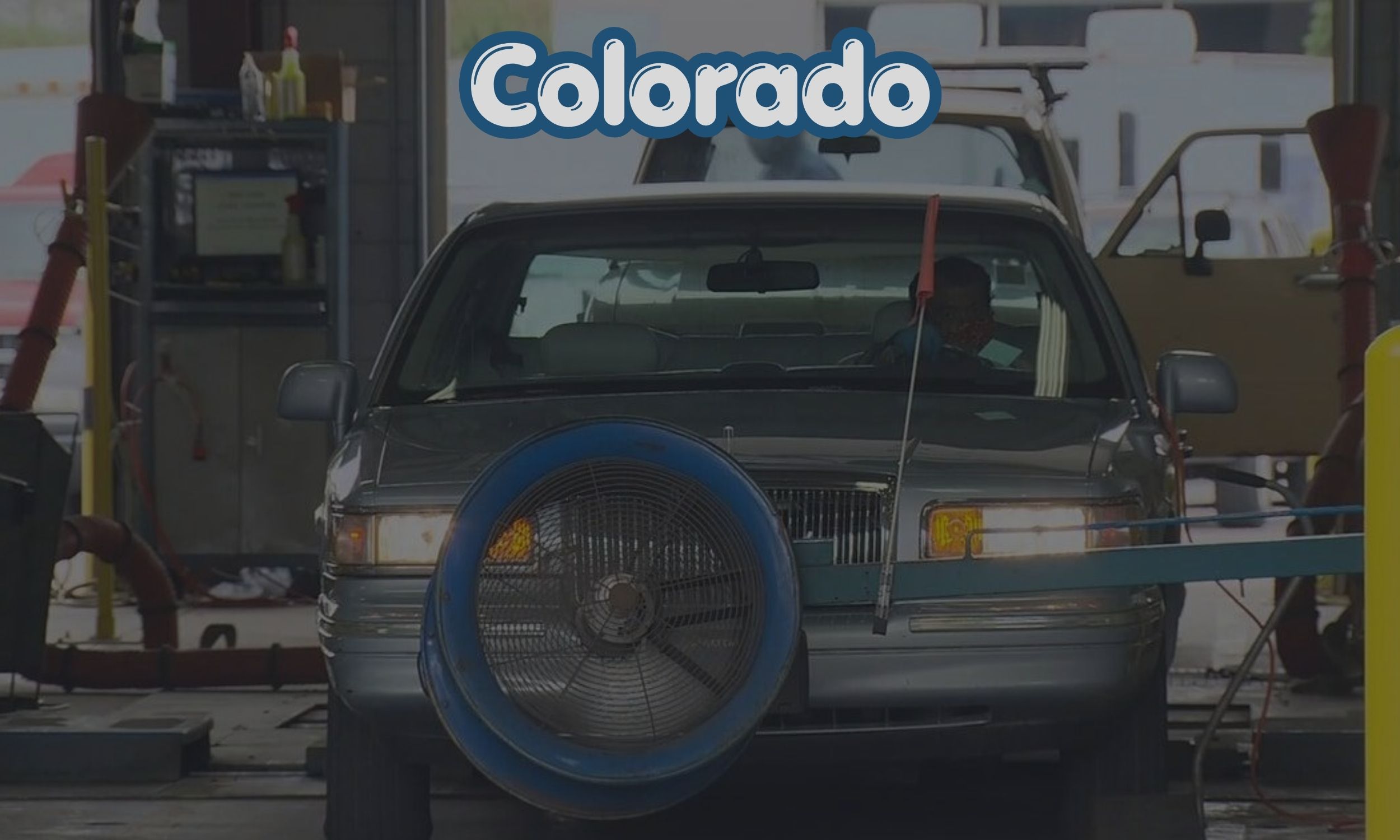
Counties call the shots when it comes to rebuilt title requirements in Colorado. The state uses county-based regulations, emissions testing in certain Front Range counties, and strict procedures for handling liens and temporary permits.
These requirements can make the title approval process more demanding, especially for motorists unfamiliar with local vehicle regulations.
The experience may differ depending on where you live, so someone registering a rebuilt vehicle in Denver could face different requirements from someone living in a rural county.
Before starting the process, identify the county office responsible for handling your paperwork and ask about its specific requirements. If your vehicle will be registered in a Front Range county, check whether emissions testing applies and determine which standards your car must satisfy.
Liens also deserve careful attention. If the vehicle still has an outstanding loan or an unresolved lien, the title application may experience delays. Make sure the necessary lien-release documents are available before spending money on repairs.
Temporary permits require equal attention because they usually have restrictions and expiration dates. If you need one to transport your vehicle to an inspection facility, confirm its validity period and permitted use.
Keep track of important deadlines to avoid driving with an expired permit. It is also wise to maintain digital and printed copies of repair invoices, ownership records, inspection results, and other supporting documents.
Colorado’s requirements reward motorists who prepare early, ask questions, and verify information with the appropriate authorities. Taking these precautions can prevent paperwork problems, unexpected expenses, and lengthy interruptions to your rebuilding project.

5. Massachusetts
Massachusetts is another state where rebuilt vehicle owners need to pay close attention to inspection and documentation requirements.
A vehicle that has suffered serious damage cannot automatically return to regular road use simply because the owner has completed the necessary repairs.
Safety inspections are an important part of the registration process. The vehicle must meet applicable inspection standards before it can be approved for use on public roads.
This helps confirm that important systems, including brakes, lights, tires, steering, and other safety equipment, are functioning properly.
The state’s documentation expectations can also be unfamiliar to people purchasing vehicles from outside Massachusetts. Buyers may need to establish a clear ownership history and provide supporting title documents before completing the registration process.
There is also the matter of emissions compliance. Depending on the vehicle’s specifications and applicable inspection requirements, emissions testing may be necessary. Owners should account for this when estimating the total cost of rebuilding a car.
For someone buying a salvage vehicle, Massachusetts requires careful preparation. Do not rely entirely on the seller’s description of the vehicle’s condition or title status. Request the available paperwork and verify the requirements with the Massachusetts Registry of Motor Vehicles.
It is equally important to keep records of all repairs. Receipts from mechanics, replacement parts invoices, and other supporting documents can help establish the work performed on the vehicle.
The best approach is to confirm inspection and registration requirements before beginning the reconstruction project.
6. Illinois
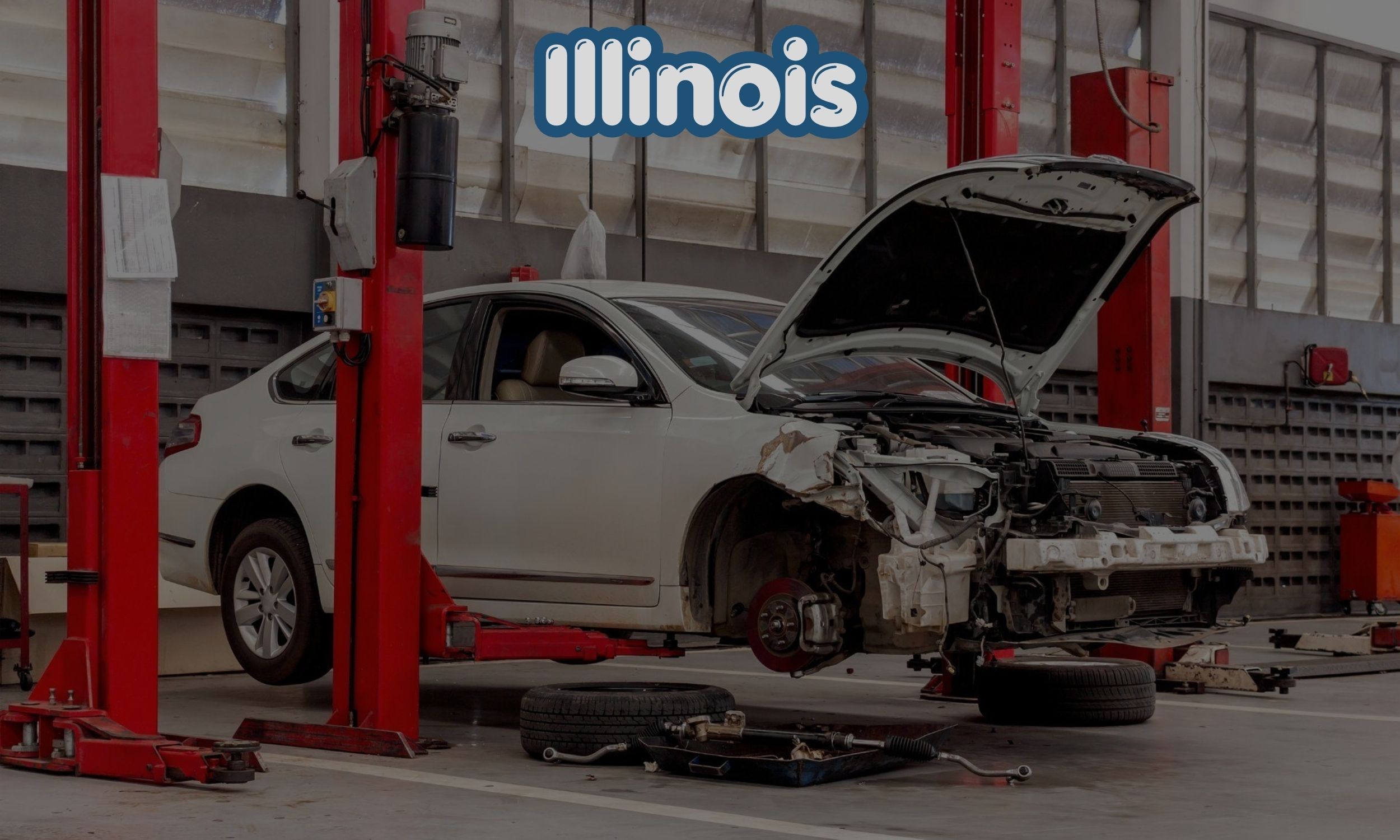
Illinois can be challenging for rebuilt title applicants because several administrative details must be handled correctly before a vehicle can receive the appropriate title and registration approval.
One area that deserves attention is the state’s fee structure. Title applications, registration charges, and other vehicle-related expenses can add up, particularly when the vehicle has a complicated ownership history.
Owners should understand the applicable charges before starting the process so they can prepare a realistic budget.
Lien releases are another important consideration. If the vehicle previously had a loan attached to it, the owner may need documentation showing that the lien has been properly satisfied or released.
An unresolved lien can prevent a title application from moving forward as expected.
Illinois also requires attention to the vehicle’s salvage classification and supporting ownership records. Applicants should ensure that the documents submitted match the vehicle’s identification details and accurately reflect its previous status.
Processing times can vary, which makes proper preparation particularly useful. An incomplete application may require corrections or additional documents, adding more waiting time.
For vehicle owners, the best way to approach Illinois’ requirements is to maintain a well-organized file containing the salvage title, proof of ownership, repair invoices, and relevant lien documents.
Anyone purchasing a previously damaged vehicle should also check whether the title can be transferred and rebuilt under the applicable rules. Understanding these requirements early can help avoid unexpected registration expenses and administrative delays.
7. New Jersey
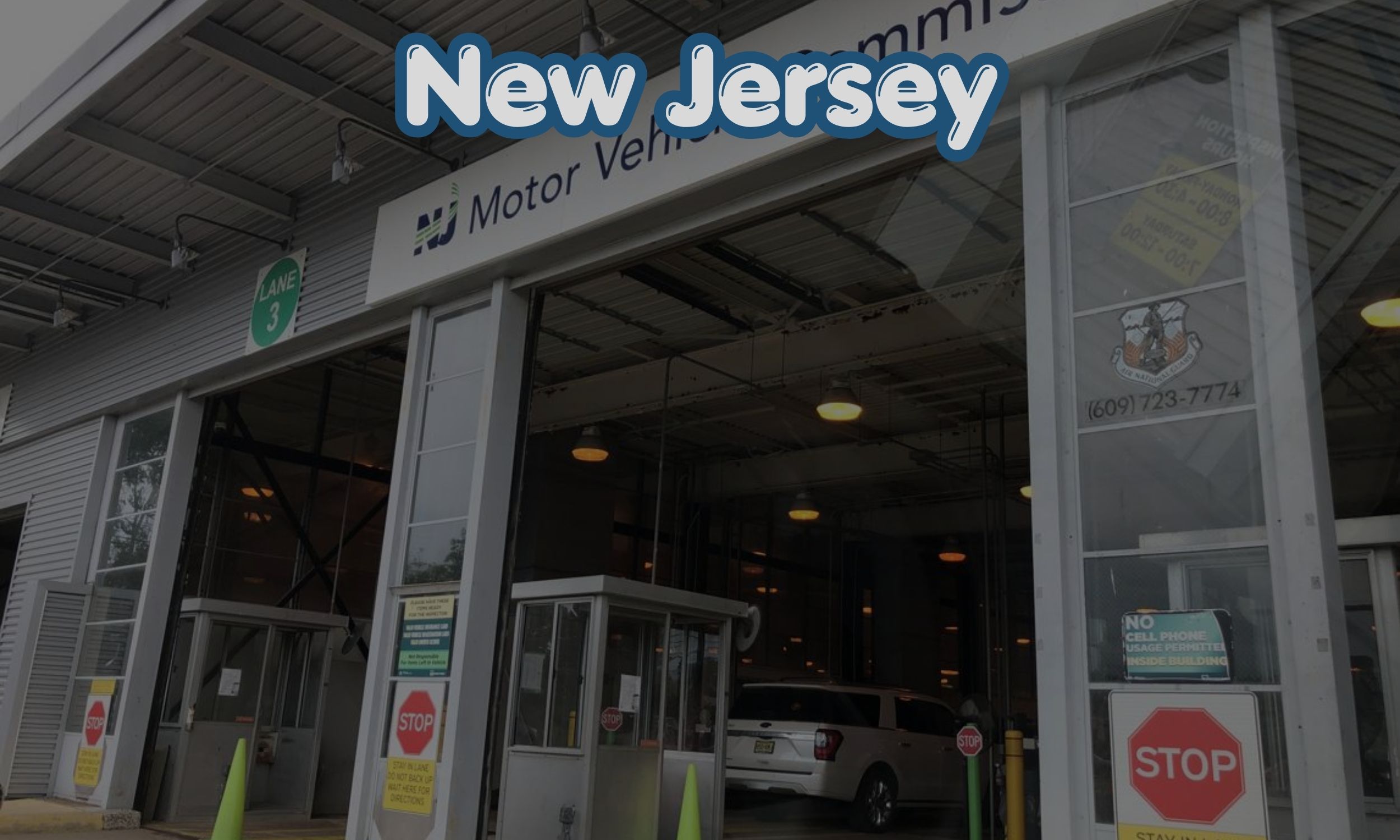
Few states look as closely as New Jersey. It’s known for one of the strictest salvage title inspection programs in the country, requiring detailed receipts, photographs, and in-person inspections.
There’s very little room for guesswork. Every repair needs proof, and every part needs documentation. If you replaced a fender, a headlight, or a suspension component, expect to show where it came from and what you paid.
Photography matters enormously here. Take clear pictures of the car in its damaged condition, during each stage of the repair, and after completion.
Number them, date them, and store them safely. When inspection day arrives, bring everything in an organized folder, because inspectors appreciate clarity and may move faster when documents are easy to follow.
Also remember that the inspection is in person, so you’ll need to bring the vehicle to the designated location. Make sure it is safe to drive or arrange transport. Think of the process like preparing for an audit.
The more complete your records, the smoother things go. Cutting corners can lead to rejection and costly delays. If you love the challenge of a thorough rebuild, New Jersey can be rewarding, but only for those who document every step with care.
8. Pennsylvania
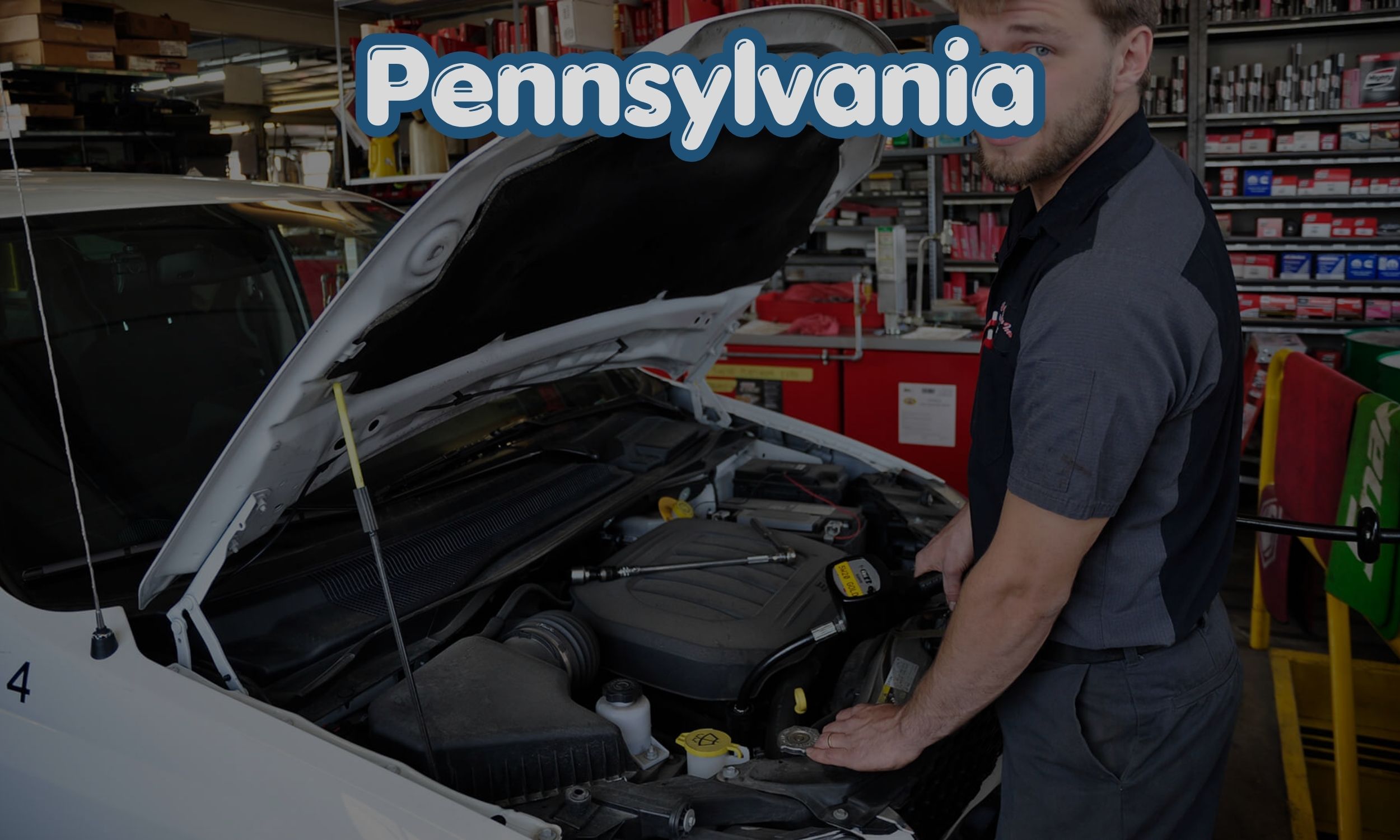
Mechanics play a starring role in Pennsylvania. The state requires enhanced vehicle safety inspections for rebuilt titles, including photographic evidence and certified mechanic verification.
That means your own judgment isn’t enough. A qualified professional must confirm that the repairs meet standards. For DIY rebuilders, this can feel like a hurdle, but it also protects future drivers from unsafe vehicles.
Begin by finding a certified mechanic or inspection station early in the project. Ask what they need to see, and share your plan before major work begins. Some will even give advice on how to document repairs in a way that makes verification easier.
Take photos of structural repairs before panels are installed, since hidden work can’t be seen afterward. Keep receipts for parts, particularly safety-related ones such as airbags, brakes, and steering components.
Those items draw extra attention for good reason. When the inspection happens, bring the vehicle clean and ready, with all paperwork in order. A neat presentation shows you take the process seriously.
Pennsylvania rewards thoroughness, and the mechanic’s sign-off can bring real peace of mind. Think of the verification step as a partner, not an obstacle. It helps ensure that the car you rebuilt is as safe as it looks.
9. Virginia
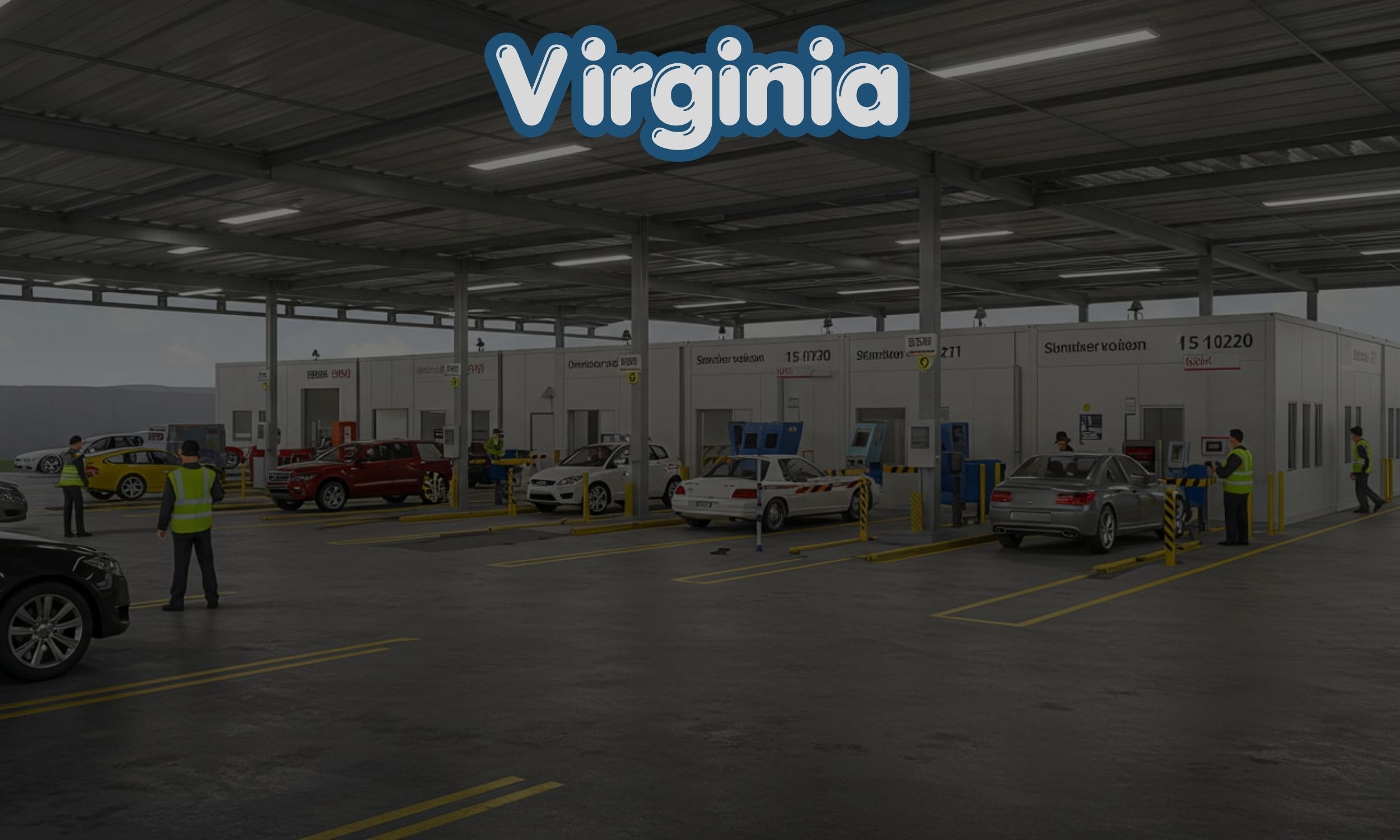
Virginia applies strict procedures to certain salvage vehicles through its state police inspection program. The process is designed to verify vehicle identity, examine relevant replacement components, and help prevent stolen vehicles or parts from entering the registration system.
A vehicle owner seeking a rebuilt title may need to provide documentation showing how the car was repaired. Proof of major component replacements is particularly important because authorities need to establish the origin and legitimacy of the parts used during reconstruction.
The state police salvage inspection can involve checking vehicle identification numbers and reviewing documentation connected to the vehicle’s major components. This helps ensure that the vehicle’s physical identity matches the records submitted with its title application.
Owners should be ready to provide receipts, invoices, ownership records, and any other required supporting documents. If a major component was replaced, having clear evidence of its purchase and origin can help prevent unnecessary questions.
Virginia’s requirements are especially important for people who purchase salvage vehicles from auctions or out-of-state sellers. A car may have a title and repair history from another jurisdiction, but that does not guarantee it will satisfy Virginia’s inspection procedures.
Before beginning reconstruction, motorists should review the Virginia Department of Motor Vehicles’ requirements and determine which inspection procedures apply.
Keeping a complete repair history from the first day of ownership is a smart move. It makes the process easier to document and reduces the risk of delays caused by missing information.
10. Florida
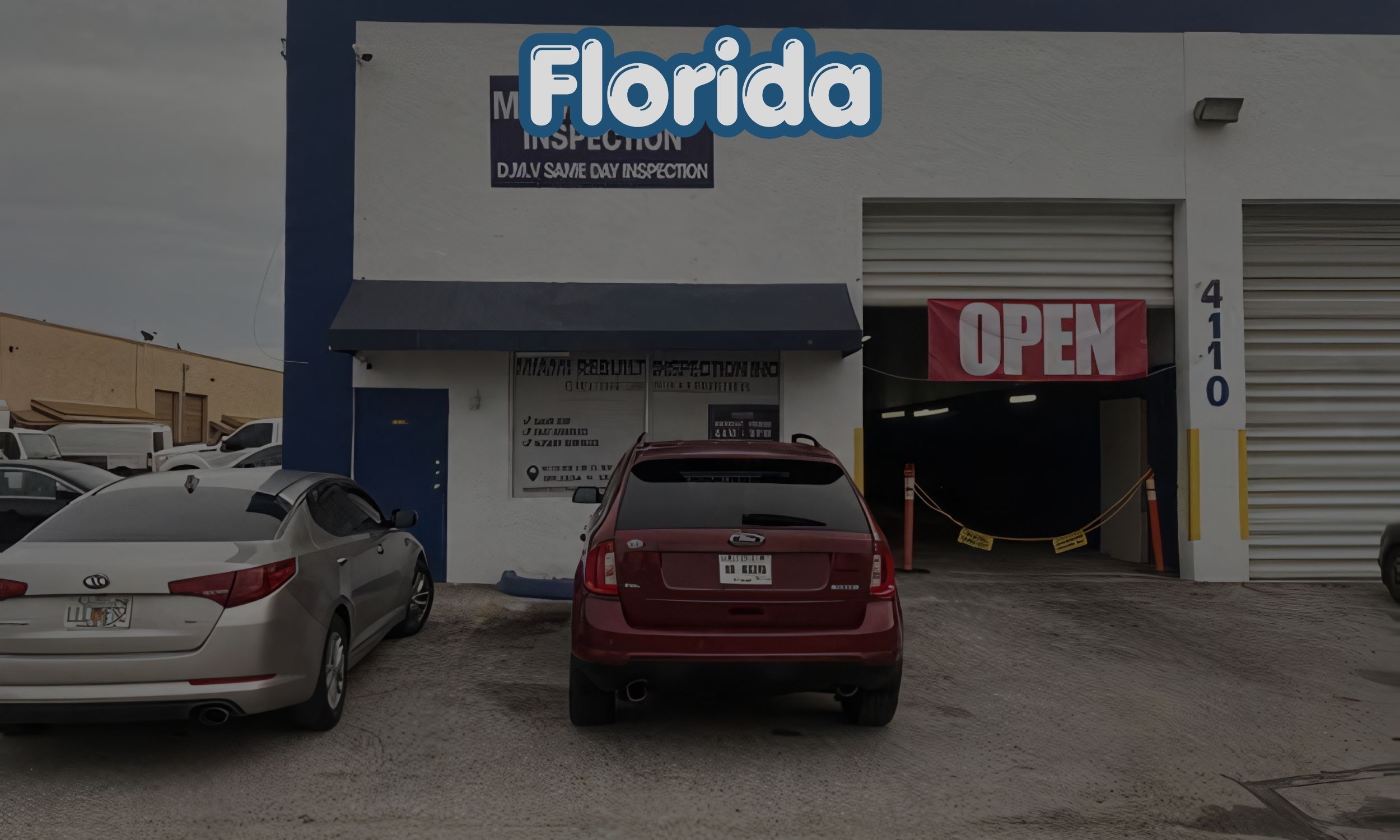
Florida has specific inspection and documentation requirements for vehicles that have been rebuilt after receiving salvage classifications. The state places attention on physical vehicle examinations, ownership verification, and evidence showing how damaged vehicles were restored.
One of the main requirements involves a physical inspection at an authorized state facility or through the applicable inspection process.
Officials may examine vehicle identification numbers and compare them with the information provided in the title application.
Documentation is another important part of the procedure. Owners may need to submit repair records, receipts for replacement components, proof of ownership, and supporting information about the vehicle’s previous salvage status.
The origin of replacement parts can also receive attention. This is intended to discourage the use of stolen components and ensure that vehicles being returned to public roads have legitimate identification records.
Florida motorists should also understand that a rebuilt title does not automatically mean a vehicle is free from every mechanical problem.
Passing the required inspection and obtaining the appropriate title classification are separate from having a vehicle professionally evaluated for reliability.
Anyone planning to rebuild a vehicle should maintain photographs and invoices throughout the repair process. Waiting until the vehicle is finished to gather evidence can make it harder to locate missing records.
Before purchasing a salvage vehicle in Florida, confirm the applicable inspection requirements, identify the documents needed, and calculate the cost of repairs and registration. Proper preparation can make the approval process more manageable and help prevent avoidable expenses.