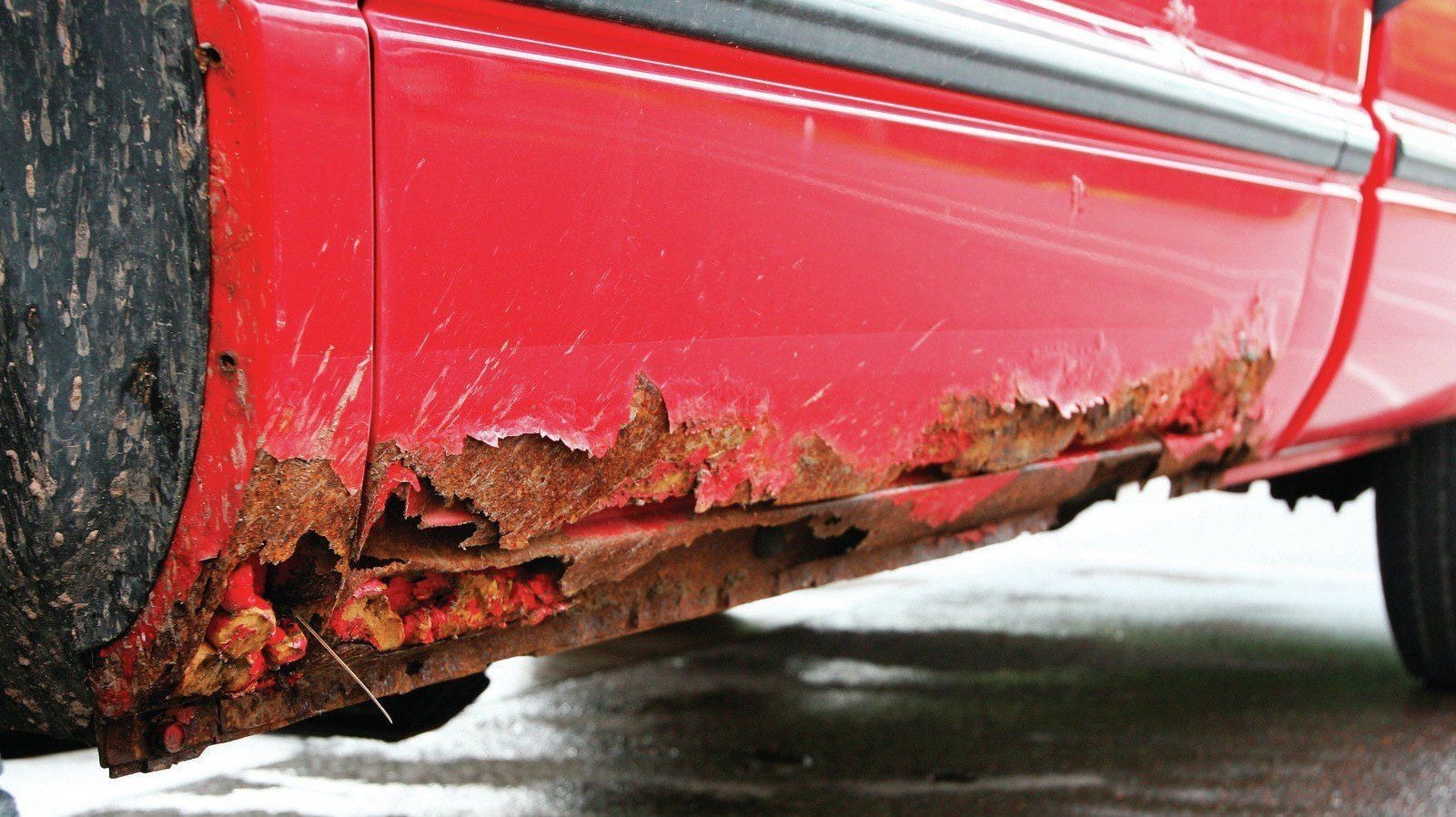
Have you ever bought a car that looked perfect, only to learn that rust can end its road life on inspection day? In some parts of the country, that’s a real risk. Winter road salt, wet air, and freezing temperatures work together to eat away at metal, and inspectors don’t ignore what they find.
When corrosion reaches brake lines, frames, fuel tanks, or structural parts, a vehicle can fail on rust alone. This list covers eleven states in the heavy-salt belt where that problem shows up most often. Whether you live in one, plan to move, or shop for used cars online, knowing the risks can save you real money. Let’s get started.

1. Connecticut
Salt and sea air make a rough combination for vehicles in Connecticut. The state experiences heavy road salt use during winter, while coastal humidity keeps moisture in the air long after snowstorms have passed.
Together, these conditions create an environment where rust can develop quickly, especially underneath vehicles. Unfortunately, some of the worst corrosion may remain hidden until it starts affecting important mechanical or structural components.
During an inspection, safety-related parts deserve particular attention. Brake lines, frame rails, fuel tanks, suspension mounting points, and other structural sections can become serious concerns when corrosion weakens the metal.
A small rusty patch on a fender may be mostly cosmetic, but flaking metal around a frame support or a badly corroded brake line presents a different problem. If the damage affects the vehicle’s safety, it may result in an inspection failure under applicable requirements.
Connecticut drivers can reduce corrosion risks by washing their vehicles regularly during winter. Pay special attention to the undercarriage after driving on salted roads.
Many automatic car washes offer underbody cleaning that helps remove accumulated salt and grime. Repair paint chips promptly, since exposed metal can begin corroding when moisture reaches it.
Before purchasing a used vehicle, inspect underneath with a bright flashlight and look for bubbling paint, holes, and flaking metal. Be cautious when an older car has recently received thick black undercoating, as it may conceal existing corrosion.
A professional inspection can reveal problems that are difficult to identify yourself. Taking these precautions can protect your vehicle and help prevent unexpected repair bills.
2. Delaware
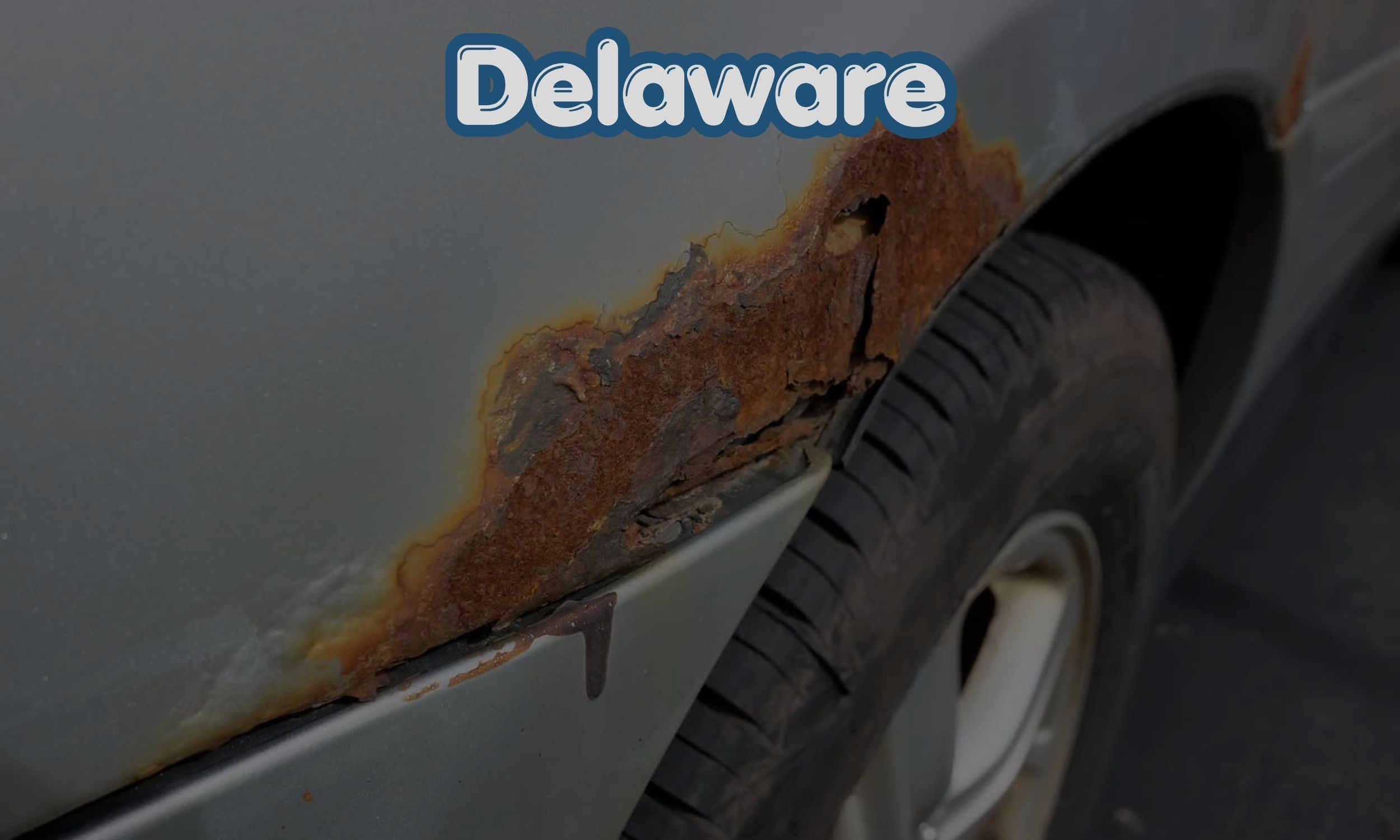
Small state, big corrosion risk. Delaware gets coastal exposure plus winter salting, which gives rust two chances to attack. Ocean air carries moisture and salt even in warm months, so vehicles can suffer year-round, not just during snow season.
Think about a car parked near the beach on weekends. Salt spray settles on the paint, the wheel wells, and the underbody, and it keeps working quietly. Inspectors look for rust that affects safety, so hidden damage on brake lines or mounting points matters most.
How do you protect yourself? Wash your car often, and pay attention to the lower edges of doors, the wheel arches, and the area behind the bumpers. Those spots trap moisture.
A wax or sealant can add a protective layer, and annual rust-proofing treatments may be worth the cost if you plan to keep the car for years. When shopping used, ask where the vehicle has lived and request service records.
Look for bubbling paint, which often signals corrosion underneath. Check the trunk floor and spare tire well for moisture or rust. A bit of homework can save you from buying a car that looks great but cannot pass inspection when it matters.
3. Illinois
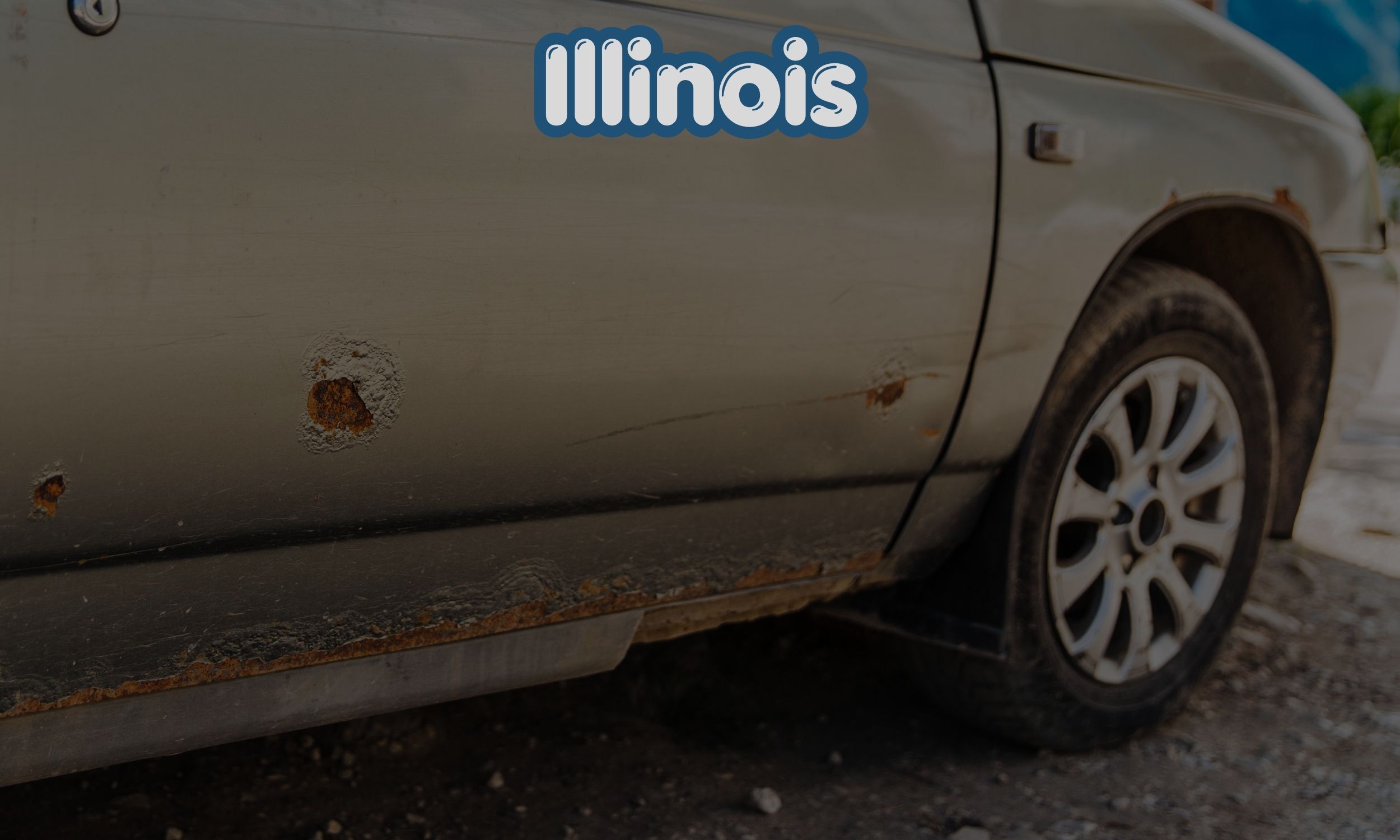
Winter in Illinois is no joke, and neither is the damage it leaves behind. As a major salt-belt state, Illinois sees severe winter corrosion, thanks to heavy road treatment and freeze-thaw cycles that push moisture into every crack.
A car that spends several winters here can develop trouble in places most owners never look. Brake lines are a classic example. They run along the underside of the vehicle, exposed to slush and salt, and when they rust through, you lose braking power.
That’s why inspectors take rust on these parts seriously. Frames and subframes matter just as much, since they hold the car together in a crash.
To protect your vehicle, wash it more often in winter than you think necessary, even when it’s freezing, and choose a car wash with an undercarriage spray. Park in a garage when possible, since constant temperature swings and moisture speed up damage.
If you’re buying used, bring a mechanic or put the car on a lift for a proper look. Tap the frame with a small hammer and listen for solid ringing sounds instead of dull thuds. Catching problems early costs much less than trying to pass inspection after the damage has spread.
4. Indiana
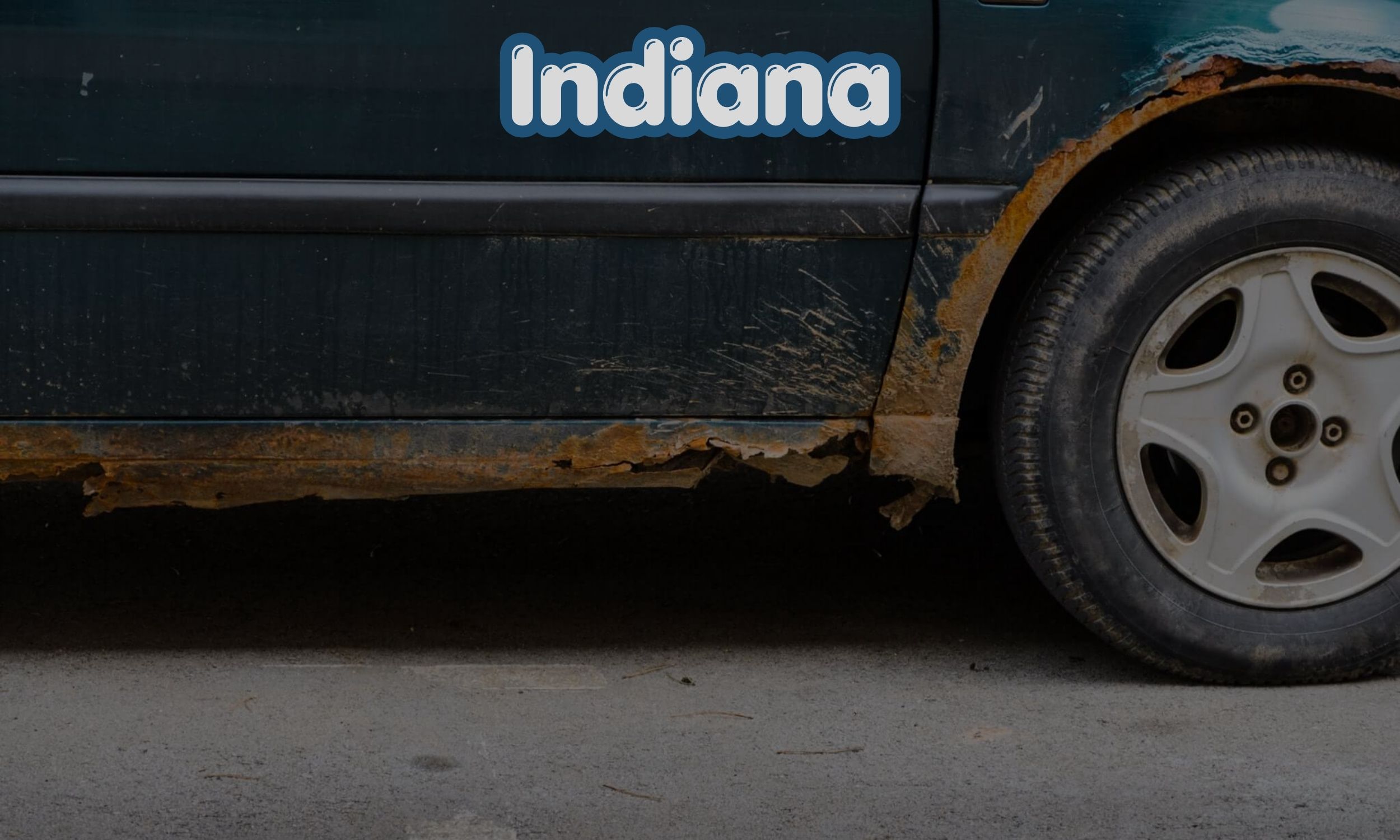
High rust buildup is a way of life in Indiana. Winter salting is heavy, and the state’s snowy, slushy months give salt plenty of time to settle into every seam and crevice.
Owners often notice trouble first on rocker panels, wheel arches, and the bottoms of doors. But what you can see is only part of the picture. The real danger sits underneath, where salty water collects on frames, fuel tanks, and brake hardware.
A fuel tank strap that rusts through can let the tank sag, and that’s a serious safety issue. Inspectors know where to look, so they often spot problems that owners miss.
Make a habit of checking your car’s underside each spring, after the salt season ends. Use a flashlight and look for flaking, swelling, or holes. If you find rust early, a wire brush and rust-converting paint can stop small spots from spreading.
For anything near brakes, fuel, or structure, see a professional. Consider scheduling a rust-proofing service before winter begins, since prevention is cheaper than repair.
If you shop for a used vehicle, remember that cars from this region often show more corrosion than those from dry states. Inspect carefully, negotiate wisely, and never skip the underside.
5. Iowa
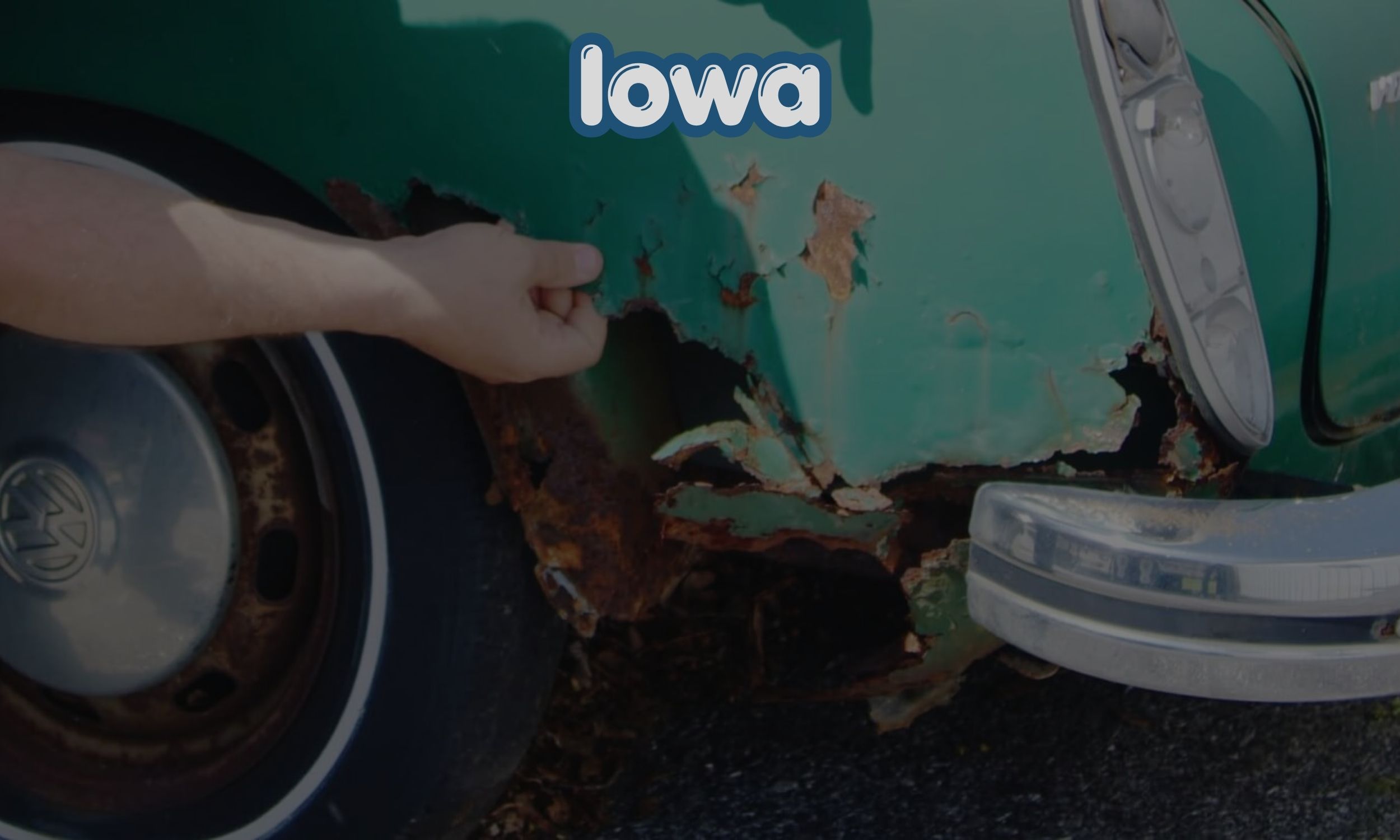
Here’s a state that shows up on rust-belt lists again and again. Iowa is consistently listed as a rust-belt state, and its long winters, snowy roads, and heavy use of salt and brine create steady corrosion pressure on every vehicle.
Rural driving conditions bring additional challenges, as gravel roads can throw small stones and debris against the vehicle, damaging the paint. Once the protective coating is chipped, moisture can reach the exposed metal and lead to rust. Trucks and SUVs used regularly for demanding work are particularly susceptible to this type of damage.
If your vehicle sees a lot of gravel, consider mud flaps and a protective coating for the lower body. After muddy trips, rinse the wheel wells and underbody to remove trapped dirt, since wet soil holds moisture against metal for days.
Inspectors don’t care how cosmetic the damage looks. They care whether rust threatens the vehicle’s safety, so frame rails, brake lines, and suspension mounts get close attention.
A quick monthly inspection can help prevent rust from becoming a bigger problem. Check underneath the vehicle for signs of corrosion or peeling metal, and repair paint chips as soon as possible. If you’re considering a used car from Iowa, request clear photos of the undercarriage before making the trip to inspect it in person.
Better yet, hire an inspector. Spending a little on a pre-purchase check can reveal hidden damage and help you avoid a costly mistake.
6. Maine
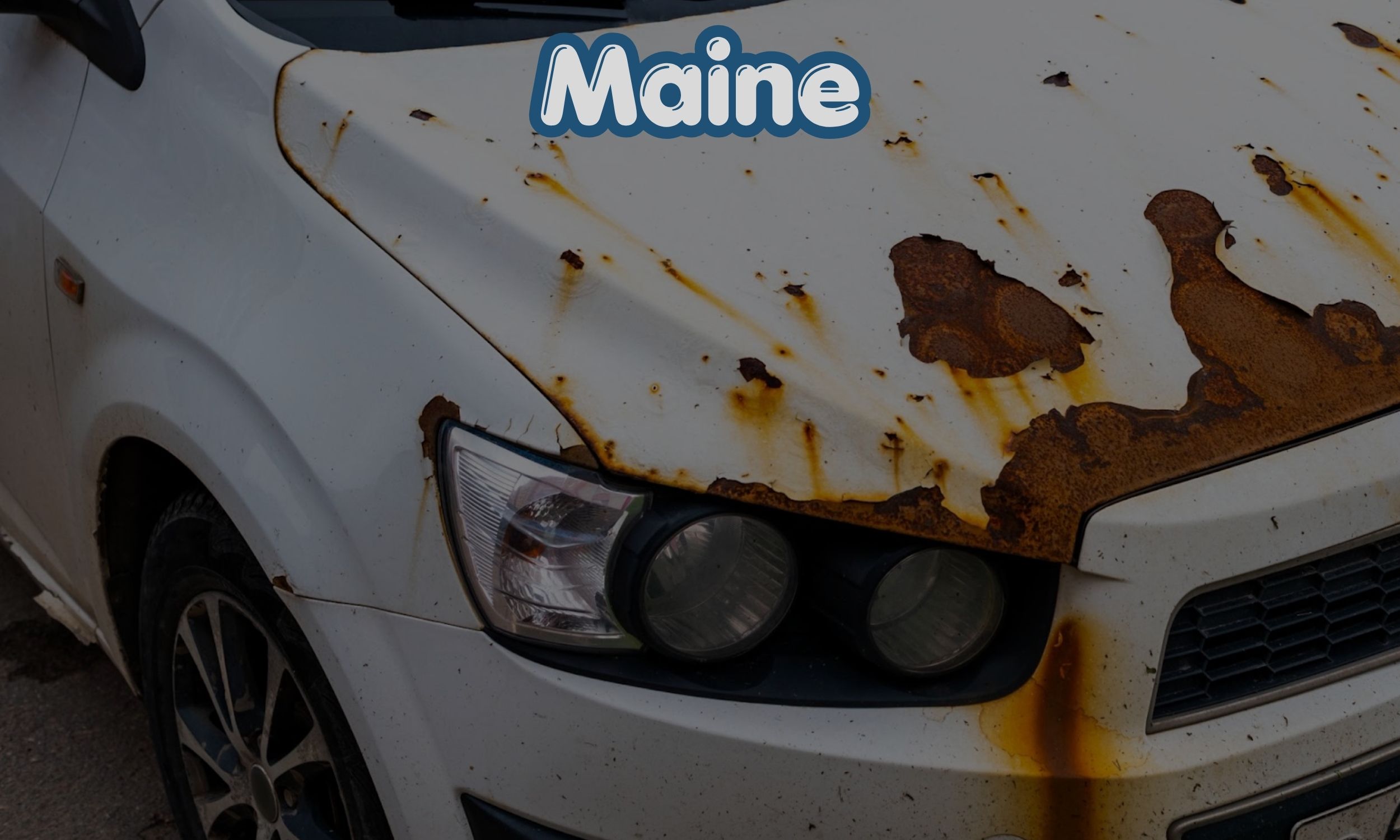
Maine’s cold winters and coastal conditions make it a particularly challenging state for vehicles exposed to corrosion. Road salt is widely used during winter maintenance, while moisture and salty coastal air can contribute to deterioration in exposed metal components.
Vehicles driven regularly through snowy areas may develop rust underneath, especially around the frame, wheel wells, brake lines, and exhaust system. Older vehicles can be particularly vulnerable when their original protective coatings have worn away.
The most serious concern is corrosion that affects structural strength or essential mechanical systems. A frame weakened by rust may no longer provide the support required for safe operation. Severely corroded brake lines can also create dangerous braking problems.
Maine motorists should pay attention to warning signs such as flaking metal, unusual holes underneath the vehicle, loose mounting points, and visible deterioration around brake line connections.
Regular washing can help remove road salt, but drivers should not depend on it as their only protection. Periodic underbody inspections are useful for identifying corrosion before it becomes severe.
Anyone purchasing an older vehicle in Maine should consider arranging an independent mechanical inspection. This can reveal hidden rust damage and help prevent unexpected repair costs after the purchase.
7. Maryland
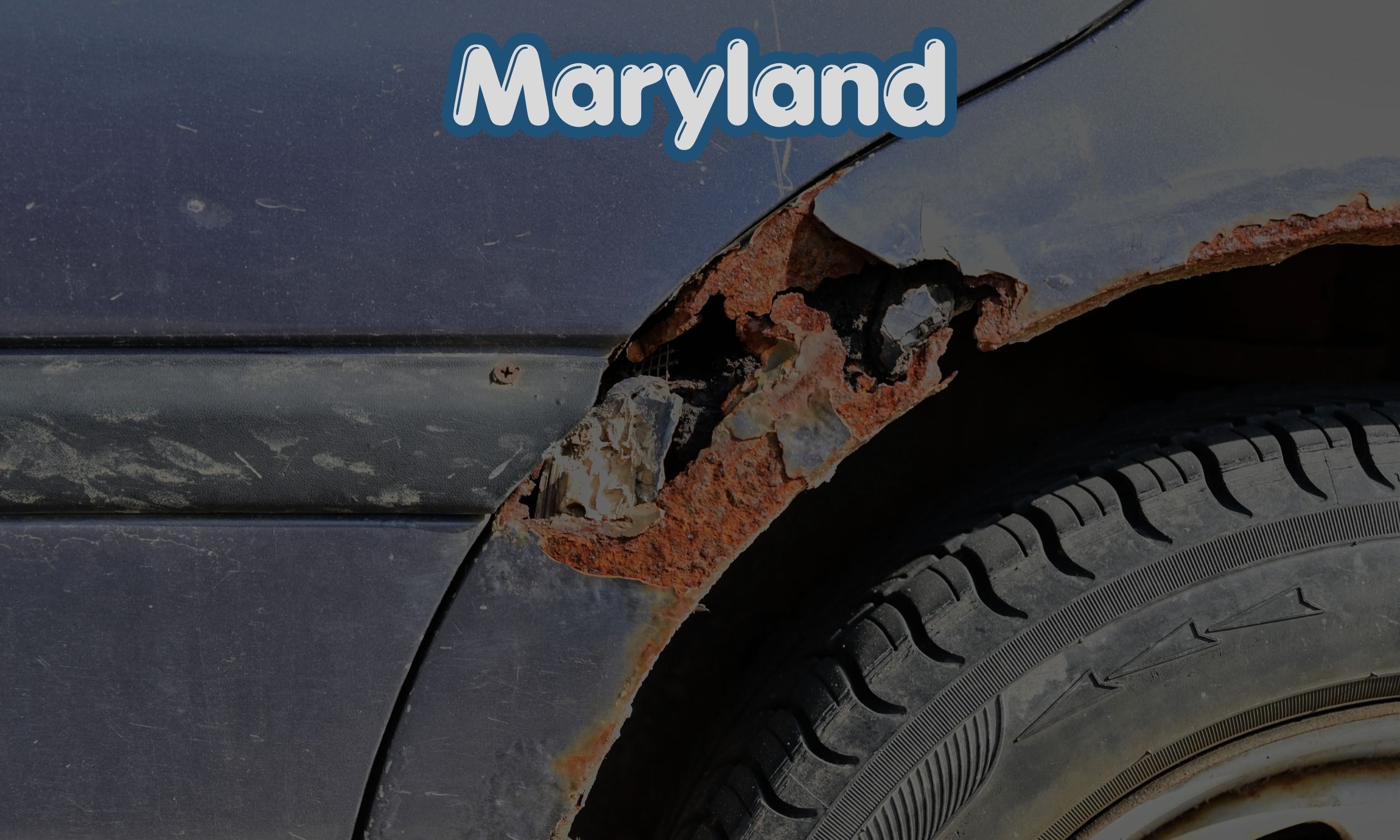
Maryland experiences a combination of coastal moisture, seasonal rainfall, and winter road treatment that can contribute to vehicle corrosion. Although its winters may differ from those in northern states, drivers still need to pay attention to rust, especially on older vehicles.
Areas underneath the vehicle are often the first places worth checking. Brake lines, frame sections, suspension components, and fuel system parts can experience corrosion when moisture and road salt remain on exposed metal.
A vehicle may appear attractive from the outside while having substantial deterioration underneath. This is why checking the undercarriage is an important part of regular maintenance and pre-inspection preparation.
Rust becomes an inspection concern when it affects a component’s safety or intended function. For example, a corroded brake line that leaks or a weakened structural section may require repair before the vehicle can meet applicable requirements.
Maryland motorists should also consider where their vehicles are regularly parked and driven. Cars frequently exposed to coastal moisture or winter road chemicals may need more frequent underbody checks.
When rust appears, having a qualified mechanic assess its depth and location is a sensible step. Early repairs can help prevent corrosion from spreading into nearby components and creating larger maintenance bills.
8. Massachusetts
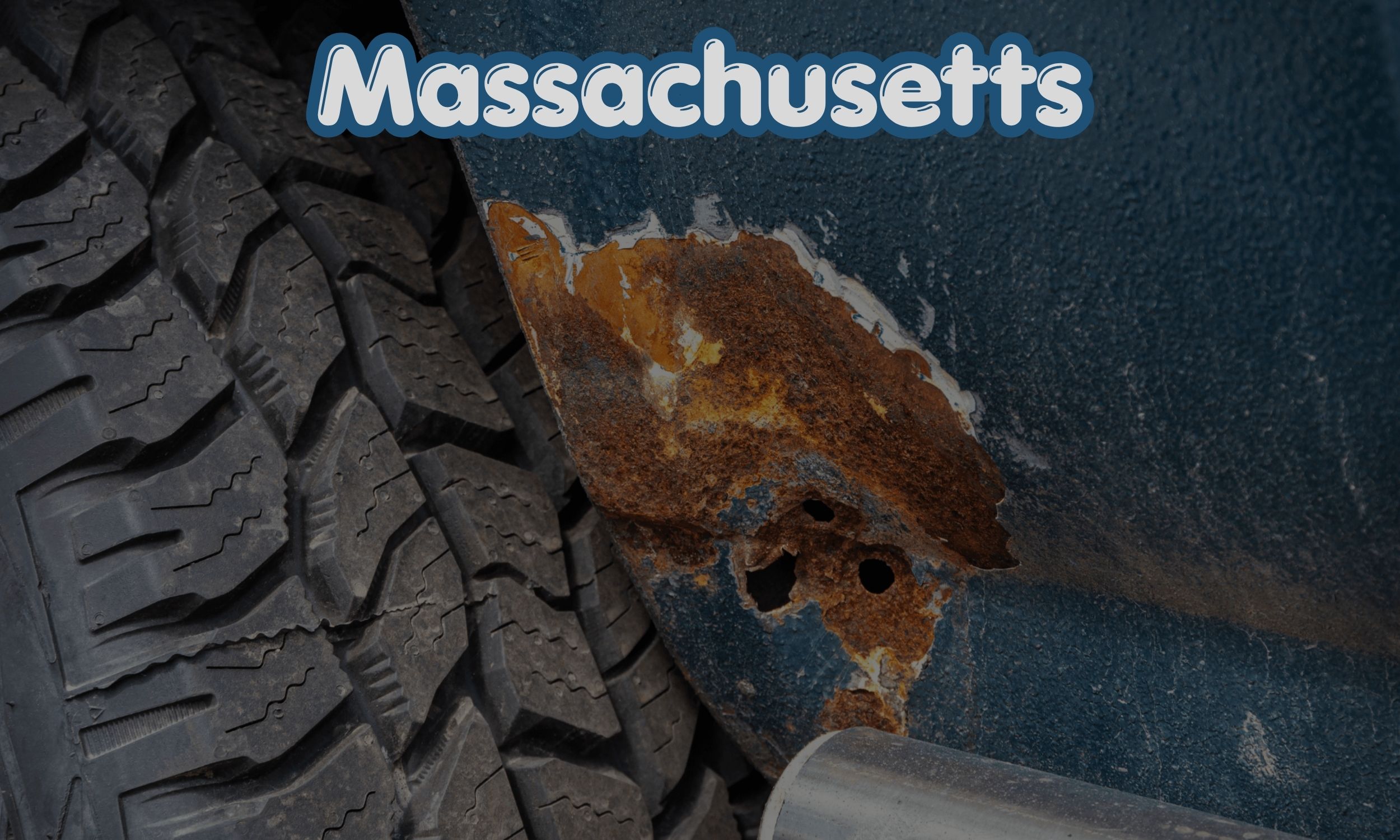
Few places test a car’s metal like New England. Massachusetts ranks as one of the worst rust states in the region, with heavy winter salting and wet conditions that keep corrosion active for months.
Older vehicles take the biggest hit. After a decade or so, even well-built cars can develop trouble in subframes, suspension arms, and brake lines. Imagine hearing a mechanic say your car needs several repairs just to pass inspection.
That’s the kind of news many owners face after a rough winter. The good news is that smart habits can slow the damage. Start with regular undercarriage washes, especially after storms, and follow with a rust-proofing treatment if your car is still in good shape.
Park in a garage if you have one, and avoid leaving the car sitting in slush for long periods. When buying, always inspect the underbody and ask whether the vehicle has spent its life in the state.
Look for scale on the frame, bubbling around the rear wheel arches, and rusty fasteners. Don’t trust a clean exterior alone. A thorough look from below tells you more than a shiny paint job ever could, and it helps you avoid a very expensive disappointment.
9. Michigan
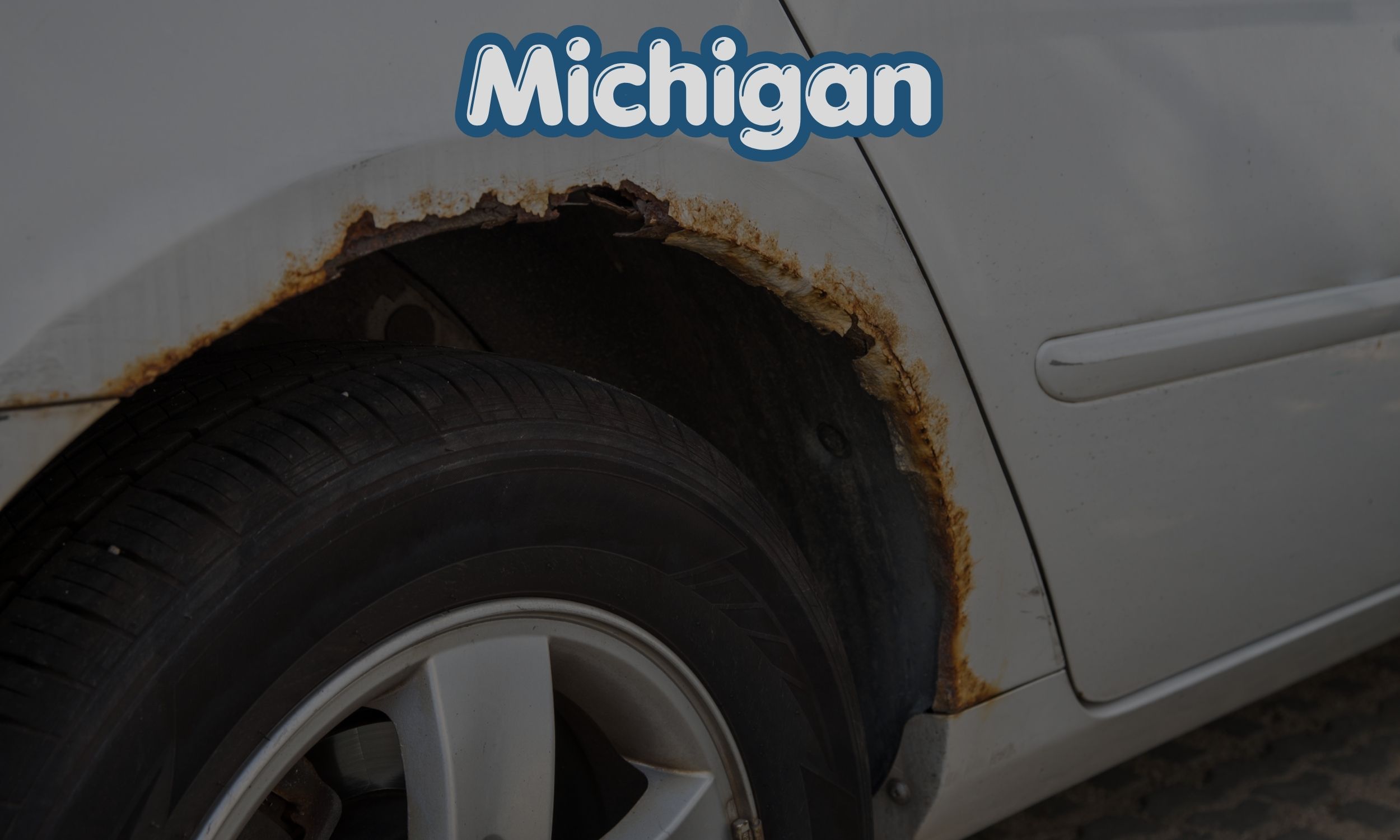
Michigan sets the bar for rust. Extreme winter salting and high rust rates make it one of the toughest places on earth for a car’s metal. Lake-effect snow means roads stay wet and salty for long stretches, and the cycle of freezing and thawing pushes moisture into every seam.
Vehicles in this region can develop significant rust damage after just a few winters. Common warning signs include blistering paint, deteriorating rocker panels, and corroded exhaust components. These issues are familiar to both vehicle owners and professional inspectors.
When rust affects the frame, brake lines, or fuel tank, a car can fail on that alone. Regular care makes a big difference. Wash the vehicle frequently, focus on the undercarriage, and keep drainage holes clear.
Many owners apply fresh undercoating each fall, treating the underbody before salt hits the roads. If you’re hunting for a used car, consider that vehicles from southern or western states often carry far less corrosion.
Ask for undercarriage photos and be skeptical of sellers who avoid showing them. A pre-purchase inspection from an independent shop is money well spent.
Michigan drivers understand that fighting rust is a year-round job. Treat it seriously, and your car can last far longer than the harsh climate would suggest.
10. Minnesota
Cold is the main story here. Minnesota faces severe winter corrosion and heavy salt exposure, and temperatures can stay below freezing for weeks.
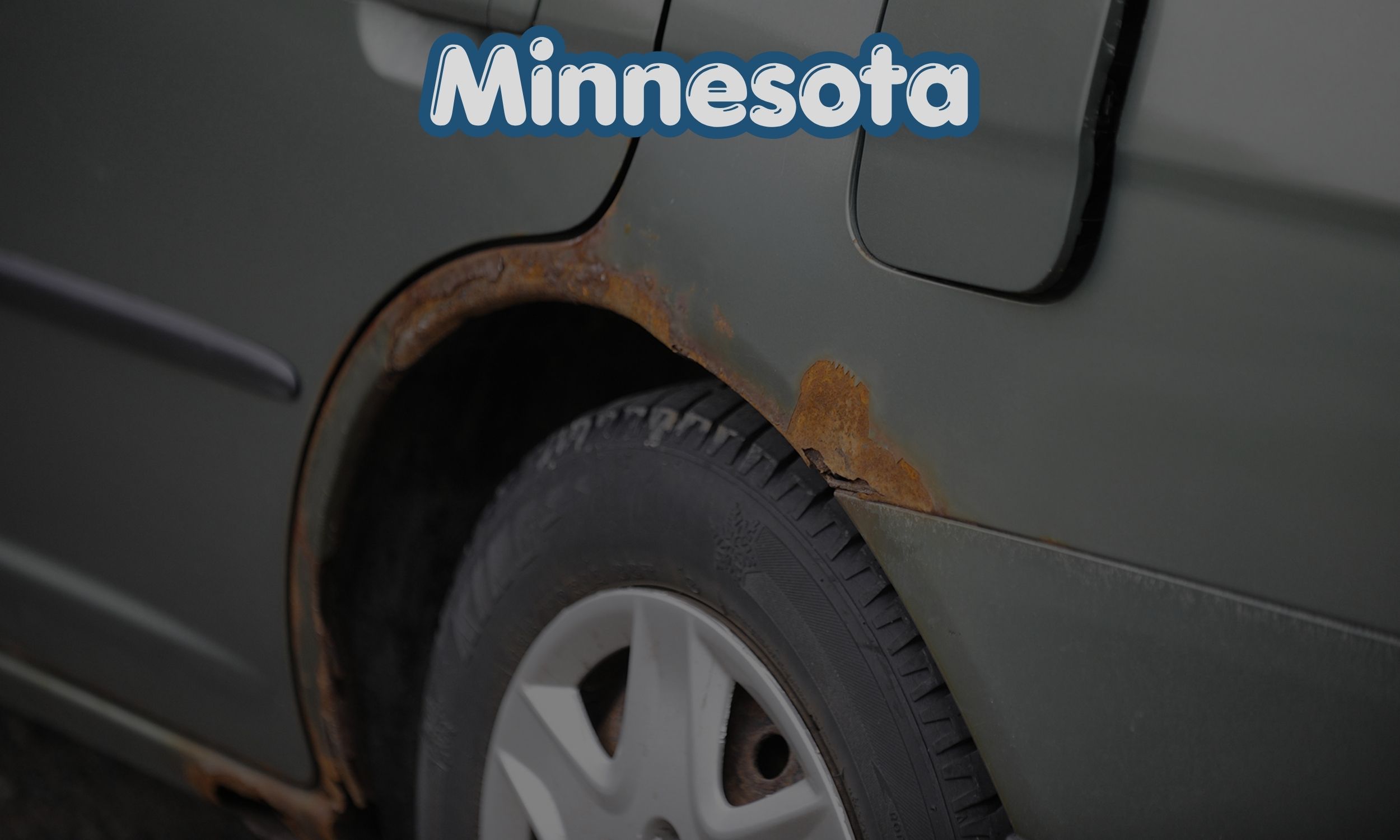
You might think cold weather slows rust, and in a pure sense that’s true, but the problem is what happens during thaws. Salty meltwater seeps into joints and seams, then refreezes and widens the cracks.
Over several winters, that cycle does a lot of harm. Fuel lines, brake lines, and mounting points are common trouble spots. If any of those fail an inspection check, the car must be repaired before it can pass. Prevention starts with routine care.
Wash the car whenever temperatures rise above freezing, and use an undercarriage spray. Keep the interior dry too, because wet floor mats can trap moisture against the floor pan and cause rust from the inside out.
Replace damaged mats and check carpets for dampness. If you’re shopping for a used vehicle, test every door and the trunk lid for stiff hinges or rusty edges. Look under the car for flaking metal and check the condition of the fuel tank straps.
A careful approach protects your investment and helps you avoid unpleasant surprises at the inspection station.
11. Missouri
Missouri completes this list because it also appears in several Salt Belt classifications associated with elevated vehicle corrosion risks. Its changing weather conditions, winter road treatments, and periods of moisture can contribute to rust on vehicles, particularly older models.
Although Missouri does not experience identical winter conditions across every part of the state, drivers should still pay attention to corrosion underneath their vehicles.
Brake lines, fuel system components, suspension attachments, and frame sections are among the areas that deserve regular examination.
Rust becomes particularly concerning when it weakens metal or interferes with a component’s ability to function safely. For example, extensive corrosion around suspension mounting points can affect how securely those components remain attached to the vehicle.
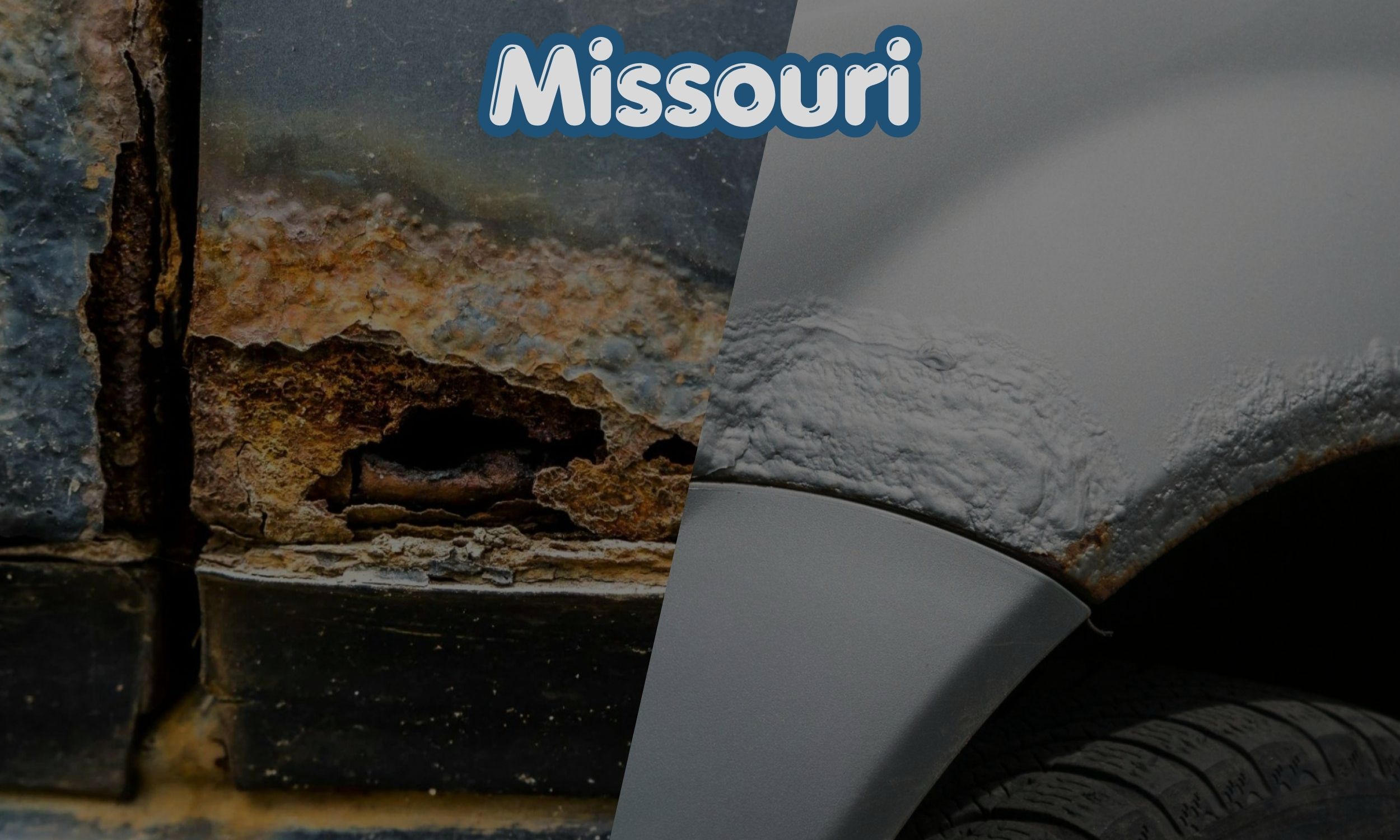
Missouri motorists should understand that visible rust and inspection failure are not necessarily the same thing. A rusty door or fender may be a cosmetic concern, while a badly deteriorated brake line or structural support can create a serious safety issue.
Regular washing, especially after winter driving, can help remove salt and road grime. Drivers should also arrange professional underbody checks when purchasing used vehicles or preparing for required inspections.
Before assuming a rusty vehicle will pass, check the applicable inspection rules and have any questionable components examined by a qualified mechanic. Protecting the vehicle’s structural condition is far more important than simply improving its appearance.