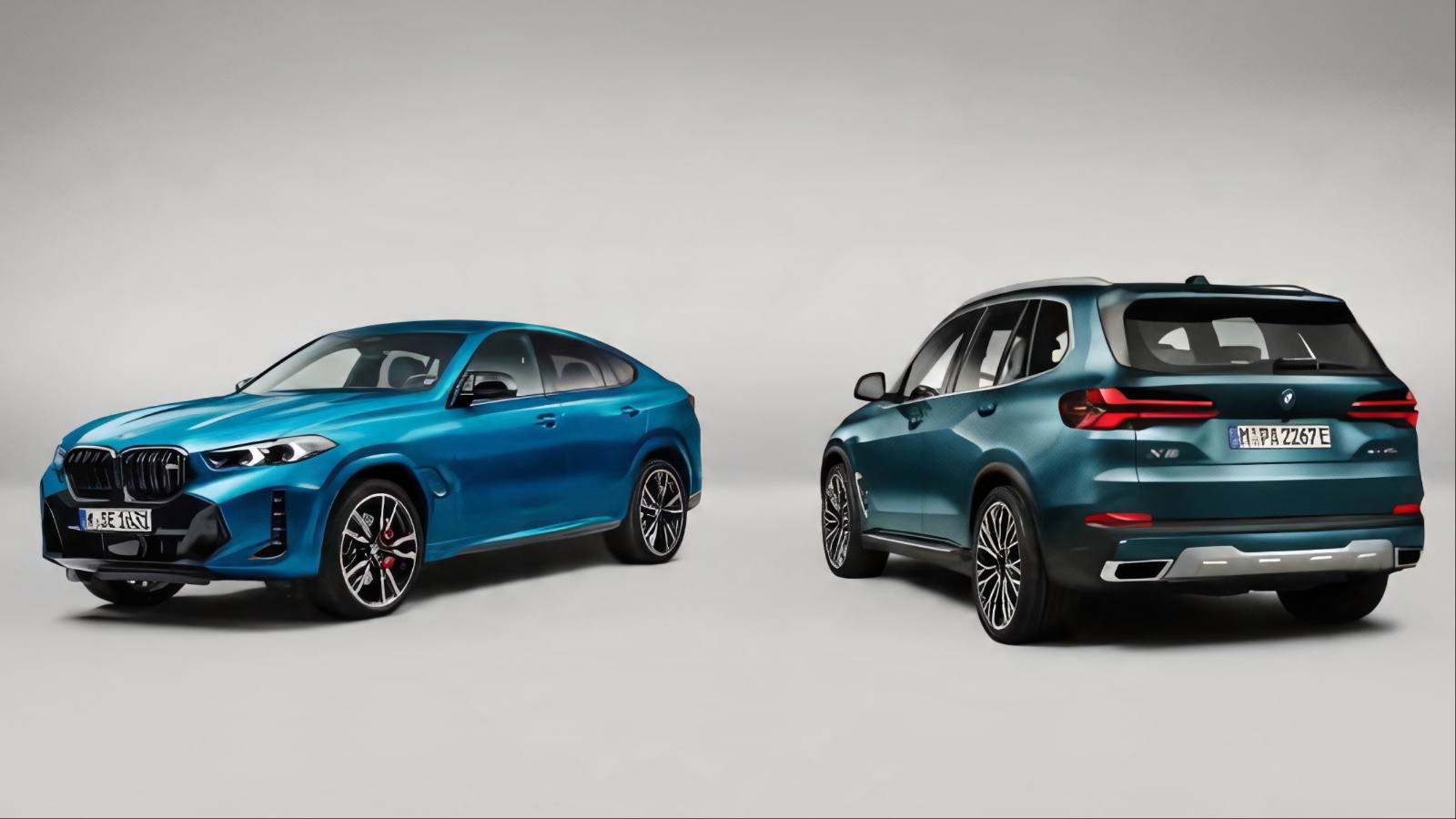
Ties at the top of a 1,000-point ranking are uncommon, making this year’s outcome particularly noteworthy. In J.D. Power’s 2026 U.S. APEAL Study, the BMW X6 and BMW 7 Series shared the highest position among individual models, outperforming all other eligible cars, trucks, SUVs, and minivans included in the research.
Despite their different designs, both models stood out for their ability to deliver a highly satisfying ownership experience. The X6 combines luxury SUV practicality with a coupe-inspired roofline, while the 7 Series represents BMW’s flagship luxury sedan.
The exact tied score has not been made public, so this analysis focuses on the available information, including segment award results, the backgrounds of both models, and the broader improvements seen across the automotive industry this year.
It also explores what makes the BMW X6 and 7 Series appealing to their owners, how the results reflect the narrowing gap between mainstream and luxury vehicles, and what prospective buyers can learn from a study that emphasizes real-world driving and ownership experiences rather than specifications alone.
A Rare Tie at the Top of the APEAL Study
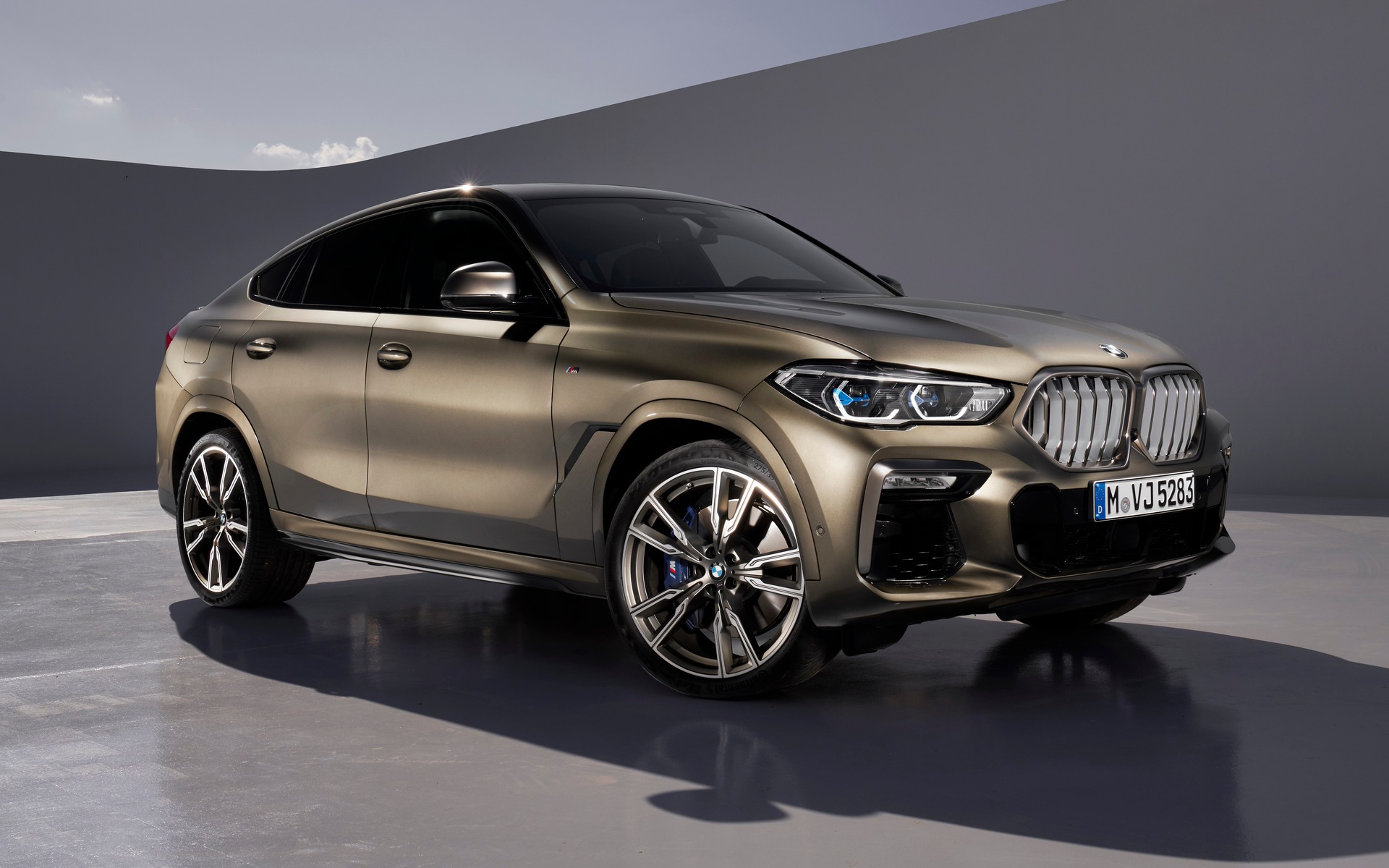
The APEAL Study measures emotional attachment and excitement rather than defects. It asks owners to consider 37 attributes after 90 days with their vehicle, and the 2026 edition draws on 78,514 owners of new models. A vehicle earns a segment award by ranking highest in its class, and the single best score across all segments becomes the highest-ranking individual model. This year, two BMWs share that title.
The X6 is the repeat winner. It earned the top individual spot for a second consecutive year, while the 7 Series joined it in 2026. That detail matters, because it means the X6’s result is not a fluke. In the previous study, the X6 stood alone as the highest-ranking individual model.
The tie comes as the automotive industry enjoys a particularly strong year. Customer satisfaction climbed seven points to 858, marking the largest annual increase since 2018.
Interior quality led the improvements, rising 11 points as owners recognized thoughtful touches such as more convenient cupholders, improved phone storage and better-designed center consoles. With vehicles across the market steadily improving, securing a top position has become an even greater challenge.
Two honest caveats apply. First, BMW’s individual model scores were not published in the release, so we know the two cars tied but not by what number. Second, Tesla, Rivian, Jaguar, Dodge and Chrysler were ineligible for the ranking because they did not meet the study’s award criteria. The X6 and 7 Series won the contest as entered, and the field excluded some notable names.
Why the X6 Keeps Winning Over Owners
The X6 won the upper midsize premium SUV segment, with the Porsche Cayenne in second place and the Cadillac Vistiq third. Its rivals in that class have included the Mercedes-Benz GLE, Volvo XC90 and others, so the competition is serious.
The X6 has a long record here. It was named the highest-ranking individual model in the 2022 study, again in 2025, and now shares the honor in 2026. Whatever the exact year-to-year scores, a vehicle that returns to the top this often is doing something consistently right in the eyes of its owners.
Part of the answer likely lies in how the X6 feels from the driver’s seat. BMW has kept a physical rotary controller and several dedicated buttons alongside its curved display, the seats are wide and supportive, and the driving position is low and purposeful for an SUV.
An available adaptive suspension lets owners switch between a relaxed ride and a sportier one. Those details match the sort of attributes APEAL asks about, from seating comfort to the excitement of accelerating. These descriptions come from general knowledge of the model, not from J.D. Power, which does not publish a breakdown of the X6’s category scores.
The X6 is also a vehicle bought by choice rather than need. A sloping roofline costs some rear headroom and cargo space compared with a conventional SUV, so people who buy one have decided that style and driving feel matter more. Owners who made that deliberate trade tend to be happy with it, which is a recipe for high satisfaction. In 2025, BMW also took five segment awards across its lineup, and the X6 was the headline then as well.
The 7 Series and the Case for the Flagship
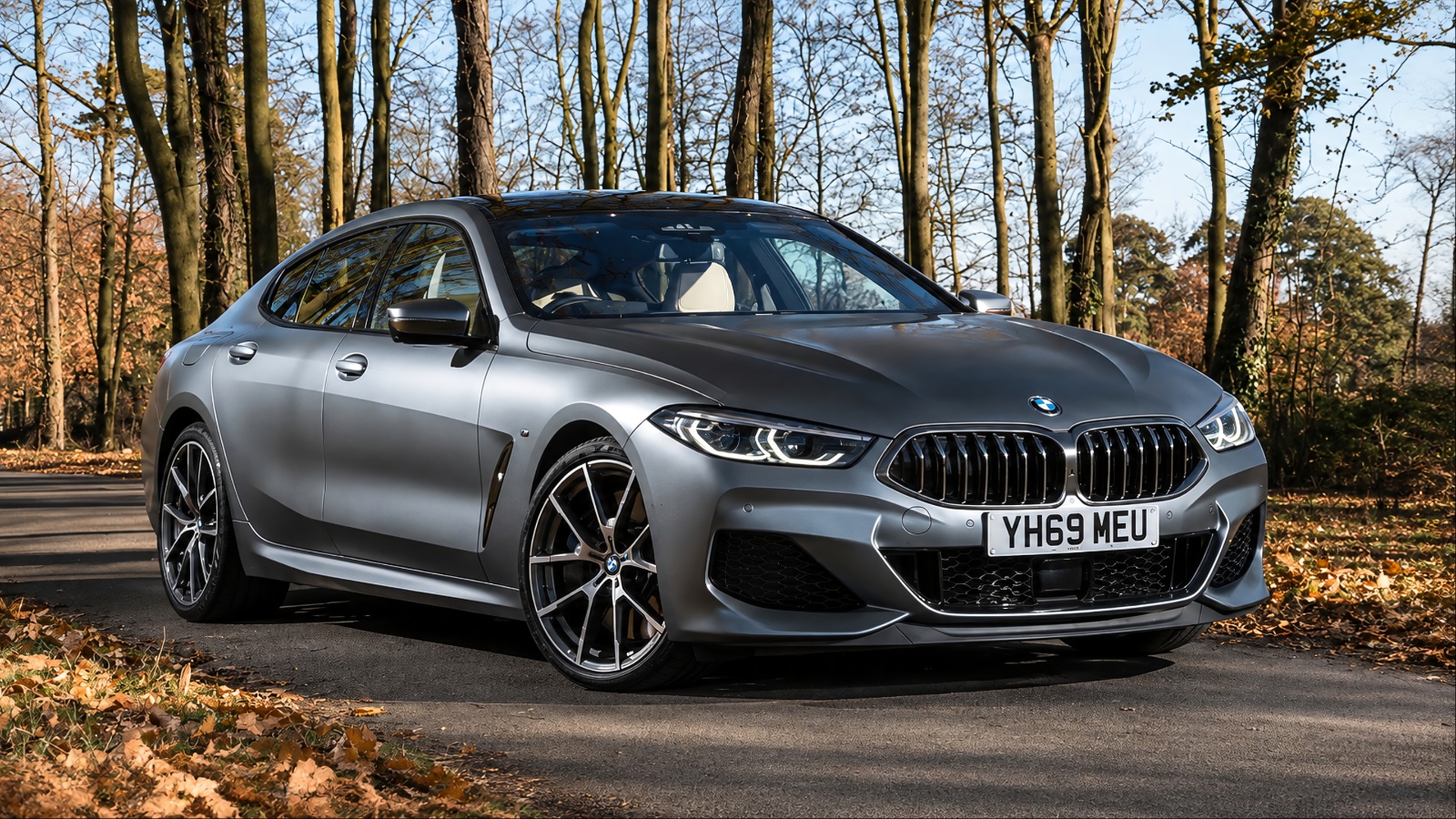
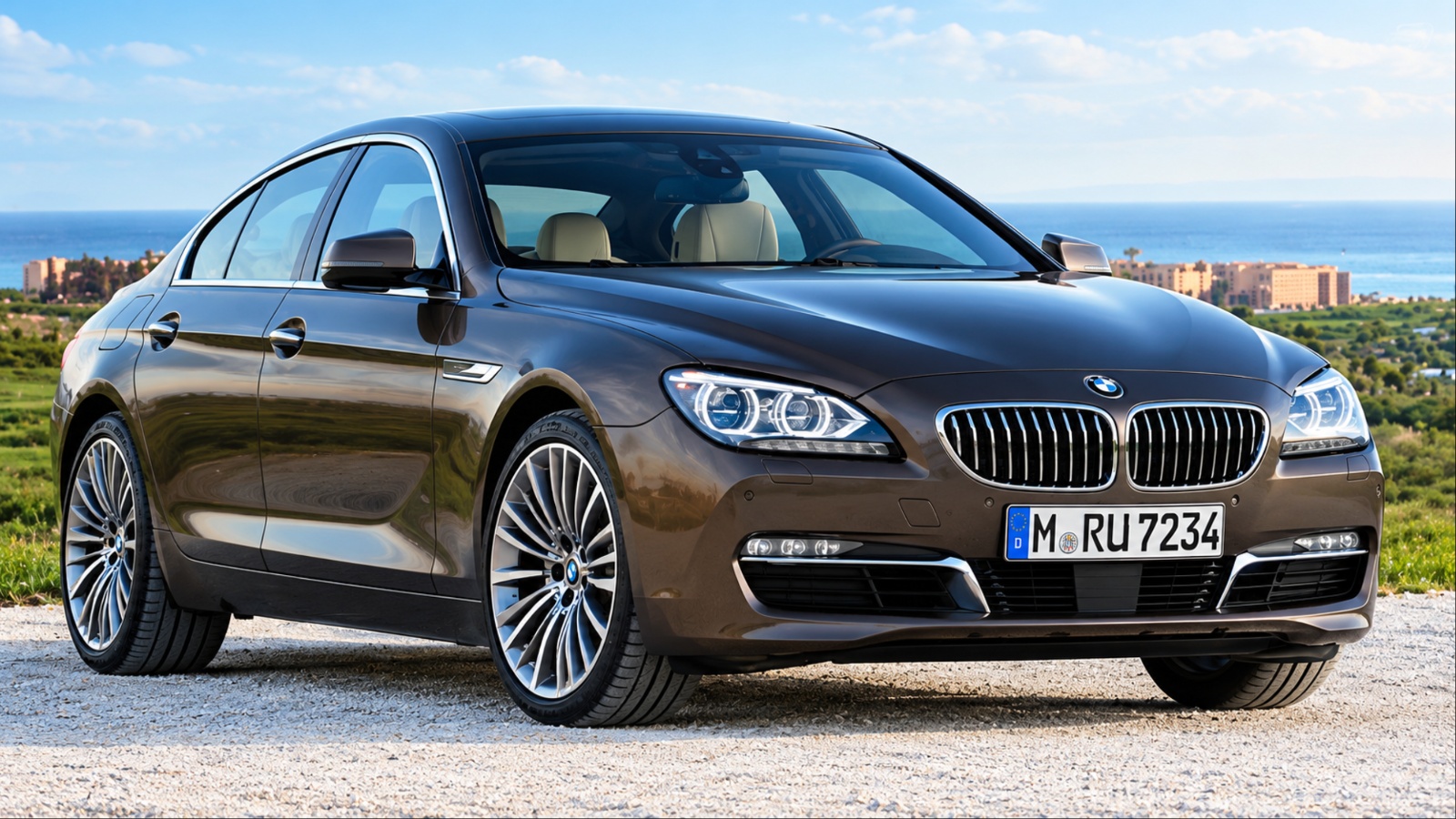
The 7 Series is the newer name at the top, and its win is arguably the more striking. It took the large premium car segment, with the Porsche Panamera finishing as the runner-up. The segment is a small but elite group that includes the Audi A8, BMW 8 Series, Genesis G90, Lexus LS and Maserati Quattroporte, so beating that field is no small feat.
Flagship sedans are an interesting test for APEAL. Their buyers are often experienced luxury owners with high expectations, so a car must truly impress to earn top marks. The 7 Series answers with a combination of comfort, technology and presence.
It is a long-wheelbase sedan with generous rear-seat space, a quiet cabin and an available air suspension, along with optional rear-seat packages that can include reclining seats and a large entertainment screen. Again, these features come from general knowledge of the model rather than the study.
The electric i7 version adds another dimension. Battery electric vehicles posted the biggest year-over-year gain in owner affinity in the 2026 study, up 22 points, and they outperform gasoline vehicles in nearly every category, with the largest advantage in powertrain satisfaction. A flagship sedan with silent, effortless power fits neatly into that trend.
The 7 Series also faces the same challenge as the rest of the industry. J.D. Power flagged infotainment systems, vehicle setup and technology features as the main drags on satisfaction with new models. BMW’s technology-rich cabins are an obvious risk in that regard. That the 7 Series still tied for the top spot suggests owners find the experience rewarding rather than frustrating, at least after the first 90 days.
What BMW’s Big Year Means for Buyers and Rivals
BMW’s success extended well beyond its two top-ranking models. BMW AG secured six segment awards, more than any other automotive group, with wins for the X2, X6, 2 Series, 5 Series, and 7 Series, as well as the MINI Countryman. Hyundai Motor Group followed with five awards, while General Motors earned three.
These results suggest that BMW’s strength is spread across several vehicle categories, from compact models to midsize cars and luxury flagships, rather than being driven by a single standout model.
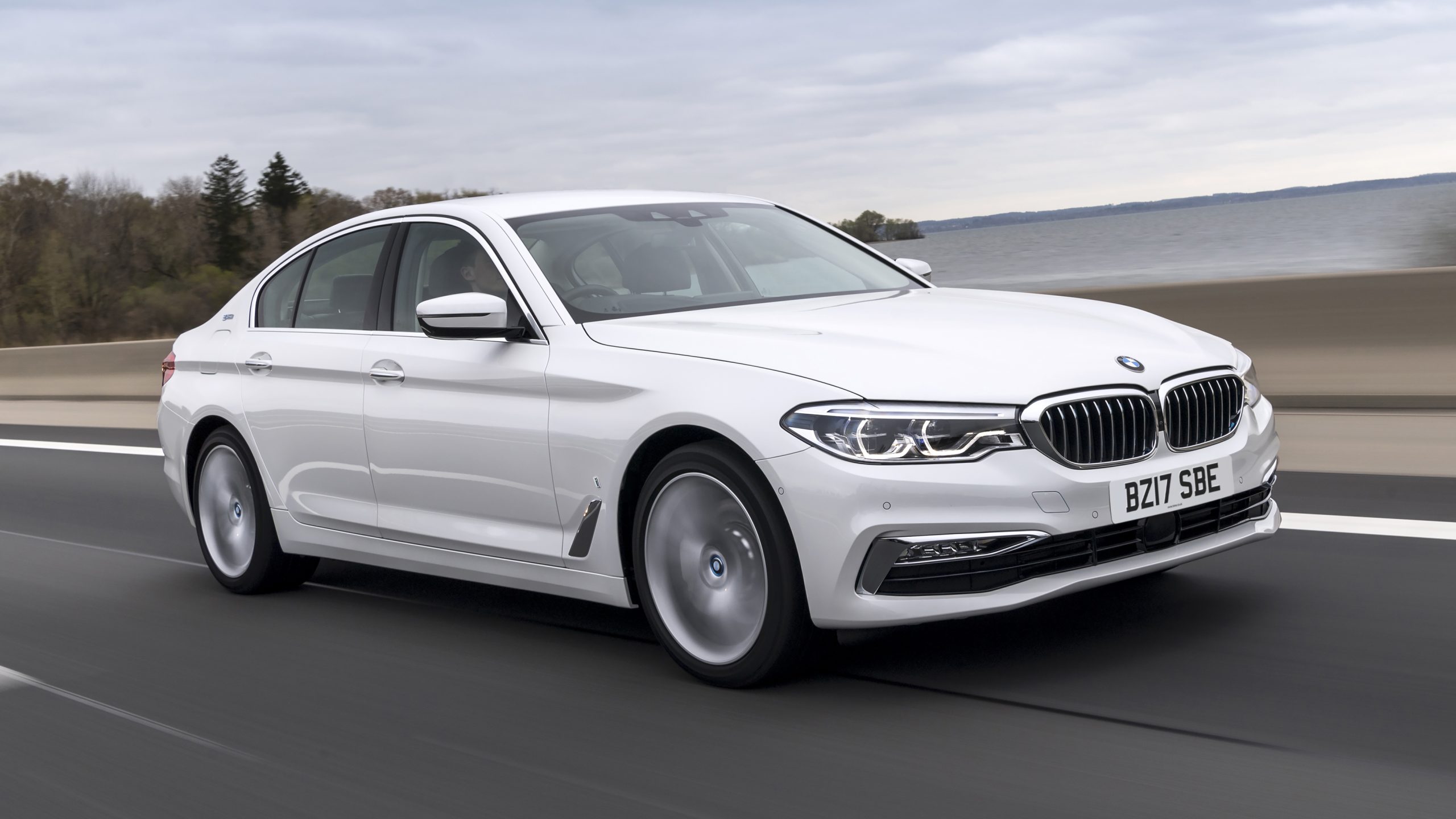
There is a twist. Porsche was the only brand to rank above the premium segment average, scoring 896 against an average of 893. That means BMW’s brand-level score, while strong, did not clear that bar, even as individual models sat at the very top. Model awards and brand rankings measure different things, and a lineup can contain stars without every model shining equally.
The bigger context is convergence. The emotional satisfaction gap between premium brands, excluding Tesla, and mass market brands has shrunk to 29 points, down from 66 points in 2008. Mainstream brands such as Hyundai, Kia and Ford are improving quickly, so luxury makers can no longer assume a badge alone buys loyalty. For BMW, the X6 and 7 Series are proof that premium vehicles can still stand out, but they have to earn it.
For shoppers, the takeaway is practical. A tie at the top of APEAL suggests that owners of both cars are delighted after three months, but it does not guarantee that every trim or option package will suit you.
Test-drive the X6 and 7 Series alongside the Cayenne, Panamera and the other segment leaders. Focus on seat comfort, control layouts, how easily you can set up the infotainment system and whether the car’s character matches your daily routine.
BMW’s achievement highlights how much attention to detail matters in creating a satisfying ownership experience. For competing automakers, these results raise expectations even further. With two BMW models leading the rankings in an increasingly competitive industry, manufacturers will need to keep improving comfort, design, technology, and everyday convenience to meet rising customer expectations.