Car insurance has become the quiet budget killer. Premiums have climbed for years. Many owners now pay more to insure a car than to keep it running.
That is not true for every vehicle. For some models, the yearly premium towers over a normal repair bill. For others, a smart choice flips the math. This list covers ten models at the cheap end of national insurance quotes. Each one also has a reputation for easy parts and simple repairs.
The premium numbers come from full coverage quotes across the country. The national average sits near $138 a month, or about $1,656 a year. Every model here comes in below that mark.
The repair side leans on owner survey data about yearly maintenance and repair spending by brand. That data leaves out collision damage. One honest note. Clean per-model repair costs are not published anywhere.
So the repair view here is directional. It rests on brand cost rankings, parts supply, and how simple each vehicle is to work on. Treat each section as a guide, not a guarantee. Let’s start with the cheapest of all.
1. Dodge Caravan
The Caravan tops the list of the cheapest vehicles to insure. Its average full coverage quote is $102 a month. That is about $1,224 a year. That figure is roughly 26% below the national average. No other model on the list beats it.
Insurers like the Caravan for simple reasons. It is a family hauler, not a performance car. Owners drive it at modest speeds on school runs and errands.
Safety helps too. The 2020 Grand Caravan earned four stars from federal crash testing. The last new models sold in the low $30,000s. The model is now discontinued.
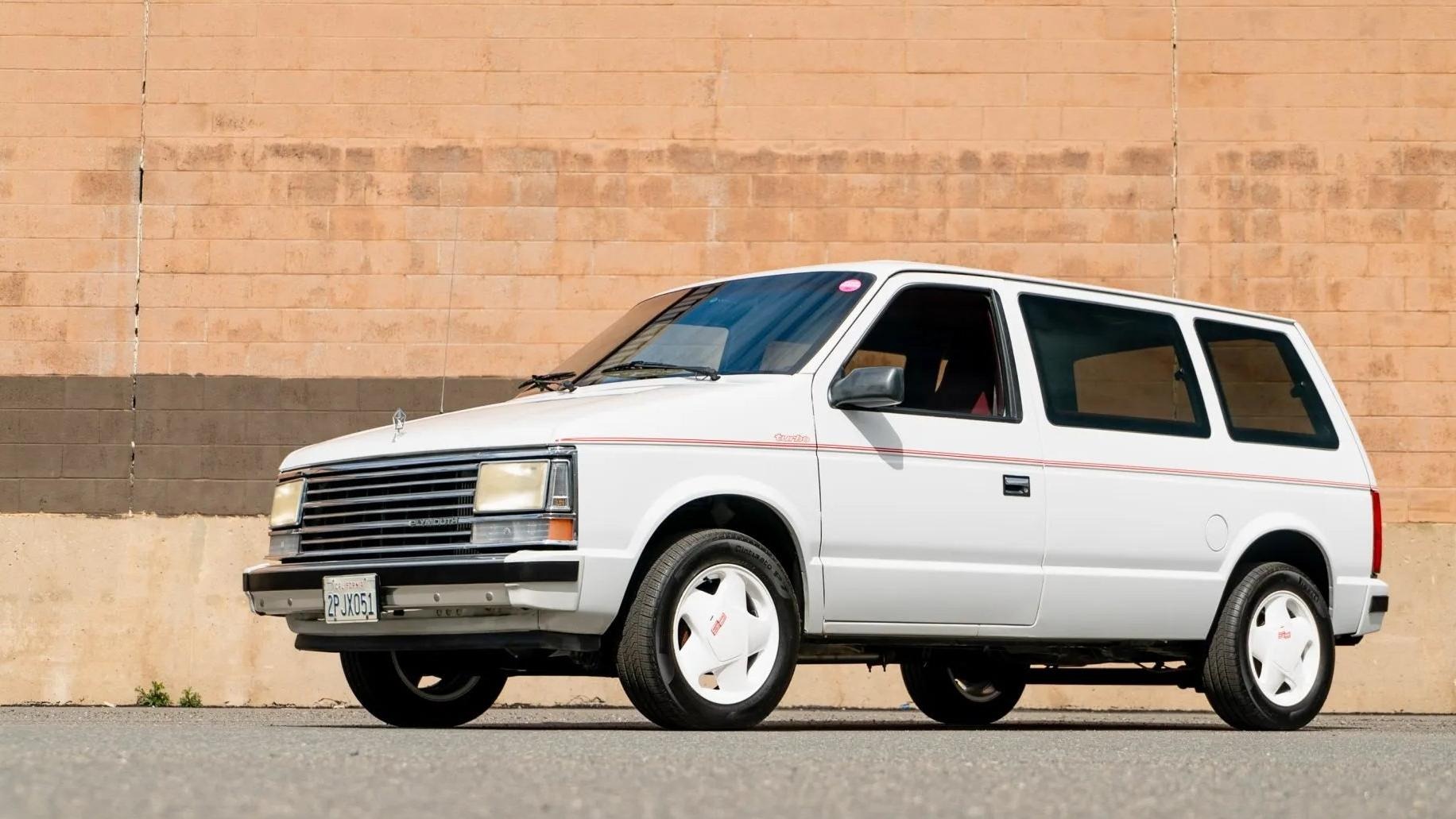
Age pulls the premium down further. An older minivan is worth less when it gets totaled. A lower payout risk means a lower price for the driver. The repair side is friendly. Minivans like this were built in huge numbers. Parts are common and cheap. Any independent shop has likely worked on one.
Domestic brands tend to have cheaper parts, according to the owner survey analysts. That advantage shows up across the cost rankings. A $1,224 premium is a big number. It covers a lot of oil changes, brake jobs, and tires.
There is a catch. Older Caravans can need transmission or electrical work. Buyers should check service records before signing anything. Still, a typical year of upkeep on a minivan like this lands well under the insurance bill. That is the core of its appeal.
Who should buy one? Large families on a tight budget. Anyone who wants cheap seats and cheap coverage. The bottom line is clear. The Caravan makes the insurance bill the largest line item. Repairs rarely catch up with it.
2. Honda Fit
The Honda Fit comes next. Its average full coverage quote is $113 a month. That works out to about $1,356 a year. It sits roughly 18% below the national average. It is also the cheapest sedan or hatchback to insure in the data.
Size is part of the story. The Fit is small, light, and modestly powered. It does not invite reckless driving. Price matters as well. New Fits sold for roughly $16,000 to $18,000. A cheap car costs little to replace after a total loss.
That keeps the insurer’s worst case small. Small risk means a small premium. Honda’s brand ranking in the owner survey is middle of the pack. That is a solid showing. It sits well below the pricey European marques.
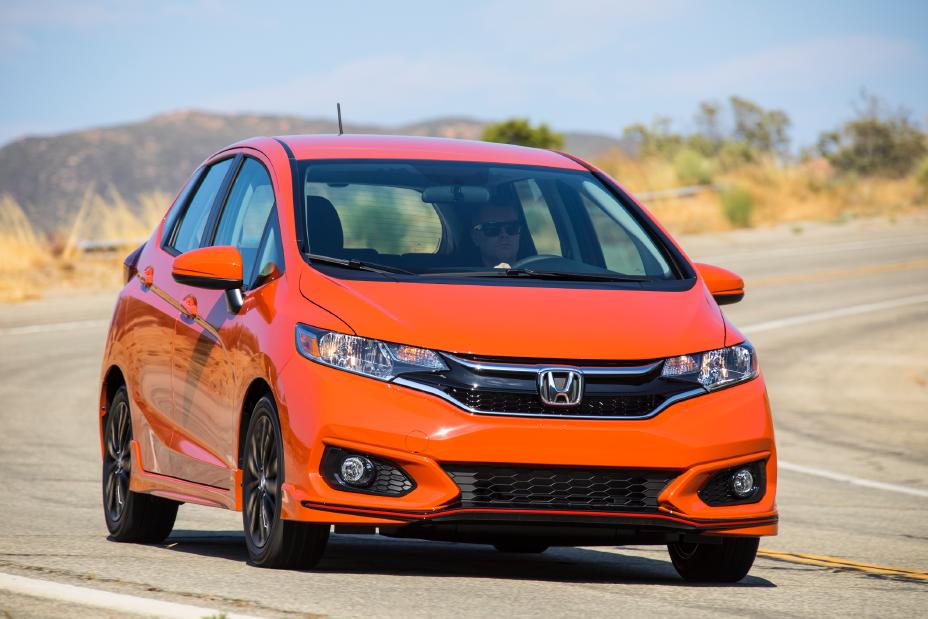
The Fit’s engineering is simple. It uses a small four-cylinder engine and common parts. Honda sold millions of these small cars, so parts are everywhere.
Used Fits are also easy to find. Many independent mechanics know them well. Labor stays reasonable. The Fit has no recent federal crash rating. Honda has earned five-star scores on other current models. That helps its safety reputation.
Here is the math. A $1,356 premium is a real cost. A typical year of oil, tires, and minor fixes on a Fit often comes in lower. Big repairs do happen on any car. A failed transmission or a major engine fix would change the picture. But those are rare events, not yearly costs.
Insurance, by contrast, is a bill you pay every single year. That steady drain is what makes it the higher cost. The Fit suits students, commuters, and city drivers. It is cheap to buy, fuel, and fix.
3. Subaru Outback
The Outback averages $117 a month for full coverage. That is about $1,404 a year. It is roughly 15% under the national average. Safety drives this result. Recent Outbacks earn five stars in federal testing. They also bring standard driver assistance features.
Insurers reward that tech. Automatic braking and lane detection can reduce both crashes and injuries. Fewer claims mean cheaper policies. Subaru is also the cheapest brand to insure. Its brand average is about $127 a month.
Age matters a lot with this model. A 2026 Outback averages $169 a month for full coverage. A 2019 model averages $145. Liability drops from $94 to $78.
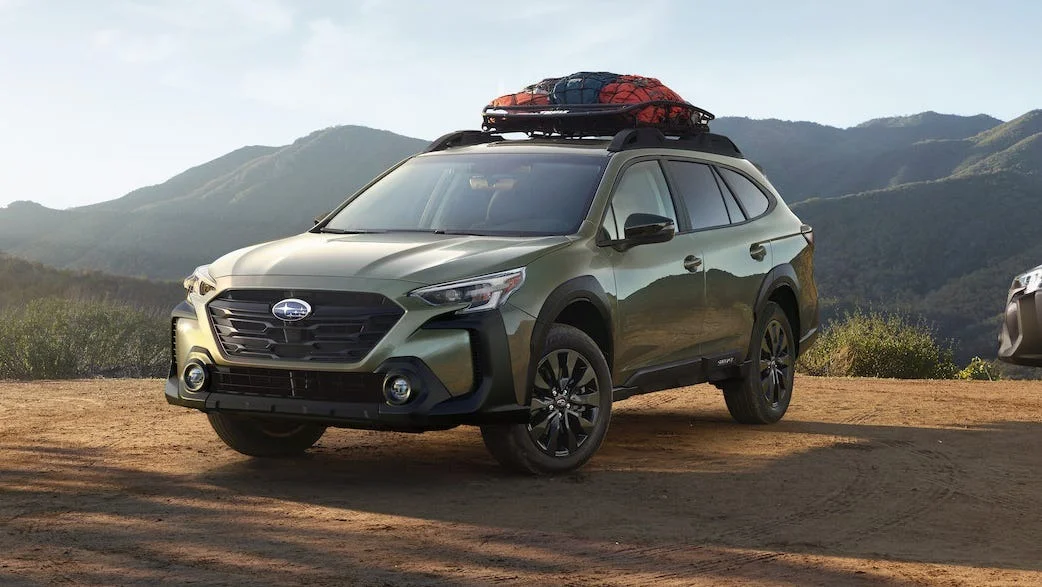
Newer Outbacks cost more to replace. That raises collision and comprehensive prices. Older ones are cheaper to cover. Here is where honesty matters. Subaru ranks in the pricier half of mainstream brands for maintenance and repair. It is not the cheapest brand to fix.
So the Outback’s claim is narrower. Ordinary upkeep and typical repairs still tend to cost less than the premium. But the gap is smaller than on a Honda or Toyota.
All-wheel drive adds some cost. There are more drivetrain parts to maintain. Tires should be replaced as a full set. Still, parts are widely available. Subaru has a large and loyal repair network.
A newer Outback starts in the mid-$30,000s. That is a lot to replace after a crash. Yet its crash record keeps premiums low. Buyers should think about model year.
An older Outback cuts the insurance bill. It also cuts the cost of a total loss. The Outback fits drivers in snowy or rural areas. It pairs safety, space, and a below-average premium.
4. Subaru Forester
The Forester averages $119 a month for full coverage. That is about $1,428 a year. It beats the national average by a wide margin. Starting prices run from the high $20,000s to the low $30,000s. That is a moderate sticker for a crossover.
A moderate price means a moderate replacement bill. Safety is strong. Recent Foresters earn five stars. Standard driver assistance is common across trims.
Insurers see fewer severe claims on this kind of vehicle. Compact crossovers sit in the middle ground. They are not too small and not too heavy. That balance is what keeps premiums low. Very small cars can raise injury risk. Very heavy vehicles can cause bigger damage in crashes.
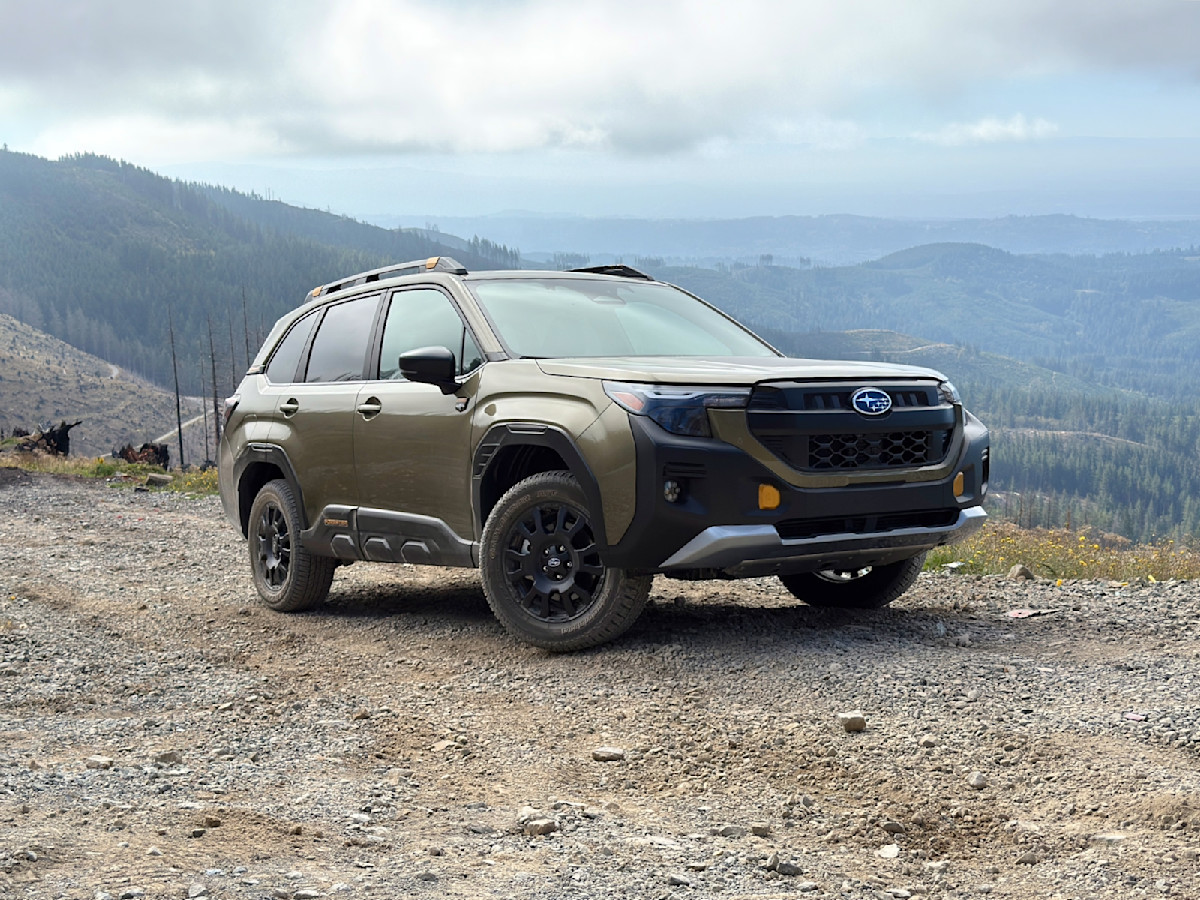
The Forester lands in the sweet spot. It is also a very common sight on American roads. Common vehicles mean common parts. Body panels, brakes, and suspension pieces are easy to source. Shops see them every day.
The repair cost caveat from the Outback applies here too. Subaru’s repair costs in the owner survey sit above the cheapest brands. They are still far below European luxury names.
Routine work on a Forester is not expensive. Oil changes, filters, and brakes cost what they cost on any mainstream crossover. Big repairs are the wild card. Head gasket issues on some older Subarus are well known. Checking the model year and service history matters.
A used Forester is a smart play. Older examples carry lower premiums. They are also cheaper to replace if something goes wrong. Compared with a $1,428 yearly premium, normal Forester upkeep is lighter.
That makes insurance the higher annual cost for most owners. This crossover suits small families and outdoor drivers. It offers all-wheel drive without a luxury price.
5. Fiat 500
The Fiat 500 averages $120 a month for full coverage. That is about $1,440 a year. It sits about 13% below the national average. The 500 is tiny and cheap. Its low value caps what an insurer must pay after a total loss. That keeps premiums down.
Its small engine also discourages high-speed driving. Owners tend to use it as a city car. Short trips mean fewer severe crashes. There is a safety trade-off. Earlier U.S. models earned three stars in federal testing. Very small cars can raise injury risk.
Even so, the insurance data shows below-average costs. The low replacement value outweighs the safety concern for insurers. The repair side is more mixed here. Fiat is not part of the owner survey’s brand ranking. So there is no clean repair-cost benchmark.
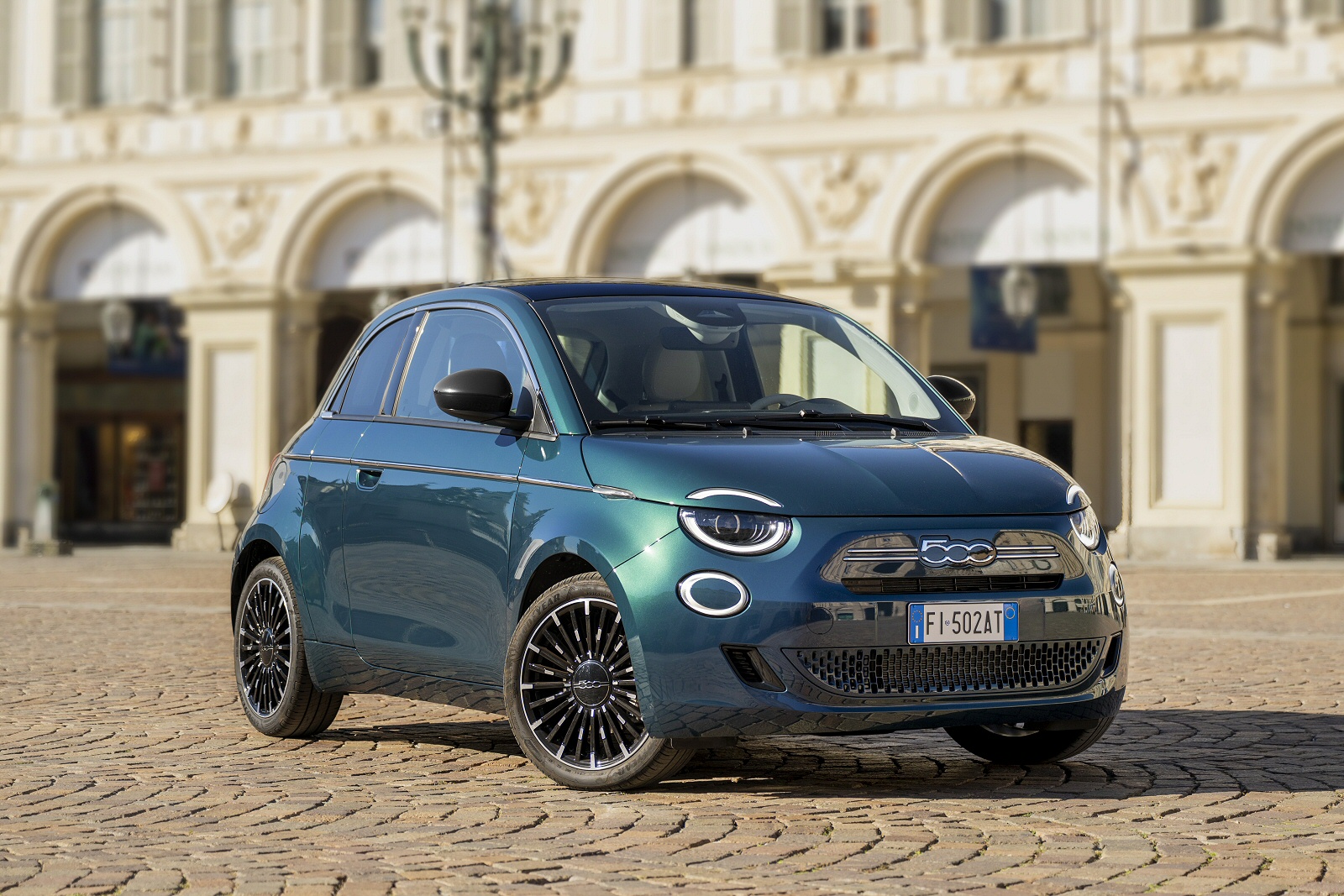
Mainstream small cars usually have cheap parts. The 500 is a niche import with a smaller U.S. footprint. Parts supply can be thinner in some areas. Some owners report electrical and reliability problems. Others never have trouble. Experiences vary widely.
Routine work is still simple. Oil changes, tires, and brakes are standard jobs. Any decent shop can handle them. The key is finding a mechanic who knows the car. A specialist can save hours of labor.
Compared with a $1,440 premium, normal upkeep is modest. But a bad repair year could close the gap fast. The 500 is now discontinued. That can make parts harder to find over time. Buyers should check local parts availability first. This car fits city drivers who want style and a small footprint. Just budget some extra cushion for surprises.
6. Honda CR-V
The CR-V averages $122 a month for full coverage. That is about $1,464 a year. It is roughly 12% under the national average. The CR-V is one of the most popular vehicles in America. Popularity matters to insurers. They have huge amounts of data on it.
That data shows a steady, predictable claim pattern. Predictable risk is easier to price low. Safety is excellent. The CR-V earns five stars in federal testing. It also includes driver assistance features across the lineup.
Prices start around $30,000. That is mainstream territory. Replacement after a crash is not extreme. The repair story is where the CR-V shines. Honda ranks in the middle of the owner survey’s cost ranking. That is a solid, dependable showing.
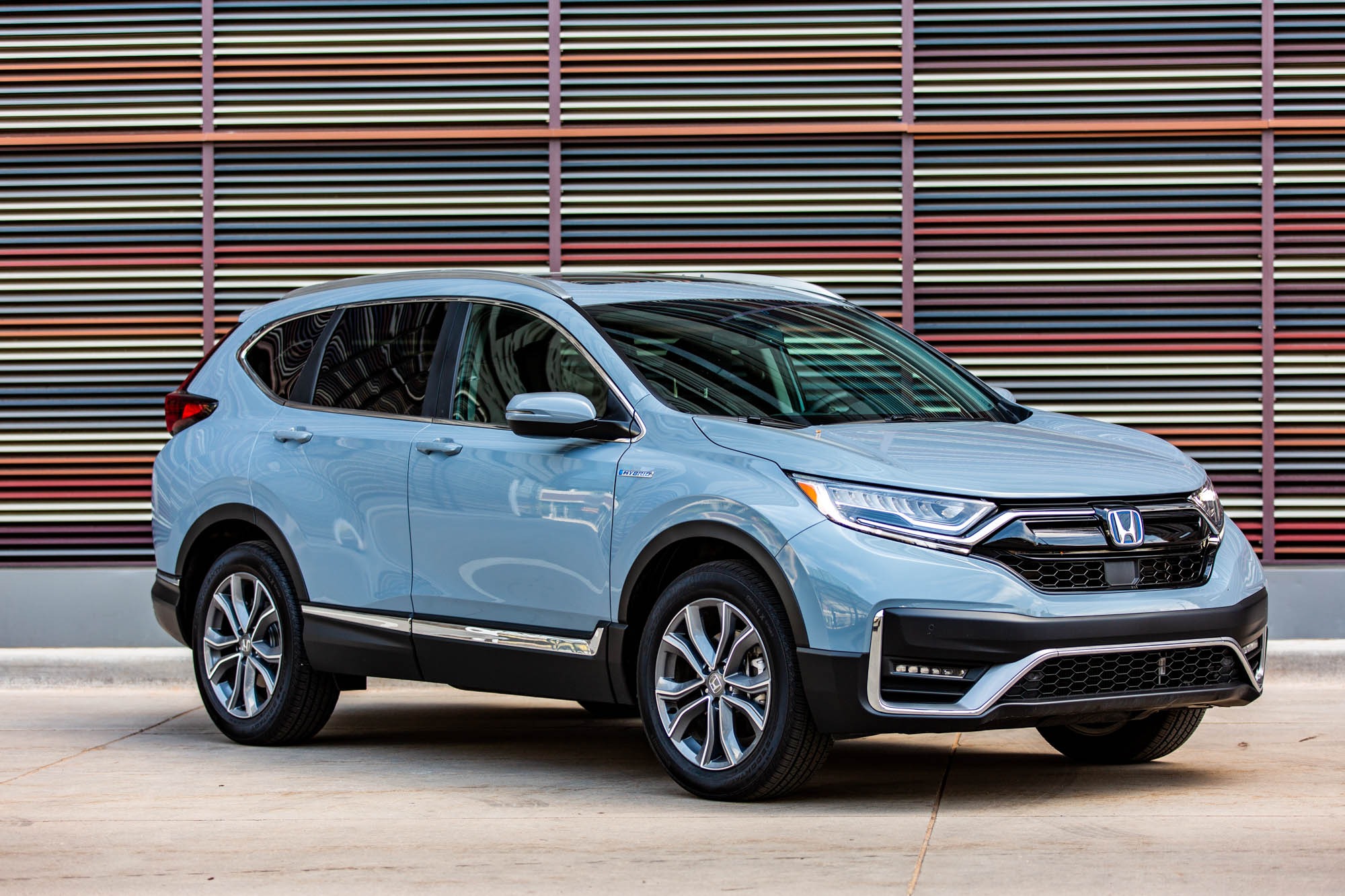
Parts are plentiful. Honda sells these vehicles by the hundreds of thousands. Aftermarket suppliers fill the gaps. Mechanics know the CR-V well. Labor times are predictable. Surprises are fewer.
Honda’s reliability record also helps. A car that breaks less costs less to fix. That keeps yearly repair totals low. Compare that with a $1,464 premium. A typical year of upkeep on a healthy CR-V is usually lighter than that. Insurance is the bigger regular bill.
There is one caution. Newer CR-Vs carry more sensors and cameras. A windshield replacement can require recalibration. That adds cost. Still, the CR-V balances insurance and repair costs very well. Neither side runs wild. It suits families, commuters, and almost anyone who wants a no-drama crossover.
7. Acura RSX
The Acura RSX averages $125 a month for full coverage. That is about $1,500 a year. It is the cheapest luxury-badged model in the data. This needs context. The RSX is an older entry-level coupe. It was discontinued years ago. A new RSX is expected in 2026 at about $50,000.
The data reflects the older cars. Age is the main reason for the low premium. An old coupe is worth little, so it costs little to replace. Older RSX models earned five stars in frontal crash tests and four stars in side impacts. That is a solid showing for its era.
Sporty coupes usually cost more to insure. The RSX is an exception. Its modest power keeps it out of the high-risk group. The repair side is where this car gets interesting.
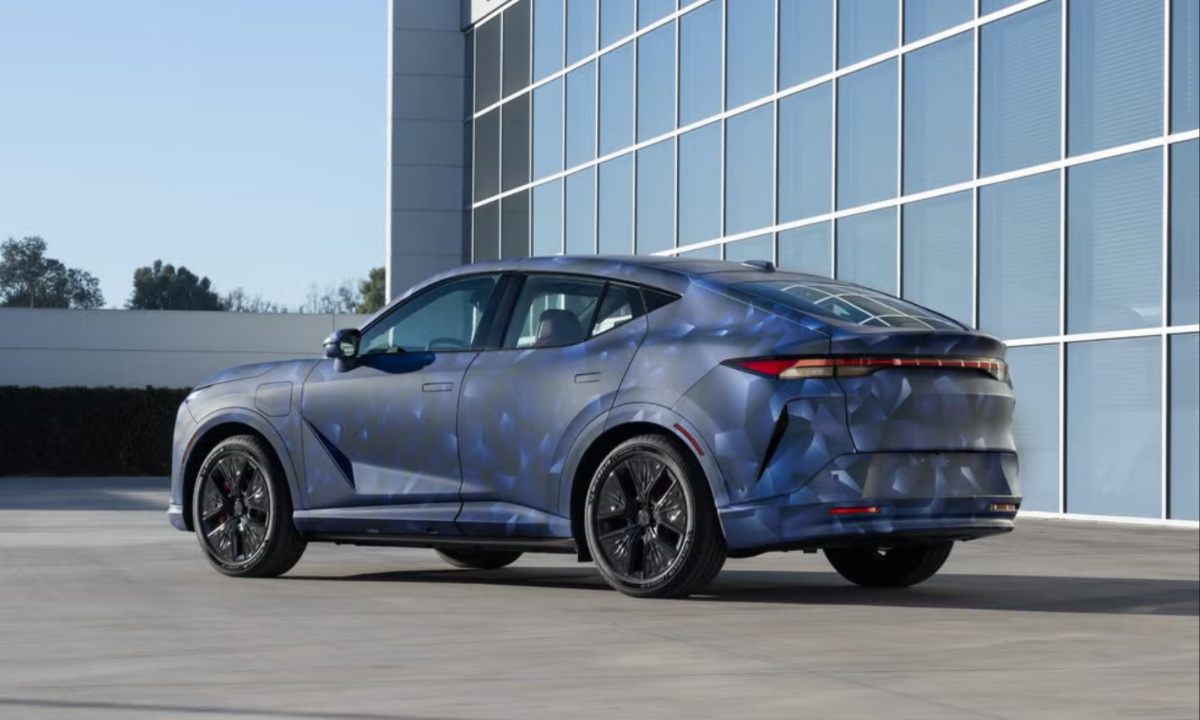
The RSX shares its engineering with Honda. Mechanical parts are widely available. Many components are common across Honda models. Acura ranks higher than Honda in the cost survey. Luxury branding adds some cost. Still, it is nowhere near the European marques.
Routine upkeep is simple. The engine is a well-known four-cylinder. Mechanics have decades of experience with it. The limit comes from age. Old cars need more repairs. Rubber parts crack. Sensors fail. Rust can appear.
A well-kept RSX can still cost less to fix than to insure. A neglected one can quickly flip that math. The best approach is a pre-purchase inspection. It costs little and can save a lot. This car suits enthusiasts on a budget. It offers a sporty feel with modest running costs, as long as the example is healthy.
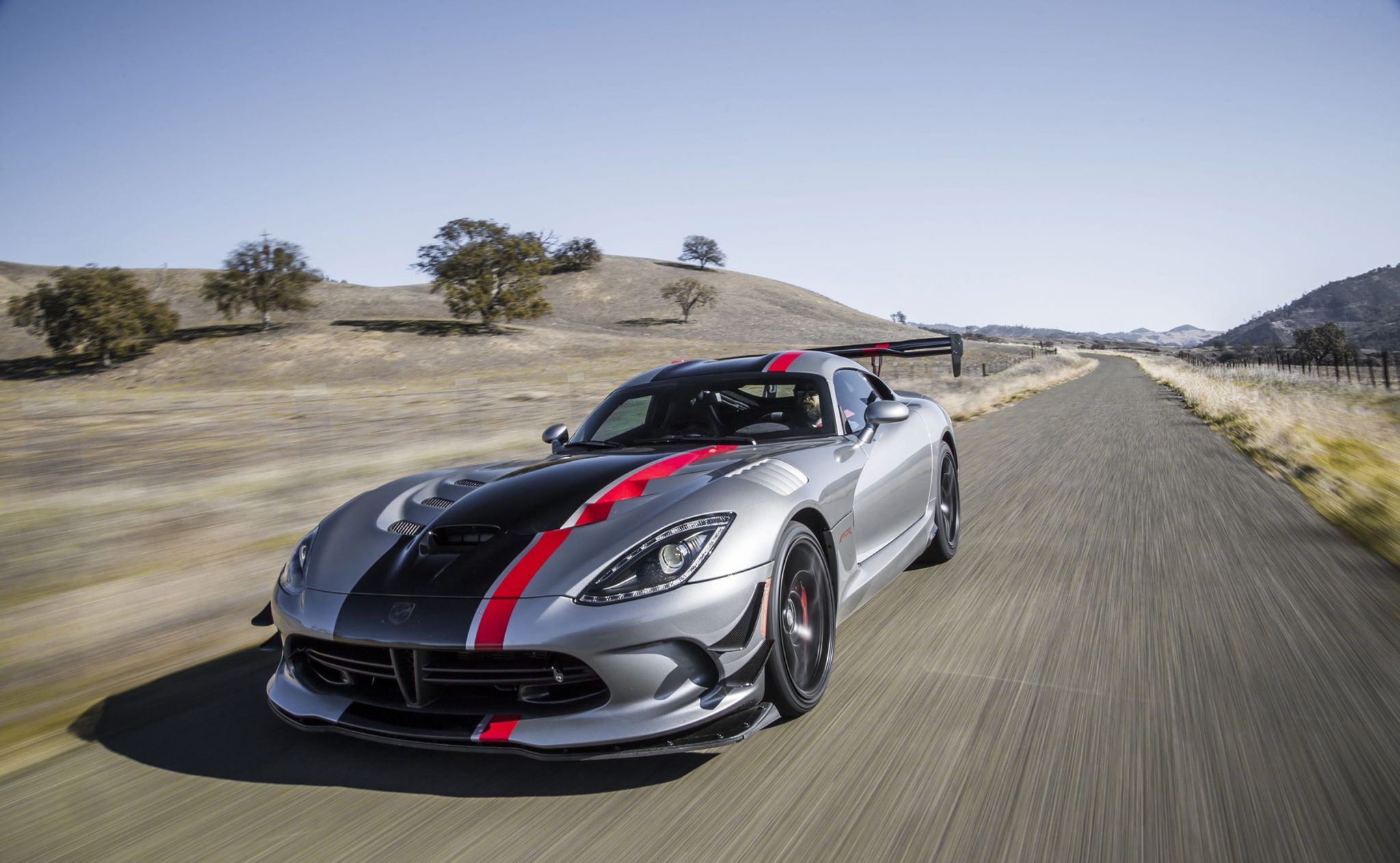
8. Dodge Viper
The Viper is the strange entry. Its average full coverage quote is $126 a month. That is about $1,512 a year. It sits below the national average. That surprises most people. The Viper is a V10 supercar. It is loud, rare, and fast.
The low premium likely reflects who owns one. Many Vipers are weekend cars or collector pieces. They log few miles. Fewer miles mean fewer chances for a claim. Careful owners also tend to garage these cars.
Rarity can also skew quote data. Few vehicles mean small samples. Averages can look odd. Here the headline does not hold up. A Viper is not cheap to fix. This is the honest exception on the list.

Parts are low volume. Many components are specific to the car. Specialist shops handle most of the work. Body panels, clutches, and brakes cost far more than on a family crossover. A single major repair can top a year’s premium.
Tire costs alone are steep. The Viper uses wide, high-performance rubber. Replacement sets can run into four figures. The Viper is also a car that rewards careful use. Hard driving can destroy parts quickly. Repairs then get expensive.
So why include it? Because it shows the limits of the idea. A low premium does not always mean a low-cost car. If you want one, budget well beyond the insurance bill.
Set aside a repair fund. Find a trusted specialist before you buy. The Viper is for collectors, not for people watching every dollar. It proves that the cheapest quote is not always the cheapest car.
9. Honda Odyssey
The Odyssey averages $128 a month for full coverage. That is about $1,536 a year. It sits roughly 7% under the national average. It is a minivan, and insurers love minivans. They are driven calmly. They carry families. Performance is not the goal.
Safety is a major strength. The Odyssey earns five stars for both frontal and side crash protection. It earns four stars for rollover protection. Prices start in the mid-$30,000s. That is higher than a compact crossover. Replacement costs are a bit larger as a result.
Even so, its safety record keeps the premium in check. Fewer serious injuries mean fewer large claims. On the repair side, Honda’s mid-tier cost ranking helps. Odysseys are common. Parts are easy to get. Shops know them well.
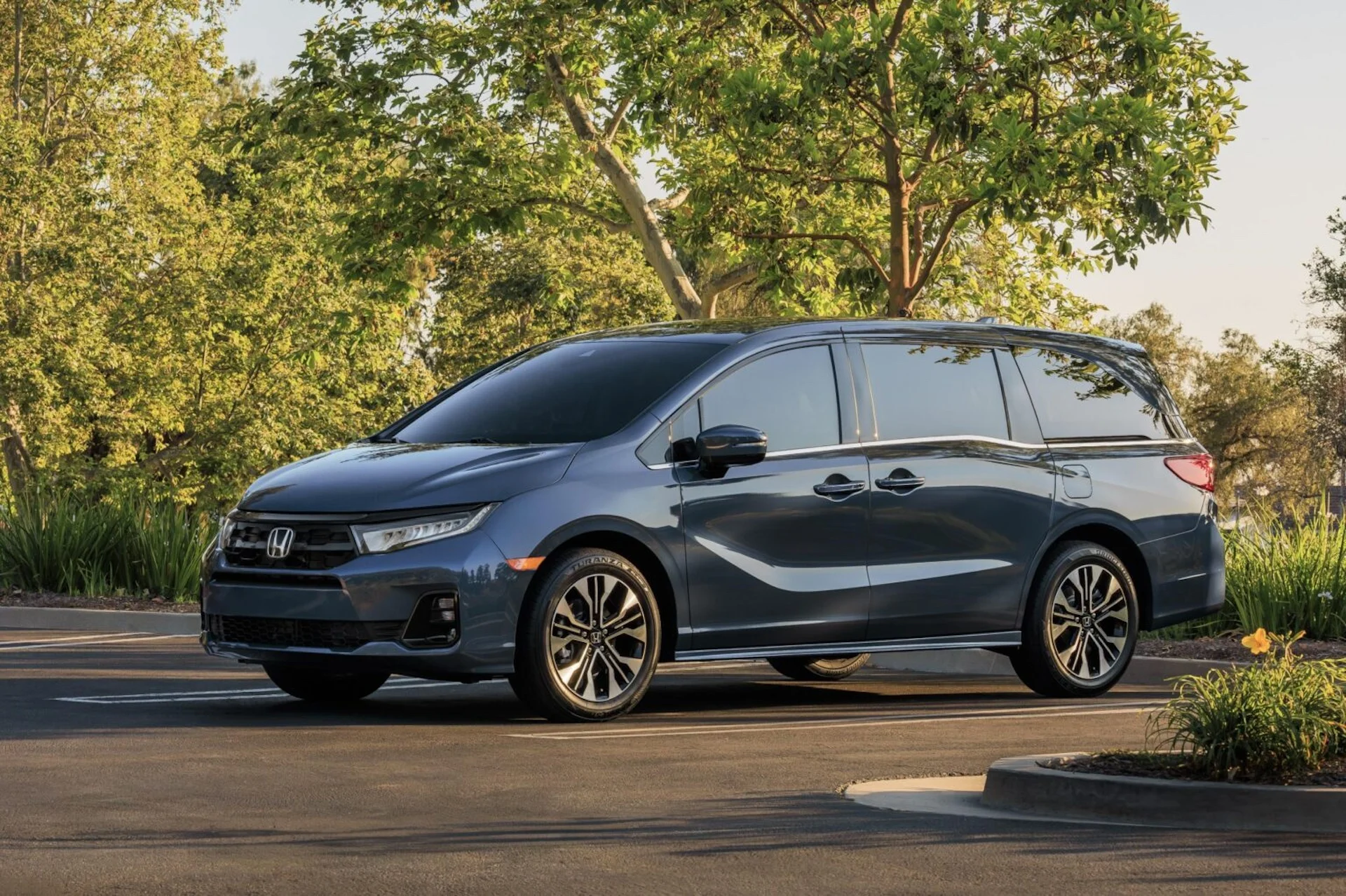
Minivans do have particular wear points. Sliding doors take daily abuse. Their tracks and motors can fail. Transmissions on some model years have drawn complaints. Checking history for a specific year is smart.
Tires, brakes, and fluids are the main yearly costs. These are standard and fairly priced. A big family vehicle does use tires quickly. Compared with a $1,536 premium, a typical year of Odyssey upkeep is lighter. Insurance remains the higher fixed cost.
Used Odysseys are a smart buy. Their premiums drop with age. Their repair costs stay manageable if the van was cared for. The Odyssey suits families who need space and safety. It offers both without an extreme insurance bill.
10. Ford Ranger
The Ford Ranger rounds out the list. Its average full coverage quote is $128 a month. That is about $1,536 a year. Pickups often cost more to insure. Heavy trucks can cause bigger damage in crashes. The Ranger bucks that trend.
It is a smaller, lighter truck. Its size keeps claim costs lower than those of full-size models. It sits below the national average. Prices run roughly $33,000 to $37,000. That is mid-range for a modern truck. The Ranger earns four stars in federal testing.
Trucks also tend to be cheaper to insure than sedans in broad averages. One analysis put the gap near 16%. Owners tend to drive them carefully. On the repair side, Ford does well. The owner survey ranks Ford in the lower-cost half of mainstream brands. That is a strong showing.
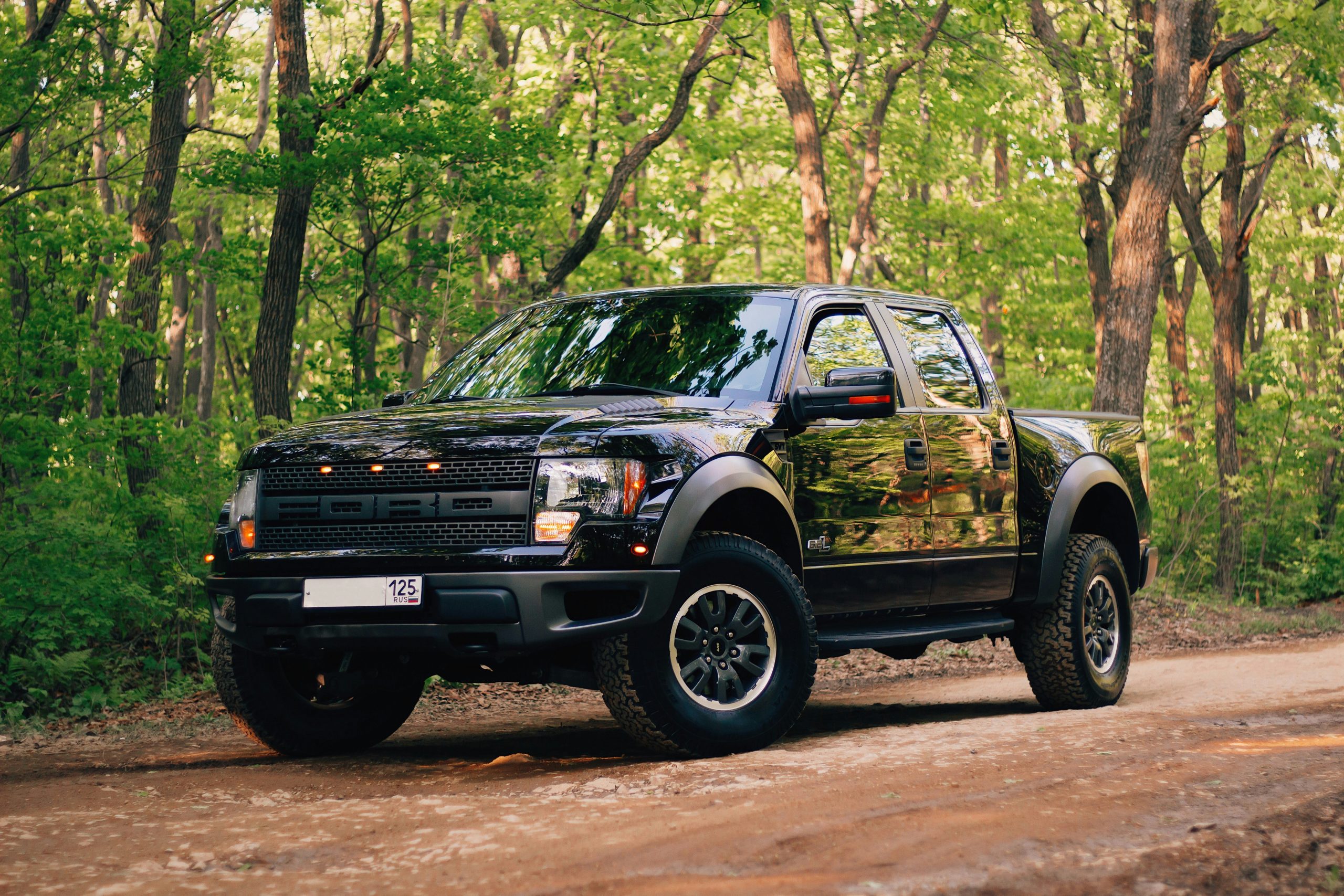
Parts are everywhere. Ford sells a huge number of trucks. Dealers, chains, and independents all stock components. Domestic brands tend to have cheaper parts. That advantage helps the Ranger. Labor is also easy to find.
Trucks do face tougher use. Towing, hauling, and off-road driving wear parts faster. Work trucks can rack up repair bills. A lightly used Ranger is a different story. A commuter truck with careful owners should have modest yearly costs.
Compared with a $1,536 premium, normal upkeep is usually smaller. That keeps insurance as the higher yearly cost. Careful buyers should still check service history. Towing use is a red flag. So is heavy off-road wear. The Ranger fits tradespeople and weekend haulers. It offers truck utility with a below-average premium and affordable parts.