A car’s sticker price is only the opening bill. The real cost arrives slowly. It shows up one oil change and one repair at a time. CR tracked that long tail through its annual owner survey. Members reported what they paid out of pocket for maintenance and repairs. Collision work was left out. The answers became five-year and ten-year cost estimates for each brand.
The gaps are huge. Buick owners spend about $5,260 over ten years. Land Rover owners spend about $19,460. That is nearly four times more. Warranties shape the early numbers. Some brands also bundle free service for a few years. That is why the first five years look cheap almost everywhere. The real test starts when coverage ends.
This ranking covers ten brands at the low end of the cost scale. Each one earns its place for a different reason. Some win on simple engineering. Others win on shared parts and big dealer networks. A few win by removing whole systems from the car.
Treat each entry as a practical guide. Use it to judge the next ten years. Not just the next payment. All figures are owner-reported averages. Your own costs will vary.
1. Buick: about $5,260 over ten years
Buick takes the top spot in the latest ranking. Owners report about $1,160 over the first five years. Years six through ten add roughly $4,100. The ten-year total lands near $5,260. That is the lowest figure of any brand CR tracks. It beats every luxury name too.
Platform sharing explains much of it. Buick builds on hardware shared across General Motors. Brakes, sensors, and suspension parts are common across the group. Dealers stock these parts widely. Common parts mean lower prices. They also mean any independent shop can fix them.
The powertrains are conservative too. Most Buicks run small four-cylinder engines. Many are turbocharged but tuned gently. Simple designs age gracefully. Fewer exotic parts means fewer surprises.
Owner habits help the average. Buick buyers tend to drive fewer miles each year. Less driving means slower wear on tires, brakes and fluids. A high-mileage owner will not see the same savings.
The gap to luxury rivals is the real story. CR notes that Buick and Lincoln cost about one-quarter of Land Rover. Mercedes-Benz models cost more than double. Buyers who want comfort and quiet can get both for far less.
One caution applies. Buick placed only 20th in the full brand report card. That ranking weighs road tests, reliability and satisfaction too. Low cost does not mean zero trouble. It means trouble is cheap when it comes.
The cheapest brand to keep running, with average reliability. A smart pick for steady commuters. Check coverage before the warranty ends. That is when the bills begin.
2. Lincoln: about $5,620 over ten years
Lincoln climbed to second place in the latest ranking. In the earlier edition, it sat fourth at $5,040. Owners now report about $920 over the first five years. That is the lowest five-year figure in this ranking. Years six through ten add roughly $4,700.
This is a luxury brand with mainstream bills. That is rare. Most luxury badges bring steep repair costs. Lincoln breaks that pattern. Ford’s parts bin is the secret. The Corsair shares its basic architecture with the Ford Escape. The Navigator shares its bones with the Expedition.
Shared parts mean shared prices. A brake sensor costs far less when thousands of Fords use it. Lincoln also leans on proven engines. Many come from the same families Ford uses in its trucks and crossovers. Technicians know them well. Shops of every size can work on them.

The report card tells a matching story. Lincoln was the only Detroit-based brand in the top ten. Cadillac placed 17th. Ford placed 18th. Lincoln’s strong reliability marks helped its cost numbers.
CR makes a pointed recommendation here. Shoppers drawn to luxury should consider domestic names. The savings over ten years can reach thousands of dollars. Compare that with German or British rivals. The difference is dramatic.
Some caution still applies. Big luxury SUVs carry big tires and big brakes. Those parts cost more than on a compact sedan. Model choice still matters inside a brand. The best-value luxury badge by a wide margin. Plush feel, modest upkeep. A rare combination in this price class.
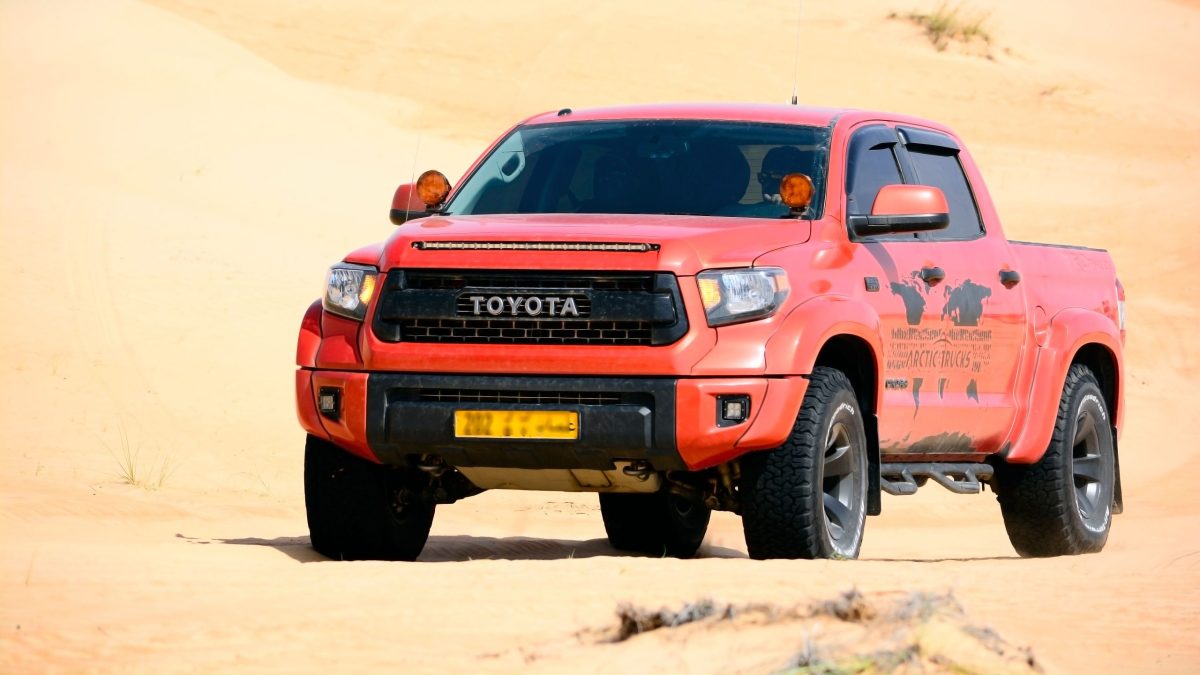
3. Toyota: about $5,950 over ten years
Toyota lands third. Owners report about $1,250 over five years. Years six through ten add roughly $4,700. The ten-year total sits near $5,950. Costs here barely rise after year five. That flat curve is the Toyota signature.
Reliability drives the pattern. CR has ranked Toyota at or near the top for new-car reliability. Fewer failures mean fewer repair visits. Maintenance becomes routine rather than surprising.
Free service helps early on. ToyotaCare has covered scheduled maintenance for the first two years or 25,000 miles. That trims the first-five-year number. It does not explain the low later costs. Those come from durable design.
Parts are cheap and everywhere. Toyota sells in huge volume. Huge volume creates a deep supply of new and aftermarket parts. Independent shops know the cars inside out. Labor bills stay reasonable.
Hybrids add another advantage. Regenerative braking takes load off the brake pads. Pads and rotors last far longer. Toyota has built hybrids for decades. The systems are mature and well understood.
The brand report card backs this up. Toyota placed fifth. That score blends road tests, reliability, satisfaction and cost. Few brands balance all four so well.
Toyota does not win on price alone. Models cost more up front than some rivals. Resale values are also strong. That offsets the sticker premium over time. The safest all-round choice. Not the cheapest on paper. Probably the most predictable over a decade.
4. Hyundai: about $6,110 over ten years
Hyundai takes fourth place. Owners report about $1,210 over five years. Years six through ten add roughly $4,900. The ten-year total lands near $6,110. That is a strong result for a brand once seen as a budget gamble.
Warranty coverage plays a big role. Hyundai offers a ten-year, 100,000-mile powertrain warranty for original owners. That covers the costliest components. Engine and transmission failures become the maker’s problem. Owners pay for wear items and routine service.
Hyundai has also bundled free scheduled service on many new models. That lowers the early numbers. The effect fades after the first few years. Costs then rise toward the industry norm.
Sister brand Kia is the natural comparison. The two share platforms and many parts. CR’s data show Hyundai owners paying less than Kia owners over a decade. Small differences in models and engines can explain part of that gap.
Quality has improved sharply over twenty years. Newer Hyundais score well in reliability surveys. The report card placed the brand eighth. That is a big climb from where it once stood.
Hyundai also builds dependable, simple small cars. Compact sedans and crossovers dominate its sales. These vehicles use common tires and brakes. Replacement parts are inexpensive.
Watch the engine choice. Some older Hyundai and Kia engines had well-known failure problems. Those cases led to extended warranties and recalls. Check a model’s history before buying used. A low-risk buy with a safety net. The warranty is the star. Costs stay modest even after it ends.
5. Tesla: about $6,125 over ten years
Tesla ranks fifth, and the story has shifted. In the earlier edition, it was first at $4,035. Now owners report about $1,020 over five years. Years six through ten add roughly $5,105. The ten-year total is near $6,125.
The early numbers remain excellent. Electric cars skip oil changes. They have no spark plugs, belts or exhaust parts. Regenerative braking saves brake pads. Scheduled service is minimal.
Costs climb as cars age. Tires wear faster on heavy EVs with instant torque. Suspension parts take a beating from the weight. Replacement rubber is not cheap. Those costs build up after year five.
The battery is the big unknown. Most packs last well beyond ten years. A failure outside warranty is brutal. One owner reported a bill near $19,000. That kind of event can erase years of savings.
CR’s figures exclude collision repair. That matters for Tesla. Body and structural repairs often cost more than on other cars. Parts supply and specialist labor drive that cost. Insurance premiums reflect it.
The report card shows real progress. Tesla made the top ten for the first time. CR found Tesla now builds the most reliable EVs. Years of quality struggles are fading.
Owners also lack a traditional dealer network. Service centers can be busy. Independent shops have limited access to parts and software. That can mean longer waits.
Very cheap early, rising later. Budget for tires and a possible battery event. The low-maintenance reputation is deserved, but not absolute.
6. Nissan: about $6,270 over ten years
Nissan sits sixth. Owners report about $1,420 over five years. Years six through ten add roughly $4,850. The ten-year total lands near $6,270. The early cost is higher than most brands above it. The later cost is surprisingly mild.
CR points to Nissan when it discusses free service. The brand has offered complimentary maintenance for a set period. That softens the first-five-year number. It makes early costs look lower than the car’s true needs.
Nissan sells many small, simple cars. The Versa and Sentra are good examples. They use common parts and basic engineering. Repairs on these cars are cheap and quick. That helps the ten-year average.
Transmissions are the sore spot. Nissan relied heavily on continuously variable transmissions. Some earlier units developed problems. Replacement costs can run into the thousands. Owners of older models should know the history.
Brand perception has taken a hit. Newer Nissans are improving. Reliability scores have recovered in some models. The data still show mixed results across the lineup.
Parts supply is solid. Nissan has a broad dealer base. Independent shops stock many common components. Prices stay moderate.
Fluid care matters more here. CVTs are sensitive to service intervals. Following the maintenance schedule closely is cheap insurance. Skipping it is the costly path.
A low-cost brand with one big risk. Choose models with proven drivetrains. Keep up with transmission service. Do that, and the numbers stay friendly.
7. Chevrolet: about $6,275 over ten years
Chevrolet claims seventh. Owners report about $1,325 over five years. Years six through ten add roughly $4,950. The ten-year total comes in near $6,275. That is almost identical to Nissan.
Scale is the main advantage. Chevrolet sells across nearly every segment. Trucks, SUVs, small cars and EVs all wear the bowtie. That volume creates a vast pool of parts. Competition among suppliers keeps prices down.
It also shares platforms with sister brands. Buick, GMC and Cadillac use related components. A part used across many vehicles costs less. That is the same logic behind Buick’s top spot.
Chevy’s engines help too. The long-running small-block V8 uses a simple pushrod design. It is compact and tough. Mechanics have worked on it for decades. Many repairs are straightforward.
The dealer network is enormous. Rural areas especially benefit. A Chevrolet can be serviced almost anywhere in America. Shops know the vehicles well. Wait times are shorter.
The report card is less flattering. Chevrolet placed 24th. Reliability and satisfaction scores pulled it down. A brand can be cheap to fix and still fix often.
Model choice swings the outcome. A truck with a V8 behaves differently from a small turbocharged SUV. Check individual reliability scores. Brand averages hide real variation. Affordable to own, with uneven quality. Best for buyers who value parts access. Research the exact model before signing.
8. Ford: about $6,350 over ten years
Ford takes eighth after sitting fifth in the earlier edition. Owners report about $1,150 over five years. Years six through ten add roughly $5,200. The ten-year total is near $6,350. Costs rise noticeably in the second half.
Ford’s strength is the parts ecosystem. The F-Series is America’s best-selling truck. That volume supports a huge market for components. Aftermarket suppliers compete hard. Prices stay competitive.
The dealer and independent shop network is vast. Almost every town has a mechanic who knows Fords. Labor rates stay moderate. That keeps the average from climbing.
Engineering complexity has grown. Many Fords now use turbocharged engines with direct injection. They deliver power and efficiency. They also add parts that can wear out. Ten-speed automatics add another layer.
Software and electronics are a modern issue. Recalls have been frequent. One recent example involved headlight software on Explorers. Most recalls are free to fix. They still cost time and trust.
The report card placed Ford 18th. That sits one spot behind Cadillac. Lincoln, its luxury sibling, did far better. The contrast shows how model mix changes results.
Trucks also skew the numbers. Big tires, towing wear and heavy use raise costs. Owners who haul loads see higher bills. Commuter models fare better. Still good value, but slipping. Choose proven powertrains over the newest tech. Keep records of service. They help with warranty claims.
9. Mazda: about $6,420 over ten years
Mazda ranks ninth. Owners report about $1,700 over five years. Years six through ten add roughly $4,720. The ten-year total comes in near $6,420. The early cost is higher than most brands above it. The later cost is among the lowest in the group.
That pattern points to durable engineering. Mazda uses naturally aspirated Skyactiv engines in most models. They avoid the extra stress of turbochargers. Fewer boost-related parts means fewer failure points. Mazda also uses conventional six-speed automatics. It avoids continuously variable units.
Early costs run higher for a likely reason. Mazda does not lean on free-service bundles the way some rivals do. Owners pay for routine work from the start. That inflates the first-five-year figure. Later costs stay stable because the cars hold up.
The lineup is small and focused. Mazda3, CX-5 and CX-30 make up much of its sales. A narrow range means shared parts across models. Shops quickly learn their quirks. Repairs become routine.
Interiors and build quality feel premium. Owners often keep these cars longer. Long ownership shows up in the ten-year data. Mazda performs well where it counts.
Mazda has also shown strength in used-car analyses. It ranks alongside Toyota and Lexus once vehicles age. That matters for second-hand buyers. Older Mazdas tend to stay dependable.
The dealer network is smaller than Ford’s or Chevy’s. Rural owners may drive farther. Specialist parts can take longer to arrive. That is the trade-off. Pay a little more early, save later. A strong choice for long-term keepers. Naturally aspirated engines are the safest bet.
10. Honda: about $6,550 over ten years
Honda rounds out this list. It placed 11th in the latest edition at about $6,550. In the earlier edition it was tenth at $5,835. The brand slid slightly. It remains well ahead of most competitors.
Honda’s reputation is built on durable engines. Many run past 200,000 miles with regular care. Parts are widely available. Independent shops know the cars well. Labor bills stay modest.
Costs have crept up for specific reasons. Turbocharged small engines replaced older designs in many models. They add complexity. A well-known example is the 1.5-liter turbo in some CR-V models from 2017 to 2019. Oil dilution complaints led to extended coverage. Owners outside coverage paid more.
Continuously variable transmissions are now standard in many Hondas. They have generally held up well. Fluid changes still matter. Skipping them invites costly trouble.
The brand report card is kind to Honda. It is placed among the top brands. Strong reliability and satisfaction scores lift the total. Honda earns trust through consistency.
Resale values stay high. That helps total ownership cost even when repair bills rise. A Honda keeps more of its worth. The savings show up when you sell.
Newer hybrids may help future numbers. Regenerative braking reduces wear. Honda’s hybrid systems have been well received. Time will tell if costs fall.
A dependable choice with slightly rising costs. Follow the service schedule closely. Check each model’s engine history. Do that, and Honda remains a smart long-term buy.