Rear seats rarely get the spotlight. Most buyers judge a car from the driver’s chair. Then the first long trip arrives with adults in the back. Road testers see this gap clearly. They sit in every back seat, behind a driver of average height.
They note knee room, thigh support, headroom, and how easy it is to climb in. Cushion height and floor shape matter as much as raw legroom. Spec sheets can mislead here. A car may list decent legroom on paper. Yet a short cushion, a high floor, or a sloping roof can ruin the ride. Passengers feel that within ten minutes.
This list gathers ten vehicles known for tight, awkward, or tiring back seats. Each one is good at something else. Many drive well and look sharp. Some are even best sellers.
The problem is simple. Their rear seats ask adults to compromise. We look at why, and who should still consider them. Read on before you promise anyone a comfortable ride in the back.
A quick note on method. Rear comfort here means legroom, headroom, seat height, cushion length, and access. A car loses points when any one of these fails. It loses more when several fail together.
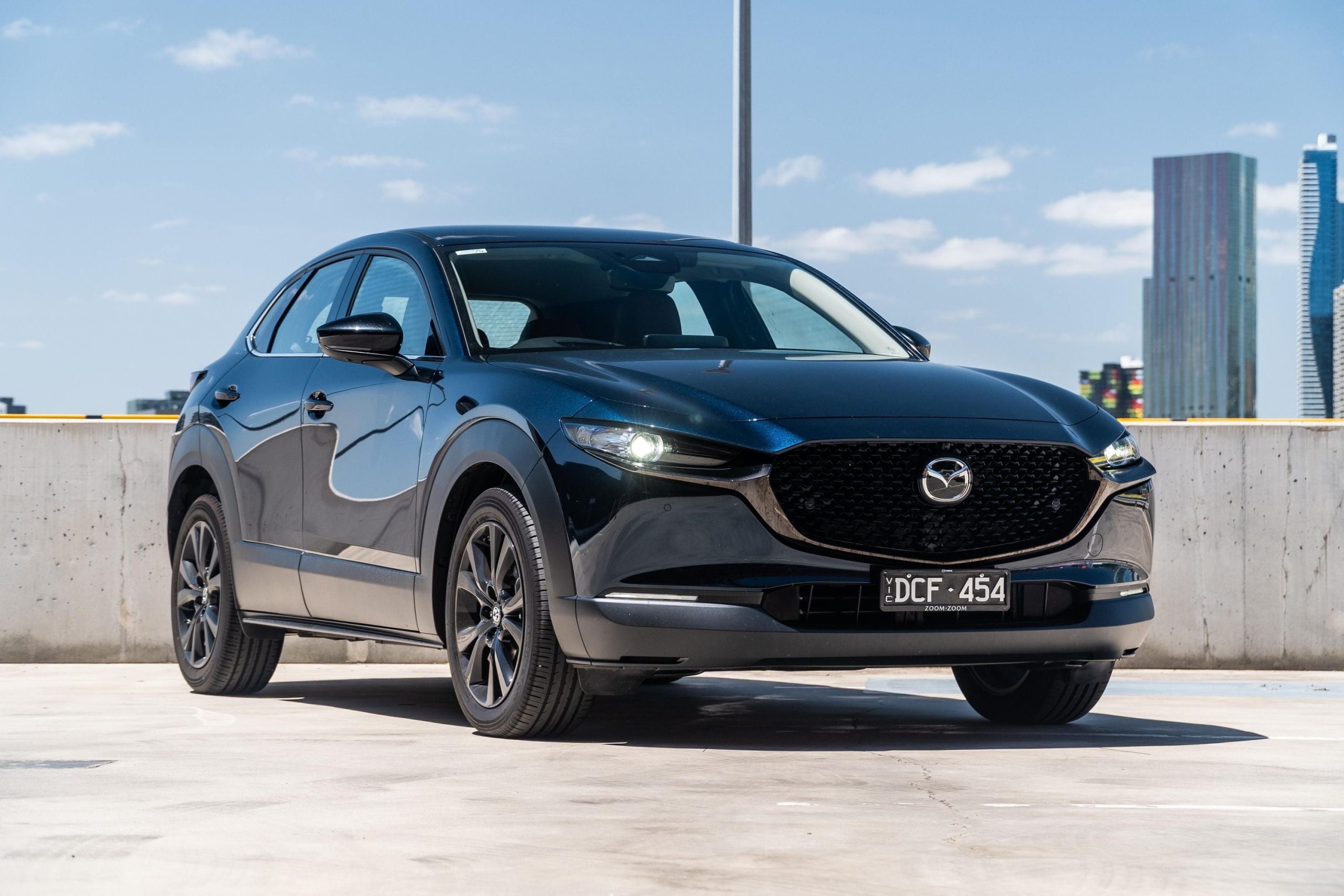
1. Mazda CX-30
The CX-30 looks sharp and feels upscale. Its cabin trim beats most rivals at the price. Yet the road test is blunt about the space. The interior is cramped, and the rear seat is tight. Small side windows make the back feel even smaller. That finding has repeated across several model years.
The numbers explain the squeeze. The CX-30 offers about 36.3 inches of rear legroom. A class rival gives roughly 38 inches. That gap looks small on paper. In the car, it feels much larger. Knees press into the seatbacks of taller front riders. Feet have little room to slide underneath. Thigh support is modest, so long trips get tiring.
Ride quality adds to the problem. The suspension is firm and can feel jumpy over bumps. Rear riders feel that more than the driver does. The standard engine also sounds raspy at low revs. That noise travels straight to the back row. Long trips become tiring for adults. Even short city hops can feel busy.
Early owners also flagged rear seat access. The door openings and sill make entry awkward for some. Rivals like the Subaru Crosstrek and Toyota Corolla Cross offer more space. The Crosstrek is praised for a roomy rear bench with good leg support. Its armrests are well placed too. It does ask tall riders to watch their heads.
The CX-30 is still a fun small SUV. It steers well and looks premium. But it asks passengers to pay the price. Treat the back seat as occasional space only. Families with teens should look elsewhere. Think of it as a driver’s car with a short guest list.
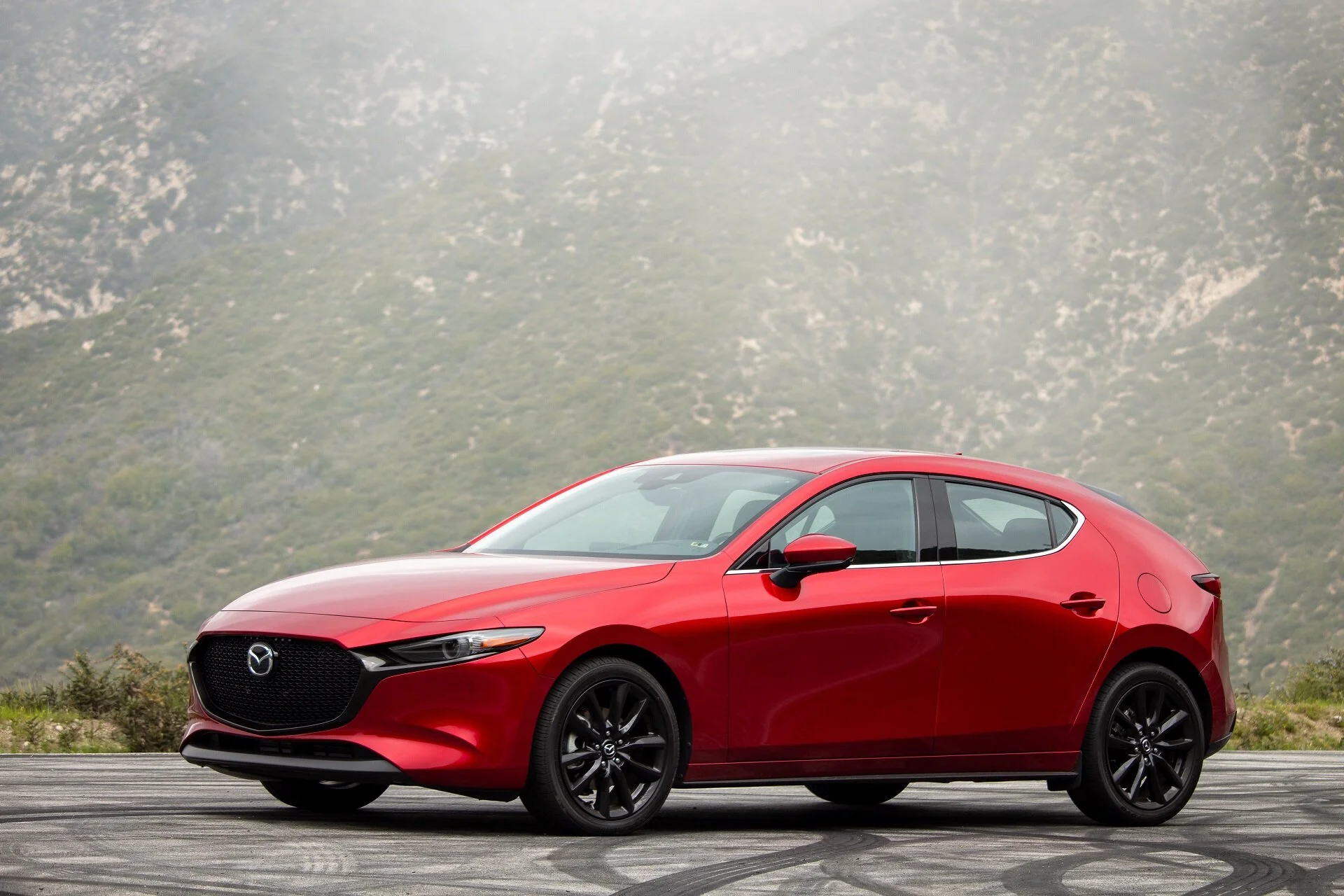
2. Mazda3
The Mazda3 is a favorite among driving fans. Its steering feels precise and its cabin feels refined. Buyers often overlook one thing. The rear seat is not its strength. Older testing already called out tight footwells. The current car keeps that trait alive. The claimed legroom numbers can mislead.
The sedan and hatchback differ in shape. The hatchback has a sloping roofline and a high beltline. Rear windows are small and set high. Kids see out poorly and may feel boxed in. Adults notice the lack of airy space. Headroom suffers when the roof tapers. Tall riders may touch the headliner.
Rear legroom sits in the mid-30s of inches. Compact rivals like the Honda Civic and Toyota Corolla give far more room. That difference shows up behind a six-foot driver.
Knees touch the seatback. Toes struggle to find space under the front seat. Two adults will need to sit still. Three across is a stretch for anyone. Access is another sore point.
The doors are modest in size, and the roof edge cuts in. Entering takes a dip of the head. Exiting takes a twist of the hips. Tall riders feel this every time.
Shorter riders cope better. Child seats also take extra effort to install. Hatchback buyers should check cargo needs too. The load floor is high and the opening is small. Bulky items add to the packing puzzle.
Pick the Mazda3 for the drive. Do not pick it for the carpool. Test the back seat with your own passengers. Bring the tallest person in your family. If they smile, you are safe. If not, look at the roomier compacts. A few extra inches can save many arguments.
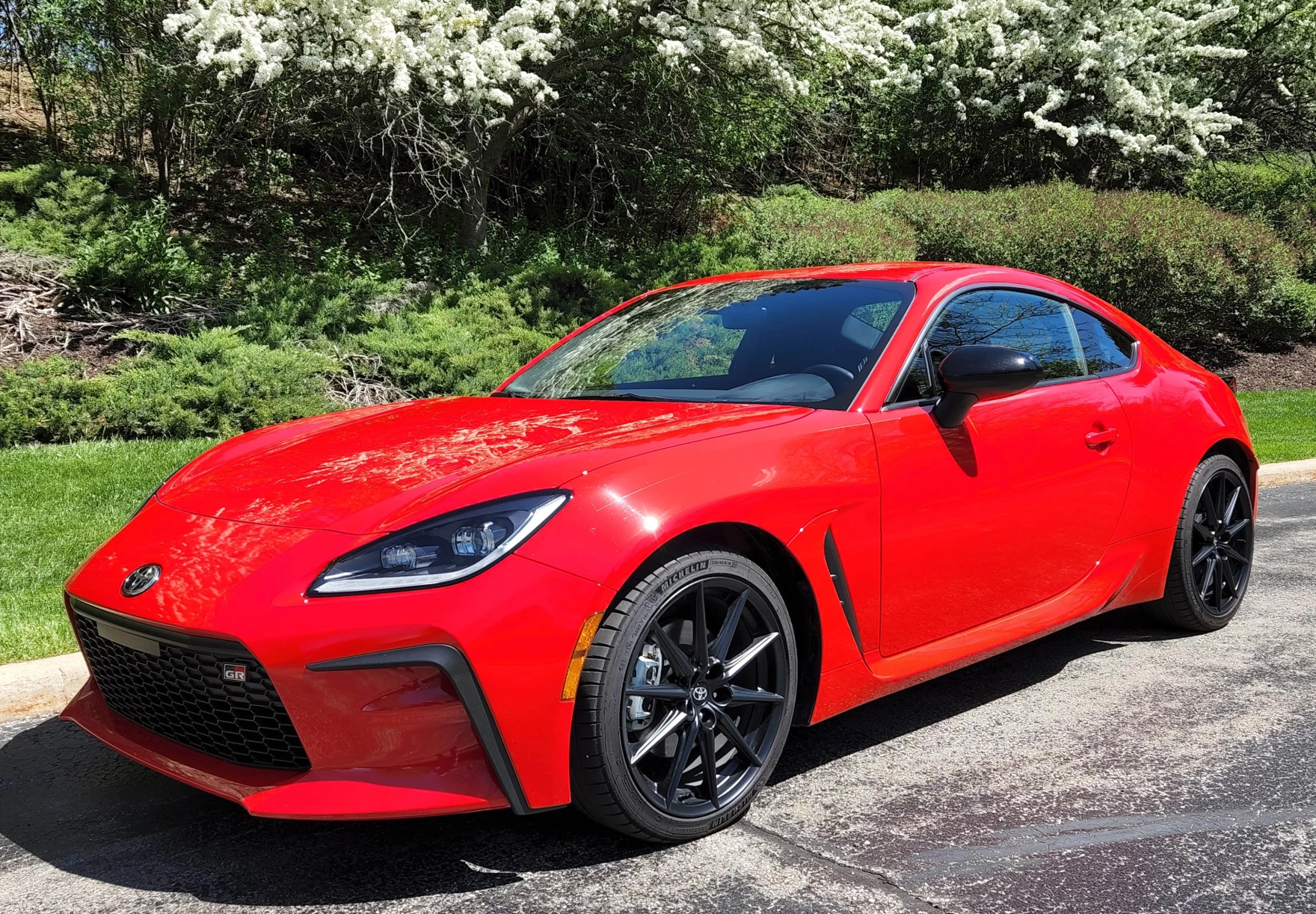
3. Toyota GR86 and Subaru BRZ
These twin coupes are built for driving joy. Their low roof and tight cabin come with the territory. The back seats are a token gesture. Treat them as a parcel shelf with seat belts. No adult should plan a real trip there. Even short rides test patience.
The roofline slopes sharply over the rear bench. Headroom is minimal for anyone near average height. Legroom is almost nonexistent behind a normal driver. Knees fold up against the front seatback. Feet have nowhere to go. The cushion sits low and flat. Support is thin and posture suffers.
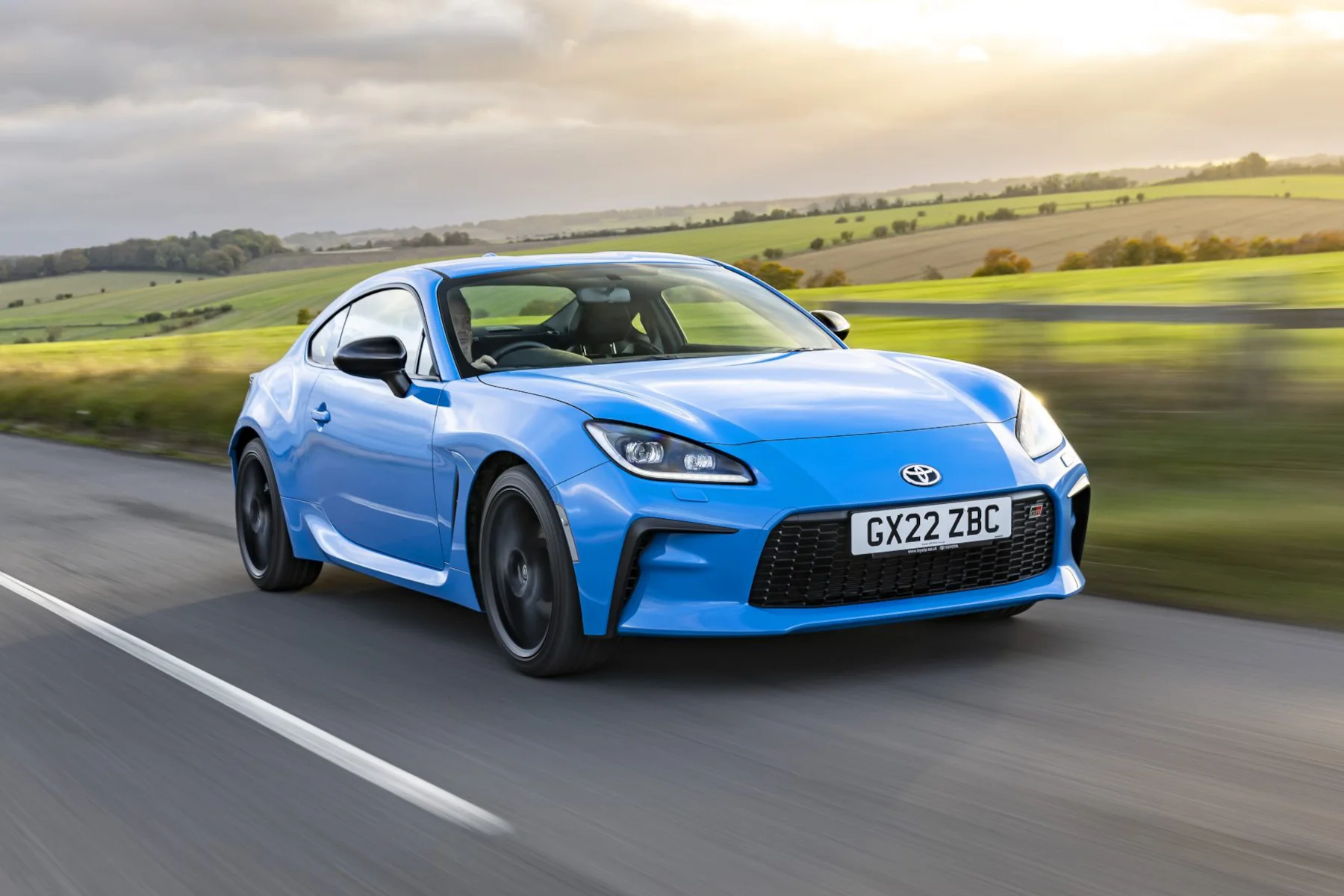
Getting in is its own challenge. The doors are long, but the opening is low. You must duck, twist, and drop. Getting out takes even more effort. Front seats slide forward, but not far. Child seats are a poor match. Install time and patience both run high.
The GR86 uses a 2.4-liter flat-four. It makes 228 horsepower and 184 pound-feet of torque. That power delights the driver. It does nothing for the rear rider. Stiff suspension and road noise reach the back clearly. Rear passengers feel every seam in the road.
Visibility from the back is limited. Tiny rear windows and thick pillars box in the view. Kids can feel carsick. Adults feel closed in. Cabin noise rises on highways. Conversation across the cabin takes raised voices. These traits suit a track day. They do not suit a road trip with friends.
Buy one for weekend fun. Use the rear seat for bags or a small child. A small hatchback with real rear room is the family answer. Two-door fans should accept the trade. Joy up front costs comfort in back. That is the deal, and it is fair for many.
4. Chevrolet Camaro
The Camaro is a muscle car with a brave design. Its low roof and thick pillars make a bold shape. They also make the back seat hard to love. Headroom is the main issue. A person of modest height can struggle. Some owners say they would almost rather walk.
Entry and exit are the next challenge. The roof edge drops steeply over the door. The rear opening is small. Getting in means folding your body in stages. Getting out means pulling yourself up. Older passengers will not enjoy it. Kids can manage but may complain.
Legroom is tight too. Front seats leave little space for rear knees. Footwells are narrow. The rear seat sits low and close to the floor. Thigh support is minimal. A sunroof cuts headroom further. Visibility is poor through the tiny rear windows.
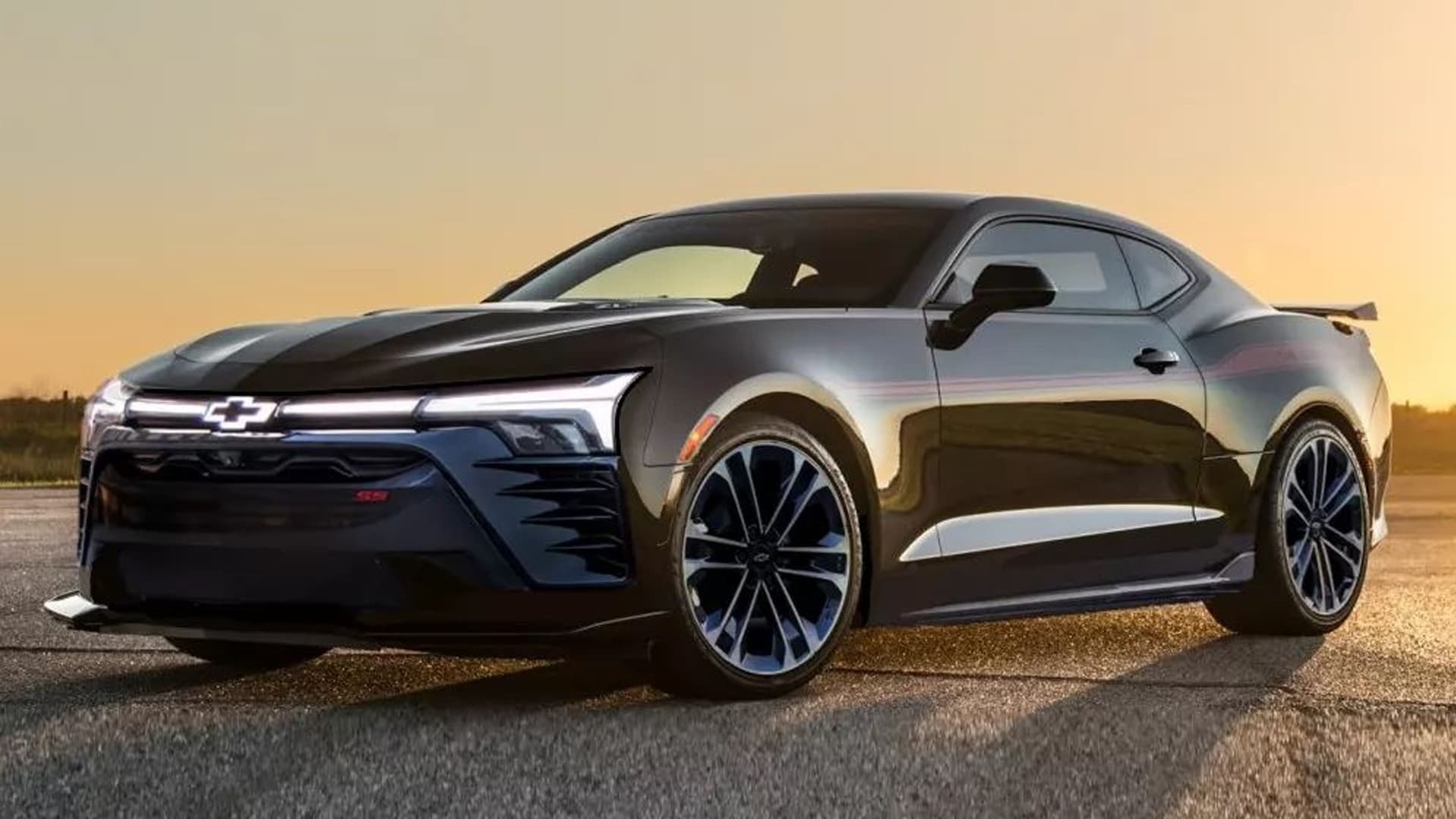
The Dodge Challenger shows a better path. It is larger and heavier, but it offers an adult-worthy rear seat. Camaro fans trade that space for sharper handling. The Camaro ended production after the 2024 model year. Used buyers will meet the same rear seat. Test it with real passengers before you sign.
The ride adds to the trouble. Wide tires and firm tuning transmit bumps to the back. Seat belts sit awkwardly at the shoulder. Long belt reach is a common complaint. Taller riders may find the belt cutting the neck. These small flaws pile up fast over a long drive. Passengers notice them one by one.
This is a car for two. The back seat suits bags, jackets, and short trips. Treat it as an emergency perch. Do not plan a family vacation around it. Pick it for the growl and the grip. Leave back-seat comfort to bigger cars.
5. Ford Mustang
The Mustang is America’s best-known pony car. It offers a real rear bench, at least in name. In practice that bench is cramped. Adults sit with knees high and heads bent. Short trips are fine. Long ones are not.
Rear legroom is about 29 inches. Headroom is around 35 inches. Those numbers sit well below any family sedan. The sloping roof presses on taller heads. The seat cushion is short and low. Thighs get little support. Legs end up folded.
Entry is awkward as well. Front seats tilt and slide forward. They do not always return to the right spot. Getting in means ducking under a low roof. Getting out requires a push. Child seats fit, but only just. Small kids may be happier than tall teens.
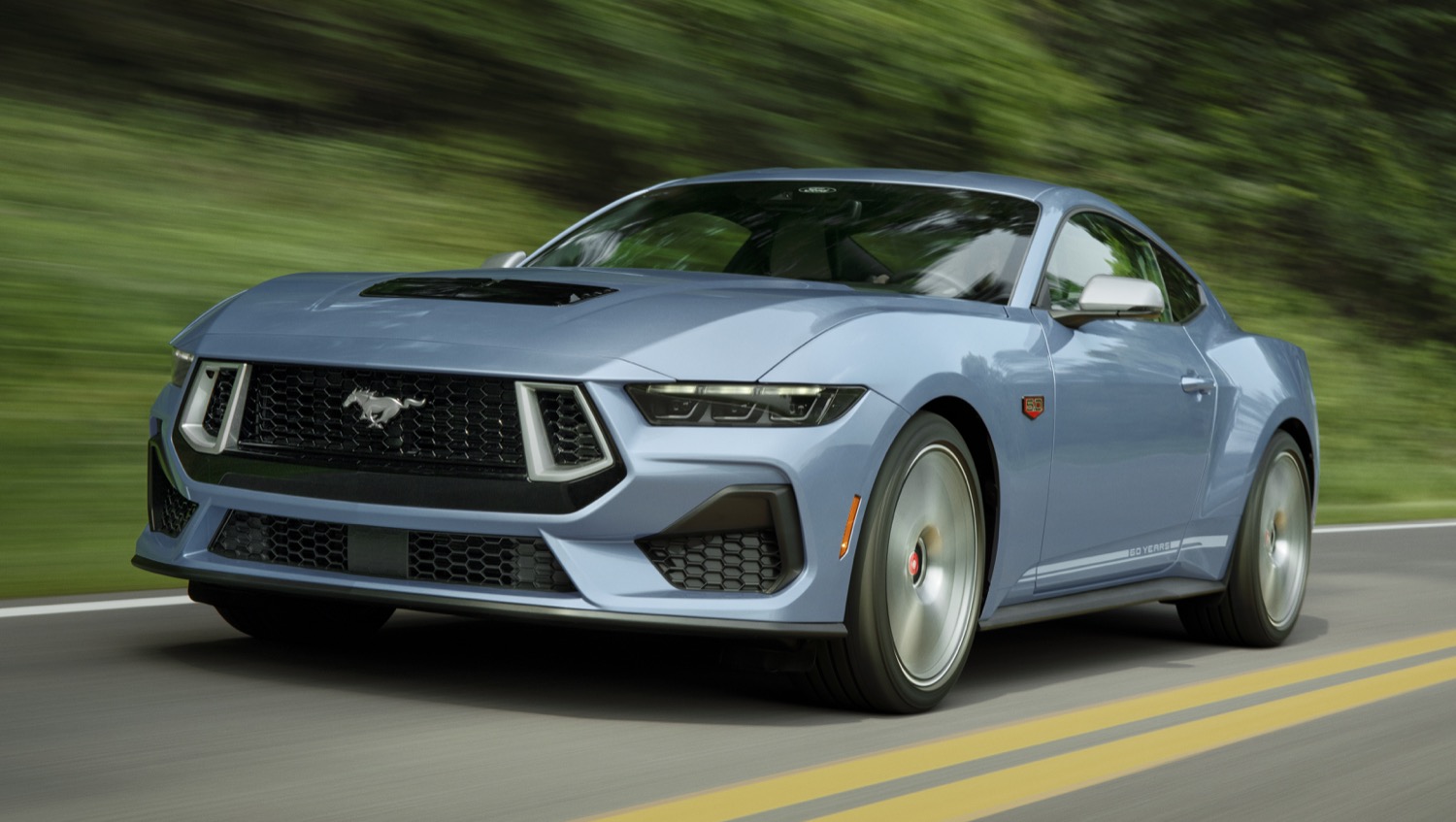
Performance trims make the ride harsher. Wide tires and stiff springs send jolts to the back. Exhaust drone grows tiring on long drives. Adults feel every expansion joint. The convertible adds wind buffeting. That changes comfort for better or worse.
Trim choice matters here. The base model rides softer and feels calmer. Higher trims chase grip and lose comfort. The back seat reflects that shift. A softer setup helps a little. It never turns the rear bench into a lounge.
Parents should note the tight fit for rear-facing child seats. The front passenger may need to move forward. That costs comfort up front. The trade is rarely worth it.
The Mustang is a sports car first. Its rear seat is a bonus, not a feature. Use it for kids or short hops. If you need space, look at a sedan. If you want the thrill, accept the squeeze. Know the trade before you sign.
6. Lexus IS
The IS is a sporty compact luxury sedan. It drives with confidence and wears a bold face. Its rear seat, though, is a letdown. Older generations were already known for tightness. Rear legroom lands in the low 30s of inches. That is small for the class.
The seat sits low to the floor. Thigh support is limited. A tall floor hump divides the footwells. Middle riders get a rough deal. Legs dig into the front seatbacks. Feet compete for scarce room. Taller adults look for another place to sit.
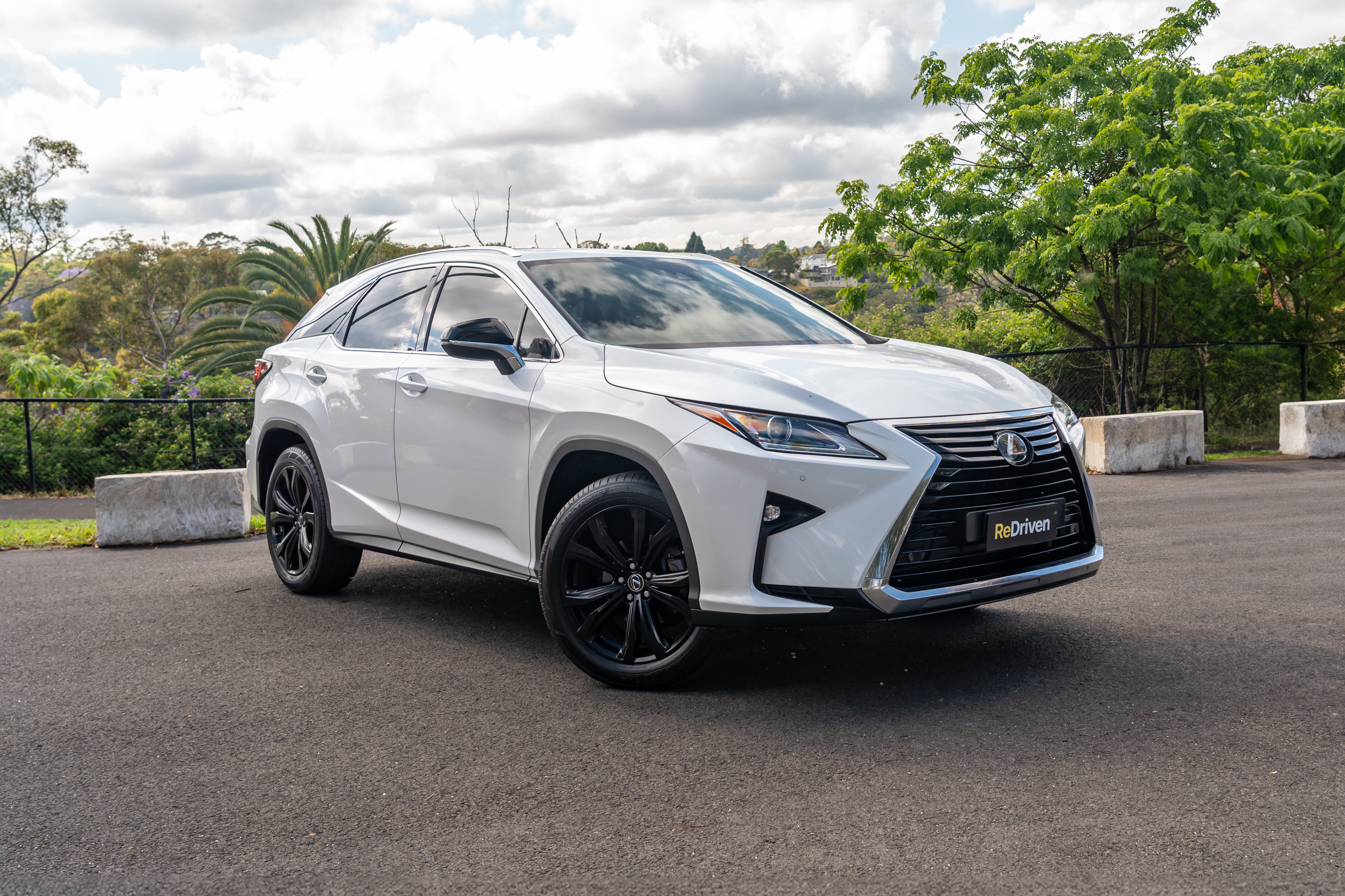
The roofline slopes at the rear. That cuts headroom and makes entry tricky. The doors are narrow at the bottom. Getting in means a careful tuck. Getting out takes a careful unfold. Visibility is limited by thick pillars. Small windows make the cabin feel tight.
Rivals offer more space. Larger sedans such as the Lexus ES give far more rear room. The ES costs less and rides more softly. That is the sensible pick for families. The IS rewards those who value handling above all. Its buyers accept the back seat as a trade.
Cabin noise matters too. Tire roar rises on coarse pavement. The sport-tuned suspension can feel firm. Rear riders feel that firmness more than front riders do. The trunk opening is also modest. Loading bulky bags takes planning. Space is the constant theme.
Buy the IS for style and handling. Do not buy it as a chauffeur car. Plan on short trips with two in back. Teens will fit, but tall adults will not. Try the back seat first. It might save you a costly mistake.
7. Cadillac CT4
The CT4 is Cadillac’s compact sport sedan. It drives with real polish and balance. The rear seat does not match that polish. Reports point to small-car room in a luxury package. Knees and heads feel the pinch. Long trips become a chore.
The roofline slopes toward the trunk. That trims rear headroom. The seat cushion sits low. Thigh support is short. The floor has a noticeable hump. Middle riders get little room for feet. Three across is not a plan.
Door openings are modest. Entry takes a deep duck. The rear doors close in at the bottom. Shoes can scuff on the sill. Child seats require patience. Older passengers will complain. Luggage space helps little here.
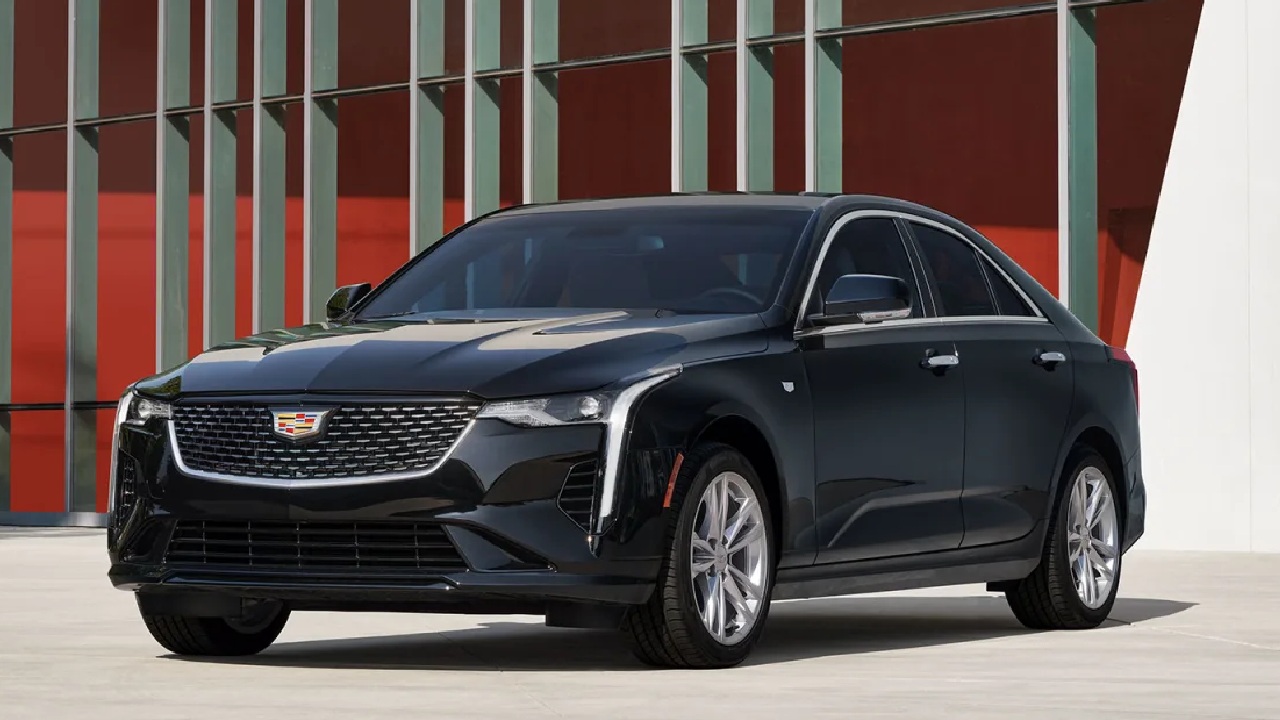
The Lexus IS shares much of the same problem. Bigger sedans fix it. The Cadillac CT5 sits a class above and gives more room. Even there, headroom suffers under the sloping roof. But legroom and comfort improve. Buyers who want the CT4’s driving feel should accept the trade.
Ride comfort depends on trim. Sporty versions feel firm and busy. Rear riders feel sharp edges first. Road noise reaches the back seat. Conversation gets harder at speed. Adults tire sooner than expected.
Pricing matters here. A well-equipped CT4 costs more than many roomier sedans. Value shoppers will feel the trade-off. Rear seat space should count in the math.
Sit in the rear and fidget before you decide. Smaller riders may find the fit awkward. Taller riders may find the headrest too low. Comfort is personal.
The CT4 is for drivers who value balance. Its back seat is for short hops. Pack light and sit close. If you carry passengers weekly, step up. A bigger sedan will keep the peace.
8. Alfa Romeo Giulia
The Giulia is a sports sedan with Italian flair. Its steering is sharp and its looks are lovely. Its rear seat is another story. Space is tight and the cushion is low. Adults feel penned in. The cabin favors the driver over everyone else.
The 2.0-liter turbo engine makes 280 horsepower and 306 pound-feet of torque. That gives brisk acceleration. It also tells you the car is built for driving. Packaging comes second. Rear legroom suffers. Headroom shrinks under the sloping roof. Tall riders will brush the headliner.
Rear doors are small. The sill is high. Entry takes careful placement of the feet. Exit takes a firm pull. Child seats fit, but access is awkward. Parents will feel the strain. Grandparents may decline the ride.
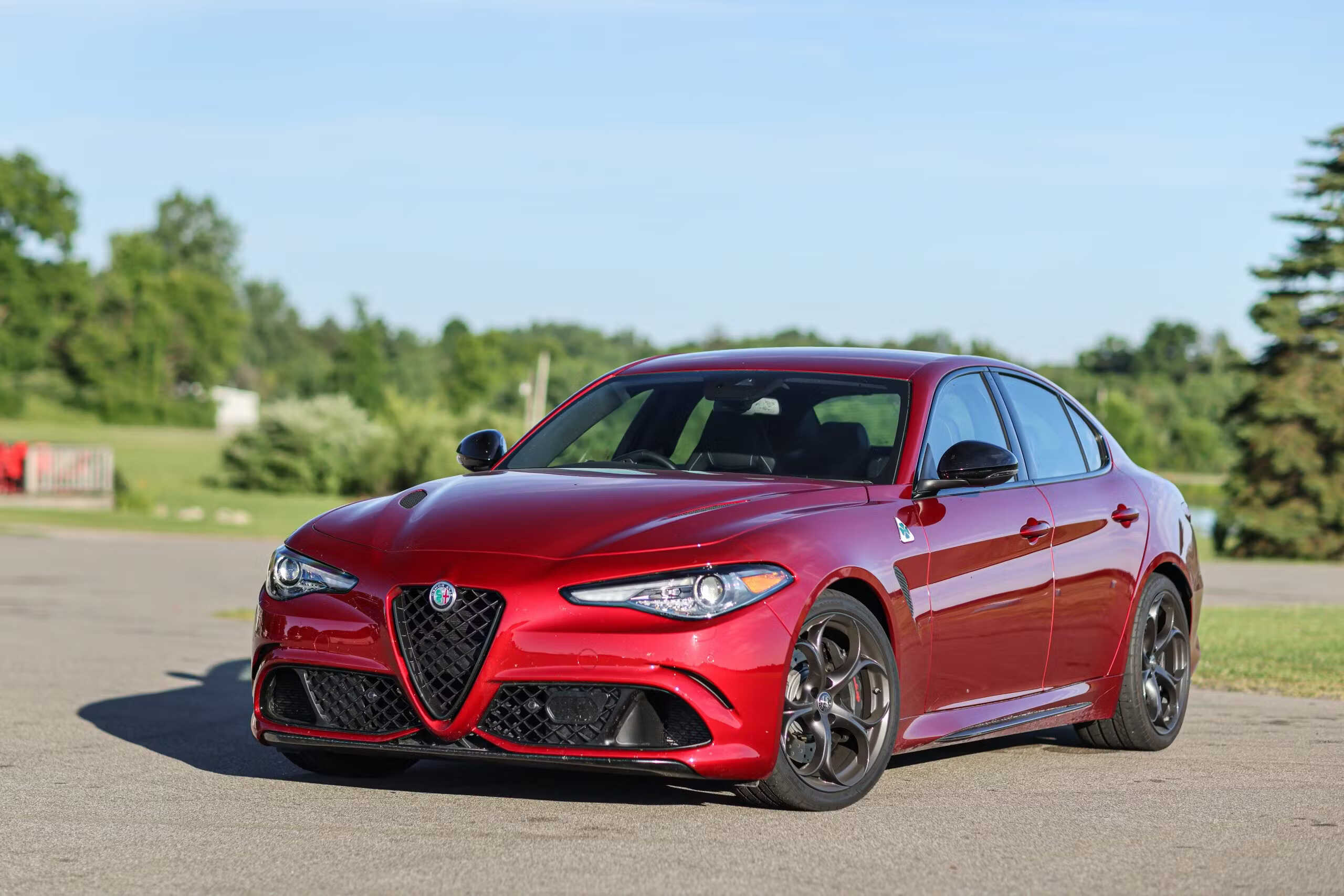
Ride comfort varies by trim. Sporty setups feel firm over broken roads. Rear passengers feel it more than the driver. Road noise adds to fatigue. Longer trips need frequent breaks. A bigger sedan will serve better.
The trunk is only average for the class. That helps with luggage but not with rear riders. Fold-down seats add flexibility. Small people can still ride in comfort. Taller people will not.
Running costs deserve thought too. Sporty European sedans can cost more to own. Check those numbers before you sign. Comfort is only part of the equation. Still, many owners love the car. They accept the rear seat as the price of character.
The Giulia is for people who love to drive. Passengers are guests, not priorities. Pick it if your back seat sees rare use. Pick something else if it sees daily use. Passion has a price, and the rear pays it.
9. Genesis G70
The G70 is a compact luxury sedan with a strong driving feel. It also carries a tight rear seat. Rear legroom is about 35 inches. That is small for the price. Adults notice quickly. Kids do better.
The roofline slopes at the back. Headroom is tight for tall riders. The seat cushion sits low and short. Thigh support is limited. The floor hump takes up the middle. Three people in the back is a stretch. Two is workable only on short trips.
Safety tech also lagged in the rear. Rear-seat safety testing found that no Genesis sedan or SUV had advanced rear restraints. The radar-based rear-occupant alert on the GV70 was a bright spot. But sedans like the G70 missed out on some protections. This matters for family buyers. Rear comfort and rear safety go together.
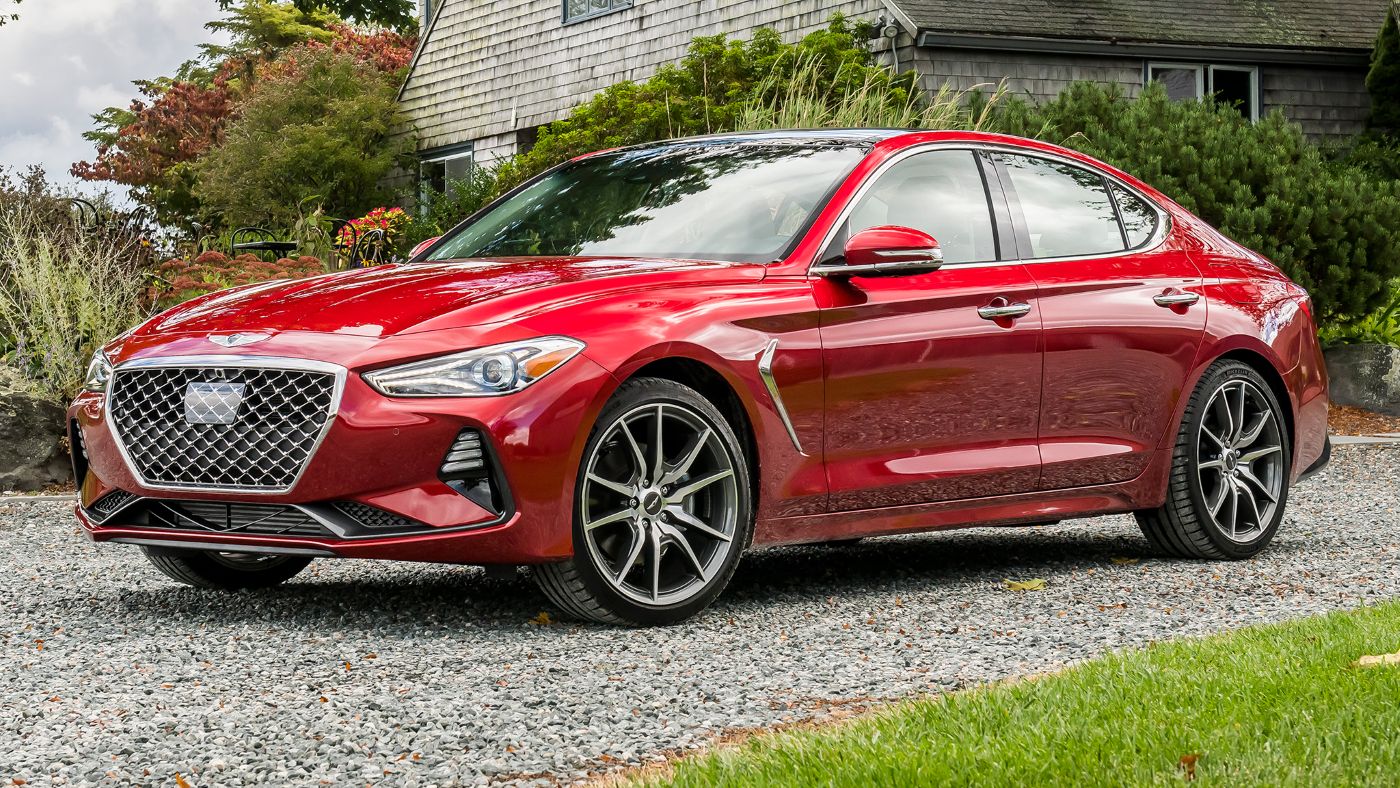
Larger siblings fix the room issue. The G80 is bigger and plusher. It costs more but suits chauffeur duty. The G70 stays the sporty option. Its stiffer ride follows that role. Passengers in back feel it on rough roads.
The front seats are excellent and the cabin feels rich. The back seat does not get the same love. Armrests sit low. Vents exist, but airflow is modest. Comfort simply stops at the second row.
The G70 also offers strong value against German rivals. Many buyers pick it for that reason. They should still check the back seat. A good price does not fix a tight bench.
Choose the G70 if you drive alone most days. Choose a larger car if you carry people often. Visit a showroom with your family. Sit in the back for ten minutes. That test tells you more than any brochure.
10. Lexus UX
The UX is Lexus’s smallest crossover. It looks upscale and drives smoothly. Its back seat is where the compromises show. Rear legroom is in the mid-30s of inches. A high floor and low roof add to the pinch. Adults sit with knees high.
Access is the next challenge. The rear door opening is narrow. The sill is high. The roof cuts in at the edge. Passengers must duck and step. Older riders will feel this each time. Small windows limit the view.
The cabin is quiet at idle, but the engine can get loud under hard throttle. The hybrid system helps fuel economy but not rear space. Cargo room is small as well. Bags and passengers compete. Plan loads carefully. Weekend trips will need smart packing.
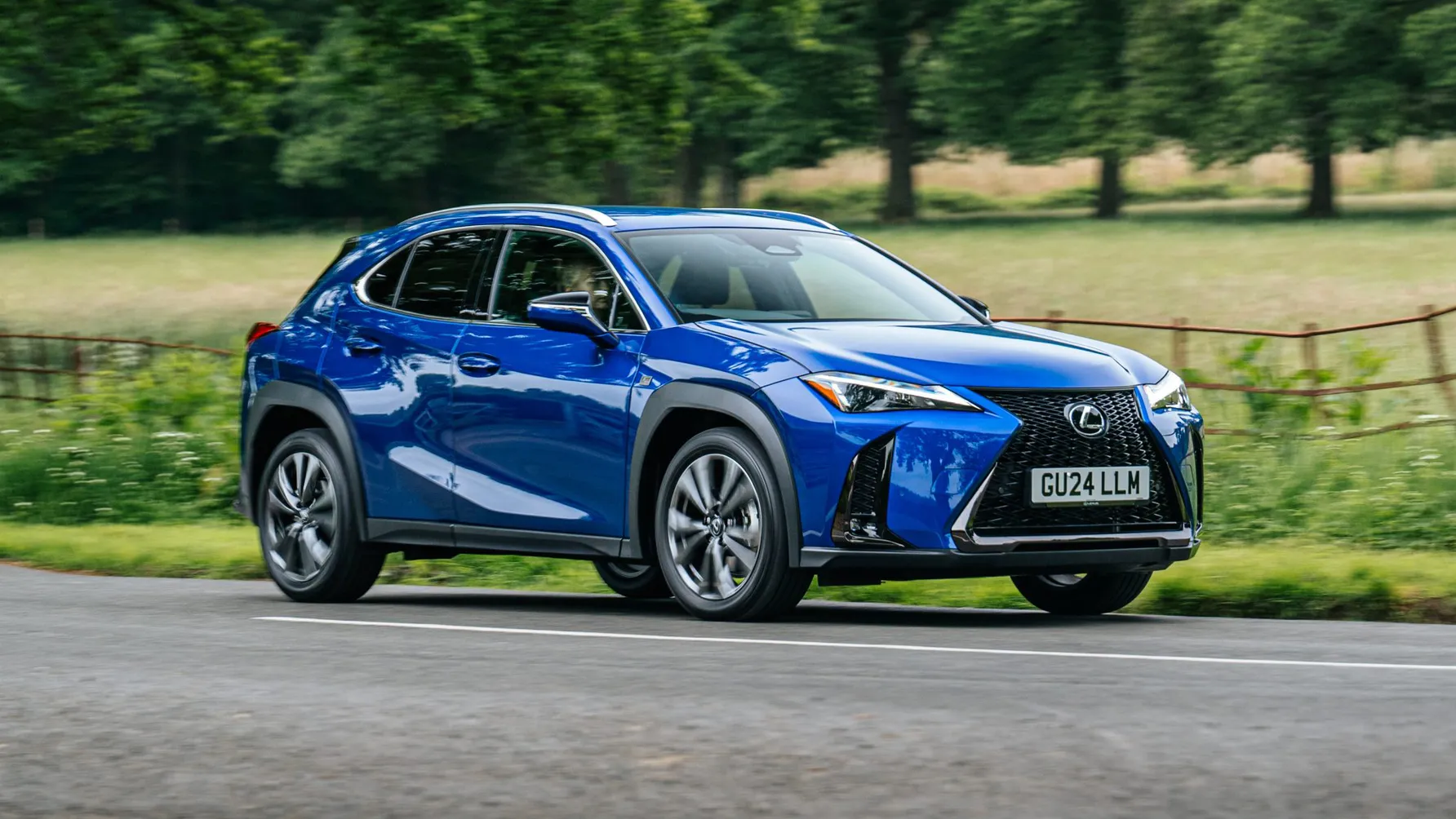
Rivals offer more space for similar money. Compact crossovers like the Subaru Crosstrek give a roomy rear seat. Even non-luxury models beat the UX for rear comfort. A larger Lexus, the NX, adds room. Buyers get more space for a higher price. Decide what matters more.
Noise and ride deserve a note. The UX rides firmly for a luxury crossover. Rear passengers feel jolts at low speed. Road noise rises on rough pavement. These traits are mild but present. They add up on long trips.
Cost is a factor too. A UX costs more than a Crosstrek with a bigger rear seat. That gap buys a badge and a quiet cabin. It does not buy more space in back. Think of it as a city car.
The UX suits city drivers. It parks easily and sips fuel. Passengers in back should be kids or short adults. Everyone else will feel the squeeze. Sit in the back before you commit. Then decide if the badge is worth it.