Stopping power matters more than speed. A shorter stop can turn a crash into a close call. Consumer Reports tests every car it buys at its Connecticut track. The braking test starts from 60 mph. Engineers run it on dry and wet pavement.
The method is strict. Cars get a 2,000-mile break-in and a brake burnishing routine. Testers follow the SAE J2909 procedure, with cooling laps between stops.
GPS gear measures the distance. It starts when the pedal is pressed. It ends at a full stop. One detail often gets missed. CR publishes the average of its stops, not the single best one. That makes its numbers harder to game.
The typical car needs about 132 feet. Sports cars average 120 feet. Large SUVs and trucks sit near 140. This list ranks ten vehicles by CR’s published dry stopping distances.
The figures come from CR’s best-braking tables and road tests across several model years. Newer versions may differ, so check current data before buying. Every distance is from 60 mph on dry pavement unless stated. Lower is better. Let’s start with the shortest.
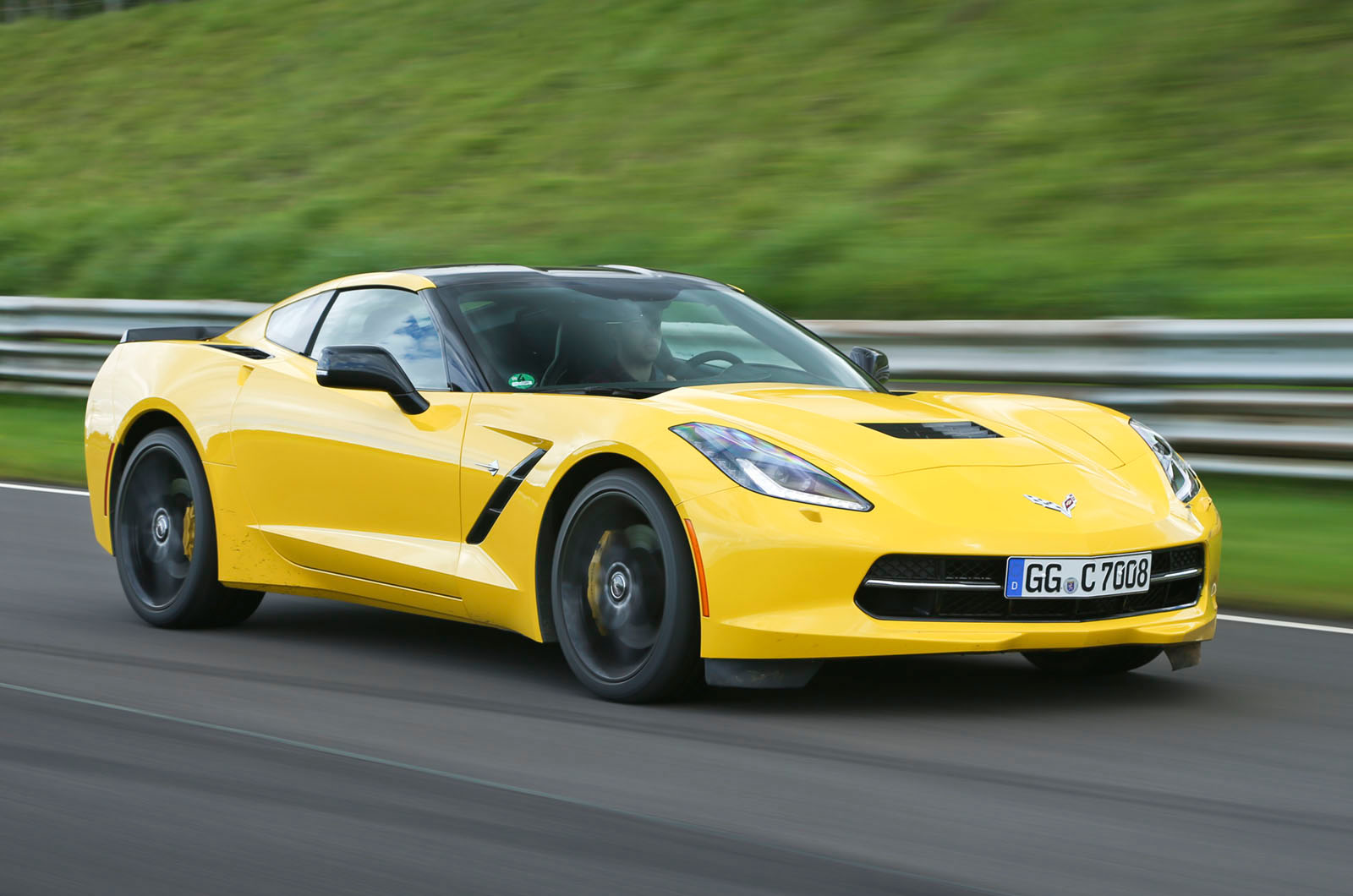
1. Chevrolet Corvette Stingray (C7): 107 feet
The Corvette Stingray 3LT topped CR’s braking table. It stopped from 60 mph in just 107 feet. That is about 25 feet better than the average car. CR called the braking “superb” in its review. The car tested was a Z51 model. It scored 92.
The numbers behind it are wild. A 460-hp, 6.2-liter V8 sent it from 0 to 60 mph in 4.3 seconds. Stopping from that speed in 107 feet is serious work.
Weight helps here. The C7 was a light, low sports car. Wide, grippy tires did the rest. Grip matters more than brake size in a single stop. The tires decide how hard the car can slow. The brakes just need to avoid fading.
CR also loved how the car handled. In the avoidance maneuver, it managed 57.5 mph. That put it near the top of the field. The newer C8 Corvette earned strong words too. CR said its braking was remarkable. Stops were stable and repeatedly short on dry and wet surfaces.
CR did not publish that number in the public material I found. The C7’s 107 feet remains the benchmark here. A Corvette is not a family car. It is loud, low, and hard to get into. But as a braking machine, it set the bar.
Buyers should note one thing. These numbers came from a specific trim with performance equipment. A base car may stop a bit longer. Still, 107 feet is hard to beat. No other model on this list came shorter. It earns the top spot.
2. Porsche 911 Carrera S: 108 feet
The 911 Carrera S stopped in 108 feet. That sits one foot behind the Corvette. It is the best figure here for a rear-engine car. Rear-engine layouts put weight over the back tires. That helps traction under power. Under braking, weight shifts forward, so engineers must balance it carefully.
Porsche clearly did. The 911 stayed stable and straight in CR’s stops. Testers reward that calm behavior with good modulation scores. Modulation means how easily you can ease into a stop. A car that grabs too hard feels twitchy. The 911 felt smooth and predictable.
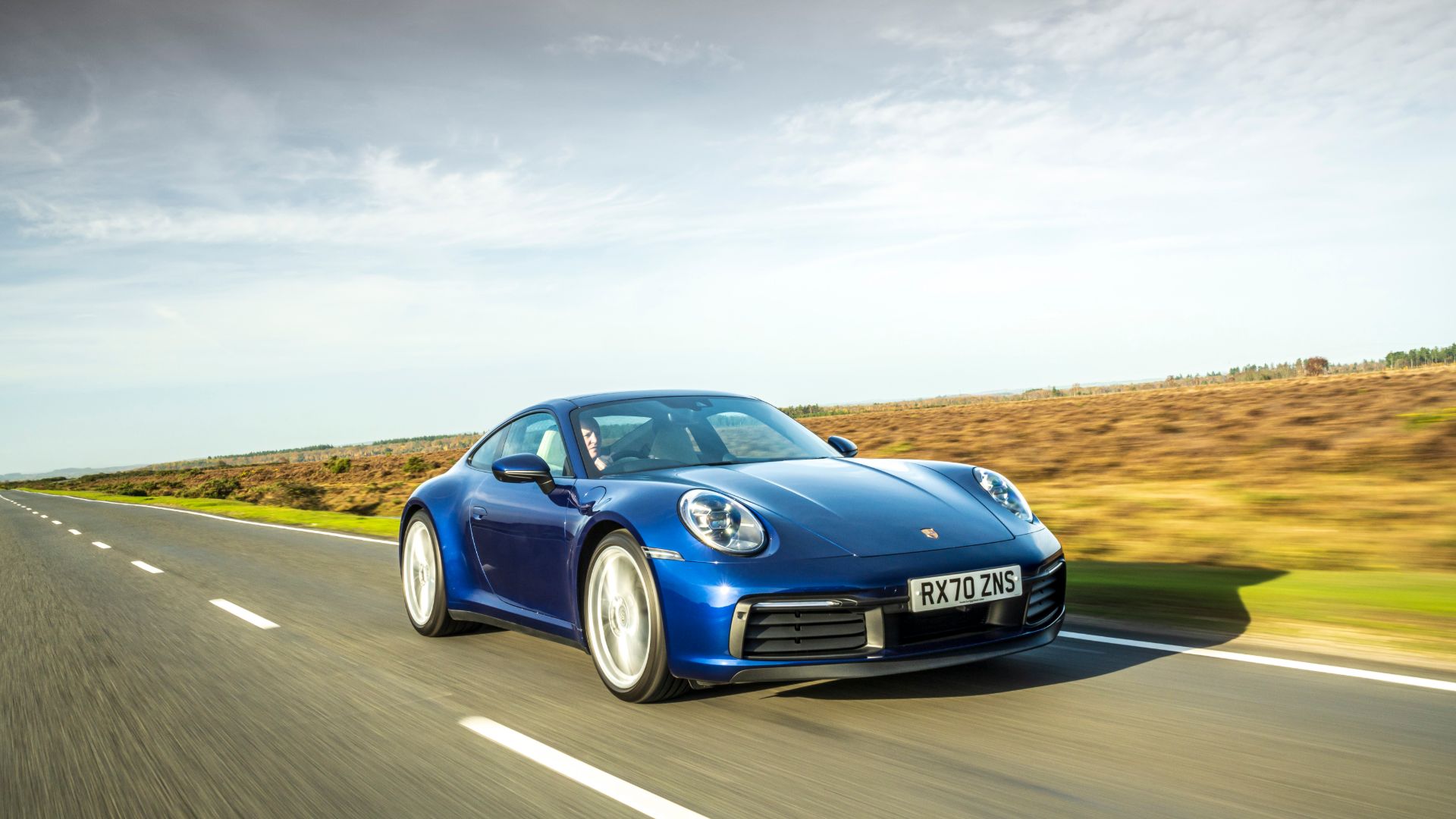
The Carrera S also led CR’s avoidance maneuver at 59.5 mph. That was the best speed in the table. Braking and swerving ability often go together.
Why is that? Good tires, a stiff chassis, and balanced weight help both tests. The 911 had all three. The price is the catch. A Carrera S costs far more than most cars here. You pay for engineering this tight.
Everyday use is easy, though. The 911 has a usable back seat for small kids. It drives calmly in traffic. Compare it with typical sports cars. The class average is 120 feet. The 911 beat that by 12 feet.
That gap is big. At 60 mph, 12 feet can decide whether you hit a stopped car. Margins like this save bumpers and bones. Some buyers assume Porsches are only about speed. This test shows otherwise. The 911 stops as well as it goes.
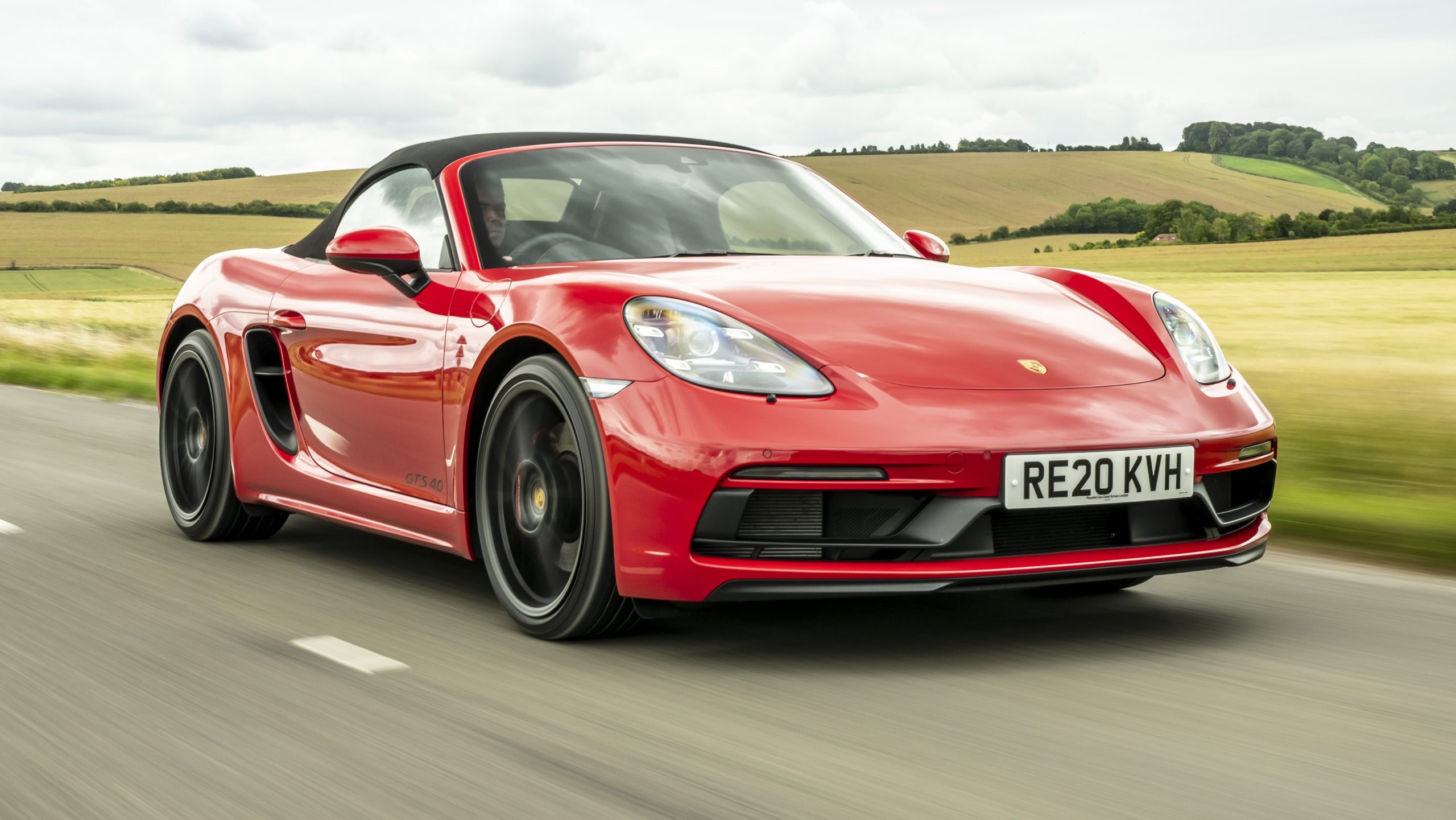
3. Porsche 718 Boxster: 108 feet
The 718 Boxster tied the 911 at 108 feet. It is a mid-engine roadster with a light, balanced body. That layout is a natural fit for braking. Weight sits near the middle of the car. That keeps all four tires working. No single end gets overloaded.
CR’s test of the Boxster stood out. It beat the BMW Z4 by 3 feet. That is a clear gap in a class with tight spreads. Earlier, a base Boxster stopped in 112 feet. So the newer 718 improved the result. Tires and tuning likely played a part.
In avoidance testing, the base Boxster hit 59.0 mph. That placed it near the Carrera S. Few cars in CR’s table were quicker through the cones. The Boxster is also a convertible. That makes the result more impressive. Open cars usually give up some body stiffness.
Stiffness matters for braking. A flexing body can upset the suspension. The Boxster’s tight structure avoids that problem. Drivers feel the difference on the road. The pedal is firm and easy to judge. You can brake late and still feel in control.
Two seats limit the Boxster’s use as a daily driver. Cargo space is split front and rear. Still, many owners use it every day. For shoppers who want open-air fun and top-tier stopping, it is a great pick. It proves a convertible can brake like a coupe. Few rivals match it.
4. BMW Z4: 111 feet
The BMW Z4 stopped in 111 feet. That is just 3 feet behind the Boxster. Together they show how strong the roadster class is. The Z4 is a rear-drive two-seater. It rides low and carries its weight well. BMW tunes these cars for sharp reflexes.
CR’s result shows the work paid off. A 111-foot stop is nine feet better than the sports-car average. That is a clear edge. Roadsters often get mixed grades for braking. Their soft tops and open bodies can hurt stiffness. The Z4 avoided those problems in CR’s stops.
Brake feel matters here. BMW gives the pedal a firm, linear response. Drivers can judge how hard they are slowing. That helps in real traffic, not just on a test track. You rarely need a full panic stop. You often need a smooth, quick one.
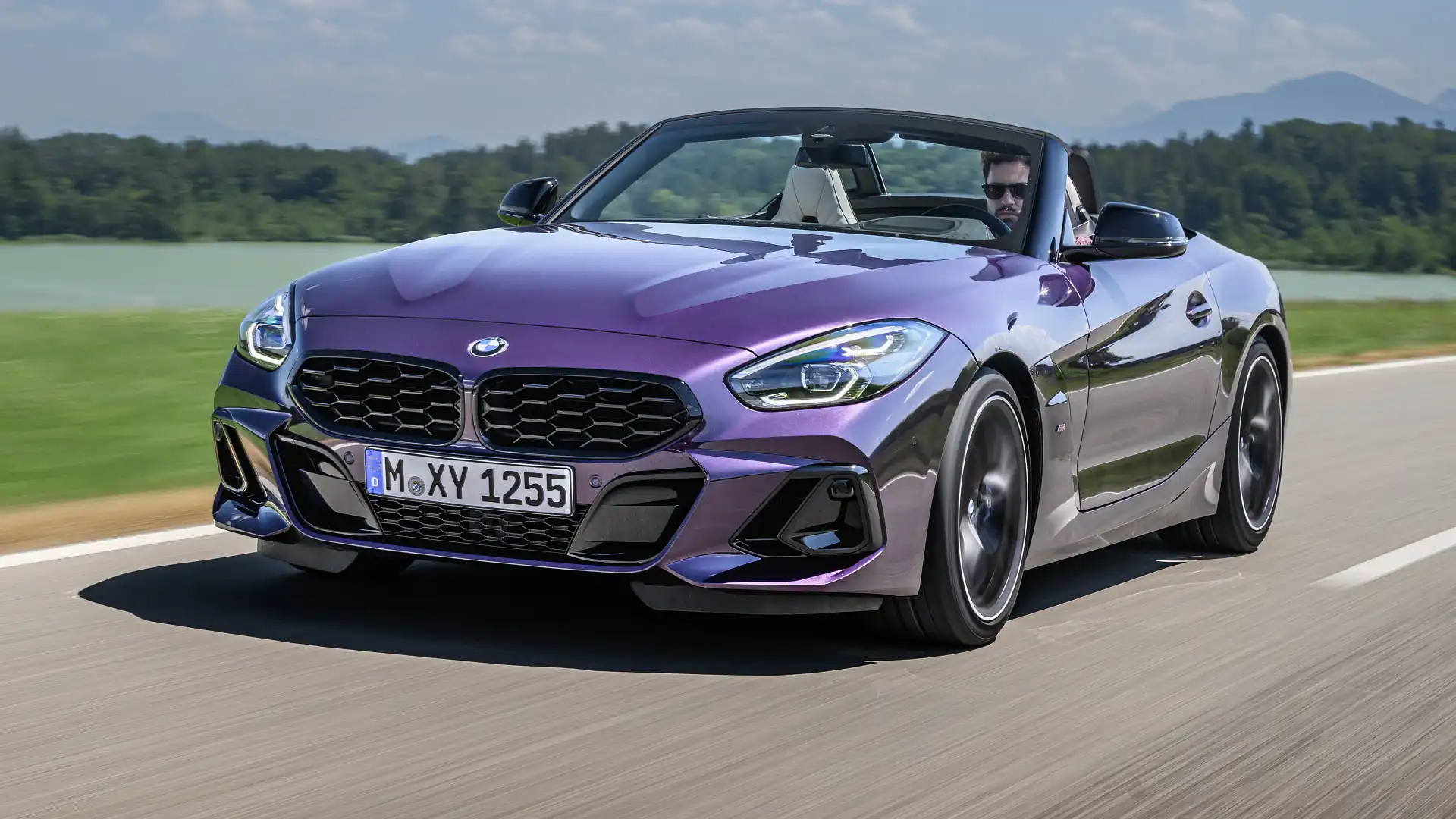
The Z4 also sits between the Boxster and the Camaro on price and character. It feels more relaxed than a Porsche. It still handles with confidence. Tires are a big factor in any result. The Z4 CR tested wore performance rubber. All-season tires would likely add distance.
That is true for every car on this list. Tire choice can change stopping distance by 10 feet or more. Keep that in mind when you shop. Worn tires hurt even more. Fresh rubber is cheap protection.
Check tread depth before blaming the brakes. The Z4 shows that a good stop does not need a mid-engine layout. Balance and grip matter most. BMW delivered both here.
5. Chevrolet Camaro 2SS: 112 feet
The Camaro 2SS stopped in 112 feet. That is strong for a muscle car. It weighs far more than the roadsters above it. Many buyers expect a Camaro to be a straight-line brute. CR’s test shows it can stop hard too. The 2SS has the V8 and the upgraded hardware.
A big V8 coupe carries a lot of mass. More mass means more energy to shed. That makes 112 feet more impressive. Wide tires and strong brakes explain it. The 2SS rides on performance-oriented rubber. Big discs help the car resist fade.
Fade is a loss of braking power from heat. It shows up after repeated hard stops. CR’s procedure, with cooling laps, checks for it. The Camaro held up well. Its repeat stops stayed close to the first. That consistency feeds into the averaged result.
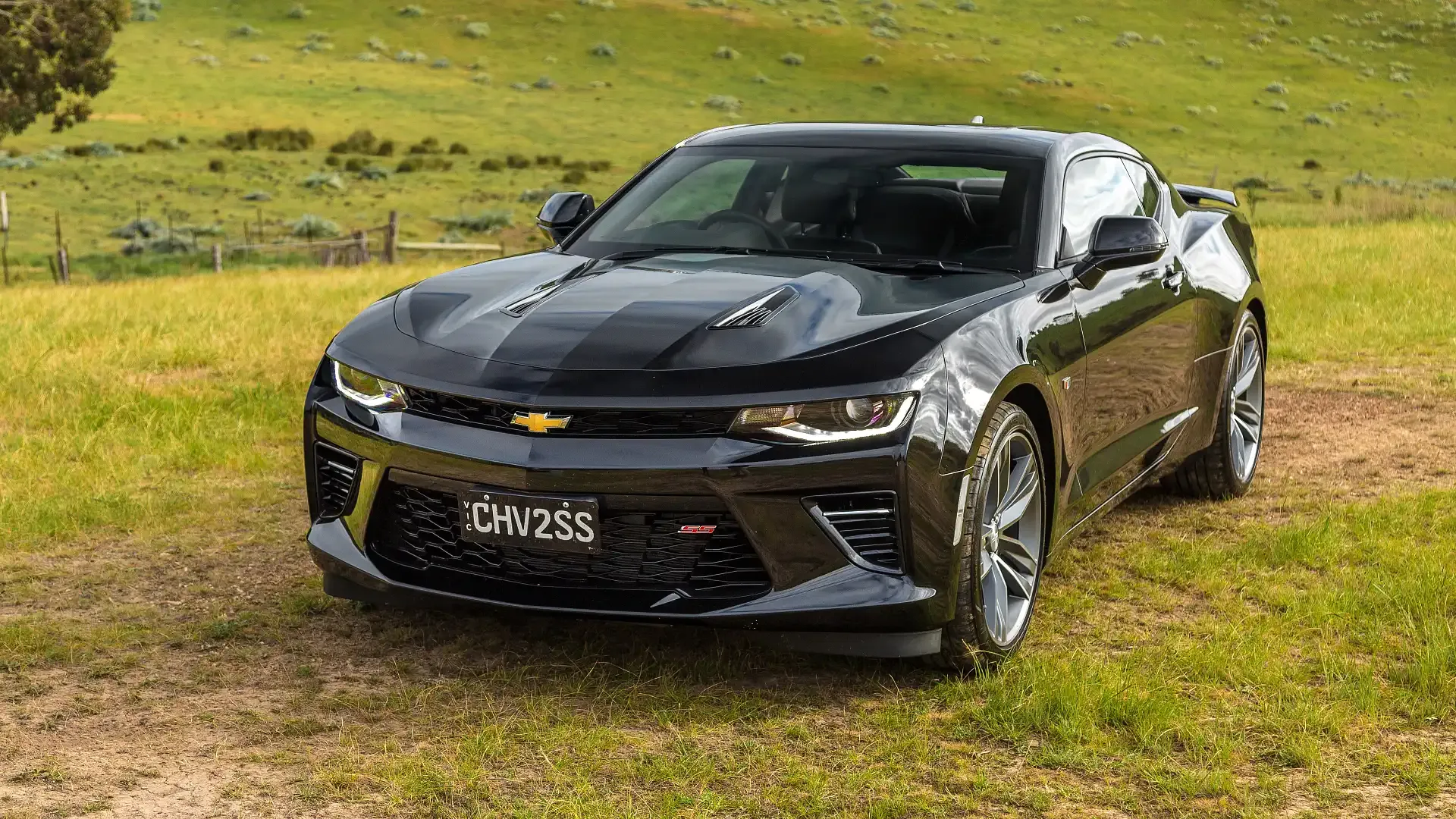
A Camaro convertible with the 2SS package posted 117 feet. That is five feet longer than the coupe. Open tops and extra weight cost a little. The gap is a good lesson. Body style changes the numbers, even within one model. A coupe is usually the better stopper.
Compared with the Dodge Challenger R/T, the Camaro won. The Challenger needed 119 feet. Seven feet matters at highway speed. Muscle cars are often judged on power alone.
CR’s data says to look at brakes too. The Camaro earns respect there. Visibility is the Camaro’s weak spot. The low roof and high beltline limit your view. Brakes help, but so does seeing the hazard early.
6. Audi TT 2.0T: 113 feet
The Audi TT 2.0T stopped in 113 feet. It is a compact, all-wheel-drive coupe. It shows that small cars can brake very well. The TT is light and low. It has a stiff structure and a wide stance for its size. Those traits help it grip.
All-wheel drive aids acceleration more than braking. Every car brakes on all four wheels. Still, Audi’s chassis tuning gave the TT a calm feel at the limit.
CR’s avoidance test backs that up. The TT managed 58.0 mph through the cones. That ranks well against much costlier cars. Compare it with the Corvette. The TT needed six feet more to stop. It also costs far less than a Z51 Corvette.
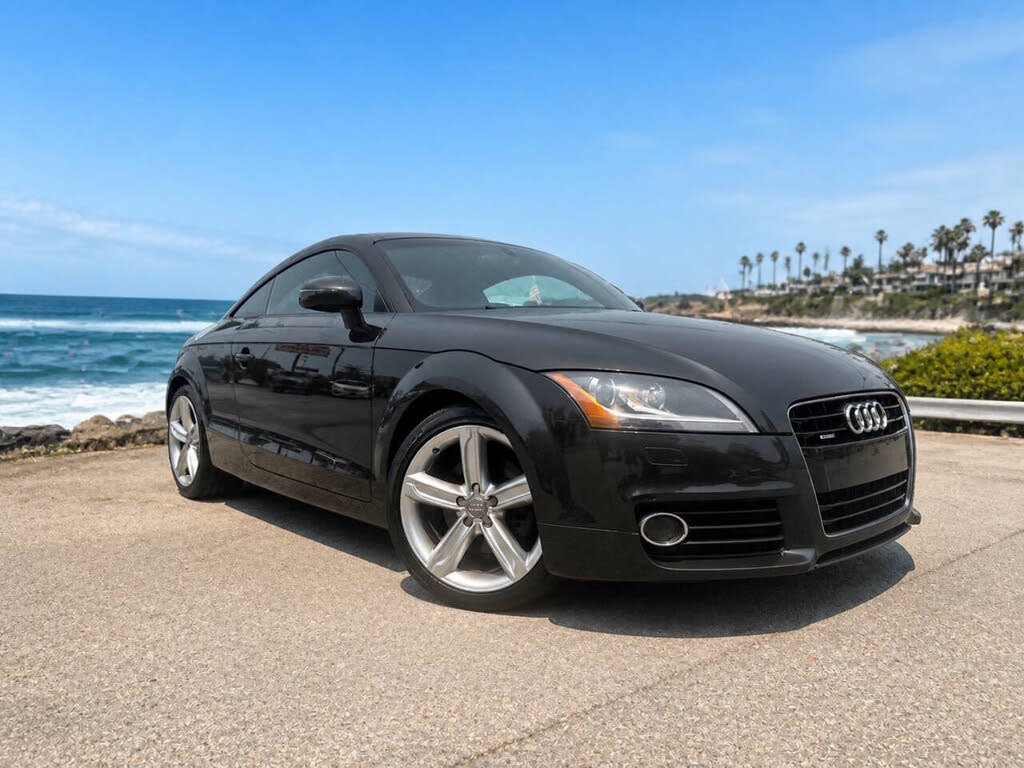
That is where the TT shines. You get near-elite braking without exotic money. Many shoppers overlook it. The TT also has a high-quality interior. The cabin feels tight and well-built. Controls are simple and easy to reach.
Practical limits exist. The rear seats are tiny. Cargo space is modest. Still, as a daily sports car, it works. The ride is firm but not harsh. Road noise is acceptable.
The 2.0T badge points to a turbocharged four-cylinder. It offers solid power without much weight over the nose. Less nose weight helps the car turn and stop. If you want a small, sharp coupe with good brakes, the TT fits. CR’s numbers prove it. It sits right in the top tier.
7. BMW M235i: 115 feet
The BMW M235i stopped in 115 feet. It is a compact rear-drive coupe with a turbocharged six-cylinder. That engine gave it strong pace. The M235i weighed more than the Boxster or the TT. It still stopped in a respectable distance. BMW’s chassis tuning deserves credit.
In CR’s avoidance maneuver, it reached 58.5 mph. That put it among the best in the table. Only a few cars went faster. Those results show a balanced car. It brakes well and changes direction quickly. Many cars manage only one of the two.
The 235i also offers real daily comfort. It has a back seat that adults can use for short trips. The trunk is a decent size. At 115 feet, it beat the typical sports-car average by five feet. That may sound small. In a panic stop, five feet can be the whole story.

Three cars on this list share the 115-foot mark. The Maserati Ghibli S Q4 and the Mercedes-Benz SLK250 posted the same figure. That shows how tight the field is.
Rear-wheel drive gives the 235i a classic feel. Weight shifts to the rear under power. Under braking, the front end digs in. BMW matched the brakes to the tires well. The pedal feel is firm. Stops are straight and drama-free.
Heat is the enemy of any brake. The M235i handled CR’s repeated stops without major loss. That bodes well for spirited driving. For shoppers who want a practical coupe that still stops hard, it is a smart pick. It balances fun and usability. CR’s numbers back it up.
8. Maserati Ghibli S Q4: 115 feet
The Maserati Ghibli S Q4 also stopped in 115 feet. This one surprises people. It is a large luxury sedan, not a sports car. The “Q4” badge means all-wheel drive. The “S” points to the stronger twin-turbo V6. Together, they add weight.
Large sedans usually stop longer than coupes. Weight and a higher center of gravity work against them. The Ghibli beat that trend in CR’s test. Compare it with the Chevrolet SS. That large sedan needed 118 feet. The Ghibli beat it by three feet.
Maserati fitted the car with high-performance tires and big brakes. That combination gave it real bite. It also kept the car stable at the limit. Another comparison helps. CR’s luxury midsize cars average 128 feet. The Ghibli beat that by 13 feet.

That gap is large for a car this size. It shows that brake engineering still matters. A heavy car can stop well if built right. The Ghibli is also about comfort. The cabin is quiet and refined. The ride is supple on rough roads.
Reliability is another matter. Italian luxury cars often cost more to maintain. That is worth weighing before you buy. Still, the brake result stands on its own.
A family-size sedan that stops like a sports car is rare. It is a great trick. Buyers who need four doors and want strong braking should take note. The Ghibli proves you can have both. CR’s data confirms it.
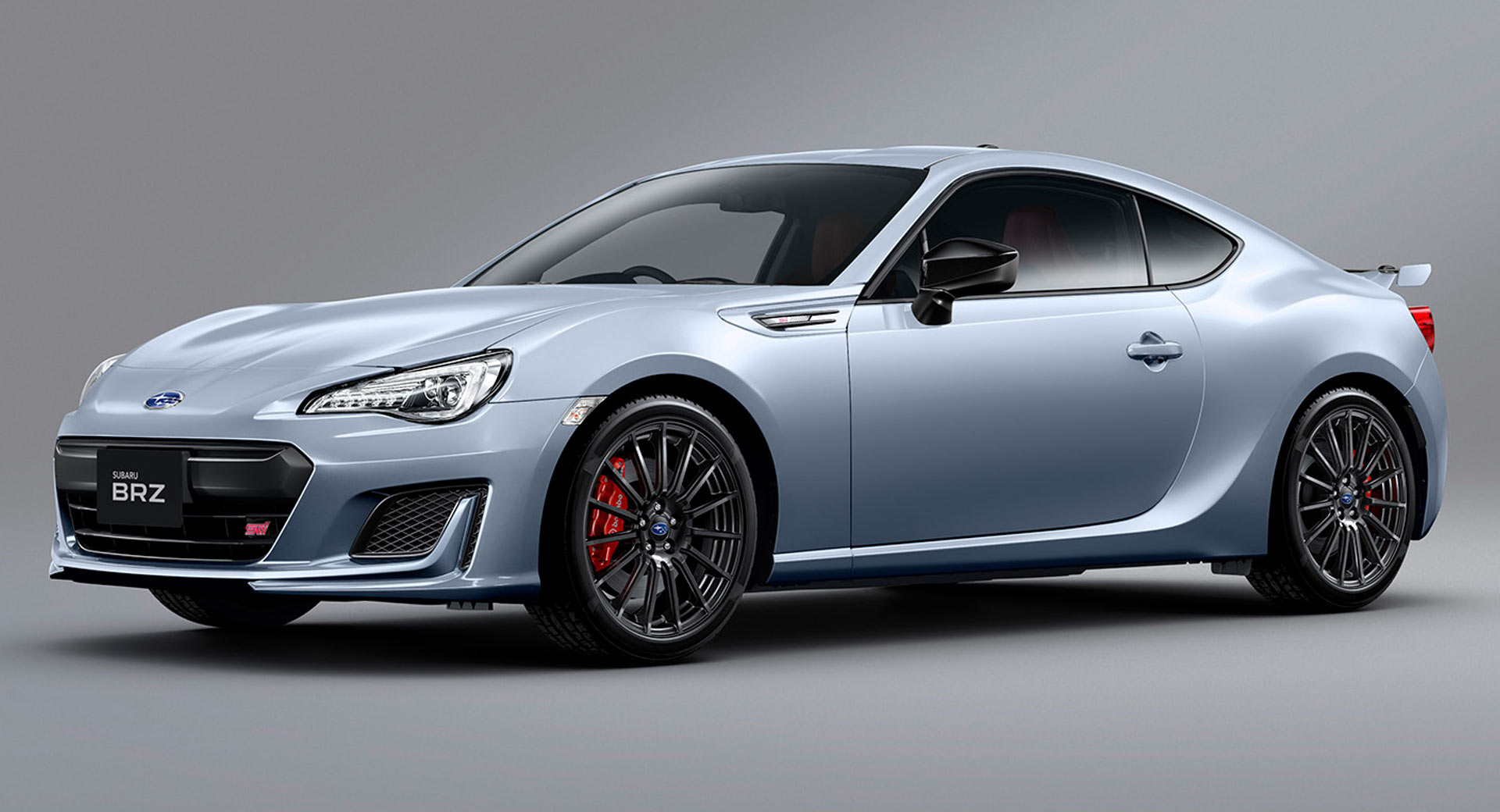
9. Subaru BRZ: 117 feet
The Subaru BRZ stopped in 117 feet in CR’s published figures. Its wet distance was 123 feet. Both numbers are strong for a car this affordable. This is the budget hero of the list. The BRZ costs a fraction of a Porsche or a Corvette. Yet it beats the sports-car average of 120 feet.
CR’s 2026 road test praised its short braking distances. It ranked first among nine sports cars. Its score was 86. Light weight is the key. The BRZ is small and simple. Less mass means less energy to shed.
Its sibling, the Toyota GR86, came close. It stopped in 119 feet dry and 127 feet wet. The BRZ held a small edge in both. Compare either one with the Ford Mustang. CR measured the Mustang at 129 feet dry and 144 feet wet. That is about ten feet longer on dry pavement.
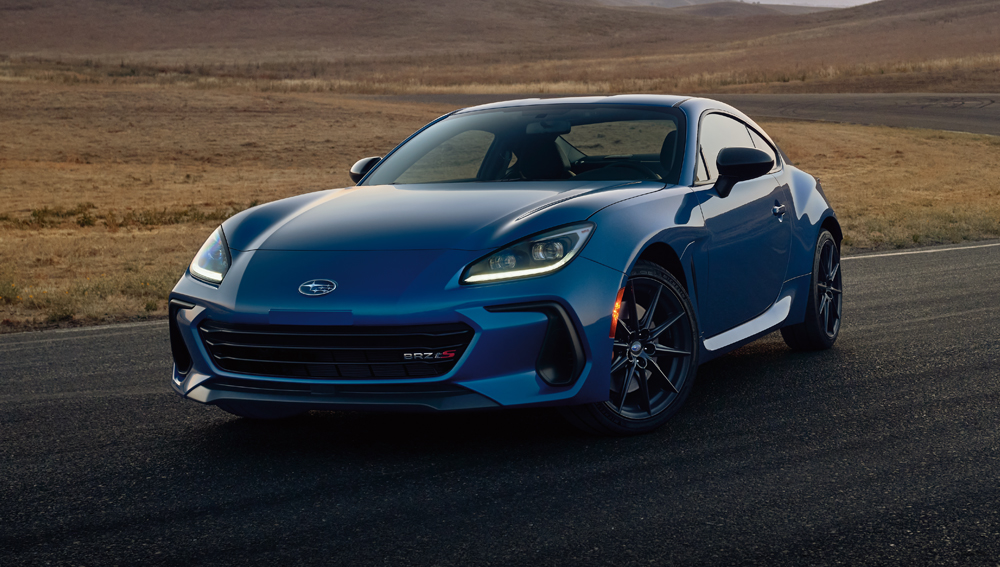
Wet numbers matter a lot. Rain doubles the danger for many drivers. The BRZ’s 123 feet wet is excellent. An earlier CR test of the 2021 BRZ Limited showed 126 feet. So the car has improved since then. Tires and brake upgrades helped.
CR also rated the 2025 BRZ’s braking at five out of five. That is the top score. It matches the raw numbers. The BRZ is not fast in a straight line. It takes about six seconds to reach 60 mph.
But speed is not the point. Balance and feel are the point. The BRZ is easy to drive hard and easy to stop. For the price, nothing else here comes close.
10. Tesla Model S P85D: 118 feet
The Tesla Model S P85D stopped in 118 feet. That was with the optional 21-inch wheel and tire package. Its wet distance was 129 feet. This result is surprising. The Model S is a heavy electric sedan. Yet it matched cars with half the weight.
The P85D had dual motors and all-wheel drive. Sticky tires on large wheels did the heavy lifting. Grip, again, won the day. Tires made a huge difference. Tesla’s own testing has shown this clearly. Stopping distances change by tens of feet with tire choice.
CR learned this the hard way with the Model 3. That car averaged 152 feet in its test. CR said it was worse than any contemporary car it had tested.

Tesla disputed the figure. It claimed an average of 133 feet. CR said the first stop was near 130 feet, but later stops were longer. CR later suggested a software fix might help. Repeatability is key. One great stop means little if the second one fades.
The P85D, by contrast, showed strong, repeatable results. It stayed consistent across stops. That is why it earns a place here. Regenerative braking does not shorten emergency stops. In a panic stop, the friction brakes do the work. Tires still set the limit.
This lesson applies to every EV. Check the exact wheel and tire package. A different setup can change results by 20 feet or more. The P85D shows what is possible. A heavy electric sedan can stop like a sports coupe. With the right tires, it did.